

The peptide research market has expanded significantly over the past few years, making it more challenging than ever to identify reliable suppliers. Researchers and institutions require access to laboratory-grade compounds that meet rigorous purity standards, yet the proliferation of vendors has introduced substantial variability in product quality and safety. Finding the best place to buy peptides requires understanding testing protocols, manufacturing standards, regulatory compliance, and vendor transparency. This comprehensive guide examines the critical factors that distinguish reputable suppliers from questionable sources and provides actionable criteria for evaluating peptide vendors in 2026.
Understanding Research Peptide Quality Standards
Laboratory research demands compounds that meet specific purity thresholds and compositional accuracy. Research peptides must undergo rigorous testing to verify their molecular structure, concentration, and freedom from contaminants. Third-party batch testing has become the industry standard for validating peptide quality, providing independent verification that products meet stated specifications.
Third-Party Testing Requirements
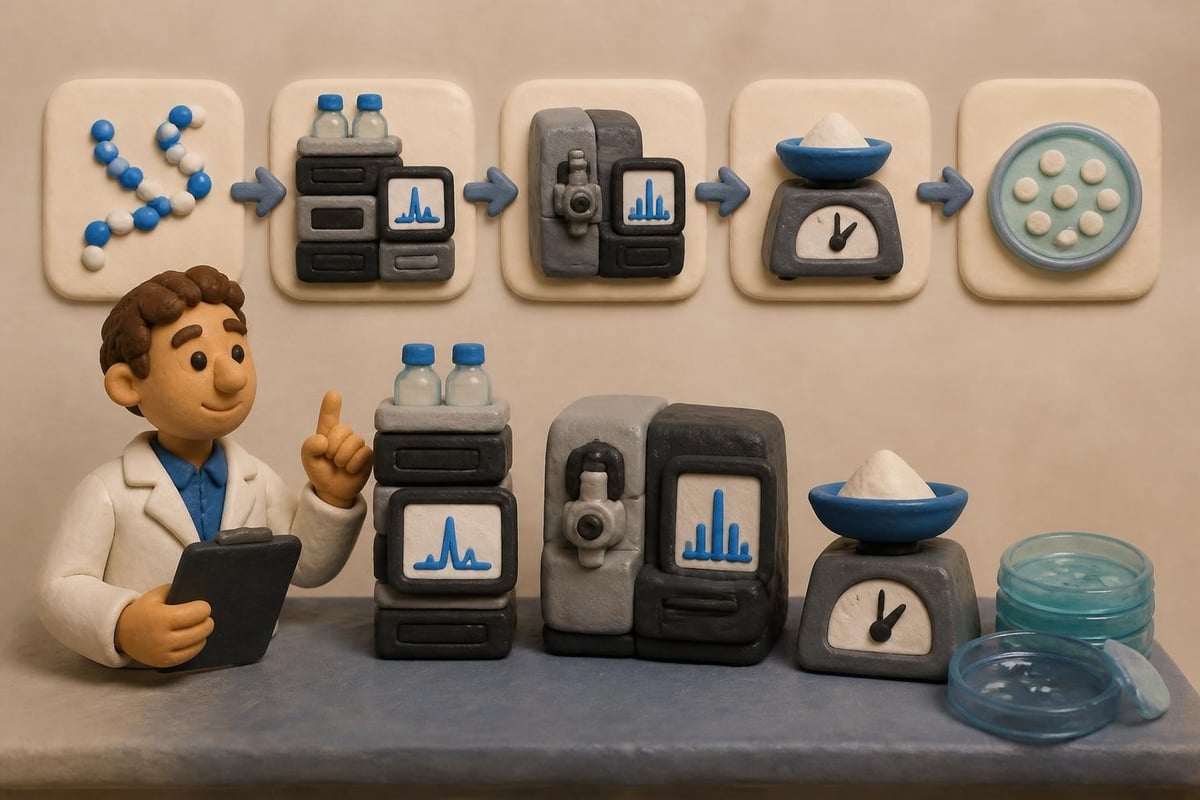
Legitimate peptide suppliers provide certificates of analysis (COAs) for every batch they distribute. These documents detail the results of analytical testing performed by independent laboratories using validated methodologies. A comprehensive COA includes:
- HPLC (High-Performance Liquid Chromatography) results showing purity percentages
- Mass spectrometry data confirming molecular weight and identity
- Peptide content measurements indicating actual concentration
- Sterility testing for injectable-grade products
- Endotoxin levels for compounds used in cell culture applications
The best place to buy peptides will make these certificates readily accessible, typically posting them directly on product pages or providing them upon request. Vendors who refuse to share testing data or provide vague assurances about quality should raise immediate red flags.
Manufacturing Standards and Compliance
Manufacturing processes directly impact peptide quality and consistency. US-based manufacturing facilities operating under Good Manufacturing Practices (GMP) guidelines typically produce higher-quality compounds than overseas operations with minimal oversight. Understanding safe sourcing practices helps researchers identify vendors who prioritize manufacturing excellence.
Reputable manufacturers maintain controlled environments, use pharmaceutical-grade raw materials, and follow standardized protocols for synthesis and purification. They document every production step and implement quality control measures throughout the manufacturing process.
Critical Factors When Evaluating Peptide Vendors
Identifying the best place to buy peptides requires systematic evaluation across multiple dimensions. Researchers should assess vendors using objective criteria rather than relying solely on marketing claims or pricing.
Transparency and Documentation
Trustworthy suppliers operate with complete transparency about their products, processes, and business practices. They provide detailed product descriptions, clear usage disclaimers, and comprehensive documentation. Key transparency indicators include:
| Transparency Element | What to Look For | Red Flags |
|---|---|---|
| Product Information | Molecular formulas, CAS numbers, storage requirements | Vague descriptions, missing technical data |
| Testing Documentation | Batch-specific COAs with recent dates | Generic certificates, outdated results |
| Contact Information | Physical address, phone number, responsive support | Only email contact, no location details |
| Legal Disclaimers | Clear statements about research-only use | Claims about human consumption or therapeutic benefits |
Vendors who provide extensive educational resources and technical support demonstrate commitment to proper research applications. They understand that informed customers conduct better research and maintain long-term relationships with reliable suppliers.
Vendor Reputation and Track Record
Experience matters significantly in peptide manufacturing and distribution. Established vendors with multi-year track records have proven their ability to maintain consistent quality and navigate regulatory requirements. Comprehensive peptide sourcing guides emphasize the importance of vendor history and customer feedback.
Research the vendor's background through:
- Industry forums where researchers discuss experiences
- Independent reviews from verified purchasers
- Professional recommendations from colleagues and institutions
- Business registration and licensing verification
New vendors may offer competitive pricing, but established suppliers typically provide greater reliability and accountability. The best place to buy peptides balances competitive value with proven performance.
Product Range and Specialization
Vendor specialization often correlates with expertise and quality control. Suppliers focused exclusively on research peptides typically develop deeper knowledge and more refined processes than those offering peptides alongside numerous unrelated product categories.
Comprehensive Product Selection
Quality-focused vendors maintain curated product catalogs featuring compounds commonly used in legitimate research applications. They stock peptides backed by substantial scientific literature and clinical investigation. For example, healing and recovery research often utilizes compounds like BPC-157 and TB-500, which have extensive research backing their tissue repair mechanisms.
Top suppliers regularly update their inventory to include emerging compounds while maintaining consistent availability of established research peptides. They provide detailed product information including:
- Molecular structure and sequence
- Suggested reconstitution protocols
- Storage stability data
- Relevant research references
- Proper handling guidelines
Custom Synthesis Capabilities
Some research projects require peptides not available in standard catalogs. The best place to buy peptides may offer custom synthesis services for specialized research needs. These services demonstrate advanced technical capabilities and access to sophisticated manufacturing infrastructure.
Custom synthesis typically involves:
- Consultation to define exact specifications
- Quotation detailing costs, timelines, and minimum quantities
- Synthesis using appropriate methodologies
- Purification to achieve target purity levels
- Testing with comprehensive analytical verification
- Delivery with complete documentation
Pricing Structures and Value Assessment
Price represents just one component of value when selecting peptide suppliers. The cheapest option frequently delivers inferior quality, while premium pricing doesn't automatically guarantee superior products. The best place to buy peptides offers fair pricing that reflects genuine manufacturing and testing costs.
Understanding Legitimate Pricing
Research-grade peptide production involves significant expenses. Synthesis requires specialized equipment, high-purity reagents, skilled technicians, and rigorous quality control. Third-party testing adds additional costs for analytical services. Legitimate vendors price products to cover these expenses while maintaining sustainable business operations.
Suspiciously low prices often indicate:
- Compromised purity levels
- Inadequate testing protocols
- Questionable manufacturing practices
- Inaccurate peptide content
- Contaminated products
Compare pricing across multiple reputable suppliers to establish reasonable market rates. Prices significantly below market averages warrant careful scrutiny and verification of testing documentation.

Bulk Ordering and Research Discounts
Many vendors offer volume discounts for larger orders or establish preferential pricing for institutional customers conducting ongoing research. These programs can provide substantial savings while maintaining quality standards. However, researchers should verify that bulk products receive the same testing rigor as individual units.
Legitimate discount programs typically require:
- Verification of research institution affiliation
- Minimum order quantities or values
- Consistent ordering patterns
- Proper documentation and compliance
Storage, Handling, and Shipping Protocols
Peptide stability depends heavily on proper storage conditions from manufacturing through end use. Temperature excursions, moisture exposure, and contamination can degrade peptides or render them unusable. The best place to buy peptides implements rigorous protocols protecting product integrity throughout the supply chain.
Proper Storage Requirements
Different peptides require specific storage conditions to maintain stability and activity. Most research peptides require refrigeration or freezing, with many compounds degrading rapidly at room temperature. Suppliers should provide clear storage guidelines including:
- Temperature ranges for short-term and long-term storage
- Light sensitivity requirements
- Humidity control recommendations
- Reconstitution stability data
- Freeze-thaw cycle limitations
Products arriving warm or showing signs of temperature abuse should be returned immediately. Reputable vendors guarantee proper cold-chain maintenance and typically offer replacement for compromised shipments.
Shipping Methods and Packaging
Professional peptide suppliers use specialized shipping methods ensuring products remain within required temperature ranges during transit. Common approaches include:
| Shipping Method | Temperature Control | Typical Transit Time | Best For |
|---|---|---|---|
| Cold Packs | 2-8°C | 1-3 days | Refrigerated peptides, domestic shipping |
| Dry Ice | -20°C or below | 1-2 days | Frozen peptides, long-distance shipping |
| Insulated Packaging | Maintains starting temperature | Variable | All peptides requiring temperature control |
Suppliers should clearly communicate shipping methods, expected delivery timeframes, and procedures for reporting temperature excursions. They typically suspend shipments during extreme weather events that could compromise product integrity.
Legal and Regulatory Considerations
Peptide regulations vary significantly across jurisdictions and intended uses. In the United States, research peptides occupy a complex legal space requiring careful navigation. The best place to buy peptides operates within established regulatory frameworks and provides clear guidance about permitted applications.
Research-Only Designations
Legitimate research peptide suppliers explicitly state that their products are intended solely for laboratory research applications. They do not market compounds for human consumption, therapeutic use, or athletic performance enhancement. Understanding the risks of buying peptides online helps researchers recognize vendors operating outside legal boundaries.
Proper vendors include disclaimers stating:
- Products are not for human or animal consumption
- Compounds are intended exclusively for research purposes
- No therapeutic claims or medical benefits are stated
- Users must comply with all applicable regulations
Vendors making health claims, promoting athletic benefits, or suggesting human use violate regulatory guidelines and should be avoided regardless of pricing or product quality.
Import and Export Regulations
Researchers ordering from international suppliers must navigate customs regulations, import restrictions, and potential legal complications. Domestic suppliers typically offer simpler procurement processes with fewer regulatory hurdles. US-based manufacturers provide additional advantages including:
- Faster shipping without customs delays
- Greater accountability under US regulations
- Easier communication during business hours
- Simpler return and replacement processes
When evaluating the best place to buy peptides, domestic sourcing often provides superior convenience and regulatory compliance compared to international alternatives.
Vendor Communication and Customer Support
Responsive, knowledgeable customer support distinguishes exceptional peptide suppliers from mediocre alternatives. Research applications sometimes require technical guidance, product recommendations, or troubleshooting assistance. The best place to buy peptides staffs support teams capable of addressing complex technical questions.
Technical Expertise and Guidance
Quality vendors employ staff with scientific backgrounds who understand peptide chemistry, research applications, and proper handling protocols. They provide accurate information about product specifications, storage requirements, and reconstitution procedures. Support teams should respond promptly to inquiries and demonstrate genuine expertise rather than reading from generic scripts.
Effective customer support includes:
- Detailed product recommendations based on research objectives
- Technical guidance for reconstitution and storage
- Certificate of analysis interpretation assistance
- Troubleshooting for unexpected results or product issues
- Updates about product availability and formulation changes
Order Processing and Fulfillment
Efficient order processing reflects operational excellence and customer focus. Professional suppliers confirm orders promptly, provide tracking information, and meet stated delivery timelines. They maintain adequate inventory levels preventing backorders and delays that disrupt research schedules.
Red Flags and Warning Signs
Certain characteristics reliably indicate problematic vendors who prioritize profit over product quality and customer safety. Researchers should immediately disqualify suppliers exhibiting these warning signs:
- Lack of testing documentation or refusal to provide COAs
- Health or therapeutic claims violating research-only regulations
- No physical address or verifiable business registration
- Unrealistically low pricing compared to market standards
- Poor website quality with numerous errors or unprofessional presentation
- Pressure tactics encouraging immediate purchases or bulk orders
- Cryptocurrency-only payments avoiding standard transaction tracking
- Generic product photos without actual product images
Advanced peptide sourcing standards provide detailed frameworks for identifying legitimate suppliers and avoiding questionable vendors.

Specialized Research Applications
Different research areas require specific peptide characteristics and may benefit from suppliers specializing in particular compound categories. Understanding these nuances helps researchers identify the best place to buy peptides for their specific applications.
Tissue Repair and Regeneration Research
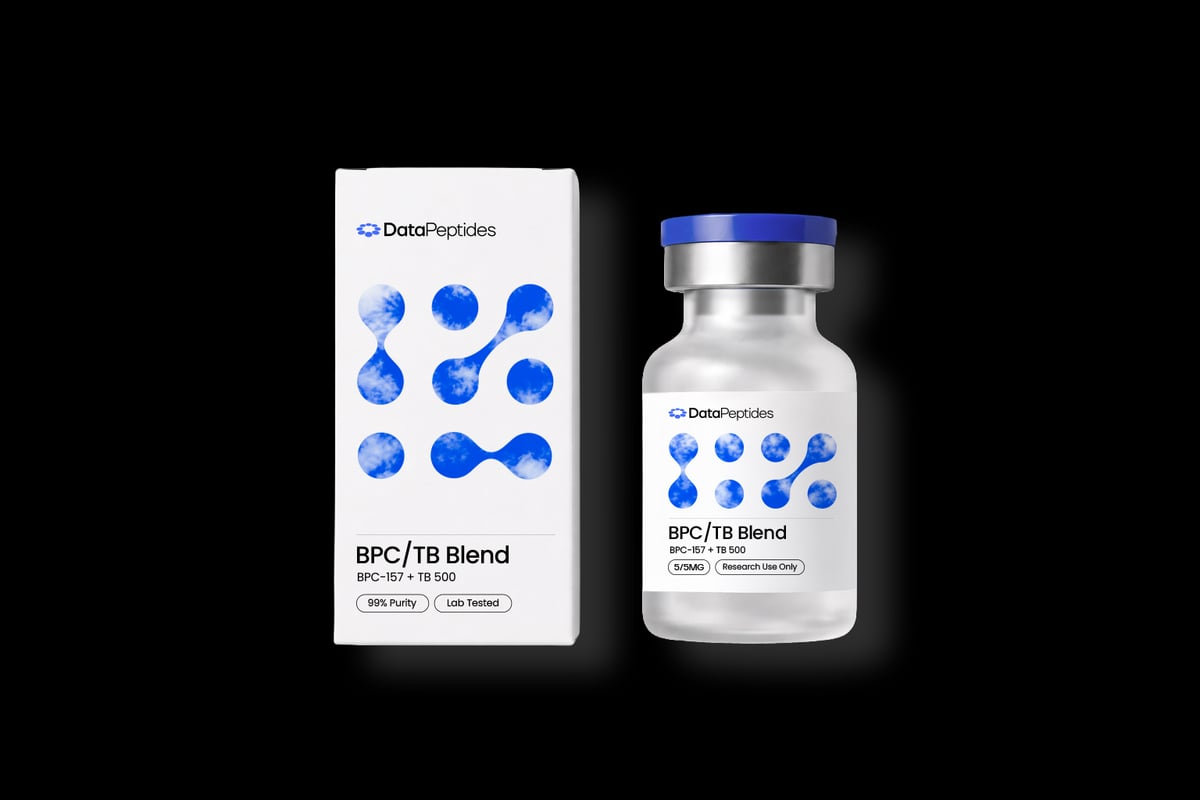
Healing and recovery research has accelerated significantly in recent years, driving demand for compounds that modulate tissue repair mechanisms. Researchers investigating regenerative processes often utilize peptides with well-documented effects on cellular proliferation, inflammation modulation, and tissue remodeling. One particularly effective combination for this research area is BPC-157 / TB-500, which synergistically supports multiple regenerative pathways. BPC-157 activates cellular repair mechanisms while TB-500 promotes cell migration and new blood vessel formation, making this blend valuable for comprehensive tissue repair investigations.
Metabolic and Longevity Research
Peptides supporting cellular energy production, mitochondrial function, and metabolic optimization represent growing research areas. Scientists investigating aging mechanisms, metabolic disorders, and cellular resilience require compounds affecting NAD+ levels, mitochondrial biogenesis, and metabolic signaling pathways. Vendors serving this research niche should stock compounds supported by peer-reviewed literature and emerging clinical data.
Emerging Trends in Peptide Research and Sourcing
The peptide research landscape continues evolving with new compounds, improved manufacturing techniques, and enhanced testing methodologies. Understanding current trends helps researchers identify forward-thinking suppliers positioned to support cutting-edge investigations.
Advanced Testing Methodologies
Testing technologies have advanced substantially, enabling more precise characterization of peptide purity and identity. Modern analytical approaches include:
- Ultra-high-performance liquid chromatography (UHPLC) providing superior resolution
- High-resolution mass spectrometry delivering precise molecular weight determination
- Nuclear magnetic resonance (NMR) spectroscopy confirming structural integrity
- Amino acid analysis verifying sequence accuracy
- Peptide mapping identifying impurities and degradation products
The best place to buy peptides in 2026 employs these advanced methodologies, providing researchers with greater confidence in product specifications.
Sustainability and Ethical Manufacturing
Environmental consciousness increasingly influences vendor selection across scientific disciplines. Peptide suppliers implementing sustainable practices demonstrate corporate responsibility and long-term viability. Progressive vendors focus on:
- Green chemistry principles minimizing hazardous waste
- Energy-efficient manufacturing processes
- Recyclable packaging materials reducing environmental impact
- Ethical sourcing of raw materials and reagents
- Carbon footprint reduction initiatives
These considerations may influence vendor selection for institutions prioritizing sustainability alongside scientific excellence.
Building Long-Term Supplier Relationships
Consistent peptide quality supports reproducible research results and efficient project progression. Establishing relationships with reliable suppliers provides advantages beyond individual transactions.
Benefits of Vendor Consistency
Maintaining relationships with proven suppliers offers multiple advantages:
- Consistent product quality across multiple orders and batches
- Preferential pricing through loyalty programs or volume commitments
- Priority access to limited inventory or newly released compounds
- Technical support relationships with staff familiar with your research needs
- Streamlined ordering through established accounts and processes
Researchers conducting long-term investigations benefit substantially from supply chain consistency that reliable vendor relationships provide.
Evaluating Vendor Performance
Systematic vendor assessment ensures continued quality and service excellence. Researchers should periodically evaluate:
| Performance Metric | Evaluation Method | Action Threshold |
|---|---|---|
| Product Quality | COA review, experimental results | Any failed specification |
| Delivery Timeliness | Order-to-receipt tracking | >10% late deliveries |
| Support Responsiveness | Response time logging | >24 hour delays |
| Documentation Accuracy | COA vs. actual product verification | Any discrepancies |
| Issue Resolution | Problem handling effectiveness | Unresolved complaints |
Regular assessment identifies declining performance before it impacts research outcomes and allows proactive vendor changes when necessary.
Integration with Research Protocols
The best place to buy peptides supports seamless integration into established research workflows. Suppliers should facilitate efficient procurement, proper documentation, and regulatory compliance required by research institutions.
Institutional Purchasing Requirements
Academic and commercial research facilities typically maintain specific vendor qualification processes. Preferred suppliers accommodate these requirements by providing:
- Tax documentation for institutional purchasing departments
- Insurance certificates meeting institutional risk management standards
- Vendor registration in institutional procurement systems
- Purchase order processing rather than requiring credit card payments
- Itemized invoicing with proper account coding support
These administrative capabilities matter significantly for researchers operating within institutional frameworks.
Documentation for Research Records
Comprehensive research documentation requires detailed product information and quality verification. Professional suppliers provide materials supporting proper record-keeping including:
- Batch-specific COAs with unique lot numbers
- Product specifications with molecular details
- Storage and handling guidelines
- Safety data sheets (SDS) for hazard assessment
- Chain of custody documentation when required
Proper documentation protects research integrity and supports publication processes requiring detailed materials descriptions. Resources like Data Peptides understand these documentation needs and provide comprehensive materials supporting rigorous research standards.
Selecting the best place to buy peptides requires systematic evaluation of testing protocols, manufacturing standards, vendor transparency, and regulatory compliance. Researchers prioritizing third-party verification, US-based manufacturing, and comprehensive documentation position themselves for reproducible results and efficient project progression. When your research demands laboratory-grade peptides backed by rigorous quality control, Data Peptides delivers US-manufactured compounds with batch-specific third-party testing and complete transparency for your most demanding laboratory applications.