
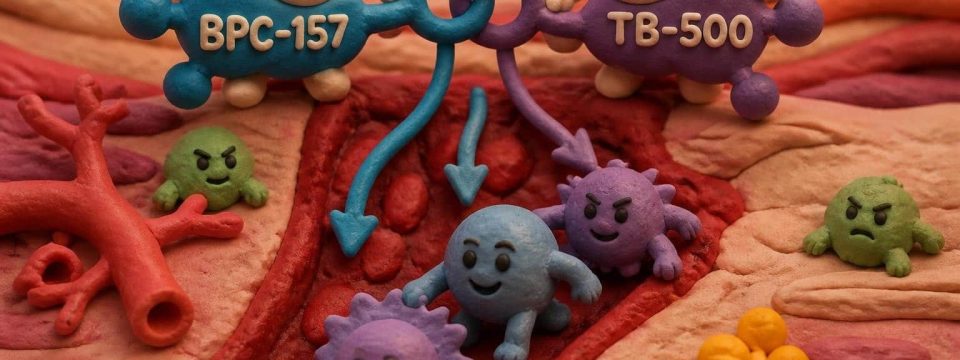
The combination of bpc 157 tb 500 has emerged as one of the most extensively researched peptide pairings in regenerative medicine studies. These two compounds operate through distinct yet complementary mechanisms, making them a subject of significant interest among researchers investigating tissue repair, inflammation modulation, and recovery processes. While each peptide demonstrates unique properties individually, their combined use has prompted numerous laboratory investigations into potential synergistic effects that could amplify their respective benefits.
Understanding BPC-157 and TB-500 as Individual Compounds
BPC-157: The Gastric Pentadecapeptide
BPC-157, or Body Protection Compound-157, represents a synthetic pentadecapeptide derived from a protective protein found in gastric juice. This fifteen-amino-acid sequence has demonstrated stability across various pH levels and resistance to enzymatic degradation, making it particularly valuable for laboratory applications.
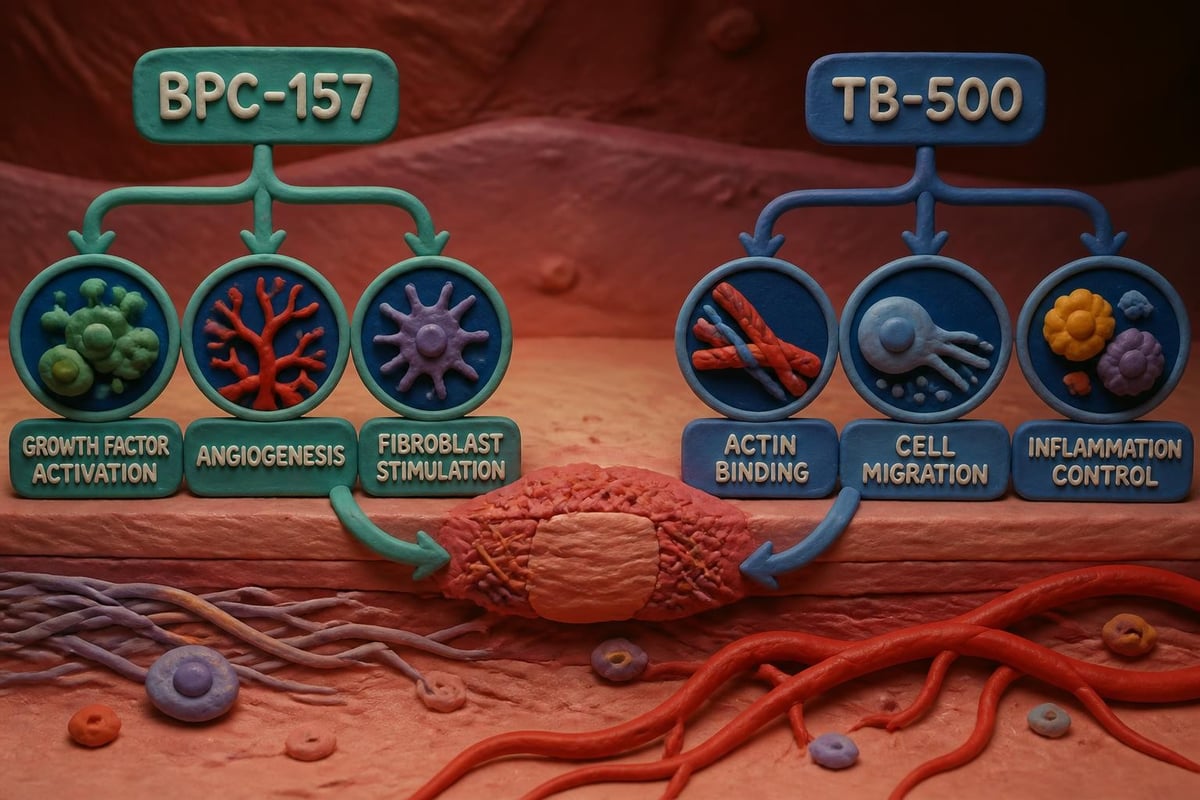
Research has identified several mechanisms through which BPC-157 appears to function:
- Angiogenesis promotion through vascular endothelial growth factor (VEGF) regulation
- Fibroblast activation supporting collagen synthesis and tissue remodeling
- Modulation of nitric oxide pathways affecting blood flow and healing
- Growth hormone receptor interaction potentially influencing systemic repair processes
The peptide has been investigated in numerous animal models examining tendon, ligament, muscle, and gastrointestinal tissue repair. Studies suggest it may accelerate healing timelines and improve tissue quality during regeneration phases.
TB-500: The Thymosin Beta-4 Fragment
TB-500 represents a synthetic version of Thymosin Beta-4 (Tβ4), a naturally occurring 43-amino-acid peptide present in virtually all mammalian cells except red blood cells. This peptide plays crucial roles in cellular organization, migration, and tissue architecture.
| Mechanism | Function | Research Application |
|---|---|---|
| Actin regulation | Cell structure and movement | Tissue architecture studies |
| Cell migration | Wound closure and repair | Healing timeline research |
| Inflammation modulation | Reduced inflammatory markers | Recovery process investigation |
| Blood vessel formation | Angiogenesis support | Vascularization studies |
TB-500's primary mechanism involves binding to actin, a protein essential for cell structure, movement, and division. This interaction facilitates cellular migration to injury sites, a critical component of effective tissue repair.
The Rationale Behind Combining BPC 157 TB 500
Researchers have explored the bpc 157 tb 500 combination based on the hypothesis that their different mechanisms might produce complementary or synergistic effects. The combination of BPC-157 and TB-500 addresses multiple aspects of the healing cascade simultaneously.
Complementary Mechanisms in Action
BPC-157 primarily influences the biochemical environment of damaged tissue through growth factor modulation and angiogenesis promotion. Meanwhile, TB-500 focuses on cellular architecture and migration, ensuring that repair cells can effectively reach and populate injury sites.
This dual approach theoretically addresses both the structural and biochemical requirements for optimal tissue regeneration:
- Initial inflammatory phase: TB-500 may help modulate excessive inflammation while BPC-157 begins establishing vascular support
- Proliferative phase: BPC-157 supports fibroblast activity while TB-500 facilitates cell migration and organization
- Remodeling phase: Both peptides contribute to proper tissue architecture and strength restoration
- Vascular development: BPC-157's angiogenic properties combined with TB-500's support for endothelial cell migration
Research examining the synergy of BPC-157 and TB-500 has demonstrated promising results in animal models, though human clinical data remains limited.
Research Evidence Supporting the Combination
Animal Model Studies
The majority of scientific evidence for bpc 157 tb 500 comes from in vitro and animal model research. These studies have investigated various tissue types and injury models to evaluate the peptides' effects both individually and in combination.
Musculoskeletal tissue research has examined tendon, ligament, and muscle injuries. Studies have observed accelerated healing timelines, improved tensile strength in repaired tissues, and reduced scar tissue formation when both peptides were administered compared to single-peptide or control groups.
Gastrointestinal applications have focused primarily on BPC-157, though some combination protocols have been explored. Research has investigated inflammatory bowel conditions, gastric ulcers, and intestinal damage from various causes.
Cardiovascular studies have examined the peptides' effects on heart tissue following ischemic events, vascular injury, and blood flow restoration. The angiogenic properties of both compounds make them relevant for vascularization research.
Dosing Protocols in Research Settings
Laboratory investigations of the bpc 157 tb 500 combination have employed various dosing strategies depending on the research objectives and animal models used. Most studies have utilized subcutaneous or intraperitoneal administration routes.
Common research protocols include:
- BPC-157: Typically 200-500 mcg daily in animal models, scaled by body weight
- TB-500: Generally 2-10 mg loading phase, followed by 2-5 mg maintenance in larger animal models
- Administration frequency: Daily injections during acute phases, transitioning to less frequent dosing
- Treatment duration: Ranging from two weeks to several months depending on injury severity
The detailed research on BPC-157 and TB-500 emphasizes that dosing must be carefully calibrated to research objectives and species-specific considerations.

Safety Considerations and Adverse Event Reporting
Current Safety Profile
Both BPC-157 and TB-500 have been investigated for safety in numerous animal studies, with relatively few adverse events reported at therapeutic doses. However, the safety profiles of BPC-157 and TB-500 require careful consideration, particularly given the limited human clinical data.
Reported observations in animal research include:
- Generally well-tolerated at recommended research doses
- Minimal systemic toxicity in short to medium-term studies
- Occasional injection site reactions (redness, mild swelling)
- No significant changes in standard laboratory markers (liver enzymes, kidney function, blood counts)
Important limitations must be acknowledged:
Long-term safety data spanning years remains absent for both compounds. Human clinical trials meeting rigorous regulatory standards are extremely limited. Individual variability in response and tolerance has not been systematically characterized. Interaction effects with other compounds or conditions require further investigation.
Regulatory Status and Research Context
It is essential to understand that bpc 157 tb 500 products are not approved by regulatory agencies for human or animal therapeutic use. The FDA has not evaluated these peptides for safety or efficacy in treating any medical condition.
Products like those available through Data Peptides are manufactured specifically for laboratory research purposes. All research-grade peptides should be handled by qualified personnel in appropriate laboratory settings with proper safety protocols and institutional oversight.
Tissue-Specific Applications in Research
Musculoskeletal Tissue Studies
The bpc 157 tb 500 combination has received particular attention in musculoskeletal research due to the high incidence of soft tissue injuries and the limitations of current treatment approaches. Studies have examined multiple tissue types within this category.
Tendon research has investigated healing in Achilles tendon, rotator cuff, and patellar tendon models. The research literature on the BPC-157 and TB-500 stack indicates that combination protocols may accelerate the healing timeline compared to natural recovery or single-peptide interventions.
Ligament studies have focused on anterior cruciate ligament (ACL) and medial collateral ligament (MCL) injuries, examining both structural integrity and functional recovery markers. Researchers have assessed collagen organization, tensile strength, and inflammatory markers at various time points post-injury.
Muscle tissue investigations have explored both acute injury models (tears, strains) and chronic conditions. Studies measure muscle fiber regeneration, satellite cell activation, and functional recovery through strength and endurance testing.
| Tissue Type | Key Research Findings | Timeline Observations |
|---|---|---|
| Tendons | Improved collagen alignment, increased tensile strength | 20-40% faster healing in animal models |
| Ligaments | Enhanced cellular infiltration, reduced inflammation | Accelerated return to baseline mechanical properties |
| Muscles | Increased satellite cell activity, reduced fibrosis | Improved strength recovery at 2-4 week marks |
| Bone | Enhanced callus formation, improved remodeling | More organized trabecular structure |
Gastrointestinal and Systemic Research
While TB-500 has received less attention for gastrointestinal applications, BPC-157 has been extensively studied in this context. Some researchers have explored whether adding TB-500 to BPC-157 protocols might enhance systemic anti-inflammatory effects or support vascular repair in compromised gut tissue.
Studies have examined inflammatory bowel disease models, gastric ulceration, intestinal ischemia, and mucosal barrier function. The peptides' potential to support epithelial integrity and reduce inflammatory mediator expression has made them relevant for gut health research.
Mechanisms of Potential Synergy
Complementary Pathway Activation
The theoretical basis for bpc 157 tb 500 synergy rests on several complementary mechanisms that address different aspects of tissue repair simultaneously. Understanding these pathways helps researchers design more effective experimental protocols.
Growth factor cascade: BPC-157 appears to upregulate multiple growth factors including VEGF, which supports angiogenesis, while TB-500's effects on cell migration ensure that newly formed blood vessels are populated with appropriate cell types. This coordinated response may accelerate vascularization more effectively than either peptide alone.
Extracellular matrix remodeling: BPC-157 influences fibroblast activity and collagen synthesis, establishing the biochemical scaffolding for tissue repair. TB-500's regulation of actin and cell migration enables proper cellular organization within this matrix, potentially resulting in more functional tissue architecture.
Inflammatory modulation: Both peptides have demonstrated anti-inflammatory properties through different mechanisms. BPC-157 appears to influence nitric oxide pathways and certain cytokine expressions, while TB-500 can reduce specific inflammatory mediators. This dual approach may provide more comprehensive inflammation control.

Research Protocol Design Considerations
Experimental Variables and Controls
Designing rigorous experiments with the bpc 157 tb 500 combination requires careful attention to multiple variables that can influence outcomes. Researchers must establish appropriate controls, measurement protocols, and data collection strategies.
Critical experimental parameters include:
- Injury model selection and standardization procedures
- Baseline tissue characterization before intervention
- Peptide purity verification and concentration confirmation
- Administration route, timing, and frequency protocols
- Outcome measure selection (histological, mechanical, functional)
- Statistical power calculations for adequate sample sizes
Control groups typically include untreated injury controls, vehicle-only controls, single-peptide treatment groups, and sham-injury groups to isolate specific effects.
Measurement Techniques and Outcome Assessment
Evaluating the effects of bpc 157 tb 500 requires sophisticated measurement techniques that capture multiple aspects of tissue repair and function. Researchers employ various methodologies depending on tissue type and research questions.
- Histological analysis: Tissue sections examined for cellular infiltration, collagen organization, vascular density, and inflammatory markers
- Biomechanical testing: Tensile strength, elasticity, and load-to-failure measurements for structural tissues
- Imaging modalities: Ultrasound, MRI, or micro-CT to assess tissue architecture and healing progression
- Functional assessments: Movement analysis, strength testing, or organ function measures relevant to tissue type
- Molecular markers: Gene expression, protein levels, and inflammatory mediator quantification
The mechanisms and evidence for BPC-157 and TB-500 underscore the importance of multi-modal assessment approaches that capture both structural and functional outcomes.
Current Research Gaps and Future Directions
Areas Requiring Further Investigation
Despite substantial animal research, significant gaps remain in our understanding of bpc 157 tb 500 combination therapy. Identifying these gaps helps prioritize future research directions and appropriate applications.
Human clinical data represents the most critical gap. Rigorous, placebo-controlled trials in human subjects are essentially absent for the combination, limiting our ability to translate animal findings to human applications with confidence.
Long-term outcomes beyond several months have not been systematically studied. Questions about tissue quality years post-treatment, potential for re-injury, and any delayed effects remain unanswered.
Optimal dosing strategies require refinement. Current protocols are based on animal research and theoretical calculations, but systematic dose-response studies examining various injury types and severity levels would improve research design.
Mechanism clarity could be enhanced through more detailed molecular studies identifying specific receptors, signaling pathways, and gene expression changes induced by the combination versus individual peptides.
Emerging Research Trends
Recent investigations have begun exploring novel applications and combinations that include bpc 157 tb 500 alongside other compounds. These comparative analyses of BPC-157 and TB-500 help refine our understanding of optimal research protocols.
Researchers are investigating triple or quadruple peptide combinations that might address even more aspects of tissue repair simultaneously. Studies are examining tissue-specific delivery methods such as localized injections, scaffolds, or sustained-release formulations. Investigations into peptide modifications or analogs that might improve stability, bioavailability, or receptor selectivity are underway.
For researchers seeking high-quality peptides for laboratory investigations, BPC-157 / TB-500 formulations specifically designed for research applications provide standardized, tested compounds that meet the rigorous requirements of scientific study. These laboratory-grade preparations undergo third-party batch testing to ensure purity and consistency across experimental protocols.
Practical Considerations for Laboratory Research
Storage and Handling Protocols
Proper storage and handling of bpc 157 tb 500 peptides is critical for maintaining compound integrity and ensuring reproducible research results. Peptides are sensitive to environmental conditions and can degrade if improperly managed.
Lyophilized (powder) storage:
- Store at -20°C or colder in sealed containers
- Protect from light exposure using amber vials or foil wrapping
- Minimize freeze-thaw cycles by aliquoting upon receipt
- Use desiccants to prevent moisture exposure
- Verify storage conditions with temperature monitoring
Reconstituted peptide handling:
- Use bacteriostatic water or appropriate sterile diluents
- Store reconstituted solutions at 2-8°C for short-term use (up to 30 days)
- Freeze at -20°C for longer storage with minimal freeze-thaw cycles
- Gently swirl rather than shake to prevent protein denaturation
- Document reconstitution date and concentration clearly
Quality Verification and Purity Testing
Researchers must verify peptide quality before initiating experiments to ensure data validity and experimental reproducibility. The comprehensive research guide on BPC-157 and TB-500 emphasizes quality control as a fundamental aspect of rigorous investigation.
Key verification methods include:
| Testing Method | What It Measures | Importance |
|---|---|---|
| HPLC | Purity percentage and impurity profile | Confirms compound identity and purity |
| Mass spectrometry | Molecular weight and structure | Verifies correct peptide sequence |
| Amino acid analysis | Sequence composition | Confirms amino acid ratios match expected |
| Sterility testing | Bacterial/fungal contamination | Ensures safe handling and data integrity |
| Endotoxin testing | Bacterial endotoxin levels | Critical for cell culture and animal studies |
Third-party testing from accredited laboratories provides independent verification of peptide quality. Researchers should request certificates of analysis (COA) for each batch and maintain these records with experimental documentation.
Interpreting Research Findings and Drawing Conclusions
Critical Evaluation of Existing Literature
When reviewing research on bpc 157 tb 500, scientists must apply critical analysis skills to distinguish between strong evidence and preliminary findings that require confirmation. The peer-reviewed studies on BPC-157 and TB-500 vary considerably in methodological rigor and applicability.
Evaluation criteria should include:
- Sample sizes adequate for statistical power and generalizability
- Appropriate control groups isolating peptide effects from other variables
- Blinding procedures reducing investigator bias in outcome assessment
- Multiple outcome measures capturing different aspects of tissue repair
- Replication of findings across independent research groups
- Species relevance and translational applicability to target applications
Common limitations in existing research include small sample sizes reducing statistical confidence, short follow-up periods missing long-term outcomes, lack of head-to-head comparisons between protocols, and limited mechanistic investigation beyond phenomenological observations.
Translational Challenges
Moving findings from controlled laboratory settings to practical applications involves numerous challenges that researchers must acknowledge. The bpc 157 tb 500 combination shows promise in controlled studies, but translation requires consideration of multiple factors.
Biological variables including genetic diversity, age-related differences, sex-specific responses, and pre-existing health conditions create variability not captured in standardized animal models. Environmental factors such as nutrition, activity levels, concurrent medications, and stress can influence outcomes significantly.
Methodological differences between laboratory and real-world settings affect interpretation. Standardized injury models may not reflect the complexity of naturally occurring tissue damage. Controlled administration schedules may not account for adherence variability or optimal timing relative to injury phases.
Integration with Other Research Modalities
Combination with Physical Interventions
Research increasingly examines how bpc 157 tb 500 might interact with physical therapies or mechanical loading protocols that influence tissue repair. Understanding these interactions could optimize comprehensive recovery strategies.
Mechanical loading studies investigate how controlled stress applied to healing tissues interacts with peptide effects. Some research suggests that appropriate loading during peptide administration may enhance collagen alignment and tissue strength beyond either intervention alone.
Thermal interventions including cold therapy, heat application, or contrast protocols have been examined in conjunction with peptide administration. The timing and intensity of temperature-based interventions may influence peptide uptake, distribution, or effectiveness.
Nutritional and Supplemental Factors
The biochemical environment in which bpc 157 tb 500 operates can be influenced by nutritional status and supplemental compounds. Researchers have begun investigating how optimizing this environment might enhance peptide effectiveness.
Protein and amino acid availability provides the raw materials for tissue synthesis that peptides help orchestrate. Studies examine whether higher protein intake during peptide administration amplifies anabolic effects.
Vitamin and mineral cofactors required for collagen synthesis, enzyme function, and cellular processes may represent limiting factors. Research explores whether supplementation with vitamin C, zinc, copper, or other nutrients enhances outcomes.
Anti-inflammatory nutrients such as omega-3 fatty acids might complement or interact with the peptides' anti-inflammatory mechanisms, potentially reducing required peptide doses or enhancing overall inflammation control.
The research literature on bpc 157 tb 500 demonstrates promising findings across multiple tissue types and injury models, though significant gaps remain regarding long-term human outcomes and optimal protocols. As investigations continue to refine our understanding of these peptides' mechanisms and applications, researchers require access to high-quality, verified compounds that meet rigorous laboratory standards. Data Peptides provides US-manufactured, third-party tested research peptides designed specifically for scientific investigation, supporting the advancement of peptide research through reliable, laboratory-grade materials.