
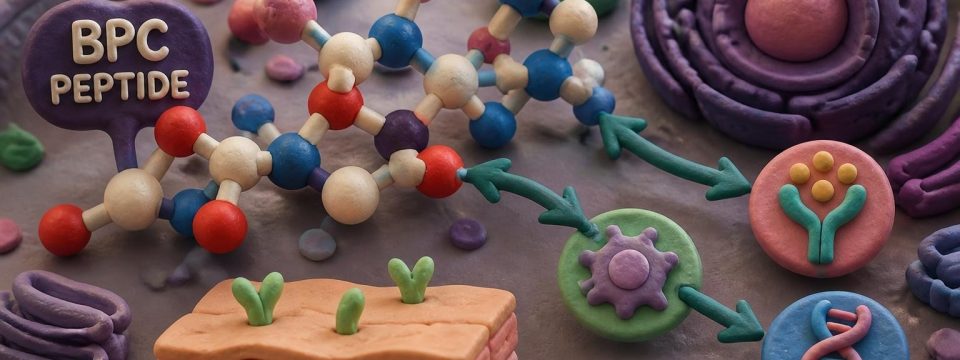
The research community has devoted substantial attention to BPC-157, a synthetic pentadecapeptide consisting of fifteen amino acids. This laboratory compound, derived from a protective protein found in gastric juice, has emerged as a subject of extensive preclinical investigation across multiple organ systems and tissue types. As researchers continue to explore its potential mechanisms and applications, understanding the current state of BPC peptide research becomes increasingly important for those conducting laboratory studies in regenerative medicine, tissue repair, and cellular biology.
Understanding BPC Peptide Structure and Properties
BPC-157 represents a partial sequence of body protection compound, a naturally occurring protective protein in the human gastrointestinal tract. The synthetic version maintains stability under various laboratory conditions, making it a practical compound for research applications. Its molecular structure consists of the amino acid sequence Gly-Glu-Pro-Pro-Pro-Gly-Lys-Pro-Ala-Asp-Asp-Ala-Gly-Leu-Val.
This specific sequence contributes to the peptide's resistance to enzymatic degradation, allowing it to maintain structural integrity longer than many other peptide compounds. Researchers have noted its stability in gastric acid, which distinguishes it from proteins that rapidly break down in acidic environments.
Chemical Characteristics
The bpc peptide demonstrates remarkable stability across different pH levels and temperature ranges. Laboratory studies have shown it remains active when administered through various routes in animal models, including oral, intraperitoneal, and topical applications. This versatility has made it a compound of interest for researchers investigating different delivery mechanisms.
Key structural features include:
- Molecular weight of approximately 1419 Daltons
- High water solubility for laboratory preparation
- Resistance to gastric acid degradation
- Stable at room temperature when properly stored
- Compatible with various research protocols

Mechanisms of Action in Laboratory Research
Research into how bpc peptide functions at the cellular level has revealed multiple potential pathways. Studies examining BPC-157’s mechanism of action suggest interactions with several signaling systems that regulate tissue repair and cellular regeneration. Understanding these mechanisms helps researchers design more targeted experiments and interpret their findings within broader biological contexts.
The peptide appears to influence angiogenesis, the formation of new blood vessels, through interactions with vascular endothelial growth factor (VEGF) pathways. This mechanism may contribute to enhanced nutrient delivery to damaged tissues in experimental models. Additionally, researchers have observed modulation of nitric oxide (NO) systems, which play crucial roles in vascular function and inflammatory responses.
Growth Factor Interactions
Laboratory investigations have documented bpc peptide's potential influence on multiple growth factor systems. Fibroblast growth factor (FGF) and epidermal growth factor (EGF) pathways both show responsiveness in models examining this compound. These growth factors regulate cellular proliferation, differentiation, and migration-all critical processes in tissue repair.
| Growth Factor System | Observed Research Effect | Cellular Process Influenced |
|---|---|---|
| VEGF | Enhanced expression in models | Angiogenesis, vascular permeability |
| FGF | Upregulated signaling | Fibroblast proliferation, wound healing |
| EGF | Increased receptor activity | Epithelial cell migration |
| TGF-β | Modulated pathway activity | Collagen synthesis, inflammation |
Research also indicates potential interactions with the FAK-paxillin pathway, which regulates cell adhesion and cytoskeletal organization. These cellular structures are fundamental to cell migration and tissue remodeling processes.
Laboratory Applications and Research Models
Researchers have employed bpc peptide in numerous experimental contexts spanning gastrointestinal, musculoskeletal, cardiovascular, and neurological systems. A comprehensive review of BPC-157’s systemic effects across multiple organ systems reveals over 100 preclinical studies examining various tissue types and injury models.
Gastrointestinal Research
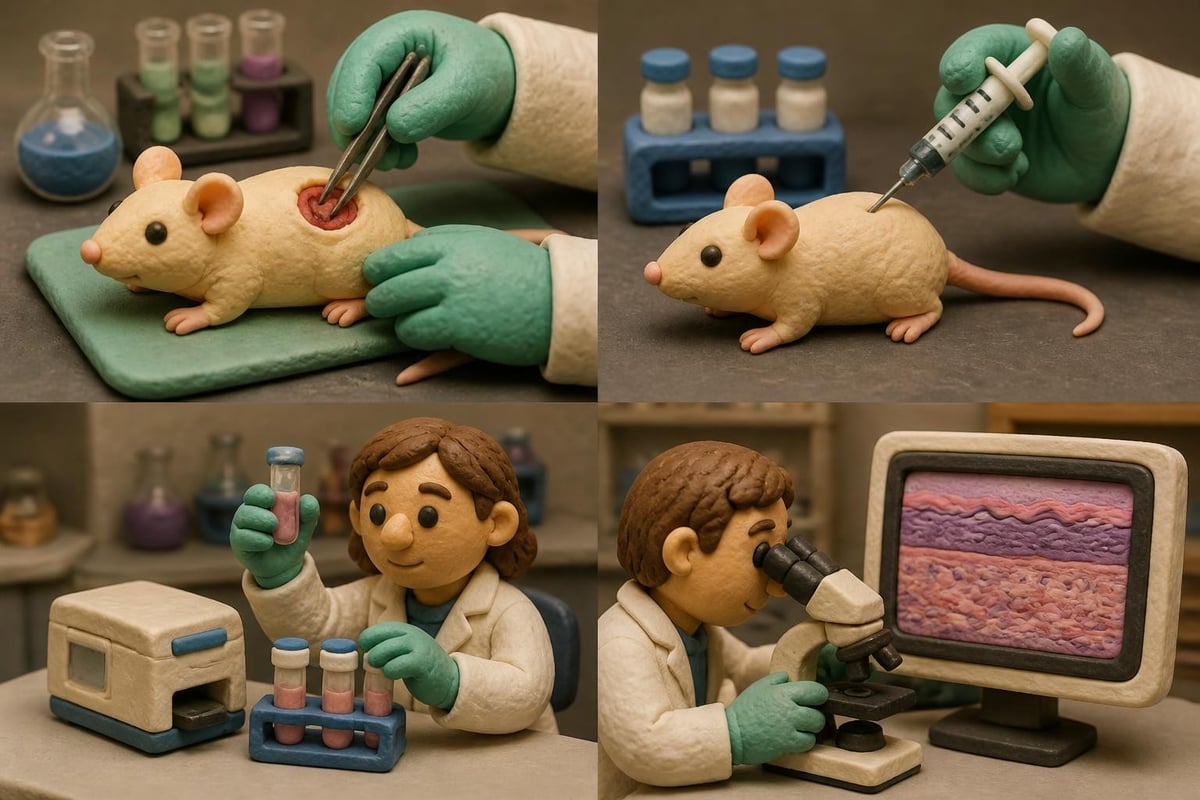
Given its origin from a gastric protective protein, substantial research has focused on digestive system applications. Laboratory models examining ulcer formation, inflammatory bowel conditions, and intestinal barrier function have utilized this peptide extensively. Studies in rodent models have documented effects on gastric lesions induced by various agents including alcohol, NSAIDs, and stress.
Research protocols typically involve:
- Establishing baseline measurements of mucosal integrity
- Inducing controlled damage through chemical or physical means
- Administering the peptide at specified doses and intervals
- Measuring healing markers including epithelial regeneration
- Analyzing histological samples for tissue architecture changes
Musculoskeletal Tissue Studies
The bpc peptide has attracted significant attention in orthopedic research contexts. Tendon, ligament, and muscle injury models have served as platforms for investigating potential regenerative properties. Researchers examining Achilles tendon transection, medial collateral ligament damage, and crush injuries have incorporated this compound into their experimental designs.
Current Research Landscape and Evidence Quality
Understanding the current state of bpc peptide research requires acknowledging both the breadth of preclinical work and the limitations of existing evidence. A database cataloging BPC-157 clinical trials provides transparency about the research landscape, revealing substantial animal model data but limited human clinical trials that meet rigorous scientific standards.
The majority of published research consists of animal studies, primarily conducted in rodent models. These investigations have explored diverse endpoints including wound healing rates, tissue regeneration markers, inflammatory cytokine levels, and functional recovery assessments. While this preclinical foundation is substantial, the translation to human applications remains an area requiring further investigation.
Evidence Assessment Considerations
Research strengths include:
- Consistent findings across multiple independent laboratories
- Diverse experimental models spanning numerous organ systems
- Documented effects on measurable biological markers
- Generally favorable safety profiles in animal models
Research limitations involve:
- Limited randomized controlled trials in human subjects
- Questions about optimal dosing protocols
- Variability in experimental methodologies across studies
- Need for standardized outcome measures
A systematic review of BPC-157 human evidence provides an honest evaluation of the existing data, discussing the quality of animal research alongside the relative scarcity of properly controlled human trials. This gap between preclinical promise and clinical validation represents a common challenge in peptide therapeutics development.
Regulatory Status and Research Considerations
The bpc peptide currently lacks approval from major regulatory agencies including the FDA, EMA, and other international health authorities for therapeutic use in humans or animals. This regulatory status has important implications for researchers, clinicians, and consumers. Recent media coverage has highlighted concerns about unapproved peptide injections marketed outside legitimate research contexts.
For laboratory researchers, this means the compound is available exclusively for investigational purposes. Data Peptides supplies BPC-157 as a research-grade compound intended solely for laboratory use, manufactured in the United States and third-party batch tested to ensure purity for experimental applications.
Research Compliance Framework
Laboratories conducting peptide research must adhere to appropriate institutional guidelines and oversight mechanisms. For studies involving animal models, Institutional Animal Care and Use Committee (IACUC) approval is mandatory. Researchers must demonstrate scientific justification, appropriate welfare considerations, and sound experimental design.
Documentation requirements typically include:
- Detailed research protocols specifying objectives and methods
- Justification for peptide selection and dosing parameters
- Handling and storage procedures for research compounds
- Data collection and analysis plans
- Safety protocols for laboratory personnel
Experimental Design Considerations for BPC Peptide Studies
Designing rigorous experiments with bpc peptide requires careful attention to multiple variables that can influence outcomes. Researchers must consider dosing strategies, administration routes, timing protocols, and appropriate control groups to generate meaningful data.
Dosing Parameters in Published Research
Published studies have employed a wide range of doses, typically measured in micrograms or milligrams per kilogram of body weight. This variation reflects different research objectives, injury models, and species differences. Establishing dose-response relationships helps identify optimal concentrations for specific experimental endpoints.
| Study Type | Common Dose Range | Administration Frequency | Duration |
|---|---|---|---|
| Gastric protection | 10-50 μg/kg | Once or twice daily | 7-14 days |
| Tendon repair | 10-100 μg/kg | Daily | 14-28 days |
| Wound healing | 5-20 μg/kg | Daily or every other day | 7-21 days |
| Neuroprotection | 10-50 μg/kg | Daily | Variable |
Researchers should also account for the peptide's stability when planning administration schedules. While bpc peptide demonstrates greater stability than many compounds, proper reconstitution and storage practices remain essential for maintaining compound integrity throughout experimental timelines.

Comparative Research and Combination Studies
Some researchers have explored how bpc peptide performs relative to other compounds or in combination with additional factors. Comparative studies help establish the peptide's unique contributions versus other research tools, while combination protocols investigate potential synergistic effects.
Single Compound Versus Combination Approaches
Laboratory investigations have examined bpc peptide both as an isolated compound and in combination with other peptides or growth factors. For instance, studies pairing it with TB-500 (thymosin beta-4) have explored whether these compounds produce additive or synergistic effects on tissue repair outcomes. Researchers at Data Peptides can access both individual compounds and combination formulations designed for specific research applications.
Combination research requires careful experimental design to distinguish individual contributions from interactive effects. Factorial designs, where different treatment groups receive single compounds, combinations, or vehicle controls, allow researchers to parse these relationships statistically.
Analytical Methods for BPC Peptide Research
Measuring the effects of bpc peptide requires appropriate analytical techniques matched to research objectives. Researchers employ various methodologies depending on whether they're examining molecular signaling, cellular processes, tissue architecture, or functional outcomes.
Common analytical approaches include:
- Histological staining for tissue structure assessment
- Immunohistochemistry for protein expression localization
- Western blotting for signaling pathway analysis
- ELISA assays for quantifying cytokines and growth factors
- Biomechanical testing for tissue strength measurements
- Functional assessments specific to the organ system studied
The choice of analytical methods should align with the proposed mechanism being investigated. For example, researchers exploring angiogenesis might quantify new blood vessel formation through CD31 immunostaining, while those examining inflammatory responses might measure cytokine profiles through multiplex assays.
Emerging Research Directions
The field of bpc peptide research continues to evolve as investigators explore new applications and refine understanding of existing ones. Recent trends documented in the social media sphere highlight growing public interest, which underscores the importance of rigorous scientific investigation to separate evidence-based findings from speculative claims.
Novel Research Applications
Emerging research areas include neurological models examining potential neuroprotective properties, investigations into bone healing and remodeling, and studies exploring effects on metabolic parameters. Some laboratories are investigating cellular senescence models to understand potential roles in aging-related tissue dysfunction.
Researchers are also refining methodologies to better understand molecular targets. Proteomics approaches help identify binding partners and affected signaling networks, while genomic analyses reveal transcriptional changes induced by peptide treatment. These molecular investigations complement traditional physiological outcome measures.
Quality Considerations for Research Compounds
The reliability of experimental results depends critically on the quality and purity of research materials. For bpc peptide studies, compound purity, proper storage, and appropriate reconstitution practices all influence experimental outcomes and reproducibility.
Purity and Authentication
Research-grade peptides should undergo third-party testing to verify identity and purity. Mass spectrometry confirms molecular weight and sequence accuracy, while high-performance liquid chromatography (HPLC) quantifies purity levels. Certificates of analysis provide documentation of these quality metrics.
Researchers should verify:
- Peptide sequence matches the intended compound
- Purity levels meet experimental requirements (typically ≥98%)
- Proper storage conditions are maintained
- Reconstitution follows manufacturer guidelines
- Aliquoting strategies prevent repeated freeze-thaw cycles
Data Interpretation and Publication Standards
As bpc peptide research expands, maintaining rigorous standards for data interpretation and publication becomes increasingly important. A comprehensive bibliography of BPC-157 research reveals 174 indexed citations, demonstrating the growing body of literature that requires critical evaluation.
Reporting Best Practices
Transparent reporting allows other researchers to evaluate findings critically and attempt replication. Publications should include detailed methodological information including exact peptide source, purity data, reconstitution procedures, dosing calculations, and administration techniques. Statistical methods should be clearly described with appropriate power calculations when feasible.
Researchers should acknowledge limitations transparently, including sample size constraints, potential confounding variables, and the inherent limitations of translating animal model findings to other contexts. This balanced approach strengthens the overall research literature and helps prevent overinterpretation of preliminary findings.
Research Resource Accessibility
Access to high-quality research materials and comprehensive information resources supports rigorous investigation. The scientific community benefits when researchers can obtain well-characterized compounds and access centralized information about existing studies.
For laboratories conducting peptide research, establishing relationships with suppliers that prioritize quality control and transparency proves valuable. Detailed compound tracking systems help researchers understand the breadth of existing research and identify gaps in the current knowledge base. These resources document study counts, evidence grades, and regulatory status, providing context for experimental planning.
Researchers may also find value in exploring related compounds and formulations. For comprehensive research programs, understanding how different peptides interact or complement each other can inform experimental design. Those interested in exploring additional research tools can review options through established peptide research suppliers that maintain quality standards and provide supporting documentation.
Future Directions in BPC Peptide Science
The trajectory of bpc peptide research points toward several key directions that may shape future investigations. Addressing current knowledge gaps requires coordinated efforts across multiple research groups employing diverse methodologies and model systems.
Critical Research Needs
The field would benefit from standardized protocols that enable better cross-study comparisons. Developing consensus around dosing strategies, outcome measures, and experimental timelines could accelerate progress and reduce resource waste on redundant studies. Additionally, mechanistic research employing advanced molecular techniques may reveal specific targets that explain observed effects.
Long-term safety assessments in appropriate models represent another priority. While existing animal studies generally report favorable safety profiles, extended duration studies examining chronic exposure effects would provide valuable data. Similarly, investigations into potential interactions with other compounds or physiological stressors could inform research design.
Translation of preclinical findings to human applications remains perhaps the most significant challenge. Biopharmaceutical development perspectives highlight formulation challenges, pharmacokinetic considerations, and regulatory pathways that must be addressed for any potential therapeutic development. These technical and regulatory hurdles require substantial resources and expertise to overcome.
The expanding body of research on bpc peptide reflects both its versatile experimental applications and the growing interest in peptide-based approaches to tissue repair and regeneration. While substantial preclinical work has documented effects across multiple organ systems, critical gaps remain in understanding mechanisms, optimizing protocols, and establishing clinical relevance. For researchers conducting laboratory investigations in this field, access to high-quality, well-characterized compounds forms the foundation of reliable experimental work. Data Peptides supplies laboratory-grade, US-manufactured research peptides with third-party batch testing to support rigorous scientific investigation. All products are intended solely for laboratory research, ensuring compliance with appropriate research standards and regulatory frameworks.