

The research peptide market has expanded significantly, creating both opportunities and challenges for laboratories and researchers seeking to buy peptides for legitimate scientific inquiry. With increased availability comes the critical responsibility of understanding quality standards, regulatory frameworks, and the distinctions between reputable suppliers and those operating in regulatory grey zones. The landscape in 2026 demands informed decision-making, particularly as recent FDA regulatory changes continue to reshape the market.
Understanding the Research Peptide Market
When laboratories and research institutions buy peptides, they navigate a complex ecosystem of suppliers, quality tiers, and regulatory requirements. The term "peptide" encompasses short chains of amino acids that serve as building blocks for proteins, and these molecules have become essential tools in biochemical research, drug development, and molecular biology studies.
Research-grade peptides differ fundamentally from pharmaceutical-grade medications. They are manufactured specifically for laboratory use, not for human or animal consumption. This distinction carries legal significance and affects everything from manufacturing processes to testing protocols and labeling requirements.
Market Segments and Product Categories
The peptide market divides into several distinct categories:
- Research-use-only peptides: Intended exclusively for in vitro studies and laboratory experiments
- Compounded peptides: Available only through licensed pharmacies with valid prescriptions
- Pharmaceutical peptides: FDA-approved medications for specific therapeutic indications
- Grey-market products: Unregulated substances of questionable origin and purity
Understanding these categories becomes critical when you buy peptides, as confusion between research and consumer use continues to create regulatory scrutiny and safety concerns.

Quality Standards and Purity Requirements
Laboratory research demands consistent, high-purity materials. When you buy peptides for scientific applications, purity levels directly impact experimental reproducibility, data validity, and research outcomes. Professional research facilities typically require peptides with purity levels exceeding 98%, verified through independent testing.
Third-party testing represents the gold standard for quality verification. Reputable suppliers provide comprehensive documentation including:
| Test Type | Purpose | Acceptable Range |
|---|---|---|
| HPLC Analysis | Purity quantification | ≥98% |
| Mass Spectrometry | Molecular weight confirmation | ±0.1% of theoretical |
| Amino Acid Analysis | Sequence verification | 100% match |
| Bacterial Endotoxin | Contamination screening | <10 EU/mg |
Each batch should carry independent verification, not just manufacturer self-certification. Laboratories that buy peptides from suppliers offering transparent certificate of analysis documentation can validate product specifications before use in experiments.
Manufacturing Standards Matter
US-based manufacturing facilities operate under different oversight than international operations. Domestic production typically ensures better traceability, quality control consistency, and regulatory compliance. The manufacturing environment, storage conditions, and handling protocols all influence peptide stability and integrity.
Synthesis methods also affect final product quality. Solid-phase peptide synthesis (SPPS) remains the industry standard, but execution quality varies significantly between manufacturers. Purification processes, lyophilization techniques, and storage protocols all contribute to whether a peptide maintains its structural integrity and biological activity.
Legal and Regulatory Framework
The legal landscape surrounding peptides has evolved considerably, particularly following recent FDA enforcement actions. Understanding FDA regulation and legal classification becomes essential for compliance and avoiding legal complications.
Research peptides occupy a specific legal category. They must be:
- Labeled explicitly as "Not for Human Consumption"
- Sold only to qualified research entities or individuals conducting legitimate research
- Manufactured in compliance with applicable quality standards
- Marketed without therapeutic claims or human health benefits
The distinction between research use and human consumption creates a clear legal boundary. Suppliers who blur this line risk enforcement action, and buyers who misuse research peptides face legal and health consequences.
Recent Regulatory Developments
The FDA's April 2026 decision to remove certain peptides from Category 2 status reflects ongoing regulatory refinement. This action demonstrates the agency's active oversight of the peptide market and its willingness to restrict access to compounds lacking sufficient safety data.
Legal risks and consumer protection concerns have intensified regulatory scrutiny. Laboratories that buy peptides must verify their suppliers operate within legal boundaries and maintain proper documentation of research intent.

Evaluating Peptide Suppliers
Selecting a reputable vendor requires systematic evaluation across multiple criteria. Not all suppliers maintain equivalent standards, and quality variation can significantly impact research outcomes and budget efficiency.
Critical Vendor Assessment Criteria
Testing transparency stands as the primary differentiator. Superior suppliers provide:
- Batch-specific certificates of analysis
- Independent third-party verification
- Complete HPLC chromatograms
- Mass spectrometry results
- Endotoxin testing data
Manufacturing location and practices influence product consistency. US-based manufacturing typically offers better quality control, faster shipping, and reduced contamination risk compared to international operations. The comprehensive evaluation process should examine production facilities, quality systems, and regulatory compliance history.
Customer support and technical expertise separate professional suppliers from retail operations. Research-focused vendors understand laboratory requirements, storage protocols, and reconstitution procedures. They can provide technical guidance and troubleshooting support when needed.
| Evaluation Factor | Red Flags | Green Flags |
|---|---|---|
| Testing | Generic COAs, no batch numbers | Specific batch testing, third-party verification |
| Claims | Therapeutic benefits, health promises | Research use only, no medical claims |
| Transparency | Hidden location, vague sourcing | US manufacturing, detailed specifications |
| Support | No technical assistance | Knowledgeable staff, protocol guidance |
Price Versus Quality Considerations
When you buy peptides, price alone provides insufficient decision criteria. Exceptionally low prices often indicate compromised purity, inadequate testing, or questionable sourcing. Research budgets benefit more from reliable, high-purity materials than from frequent experimental failures due to contaminated or degraded peptides.
Cost-effective purchasing balances price with quality assurance. Bulk purchasing from verified suppliers often yields better value than individual orders from untested sources. However, peptide stability and storage requirements limit practical bulk quantities for many laboratory settings.
Specific Peptide Applications in Research
Different research objectives require specific peptide compounds. Understanding application-specific requirements helps laboratories buy peptides appropriate for their experimental protocols.
Tissue Repair and Regeneration Studies
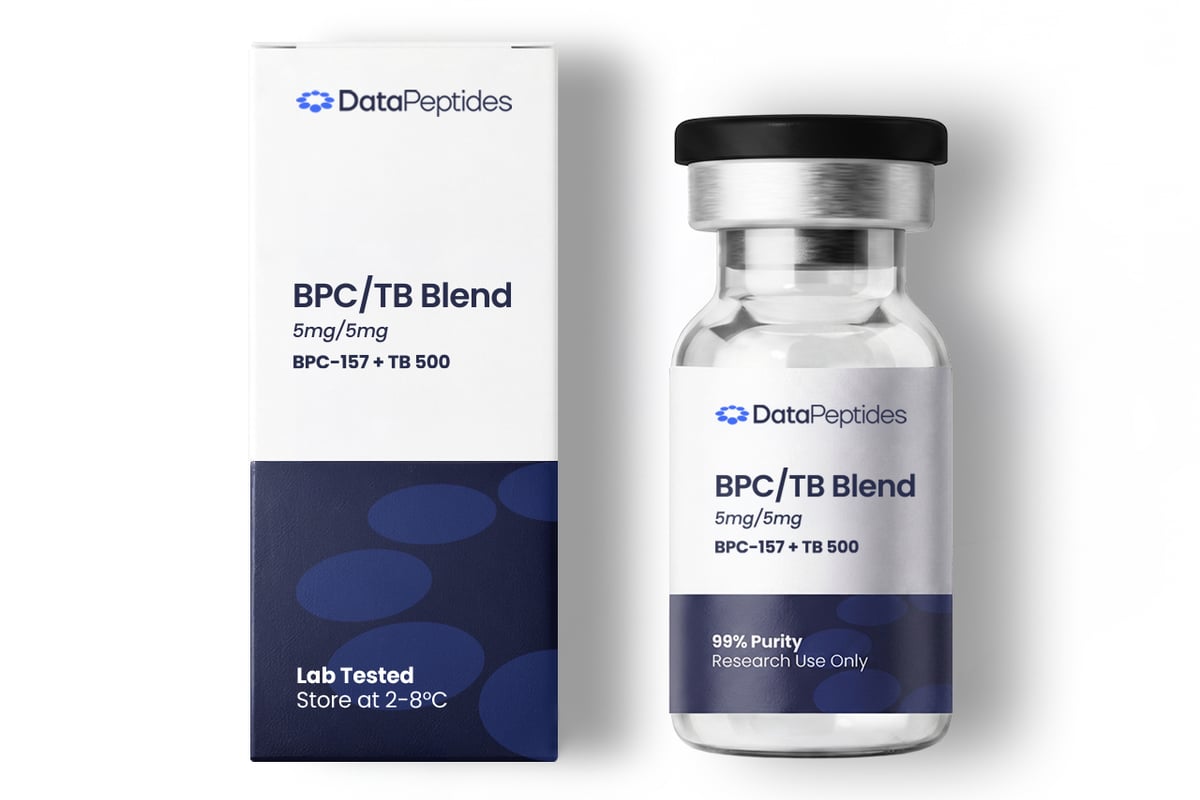
Laboratories investigating cellular repair mechanisms frequently utilize peptide sequences that interact with growth factors and healing pathways. For example, research combining BPC-157 / TB-500 examines synergistic effects on tissue regeneration, examining how these compounds influence cell migration, angiogenesis, and inflammatory modulation in controlled laboratory environments.
These healing blend studies require consistent peptide quality to ensure reproducible results across experimental replicates. Purity variations can introduce confounding variables that compromise data interpretation and experimental validity.
Metabolic and Cellular Function Research
Peptides affecting metabolic pathways, mitochondrial function, and energy utilization represent growing research areas. Scientists investigating cellular energy production, glucose metabolism, and stress response mechanisms depend on high-purity peptide materials to isolate specific pathway effects from potential contaminants or degradation products.
Storage and handling become particularly critical for metabolically active peptides. Temperature fluctuations, light exposure, and improper reconstitution can alter peptide structure and biological activity, creating inconsistent experimental results.
Storage, Handling, and Reconstitution Best Practices
Even the highest-quality peptides require proper handling to maintain integrity. When laboratories buy peptides, they must implement appropriate storage protocols to preserve product quality throughout the research timeline.
Lyophilized (freeze-dried) peptide storage requires:
- Temperature maintenance at -20°C or below
- Protection from light exposure
- Sealed containers with minimal air exposure
- Desiccant packets to control moisture
- Clear labeling with batch numbers and dates
Reconstitution protocols vary by peptide. General guidelines include:
- Allow lyophilized peptide to reach room temperature before opening
- Use bacteriostatic water or appropriate buffer for reconstitution
- Add solvent slowly along vial wall, avoiding direct stream onto peptide
- Swirl gently; do not vortex or shake vigorously
- Allow complete dissolution before use
- Store reconstituted solutions according to stability data
Reconstituted peptide storage typically requires refrigeration at 2-8°C, though specific requirements vary. Most reconstituted peptides maintain stability for 7-14 days when properly stored, though some degrade more rapidly. Aliquoting reconstituted solutions into single-use portions prevents repeated freeze-thaw cycles that damage peptide structure.
Common Pitfalls When Purchasing Research Peptides
Even experienced researchers encounter challenges in the peptide procurement process. Awareness of common mistakes helps laboratories avoid costly errors and experimental setbacks.
Verification Failures
Many laboratories buy peptides without adequately verifying supplier credentials or product specifications. This oversight can result in:
- Receiving mislabeled or contaminated products
- Working with degraded peptides that yield inconsistent results
- Violating institutional or regulatory compliance requirements
- Wasting research funds on unusable materials
Independent verification through third-party testing services provides additional quality assurance beyond supplier-provided documentation.
Misunderstanding Legal Boundaries
The distinction between research and personal use creates legal complexity. Research peptides sold for laboratory use cannot legally be redirected to human consumption. This restriction exists regardless of product quality or purity.
Institutional review boards (IRBs), funding agencies, and regulatory bodies scrutinize peptide procurement and use. Proper documentation of research intent, institutional approval, and compliance with safety protocols protects both researchers and institutions from legal complications.
Inadequate Due Diligence on Emerging Trends
Social media and influencer promotion of unapproved peptide therapies creates confusion about legitimate research applications versus unproven wellness claims. Professional researchers must distinguish between evidence-based scientific inquiry and unsubstantiated marketing hype.
The lack of clinical evidence for many peptide applications underscores why these compounds remain restricted to research use. Laboratories conducting proper studies contribute to the evidence base that may eventually support regulatory approval for specific therapeutic applications.
Building Long-Term Supplier Relationships
Consistent research outcomes depend on reliable access to quality materials. When laboratories identify reputable suppliers from whom to buy peptides, developing ongoing relationships yields multiple benefits.
Consistency across experiments improves when using the same supplier for longitudinal studies. Batch-to-batch variation exists even with high-quality manufacturers, but this variation typically remains smaller within a single supplier's production compared to switching between multiple vendors.
Priority access during supply constraints benefits established customers. The peptide market experiences periodic shortages due to raw material availability, regulatory changes, or manufacturing disruptions. Long-term customers often receive preferential treatment during allocation periods.
Custom synthesis capabilities become accessible through established supplier relationships. Research projects requiring modified peptide sequences, unusual modifications, or specialized formulations benefit from vendors willing to accommodate custom requests for valued customers.
Evaluating Supplier Performance Over Time
Ongoing assessment ensures suppliers maintain quality standards. Laboratories should track:
- Order accuracy and fulfillment speed
- Product quality consistency across batches
- Responsiveness to inquiries and issues
- Regulatory compliance maintenance
- Pricing stability and transparency
Periodic supplier reviews identify potential problems before they impact critical experiments. Alternative supplier identification provides contingency options if primary vendors experience quality issues or supply disruptions.
Future Trends in Research Peptide Markets
The research peptide landscape continues evolving through regulatory refinement, manufacturing innovation, and expanding scientific applications. Laboratories that buy peptides must stay informed about market developments affecting product availability, pricing, and compliance requirements.
Regulatory Evolution
Increased FDA oversight will likely continue reshaping the peptide market. Stricter enforcement against grey-market operators and unproven therapies may reduce market confusion but could also affect legitimate research supply chains.
Laboratories should anticipate:
- Enhanced documentation requirements for peptide purchases
- Stricter verification of research credentials and intent
- Potential restrictions on specific peptide sequences
- Increased emphasis on supplier compliance and quality systems
Manufacturing and Quality Innovations
Analytical technology improvements enable more comprehensive peptide characterization. Advanced mass spectrometry, improved HPLC methods, and sophisticated impurity profiling provide deeper quality insights than traditional testing approaches.
Automation in peptide synthesis increases production consistency while reducing contamination risks. However, automated systems require substantial capital investment, potentially consolidating manufacturing among larger, well-capitalized suppliers.
Making Informed Peptide Purchasing Decisions
The decision to buy peptides for research applications requires balancing multiple factors: quality assurance, regulatory compliance, cost efficiency, and supplier reliability. Laboratories that implement systematic evaluation processes, maintain proper documentation, and prioritize quality over price position themselves for successful research outcomes.
Verification remains paramount. Independent testing, transparent documentation, and supplier accountability separate professional research operations from questionable vendors. The additional effort invested in supplier evaluation pays dividends through consistent experimental results, regulatory compliance, and efficient use of research funds.
Educational resources help researchers navigate the complex peptide landscape. Staying informed about regulatory changes, quality standards, and best practices ensures laboratories maintain compliance while advancing scientific knowledge through rigorous experimentation.
Successful research depends on reliable access to high-quality, properly tested materials that meet stringent purity standards and regulatory requirements. When you're ready to buy peptides from a supplier committed to transparency, US-based manufacturing, and comprehensive third-party testing, Data Peptides provides laboratory-grade research compounds with batch-specific verification for your experimental needs.