

Research into metabolic regulation has increasingly focused on peptide-based compounds that demonstrate the capacity to influence adipose tissue metabolism and energy expenditure. Fat burning peptides represent a diverse class of synthetic and naturally-derived amino acid chains that interact with specific cellular receptors and enzymatic pathways involved in lipid metabolism. These research compounds have garnered substantial attention within laboratory settings for their potential to modulate fat oxidation, thermogenesis, and metabolic rate through various mechanisms of action. Understanding the biochemical properties and mechanisms of these peptides provides valuable insights into metabolic physiology and potential therapeutic targets for metabolic disorders.
Classification and Mechanism Categories of Fat Burning Peptides
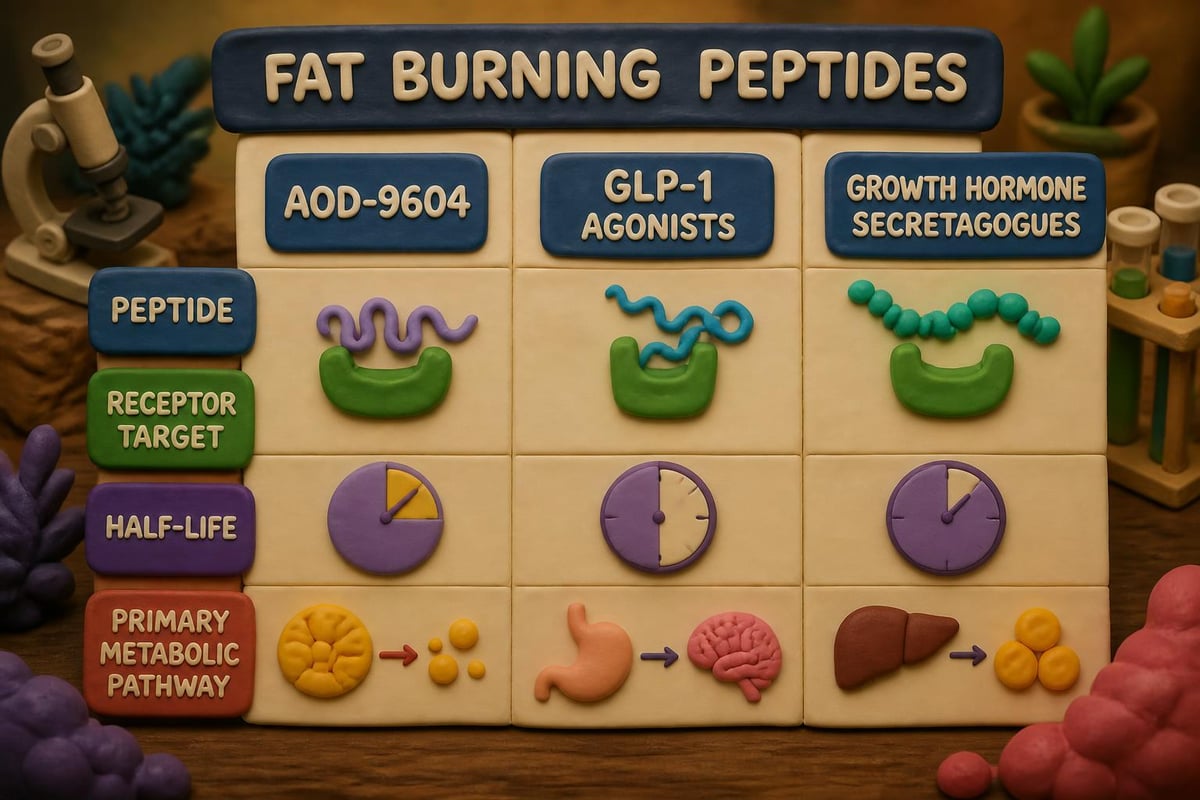
Fat burning peptides operate through several distinct biochemical pathways, each targeting different aspects of metabolic regulation. The primary categories include growth hormone secretagogues, incretin mimetics, direct lipolytic agents, and metabolic regulators that influence cellular energy utilization.
Growth Hormone Pathway Modulators
Growth hormone secretagogues stimulate the pituitary gland to release endogenous growth hormone, which subsequently influences lipolysis and fat metabolism. These peptides bind to ghrelin receptors and activate downstream signaling cascades that promote growth hormone release. The elevated growth hormone levels then interact with adipocytes to enhance hormone-sensitive lipase activity, facilitating the breakdown of stored triglycerides into free fatty acids and glycerol for energy utilization.
Research into compounds like CJC-1295 and Ipamorelin demonstrates how growth hormone peptides influence metabolic processes through receptor-mediated mechanisms. These peptides create pulsatile growth hormone release patterns that more closely mimic natural physiological rhythms compared to exogenous growth hormone administration.

Key mechanisms of GH-pathway peptides include:
- Activation of growth hormone releasing hormone receptors
- Stimulation of pituitary somatotrophs
- Enhancement of insulin-like growth factor 1 production
- Indirect promotion of lipolytic enzyme activity
- Modulation of insulin sensitivity in peripheral tissues
Incretin-Based Metabolic Peptides
Incretin mimetics represent a category of fat burning peptides that activate receptors for glucagon-like peptide-1 (GLP-1), glucose-dependent insulinotropic polypeptide (GIP), and glucagon. These compounds influence metabolic rate, appetite regulation, and energy expenditure through central and peripheral mechanisms.
The multi-receptor agonist approach has demonstrated enhanced metabolic effects compared to single-receptor targeting. By simultaneously engaging multiple pathways involved in glucose homeostasis and energy balance, these peptides create synergistic effects on fat mass reduction.
| Receptor Type | Primary Action | Metabolic Effect |
|---|---|---|
| GLP-1 | Insulin secretion enhancement | Improved glucose disposal and reduced lipogenesis |
| GIP | Insulin secretion modulation | Enhanced nutrient partitioning and fat metabolism |
| GCGR | Glucagon pathway activation | Increased hepatic glucose output and lipolysis |
AOD-9604 and Direct Lipolytic Mechanisms
AOD-9604 represents a synthetic peptide fragment derived from the C-terminal region of human growth hormone. This compound has been extensively studied for its ability to stimulate lipolysis without affecting insulin sensitivity or glucose metabolism. Unlike full-length growth hormone, AOD-9604 selectively targets fat metabolism pathways while avoiding the potential glycemic effects associated with complete growth hormone molecules.
Research into AOD-9604’s clinical development reveals its specific mechanism involves activation of beta-3 adrenergic receptors on adipocytes, leading to increased cyclic AMP production and subsequent activation of protein kinase A. This cascade ultimately phosphorylates hormone-sensitive lipase, the rate-limiting enzyme in triglyceride breakdown.
The peptide's structure consists of amino acids 176-191 of the growth hormone molecule, modified with a tyrosine residue at the N-terminus. This modification enhances stability and binding affinity while maintaining the lipolytic properties of the parent hormone fragment.
Comparative Efficacy in Laboratory Models
Studies examining various fat burning peptides demonstrate differential effects based on receptor specificity, dosing protocols, and duration of exposure. Laboratory models provide controlled environments to assess metabolic parameters including respiratory quotient, energy expenditure, and adipose tissue composition.
Factors influencing peptide efficacy in research settings:
- Receptor expression density in target tissues
- Half-life and pharmacokinetic properties
- Dosing frequency and concentration
- Combination with other metabolic modulators
- Subject baseline metabolic rate and body composition
Tesamorelin and Growth Hormone Releasing Hormone Analogs
Tesamorelin functions as a growth hormone releasing hormone (GHRH) analog with enhanced stability compared to native GHRH. This peptide binds to GHRH receptors on anterior pituitary cells, stimulating the synthesis and release of endogenous growth hormone. The resulting increase in circulating growth hormone levels promotes lipolysis, particularly in visceral adipose tissue depots.
Research applications for tesamorelin have focused on its effects on abdominal fat accumulation and metabolic parameters. The peptide demonstrates selectivity for visceral fat reduction while maintaining lean tissue mass, making it a valuable tool for investigating regional fat distribution mechanisms.
Comprehensive guides examining peptides for fat loss highlight tesamorelin's unique profile in targeting visceral adiposity through sustained growth hormone elevation. The compound's 44-amino acid structure includes modifications that resist enzymatic degradation while maintaining full biological activity at GHRH receptors.
Metabolic Peptides and Mitochondrial Function
Beyond direct lipolytic mechanisms, certain fat burning peptides influence metabolic rate through effects on mitochondrial biogenesis and oxidative capacity. These compounds modulate cellular energy production efficiency and substrate utilization patterns, shifting metabolism toward greater fatty acid oxidation.
Mitochondria-derived peptides represent an emerging category that signals between mitochondria and nuclear gene expression. These short peptide sequences influence metabolic flexibility, insulin sensitivity, and cellular stress resistance through epigenetic and transcriptional mechanisms.
The MOTS-c peptide exemplifies this category, demonstrating effects on glucose metabolism, insulin sensitivity, and metabolic stress adaptation. Research indicates such compounds may enhance fatty acid oxidation capacity by increasing mitochondrial density and improving oxidative enzyme expression.
Cellular Signaling and Metabolic Adaptation
Fat burning peptides that target cellular signaling cascades create lasting metabolic adaptations beyond their immediate pharmacological effects. Activation of AMP-activated protein kinase (AMPK), peroxisome proliferator-activated receptors (PPARs), and sirtuin pathways contributes to sustained changes in metabolic phenotype.
| Signaling Pathway | Peptide Influence | Metabolic Outcome |
|---|---|---|
| AMPK activation | Enhanced cellular energy sensing | Increased fat oxidation and mitochondrial biogenesis |
| PPAR-alpha stimulation | Transcriptional regulation of lipid genes | Elevated fatty acid transport and beta-oxidation |
| Sirtuin pathway modulation | NAD+ dependent deacetylation | Improved metabolic efficiency and stress resistance |
Retatrutide and Next-Generation Multi-Receptor Agonists
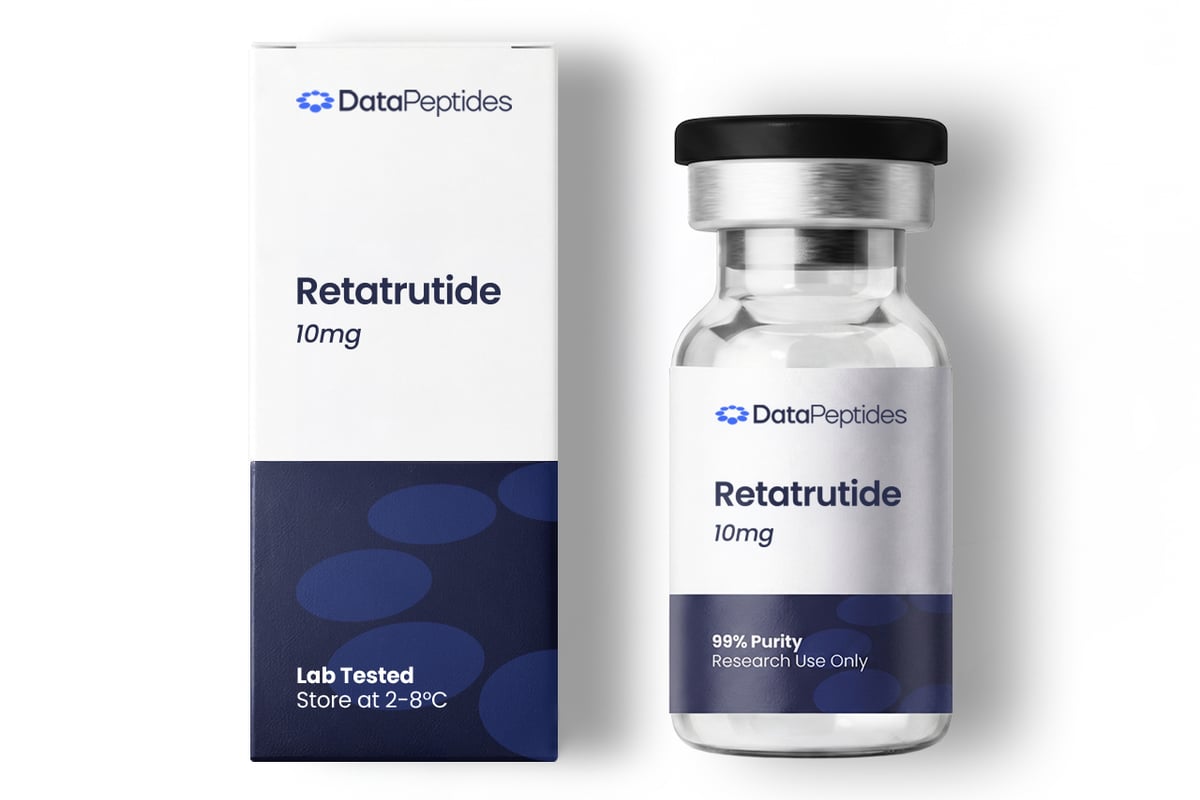
The development of triple-agonist peptides represents an advancement in targeting multiple metabolic pathways simultaneously. These compounds activate GLP-1, GIP, and glucagon receptors concurrently, creating synergistic effects on energy expenditure, appetite regulation, and fat mass reduction that exceed those observed with single or dual-agonist therapies.
Retatrutide demonstrates this multi-receptor approach by engaging three distinct hormone pathways involved in metabolic regulation. The triple-agonist mechanism allows for comprehensive metabolic modulation, affecting both energy intake through central appetite centers and energy expenditure through peripheral metabolic tissues. By activating the glucagon receptor in addition to incretin receptors, this class of fat burning peptides promotes hepatic glucose output and enhanced thermogenesis, contributing to greater overall energy expenditure and fat oxidation rates compared to earlier generations of metabolic peptides.
The pharmacological profile of triple agonists reflects careful optimization of receptor binding affinities to balance efficacy across all three pathways. Structural modifications to the peptide backbone and amino acid substitutions determine the relative activation strength at each receptor, allowing researchers to fine-tune metabolic effects in experimental protocols.
Synergistic Combinations and Protocol Design
Laboratory research frequently explores combinations of fat burning peptides to achieve complementary metabolic effects. Combining growth hormone secretagogues with direct lipolytic agents or incretin mimetics may produce additive or synergistic outcomes through activation of distinct but convergent metabolic pathways.
Considerations for combination protocols include:
- Receptor cross-talk and downstream signaling overlap
- Temporal patterns of peptide administration
- Dose-response relationships for each component
- Potential for receptor desensitization with chronic exposure
- Monitoring parameters for metabolic assessment
Research designs incorporating multiple peptides require careful attention to pharmacokinetic interactions and the timing of administration relative to metabolic state. For example, combining peptides with different half-lives necessitates staggered dosing schedules to maintain consistent receptor activation throughout the experimental period.
Peptide Stability, Storage, and Handling Protocols
The biochemical properties of fat burning peptides demand specific storage conditions and handling procedures to maintain structural integrity and biological activity. Most research peptides require refrigeration or freezing in lyophilized form, with reconstitution performed using appropriate solvents immediately prior to use.
Understanding peptide mechanisms includes recognizing how environmental factors affect peptide stability. Temperature fluctuations, pH changes, and exposure to light or oxidizing agents can degrade peptide bonds and reduce biological activity. Proper storage in amber vials, maintenance of cold chain protocols, and use of bacteriostatic water for reconstitution help preserve peptide integrity throughout experimental timelines.
Quality Assurance and Purity Verification
Research-grade peptides require rigorous quality control measures to ensure consistency and reliability in experimental applications. Third-party batch testing using high-performance liquid chromatography (HPLC) and mass spectrometry provides verification of peptide identity, purity, and concentration.
Key quality parameters for research peptides:
- Amino acid sequence confirmation through mass spectrometry
- Purity assessment exceeding 95% by HPLC analysis
- Endotoxin testing for bacterial contamination
- Sterility verification for reconstituted solutions
- Proper documentation of manufacturing and testing protocols
Dosing Considerations and Experimental Variables
Establishing appropriate dosing protocols for fat burning peptides in research settings requires consideration of multiple variables including subject characteristics, metabolic baseline, and research objectives. Peptide doses are typically calculated based on body weight or surface area, with adjustments made for specific receptor sensitivities and pharmacokinetic properties.
The relationship between dose and metabolic response often follows non-linear patterns, with receptor saturation occurring at higher concentrations and potentially diminishing returns beyond optimal ranges. Dose-response studies help establish effective concentration ranges and identify potential threshold effects for specific metabolic outcomes.
Evidence-based comparisons of fat loss peptides demonstrate varying optimal dose ranges across different compound classes. Growth hormone secretagogues typically operate effectively at microgram doses, while direct lipolytic peptides may require higher concentrations to achieve measurable effects on adipose tissue metabolism.
Frequency and Timing Protocols
The temporal pattern of peptide administration significantly influences metabolic outcomes. Peptides with short half-lives may require multiple daily administrations to maintain consistent receptor activation, while longer-acting compounds allow for less frequent dosing schedules.
Circadian rhythms in metabolic hormone secretion suggest potential benefits for timing peptide administration to align with natural physiological patterns. Growth hormone secretagogues administered in evening hours may better replicate endogenous nocturnal growth hormone pulses, while incretin mimetics might show enhanced effects when coordinated with nutrient intake patterns.
Metabolic Assessment Methods and Outcome Measures
Evaluating the effects of fat burning peptides requires comprehensive metabolic assessment techniques that capture changes in energy expenditure, substrate utilization, and body composition. Laboratory methods include indirect calorimetry, body composition analysis, biochemical marker assessment, and molecular analysis of metabolic gene expression.
| Assessment Method | Parameters Measured | Relevance to Fat Metabolism |
|---|---|---|
| Indirect calorimetry | VO2, VCO2, respiratory quotient | Real-time substrate oxidation patterns |
| DEXA scanning | Fat mass, lean mass, bone density | Regional body composition changes |
| Metabolic panels | Glucose, insulin, lipid profiles | Systemic metabolic health markers |
| Gene expression analysis | mRNA levels of metabolic enzymes | Cellular adaptation to peptide exposure |
Advanced imaging techniques such as magnetic resonance spectroscopy allow visualization of intramuscular and hepatic lipid content, providing insights into ectopic fat distribution changes that may not be reflected in total body composition measurements.
Mechanistic Research Applications
Fat burning peptides serve as valuable research tools for investigating fundamental mechanisms of metabolic regulation. By selectively activating specific receptor pathways or enzymatic processes, these compounds allow researchers to dissect the contributions of individual metabolic components to overall energy homeostasis.
Knockout and transgenic animal models provide platforms for examining how peptide effects vary in the presence or absence of specific receptors or signaling molecules. Such approaches have revealed unexpected interactions between metabolic pathways and highlighted the complexity of energy balance regulation.
Research applications of fat burning peptides include:
- Mapping receptor distribution and signaling networks
- Investigating metabolic flexibility and substrate switching
- Examining adipose tissue biology and adipokine secretion
- Understanding insulin resistance mechanisms
- Exploring interactions between metabolism and aging
The comprehensive peptide reference database provides researchers with detailed information on mechanisms, dosing parameters, and published studies for various metabolic peptides, facilitating evidence-based protocol design and interpretation.
Peptide Structure-Function Relationships
The relationship between amino acid sequence and metabolic activity represents a critical area of peptide research. Modifications to native hormone sequences can enhance receptor selectivity, extend half-life, or modify tissue distribution patterns. Understanding these structure-activity relationships guides the development of optimized research compounds with improved pharmacological properties.
Detailed explanations of fat-burning peptide mechanisms reveal how specific amino acid substitutions influence receptor binding kinetics and downstream signaling intensity. For example, replacing native amino acids with D-isomers or non-natural analogs can dramatically extend peptide stability by resisting enzymatic degradation.
Secondary structure considerations including alpha-helical content, beta-sheet formation, and turn regions influence how peptides interact with their target receptors. Circular dichroism spectroscopy and nuclear magnetic resonance techniques allow characterization of peptide conformations in solution and at receptor binding sites.
Regulatory Considerations for Research Applications
Laboratory-grade peptides exist specifically for research purposes and are not approved for human consumption or therapeutic use outside clinical trial settings. Research institutions must maintain appropriate protocols for peptide acquisition, storage, handling, and disposal in accordance with institutional review board guidelines and regulatory frameworks.
Documentation requirements for research peptide use include detailed experimental protocols, justification for peptide selection, dose calculations, and safety considerations. Proper record-keeping ensures reproducibility and allows for meta-analysis across multiple studies.
Compliance elements for peptide research:
- Institutional approval for research protocols involving metabolic peptides
- Proper licensing and training for personnel handling research compounds
- Adherence to storage and handling specifications
- Accurate documentation of experimental procedures and outcomes
- Responsible disposal of unused materials following safety guidelines
The distinction between research-grade and pharmaceutical-grade peptides reflects differences in manufacturing standards, purity requirements, and intended applications. Research peptides from suppliers like Data Peptides meet specifications for laboratory use while clearly indicating they are not intended for human or animal consumption.
Emerging Directions in Metabolic Peptide Research
Current research trajectories explore novel peptide sequences derived from computational design approaches, natural peptide libraries, and modification of existing metabolic hormones. Machine learning algorithms can predict peptide-receptor interactions and guide rational design of compounds with optimized binding properties and metabolic effects.
Tissue-specific delivery systems represent another frontier in peptide research, aiming to concentrate peptide activity in target tissues while minimizing off-target effects. Conjugation with targeting moieties, encapsulation in nanoparticles, or modification with cell-penetrating sequences may enhance peptide delivery to adipose tissue or other metabolic organs.
The integration of peptide research with other emerging technologies such as gene therapy, microbiome modulation, and personalized medicine approaches promises to expand our understanding of metabolic regulation and identify new therapeutic targets for metabolic disorders.
Fat burning peptides continue to provide valuable insights into the complex mechanisms governing energy metabolism, adipose tissue biology, and systemic metabolic regulation. As research tools, these compounds enable precise investigation of specific receptor pathways and signaling cascades involved in fat oxidation and energy homeostasis. For researchers seeking laboratory-grade compounds manufactured to rigorous quality standards, Data Peptides supplies US-manufactured research peptides with third-party batch testing verification, ensuring consistency and purity for experimental applications while maintaining clear guidelines for appropriate research use.