

HGH frag has emerged as one of the most extensively studied peptide fragments in metabolic research laboratories worldwide. This modified segment of human growth hormone represents a targeted approach to investigating lipid metabolism without the broader systemic effects associated with full-length growth hormone. As research facilities increasingly focus on specialized peptide applications, understanding the molecular characteristics and research applications of hgh frag becomes essential for designing rigorous experimental protocols. This fragment, consisting of amino acids 176-191 from the C-terminus of human growth hormone, has been documented in numerous preclinical studies examining fat oxidation mechanisms and metabolic pathway modulation.
Understanding the Molecular Structure of HGH Frag
HGH frag represents a precisely isolated sequence from the parent growth hormone molecule, specifically targeting the region responsible for lipolytic activity. The fragment contains the terminal 16 amino acids, a sequence that researchers have identified as critical for fat metabolism functions while avoiding the glucose metabolism effects of the complete hormone.
The molecular weight of hgh frag is approximately 1,817 Daltons, making it significantly smaller and more targeted than full-length human growth hormone. This reduced size offers several advantages for laboratory research, including improved stability in certain experimental conditions and more predictable diffusion characteristics in tissue culture models.
Structural Modifications and Stability
The peptide sequence maintains the essential structural elements required for receptor engagement while eliminating regions associated with insulin resistance and glucose elevation. Researchers working with this fragment should note its relatively short half-life, typically ranging from 30 minutes to several hours depending on experimental conditions and delivery methods.
Laboratory protocols must account for the peptide's susceptibility to enzymatic degradation. Proper storage conditions, typically at -20°C or lower, help preserve structural integrity for extended periods. Third-party testing protocols verify both sequence accuracy and purity levels, ensuring consistency across research batches.
Mechanism of Action in Laboratory Models
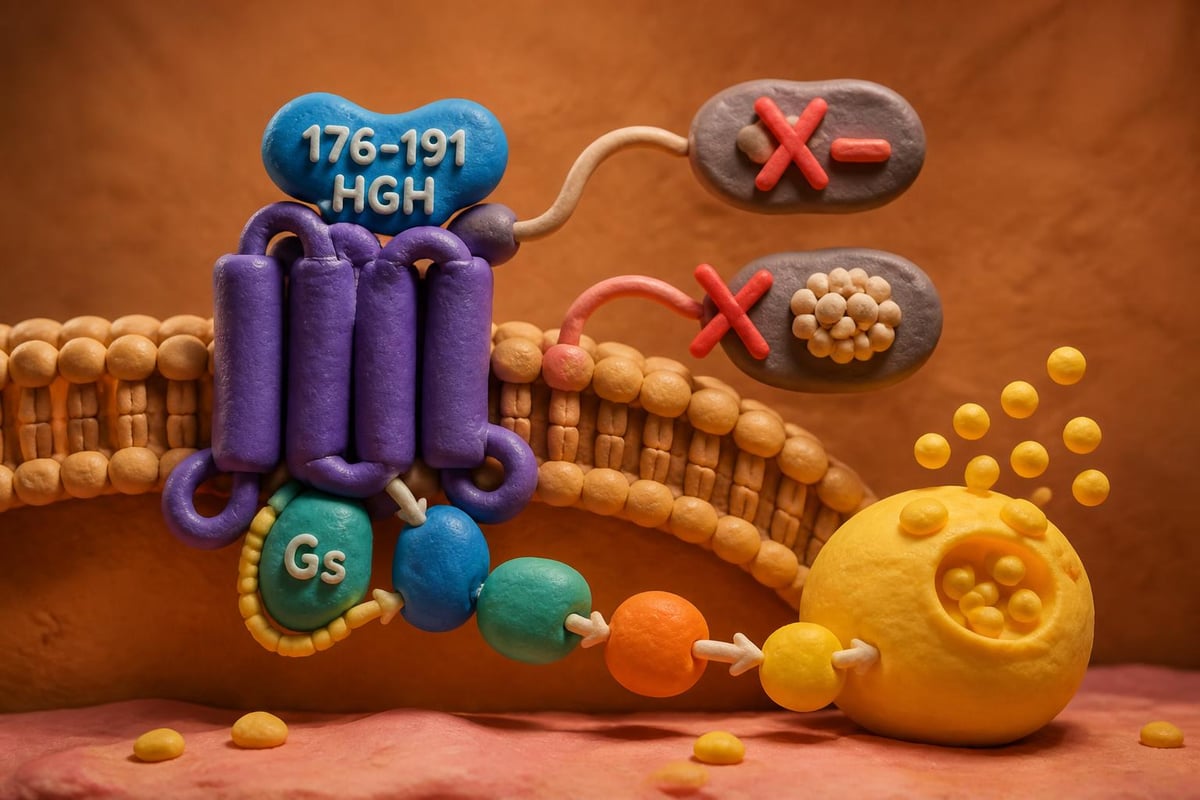
The primary mechanism through which hgh frag operates involves selective engagement with specific receptor sites associated with lipolysis. Research has demonstrated that this fragment stimulates the breakdown of triglycerides into free fatty acids and glycerol without activating the full spectrum of growth hormone receptors.
Receptor Engagement Pathways
Studies indicate that hgh frag preferentially interacts with beta-3 adrenergic receptors, which play crucial roles in thermogenesis and fat mobilization. This selective engagement represents a key differentiator from full-length growth hormone, which activates multiple receptor families simultaneously.
The signaling cascade initiated by hgh frag includes:
- Activation of hormone-sensitive lipase (HSL)
- Upregulation of uncoupling proteins in mitochondria
- Enhancement of fatty acid oxidation pathways
- Reduction in lipogenesis enzyme activity
Laboratory observations consistently show that these effects occur without corresponding increases in insulin-like growth factor-1 (IGF-1) production, distinguishing this fragment from the parent hormone's broader metabolic impact.
Research Applications and Experimental Protocols
HGH frag has been incorporated into diverse research protocols examining metabolic regulation, adipose tissue biology, and energy expenditure mechanisms. Current research evidence spans both in vitro cellular models and in vivo animal studies, providing researchers with multiple experimental frameworks.
Adipocyte Culture Studies
In adipocyte culture systems, hgh frag serves as a tool for investigating lipolysis regulation at the cellular level. Researchers typically employ concentrations ranging from 1 to 100 μg/mL, though optimal dosing varies based on specific experimental objectives and cell line characteristics.
| Application Type | Typical Concentration | Incubation Period | Primary Measurements |
|---|---|---|---|
| Primary adipocytes | 5-50 μg/mL | 4-24 hours | Glycerol release, FFA levels |
| 3T3-L1 cells | 1-25 μg/mL | 6-48 hours | Lipolysis markers, gene expression |
| Tissue explants | 10-100 μg/mL | 2-12 hours | Metabolic flux, oxygen consumption |
Animal Model Research
Rodent models represent the most common in vivo research platform for hgh frag studies. Detailed protocol information indicates that subcutaneous administration at doses between 250 and 1,000 mcg/kg has been employed in metabolic research, with treatment durations ranging from acute single-dose studies to chronic protocols extending several weeks.
Researchers designing animal studies should consider several critical variables:
- Baseline metabolic status of the model organism
- Dietary conditions that may influence lipid metabolism
- Timing of administration relative to feeding cycles
- Sample collection protocols for metabolic markers
- Control group design to account for handling and injection effects
Comparative Analysis with Related Compounds
The peptide research landscape includes several compounds with overlapping or complementary mechanisms to hgh frag. Understanding these relationships helps researchers select appropriate tools for specific experimental questions.
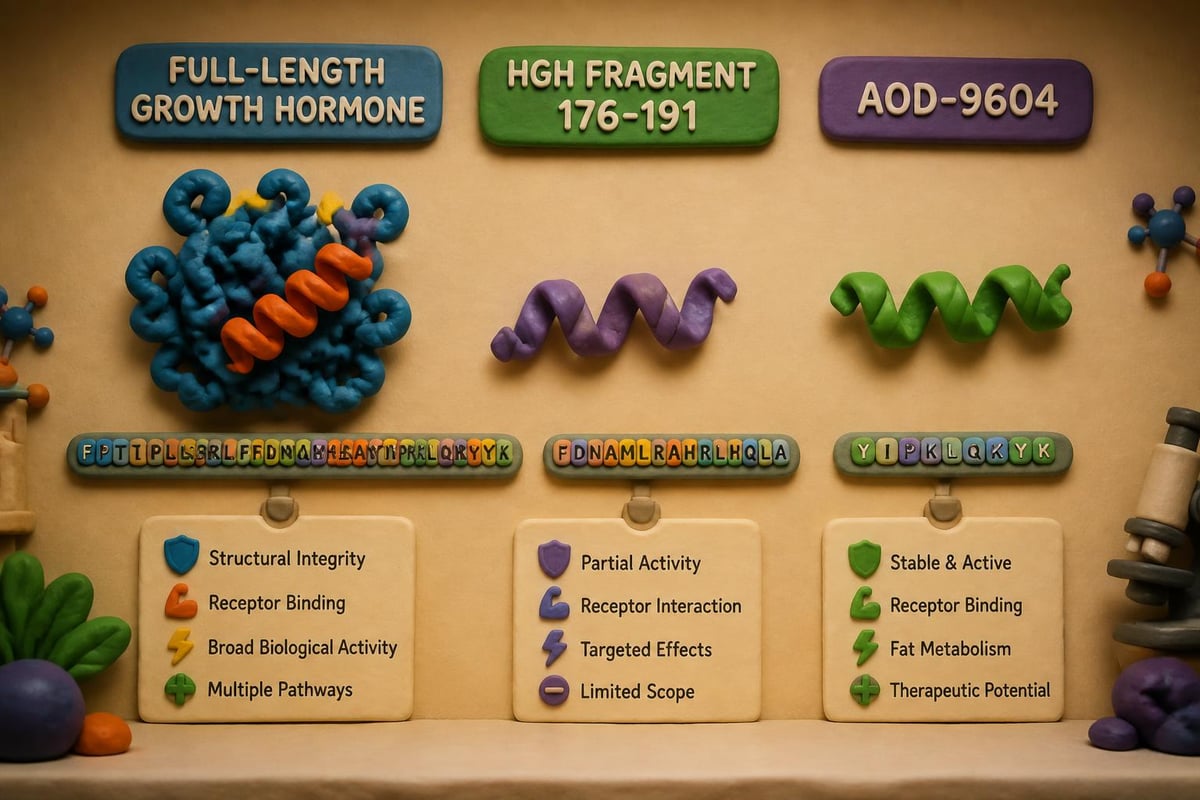
AOD-9604, a derivative of hgh frag with additional stabilizing modifications, represents the most closely related compound. While both peptides target fat metabolism, structural comparisons reveal that AOD-9604 incorporates a tyrosine residue modification designed to enhance stability and potentially improve bioavailability in certain experimental contexts.
Functional Distinctions from Full-Length GH
| Characteristic | HGH Frag 176-191 | Full-Length GH | AOD-9604 |
|---|---|---|---|
| Molecular Weight | ~1,817 Da | ~22,000 Da | ~1,846 Da |
| IGF-1 Elevation | No | Yes | No |
| Glucose Effects | Minimal | Significant | Minimal |
| Insulin Sensitivity | No change | Decreased | No change |
| Receptor Selectivity | Beta-3 adrenergic | GH receptor family | Beta-3 adrenergic |
Growth hormone secretagogues, including compounds available through peptide research suppliers, operate through different mechanisms by stimulating endogenous growth hormone release rather than providing exogenous hormone fragments. This distinction proves important when designing experiments examining direct receptor effects versus upstream regulatory mechanisms.
Dosing Considerations for Laboratory Research
Establishing appropriate dosing parameters represents a critical aspect of experimental design with hgh frag. The existing body of research demonstrates significant variability in optimal concentrations across different model systems and research objectives.
In Vitro Dosing Frameworks
Cell culture applications typically require consideration of media volume, cell density, and incubation duration when calculating effective concentrations. Most published protocols employ concentrations between 1 and 100 μg/mL, with dose-response curves frequently showing maximal effects in the 10-50 μg/mL range for primary adipocyte cultures.
Researchers should conduct preliminary dose-finding experiments for novel cell lines or culture conditions. Starting with a wide concentration range (0.1 to 100 μg/mL) and measuring multiple endpoints helps establish optimal working concentrations for specific applications.
In Vivo Administration Protocols
Animal research protocols have explored both acute and chronic administration schedules. Evidence from research studies suggests that subcutaneous injection remains the most common delivery route, though intranasal and intraperitoneal routes have been investigated in specific experimental contexts.
Typical dosing parameters include:
- Acute studies: Single doses of 250-500 mcg/kg
- Short-term protocols: Daily doses of 250-500 mcg/kg for 7-14 days
- Extended research: Daily or twice-daily doses of 500-1,000 mcg/kg for 4-12 weeks
- Timing: Administration during fasted state or specific circadian phases depending on research questions
Analytical Methods and Outcome Measurements
Rigorous assessment of hgh frag effects requires carefully selected analytical methods that capture relevant metabolic changes. Researchers employ various techniques depending on whether studies focus on cellular mechanisms, tissue-level effects, or whole-organism metabolism.
Biochemical Markers
Lipolysis assessment typically involves measuring glycerol and free fatty acid release into culture media or bloodstream. These direct indicators of triglyceride breakdown provide quantitative data on peptide activity across experimental timepoints.
Additional metabolic markers frequently measured in hgh frag research include:
- Beta-hydroxybutyrate levels as indicators of fat oxidation
- Respiratory exchange ratio for assessing fuel substrate utilization
- Adiponectin and leptin concentrations reflecting adipose tissue function
- Lipid peroxidation products to monitor oxidative stress
- Mitochondrial enzyme activities in relevant tissue samples
Molecular and Genetic Analysis
Gene expression profiling offers insights into transcriptional changes induced by hgh frag treatment. Key targets include genes encoding lipases, uncoupling proteins, peroxisome proliferator-activated receptors, and mitochondrial biogenesis factors.
Protein-level analysis through Western blotting or immunohistochemistry confirms that transcriptional changes translate into functional protein expression. Phosphorylation status of hormone-sensitive lipase and AMP-activated protein kinase provides mechanistic information about activated signaling pathways.
Quality Considerations for Research-Grade Peptides
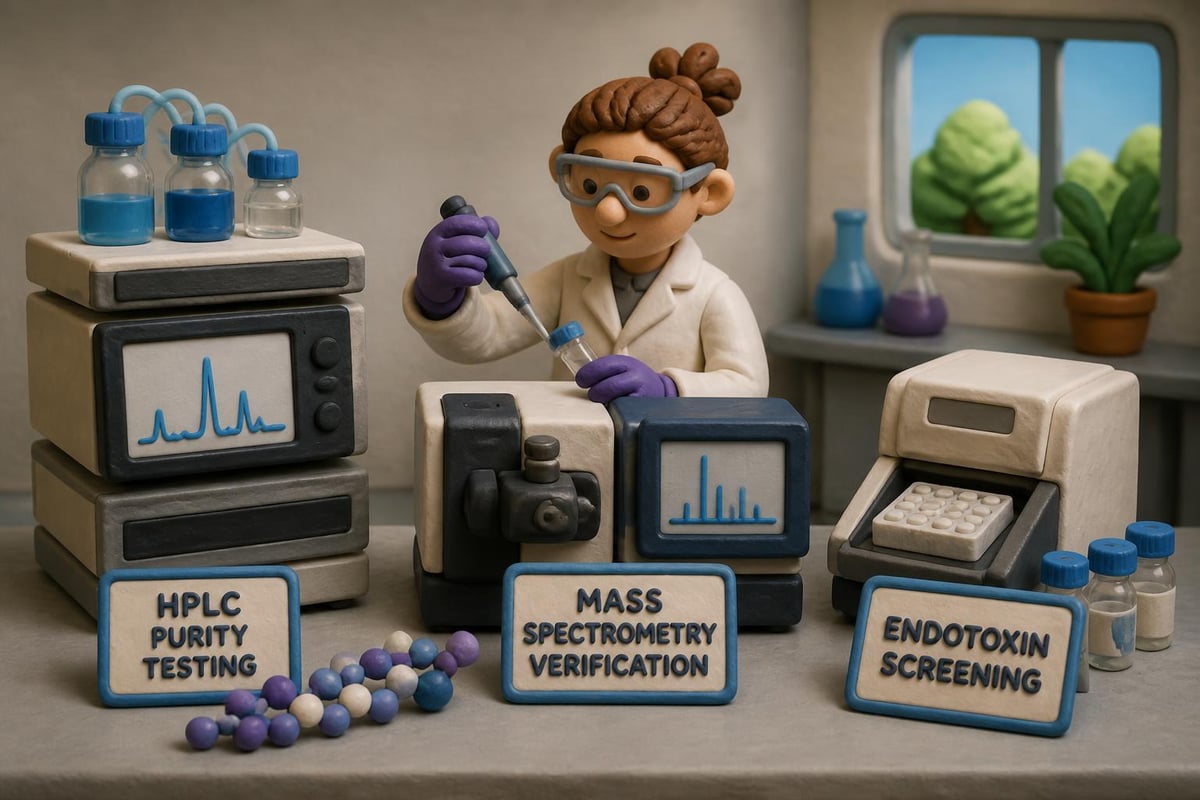
The reliability of experimental results depends fundamentally on peptide quality and consistency. Third-party verification protocols ensure that research-grade hgh frag meets stringent purity standards essential for reproducible science.
Purity Standards and Testing
High-performance liquid chromatography (HPLC) analysis represents the gold standard for assessing peptide purity. Research-grade hgh frag should typically exceed 98% purity, with remaining content consisting of related peptide sequences or acetate/trifluoroacetate salts from synthesis procedures.
Mass spectrometry verification confirms the correct molecular weight and identifies any truncated sequences or modifications that could affect experimental outcomes. Laboratories should request documentation of both purity and molecular weight verification for each peptide batch.
Storage and Handling Protocols
Proper storage significantly impacts peptide stability and research reproducibility. Lyophilized hgh frag maintains optimal stability at -20°C or below, protected from moisture and repeated freeze-thaw cycles. Once reconstituted, peptide solutions should be aliquoted into single-use portions to minimize degradation from temperature cycling.
Reconstitution protocols typically employ:
- Bacteriostatic water for solutions intended for multiple withdrawals
- Sterile water for immediate use in cell culture applications
- Buffered solutions when pH stability affects experimental readouts
- Concentration verification through spectrophotometry for critical applications
Integration with Broader Research Programs
HGH frag research frequently intersects with investigations into metabolic syndrome, obesity mechanisms, aging physiology, and energy balance regulation. Understanding how this peptide fragment fits within broader research contexts helps scientists design more comprehensive experimental programs.
Metabolic research facilities often combine hgh frag studies with other peptide tools to examine different aspects of energy regulation. For instance, researchers investigating mitochondrial function alongside lipid metabolism might incorporate compounds that specifically target mitochondrial efficiency. This integrated approach provides more complete mechanistic insights than single-compound studies.
Synergistic Research Approaches
Multi-peptide protocols allow examination of pathway interactions and potential synergistic effects. When designing combination studies, researchers should consider:
- Temporal sequencing of different peptide administrations
- Potential receptor crosstalk between compounds
- Additive versus synergistic effect patterns
- Control groups receiving each peptide individually plus combination treatment
- Adequate washout periods for crossover experimental designs
The scientific literature contains examples of hgh frag combined with various metabolic modulators in research settings, providing frameworks for novel experimental designs addressing complex physiological questions.
Safety Considerations in Research Settings
Laboratory safety protocols for hgh frag mirror standard procedures for peptide handling. While this fragment demonstrates favorable safety profiles in published research compared to full-length growth hormone, proper precautions remain essential for research personnel.
Personnel handling lyophilized or reconstituted peptides should employ appropriate personal protective equipment, including gloves and eye protection. Preparation should occur in designated areas with proper ventilation and spill containment capabilities. Material safety data sheets provide specific guidance for disposal procedures and emergency response protocols.
Regulatory Compliance
Research institutions must maintain compliance with relevant regulations governing peptide research materials. In the United States, peptides intended solely for laboratory research fall under specific regulatory frameworks distinct from pharmaceutical products or dietary supplements.
Documentation requirements typically include:
- Chain of custody records for research materials
- Usage logs tracking peptide allocation to specific protocols
- Storage monitoring demonstrating temperature control compliance
- Disposal records following institutional biosafety procedures
- Training documentation for personnel handling research peptides
Current Research Landscape and Future Directions
The body of evidence examining hgh frag continues expanding, with recent studies exploring novel applications and refined mechanistic understanding. Current research trends include investigation of tissue-specific effects, circadian rhythm interactions, and potential applications in age-related metabolic changes.
Emerging areas of investigation include the peptide's effects on brown adipose tissue activation, its interactions with gut microbiome metabolism, and potential influences on muscle tissue metabolism beyond pure adipose effects. These expanded research directions reflect growing recognition of the complex interplay between different metabolic tissues and regulatory systems.
Methodological Advances
Technical improvements in analytical methods continue enhancing research capabilities. High-resolution metabolomics allows comprehensive profiling of metabolic changes following hgh frag treatment, identifying previously unrecognized pathway alterations. Advanced imaging techniques enable visualization of fat depot changes with unprecedented spatial and temporal resolution.
Genetic tools, including tissue-specific knockout models and CRISPR-based approaches, permit more precise interrogation of the receptors and signaling molecules mediating hgh frag effects. These methodological advances promise to resolve remaining questions about mechanism of action and identify potential research applications.
Experimental Design Best Practices
Rigorous experimental design separates meaningful findings from artifactual results. Researchers working with hgh frag should incorporate several key design elements to maximize scientific value and reproducibility.
Control Group Strategies
Appropriate controls prove essential for interpreting results accurately. Beyond simple vehicle-treated controls, sophisticated experiments may include:
- Positive controls using compounds with known metabolic effects
- Pair-fed controls to distinguish direct peptide effects from secondary nutritional changes
- Time-matched controls for protocols involving circadian or developmental factors
- Dose-response controls spanning subthreshold to supramaximal concentrations
Statistical power analysis during the planning phase ensures adequate sample sizes for detecting biologically meaningful effects while avoiding unnecessary animal use or resource expenditure.
Data Collection and Reporting Standards
Comprehensive data reporting enables other researchers to evaluate findings and design follow-up experiments. Published protocols should specify:
- Exact peptide source and purity verification
- Reconstitution procedures and solution stability data
- Administration timing relative to feeding or light cycles
- Complete statistical analysis methods
- Individual data points or measures of distribution beyond simple means
Peptide research communities increasingly emphasize transparent reporting standards that facilitate knowledge accumulation and cross-laboratory validation of key findings.
Procurement Considerations for Research Laboratories
Selecting appropriate suppliers represents a critical decision affecting research quality and regulatory compliance. Research facilities should evaluate potential peptide sources based on multiple criteria beyond simple cost considerations.
Third-party verification of purity and identity provides essential quality assurance. Reputable suppliers provide certificate of analysis documentation for each batch, including HPLC chromatograms, mass spectrometry data, and endotoxin testing results. These documents enable researchers to verify that received materials meet specifications required for their experimental protocols.
Supply chain reliability affects research continuity, particularly for longitudinal studies requiring consistent peptide batches over extended periods. Establishing relationships with suppliers offering batch reservation or custom synthesis capabilities helps maintain experimental consistency.
| Evaluation Criterion | Key Considerations | Documentation Required |
|---|---|---|
| Purity Verification | HPLC >98%, MS confirmation | COA with chromatograms |
| Manufacturing Standards | US-based, GMP facilities | Manufacturing certifications |
| Batch Testing | Third-party independent analysis | Test reports for each batch |
| Storage and Shipping | Temperature controlled, validated | Chain of custody documentation |
| Technical Support | Scientific consultation available | Access to technical specialists |
Understanding hgh frag requires appreciation for both its targeted mechanism of action and its position within the broader landscape of metabolic research tools. This peptide fragment offers researchers a precise instrument for investigating fat metabolism pathways while avoiding the complications associated with full-length growth hormone administration. For laboratories seeking to advance metabolic research with rigorously tested, laboratory-grade peptides, Data Peptides provides US-manufactured research compounds with third-party batch verification, ensuring the consistency and purity essential for reproducible scientific investigation.