

IGF1 LR3 represents a structurally modified analog of insulin-like growth factor 1 that has garnered significant attention in peptide research laboratories. This synthetic variant incorporates specific amino acid modifications designed to alter its binding characteristics and extend its biological half-life compared to endogenous IGF-1. As research facilities continue to explore growth factor pathways and cellular signaling mechanisms, understanding the distinct properties of igf1 lr3 becomes essential for designing rigorous experimental protocols. This peptide is exclusively intended for laboratory research applications and is not approved for human or animal consumption.
Structural Modifications and Design Rationale
The molecular architecture of igf1 lr3 differs from native IGF-1 in two critical aspects. First, the peptide contains a 13-amino acid N-terminal extension that increases its total length to 83 amino acids, compared to the 70 amino acids found in endogenous IGF-1. Second, researchers replaced the glutamic acid residue at position 3 with arginine, creating the "R3" designation in its nomenclature.
These structural alterations fundamentally change how the molecule interacts with IGF-binding proteins (IGFBPs) in biological systems. Native IGF-1 exhibits high affinity for these carrier proteins, which regulate its bioavailability and limit its duration of action. The modified structure of IGF-1 LR3 demonstrates substantially reduced binding to IGFBPs, allowing the peptide to remain active in circulation for extended periods.
Binding Protein Interactions
The relationship between igf1 lr3 and IGF-binding proteins represents a key area of investigation. Research indicates that this modified peptide demonstrates approximately 10-100 fold lower affinity for IGFBPs compared to native IGF-1. This reduced binding capacity translates to several experimental advantages:
- Extended serum half-life estimated at 20-30 hours versus 10-12 hours for native IGF-1
- Increased bioavailability in cell culture and animal model systems
- Enhanced receptor activation due to greater free peptide concentration
- Reduced interference from endogenous binding protein fluctuations
The mechanism of action for IGF-1 LR3 centers on its ability to bypass IGFBP regulation while maintaining IGF-1 receptor activation capacity.

Receptor Activation and Signaling Pathways
When igf1 lr3 binds to the IGF-1 receptor (IGF-1R), it initiates a cascade of intracellular signaling events similar to those triggered by endogenous IGF-1. The receptor, a tyrosine kinase, undergoes autophosphorylation upon ligand binding, subsequently activating multiple downstream pathways including PI3K/AKT and MAPK/ERK signaling cascades.
Primary Signaling Mechanisms
| Pathway | Primary Function | Research Application |
|---|---|---|
| PI3K/AKT | Protein synthesis, cell survival | Anabolic signaling studies |
| MAPK/ERK | Cell proliferation, differentiation | Growth mechanism research |
| mTOR | Translational control, metabolism | Nutrient sensing models |
| FOXO inhibition | Transcriptional regulation | Catabolic suppression studies |
The prolonged receptor activation enabled by igf1 lr3's extended half-life allows researchers to examine sustained signaling dynamics without the frequent re-dosing required for native IGF-1. This characteristic proves particularly valuable in time-course experiments and long-duration cell culture protocols.
Research applications frequently focus on the peptide's influence on protein synthesis markers, cellular proliferation rates, and metabolic substrate utilization. The detailed structural analysis of IGF-1 LR3 demonstrates how specific modifications translate to altered pharmacological properties in experimental systems.
Laboratory Applications and Research Models
Scientific investigations utilizing igf1 lr3 span multiple research domains, from basic cell biology to complex animal model systems. The peptide serves as a valuable tool for dissecting IGF-1 receptor function and evaluating growth factor signaling under controlled experimental conditions.
Cell Culture Applications
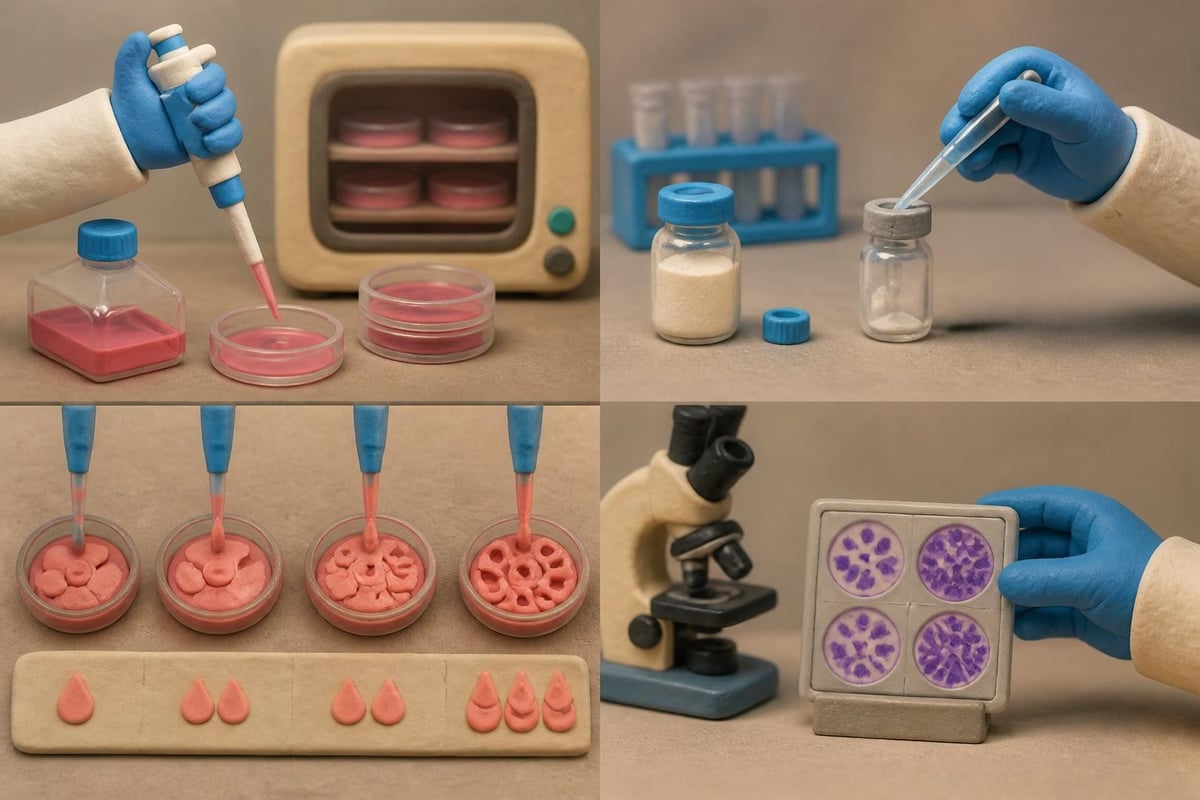
In vitro studies represent the most common application for igf1 lr3 in research settings. The peptide's stability in cell culture media and reduced binding to serum proteins make it particularly suitable for:
- Myocyte proliferation studies examining muscle cell growth mechanisms
- Differentiation protocols investigating lineage commitment processes
- Metabolic flux analysis measuring glucose and amino acid uptake
- Apoptosis resistance research evaluating survival signaling pathways
- Protein synthesis quantification using tracer methodology and Western blot analysis
Researchers typically employ concentrations ranging from 10-100 ng/mL in culture media, though optimal concentrations vary depending on cell type and experimental objectives. The extended stability of igf1 lr3 reduces the need for media changes and supplementation compared to native IGF-1.
Animal Model Research
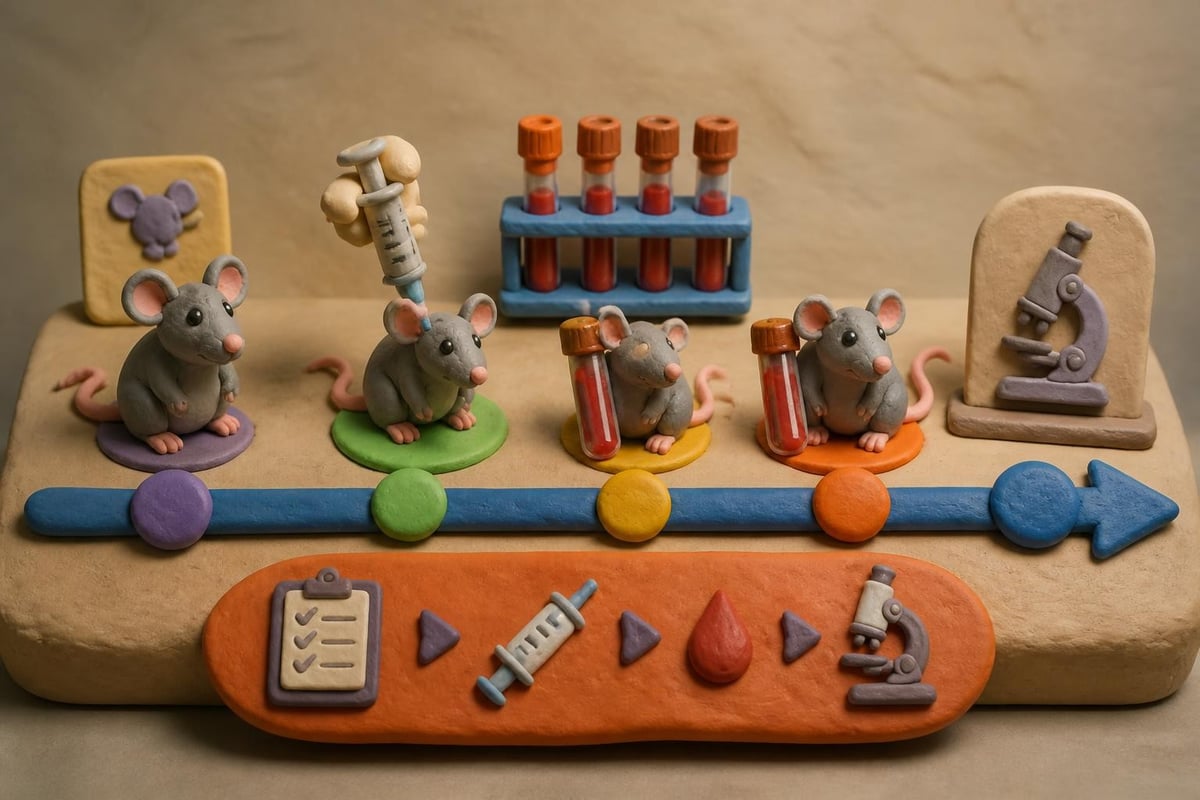
Preclinical investigations using laboratory animals provide insights into the systemic effects of igf1 lr3 administration. These studies examine tissue-specific responses, metabolic outcomes, and dose-response relationships under controlled experimental parameters.
Common research endpoints in animal models include skeletal muscle mass quantification, body composition analysis through imaging modalities, and molecular marker assessment via tissue harvesting. The comprehensive dosing and storage guidelines emphasize proper handling procedures to maintain peptide integrity throughout experimental timelines.
Reconstitution and Storage Protocols
Proper preparation and storage of igf1 lr3 directly impact experimental reproducibility and data quality. The peptide typically arrives in lyophilized powder form, requiring reconstitution before use. Following manufacturer protocols ensures optimal stability and biological activity.
Reconstitution Procedures
| Solution Type | Recommended Use | Stability Consideration |
|---|---|---|
| Bacteriostatic water | Multi-dose applications | 14-21 days refrigerated |
| Sterile water | Single-use protocols | 24-48 hours refrigerated |
| Acetic acid (0.1%) | Enhanced stability | Extended shelf life |
| PBS buffer | Cell culture addition | 7-10 days refrigerated |
Researchers should reconstitute igf1 lr3 by adding the appropriate volume of solvent to the lyophilized vial, allowing liquid to run down the wall rather than directly onto the powder. Gentle swirling, not vigorous shaking, facilitates dissolution while minimizing protein denaturation.
Storage conditions significantly affect peptide integrity. Lyophilized igf1 lr3 maintains stability at -20°C for extended periods, while reconstituted solutions require refrigeration at 2-8°C for short-term storage or freezing at -20°C for longer preservation. Multiple freeze-thaw cycles should be avoided, making aliquoting reconstituted peptide into single-use portions a best practice.
Experimental Design Considerations
Designing rigorous experiments with igf1 lr3 requires attention to numerous methodological variables. The peptide's unique pharmacological profile necessitates adjustments to standard IGF-1 research protocols.
Dosage Considerations in Research Models
Determining appropriate experimental concentrations depends on the research model and specific investigational objectives. In vitro studies typically employ lower concentrations than would be calculated from in vivo dosing due to the absence of binding proteins and clearance mechanisms.
For cell culture applications, researchers commonly start with dose-response experiments spanning 10-1000 ng/mL to establish optimal concentrations for their specific cell lines and endpoints. The extended activity of igf1 lr3 means that sustained signaling can be achieved with less frequent media supplementation compared to native IGF-1.
Animal model studies require careful consideration of species-specific metabolism, receptor density variations, and study duration. The documented safety considerations for IGF-1 LR3 emphasize that this compound exists solely as a research tool without established human safety data or approved therapeutic applications.
Control Groups and Comparative Analysis
Well-designed studies incorporating igf1 lr3 should include appropriate control conditions:
- Vehicle control groups receiving reconstitution buffer only
- Native IGF-1 treatment groups for direct comparison
- Untreated baseline groups to establish normal parameters
- Receptor antagonist groups to confirm IGF-1R-mediated effects
Some research facilities compare outcomes between igf1 lr3 and other growth factor signaling peptides. For instance, studies examining tissue repair pathways might investigate how growth factor signaling complements the healing mechanisms observed with peptides like BPC-157 and TB-500, which operate through distinct molecular pathways involving angiogenesis and cytoskeletal protein regulation. This type of comparative research helps delineate pathway-specific contributions to experimental outcomes.
Analytical Methods and Outcome Measurement
Quantifying the effects of igf1 lr3 in experimental systems requires appropriate analytical techniques matched to specific research questions. Modern laboratories employ diverse methodological approaches to assess peptide-induced changes.
Molecular and Biochemical Assays
Researchers investigating igf1 lr3 mechanisms frequently utilize molecular biology techniques to quantify signaling pathway activation and gene expression changes. Common methodologies include:
- Western blotting for phosphorylated signaling proteins (p-AKT, p-ERK, p-mTOR)
- qRT-PCR for growth-related gene expression (IGF-1R, myogenin, MyoD)
- ELISA assays for secreted growth factors and cytokines
- Immunofluorescence microscopy for protein localization studies
- Flow cytometry for proliferation markers (Ki67, EdU incorporation)
These analytical approaches provide quantitative data on the molecular events downstream of IGF-1 receptor activation, allowing researchers to construct detailed mechanistic models.
Functional Outcome Measures
Beyond molecular markers, functional assessments evaluate how igf1 lr3 influences cellular and tissue-level outcomes:
- Proliferation assays (MTT, BrdU incorporation, cell counting)
- Protein synthesis rates (puromycin labeling, radiotracer incorporation)
- Glucose uptake measurements (2-NBDG fluorescence, radioactive glucose)
- Differentiation markers (myotube fusion index, fiber type distribution)
- Metabolic profiling (oxygen consumption, lactate production)
The detailed research evidence on IGF-1 LR3 demonstrates the breadth of experimental applications across different biological systems and research objectives.
Comparative Pharmacology
Understanding how igf1 lr3 differs from related peptides helps researchers select the most appropriate tools for their specific investigations. Several growth factor-related compounds share overlapping but distinct properties.
IGF-1 LR3 Versus Native IGF-1
| Parameter | Native IGF-1 | IGF1 LR3 |
|---|---|---|
| Amino acid length | 70 | 83 |
| IGFBP binding affinity | High | Low (1-10% of native) |
| Serum half-life | 10-12 hours | 20-30 hours |
| Receptor potency | Baseline | 2-3x enhanced |
| Structural modifications | None | E3R substitution + 13-AA extension |
This comparison illustrates why igf1 lr3 serves distinct research purposes despite activating the same receptor as endogenous IGF-1. The structural and functional characteristics enable experimental designs that would be impractical with rapidly cleared native peptides.
Growth Hormone Secretagogues
While igf1 lr3 directly activates IGF-1 receptors, other research peptides stimulate endogenous growth hormone release, which subsequently increases systemic IGF-1 production. This represents an indirect mechanism for elevating IGF-1 signaling versus the direct receptor activation provided by igf1 lr3 administration.
Researchers choosing between these approaches must consider whether their experimental questions focus on receptor-level signaling mechanisms or systemic regulatory pathways involving the growth hormone-IGF-1 axis.
Research Limitations and Considerations
Scientific investigations utilizing igf1 lr3 must acknowledge inherent limitations and potential confounding factors. Understanding these constraints strengthens experimental design and data interpretation.
Absence of Human Clinical Data
A critical consideration for researchers is that igf1 lr3 lacks human pharmacological data from controlled clinical trials. The comprehensive analysis of safety profiles emphasizes that this peptide exists solely as a research compound without established human safety parameters, pharmacokinetic profiles, or therapeutic efficacy data.
This status necessitates clear communication about the peptide's research-only designation and reinforces appropriate laboratory handling procedures. Studies conducted with igf1 lr3 contribute to fundamental biological knowledge but cannot directly translate to clinical applications without extensive additional development.
Potential Experimental Variables
Several factors may influence experimental outcomes when working with igf1 lr3:
- Receptor expression variability across cell lines and tissue types
- Cross-reactivity with insulin receptors at high concentrations
- Batch-to-batch variation in peptide purity and potency
- Storage condition impacts on biological activity over time
- Interaction effects with other experimental treatments or culture conditions
Rigorous experimental protocols include verification steps such as testing new peptide batches against established standards, including appropriate concentration ranges, and maintaining consistent storage and handling procedures. Researchers can access detailed peptide information and resources to support experimental planning and troubleshooting.
Quality Control and Purity Assessment
Laboratory-grade peptides require stringent quality verification to ensure experimental reproducibility and data reliability. Understanding purity specifications and testing methodologies helps researchers evaluate peptide suppliers and interpret experimental results.
Analytical Testing Methods
Peptide manufacturers employ multiple analytical techniques to verify identity, purity, and concentration:
- High-Performance Liquid Chromatography (HPLC) for purity quantification
- Mass Spectrometry (MS) for molecular weight confirmation
- Amino Acid Analysis (AAA) for compositional verification
- Endotoxin Testing to ensure contamination-free preparations
- pH Measurement for reconstitution stability assessment
Third-party batch testing provides independent verification of manufacturer specifications, offering additional confidence in peptide quality. Certificates of analysis (CoAs) should accompany each batch, documenting specific test results for that production lot.
Purity Specifications
Research-grade igf1 lr3 typically meets purity specifications of ≥95% as determined by HPLC analysis. Higher purity grades (≥98%) may be available for applications requiring maximum quality, though cost considerations factor into selection decisions.
The remaining percentage in peptide preparations may consist of:
- Related peptide sequences from synthesis byproducts
- Truncated fragments lacking complete amino acid chains
- Acetate or trifluoroacetate salts from purification processes
- Residual solvents from manufacturing procedures
Understanding composition helps researchers calculate accurate molar concentrations and account for potential variability in biological activity between different batches or suppliers.
Regulatory and Compliance Considerations
Research facilities working with igf1 lr3 must maintain compliance with applicable regulations governing laboratory peptide use. Institutional review boards, animal care committees, and biosafety officers provide oversight for different aspects of peptide research.
Institutional Protocols
Most research institutions require specific protocols and approvals for peptide studies:
- Institutional Animal Care and Use Committee (IACUC) approval for animal studies
- Institutional Biosafety Committee (IBC) review for biological materials
- Chemical hygiene plans incorporating peptide handling procedures
- Standard operating procedures (SOPs) for reconstitution and storage
- Waste disposal protocols for peptide-containing materials
Maintaining detailed records of peptide acquisition, storage, use, and disposal supports compliance with institutional requirements and facilitates protocol renewals.
Research-Only Designation
The critical distinction that igf1 lr3 is intended solely for laboratory research, not human or animal consumption outside approved research protocols, must be clearly communicated and enforced. The detailed analysis of research applications emphasizes this compound's experimental status and the absence of regulatory approval for therapeutic use.
Suppliers providing laboratory-grade peptides should clearly label products with research-only designations and provide documentation supporting this classification. Researchers bear responsibility for ensuring appropriate use within institutional guidelines and regulatory frameworks.
Documentation and Experimental Records
Comprehensive documentation practices ensure experimental reproducibility and facilitate peer review of research findings. Detailed record-keeping proves particularly important when working with biological compounds like igf1 lr3 that may exhibit batch variability or storage-dependent activity changes.
Essential Documentation Elements
| Record Type | Key Information | Purpose |
|---|---|---|
| Peptide lot information | Supplier, batch number, purity, CoA | Traceability and quality verification |
| Reconstitution details | Date, solvent, concentration, aliquot volume | Reproducibility and troubleshooting |
| Storage conditions | Temperature, duration, freeze-thaw cycles | Activity preservation monitoring |
| Treatment protocols | Concentration, timing, volume, administration route | Experimental standardization |
| Analytical results | Raw data, calculations, statistical analysis | Peer review and publication |
Researchers should maintain both electronic and physical records following institutional data management policies. The comprehensive research overview highlights the importance of standardized protocols and documentation for generating reliable, publishable data.
Future Research Directions
Ongoing scientific investigations continue to expand understanding of igf1 lr3 mechanisms and potential research applications. Several emerging areas show promise for advancing fundamental knowledge of growth factor signaling and cellular regulation.
Mechanistic Studies
Current research gaps include detailed characterization of:
- Tissue-specific receptor expression and response variations
- Temporal dynamics of sustained versus pulsatile signaling
- Compensatory mechanisms following prolonged receptor activation
- Interaction effects with other signaling pathways and metabolic regulators
- Dose-response relationships across different experimental models
Advanced techniques such as phosphoproteomics, metabolomics, and single-cell RNA sequencing offer new tools for dissecting the complex biological effects of igf1 lr3 administration.
Comparative Biology Applications
Cross-species comparisons using igf1 lr3 may reveal evolutionary conservation or divergence in IGF-1 signaling pathways. Research models ranging from cell lines to various animal species provide opportunities to investigate:
- Receptor structure-function relationships across species
- Binding protein expression patterns and regulatory mechanisms
- Downstream signaling pathway organization and feedback loops
- Metabolic integration of growth factor signals
These comparative approaches contribute to fundamental biological understanding while identifying optimal experimental models for specific research questions.
For researchers seeking high-quality peptides for their laboratory investigations, selecting suppliers with rigorous quality control procedures and transparent documentation practices proves essential. Data Peptides provides access to laboratory-grade research compounds manufactured in the United States with third-party batch testing for purity verification.
IGF1 LR3 represents a valuable research tool for investigating growth factor signaling, cellular proliferation, and metabolic regulation in controlled laboratory settings. Its structural modifications provide distinct advantages for experimental applications requiring extended peptide stability and reduced binding protein interference. As scientific understanding of IGF-1 receptor pathways continues to advance, rigorous studies utilizing this modified peptide will contribute to fundamental biological knowledge. Researchers requiring laboratory-grade peptides with verified purity and comprehensive documentation can explore the offerings at Data Peptides, which provides US-manufactured research compounds intended exclusively for laboratory investigation.