
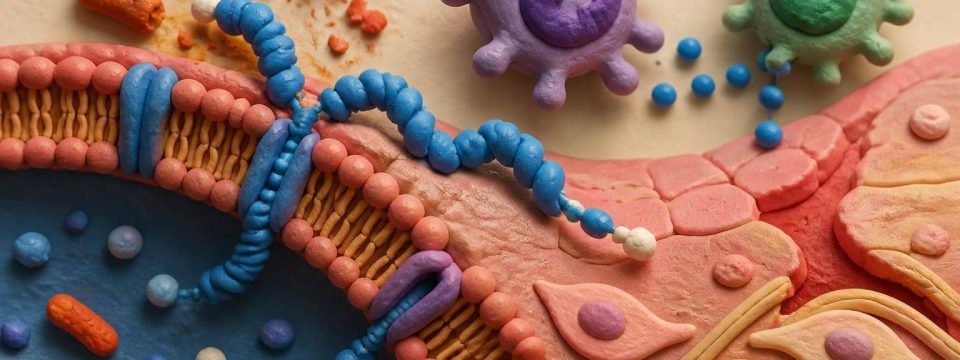
The ll37 peptide represents one of the most extensively studied antimicrobial peptides in modern research, playing a crucial role in the body's innate immune defense system. As the only known cathelicidin antimicrobial peptide in humans, ll37 peptide has attracted significant attention from researchers investigating its multifaceted biological functions. This naturally occurring peptide demonstrates remarkable antimicrobial activity against bacteria, viruses, and fungi while also participating in immune modulation, wound healing, and cellular signaling. Understanding the complex mechanisms and potential applications of ll37 peptide provides valuable insights for laboratory investigations across immunology, microbiology, and regenerative medicine fields.
Structural Characteristics and Biosynthesis
The ll37 peptide is a 37-amino acid antimicrobial peptide derived from the C-terminal region of the human cathelicidin antimicrobial peptide (hCAP18) precursor protein. The name "LL37" originates from its two N-terminal leucine residues and its total length of 37 amino acids. This peptide is cleaved from its inactive precursor form by proteinase 3, predominantly in neutrophils, though various other cell types also produce this essential antimicrobial compound.
Molecular Structure and Properties
The ll37 peptide adopts an amphipathic α-helical structure in solution, which is critical for its biological activity. This three-dimensional configuration allows the peptide to interact effectively with negatively charged bacterial membranes while maintaining stability in physiological conditions.
Key structural features include:
- Molecular weight: Approximately 4.5 kilodaltons
- Net positive charge: +6 at physiological pH
- Hydrophobic face: Enables membrane interaction
- Flexible hinge region: Allows conformational adaptation
- Cationic residues: Facilitate electrostatic attraction to microbial surfaces
The peptide's amphipathic nature permits it to transition between different conformational states depending on the surrounding environment, which is essential for its diverse biological functions.

Antimicrobial Mechanisms and Spectrum
The ll37 peptide exhibits broad-spectrum antimicrobial activity through multiple mechanisms, making it a powerful component of the innate immune system. Unlike conventional antibiotics that target specific metabolic pathways, ll37 peptide employs physical and chemical disruption strategies that make resistance development more difficult.
Direct Antimicrobial Action
The primary antimicrobial mechanism involves electrostatic attraction between the positively charged ll37 peptide and negatively charged components of microbial membranes, such as lipopolysaccharides in Gram-negative bacteria or lipoteichoic acids in Gram-positive bacteria. Following initial binding, the peptide inserts into the membrane bilayer, creating pores or disrupting membrane integrity through a carpet-like mechanism.
Research has demonstrated effectiveness against:
- Gram-positive bacteria (including Staphylococcus aureus and Streptococcus species)
- Gram-negative bacteria (including Pseudomonas aeruginosa and Escherichia coli)
- Fungal pathogens (including Candida albicans)
- Enveloped viruses (through membrane disruption)
- Biofilm-forming organisms (penetrating and disrupting established biofilms)
A 2018 study evaluating LL-37 derivatives examined synergistic effects when combined with conventional antibiotics like vancomycin, demonstrating enhanced antimicrobial activity against resistant strains.
Intracellular Targeting
Beyond membrane disruption, the ll37 peptide can penetrate cells and interact with intracellular targets, including DNA, RNA, and cellular proteins. This intracellular activity contributes to its effectiveness against intracellular pathogens and may play a role in modulating cellular responses.
| Antimicrobial Target | Mechanism | Concentration Range |
|---|---|---|
| Bacterial membranes | Pore formation, disruption | 2-10 μg/mL |
| Fungal cell walls | Membrane permeabilization | 5-20 μg/mL |
| Viral envelopes | Envelope disruption | 10-50 μg/mL |
| Biofilms | Penetration, dispersal | 20-100 μg/mL |
Immunomodulatory Functions
Beyond direct antimicrobial effects, the ll37 peptide serves as an important immunomodulatory agent, bridging innate and adaptive immunity. This dual functionality positions it as a critical regulator of immune responses during infection and inflammation.
Cellular Recruitment and Activation
The ll37 peptide acts as a chemoattractant for various immune cells, including neutrophils, monocytes, T cells, and mast cells. By recruiting these cells to sites of infection or injury, the peptide helps coordinate a comprehensive immune response. Additionally, ll37 peptide can activate immune cells through various receptor-mediated pathways, enhancing their antimicrobial and inflammatory functions.
The peptide modulates cytokine production, promoting the release of certain pro-inflammatory mediators while suppressing others, creating a balanced immune response that controls infection without causing excessive tissue damage.
Anti-Inflammatory Properties
Paradoxically, while the ll37 peptide can promote certain inflammatory responses, it also demonstrates significant anti-inflammatory activities. The peptide can neutralize endotoxins like lipopolysaccharide, preventing excessive inflammatory signaling. It also modulates the production of pro-inflammatory cytokines such as TNF-α and IL-1β, helping prevent septic shock and inflammatory tissue damage.
This dual capacity to both initiate and resolve inflammation makes the ll37 peptide an attractive target for research into inflammatory conditions and immune dysregulation.
Wound Healing and Tissue Repair
The ll37 peptide plays multiple roles in wound healing, making it relevant for regenerative medicine research. Its presence in wound fluid and its upregulation during tissue injury suggest an evolutionary importance in maintaining tissue integrity and promoting recovery.
Angiogenesis and Cell Proliferation
Research has demonstrated that the ll37 peptide promotes angiogenesis, the formation of new blood vessels essential for delivering nutrients and oxygen to healing tissues. The peptide stimulates endothelial cell migration and tube formation, key steps in the angiogenic process.
Furthermore, ll37 peptide enhances the proliferation and migration of keratinocytes and fibroblasts, the primary cell types responsible for closing wounds and rebuilding tissue architecture. These effects contribute to faster wound closure and more effective tissue regeneration.
Collagen Synthesis and Remodeling
The peptide influences extracellular matrix production and remodeling, promoting collagen synthesis and proper tissue organization during healing. While researchers studying comprehensive tissue repair often examine peptide combinations like those found in specialized peptide blends, ll37 peptide's specific contributions to matrix remodeling represent an important area of investigation.
Key wound healing effects include:
- Re-epithelialization acceleration: Faster coverage of wound surfaces
- Granulation tissue formation: Enhanced development of new connective tissue
- Inflammation resolution: Controlled inflammatory phase transition
- Scar tissue minimization: Improved cosmetic and functional outcomes
Interaction with Other Biological Systems
The ll37 peptide demonstrates complex interactions with various biological systems beyond immunity and wound healing, expanding its research relevance across multiple disciplines.
Metabolic Regulation
Emerging research suggests the ll37 peptide may influence metabolic processes, including glucose homeostasis and insulin sensitivity. Some studies indicate the peptide can modulate adipocyte differentiation and function, though these mechanisms remain under investigation.
Cardiovascular Effects
The peptide has been detected in atherosclerotic plaques and may play a role in cardiovascular pathology. Research indicates both protective and potentially harmful effects depending on concentration and context, warranting further investigation into its cardiovascular implications.
Neurological Functions
Recent studies have explored potential neurological roles for the ll37 peptide, including neuroprotective effects and modulation of neurotransmitter systems. While these applications are still emerging, they represent exciting frontiers in peptide research.
Research Applications and Methodologies
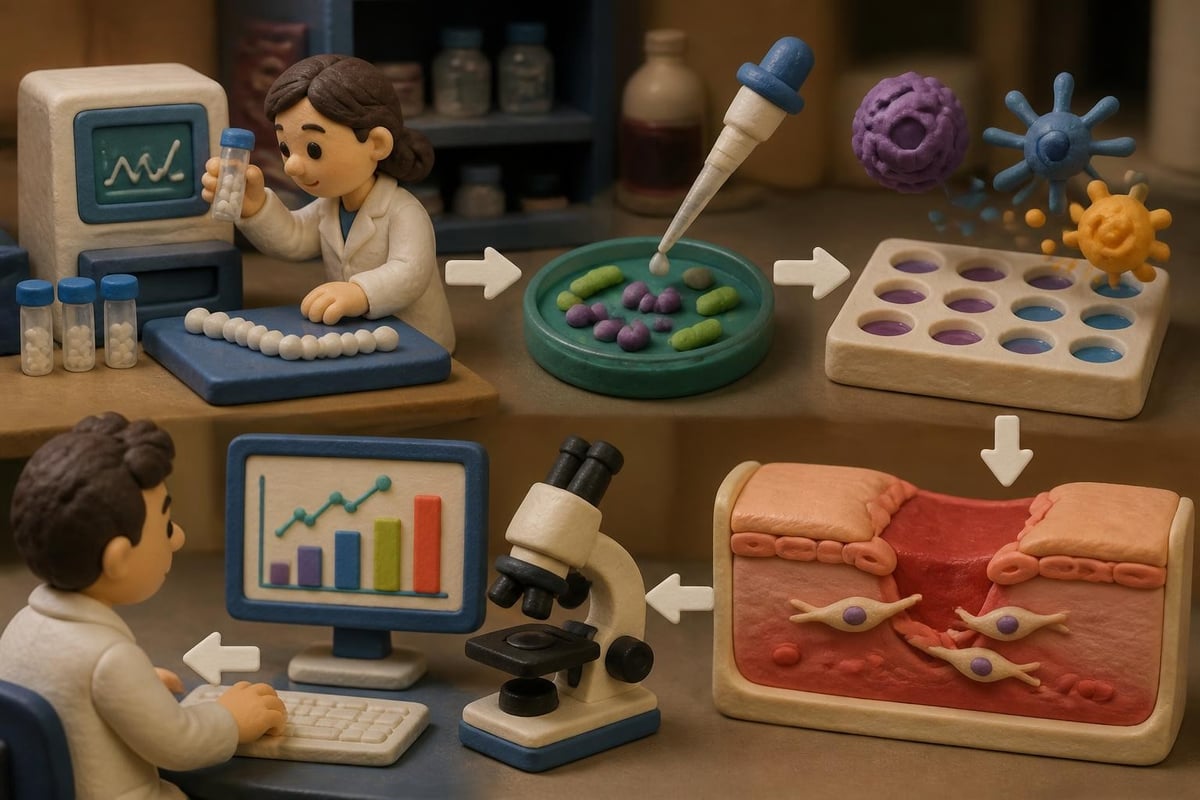
Laboratories investigating the ll37 peptide employ various methodological approaches to understand its mechanisms and potential applications. Proper experimental design requires careful consideration of peptide stability, purity, and biological context.
In Vitro Assay Systems
Standard antimicrobial assays measure minimum inhibitory concentrations (MIC) and minimum bactericidal concentrations (MBC) against target organisms. These assays typically employ serial dilution methods with defined culture media and standardized inoculum sizes.
| Assay Type | Purpose | Typical Concentrations |
|---|---|---|
| MIC determination | Antimicrobial potency | 0.1-100 μg/mL |
| Time-kill kinetics | Bactericidal rate | 1-10× MIC |
| Biofilm disruption | Anti-biofilm activity | 10-200 μg/mL |
| Cytotoxicity | Host cell safety | 1-100 μg/mL |
Cell-based assays examine immunomodulatory effects, measuring cytokine production, cell migration, and receptor activation in response to ll37 peptide treatment. These experiments often utilize primary cells or established cell lines relevant to the research question.
In Vivo Model Systems
Animal models provide essential context for understanding the ll37 peptide's physiological roles. Infection models assess antimicrobial efficacy in living systems, while wound healing models evaluate tissue repair functions. Knockout or transgenic animals help elucidate the peptide's specific contributions to various biological processes.
Researchers must ensure peptide quality and authenticity for reliable results. Third-party batch testing for purity provides essential verification that research materials meet required specifications.
Challenges and Considerations in LL37 Research
Despite its therapeutic potential, the ll37 peptide faces several challenges that researchers must address when designing experiments and interpreting results.
Stability and Degradation
The ll37 peptide is susceptible to proteolytic degradation by various enzymes present in biological fluids. This instability can complicate dosing strategies and limit bioavailability in certain applications. Researchers must account for degradation kinetics when planning experiments, particularly in long-term or in vivo studies.
Storage conditions significantly impact peptide integrity. Proper handling requires:
- Temperature control: Storage at -20°C or -80°C
- Aliquoting: Avoiding repeated freeze-thaw cycles
- Reconstitution: Using appropriate solvents and pH conditions
- Stability testing: Verifying activity before critical experiments
Concentration-Dependent Effects
The ll37 peptide exhibits concentration-dependent effects, with low concentrations often promoting beneficial immunomodulatory activities while high concentrations may cause cytotoxicity or excessive inflammation. Determining optimal concentrations for specific applications requires careful dose-response studies.
Context-dependent activity further complicates research design. The peptide's effects vary based on the cellular environment, presence of other biomolecules, and physiological conditions, necessitating comprehensive experimental controls.
Synergistic Combinations and Modified Variants
Researchers have explored both natural synergies and engineered modifications to enhance the ll37 peptide's therapeutic potential while addressing its limitations.
Combination Strategies
The ll37 peptide demonstrates synergistic antimicrobial activity when combined with conventional antibiotics, potentially offering strategies to combat antibiotic resistance. Studies have examined combinations with beta-lactams, aminoglycosides, and glycopeptides, often showing enhanced efficacy at lower concentrations of both agents.
Natural antimicrobial peptides often work in concert within the immune system. Understanding these synergies provides insights into optimal defensive strategies and potential therapeutic combinations.
Peptide Modifications
Researchers have developed numerous ll37 peptide derivatives designed to improve stability, reduce toxicity, or enhance specific activities. These modifications include:
- Sequence truncations: Shorter peptides retaining key activities
- Amino acid substitutions: Enhanced stability or altered specificity
- Chemical modifications: Improved protease resistance
- Lipidation: Increased membrane interaction
- Cyclization: Enhanced structural stability
Each modification strategy presents trade-offs between improved properties and maintained biological activity, requiring thorough characterization of derivative peptides.
Regulatory and Safety Considerations
Understanding the safety profile and regulatory status of the ll37 peptide is essential for research planning and potential translational applications. Current evidence and safety profiles provide important context for laboratory investigations.
Toxicity Profiles
While the ll37 peptide is naturally produced in the human body, exogenous administration at supraphysiological concentrations may cause adverse effects. Cytotoxicity to mammalian cells represents a dose-limiting concern, particularly at concentrations exceeding those required for antimicrobial activity.
Hemolytic activity, the ability to lyse red blood cells, serves as a standard toxicity metric for antimicrobial peptides. The ll37 peptide shows concentration-dependent hemolysis, with significant effects typically occurring at concentrations above therapeutic ranges.
Research-Grade Specifications
For laboratory investigations, peptide quality directly impacts experimental reproducibility and data reliability. Research-grade ll37 peptide should meet stringent purity specifications, typically greater than 95% by HPLC analysis. Mass spectrometry verification confirms correct molecular weight and sequence identity.
When sourcing research peptides, laboratories should prioritize suppliers offering comprehensive quality documentation and US-manufactured research peptides with verified purity specifications.
Current Research Frontiers
The ll37 peptide continues to generate significant research interest across multiple disciplines, with ongoing investigations expanding our understanding of its biological roles and potential applications.
Cancer Research
Emerging evidence suggests complex relationships between the ll37 peptide and cancer biology. Some studies indicate potential anticancer properties through direct cytotoxic effects on tumor cells or immune system activation against malignancies. Conversely, other research suggests the peptide may promote tumor progression in certain contexts through angiogenesis stimulation or immune evasion facilitation.
These apparently contradictory findings likely reflect context-dependent effects influenced by cancer type, stage, and microenvironment. Further research is needed to clarify when ll37 peptide acts as a protective versus promoting factor in oncology.
Autoimmune and Inflammatory Diseases
The immunomodulatory properties of the ll37 peptide make it relevant for autoimmune disease research. Studies have examined its roles in conditions like psoriasis, lupus, and rheumatoid arthritis, where dysregulated ll37 peptide expression may contribute to pathology.
Understanding how the peptide contributes to disease processes may reveal therapeutic targets for modulating its activity or expression in specific tissues.
Antimicrobial Resistance
As conventional antibiotic resistance continues to escalate, the ll37 peptide represents an alternative antimicrobial mechanism less susceptible to typical resistance development. Research into peptide-based therapeutics and antibiotic adjuvants continues to expand, with the ll37 peptide serving as a prototype for antimicrobial peptide development.
The extensive research bibliography demonstrates the breadth of ongoing investigations into this versatile peptide.
Analytical Methods and Quality Control
Proper characterization and quality control of the ll37 peptide are essential for generating reliable research data. Multiple analytical techniques provide complementary information about peptide identity, purity, and activity.
Chromatographic Analysis
High-performance liquid chromatography (HPLC) serves as the primary method for determining peptide purity. Reverse-phase HPLC separates the ll37 peptide from truncated sequences, deletion variants, and other synthetic byproducts based on hydrophobicity differences.
Analytical parameters include:
- Column type: C18 reverse-phase
- Mobile phase: Acetonitrile/water gradients with TFA
- Detection: UV absorption at 214-220 nm
- Purity specification: >95% for research grade
Mass Spectrometry
Mass spectrometry confirms the ll37 peptide's molecular weight and sequence identity. MALDI-TOF or ESI-MS techniques provide accurate mass determination, while tandem MS (MS/MS) enables sequence verification through fragmentation pattern analysis.
Bioactivity Assays
Chemical purity alone does not guarantee biological activity. Functional assays verify that the ll37 peptide retains its antimicrobial and immunomodulatory properties. Standard assays include antimicrobial potency testing against reference strains and cell-based immunomodulation assays.
| Quality Parameter | Method | Acceptance Criteria |
|---|---|---|
| Purity | HPLC | ≥95% |
| Identity | Mass spectrometry | Expected m/z ±1 Da |
| Activity | Antimicrobial assay | MIC within range |
| Endotoxin | LAL assay | <1 EU/μg |
Future Directions and Emerging Applications
Research into the ll37 peptide continues to reveal new dimensions of its biological importance and potential applications. Several emerging areas show particular promise for advancing our understanding and utilization of this versatile antimicrobial peptide.
Nanotechnology applications are being explored to improve ll37 peptide delivery and stability. Nanoparticle encapsulation, conjugation to targeting molecules, and incorporation into biomaterial scaffolds represent innovative approaches to overcome current limitations.
Diagnostic applications leverage the ll37 peptide's presence in various body fluids as a potential biomarker for infection, inflammation, or disease states. Quantifying peptide levels may provide clinical insights into immune status or disease progression.
Biomaterial integration incorporates the ll37 peptide into wound dressings, implant coatings, and tissue engineering scaffolds to provide antimicrobial protection and promote healing. These applications capitalize on the peptide's multifunctional properties in a localized delivery format.
The ll37 peptide exemplifies the sophisticated antimicrobial and immunomodulatory mechanisms that have evolved to protect human health. Its broad-spectrum activity, coupled with roles in immune regulation and tissue repair, makes it an invaluable subject for laboratory research across multiple disciplines. For researchers requiring high-quality, laboratory-grade peptides for their investigations, Data Peptides provides US-manufactured research peptides with third-party batch testing to ensure purity and reliability for all laboratory applications.