
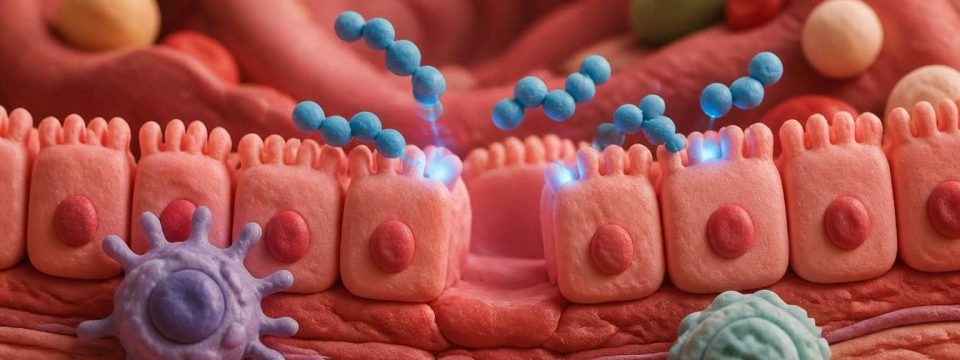
The gastrointestinal system represents one of the most complex and delicate environments in the human body, continuously exposed to dietary antigens, microbial populations, and potential pathogens. Recent research has increasingly focused on bioactive peptides as potential tools for supporting gut barrier integrity, modulating inflammatory responses, and promoting tissue repair. Peptides for gut health have emerged as a significant area of investigation within laboratory settings, with several compounds demonstrating promising mechanisms that address various aspects of intestinal function and mucosal healing.
Understanding Peptides in Gastrointestinal Research
Peptides are short chains of amino acids that serve as signaling molecules throughout biological systems. In the context of gastrointestinal research, certain peptides have demonstrated the ability to interact with cellular pathways involved in tissue regeneration, inflammatory modulation, and barrier function maintenance.
The intestinal lining undergoes constant renewal, with epithelial cells turning over every few days. This rapid regeneration requires precise coordination of cellular signals, growth factors, and inflammatory mediators. Research peptides targeting these pathways offer laboratory researchers valuable tools for investigating healing mechanisms and potential therapeutic approaches.
Key Mechanisms of Action
When examining peptides for gut health, researchers typically focus on several critical mechanisms:
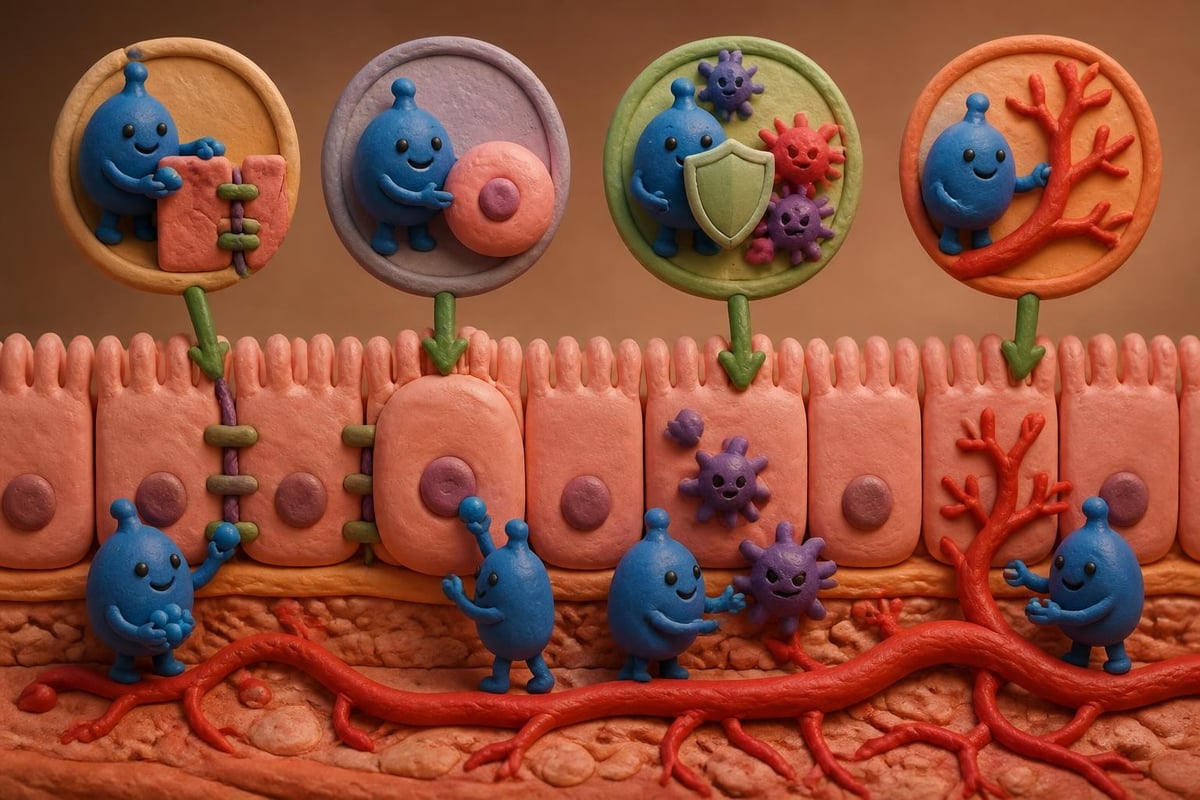
- Epithelial barrier enhancement: Supporting tight junction integrity and reducing intestinal permeability
- Anti-inflammatory signaling: Modulating cytokine production and immune cell activity
- Angiogenesis promotion: Supporting blood vessel formation necessary for tissue repair
- Cellular proliferation: Encouraging growth of new epithelial cells to replace damaged tissue
- Antimicrobial activity: Direct interaction with pathogenic bacteria while preserving beneficial microbiota
These mechanisms often work synergistically, creating multifaceted approaches to supporting gastrointestinal healing and function.
BPC-157: The Gastric-Derived Peptide
BPC-157, a fifteen-amino-acid sequence derived from body protection compound found in gastric juices, represents one of the most extensively studied peptides for gut health applications. This synthetic peptide has demonstrated remarkable stability and a broad range of biological activities in laboratory investigations.
Research indicates that BPC-157 influences multiple pathways relevant to gastrointestinal healing. Studies have shown its potential to accelerate healing in various intestinal damage models, including ulcers, inflammatory conditions, and fistulas. The peptide appears to work through several complementary mechanisms, including upregulation of growth factors like VEGF (vascular endothelial growth factor) and modulation of nitric oxide pathways.
Research Applications and Findings
Laboratory studies have explored BPC-157 in numerous gastrointestinal contexts:
- Ulcer healing models: Demonstrated accelerated closure rates in gastric and duodenal ulcer studies
- Inflammatory bowel disease research: Showed protective effects against experimentally induced colitis
- Intestinal anastomosis: Improved healing at surgical connection sites in animal models
- Leaky gut investigations: Reduced intestinal permeability markers in barrier dysfunction studies
- Ischemia-reperfusion injury: Protected intestinal tissue from damage caused by blood flow restriction
The peptide's apparent ability to promote angiogenesis while simultaneously reducing excessive inflammation makes it particularly interesting for research into conditions characterized by tissue damage and impaired healing. Evidence-based reviews have highlighted the growing body of preclinical data supporting BPC-157's potential in various gastrointestinal applications.
For laboratories investigating tissue repair and gastrointestinal healing mechanisms, BPC-157 offers a well-characterized research tool with extensive documentation in scientific literature. This peptide has demonstrated consistent stability profiles and reproducible effects across multiple experimental models.
KPV: The Anti-Inflammatory Tripeptide
KPV represents the C-terminal tripeptide sequence (lysine-proline-valine) of alpha-melanocyte stimulating hormone (α-MSH). Despite its small size, this peptide has shown significant anti-inflammatory properties that make it particularly relevant for gastrointestinal research.
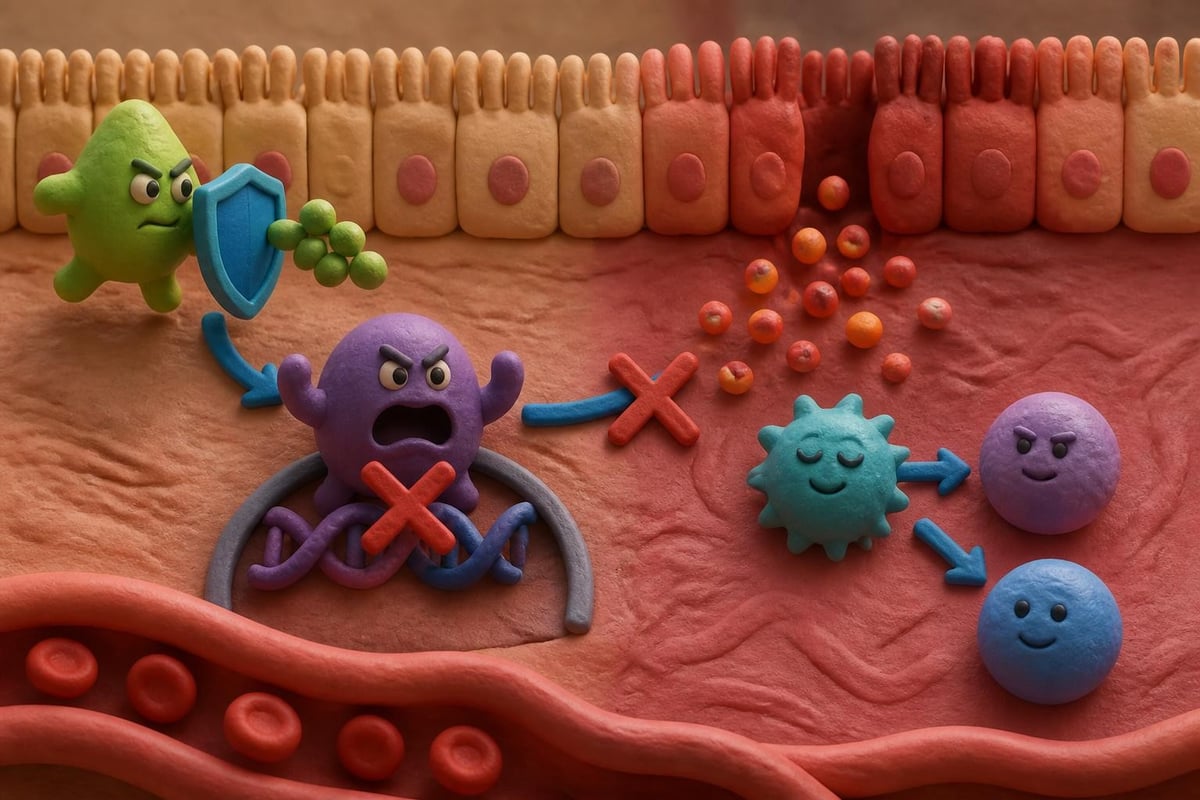
The primary mechanism of KPV involves modulation of inflammatory pathways, particularly through inhibition of NF-κB (nuclear factor kappa B), a key transcription factor that regulates inflammatory gene expression. By interfering with this pathway, KPV can reduce production of pro-inflammatory cytokines without broadly suppressing immune function.
Gastrointestinal Applications
Research into peptides for gut health has revealed several specific applications for KPV:
| Research Area | Mechanism | Potential Application |
|---|---|---|
| Inflammatory Bowel Disease | NF-κB pathway inhibition | Ulcerative colitis and Crohn's disease models |
| Gut Barrier Function | Reduced inflammatory damage to tight junctions | Intestinal permeability studies |
| Colonic Inflammation | Local anti-inflammatory action | Regional targeting of inflammatory conditions |
| Antimicrobial Activity | Direct effects on certain bacterial strains | Microbiome modulation research |
KPV's relatively small size allows it to potentially penetrate tissues effectively, and research has explored both systemic and topical administration routes. Comprehensive guides have documented KPV's mechanisms and its position among peptides studied for intestinal health.
The peptide has demonstrated particular promise in models of colitis, where it reduced inflammatory markers, improved histological scores, and supported maintenance of intestinal architecture. These findings have positioned KPV as a valuable research tool for investigating inflammatory modulation in gastrointestinal contexts.
Additional Peptides in Gut Health Research
Beyond BPC-157 and KPV, several other peptides have attracted research attention for their potential roles in gastrointestinal health and function.
Larazotide Acetate
Larazotide acetate functions as a tight junction regulator, specifically designed to reduce intestinal permeability. This peptide works by modulating zonulin signaling, a pathway that controls the opening and closing of tight junctions between intestinal epithelial cells. Research has primarily focused on its potential in conditions associated with increased intestinal permeability, commonly referred to as "leaky gut."
The peptide's mechanism involves blocking zonulin receptors, thereby preventing the cascade that leads to tight junction disassembly. This targeted approach makes larazotide particularly interesting for research into conditions where barrier dysfunction plays a central role.
GHK-Cu: Copper Peptide Applications
GHK-Cu (glycyl-L-histidyl-L-lysine-copper complex) represents a naturally occurring tripeptide with copper-binding properties. While often associated with wound healing and tissue remodeling in other contexts, research has explored its potential applications in gastrointestinal repair.
The copper component appears essential for the peptide's biological activity, influencing:
- Collagen synthesis and tissue remodeling
- Antioxidant enzyme activity
- Inflammatory response modulation
- Cellular proliferation and differentiation
In intestinal contexts, these properties may support mucosal healing and tissue regeneration, though research in this specific application remains more limited compared to BPC-157 and KPV.
Thymosin Beta-4 (TB-500)
TB-500, a synthetic version of the naturally occurring Thymosin Beta-4, has demonstrated wound healing and anti-inflammatory properties that extend to gastrointestinal applications. The peptide promotes cell migration, particularly important for re-epithelialization of damaged intestinal surfaces.
Research indicates TB-500 influences actin polymerization, a critical process for cell movement and tissue repair. In laboratory models, it has shown potential for:
- Accelerating wound closure in intestinal injury models
- Reducing inflammatory cell infiltration
- Supporting angiogenesis in healing tissues
- Modulating extracellular matrix remodeling
Mechanisms of Gut Barrier Protection
Understanding how peptides for gut health support barrier function requires examining the complex architecture of the intestinal lining. The gut barrier consists of multiple components working together to maintain selective permeability.
The epithelial layer forms a single-cell-thick barrier, with tight junctions sealing the spaces between cells. These junctions contain multiple protein complexes, including occludins, claudins, and zonula occludens proteins. Disruption of these structures leads to increased permeability, allowing larger molecules and potentially harmful substances to cross into systemic circulation.
Tight Junction Regulation
Several peptides influence tight junction integrity through different pathways:
- Direct structural support: Some peptides interact with junction proteins to enhance their stability
- Inflammatory pathway modulation: Reducing inflammatory cytokines that damage junction complexes
- Zonulin pathway interference: Blocking signals that trigger junction disassembly
- Growth factor upregulation: Supporting cellular repair and junction protein synthesis
Research rankings have evaluated various peptides based on their documented effects on these mechanisms, with BPC-157 and KPV consistently appearing among the most studied compounds.
Mucus Layer Enhancement
The mucus layer provides an additional protective barrier, physically separating bacteria from epithelial cells while allowing nutrient absorption. Some peptides appear to support mucus production and quality, though this mechanism remains less thoroughly characterized than direct epithelial effects.
Inflammatory Modulation in the Gut
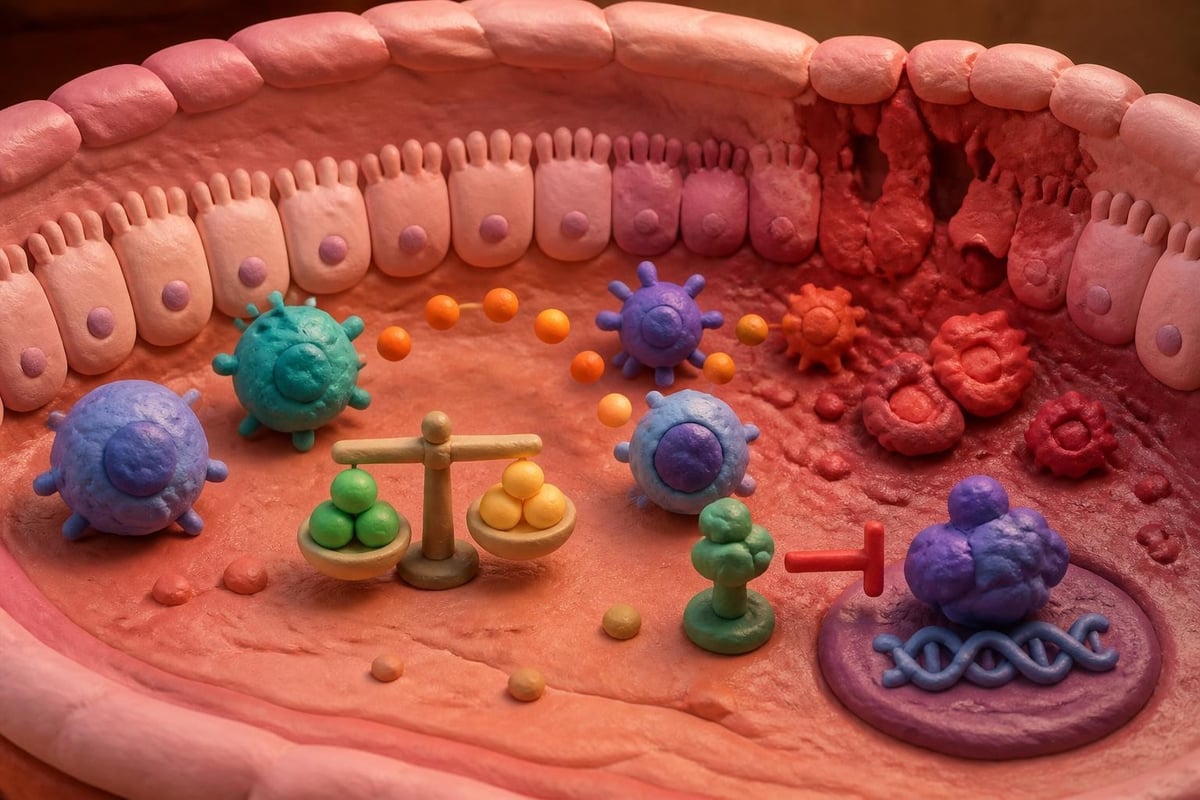
Chronic inflammation represents a central feature of many gastrointestinal conditions, from inflammatory bowel disease to functional disorders. Peptides for gut health often exert significant effects through inflammatory pathway modulation.
The intestinal immune system must balance tolerance of food antigens and commensal bacteria with rapid response to pathogens. This delicate equilibrium can become disrupted, leading to excessive inflammatory responses that damage tissues.
Cytokine Balance
Research peptides influence the production and activity of various cytokines:
| Cytokine Category | Pro-inflammatory Examples | Anti-inflammatory Examples |
|---|---|---|
| Interleukins | IL-1β, IL-6, IL-8 | IL-10, IL-4 |
| Tumor Necrosis Factor | TNF-α | – |
| Growth Factors | – | TGF-β, VEGF |
Peptides like KPV work by reducing pro-inflammatory cytokine expression while some compounds may simultaneously upregulate anti-inflammatory signals. This bidirectional modulation creates a more balanced inflammatory environment conducive to healing.
Immune Cell Activity
Beyond cytokine effects, certain peptides influence immune cell behavior directly. Research has documented effects on:
- Macrophage polarization: Shifting from pro-inflammatory M1 to healing-associated M2 phenotypes
- T cell differentiation: Influencing the balance between inflammatory and regulatory T cell populations
- Neutrophil infiltration: Reducing excessive neutrophil accumulation that can damage tissues
- Mast cell degranulation: Modulating histamine and other mediator release
These cellular-level effects contribute to the overall anti-inflammatory profile observed in laboratory studies of gastrointestinal peptides.
Angiogenesis and Tissue Repair
Adequate blood supply is essential for tissue healing, delivering oxygen, nutrients, and immune cells while removing metabolic waste. Peptides for gut health frequently demonstrate pro-angiogenic properties that support this critical process.
BPC-157, in particular, has shown strong effects on blood vessel formation through VEGF pathway activation. This growth factor stimulates endothelial cell proliferation, migration, and tube formation-the essential steps in new vessel development.
Healing Cascade Coordination
Successful tissue repair requires coordinated progression through several phases:
- Hemostasis: Initial clot formation and inflammation
- Proliferation: Cell division, angiogenesis, and granulation tissue formation
- Remodeling: Collagen reorganization and scar maturation
Research peptides appear to influence multiple stages of this cascade, potentially accelerating overall healing timelines while improving final tissue quality. Comprehensive overviews have documented these multifaceted effects across various experimental models.
Research Considerations and Methodologies
When investigating peptides for gut health, researchers must consider several important methodological factors that influence experimental outcomes and data interpretation.
Dosing and Administration Routes
Peptide bioavailability and distribution vary significantly based on administration method:
- Subcutaneous injection: Provides systemic exposure with relatively predictable pharmacokinetics
- Oral administration: Faces challenges from digestive enzyme degradation but may offer local gastrointestinal effects
- Intraperitoneal injection: Common in animal models, provides rapid systemic distribution
- Topical/local application: May be relevant for certain gastrointestinal applications via enema or other delivery
Each route presents distinct advantages and limitations that researchers must weigh based on their specific investigation goals.
Stability and Storage
Peptides generally require careful handling to maintain biological activity:
| Factor | Consideration | Best Practice |
|---|---|---|
| Temperature | Degradation accelerates with heat | Store at -20°C or lower |
| Light exposure | Can degrade certain peptides | Use amber vials or foil wrapping |
| pH | Affects solubility and stability | Follow specific peptide requirements |
| Reconstitution | Proper solvent selection critical | Use bacteriostatic water or specified buffer |
Laboratory-grade peptides from reputable suppliers typically include detailed handling instructions and stability data to support consistent research outcomes.
Experimental Models for Gut Health Research
Researchers investigating peptides for gut health employ various experimental models, each with specific advantages and limitations.
In Vitro Systems
Cell culture models provide controlled environments for studying specific mechanisms:
- Intestinal epithelial cell lines: Caco-2, HT-29, and other cells for barrier function studies
- Co-culture systems: Combining epithelial cells with immune cells to model inflammatory interactions
- Organoid models: Three-dimensional intestinal structures that better replicate in vivo architecture
- Transwell assays: Measuring permeability and tight junction integrity directly
These systems allow precise control of variables and detailed molecular analysis, though they necessarily simplify the complex in vivo environment.
Animal Models
Despite limitations, animal studies remain essential for understanding systemic effects and complex interactions:
- Chemically-induced colitis: DSS or TNBS administration creates inflammatory bowel disease models
- Surgical damage models: Intestinal resection, anastomosis, or ischemia-reperfusion studies
- Infection models: Pathogen challenge to study antimicrobial and barrier-protective effects
- Genetic models: Animals with specific mutations affecting gut function
Evidence-graded research reviews have synthesized findings across these diverse model systems, helping researchers understand which effects replicate across different experimental contexts.
Peptide Combinations and Synergistic Effects
Single peptides offer valuable research tools, but investigators increasingly explore combinations that may provide complementary or synergistic effects.
Combining peptides with different primary mechanisms-for example, BPC-157's angiogenic and healing properties with KPV's anti-inflammatory effects-may address multiple aspects of gastrointestinal pathology simultaneously. This approach mirrors the complexity of natural healing processes, which involve coordinated activation of numerous pathways.
Documented Combination Approaches
Research has explored several combination strategies:
- BPC-157 + KPV: Tissue repair combined with inflammatory modulation
- BPC-157 + TB-500: Enhanced angiogenesis and cellular migration
- GHK-Cu + BPC-157: Collagen synthesis support with general healing promotion
Practical guides have outlined considerations for combination protocols, including timing, dosing ratios, and potential interactions.
Quality and Purity in Peptide Research
The reliability of research outcomes depends fundamentally on peptide quality. Impurities, degradation products, or incorrect sequences can produce inconsistent or misleading results.
Third-party testing provides independent verification of peptide identity, purity, and concentration. Standard analytical methods include:
- HPLC (High-Performance Liquid Chromatography): Separates and quantifies peptide content
- Mass spectrometry: Confirms molecular weight and sequence accuracy
- Amino acid analysis: Verifies composition
- Endotoxin testing: Ensures absence of bacterial contamination
Researchers should request certificates of analysis (COA) that document these parameters for each batch. Quality assurance documentation from suppliers helps ensure reproducibility across experiments and between laboratories.
US Manufacturing Standards
Domestically manufactured peptides offer certain advantages for research programs:
- Consistent regulatory oversight and manufacturing standards
- Reduced shipping times and temperature excursions
- Clearer chain of custody documentation
- Simplified communication with suppliers for technical support
These factors contribute to the overall reliability of research data, particularly in long-term investigation programs requiring consistent peptide sources.
Emerging Research Directions
The field of peptides for gut health continues to evolve, with several promising research directions attracting increasing attention.
Microbiome Interactions
Recent investigations have begun exploring how research peptides influence and are influenced by the gut microbiome. Some peptides demonstrate selective antimicrobial activity, potentially modulating bacterial populations without broad-spectrum disruption.
This selectivity could offer advantages over traditional antibiotics, which indiscriminately eliminate both beneficial and pathogenic species. Optimization research has highlighted the potential for peptides to support beneficial bacterial strains while limiting opportunistic pathogens.
Precision Targeting Approaches
Developing peptides with enhanced specificity for particular cell types or tissue regions represents another active research area. Modifications to peptide sequences or conjugation with targeting moieties may improve delivery to specific intestinal segments or cell populations.
Combination with Conventional Therapies
Investigating how peptides interact with established therapeutic approaches offers practical research value. Understanding potential synergies or conflicts with anti-inflammatory drugs, immunosuppressants, or other treatments helps position peptides within broader therapeutic strategies.
Practical Laboratory Applications
Researchers incorporating peptides for gut health into their investigation protocols should consider several practical factors for optimal results.
Experimental Design Considerations
Well-designed studies account for multiple variables:
- Dose-response relationships: Testing multiple concentrations to identify effective ranges
- Time-course studies: Understanding when effects become apparent and how long they persist
- Control groups: Including vehicle-treated and untreated controls for proper comparison
- Sample size calculations: Ensuring adequate statistical power to detect meaningful differences
These fundamental research principles take on particular importance given the biological complexity of gastrointestinal systems.
Data Collection and Analysis
Comprehensive assessment of peptide effects typically requires multiple measurement approaches:
| Assessment Type | Specific Measures | Information Provided |
|---|---|---|
| Histological | H&E staining, damage scores | Tissue architecture and pathology |
| Molecular | qPCR, Western blot, ELISA | Gene expression and protein levels |
| Functional | Permeability assays, contractility | Physiological function |
| Immunological | Flow cytometry, cytokine panels | Immune cell populations and activity |
Integrating data across these modalities provides more complete understanding of peptide effects than any single measurement type.
Safety Profiles in Research Settings
While clinical safety falls outside the scope of laboratory research peptides, understanding documented safety profiles from preclinical studies informs experimental design and handling procedures.
BPC-157 has demonstrated a notably benign safety profile in animal studies, with minimal adverse effects reported even at high doses. Similarly, KPV's targeted anti-inflammatory mechanism appears to avoid the broad immunosuppression associated with some conventional approaches.
Researchers should still follow appropriate laboratory safety protocols when handling any research compounds, including proper personal protective equipment, waste disposal procedures, and documentation of handling procedures.
Documentation and Reproducibility
The scientific value of peptide research depends on transparent documentation that allows other investigators to replicate findings. Researchers exploring various peptide applications benefit from established protocols and shared methodologies.
Essential Documentation Elements
Comprehensive research records should include:
- Complete peptide specifications (sequence, purity, source, batch number)
- Reconstitution procedures (solvent, concentration, storage conditions)
- Dosing protocols (amount, frequency, route, duration)
- Timing of assessments relative to peptide administration
- Statistical analysis methods and raw data availability
This level of detail supports scientific reproducibility and allows meaningful comparison across studies from different research groups.
Future Research Priorities
Several key questions remain to be addressed through continued investigation of peptides for gut health.
Understanding the precise molecular mechanisms underlying observed effects requires additional mechanistic studies. While phenomenological observations document what peptides do, detailed pathway analysis reveals how they work-information essential for optimizing applications and predicting interactions.
Comparative studies directly contrasting different peptides under identical experimental conditions would help clarify their relative strengths and optimal use cases. Evidence-based rankings have begun this process, but additional head-to-head comparisons would strengthen the evidence base.
Long-term investigations examining sustained effects and potential adaptation or tolerance development would inform extended treatment protocols. Most current research focuses on relatively short timeframes, leaving questions about chronic administration unanswered.
Research into peptides for gut health continues to reveal sophisticated mechanisms through which these compounds support barrier integrity, modulate inflammation, and promote tissue repair in gastrointestinal contexts. From BPC-157's multifaceted healing properties to KPV's targeted anti-inflammatory action, these research tools offer valuable approaches for investigating complex intestinal pathologies. Investigators seeking reliable, laboratory-grade peptides with comprehensive purity documentation can explore the research compound offerings at Data Peptides, where third-party testing ensures consistent quality for reproducible experimental outcomes.