
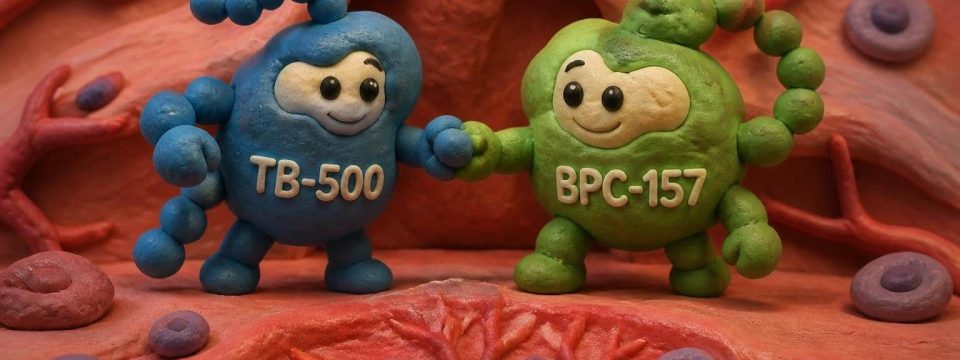
Research peptides continue to generate significant interest within laboratory settings, particularly those studied for tissue repair and regeneration mechanisms. Among the most frequently investigated combinations in preclinical models, tb 500 and bpc 157 stand out for their distinct yet potentially complementary pathways affecting cellular healing processes. Both peptides have accumulated substantial animal research data, though controlled human trials remain limited. Understanding their individual properties, mechanisms of action, and the theoretical basis for combining them provides essential context for researchers designing experimental protocols.
Understanding BPC-157: The Gastric Peptide Fragment
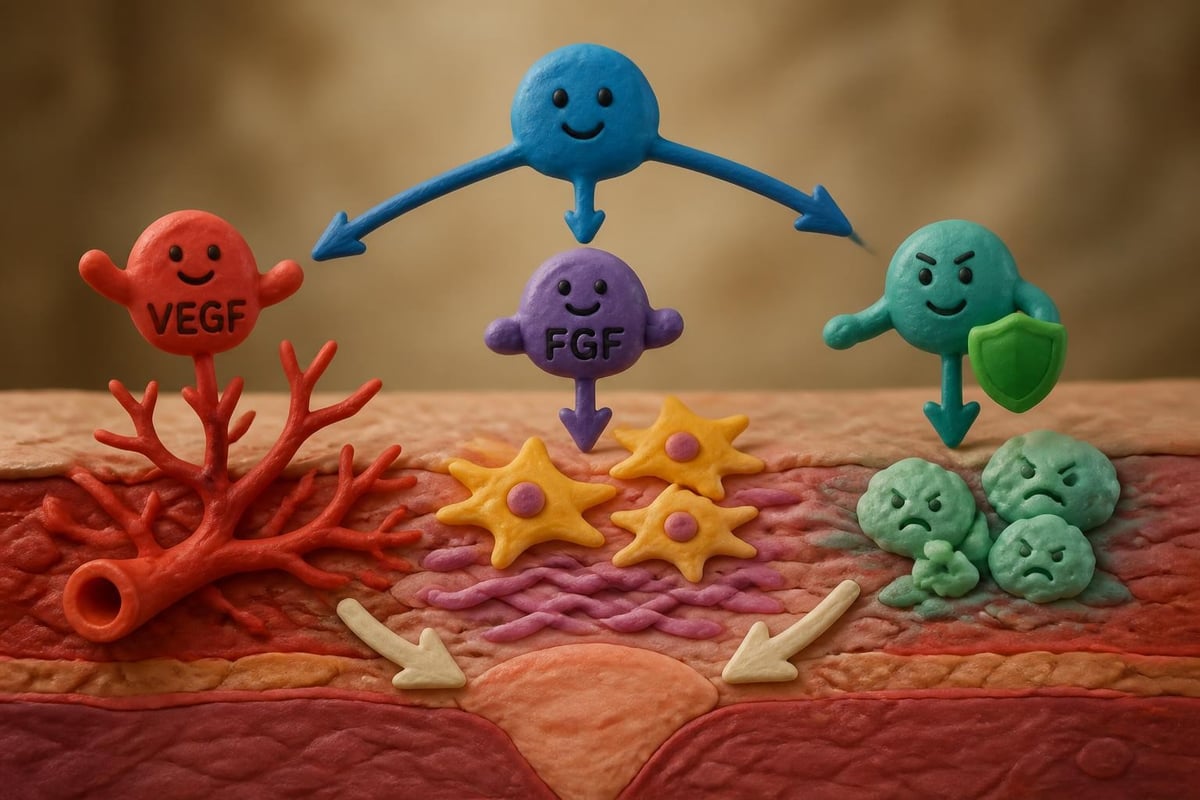
BPC-157, formally known as Body Protection Compound-157, represents a synthetic pentadecapeptide derived from a protective protein found in gastric juice. This fifteen-amino-acid sequence has demonstrated remarkable stability under various pH conditions, making it suitable for diverse research applications. The peptide's primary mechanisms involve modulating growth factor expression, particularly vascular endothelial growth factor (VEGF) and fibroblast growth factor (FGF), which play central roles in tissue regeneration.
Preclinical studies have examined BPC-157's effects across multiple tissue types. Research models have investigated its influence on:
- Tendon and ligament healing in injury models
- Muscle tissue regeneration following trauma
- Gastrointestinal tract protection and repair
- Wound healing in cutaneous models
- Bone-to-tendon junction recovery
The peptide's stability distinguishes it from many other bioactive compounds, as it maintains structural integrity in gastric acid and doesn't require refrigeration in lyophilized form. This characteristic has facilitated broader experimental applications across different administration routes, including systemic, oral, and topical protocols.
Growth Factor Modulation and Angiogenesis
BPC-157's interaction with angiogenic pathways represents one of its most studied mechanisms. Research literature on BPC-157 and TB-500 suggests the peptide influences VEGF receptor signaling, potentially accelerating vascularization in damaged tissue. Enhanced blood vessel formation theoretically supports nutrient delivery and waste removal in healing areas, creating favorable conditions for cellular repair.
Animal studies have documented increased capillary density in wound healing models treated with BPC-157. The peptide appears to promote endothelial cell migration and proliferation through multiple pathways, though the precise molecular mechanisms continue to be elucidated through ongoing research.
TB-500: The Thymosin Beta-4 Fragment
TB-500 represents a synthetic version of a specific sequence from Thymosin Beta-4 (Tβ4), a naturally occurring protein found in virtually all mammalian cells except red blood cells. Unlike BPC-157's gastric origin, TB-500's parent compound plays fundamental roles in cellular structure, movement, and tissue development. The active fragment contains 43 amino acids and centers its activity around actin regulation.
| Characteristic | BPC-157 | TB-500 |
|---|---|---|
| Origin | Gastric protein derivative | Thymosin Beta-4 fragment |
| Amino Acids | 15 | 43 |
| Primary Mechanism | Growth factor modulation | Actin regulation |
| Stability | High (gastric acid resistant) | Moderate |
| Research Volume | Extensive animal studies | Moderate animal/limited human |
Actin represents one of the most abundant proteins in eukaryotic cells, essential for cell structure, movement, and division. TB-500's ability to sequester G-actin and promote its polymerization into F-actin filaments underlies many of its observed effects in research models. This fundamental cellular interaction distinguishes TB-500's mechanism from BPC-157's growth factor approach.
Cellular Migration and Tissue Remodeling
The actin-binding properties of TB-500 facilitate several processes observed in experimental models. By regulating actin dynamics, the peptide influences cell migration patterns, particularly relevant in wound healing contexts where cells must traverse damaged tissue matrices. Detailed examination of wound-healing mechanisms indicates TB-500 may enhance the motility of endothelial cells, keratinocytes, and fibroblasts.
Research has also investigated TB-500's potential effects on:
- Extracellular matrix remodeling through metalloproteinase regulation
- Inflammatory response modulation via specific cytokine pathways
- Stem cell differentiation in tissue-specific regeneration models
- Neuroprotection in neural injury experimental protocols
- Cardiac tissue in myocardial injury models
These diverse research applications reflect TB-500's fundamental role in cellular processes that extend beyond simple tissue repair. The peptide's influence on actin dynamics creates potential implications across multiple physiological systems studied in laboratory settings.
The Rationale for Combining TB 500 and BPC 157
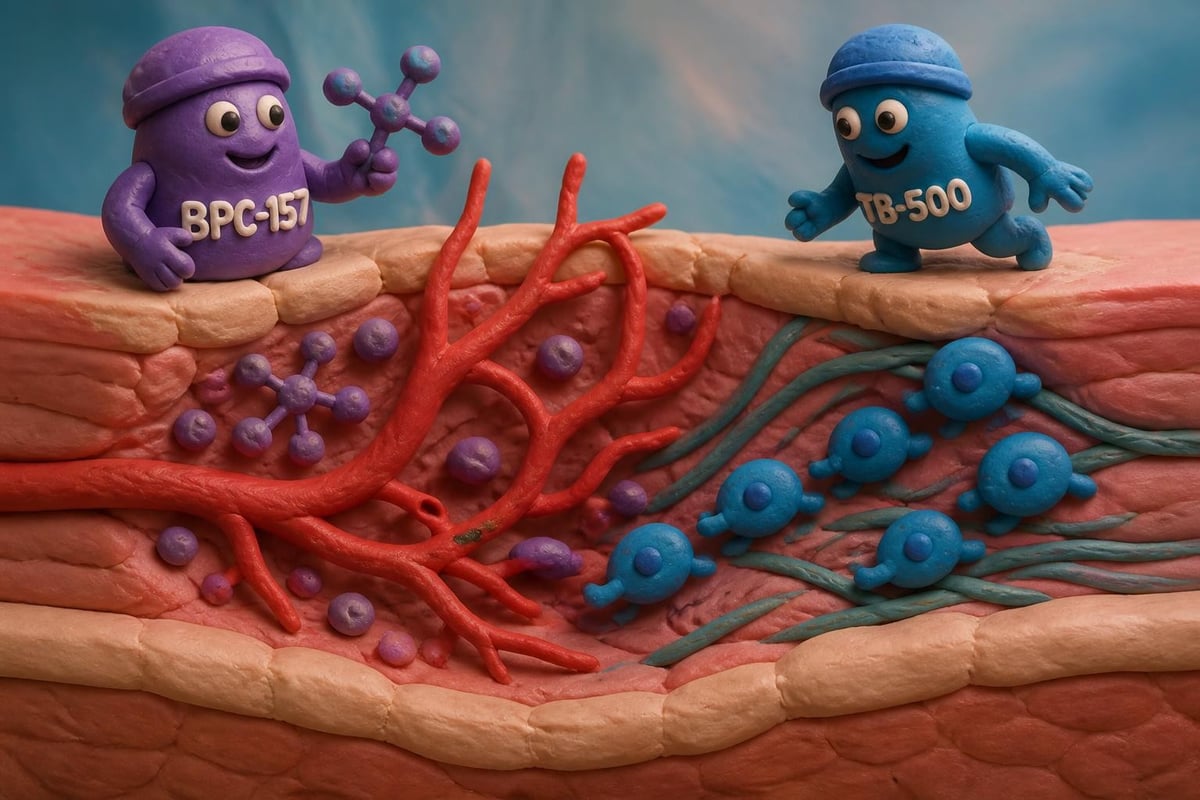
The combination of tb 500 and bpc 157 has gained popularity in research circles due to their theoretically complementary mechanisms. While BPC-157 primarily influences growth factor expression and vascular development, TB-500 addresses cellular migration and structural protein dynamics. This mechanistic divergence suggests potential synergistic effects, though controlled studies specifically examining the combination remain limited.
Critical analysis of the combination highlights that most evidence supporting concurrent use derives from individual peptide studies rather than direct combination research. The theoretical framework proposes that BPC-157's enhancement of growth factor availability might work in concert with TB-500's facilitation of cellular movement, creating conditions where cells can both receive repair signals and migrate efficiently to damaged areas.
Researchers designing protocols with both peptides typically consider several factors:
- Temporal coordination: Whether to administer peptides simultaneously or in sequence
- Dosing ratios: The proportional amounts of each compound
- Administration routes: Systemic versus localized delivery methods
- Tissue specificity: Whether certain tissues respond preferentially to one peptide
The combination has become particularly prevalent in musculoskeletal injury models, where both vascular support and cellular migration play essential roles in recovery processes. However, researchers should note that combination protocols remain largely empirical, based on mechanistic reasoning rather than controlled comparative trials.
Research Applications and Protocol Considerations
Laboratory protocols incorporating tb 500 and bpc 157 vary significantly based on research objectives, model organisms, and specific tissue targets. Recovery peptide research overview demonstrates the breadth of applications across different experimental contexts. Researchers must carefully design protocols accounting for peptide stability, reconstitution procedures, and storage requirements.
Dosing Frameworks in Animal Models
Published research employs varied dosing strategies, typically calculated based on body weight or administered in fixed amounts depending on the experimental model. BPC-157 studies have explored ranges from micrograms to milligrams per kilogram, with most research concentrating in the lower microgram range. TB-500 protocols generally employ higher absolute doses, reflecting its larger molecular size and different pharmacokinetic profile.
Common protocol elements include:
- Loading phases: Higher initial doses followed by maintenance protocols
- Frequency: Daily administration versus intermittent schedules
- Duration: Short-term acute injury models versus chronic administration studies
- Route: Intraperitoneal, subcutaneous, intramuscular, or oral delivery
These variables significantly influence experimental outcomes, making direct comparison across studies challenging. Researchers should carefully review methodology sections when evaluating published data to understand specific protocol details.
For laboratories seeking to establish research protocols with these peptides, BPC-157 research-grade material provides the foundation for reproducible experimental work. Third-party testing ensures batch-to-batch consistency, a critical factor when comparing results across different experimental timepoints or protocol variations.
Safety Profile and Regulatory Considerations
The safety profile of tb 500 and bpc 157 in research contexts requires careful evaluation. While animal studies have generally reported favorable tolerability across diverse models, the absence of comprehensive human clinical trials means long-term safety data remains incomplete. Researchers must approach these compounds with appropriate caution, recognizing their investigational status.
Reported Observations from Animal Research
Preclinical toxicity studies on BPC-157 have examined various endpoints without identifying significant adverse effects at research-relevant doses. The peptide's derivation from a naturally occurring gastric protein may contribute to its observed tolerability in animal models. Studies have investigated organ function, histopathology, and behavioral parameters without documenting major safety concerns in properly designed experiments.
TB-500 research has similarly proceeded without widespread reports of severe adverse effects in animal models. As a fragment of an endogenous protein, its biological recognition may differ from entirely synthetic compounds. However, researchers should note that endogenous presence doesn't automatically ensure safety at pharmacological doses.
| Safety Consideration | BPC-157 | TB-500 |
|---|---|---|
| Acute toxicity studies | Generally favorable | Generally favorable |
| Chronic administration data | Limited long-term studies | Limited long-term studies |
| Human clinical trials | Very limited | Very limited |
| FDA approval status | Not approved | Not approved |
| Regulatory classification | Research use only | Research use only |
Comprehensive reference compilation provides access to primary literature examining safety endpoints across various research contexts. Laboratories should maintain rigorous documentation of any unexpected observations during experimental protocols.
Regulatory Status and Research Applications
Both peptides remain unapproved for human therapeutic use in the United States and most other jurisdictions. The FDA has not evaluated tb 500 and bpc 157 for safety or efficacy in treating human conditions. These compounds exist strictly within the research domain, intended for laboratory investigation of biological mechanisms rather than clinical application.
Researchers should ensure compliance with institutional review protocols, proper handling procedures, and accurate documentation of experimental use. Many institutions require specific approval for peptide research, particularly when investigating bioactive compounds with potential physiological effects.
Reconstitution and Storage Protocols
Proper handling procedures significantly impact experimental reproducibility when working with tb 500 and bpc 157. Both peptides typically arrive in lyophilized (freeze-dried) form, requiring reconstitution before use. The reconstitution process involves several critical steps that affect peptide stability and activity.
Standard reconstitution protocols include:
- Allowing vials to reach room temperature before opening to prevent condensation
- Using bacteriostatic water for multi-dose preparations or sterile water for single use
- Gentle mixing by rolling the vial rather than vigorous shaking
- Proper solvent volume calculation to achieve desired concentrations
- Sterile technique throughout the preparation process
Once reconstituted, storage conditions become paramount. Both peptides generally require refrigeration at 2-8°C for short-term storage, with many protocols recommending use within specific timeframes to ensure potency. For longer storage periods, some researchers employ freezing protocols, though repeated freeze-thaw cycles should be avoided as they may compromise peptide integrity.
Concentration and Aliquoting Strategies
Research protocols benefit from careful planning of working concentrations and aliquot preparation. By dividing reconstituted peptides into single-use aliquots, researchers minimize repeated temperature fluctuations and potential contamination risks. This approach proves particularly valuable in studies requiring consistent dosing over extended periods.
Concentration calculations must account for peptide purity, as batch certificates typically indicate purity percentages that affect the actual amount of active compound. Quality standards for research peptides emphasize the importance of third-party testing to verify peptide content and purity specifications.
Experimental Design Considerations
Designing robust research protocols with tb 500 and bpc 157 requires attention to numerous variables that influence outcomes. Detailed protocol examination reveals the complexity of establishing optimal experimental conditions. Researchers must balance theoretical mechanisms with practical considerations of their specific model systems.
Control Groups and Baseline Measurements
Appropriate control groups represent fundamental requirements for interpretable results. Studies investigating tissue repair mechanisms typically employ several control categories:
- Vehicle controls receiving the same solvent without active peptide
- Untreated controls to establish natural healing rates
- Positive controls using established interventions when applicable
- Sham procedures in surgical models to control for procedure effects
Baseline measurements before peptide administration enable within-subject comparisons that often provide more statistical power than between-group designs. In injury models, pre-injury functional assessments establish individual baselines against which recovery can be measured.
Outcome Measurement Selection
The choice of outcome measures significantly influences the ability to detect meaningful effects. Tissue repair research employs diverse assessment methods:
- Histological analysis: Tissue architecture, cellular infiltration, collagen organization
- Biomechanical testing: Tensile strength, elasticity, load-to-failure measurements
- Imaging modalities: Ultrasound, MRI, or micro-CT for structural assessment
- Functional tests: Range of motion, force production, behavioral measures
- Molecular markers: Gene expression, protein levels, inflammatory mediators
Multi-modal assessment strategies capture different aspects of tissue healing, providing comprehensive characterization of experimental effects. Research examining the combination’s evidence base emphasizes the importance of objective measurement criteria that extend beyond subjective observations.
Current Research Gaps and Future Directions
Despite substantial preclinical investigation, significant knowledge gaps remain regarding tb 500 and bpc 157, particularly concerning their combination. The majority of existing research examines each peptide independently, with limited studies specifically designed to evaluate synergistic, additive, or interactive effects when used concurrently.
Critical claim reviews identify several areas requiring additional research:
- Dose-response relationships for combined administration across different injury types
- Temporal optimization of administration timing relative to injury occurrence
- Tissue-specific efficacy comparing responses across musculoskeletal, neural, and visceral tissues
- Long-term outcomes extending beyond acute healing phases
- Mechanistic interaction studies examining whether peptides truly act synergistically
The translation from animal models to human applications faces additional challenges. Species differences in healing rates, inflammatory responses, and peptide pharmacokinetics complicate direct extrapolation. The absence of robust human trials means safety profiles, optimal dosing, and clinical efficacy remain largely unknown.
Emerging Research Technologies
Advanced research methodologies may help address current knowledge gaps. Single-cell sequencing technologies could elucidate how tb 500 and bpc 157 influence specific cell populations during tissue repair. Sophisticated imaging techniques might track peptide distribution and cellular responses in real-time. Computational modeling approaches could predict optimal dosing strategies based on pharmacokinetic and pharmacodynamic data.
Researchers exploring these compounds should remain aware of both the promising preclinical findings and the limitations of current evidence. Safety considerations for the combination underscore the importance of responsible research practices that acknowledge uncertainties while pursuing mechanistic understanding.
Sourcing Considerations for Research Applications
The quality of research peptides directly impacts experimental reproducibility and data validity. Laboratories establishing protocols with tb 500 and bpc 157 should prioritize suppliers offering transparent quality documentation, third-party testing certificates, and consistent manufacturing processes. Batch-to-batch variability can introduce confounding variables that obscure true experimental effects.
Key sourcing criteria include:
- Purity verification through independent analytical testing (HPLC, mass spectrometry)
- Certificate of analysis accompanying each batch with specific purity percentages
- Manufacturing standards following good manufacturing practices for research compounds
- Storage and shipping protocols maintaining cold chain when required
- Regulatory compliance ensuring products are labeled for research use only
Researchers should maintain detailed records of peptide lot numbers used in experiments, facilitating traceability if questions arise about specific results. This documentation proves particularly valuable in multi-phase studies or when comparing outcomes across different experimental periods.
For comprehensive research needs, laboratories may explore available peptide research compounds that meet stringent quality standards. Establishing relationships with reliable suppliers minimizes experimental variability attributable to inconsistent peptide quality.
Practical Protocol Development
Translating theoretical knowledge about tb 500 and bpc 157 into functional laboratory protocols requires systematic planning. Researchers new to peptide-based experiments should consider pilot studies to establish handling procedures, reconstitution protocols, and administration techniques specific to their model systems before committing to large-scale investigations.
Pilot study objectives typically include:
- Verifying reconstitution procedures produce solutions with expected characteristics
- Testing administration routes for feasibility and tolerability in the model organism
- Establishing baseline variability in outcome measures without intervention
- Confirming adequate sample sizes through power analysis based on pilot data
- Identifying potential confounders specific to the experimental setup
Documentation during pilot phases creates valuable reference material for full-scale studies. Detailed protocols covering every procedural step facilitate training of additional personnel and enable precise replication if results warrant follow-up investigation.
Timeline Planning and Resource Allocation
Research protocols incorporating tissue repair models often extend across weeks or months, requiring careful timeline planning. Injury models typically involve:
- Pre-injury baseline period: 1-2 weeks for habituation and baseline measurements
- Injury induction: Single-day procedure with immediate post-injury assessment
- Acute intervention phase: Daily or frequent peptide administration for 1-2 weeks
- Recovery monitoring: Extended follow-up ranging from weeks to months
- Terminal analysis: Tissue collection and processing for endpoint measurements
Resource requirements include not only the peptides themselves but also administration supplies, measurement equipment, and personnel time for protocol execution. Budget planning should account for potential need to repeat experiments if initial attempts encounter technical challenges or inconclusive results.
Understanding the distinct mechanisms and research applications of tb 500 and bpc 157 provides essential context for laboratories investigating tissue repair pathways. While preclinical data suggests promising avenues for continued investigation, researchers must acknowledge the limitations of current evidence and approach these compounds with appropriate scientific rigor. For laboratories seeking reliable access to research-grade peptides with verified purity and batch consistency, Data Peptides provides US-manufactured compounds accompanied by third-party testing documentation, supporting reproducible experimental protocols across diverse research applications.