
The research community has devoted considerable attention to understanding how specific peptides influence cellular behavior and tissue regeneration. Among these compounds, tb peptide has emerged as a subject of intensive investigation due to its unique properties in promoting cellular migration and tissue repair. Derived from a naturally occurring protein, this synthetic peptide fragment has demonstrated remarkable characteristics in laboratory settings that continue to drive scientific inquiry into its underlying mechanisms and potential research applications.
Understanding TB Peptide Structure and Origin
TB peptide, commonly known as TB-500, represents a synthetic version of Thymosin Beta-4, a naturally occurring protein found throughout most human and animal cells. This peptide consists of a 43-amino acid sequence that maintains high stability and bioavailability in experimental conditions.
The molecular structure of tb peptide distinguishes it from other regenerative compounds through its specific amino acid arrangement. Researchers have identified that this sequence enables the peptide to interact with cellular components in ways that facilitate various biological processes. The synthetic production of this compound allows for consistent quality and purity in laboratory research, making it a reliable tool for scientific investigation.
Chemical Properties and Stability
Laboratory studies have confirmed that tb peptide exhibits exceptional stability across various pH levels and temperature ranges. This stability profile makes it particularly suitable for controlled research environments where consistency is paramount.
Key structural characteristics include:
- Molecular weight of approximately 4.9 kDa
- High water solubility for experimental preparation
- Resistance to enzymatic degradation in vitro
- Stable peptide bonds throughout the sequence
The peptide's chemical structure allows researchers to reconstitute it in bacteriostatic water or other appropriate solvents for experimental protocols. Third-party testing confirms the purity levels necessary for rigorous scientific investigation.
Mechanisms of Action in Cellular Systems
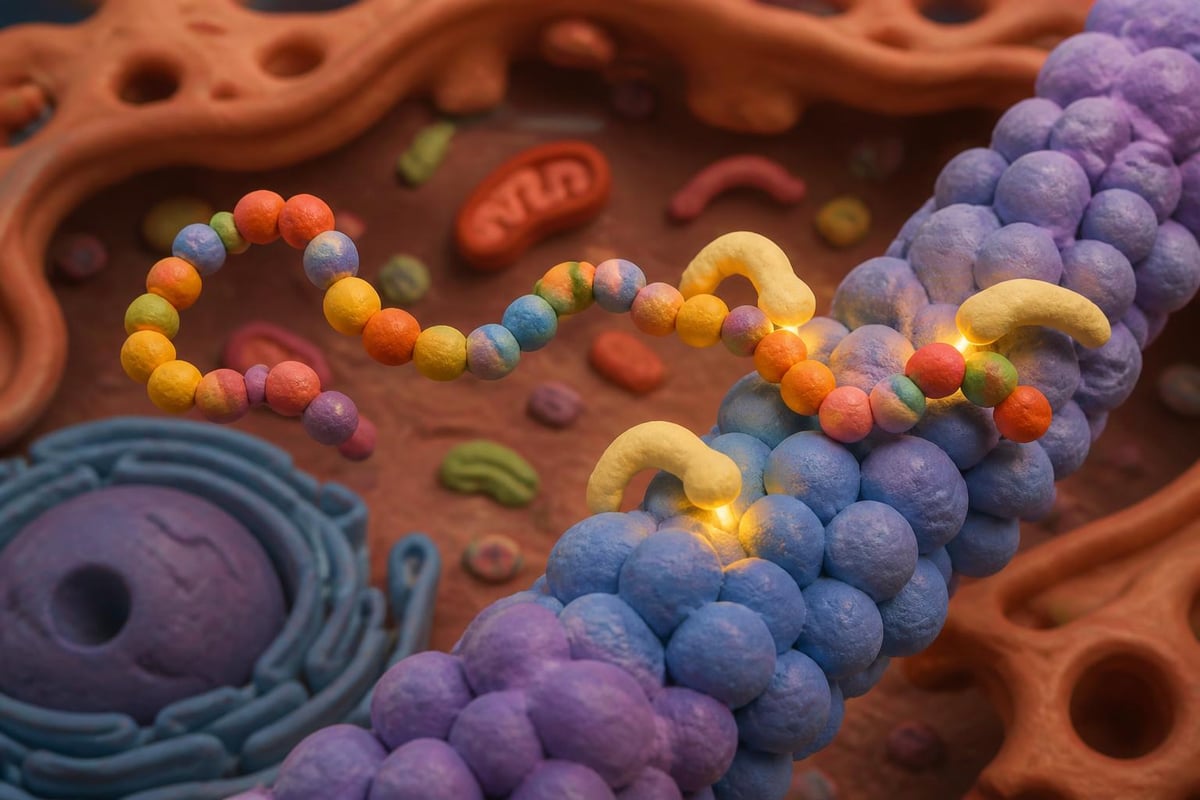
The primary mechanism through which tb peptide operates involves its interaction with actin, a protein critical to cell structure and movement. This comprehensive guide provides an in-depth overview of TB-500, including its structure, function, and potential applications in tissue repair and inflammation modulation.
Actin Regulation and Cell Migration
Research has demonstrated that tb peptide binds to actin monomers, preventing their polymerization and thereby regulating cytoskeletal dynamics. This interaction facilitates cellular migration, a process essential for tissue repair and regeneration in experimental models.
The peptide's influence on actin regulation creates several observable effects in laboratory settings:
- Enhanced cellular mobility through cytoskeletal reorganization
- Increased cell differentiation in stem cell research models
- Modified inflammatory response patterns in tissue samples
- Accelerated endothelial cell migration supporting angiogenesis studies
Researchers studying tb peptide have documented its upregulation of actin-related genes, which contributes to improved cellular motility. This mechanism provides a foundation for understanding how the peptide might influence various tissue types in experimental contexts.
Angiogenesis and Vascular Development
Laboratory investigations have revealed that tb peptide plays a role in promoting angiogenesis, the formation of new blood vessels from existing vasculature. This property makes it particularly relevant for studies examining tissue regeneration and wound healing processes.
| Research Application | Observed Mechanism | Study Focus |
|---|---|---|
| Vascular modeling | Endothelial cell migration | Blood vessel formation |
| Tissue engineering | Growth factor modulation | Scaffold vascularization |
| Inflammation studies | Cytokine regulation | Immune response |
| Cell culture systems | Proliferation rates | Cellular dynamics |
The peptide's influence on vascular endothelial growth factor (VEGF) expression has been documented in multiple research models, suggesting complex interactions with growth factor pathways.
Laboratory Research Applications
Scientific institutions utilize tb peptide across diverse research domains, each leveraging its unique cellular properties. The peptide's consistent performance in controlled environments has established it as a valuable tool for investigating regenerative processes.
Tissue Repair Studies
Researchers examining tissue regeneration mechanisms frequently incorporate tb peptide into their experimental protocols. Studies focusing on muscle tissue, connective tissue, and epithelial regeneration have utilized this compound to understand cellular repair processes.
The peptide demonstrates particular utility in models examining:
- Skeletal muscle damage and recovery patterns
- Tendon and ligament healing mechanisms
- Dermal wound closure processes
- Cardiac tissue regeneration pathways
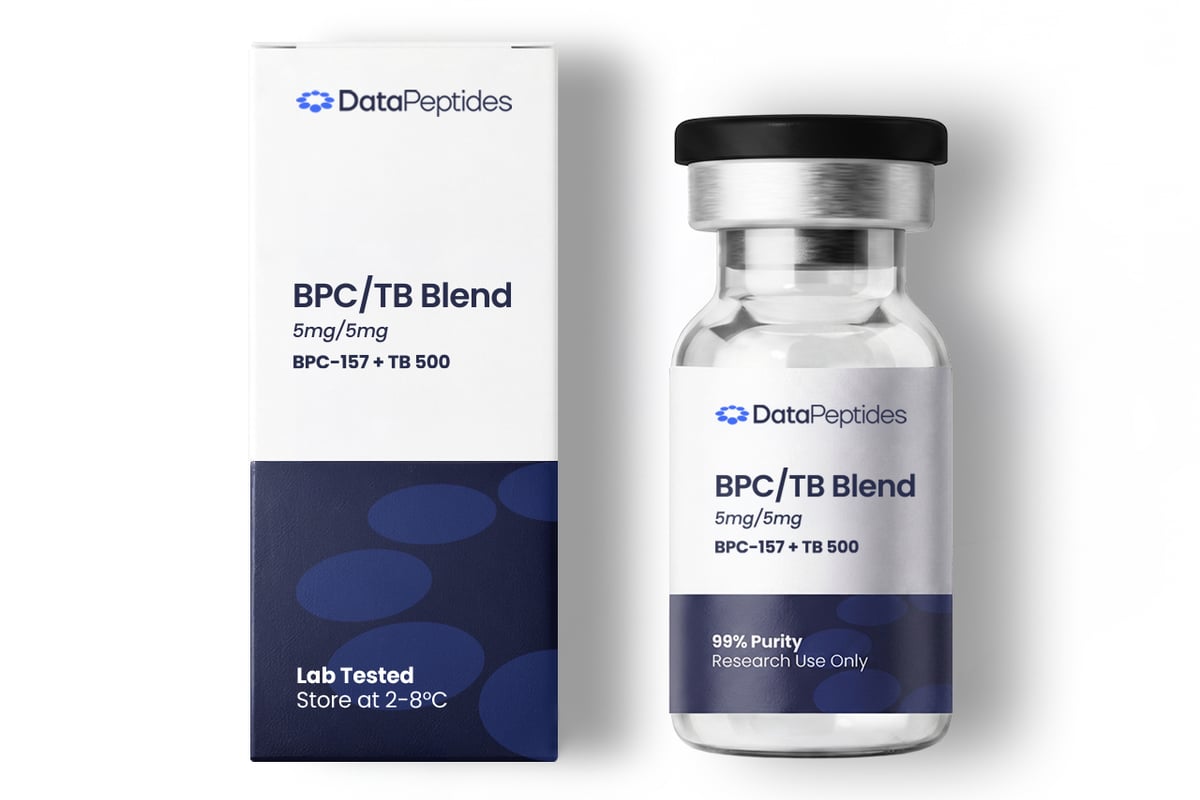
For researchers interested in comprehensive healing studies, Data Peptides offers a specialized BPC-157 / TB-500 blend that combines complementary mechanisms for tissue repair investigation. This pairing enables researchers to examine synergistic effects between different regenerative peptides in controlled laboratory settings.
Inflammation Modulation Research
The tb peptide has demonstrated interesting properties in studies examining inflammatory processes. Research protocols investigating how peptides influence cytokine production and immune cell behavior often include this compound in their experimental design.
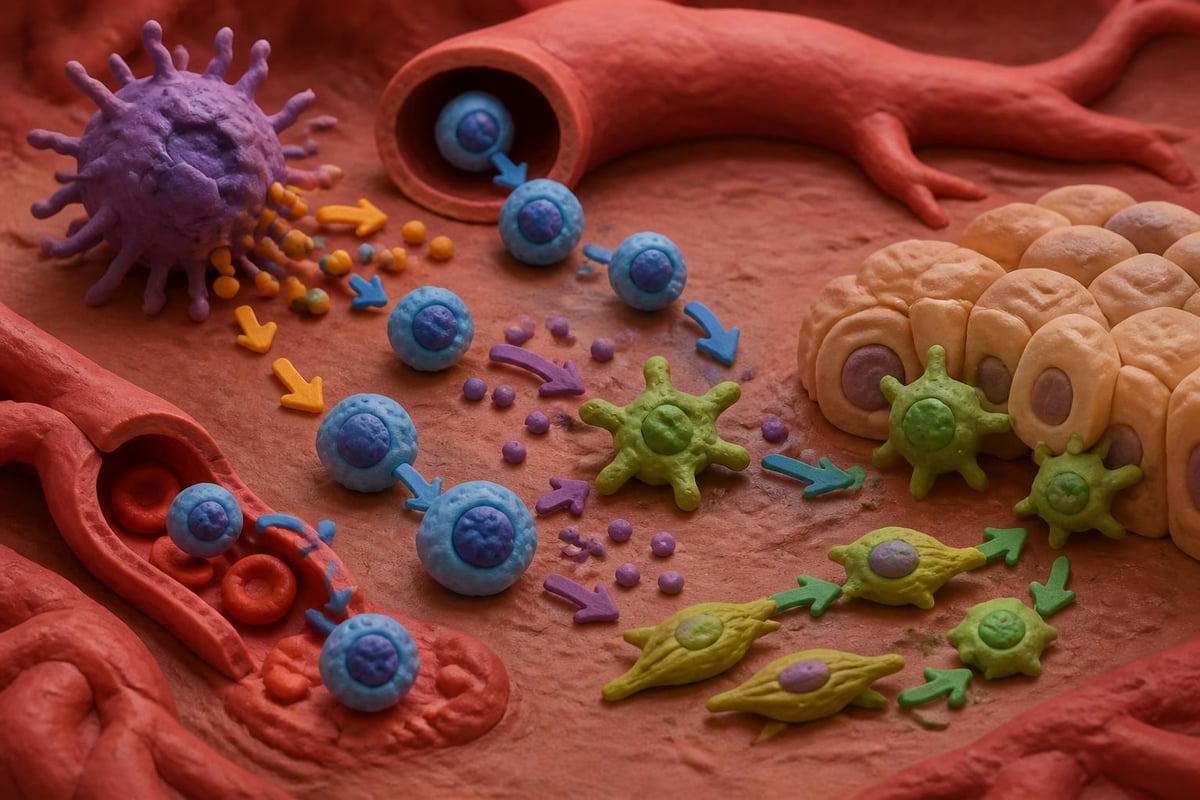
Laboratory findings suggest that tb peptide may influence several inflammatory markers:
- Downregulation of pro-inflammatory cytokines in cell culture
- Modulation of NF-κB signaling pathways
- Altered macrophage activity in tissue models
- Modified neutrophil infiltration patterns
These observations have prompted additional research into the peptide's role in inflammatory cascade regulation. This news article examines the growing trend of unapproved peptides like TB-500 being promoted for various purposes, discussing regulatory concerns and safety issues that underscore the importance of restricting such compounds to laboratory research only.
Comparative Analysis with Related Peptides
Understanding how tb peptide differs from similar research compounds provides context for its specific applications. Several peptides share overlapping mechanisms but demonstrate distinct properties in experimental settings.
TB Peptide versus Growth Factors
While growth factors like insulin-like growth factor (IGF-1) directly stimulate cellular proliferation through receptor-mediated pathways, tb peptide operates primarily through actin regulation. This fundamental difference influences how researchers design experimental protocols.
| Characteristic | TB Peptide | Growth Factors | BPC-157 |
|---|---|---|---|
| Primary mechanism | Actin binding | Receptor activation | Growth factor modulation |
| Molecular weight | ~4.9 kDa | Variable (5-30 kDa) | ~1.4 kDa |
| Stability | High | Moderate | High |
| Cell migration | Direct enhancement | Indirect stimulation | Multi-pathway |
| Research applications | Tissue repair, angiogenesis | Cell proliferation | Gastrointestinal, systemic |
Researchers at Data Peptides can access various peptides for comparative studies, enabling comprehensive investigation of different regenerative mechanisms.
Synergistic Research Combinations
Many research protocols combine tb peptide with complementary compounds to investigate synergistic effects. These combinations allow scientists to examine how multiple mechanisms interact within biological systems.
Common research pairings include:
- TB peptide with BPC-157 for comprehensive tissue repair models
- TB peptide with growth hormone secretagogues for metabolic studies
- TB peptide with copper peptides for extracellular matrix research
- TB peptide with anti-inflammatory compounds for complex healing models
Experimental Protocols and Considerations
Establishing proper experimental protocols ensures reliable and reproducible results when working with tb peptide. Researchers must consider multiple factors when designing studies incorporating this compound.
Reconstitution and Storage
The tb peptide typically arrives in lyophilized (freeze-dried) powder form, requiring reconstitution before use. Standard laboratory protocols involve dissolving the peptide in bacteriostatic water or sterile saline solutions.
Recommended storage guidelines:
- Lyophilized powder: Store at -20°C or colder
- Reconstituted solution: Store at 2-8°C for short-term use
- Long-term storage: Aliquot and freeze at -20°C to -80°C
- Avoid repeated freeze-thaw cycles to maintain integrity
Researchers should consult comprehensive research guides on TB-500 for detailed protocols on reconstitution, dosing calculations for experimental models, and storage requirements specific to their research objectives.
Dosing Considerations for Research Models
Determining appropriate concentrations for in vitro and in vivo research requires careful consideration of the experimental objectives. Published research protocols have utilized varying concentrations of tb peptide depending on the cellular system and research question.
Typical experimental concentrations range from nanomolar to micromolar levels in cell culture systems. Animal model studies have employed dosage calculations based on body weight, though all such research remains strictly within laboratory settings for scientific investigation.
Quality Assurance in Peptide Research
The reliability of research findings depends heavily on the purity and quality of the compounds used. Third-party testing provides essential verification that tb peptide meets the standards required for scientific investigation.
Third-Party Verification Standards
Reputable peptide suppliers implement rigorous quality control measures to ensure research-grade materials. These standards typically include:
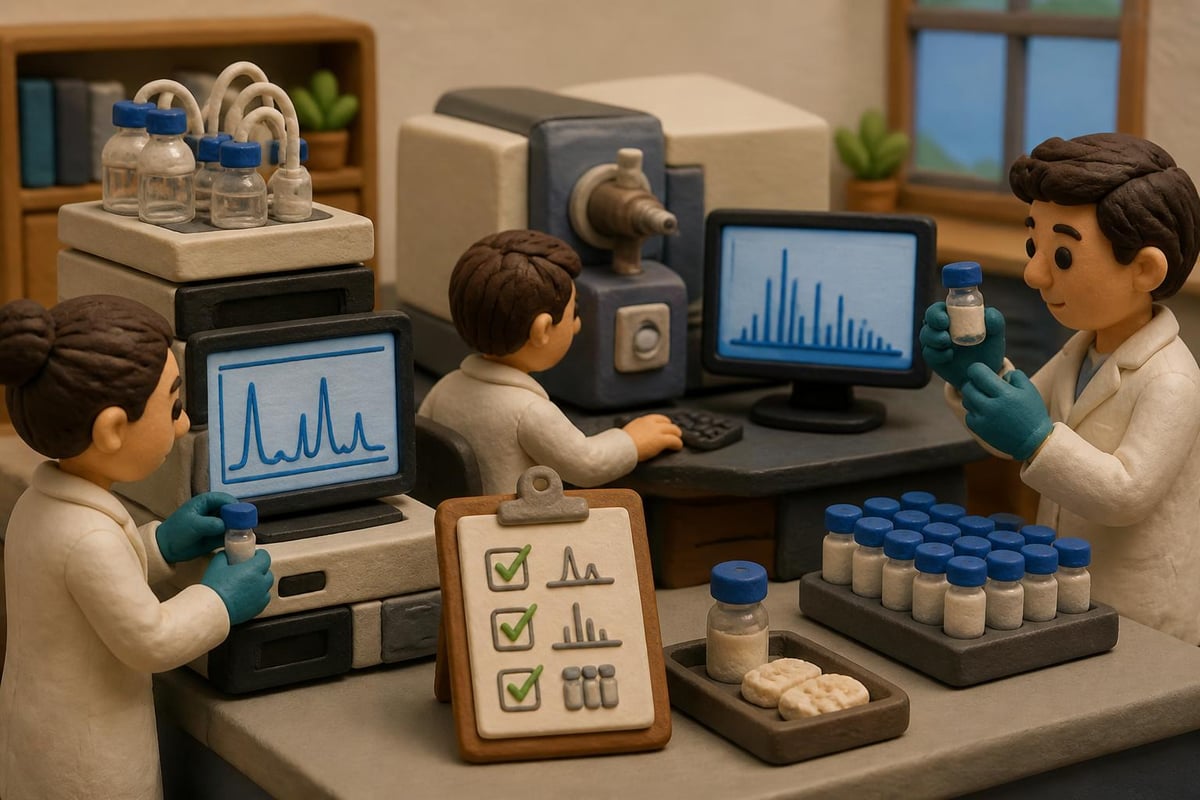
- High-performance liquid chromatography (HPLC) for purity verification
- Mass spectrometry for molecular weight confirmation
- Amino acid analysis for sequence verification
- Bacterial endotoxin testing for contamination screening
Each batch of tb peptide should undergo independent testing to confirm it meets specifications. Researchers should review certificates of analysis (COA) before incorporating any peptide into their experimental protocols. The third-party batch testing at Data Peptides ensures that each product meets stringent purity standards necessary for reliable research outcomes.
Manufacturing Standards
US-manufactured peptides offer advantages in terms of quality control and regulatory compliance. Domestic production facilities must adhere to strict manufacturing practices that support consistent product quality.
Emerging Research Directions
The scientific community continues to explore new applications for tb peptide across various research domains. Recent investigations have expanded understanding of this compound's potential in previously unexplored areas.
Cardiac Tissue Research
Studies examining cardiac tissue regeneration have identified tb peptide as a compound of interest. Research protocols investigating myocardial repair mechanisms have documented the peptide's effects on cardiomyocyte migration and differentiation in experimental models.
Preliminary findings suggest potential applications in:
- Ischemic injury models examining tissue preservation
- Stem cell differentiation into cardiac lineages
- Extracellular matrix remodeling in cardiac tissue
- Angiogenesis in myocardial environments
These research directions demonstrate the expanding scope of tb peptide investigation beyond traditional tissue repair studies.
Neurological Research Models
Emerging research has begun exploring tb peptide's properties in neurological contexts. Studies examining neural cell migration, axonal growth, and neuroinflammatory processes have incorporated this peptide into their experimental designs.
The peptide's influence on actin dynamics makes it relevant for investigating:
- Neuronal cell migration during development
- Axonal regeneration following injury
- Glial cell behavior in inflammatory conditions
- Blood-brain barrier integrity in various models
While this research remains in early stages, it represents a promising direction for understanding peptide effects on neural systems.
Regulatory and Ethical Considerations
The use of tb peptide and similar compounds remains strictly limited to laboratory research settings. Regulatory bodies have established clear guidelines governing the appropriate use of research peptides.
Research-Only Classification
TB peptide maintains classification as a research chemical intended solely for in vitro and in vivo laboratory studies. It is not approved for human consumption, therapeutic use, or veterinary applications outside controlled research environments.
Researchers must:
- Maintain proper laboratory safety protocols
- Document experimental procedures thoroughly
- Store compounds in secure, controlled environments
- Dispose of materials following institutional guidelines
- Restrict access to qualified research personnel
The growing trend of unapproved peptides being promoted for various purposes highlights the importance of maintaining strict research-only standards and opposing unauthorized use of laboratory compounds.
Institutional Oversight
Research institutions typically require approval from oversight committees before conducting peptide studies. These committees ensure that research protocols meet ethical standards and scientific validity requirements.
Institutional review processes generally evaluate:
- Scientific merit and hypothesis clarity
- Appropriate experimental design and controls
- Proper compound sourcing and verification
- Safety protocols for laboratory personnel
- Data collection and analysis methodologies
Data Resources and Research Tools
Accessing comprehensive databases and research tools enhances the quality of tb peptide investigations. Several resources support researchers in designing and conducting peptide studies.
Peptide Databases and Information Systems
Peptipedia represents a comprehensive database for peptide research, providing valuable resources for studying compounds like TB-500. Such databases compile information on peptide structures, known mechanisms, and published research findings.
Additional resources for peptide research include:
- Protein Data Bank (PDB) for structural information
- UniProt for protein sequence databases
- PubMed for published research literature
- ChEMBL for bioactivity data
These tools enable researchers to conduct thorough literature reviews and design experiments informed by existing knowledge.
Analytical Methodologies
Advanced analytical techniques continue to improve understanding of tb peptide behavior in biological systems. Modern research employs sophisticated methodologies to characterize peptide interactions and effects.
| Analytical Method | Application | Information Gained |
|---|---|---|
| Mass spectrometry | Peptide identification | Molecular weight, purity |
| Circular dichroism | Structural analysis | Secondary structure |
| Surface plasmon resonance | Binding kinetics | Interaction dynamics |
| Flow cytometry | Cell analysis | Population characteristics |
| Confocal microscopy | Cellular imaging | Localization, distribution |
These methodologies provide complementary data that builds a comprehensive picture of tb peptide effects in experimental systems.
Future Directions in Peptide Research
The field of peptide research continues to evolve with advancing technologies and methodologies. Future investigations of tb peptide will likely incorporate novel approaches that enhance understanding of its mechanisms and applications.
Advanced Delivery Systems
Research into peptide delivery mechanisms explores how to optimize compound stability and cellular uptake in experimental models. Emerging technologies include:
- Nanoparticle encapsulation for controlled release studies
- Liposomal formulations for membrane permeability research
- Hydrogel systems for sustained delivery models
- Chemical modifications for enhanced stability
These delivery systems may enable new experimental paradigms for studying tb peptide effects over extended timeframes or in complex tissue models.
Computational Modeling
Computational approaches complement traditional wet-lab research by predicting peptide behavior and interactions. Molecular dynamics simulations and machine learning algorithms increasingly contribute to peptide research design.
Research on TCR-peptide sequence generation demonstrates methodologies that could be applied to studying TB-500 interactions with cellular components. These computational tools help researchers identify promising experimental directions before committing laboratory resources.
TB peptide represents a valuable tool for investigating cellular migration, tissue repair mechanisms, and regenerative processes in controlled laboratory environments. Its well-characterized interactions with actin and influence on angiogenesis make it particularly relevant for researchers studying wound healing, inflammation, and tissue engineering. When designing peptide research protocols, the quality and purity of compounds directly impact experimental reliability and reproducibility. Data Peptides supplies laboratory-grade, US-manufactured research peptides with third-party batch testing to ensure the consistent quality that rigorous scientific investigation demands.