

The exploration of testosterone peptides has emerged as a significant area of investigation within endocrinology and peptide research. These specialized amino acid sequences interact with the body's natural hormonal signaling pathways, offering researchers valuable tools for understanding testosterone regulation, production, and optimization. Unlike exogenous testosterone administration, which introduces synthetic hormones directly into the system, testosterone peptides work through upstream mechanisms that stimulate the body's own production pathways. This fundamental distinction makes them particularly valuable for laboratory studies examining natural endocrine function and hormonal cascade responses.
Understanding Testosterone Peptides and Their Mechanisms
Testosterone peptides represent a class of bioactive compounds that influence androgen production through various physiological pathways. These peptides primarily target the hypothalamic-pituitary-gonadal (HPG) axis, which governs testosterone synthesis and release in the body.
The HPG axis operates through a complex feedback loop. The hypothalamus releases gonadotropin-releasing hormone (GnRH), which signals the pituitary gland to secrete luteinizing hormone (LH) and follicle-stimulating hormone (FSH). LH then stimulates Leydig cells in the testes to produce testosterone. Research peptides can modulate this pathway at multiple points, making them valuable for investigating endocrine function.
Primary Categories of Research Peptides
Several distinct peptide families have demonstrated interactions with testosterone production pathways in laboratory settings:
- GnRH analogs and derivatives that directly stimulate gonadotropin release
- Kisspeptin-based peptides that activate upstream hypothalamic signaling
- Growth hormone secretagogues that indirectly influence anabolic hormone balance
- Metabolic peptides that optimize conditions favorable for endogenous production
Each category operates through unique mechanisms, offering researchers multiple angles for investigating hormonal regulation. Understanding these differences is essential for designing appropriate experimental protocols and interpreting results accurately.

Gonadorelin and GnRH-Based Research Peptides
Gonadorelin, the synthetic form of naturally occurring GnRH, stands as one of the most direct testosterone peptides for research applications. This decapeptide replicates the structure of endogenous GnRH, binding to specific receptors in the anterior pituitary gland.
When gonadorelin activates GnRH receptors, it triggers a cascade that releases both LH and FSH into circulation. The pulsatile nature of this release is critical, as continuous exposure can paradoxically downregulate receptor sensitivity. Laboratory research has demonstrated that proper pulsatile administration patterns maintain physiological response patterns, while continuous exposure may lead to receptor desensitization.
| Peptide Type | Mechanism | Primary Target | Duration of Action |
|---|---|---|---|
| Gonadorelin | GnRH receptor agonist | Pituitary gonadotrophs | 2-4 hours |
| Kisspeptin-10 | GPR54 receptor activation | Hypothalamic GnRH neurons | 4-6 hours |
| CJC-1295 | GHRH receptor agonist | Pituitary somatotrophs | 6-8 days |
| Ipamorelin | Ghrelin receptor agonist | Pituitary and hypothalamus | 2-3 hours |
Research protocols utilizing gonadorelin must account for timing, dosage patterns, and individual variation in receptor sensitivity. Studies examining peptides that increase testosterone levels have documented significant variation in response magnitude based on these parameters.
Kisspeptin and Upstream Regulation
Kisspeptin peptides, particularly kisspeptin-10, represent a more upstream approach to testosterone modulation. These peptides activate the KISS1 receptor (GPR54) on GnRH neurons in the hypothalamus, which then triggers natural GnRH release.
This mechanism offers several research advantages. By working at the hypothalamic level, kisspeptin peptides engage the full natural cascade of hormonal signaling. Laboratory investigations have shown that kisspeptin administration can overcome certain forms of hypothalamic hypogonadism while maintaining physiological feedback mechanisms.
The kisspeptin system also demonstrates interesting interactions with metabolic status, stress responses, and circadian rhythms. Research has revealed that kisspeptin neurons integrate signals from multiple sources, including leptin, insulin, and cortisol, making them valuable tools for studying the intersection of metabolism and reproductive endocrinology.
Growth Hormone Secretagogues and Indirect Testosterone Support
While not classified as direct testosterone peptides, growth hormone secretagogues (GHS) such as CJC-1295 and ipamorelin have demonstrated relevant interactions with androgen production pathways. These compounds stimulate growth hormone (GH) and insulin-like growth factor 1 (IGF-1) release, which creates systemic conditions that may support natural testosterone production.
The relationship between GH, IGF-1, and testosterone involves multiple mechanisms. Enhanced GH levels improve body composition by reducing adipose tissue and increasing lean mass. Since adipose tissue contains aromatase enzymes that convert testosterone to estrogen, reducing fat mass can preserve testosterone levels. Additionally, protocols combining peptides with hormone optimization have shown synergistic effects in research settings.
The CJC-1295 and Ipamorelin Combination
The pairing of CJC-1295 (without DAC) and ipamorelin represents a popular research model for studying GH dynamics. CJC-1295 functions as a growth hormone-releasing hormone (GHRH) analog, while ipamorelin acts as a ghrelin mimetic. Together, they stimulate GH release through complementary pathways.
For researchers investigating the intersection of growth hormone and testosterone pathways, the CJC / IPA Blend offers a standardized formulation designed for laboratory applications. This combination demonstrates how different peptide mechanisms can be strategically paired to examine multiple aspects of endocrine function simultaneously.
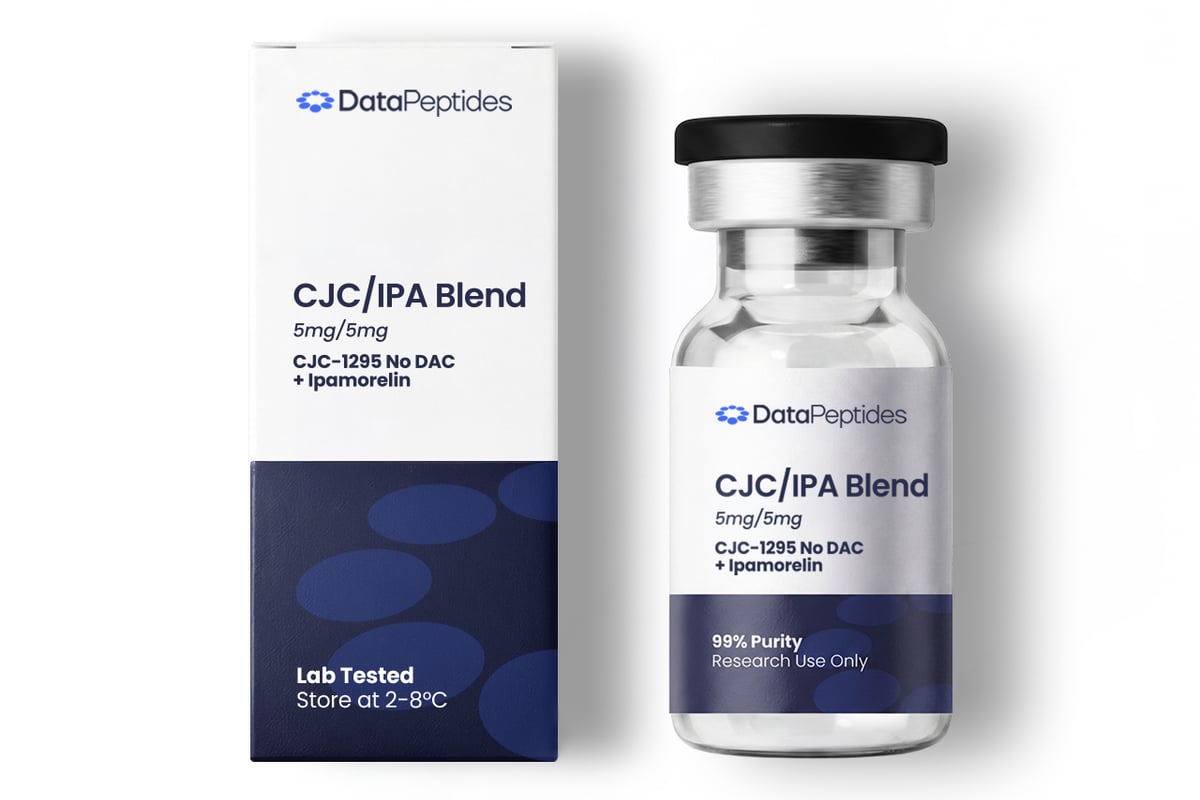
Research applications include examining how pulsatile GH release affects gonadal function, investigating the metabolic conditions that optimize endogenous hormone production, and studying the interplay between different anabolic hormone systems.

Experimental Considerations for Testosterone Peptide Research
Laboratory investigations involving testosterone peptides require careful attention to multiple variables that influence outcomes. Research design must account for baseline hormonal status, administration protocols, timing of measurements, and potential confounding factors.
Critical Research Variables
Researchers should establish clear parameters before initiating peptide studies:
- Baseline hormone assessment including total testosterone, free testosterone, LH, FSH, and SHBG
- Standardized administration schedules that replicate physiological pulsatile patterns
- Appropriate measurement timing aligned with peptide pharmacokinetics
- Control for circadian variation in testosterone production (morning vs. evening levels)
- Documentation of concurrent factors such as sleep, nutrition, and stress markers
The complexity of testosterone regulation means that peptide research benefits from comprehensive hormonal panels rather than single-marker analysis. For example, measuring only total testosterone without assessing LH and FSH provides incomplete information about whether changes result from primary gonadal stimulation or other mechanisms.
Dosing Protocols and Frequency
Optimal dosing patterns for testosterone peptides vary significantly based on the specific compound and research objectives. Gonadorelin typically requires pulsatile administration mimicking natural GnRH secretion patterns, with pulses every 60-90 minutes. Kisspeptin protocols may use less frequent dosing due to longer-lasting effects on GnRH neuron activation.
Growth hormone secretagogues like CJC-1295 and ipamorelin demonstrate different kinetics. Ipamorelin has a shorter half-life, often administered 2-3 times daily in research settings, while CJC-1295 provides extended activity. Comprehensive guides on peptides for testosterone outline various protocol options based on research goals.
Synergistic Research Applications
Advanced peptide research often examines how different compounds interact when used in combination. The concept of synergy in peptide research refers to effects that exceed the simple addition of individual compound actions.
| Combination Approach | Mechanism Synergy | Research Focus |
|---|---|---|
| GnRH + Kisspeptin | Dual HPG activation | Hypothalamic responsiveness |
| GHS + Gonadorelin | GH/testosterone interaction | Anabolic hormone balance |
| Metabolic + HPG peptides | Systemic optimization | Whole-system endocrine function |
Research into combined protocols helps elucidate how different regulatory systems interact under various conditions. For instance, studies might examine whether improving metabolic function through specific peptides creates more favorable conditions for testosterone production stimulated by other compounds.
Multi-Pathway Investigation Models
Sophisticated research designs may incorporate peptides affecting multiple systems simultaneously. This approach recognizes that testosterone production doesn't occur in isolation but integrates signals from metabolic status, stress responses, inflammation, and tissue repair processes.
Evidence-based reviews of testosterone-supporting peptides demonstrate that researchers increasingly adopt multi-factorial models. These comprehensive frameworks better represent physiological complexity than single-pathway investigations.

Metabolic and Recovery Peptides in Testosterone Research
While certain peptides directly stimulate testosterone production, others create systemic conditions that support optimal endogenous hormone levels. This distinction is important for understanding the full scope of peptide research related to male hormone optimization.
Inflammation and Recovery Factors
Chronic inflammation, oxidative stress, and impaired recovery can negatively impact testosterone production. Research has shown that systemic inflammation interferes with Leydig cell function and may suppress the HPG axis. Peptides that modulate inflammation and support tissue recovery may indirectly influence testosterone levels by removing impediments to normal production.
Research examining how peptides complement male physiology highlights the importance of recovery-focused compounds in comprehensive hormone research. By addressing tissue damage, inflammation, and cellular stress, these peptides may create environments more conducive to optimal endocrine function.
Body Composition and Hormonal Feedback
Body composition significantly influences testosterone metabolism and clearance. Adipose tissue expresses aromatase, which converts testosterone to estradiol. Higher body fat percentages correlate with increased aromatization and lower free testosterone levels. Peptides that support favorable body composition changes may therefore affect testosterone levels through this mechanism.
Research protocols examining metabolic peptides often measure:
- Changes in lean body mass and fat mass distribution
- Aromatase activity markers
- Sex hormone binding globulin (SHBG) levels
- Free testosterone as a percentage of total testosterone
These measurements help distinguish between increased testosterone production and improved testosterone availability due to reduced conversion or binding.
Limitations and Research Considerations
Testosterone peptides present several important limitations that researchers must acknowledge. First, individual variation in response can be substantial. Genetic factors, receptor sensitivity, baseline hormonal status, and concurrent health conditions all influence outcomes.
Second, the regulatory status of peptides continues to evolve. Media coverage of anti-aging peptide trends highlights growing public interest but also emphasizes the importance of using peptides strictly for legitimate research purposes. Data Peptides supplies all products exclusively for laboratory research applications, with rigorous third-party testing to ensure purity and consistency.
Quality Control in Peptide Research
The reliability of research findings depends heavily on peptide purity and consistency. Variations in peptide synthesis, storage conditions, or handling can affect biological activity and experimental reproducibility. Laboratory-grade peptides should include:
- Certificate of Analysis documenting purity percentages
- Third-party verification from independent testing facilities
- Proper storage specifications including temperature and light sensitivity
- Clear molecular weight confirmation via mass spectrometry
- Endotoxin testing for compounds used in biological systems
Researchers designing protocols should source peptides from suppliers maintaining stringent quality standards. The Data Peptides product catalog provides comprehensive testing documentation for all research compounds.
Future Directions in Testosterone Peptide Research
The field of testosterone peptides continues to evolve as researchers identify new compounds and mechanisms. Emerging areas of investigation include personalized peptide protocols based on genetic markers, combination therapies that address multiple regulatory pathways simultaneously, and peptides that target newly discovered aspects of testosterone metabolism.
Novel peptide analogs with improved stability, selectivity, or duration of action represent another frontier. Researchers are developing modified versions of naturally occurring peptides with enhanced pharmacological properties. These next-generation compounds may offer more precise tools for investigating specific aspects of testosterone regulation.
Integration with Systems Biology Approaches
Modern research increasingly adopts systems biology frameworks that examine how peptides influence entire networks of interacting hormones, metabolites, and signaling molecules. Rather than viewing testosterone in isolation, these approaches map comprehensive endocrine landscapes showing how interventions ripple through connected systems.
Advanced analytical techniques including metabolomics, proteomics, and transcriptomics enable researchers to track peptide effects at molecular levels. These methods reveal downstream consequences and unexpected interactions that traditional hormone measurements might miss.
Comparative Analysis of Primary Research Peptides
Understanding the relative characteristics of different testosterone peptides helps researchers select appropriate compounds for specific investigations.
| Peptide | Directness | Onset Time | Research Applications | Considerations |
|---|---|---|---|---|
| Gonadorelin | Direct HPG stimulation | Rapid (minutes) | GnRH pathway studies | Requires pulsatile dosing |
| Kisspeptin-10 | Upstream hypothalamic | Moderate (30-60 min) | HPG regulation research | Individual variation high |
| CJC-1295 | Indirect via GH | Delayed (hours) | GH/testosterone interaction | Long half-life with DAC |
| Ipamorelin | Indirect via GH | Moderate (20-40 min) | Pulsatile GH research | Selective ghrelin agonist |
This comparison illustrates how different research objectives align with specific peptide characteristics. Studies requiring rapid, direct HPG axis stimulation favor gonadorelin, while investigations of longer-term hormonal dynamics might utilize growth hormone secretagogues.
Practical Research Protocol Development
Designing effective peptide research protocols requires integration of pharmacokinetic data, physiological rhythms, and measurement capabilities. Researchers should develop detailed protocols specifying:
- Peptide selection rationale based on research questions
- Dosing calculations with justification for chosen amounts
- Administration timing relative to circadian testosterone patterns
- Sample collection schedules aligned with peptide pharmacokinetics
- Statistical analysis plans accounting for individual variation
Resources on peptides that support the testosterone axis provide additional context for protocol development, though researchers must adapt general guidelines to specific laboratory conditions and objectives.
Measurement and Analysis Strategies
Accurate assessment of testosterone peptide effects requires sophisticated measurement approaches. Standard hormone immunoassays may lack the sensitivity to detect subtle changes or the specificity to distinguish between different testosterone fractions.
Advanced Analytical Methods
Research-grade hormone analysis should employ:
- Liquid chromatography-tandem mass spectrometry (LC-MS/MS) for precise testosterone quantification
- Equilibrium dialysis or ultrafiltration for accurate free testosterone determination
- Frequent sampling protocols to capture dynamic hormone changes
- Area under the curve (AUC) calculations for pulsatile hormone patterns
- Baseline-adjusted analysis accounting for pre-treatment hormone levels
These methodological considerations significantly impact data quality and interpretability. Research published without adequate analytical rigor may produce misleading conclusions about peptide effects.
Controlling for Confounding Variables
Testosterone production responds to numerous factors beyond peptide administration. Sleep quality, nutritional status, psychological stress, exercise, and environmental factors all influence endogenous hormone levels. Research examining dietary influences on testosterone demonstrates how macronutrient composition affects hormone production, highlighting the importance of controlling nutritional variables in peptide studies.
Robust research designs incorporate control measures for major confounders, potentially including standardized sleep schedules, controlled nutritional intake, stress questionnaires, and activity monitoring during study periods.
Ethical and Regulatory Framework
Research involving testosterone peptides must adhere to established ethical guidelines and regulatory requirements. While peptides themselves are not controlled substances in most jurisdictions, their use is restricted to legitimate research applications by qualified investigators.
Institutional oversight through research ethics committees or institutional review boards ensures that peptide studies meet appropriate standards. Documentation requirements typically include detailed research protocols, safety assessments, data management plans, and qualified personnel certifications.
For researchers seeking high-quality peptides for legitimate laboratory applications, establishing relationships with reputable suppliers maintaining rigorous quality standards is essential. Those interested in learning more about research-grade peptide options can visit Data Peptides contact information for additional details on products and testing documentation.
Testosterone peptides represent valuable research tools for investigating hormonal regulation, endocrine pathways, and the complex systems governing androgen production. Understanding the distinct mechanisms, appropriate applications, and methodological requirements for different peptide classes enables researchers to design rigorous studies that advance scientific knowledge. For investigators requiring laboratory-grade research peptides with comprehensive third-party testing and quality documentation, Data Peptides provides US-manufactured compounds exclusively for research applications, ensuring the purity and consistency essential for reproducible scientific work.