

The thymosin peptide family represents a diverse group of biologically active compounds that have captured significant attention in peptide research laboratories worldwide. Originally isolated from thymus gland tissue, these peptides demonstrate multifaceted biological activities ranging from immune system modulation to tissue regeneration. Researchers continue to investigate various thymosin peptide variants, particularly thymosin alpha-1 and thymosin beta-4, for their distinct mechanisms of action and potential applications across multiple fields of study. Understanding the structural characteristics, biological pathways, and research applications of these compounds provides essential context for laboratory investigations.
Classification and Structural Characteristics
The thymosin peptide family encompasses multiple distinct variants, each characterized by unique amino acid sequences and molecular properties. These peptides are broadly categorized into three main groups: alpha, beta, and gamma thymosins. The classification system reflects both their structural similarities and functional differences.
Alpha Thymosin Variants
Thymosin alpha-1 stands as one of the most extensively researched members of this peptide family. This 28-amino acid sequence demonstrates a molecular weight of approximately 3,108 Daltons and exhibits a distinctive structure that contributes to its biological activity. According to comprehensive research databases on thymosin peptides, the alpha variants play crucial roles in lymphocytopoiesis and T-cell function enhancement.
The structural configuration of thymosin alpha-1 includes specific amino acid residues positioned at critical locations throughout the sequence. Laboratory studies examining this thymosin peptide have identified key regions responsible for receptor binding and biological activity initiation.
Beta Thymosin Family
Beta thymosins represent another significant category within the thymosin peptide classification system. Thymosin beta-4, the most abundant member of this group, consists of 43 amino acids and demonstrates remarkable conservation across multiple species. This evolutionary preservation suggests fundamental biological importance.
| Thymosin Variant | Amino Acid Count | Molecular Weight (Da) | Primary Research Focus |
|---|---|---|---|
| Thymosin Alpha-1 | 28 | 3,108 | Immune modulation |
| Thymosin Beta-4 | 43 | 4,963 | Tissue regeneration |
| Thymosin Beta-15 | 40 | 4,839 | Cellular differentiation |
Thymosin beta-4 binds to actin monomers with high affinity, sequestering globular actin and preventing polymerization under specific conditions. This mechanism contributes to cellular motility, wound healing processes, and tissue remodeling activities observed in laboratory models.

Biological Mechanisms and Pathways
Understanding the mechanisms through which thymosin peptide variants exert their effects requires examination of multiple cellular and molecular pathways. Each variant demonstrates preferential interaction with specific biological systems, though some overlap exists in their functional profiles.
Immune System Interactions
Thymosin alpha-1 functions primarily through immune system modulation. Research indicates this thymosin peptide influences dendritic cell maturation, a critical process for initiating adaptive immune responses. The peptide binds to Toll-like receptors on immune cells, triggering signaling cascades that enhance cellular responsiveness.
Key immune-related mechanisms include:
- Enhancement of T-lymphocyte production and differentiation
- Modulation of cytokine expression profiles
- Augmentation of natural killer cell activity
- Regulation of antibody production pathways
- Influence on macrophage function and activation
Detailed mechanistic studies demonstrate that thymosin alpha-1 affects both innate and adaptive immunity components, making it a subject of considerable laboratory investigation for immune-related research applications.
Tissue Repair and Regeneration Pathways
Thymosin beta-4 operates through distinct mechanisms centered on tissue repair and cellular migration. This thymosin peptide promotes angiogenesis through vascular endothelial growth factor pathway activation. Additionally, it influences matrix metalloproteinase expression, enzymes crucial for extracellular matrix remodeling during healing processes.
The actin-sequestering properties of thymosin beta-4 contribute significantly to its regenerative effects. By controlling actin dynamics, this peptide influences:
- Cell migration and motility patterns
- Cytoskeletal reorganization during wound closure
- Endothelial cell migration for new vessel formation
- Inflammatory cell recruitment regulation
- Fibroblast activation and collagen deposition
Research examining multifunctional regenerative properties of thymosin β4 has documented its involvement in cardiovascular, dermal, corneal, and musculoskeletal tissue repair processes across various laboratory models.
Synthetic Derivatives and Laboratory Variants
The research community has developed several synthetic derivatives of naturally occurring thymosin peptide compounds to enhance stability, bioavailability, or specific biological activities. These modifications represent strategic approaches to optimizing peptide performance in controlled research environments.
TB-500: A Synthetic Fragment
TB-500 represents a synthetic fragment of thymosin beta-4, specifically encompassing the active region responsible for many of the parent compound's biological effects. This derivative contains a 43-amino acid sequence that maintains the critical functional domains while offering enhanced stability characteristics.
Laboratory research facilities investigating tissue repair mechanisms frequently utilize TB-500 due to its well-characterized profile. The synthetic nature of this thymosin peptide allows for consistent batch-to-batch reproducibility, an essential consideration for rigorous experimental protocols. According to comprehensive evidence reviews of TB-500, over 1,000 published studies have examined this compound across various research contexts.
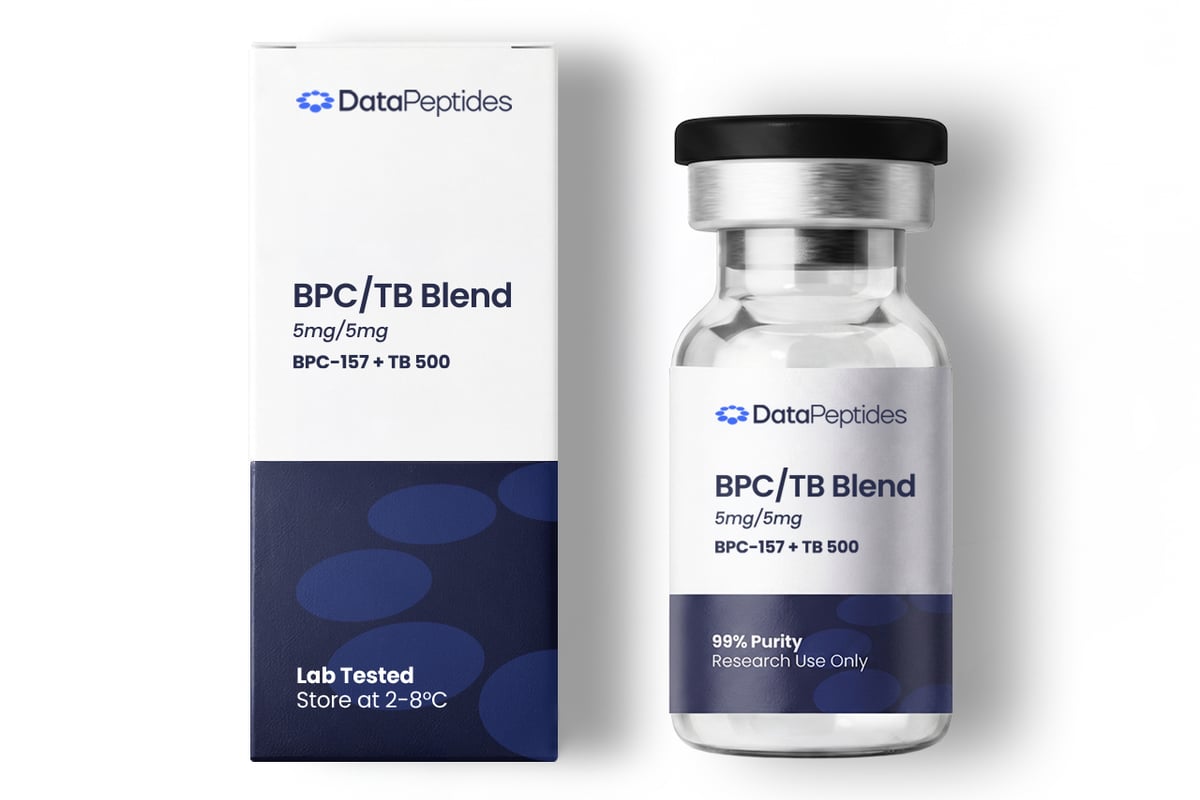
Studies exploring combinations like BPC-157 / TB-500 demonstrate how pairing thymosin-related peptides with other regenerative compounds can provide synergistic effects in tissue repair research. TB-500's ability to promote cell migration works complementarily with BPC-157's activation of regenerative cells, offering researchers a comprehensive tool for investigating healing mechanisms.
Structural Modifications and Stability
Researchers have explored various modifications to the basic thymosin peptide structure to address stability challenges inherent in natural sequences. These modifications may include:
- N-terminal acetylation for enhanced resistance to enzymatic degradation
- C-terminal amidation to improve half-life characteristics
- Substitution of specific amino acids with more stable analogs
- Cyclization strategies to enhance conformational stability
- Addition of protective groups at vulnerable cleavage sites
Structural analyses using NMR spectroscopy have provided detailed insights into thymosin alpha-1 and beta-thymosin conformations, informing rational design approaches for derivative development.

Laboratory Research Applications
The versatility of thymosin peptide compounds has led to their adoption across multiple research disciplines. Laboratories investigating diverse biological questions have incorporated these peptides into experimental protocols designed to address specific mechanistic or therapeutic hypotheses.
Immunology Research
Thymosin alpha-1 serves as a valuable tool in immunology laboratories examining T-cell development, immune senescence, and cytokine regulation. Researchers utilize this thymosin peptide in cell culture systems to investigate:
In vitro applications:
- T-cell differentiation pathway elucidation
- Dendritic cell maturation process characterization
- Cytokine production pattern analysis
- Immune cell activation threshold determination
Ex vivo applications:
- Primary immune cell response assessment
- Tissue explant immune function studies
- Co-culture system immune interaction analysis
The comprehensive bibliography on Thymosin Alpha-1 documents over 250 citations across various research contexts, demonstrating the breadth of investigative applications for this compound.
Tissue Engineering and Regenerative Research
Thymosin beta-4 and its synthetic derivatives find extensive application in tissue engineering laboratories focused on wound healing, angiogenesis, and cellular migration mechanisms. Researchers incorporate these peptides into scaffold materials, culture media supplementation, and targeted delivery systems.
| Research Application | Thymosin Variant | Typical Concentration Range | Primary Outcome Measured |
|---|---|---|---|
| Wound healing models | Thymosin Beta-4 | 1-100 μg/mL | Closure rate, cell migration |
| Angiogenesis assays | TB-500 | 0.1-50 μg/mL | Vessel formation, VEGF expression |
| Cardiac tissue studies | Thymosin Beta-4 | 10-200 μg/mL | Cardiomyocyte survival, function |
| Skeletal muscle research | TB-500 | 5-100 μg/mL | Satellite cell activation, regeneration |
Laboratories examining muscle tissue repair mechanisms frequently combine thymosin peptide research with investigations into other regenerative pathways. Resources like BPC-157 research protocols complement thymosin studies by providing comparative data on different peptide-mediated healing mechanisms.
Cellular Signaling Studies
Both alpha and beta thymosin peptide variants serve as tools for dissecting complex cellular signaling networks. Researchers employ these compounds to activate specific pathways, then examine downstream consequences using various analytical techniques.
Modern research approaches increasingly utilize sophisticated databases and computational tools to organize thymosin peptide data. Platforms incorporating comprehensive peptide research databases enable researchers to access structural information, binding predictions, and literature compilations that inform experimental design.
Analytical Characterization and Quality Considerations
Rigorous characterization of thymosin peptide compounds represents a fundamental requirement for reliable research outcomes. Laboratories conducting peptide research must implement comprehensive analytical protocols to verify identity, purity, and structural integrity of compounds utilized in experimental systems.
Analytical Methods for Peptide Verification
High-performance liquid chromatography (HPLC) serves as the primary method for assessing thymosin peptide purity. This technique separates compounds based on their chemical properties, allowing quantification of the target peptide and detection of potential contaminants or degradation products.
Standard analytical techniques include:
- Reversed-phase HPLC for purity determination (typical target: ≥95%)
- Mass spectrometry for molecular weight confirmation
- Amino acid analysis for sequence verification
- Peptide content determination by UV spectrophotometry
- Endotoxin testing for biological safety assessment
Third-party analytical verification provides independent confirmation of thymosin peptide specifications. Reputable suppliers of research peptides implement batch testing protocols to ensure consistency across production lots.
Storage and Handling Protocols
Proper storage conditions significantly influence thymosin peptide stability and longevity. Lyophilized peptides generally demonstrate superior stability compared to reconstituted solutions, with storage at -20°C or below recommended for extended preservation.
Once reconstituted, thymosin peptide solutions require careful handling to maintain biological activity. Researchers should consider:
- Reconstitution in sterile water or appropriate buffers
- Aliquoting into single-use portions to minimize freeze-thaw cycles
- Storage of working solutions at 4°C for short-term use (up to one week)
- Long-term storage at -80°C for extended stability
- Avoidance of repeated temperature fluctuations
Regulatory and Sourcing Considerations
Laboratories procuring thymosin peptide compounds for research applications must navigate regulatory frameworks and sourcing decisions that impact experimental validity and compliance. Understanding these considerations ensures appropriate utilization of research materials.
Research-Grade Specifications
Thymosin peptide products designated for laboratory research differ significantly from pharmaceutical-grade materials intended for clinical applications. Research-grade peptides serve exclusively as investigational tools in controlled laboratory environments, not for human or animal therapeutic use.
Facilities conducting peptide research should source compounds from suppliers that provide:
- Comprehensive certificate of analysis documentation
- Batch-specific purity data from independent testing
- Clear labeling indicating research-only designation
- Manufacturing information including origin and production methods
- Technical support for reconstitution and handling questions
The Data Peptides shop exemplifies proper categorization of research peptides with appropriate quality documentation and clear usage specifications for laboratory applications.
Documentation and Traceability
Maintaining detailed records of thymosin peptide sourcing, storage, and utilization represents a best practice in research laboratories. Documentation should include:
- Supplier information and product lot numbers
- Certificate of analysis review and filing
- Reconstitution dates and buffer compositions
- Storage location and temperature logs
- Experimental usage records with dates and quantities
This traceability supports experimental reproducibility and facilitates troubleshooting when unexpected results occur during research protocols.

Comparative Analysis with Related Peptides
Understanding how thymosin peptide compounds relate to other research peptides provides context for selecting appropriate tools for specific experimental questions. Several peptide families demonstrate overlapping or complementary biological activities that researchers may wish to investigate comparatively.
Growth Factor-Related Peptides
While thymosin peptides operate through distinct mechanisms, some functional overlap exists with growth factor-related peptides. For instance, thymosin beta-4's angiogenic properties share common endpoints with peptides that modulate growth hormone pathways, though the upstream mechanisms differ substantially.
Researchers investigating metabolic functions may compare thymosin peptide effects with compounds affecting energy metabolism. Understanding these distinctions helps laboratories design experiments that appropriately match research tools to biological questions.
Anti-Inflammatory and Healing Peptides
Thymosin beta-4's tissue repair properties invite comparison with other peptides demonstrating regenerative or anti-inflammatory effects. Laboratories examining wound healing mechanisms often implement comparative studies using multiple peptide types to elucidate specific pathway contributions.
Such comparative research approaches benefit from access to diverse peptide compounds with well-characterized properties. Researchers can explore how different mechanisms contribute to similar biological outcomes, advancing fundamental understanding of repair processes.
Experimental Design Considerations
Implementing thymosin peptide compounds effectively in research protocols requires careful attention to experimental design elements that influence outcome validity and interpretability. Researchers must consider multiple variables when incorporating these peptides into laboratory studies.
Dose-Response Relationships
Establishing appropriate concentration ranges represents a critical first step in thymosin peptide research protocols. Most published studies employ concentrations ranging from 0.1 to 100 μg/mL, though optimal levels vary based on:
- Specific thymosin peptide variant utilized
- Biological system under investigation (cell type, tissue model)
- Exposure duration and treatment schedule
- Desired outcome measures and detection sensitivity
- Potential cytotoxicity or off-target effects at higher doses
Researchers should conduct preliminary dose-response experiments to identify concentration ranges appropriate for their specific experimental contexts before implementing larger studies.
Time-Course Investigations
Thymosin peptide effects often demonstrate time-dependent characteristics, with early responses differing from sustained long-term outcomes. Comprehensive time-course studies examining multiple time points provide richer data than single-timepoint assessments.
Recommended time-course approach:
- Establish baseline measurements before peptide exposure
- Assess early response (30 minutes to 2 hours)
- Examine intermediate effects (4 to 24 hours)
- Evaluate sustained responses (48 to 72 hours)
- Determine long-term outcomes when applicable (multiple days to weeks)
Such temporal analysis reveals whether thymosin peptide effects represent acute signaling events, sustained pathway activation, or cumulative biological changes over extended periods.
Control Strategies
Appropriate control conditions ensure that observed effects genuinely result from thymosin peptide exposure rather than confounding variables. Researchers should implement multiple control types:
- Vehicle controls using the same reconstitution buffer without peptide
- Inactive peptide controls with scrambled or altered sequences
- Positive controls using compounds with known effects on the system
- Time-matched controls for experiments with extended durations
These control strategies strengthen experimental conclusions and facilitate peer review acceptance of research findings.
Future Research Directions
The thymosin peptide research landscape continues evolving as new analytical techniques, biological insights, and experimental approaches emerge. Several promising directions may shape future investigations in this field.
Structure-Function Relationship Studies
Advanced computational modeling combined with empirical testing enables researchers to dissect precise structure-function relationships within thymosin peptide sequences. Identifying specific amino acid residues responsible for particular biological activities allows rational design of modified peptides with enhanced or selective properties.
Investigations into peptide structure and dynamics provide methodological frameworks applicable to thymosin peptide research, enabling more sophisticated structural analyses that inform functional predictions.
Combination and Synergy Research
Exploring how thymosin peptide compounds interact with other biological modulators represents a growing research area. Laboratories increasingly investigate:
- Peptide combinations demonstrating synergistic effects
- Interactions between thymosin peptides and small molecule compounds
- Sequential treatment protocols optimizing temporal pathway activation
- Scaffold or delivery system incorporation for enhanced targeting
These combination approaches may reveal emergent properties not apparent when studying individual compounds in isolation.
Novel Application Discovery
As analytical capabilities expand, researchers continue identifying previously unknown biological activities of thymosin peptide compounds. Comprehensive screening approaches examining multiple cellular and molecular endpoints may uncover unexpected functions that open new investigational directions.
The research community benefits from centralized resources documenting thymosin peptide applications. Comprehensive databases and information platforms facilitate knowledge synthesis across disparate studies, accelerating discovery processes and preventing redundant investigations.
Thymosin peptide research encompasses a diverse and growing field examining multiple variants with distinct structural characteristics and biological mechanisms. From immune modulation by thymosin alpha-1 to tissue regeneration effects of thymosin beta-4 and its synthetic derivatives, these compounds provide valuable tools for investigating fundamental biological processes across immunology, tissue engineering, and cellular signaling disciplines. For laboratories seeking reliable, well-characterized thymosin peptide compounds for research applications, Data Peptides provides laboratory-grade, US-manufactured research peptides with third-party batch testing to support rigorous experimental protocols and reproducible scientific investigations.