

The increasing demand for research peptides has transformed how laboratories source compounds for experimental studies. When researchers seek bpc 157 online, they face a complex landscape of suppliers, quality variations, and regulatory considerations that require careful navigation. BPC-157, a synthetic peptide derived from a protective stomach protein, has attracted significant attention in scientific circles for its potential applications in tissue repair and regeneration research. Understanding how to identify reputable sources, verify product quality, and maintain compliance with research protocols has become essential for laboratories conducting peptide-based investigations.
Understanding BPC-157 as a Research Compound
BPC-157 consists of a fifteen-amino acid sequence that researchers have isolated and synthesized for laboratory investigation. The peptide's designation as Body Protection Compound 157 reflects its origin from a naturally occurring gastric protein sequence.
Chemical Properties and Research Applications
The molecular structure of BPC-157 exhibits remarkable stability compared to many biological peptides. This stability allows researchers to work with the compound under various laboratory conditions without rapid degradation.
Laboratory studies have explored BPC-157's interaction with multiple cellular pathways:
- Angiogenesis pathways: Research examines how the peptide may influence new blood vessel formation
- Growth factor modulation: Studies investigate effects on VEGF and other cellular signaling proteins
- Inflammatory response: Experiments assess the compound's impact on inflammatory mediators
- Tissue regeneration: Investigations focus on cellular repair mechanisms in various tissue types
Current research remains predominantly at the preclinical stage, with animal studies forming the bulk of available data. Human trials have been limited, creating a knowledge gap that ongoing research efforts aim to address.

The Regulatory Landscape for Research Peptides
Navigating the regulatory environment surrounding bpc 157 online purchases requires understanding current federal agency positions and classification systems.
FDA Classification and Research Status
The Food and Drug Administration has not approved BPC-157 for human therapeutic use. The compound remains classified as an investigational new drug, restricted to controlled research environments. The FDA’s stance emphasizes safety concerns related to the limited human safety data and lack of comprehensive clinical trials.
Recent regulatory developments have further complicated access pathways. The FDA's classification system for compounding pharmacies has placed BPC-157 under scrutiny, with implications for how research institutions can obtain the compound.
| Regulatory Status | Classification | Research Use | Human Use |
|---|---|---|---|
| FDA Approval | Not approved | Permitted in controlled settings | Prohibited |
| DEA Schedule | Non-controlled substance | No DEA restrictions | N/A |
| Compounding Status | Category 2 (under review) | Limited availability | Not applicable |
| WADA Status | Prohibited substance | Research only | Banned in athletics |
Legal Considerations for Laboratory Research
Laboratories must operate within established legal frameworks when acquiring peptides for research purposes. The distinction between research chemicals and substances intended for human consumption carries significant legal weight.
Current legal status permits BPC-157 possession and use strictly within laboratory research contexts. Institutions must maintain proper documentation demonstrating research intent and appropriate facility credentials.
Research facilities should verify:
- Institutional approval: IRB or IACUC protocols where applicable
- Proper licensing: Laboratory certifications and research permits
- Documentation systems: Chain of custody and usage logs
- Storage compliance: Temperature and security requirements
- Disposal protocols: Hazardous material handling procedures
The regulatory landscape continues evolving, requiring researchers to stay informed about policy changes that may affect access or usage parameters.
Quality Standards When Sourcing BPC 157 Online
The proliferation of online peptide suppliers has created a marketplace with significant quality variation. Discerning researchers must evaluate multiple factors to ensure they receive authentic, pure compounds suitable for scientific investigation.
Third-Party Testing and Purity Verification
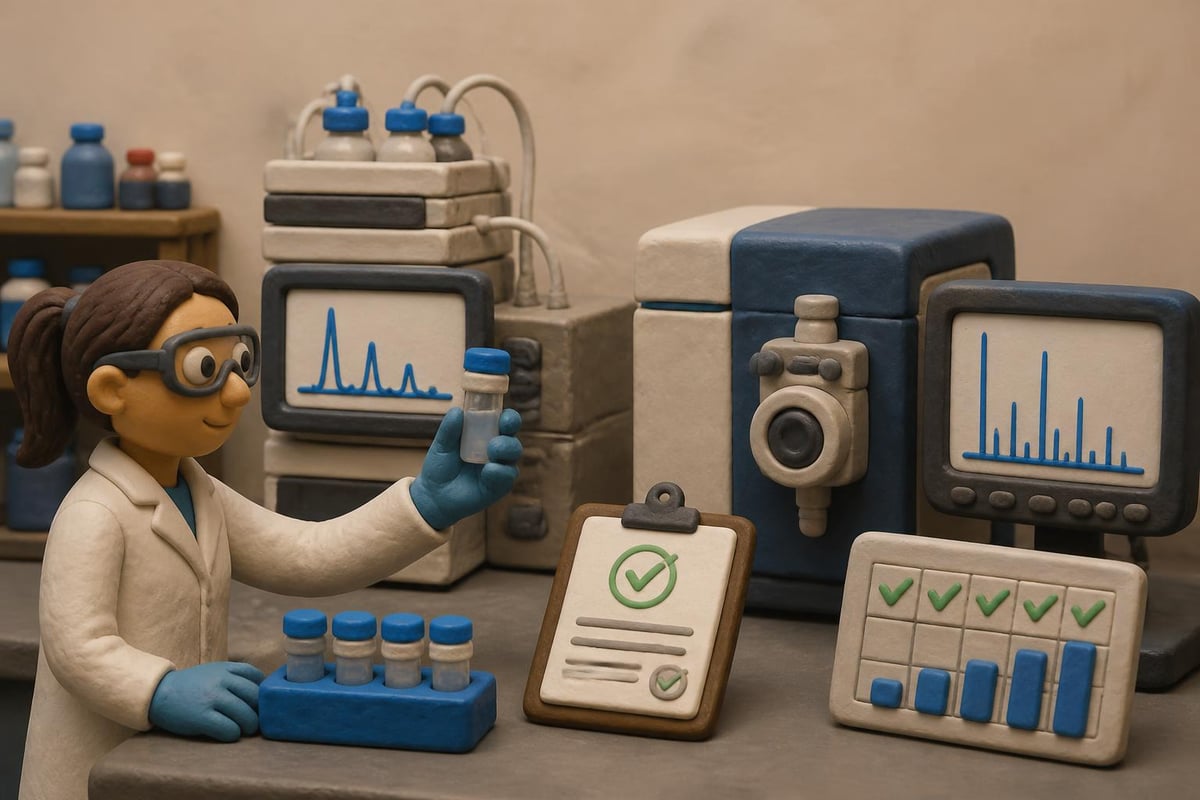
Reputable suppliers distinguish themselves through rigorous quality assurance processes. Third-party testing represents the gold standard for verifying peptide identity, purity, and composition.
Key testing methodologies include:
- HPLC analysis (High-Performance Liquid Chromatography): Confirms peptide purity percentages, typically targeting 98% or higher
- Mass spectrometry: Verifies molecular weight and confirms amino acid sequence accuracy
- Endotoxin testing: Ensures bacterial contamination remains below acceptable thresholds
- Sterility assays: Confirms absence of microbial growth in lyophilized preparations
Laboratories should request Certificates of Analysis (COA) for each batch. These documents provide traceable evidence of quality metrics and testing dates. Batch-to-batch consistency becomes crucial for reproducible experimental results.
Manufacturing Standards and Source Verification
The geographic origin and manufacturing environment significantly impact peptide quality. US-manufactured peptides often undergo more stringent oversight compared to international sources.
Manufacturing facility considerations include:
- cGMP compliance: Current Good Manufacturing Practice adherence
- Facility certifications: ISO standards and regulatory inspections
- Clean room environments: Contamination control during synthesis
- Quality control protocols: In-process testing and final product verification
When evaluating suppliers offering bpc 157 online, researchers should investigate the supplier's transparency regarding manufacturing partners and synthesis methods. Legitimate research peptide suppliers readily share this information with qualified laboratories.
Evaluating Online Peptide Suppliers
The digital marketplace for research peptides contains both reputable scientific suppliers and questionable vendors. Systematic evaluation criteria help researchers identify trustworthy sources.
Supplier Credibility Indicators
Professional research peptide suppliers exhibit specific characteristics that separate them from unreliable vendors. Documentation quality, scientific accuracy in product descriptions, and clear research-only positioning signal legitimate operations.
| Credibility Factor | Reputable Supplier | Questionable Vendor |
|---|---|---|
| Product Claims | Research-only, conservative | Therapeutic promises, health benefits |
| Testing Documentation | Batch-specific COAs available | Generic or absent testing data |
| Customer Base | Research institutions, laboratories | General consumers, bodybuilders |
| Website Content | Scientific terminology, references | Marketing language, testimonials |
| Customer Service | Technical knowledge, research focus | Sales-driven, vague responses |
Suppliers should explicitly state that products are intended solely for laboratory research, not for human or animal consumption. This distinction reflects both legal compliance and ethical positioning.
Communication and Technical Support
Quality suppliers employ staff with scientific backgrounds capable of addressing technical questions about peptide handling, reconstitution, and storage. When sourcing bpc 157 online, researchers benefit from suppliers who can discuss:
- Optimal reconstitution solvents for specific research applications
- Storage temperature requirements and stability timelines
- Handling precautions for maintaining peptide integrity
- Compatibility with various experimental protocols
The ability to engage in substantive technical dialogue indicates supplier expertise and commitment to supporting legitimate research activities.
Practical Considerations for Laboratory Procurement
Beyond quality verification, practical logistics influence the effectiveness of online peptide sourcing for research operations.
Ordering Processes and Documentation
Institutional procurement requires proper documentation trails. Research facilities typically need:
- Purchase orders reflecting institutional approval
- Material safety data sheets (MSDS) for laboratory safety compliance
- Chain of custody documentation tracking peptide handling
- Storage logs recording temperature and environmental conditions
- Usage records documenting experimental applications
Some suppliers implement verification processes to confirm purchaser credentials, requesting institutional email addresses or research facility documentation. These gatekeeping measures, while sometimes inconvenient, actually indicate responsible supplier practices.
Pricing Structures and Research Budgets
Cost considerations extend beyond per-milligram pricing. Total research costs include shipping, storage infrastructure, and potential waste from stability limitations.
Bulk purchasing considerations:
- Quantity discounts: Larger orders typically reduce per-unit costs
- Stability constraints: Shelf life may limit practical bulk quantities
- Storage requirements: Adequate freezer capacity for long-term storage
- Research timeline: Alignment between peptide quantities and experimental schedules
Researchers conducting extended studies with BPC-157 often optimize costs through strategic planning that balances immediate needs against storage limitations and budget constraints.
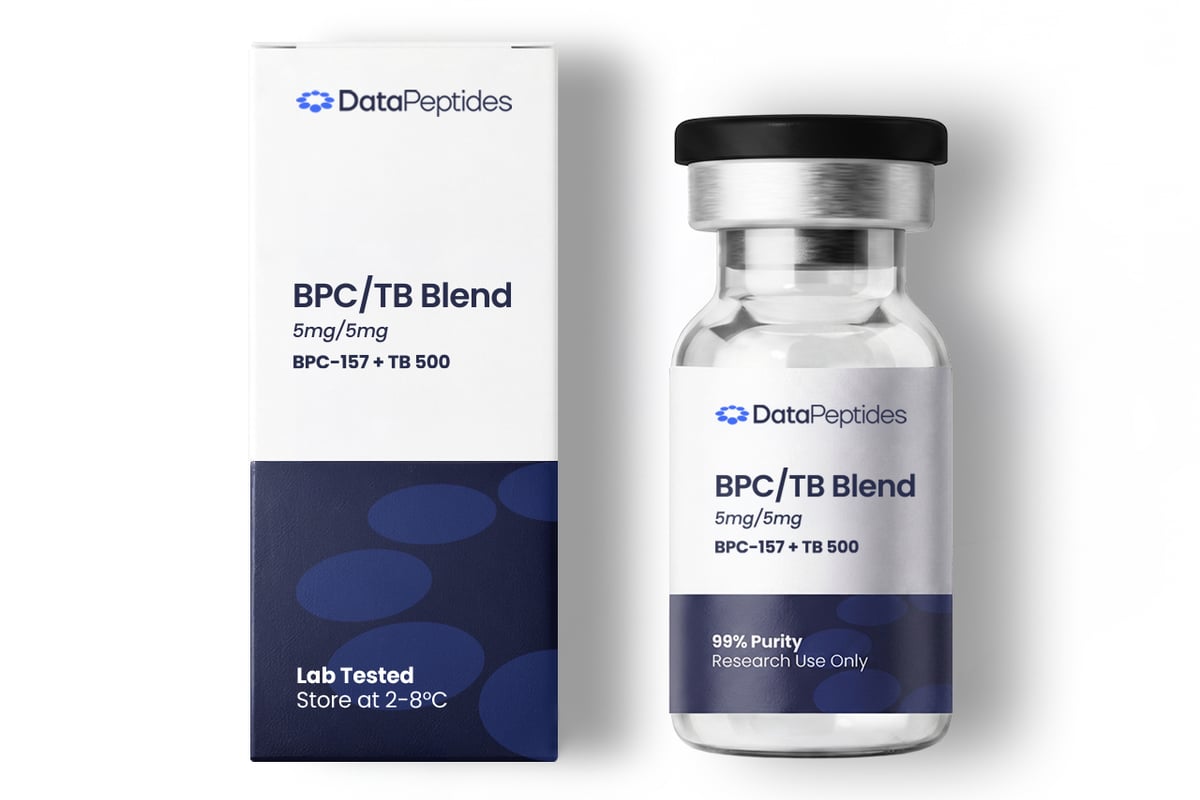
The BPC-157 / TB-500 combination blend exemplifies how suppliers create research-focused formulations designed for coordinated peptide studies. These combinations allow laboratories to investigate synergistic effects while streamlining procurement processes.
Shipping and Handling Protocols
Temperature-sensitive peptides require careful shipping logistics. Lyophilized (freeze-dried) BPC-157 demonstrates greater shipping stability than reconstituted solutions, but suppliers should still employ cold chain protocols.
Standard shipping practices for research peptides include:
- Insulated packaging: Multi-layer thermal protection
- Ice packs or dry ice: Temperature maintenance during transit
- Temperature monitors: Data loggers documenting exposure ranges
- Expedited delivery: Minimizing time outside controlled environments
- Tracking systems: Real-time location monitoring
Upon arrival, researchers should immediately inspect packages for temperature excursions or physical damage that might compromise peptide integrity.
Research Protocol Development and Best Practices
Successful peptide research requires more than simply acquiring bpc 157 online. Comprehensive protocol development ensures reproducible results and maintains scientific rigor.
Reconstitution and Preparation Standards
Lyophilized peptides require reconstitution before use in most experimental systems. The choice of solvent significantly impacts peptide stability and experimental outcomes.
Common reconstitution approaches:
- Bacteriostatic water: Includes preservatives for extended stability post-reconstitution
- Sterile water: Suitable for immediate use applications
- Buffer solutions: pH-controlled environments for specific experimental requirements
- Saline solutions: Physiological compatibility for certain tissue studies
Reconstitution techniques should minimize agitation and foaming, which can damage peptide structure. Gentle swirling rather than vigorous shaking preserves molecular integrity.
Storage Optimization for Research Inventory
Proper storage extends peptide viability and maintains experimental consistency across research timelines. BPC-157 storage requirements differ between lyophilized and reconstituted states.
| Storage State | Temperature | Container Type | Stability Duration | Light Exposure |
|---|---|---|---|---|
| Lyophilized | -20°C to -80°C | Original sealed vial | 12-24 months | Minimize |
| Reconstituted | 2°C to 8°C (short-term) | Sterile sealed vial | 7-14 days | Avoid direct light |
| Reconstituted | -20°C (long-term) | Aliquoted portions | 30-60 days | Avoid direct light |
| Working solution | 2°C to 8°C | Daily use container | 24-48 hours | Protect from light |
Aliquoting reconstituted peptides into single-use portions prevents repeated freeze-thaw cycles that degrade peptide quality. This practice maintains consistency across experimental replicates.

Emerging Research Directions and Scientific Interest
The scientific community's interest in BPC-157 continues expanding across multiple research domains. Understanding current investigation trends helps researchers position their work within broader scientific contexts.
Tissue Repair and Regeneration Studies
Preclinical research has explored BPC-157's potential mechanisms in tissue healing processes. Animal models have investigated applications across musculoskeletal, gastrointestinal, and cardiovascular tissue systems.
Research areas receiving significant attention include:
- Tendon and ligament repair: Investigating collagen synthesis modulation
- Muscle regeneration: Examining satellite cell activation and differentiation
- Gastrointestinal healing: Studying mucosal protection and ulcer resolution
- Vascular function: Assessing angiogenic factor expression and endothelial responses
Comprehensive safety profiles remain under development, with researchers working to establish dose-response relationships and identify potential adverse effects through systematic investigation.
Comparative Peptide Research
Many laboratories investigate BPC-157 alongside other regenerative peptides to understand differential mechanisms and potential synergies. Comparative studies help elucidate unique versus overlapping pathways.
Research combinations frequently explored include:
- BPC-157 with TB-500: Investigating complementary healing pathways
- BPC-157 with growth hormone peptides: Examining anabolic versus repair mechanisms
- BPC-157 with anti-inflammatory compounds: Assessing combined modulation of healing responses
- BPC-157 with antioxidant peptides: Studying oxidative stress protection during repair
These comparative approaches generate data helping researchers understand how different peptide sequences interact with cellular machinery and whether combinations produce additive or synergistic effects.
Institutional Compliance and Research Ethics
Laboratories sourcing bpc 157 online must navigate institutional oversight frameworks designed to ensure ethical research practices and regulatory compliance.
Institutional Review Board Considerations
Research involving peptides may require IRB or IACUC approval depending on experimental design. Even pure in vitro studies often fall under institutional oversight when conducted within academic or medical research settings.
Documentation requirements typically include:
- Research objectives: Clear articulation of scientific questions and hypotheses
- Methodological details: Specific protocols for peptide handling and application
- Safety assessments: Risk evaluations for research personnel and environments
- Data management plans: Protocols for recording and analyzing experimental results
- Publication intentions: Plans for disseminating research findings
Maintaining thorough records of peptide sourcing, including supplier information and quality documentation, supports institutional compliance and provides transparency for regulatory audits.
Researcher Training and Safety Protocols
Personnel working with research peptides require appropriate training in handling, storage, and disposal procedures. Safety protocols address both direct exposure risks and environmental contamination prevention.
Standard training components include:
- Material handling procedures: Personal protective equipment and exposure prevention
- Spill response protocols: Containment and cleanup procedures
- Waste disposal requirements: Proper segregation and disposal of peptide-contaminated materials
- Documentation practices: Recording usage, storage, and incident reporting
- Emergency procedures: Response protocols for accidental exposure or facility issues
These training requirements apply regardless of whether researchers perceive peptides as high-risk compounds. Consistent safety practices maintain professional standards and protect both personnel and research integrity.
Future Outlook for Research Peptide Accessibility
The landscape for accessing research peptides continues evolving as regulatory agencies refine policies and scientific evidence accumulates. Understanding potential future changes helps laboratories plan long-term research programs.
Regulatory Trajectory Considerations
Recent FDA actions targeting compounding pharmacy access to certain peptides signal increased regulatory scrutiny. While these actions primarily affect clinical compounding rather than research supply chains, they reflect broader regulatory attention to peptide compounds.
Potential regulatory developments include:
- Enhanced supplier registration requirements: Federal oversight of research chemical manufacturers
- Standardized testing protocols: Mandatory quality specifications for research peptides
- End-user verification systems: Documentation requirements for peptide purchasers
- International harmonization: Coordinated regulatory approaches across jurisdictions
Research institutions should monitor regulatory developments and maintain flexible procurement strategies that can adapt to changing access pathways.
Scientific Advancement and Evidence Generation
As research data accumulates, the scientific understanding of BPC-157's mechanisms and potential applications continues maturing. This evidence generation may influence future regulatory classifications and research priorities.
Ongoing peptide research spans multiple disciplines, from basic mechanistic studies to translational applications. The trajectory from preclinical investigation to potential clinical development depends on systematic evidence generation addressing safety, efficacy, and optimal application parameters.
Researchers contributing to this evidence base through rigorous experimental design and transparent reporting help advance the field while supporting informed regulatory decision-making. Quality peptide sourcing from reputable suppliers forms the foundation for generating reliable, reproducible data that advances scientific knowledge.
The research community's growing interest in peptide therapeutics has created both opportunities and challenges for laboratories seeking to acquire compounds like bpc 157 online. Success requires balancing scientific curiosity with regulatory compliance, quality assurance, and ethical research practices.
Navigating the complexities of research peptide procurement requires careful attention to quality standards, regulatory compliance, and supplier credibility. Laboratories conducting peptide-based investigations benefit from partnering with suppliers who prioritize purity verification, transparent manufacturing practices, and scientific expertise. Data Peptides provides laboratory-grade, US-manufactured research peptides with third-party batch testing, supporting researchers who demand verified quality for their experimental work. Every product ships with comprehensive documentation designed for laboratories conducting rigorous scientific investigations.