

The demand for BPC-157 in research settings has grown substantially as investigators explore its potential mechanisms in tissue repair and recovery pathways. As laboratories seek to buy BPC 157 for controlled studies, understanding quality standards, regulatory compliance, and sourcing protocols becomes essential. This peptide, a synthetic sequence derived from body protection compound research, requires careful consideration when purchasing for laboratory applications. Researchers must navigate complex regulatory frameworks while ensuring they obtain research-grade materials that meet rigorous purity specifications.
Understanding BPC-157 Research Applications
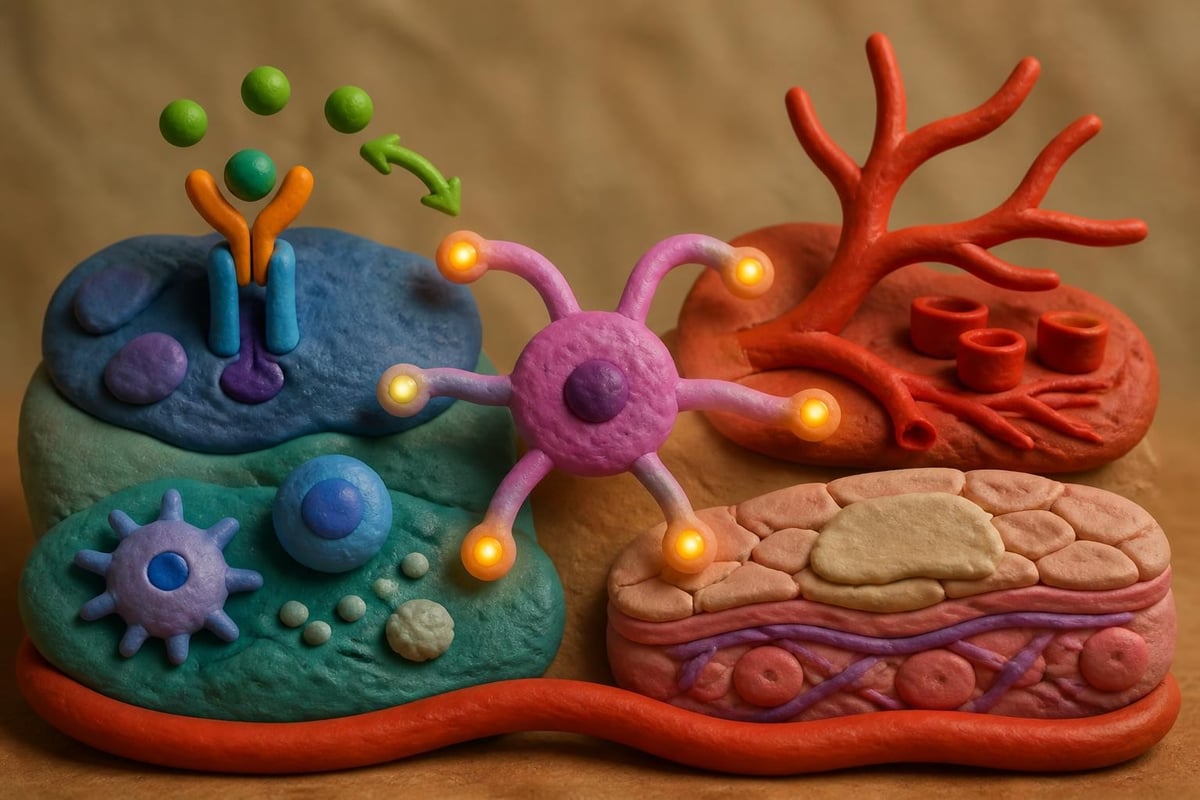
BPC-157 represents a fifteen-amino acid sequence that has generated considerable interest within the scientific community. Laboratory investigations focus on its potential interactions with growth factor pathways, angiogenesis processes, and inflammatory modulation mechanisms. Research protocols require consistent peptide quality to ensure reproducible results across experimental conditions.
Mechanisms Under Investigation
Current research explores several pathways through which BPC-157 may exert biological effects. These include:
- Growth factor modulation: Studies examine interactions with vascular endothelial growth factor (VEGF) and other signaling molecules
- Nitric oxide pathway: Investigations into NO synthase activity and vascular function
- Cellular migration: Research on fibroblast and endothelial cell movement during tissue formation
- Inflammatory mediators: Analysis of cytokine expression and immune response modulation
The evidence base for BPC-157 continues to expand through animal model studies, though human clinical trial data remains limited. Researchers must carefully design protocols that account for these knowledge gaps while maintaining scientific rigor.
Research Model Considerations
Different experimental models require distinct approaches when incorporating BPC-157 into study designs. In vitro cell culture systems allow for controlled investigation of cellular responses, while animal models provide insights into systemic effects and tissue-level outcomes. Dosing considerations, administration routes, and temporal factors all influence experimental outcomes and must be standardized when laboratories buy BPC 157 for ongoing research programs.
Regulatory Framework and Compliance
The regulatory landscape surrounding research peptides continues to evolve in 2026. Understanding these frameworks is critical for laboratories maintaining compliance while conducting legitimate scientific investigations.
FDA Position and Research Use
The Food and Drug Administration has not approved BPC-157 for human use, and the compound remains classified as an investigational new drug. This designation means laboratories must adhere to specific protocols when conducting research. As detailed in current FDA guidance on BPC-157, the compound's unapproved status requires careful attention to regulatory boundaries.
Research institutions typically operate under Institutional Review Board (IRB) oversight for any studies involving human subjects, while animal research requires Institutional Animal Care and Use Committee (IACUC) approval. These safeguards ensure ethical standards are maintained throughout the research process.
| Regulatory Body | Jurisdiction | Key Requirements |
|---|---|---|
| FDA | Human research | IND application for clinical trials |
| IACUC | Animal studies | Protocol approval, welfare standards |
| DEA | Controlled substances | Not currently scheduled |
| WADA | Athletic competition | Prohibited substance designation |
Legal Considerations for Researchers
The legal status of BPC-157 in 2026 permits purchase and possession for bona fide research purposes. However, laboratories must maintain clear documentation demonstrating research intent and proper usage protocols. This includes:
- Purchase documentation: Records showing laboratory affiliation and research purpose
- Storage protocols: Proper temperature control and inventory management
- Usage logs: Detailed records of peptide utilization in specific experiments
- Safety data: Material safety data sheets (MSDS) and handling procedures
- Disposal procedures: Compliant waste management for unused materials
Laboratories should consult legal counsel familiar with research regulations to ensure full compliance with applicable statutes and institutional policies.
Quality Standards for Research-Grade Peptides
When researchers buy BPC 157, purity and authenticity represent paramount concerns. Research-grade peptides require rigorous quality control measures to ensure reliable experimental outcomes.
Purity Specifications
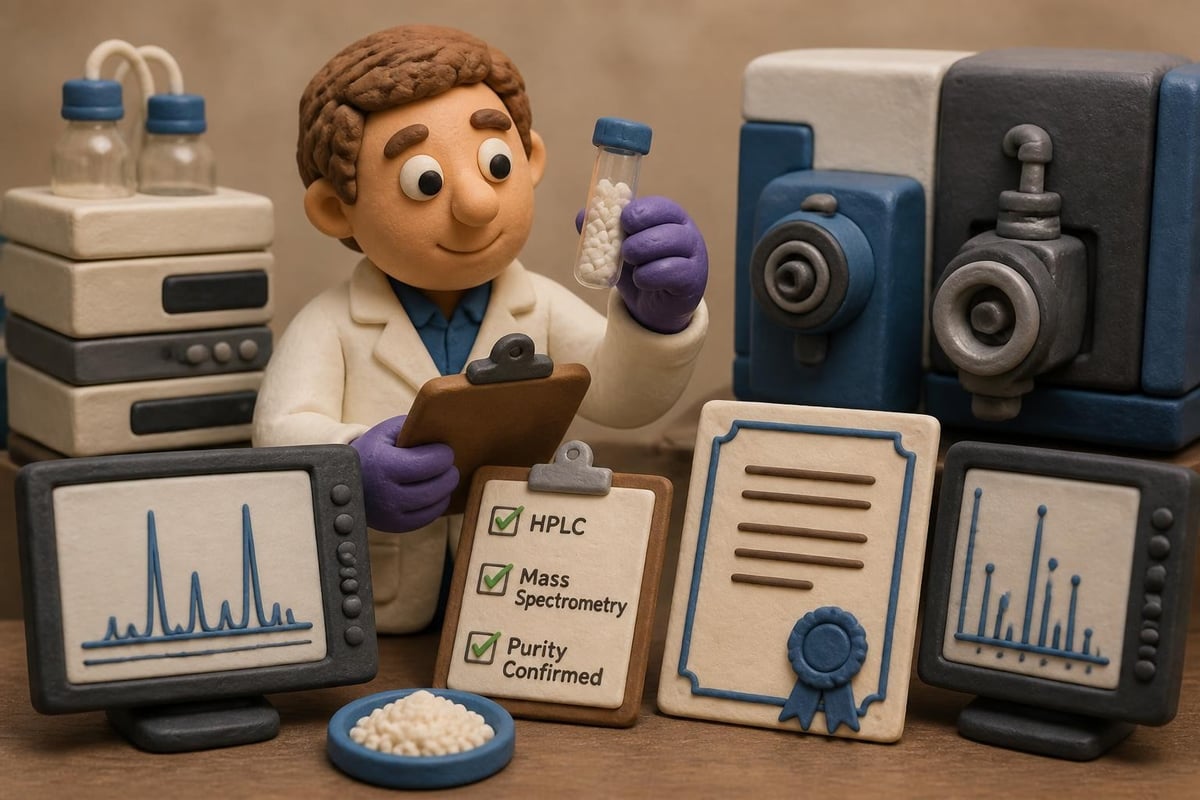
High-quality research peptides typically meet or exceed 98% purity as determined by high-performance liquid chromatography (HPLC) analysis. This level of purity minimizes confounding variables introduced by impurities or degradation products. Third-party testing provides independent verification of manufacturer claims and represents a critical quality assurance step.
Key testing methods include:
- HPLC analysis: Separates and quantifies peptide content and impurities
- Mass spectrometry: Confirms molecular weight and structural integrity
- Amino acid analysis: Verifies sequence composition
- Endotoxin testing: Ensures bacterial contamination absence
- Sterility testing: Confirms microbiological purity for certain applications
Batch Testing and Certificates of Analysis
Reputable suppliers provide certificates of analysis (CoA) for each product batch. These documents detail specific test results including purity percentage, molecular weight confirmation, and contaminant screening. Researchers should verify that CoAs originate from independent, accredited laboratories rather than in-house testing facilities, which may present conflicts of interest.
When evaluating potential suppliers to buy BPC 157 from, examine whether they offer:
| Quality Indicator | Standard | Verification Method |
|---|---|---|
| Purity | ≥98% | Third-party HPLC |
| Identity | Matches sequence | Mass spectrometry |
| Endotoxins | <1.0 EU/mg | LAL testing |
| Sterility | Negative | USP standards |
| Documentation | Complete CoA | Independent lab |
Sourcing Considerations for Laboratory Research
Identifying reliable suppliers represents a critical step in establishing robust research protocols. Several factors distinguish professional research peptide suppliers from less reputable sources.
Manufacturing Standards
US-based manufacturing facilities operating under Good Manufacturing Practice (GMP) guidelines provide additional quality assurance. While GMP compliance is not legally required for research-only peptides, it demonstrates commitment to quality systems and process controls. Laboratories should inquire about:
- Facility certifications and regulatory inspections
- Quality management systems implementation
- Raw material sourcing and verification
- Environmental monitoring programs
- Personnel training and qualification procedures
Domestic manufacturing also reduces supply chain complexities and provides more direct communication channels between researchers and producers. When laboratories buy BPC 157 from US manufacturers, they typically benefit from faster shipping, reduced customs complications, and easier quality issue resolution.
Supplier Transparency
Transparent suppliers willingly provide detailed information about their processes, testing protocols, and quality assurance measures. Warning signs of potentially unreliable sources include:
- Reluctance to provide third-party testing documentation
- Marketing claims about human consumption or therapeutic effects
- Absence of clear research-only disclaimers
- Significantly lower pricing than established suppliers
- Limited contact information or customer service access
- Unverifiable claims about purity or potency
For laboratories conducting serious research, the BPC-157 product from Data Peptides exemplifies the quality standards researchers should expect: US-manufactured, third-party batch tested, and clearly designated for laboratory research applications only.
Storage and Handling Requirements
Proper storage protocols preserve peptide integrity from purchase through experimental use. BPC-157 typically requires refrigerated storage at 2-8°C in lyophilized (freeze-dried) form, with reconstituted solutions remaining stable for limited periods under specific conditions.
Storage best practices:
- Maintain consistent temperature in dedicated refrigeration units
- Protect from light exposure using amber vials or foil wrapping
- Minimize freeze-thaw cycles which can degrade peptide structure
- Use sterile techniques during reconstitution to prevent contamination
- Document storage conditions and peptide age for experimental records
Research Protocol Development
Establishing standardized protocols ensures reproducible results when conducting BPC-157 research. Protocol development requires attention to multiple variables that influence experimental outcomes.
Reconstitution Procedures
Lyophilized peptides require reconstitution in appropriate solvents before experimental use. Common reconstitution media include sterile water, bacteriostatic water, or phosphate-buffered saline depending on the specific application. Researchers should:
- Calculate target concentrations based on experimental requirements
- Use calibrated pipettes and volumetric glassware for accuracy
- Allow peptide to fully dissolve without agitation that could damage structure
- Verify pH levels appropriate for the intended application
- Aliquot reconstituted peptide to minimize freeze-thaw exposure
Dosing Calculations
Research protocols require precise dosing based on subject weight, administration route, and experimental objectives. Literature review of existing studies provides starting points for dose selection, though investigators must adapt protocols to their specific research questions. When laboratories buy BPC 157 for new research initiatives, preliminary dose-response studies help establish optimal concentrations for subsequent experiments.

Administration Routes in Research Models
Different administration routes produce varying pharmacokinetic profiles and tissue distribution patterns. Common routes in research settings include:
- Subcutaneous injection: Slow absorption, sustained exposure
- Intraperitoneal injection: Rapid systemic distribution in animal models
- Intramuscular injection: Local and systemic effects
- Oral administration: Gastrointestinal tract exposure studies
- Topical application: Local tissue interaction investigations
Each route requires specific technical considerations and may influence the interpretation of experimental results. Researchers should justify route selection based on research objectives and provide detailed methodology descriptions in published findings.
Documentation and Record Keeping
Comprehensive documentation serves multiple purposes in research settings, supporting both scientific integrity and regulatory compliance. Laboratories should establish systematic record-keeping procedures covering all aspects of peptide research.
Inventory Management
Tracking peptide inventory from purchase through complete utilization provides accountability and supports research reproducibility. Effective inventory systems document:
- Acquisition details: Supplier, batch number, purchase date, quantity
- Storage location: Specific refrigerator/freezer, shelf position
- Reconstitution records: Date, solvent type, final concentration
- Usage logs: Experiment identifier, quantity used, remaining volume
- Disposal documentation: Date, method, personnel responsible
This documentation trail becomes particularly important when researchers buy BPC 157 in larger quantities for extended research programs spanning multiple experiments.
Experimental Documentation
Detailed experimental records enable result replication and support peer review processes. Laboratory notebooks or electronic data management systems should capture:
| Documentation Element | Details Required |
|---|---|
| Peptide information | Batch number, purity, supplier, storage conditions |
| Subject details | Species, strain, age, weight, sex distribution |
| Dosing protocol | Concentration, volume, route, frequency, duration |
| Observations | Quantitative measurements, qualitative assessments |
| Adverse events | Any unexpected outcomes or safety concerns |
Cost Considerations and Budgeting
Research budgets must account for peptide procurement costs alongside other experimental expenses. Understanding factors that influence pricing helps laboratories optimize resource allocation.
Pricing Variables
Multiple factors affect the cost when laboratories buy BPC 157 for research purposes:
- Quantity: Larger purchases typically reduce per-unit costs
- Purity grade: Higher purity specifications command premium pricing
- Testing documentation: Third-party testing adds value and cost
- Manufacturing location: Domestic production may cost more than imports
- Packaging options: Sterile, individual vials versus bulk containers
While budget constraints represent legitimate concerns, prioritizing quality over cost savings protects research integrity and prevents wasted resources on compromised experiments.
Long-Term Supply Planning
Establishing relationships with reliable suppliers provides consistency across multi-year research programs. Batch-to-batch variability, even from the same manufacturer, can introduce experimental variables. Some researchers address this by:
- Purchasing sufficient quantities from single batches for entire study phases
- Banking aliquots from validated batches for future reference standards
- Negotiating standing orders for ongoing research programs
- Maintaining backup supplier relationships for continuity assurance
Emerging Research Directions
The scientific understanding of BPC-157 continues to evolve as new research emerges. Several promising directions warrant attention from investigators designing future studies.
Combination Therapies
Research exploring BPC-157 in combination with other compounds may reveal synergistic effects or enhanced outcomes. For instance, investigations combining BPC-157 with other recovery-focused peptides examine whether multi-pathway approaches produce additive or synergistic benefits compared to single-agent protocols.
Mechanism Elucidation
Despite growing interest, many mechanistic details of BPC-157 activity remain incompletely understood. Researchers are working to clarify:
- Specific receptor interactions and binding affinities
- Downstream signaling cascade activation patterns
- Tissue-specific response variations
- Temporal dynamics of biological effects
- Dose-response relationships across different endpoints
These investigations require carefully controlled conditions and high-quality research materials, emphasizing the importance of sourcing decisions when laboratories buy BPC 157 for mechanistic studies.
Clinical Translation Pathways
The therapeutic applications being investigated span multiple physiological systems, from musculoskeletal repair to gastrointestinal protection. However, translation from promising animal research to human clinical applications requires substantial additional work, including:
- Toxicology studies: Comprehensive safety assessment in multiple species
- Pharmacokinetic characterization: Absorption, distribution, metabolism, excretion profiles
- Dose-ranging studies: Establishing therapeutic windows and safety margins
- Mechanism validation: Confirming animal findings translate to human physiology
- Clinical trial design: Developing appropriate endpoints and study populations
Safety and Handling Protocols
Laboratory safety represents a non-negotiable priority in peptide research. Proper handling protocols protect both research personnel and experimental integrity.
Personal Protective Equipment
Working with research peptides requires appropriate PPE to prevent exposure and contamination:
- Disposable nitrile gloves for all handling procedures
- Laboratory coats or gowns to protect clothing and skin
- Safety glasses when working with lyophilized powders
- Face masks when handling materials that could aerosolize
These precautions protect personnel while preventing environmental contamination of research materials.
Spill Management
Despite careful technique, spills occasionally occur. Laboratories should maintain written spill response procedures including:
- Immediate containment using absorbent materials
- Notification of laboratory safety personnel
- Decontamination using appropriate cleaning agents
- Documentation of incident details and response actions
- Review of procedures to prevent recurrence
When researchers buy BPC 157, they should simultaneously review their laboratory's spill response capabilities and update procedures as needed.
Waste Disposal
Unused peptides and contaminated materials require proper disposal following institutional and regulatory guidelines. Most peptide waste can be deactivated using chemical methods before disposal through approved hazardous waste streams. Never dispose of research materials through standard trash or drain systems.
Evaluating Research Outcomes
Interpreting experimental results requires careful consideration of multiple factors that influence study validity and generalizability.
Statistical Considerations
Adequate statistical power ensures that research can detect meaningful effects while avoiding false-positive findings. Key statistical considerations include:
- Sample size calculations: Determine required subject numbers before initiating experiments
- Randomization procedures: Eliminate selection bias in subject assignment
- Blinding protocols: Reduce observer bias during data collection
- Multiple comparison corrections: Adjust significance thresholds when testing multiple endpoints
- Reproducibility testing: Replicate key findings in independent experiments
Publication and Dissemination
Contributing findings to the scientific literature advances collective understanding of BPC-157 mechanisms and applications. Researchers should prepare manuscripts following journal-specific formatting requirements and include comprehensive methodology sections that enable result replication. Critical details include specific information about peptide sourcing, purity specifications, and handling protocols that may influence outcomes.
Quality Assurance in Ongoing Research
Maintaining consistent quality throughout multi-year research programs requires systematic quality assurance approaches.
Positive and Negative Controls
Every experiment should incorporate appropriate controls that validate system performance. Positive controls demonstrate that experimental systems can detect expected effects, while negative controls confirm absence of spurious signals. When testing new batches of peptide, researchers may compare outcomes against archived results from previously validated batches to ensure consistency.
Equipment Calibration
Accurate measurements depend on properly calibrated equipment. Regular calibration schedules should cover:
| Equipment Type | Calibration Frequency | Verification Method |
|---|---|---|
| Analytical balances | Quarterly | Certified weight standards |
| Pipettes | Semi-annually | Gravimetric verification |
| pH meters | Monthly | Buffer solutions |
| Refrigerators/freezers | Daily | Temperature logging |
| Spectrophotometers | Quarterly | Reference standards |
Method Validation
New analytical methods require validation before routine use. Validation parameters include accuracy, precision, linearity, range, limit of detection, and limit of quantification. Documented validation studies support the credibility of research findings and facilitate regulatory review if clinical translation occurs.
Purchasing BPC-157 for laboratory research demands careful attention to quality standards, regulatory compliance, and documentation practices that support scientific integrity. Investigators must prioritize third-party tested, research-grade materials while maintaining comprehensive records throughout the experimental lifecycle. When you're ready to buy BPC 157 for your research program, Data Peptides provides US-manufactured, laboratory-grade peptides with third-party batch testing documentation, ensuring you receive the quality materials essential for reproducible scientific investigation.