

When research teams decide to buy TB-500 peptide, they must navigate a complex landscape of quality standards, sourcing considerations, and regulatory compliance. TB-500, a synthetic derivative of thymosin beta-4, represents one of the most studied peptides in tissue repair research. This 43-amino acid sequence has captured attention across multiple scientific disciplines for its potential role in cellular migration, angiogenesis, and wound healing pathways. Understanding the critical factors that distinguish laboratory-grade TB-500 from substandard alternatives is essential for any research institution committed to generating reliable, reproducible data.
Understanding TB-500 Peptide Structure and Mechanism
TB-500 functions through several distinct biological pathways that make it valuable for laboratory research. The peptide's primary mechanism involves promoting actin upregulation, which facilitates cell migration and differentiation throughout various tissue types.
Molecular Composition and Stability
The complete amino acid sequence of TB-500 contains 43 residues with a specific arrangement critical for biological activity. Research protocols require peptides with proper sequence fidelity to ensure experimental validity.
Key structural considerations include:
- Proper disulfide bond formation
- Correct peptide chain length
- Absence of sequence mutations
- Maintained tertiary structure
- Storage stability profiles
When laboratories buy TB-500 peptide, they should verify that suppliers provide detailed certificates of analysis documenting these structural elements. Third-party testing confirms that the peptide matches expected molecular weight and maintains structural integrity throughout storage periods.

Biological Pathways and Research Applications
TB-500’s mechanism of action involves multiple cellular processes that researchers investigate across different study designs. The peptide influences gene expression patterns related to tissue repair, modulates inflammatory responses, and affects vascular development.
Research protocols typically examine:
- Cell migration assays measuring directional movement
- Angiogenesis studies tracking new vessel formation
- Wound healing models quantifying closure rates
- Inflammation markers assessing cytokine expression
- Collagen deposition evaluating tissue remodeling
These diverse applications require consistent peptide quality to maintain experimental reproducibility across different laboratory settings.
Quality Standards When You Buy TB-500 Peptide
Source verification represents the foundation of reliable research outcomes. Laboratories must establish rigorous criteria before selecting a TB-500 supplier to ensure that experimental results reflect true biological activity rather than product variability.
Manufacturing Origin and Compliance
US-manufactured peptides offer distinct advantages in quality control and regulatory oversight. Domestic production facilities operate under FDA-registered conditions with stringent manufacturing protocols that minimize contamination risks.
| Manufacturing Aspect | US-Manufactured | Overseas Production |
|---|---|---|
| Quality oversight | FDA-registered facilities | Variable standards |
| Testing frequency | Batch-level verification | Often limited |
| Documentation | Comprehensive COAs | Inconsistent records |
| Supply chain security | Controlled distribution | Extended timelines |
| Purity verification | Third-party validated | Self-reported |
Laboratories prioritizing data integrity should source peptides from manufacturers who maintain transparent quality processes. Understanding what TB-500 is and how it should be manufactured helps researchers evaluate supplier claims critically.
Third-Party Testing Requirements
Independent verification provides objective confirmation of peptide specifications. When research teams buy TB-500 peptide, they should demand comprehensive testing documentation that validates both identity and purity.
Essential testing parameters:
- HPLC analysis confirming purity percentage (typically ≥98%)
- Mass spectrometry verifying molecular weight accuracy
- Bacterial endotoxin testing ensuring sterility compliance
- pH measurement documenting reconstitution characteristics
- Peptide content assays quantifying actual peptide mass
Suppliers who provide batch-specific certificates of analysis demonstrate commitment to quality consistency. These documents should accompany every shipment, enabling researchers to maintain complete chain-of-custody records for regulatory compliance and experimental documentation.
Dosage Protocols and Research Design
TB-500 dosage guidelines vary significantly based on research objectives, model systems, and experimental timelines. Establishing appropriate protocols requires understanding both the peptide's pharmacokinetics and the specific endpoints being measured.
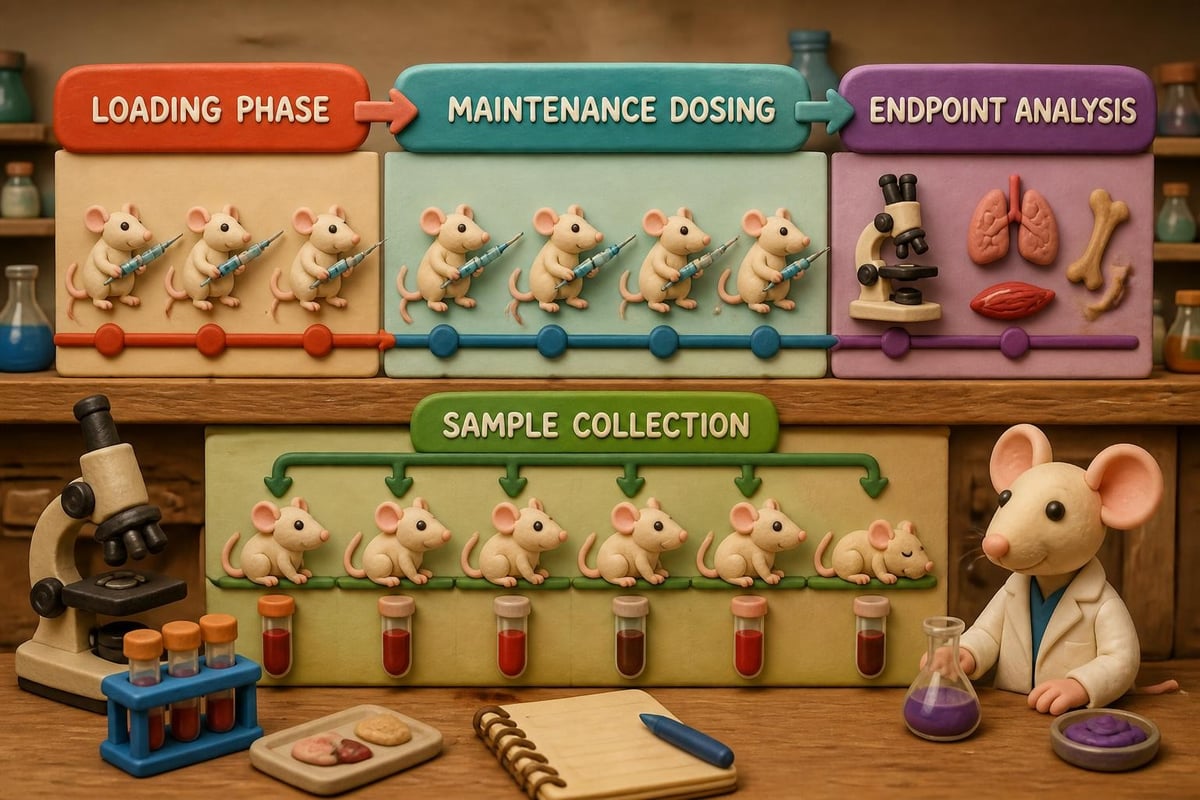
Loading and Maintenance Phases
Research protocols typically implement a two-phase approach to achieve and maintain target tissue concentrations. The initial loading phase establishes baseline peptide levels, while maintenance dosing sustains those concentrations throughout the study period.
Typical research protocol structure:
- Calculate total peptide requirements based on study duration
- Implement loading phase with higher frequency administration
- Transition to maintenance phase for sustained exposure
- Monitor biological endpoints at predetermined intervals
- Adjust protocols based on preliminary findings
Careful calculation ensures that laboratories order sufficient quantities when they buy TB-500 peptide to complete entire studies without interruption. Mid-study supplier changes introduce variables that can compromise data consistency.
Reconstitution and Storage Protocols
Proper handling preserves peptide integrity from receipt through final administration. TB-500 arrives in lyophilized form requiring reconstitution with appropriate diluents under sterile conditions.
Storage guidelines for research laboratories:
- Lyophilized powder: Store at -20°C in original sealed containers
- Reconstituted solutions: Refrigerate at 2-8°C for short-term use
- Long-term storage: Freeze at -20°C in appropriate aliquots
- Freeze-thaw cycles: Minimize to prevent degradation
- Light exposure: Protect from direct light sources
Following these protocols maximizes peptide stability and maintains consistent biological activity throughout multi-week or multi-month research timelines. Using Data Peptides’ peptide calculator helps researchers accurately determine reconstitution volumes for target concentrations.
Safety Considerations and Side Effect Monitoring
Research involving TB-500 requires comprehensive safety monitoring protocols regardless of the model system employed. TB-500’s safety profile includes both established data points and theoretical concerns that researchers must address in study designs.
Documented Safety Observations
Available research literature provides limited but growing data on TB-500 safety parameters. Laboratories conducting long-term studies should implement systematic monitoring to identify any adverse signals that emerge during experimental protocols.
Commonly reported observations in research models:
- Injection site reactions at administration points
- Transient changes in inflammatory markers
- Alterations in vascular permeability measures
- Temporary fatigue-like behavioral changes
- Headache-equivalent physiological indicators
These observations typically resolve without intervention, but documentation remains essential for complete study records. When researchers buy TB-500 peptide for extended protocols, they should establish baseline measurements before peptide administration to enable meaningful comparisons.
Contraindications and Study Exclusions
Certain research conditions may contraindicate TB-500 use or require modified protocols. Understanding these limitations helps researchers design appropriate studies and interpret results within proper contexts.
Research models requiring special consideration:
| Condition Type | Consideration | Protocol Modification |
|---|---|---|
| Active malignancy models | Potential growth promotion | Extended monitoring intervals |
| Pregnancy studies | Developmental effects unknown | Generally excluded |
| Cardiovascular research | Vascular remodeling effects | Enhanced cardiac monitoring |
| Immunocompromised models | Altered response patterns | Adjusted dosing protocols |
Comprehensive safety research continues to expand the knowledge base surrounding TB-500. Responsible researchers contribute to this growing body of evidence through detailed observation and systematic reporting of all study outcomes.
Synergistic Research Protocols
Many laboratories investigate TB-500 in combination with complementary peptides to explore potential synergistic effects on tissue repair mechanisms. These multi-peptide protocols require careful design to isolate individual contributions while assessing combined outcomes.
BPC-157 and TB-500 Combinations
Pairing TB-500 with BPC-157 represents one of the most studied combination approaches in tissue repair research. These peptides operate through distinct but potentially complementary pathways that may enhance overall regenerative responses.
When laboratories buy TB-500 peptide alongside BPC-157, they can investigate how the peptides interact across multiple biological systems. BPC-157 activates specific cellular repair pathways while TB-500 promotes cell migration and angiogenesis, creating potential synergies worth systematic investigation.
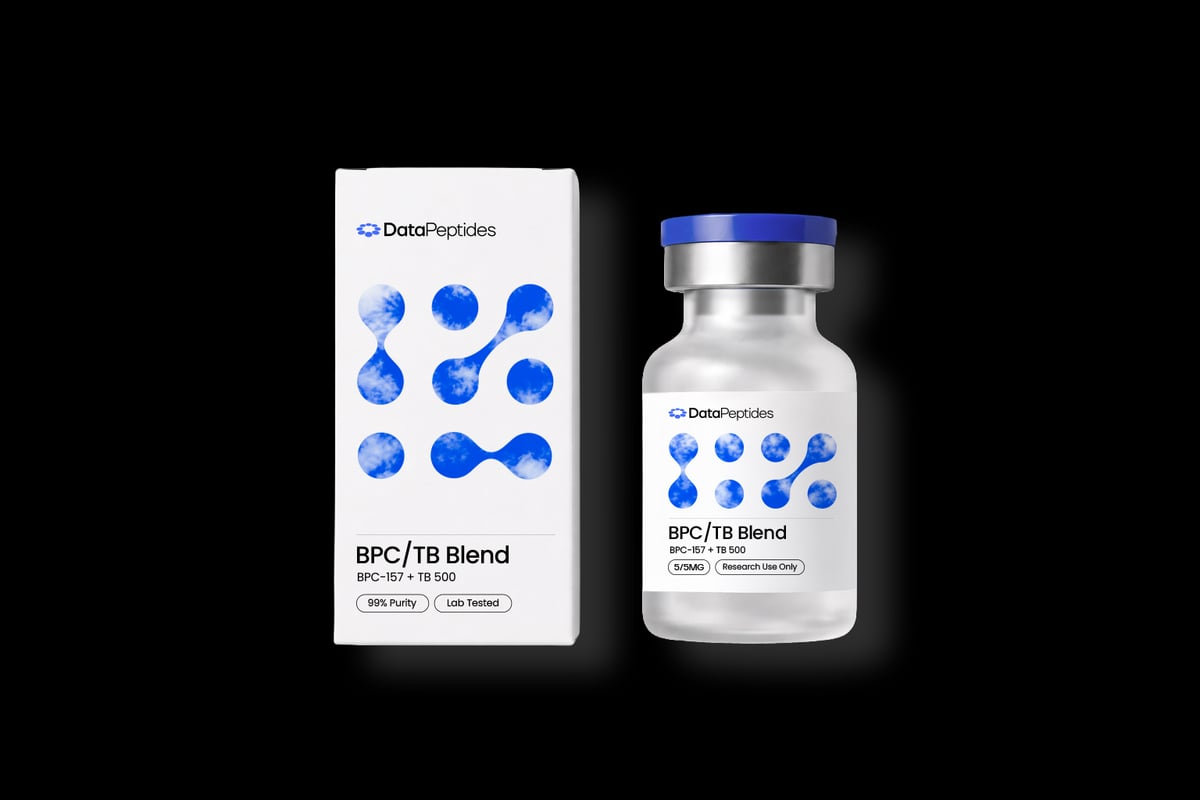
The BPC-157 / TB-500 combination offers researchers a convenient option for studies examining these synergistic effects, with both peptides prepared to consistent quality standards for reliable experimental outcomes.
Study Design for Combination Protocols
Rigorous combination research requires control groups that isolate each peptide's individual effects while also examining combined administration outcomes.
Recommended experimental groups:
- Vehicle control: Baseline measurements without peptide exposure
- TB-500 alone: Isolating TB-500-specific effects
- BPC-157 alone: Isolating BPC-157-specific effects
- Combination group: Assessing synergistic or additive effects
- Positive control: Standard treatment benchmark
This design enables statistical analysis that differentiates additive effects from true synergy, providing more robust conclusions about peptide interactions. Researchers should maintain identical handling protocols across all groups to minimize procedural variables.
Supplier Selection and Verification
The decision of where to buy TB-500 peptide significantly impacts research quality, timeline adherence, and overall project success. Evaluating potential suppliers requires systematic assessment of multiple criteria beyond simple price comparisons.
Evaluating Supplier Credentials
Legitimate peptide suppliers demonstrate transparency about their manufacturing processes, testing protocols, and quality assurance systems. Research institutions should conduct thorough due diligence before establishing supplier relationships.
Critical supplier evaluation factors:
- Manufacturing facility registration and compliance status
- Batch testing frequency and methodology
- Customer service responsiveness and technical support
- Shipping procedures and cold chain maintenance
- Return policies and quality guarantees
- Research community reputation and reviews
Data Peptides reviews provide insights into other researchers' experiences with product quality, shipping reliability, and customer support responsiveness. These peer evaluations complement technical specifications in supplier selection processes.
Documentation and Regulatory Compliance
Complete documentation supports regulatory compliance and enables thorough experimental record-keeping. Suppliers should provide comprehensive paperwork with every order.
Required documentation includes:
| Document Type | Purpose | Storage Requirement |
|---|---|---|
| Certificate of Analysis | Verifies purity and identity | Permanent archive |
| Batch number records | Enables traceability | Linked to study data |
| Safety data sheets | Outlines handling procedures | Readily accessible |
| Chain of custody | Documents shipping conditions | Quality assurance file |
| Product specifications | Details storage requirements | Protocol reference |
Maintaining organized documentation systems ensures that researchers can verify peptide quality years after studies conclude, supporting publication processes and regulatory inquiries.
Reconstitution Techniques and Handling
Proper reconstitution preserves peptide activity and ensures accurate dosing throughout research protocols. When laboratories buy TB-500 peptide, they receive lyophilized powder requiring careful preparation before use.
Step-by-Step Reconstitution Protocol
Following standardized procedures minimizes variability between preparation sessions and research team members. Written protocols should be maintained in laboratory procedure manuals with regular training for all personnel handling peptides.
Recommended reconstitution steps:
- Allow lyophilized vial to reach room temperature (approximately 15 minutes)
- Clean vial top with alcohol swab using aseptic technique
- Draw appropriate volume of bacteriostatic water into sterile syringe
- Inject water slowly down vial side rather than directly onto powder
- Gently swirl vial without shaking to dissolve peptide completely
- Inspect solution for clarity and absence of particulates
- Label vial with reconstitution date and final concentration
This gentle approach prevents peptide degradation from excessive agitation while ensuring complete dissolution. Violent shaking can damage peptide bonds and reduce biological activity.
Concentration Calculations and Verification
Accurate concentration determination ensures that administered doses match protocol specifications. Understanding TB-500 research applications helps researchers select appropriate concentrations for specific experimental endpoints.
Concentration formula: (Peptide mass in mg × Purity %) / Reconstitution volume in mL = Final concentration in mg/mL
Verification methods include:
- UV spectrophotometry for peptide quantification
- Bradford assays for protein concentration
- Peptide content assays provided by suppliers
- Serial dilution and biological activity assays
Double-checking calculations before first administration prevents dosing errors that could compromise entire studies. Many laboratories implement independent verification by second researchers before peptide administration.
Procurement Planning and Inventory Management
Strategic procurement ensures continuous research progress without study interruptions from supply gaps. When institutions buy TB-500 peptide, they should consider project timelines, storage capacity, and budget cycles.
Calculating Project Requirements
Comprehensive planning accounts for all experimental phases from pilot studies through final protocols. Underestimating requirements leads to mid-study procurement that may introduce batch variability.
Factors influencing quantity calculations:
- Total number of research subjects or samples
- Study duration including pilot and main phases
- Dosing frequency and individual dose amounts
- Wastage allowances for reconstitution and administration
- Control group requirements and backup supplies
- Extended storage stability considerations
Adding 10-15% contingency to calculated requirements provides buffer for unexpected protocol extensions or additional exploratory endpoints. This approach proves more cost-effective than emergency expedited shipping for supplemental peptide orders.
Storage Capacity and Stability Monitoring
Adequate storage infrastructure preserves peptide quality throughout entire procurement cycles. Laboratories should verify available freezer capacity before placing large orders.
Cold storage best practices:
- Dedicated -20°C freezer with temperature monitoring
- Backup power systems to prevent thaw events
- Temperature alarm systems with 24/7 monitoring
- Organized inventory systems tracking batch numbers
- Regular stability testing for extended storage periods
Reviewing TB-500 side effects and storage-related degradation patterns helps laboratories establish appropriate quality control intervals for inventory monitoring.
Regulatory Compliance and Research Ethics
Institutions conducting peptide research operate within regulatory frameworks designed to ensure safety and scientific integrity. Understanding these requirements prevents compliance issues that could jeopardize research programs.
Institutional Oversight Requirements
Research protocols involving peptides typically require institutional review board approval and ongoing oversight. Documentation must clearly state that peptides are intended exclusively for laboratory research purposes.
Compliance documentation typically includes:
- Protocol descriptions outlining research objectives
- Safety assessments addressing potential hazards
- Handling procedures for personnel protection
- Waste disposal protocols for used materials
- Training records for all personnel handling peptides
When researchers buy TB-500 peptide, they should maintain records demonstrating institutional approval for the planned research applications. Suppliers may request documentation confirming legitimate research use before fulfilling orders.
Labeling and Chain of Custody
Clear labeling prevents unauthorized use and maintains organized inventory systems. All peptide containers should include complete identification information visible without opening storage areas.
Required label elements:
- Peptide name and sequence designation
- Batch number for traceability
- Reconstitution date (if applicable)
- Concentration after reconstitution
- Storage temperature requirements
- "For Research Use Only" disclaimer
Chain of custody logs track peptide movement from receipt through disposal, creating complete accountability throughout the research lifecycle. These records support regulatory audits and internal quality assurance reviews.
Economic Considerations and Value Assessment
Cost-effectiveness extends beyond simple per-milligram pricing to encompass quality assurance, research delays, and data reliability. When laboratories buy TB-500 peptide, they should evaluate total value rather than focusing exclusively on initial purchase price.
True Cost Analysis
Multiple factors contribute to the actual cost of incorporating TB-500 into research protocols. Hidden expenses often exceed the peptide purchase price when quality issues arise.
Comprehensive cost components:
- Base peptide purchase price
- Shipping expenses and expedited fees
- Quality verification testing costs
- Failed experiments from substandard products
- Study delays and extended personnel time
- Replacement costs for inadequate peptides
Premium peptides from verified suppliers typically cost 20-40% more than unverified sources but eliminate the risk of complete experimental failure. For multi-year research programs, this represents minimal additional investment for substantially reduced risk.
Budget Optimization Strategies
Strategic purchasing reduces per-unit costs while maintaining quality standards. Laboratories can implement several approaches to optimize peptide procurement budgets.
Effective cost management approaches:
| Strategy | Benefit | Consideration |
|---|---|---|
| Bulk purchasing | Volume discounts | Storage capacity required |
| Grant-aligned ordering | Single shipping cost | Funding availability timing |
| Supplier partnerships | Consistent pricing | Long-term commitment |
| Collaborative purchasing | Shared volume discounts | Coordination overhead |
Research institutions should explore these options while maintaining strict quality requirements. The lowest-cost option rarely delivers optimal research value when all factors receive proper consideration.
Emerging Research Applications
TB-500 research continues expanding into novel application areas as understanding of its mechanisms deepens. Laboratories buying TB-500 peptide today may investigate applications that were theoretical just a few years ago.
Cardiovascular Research Applications
Recent studies have explored TB-500's effects on cardiac tissue repair and vascular remodeling. These investigations examine whether the peptide's cell migration and angiogenesis properties translate to meaningful cardiovascular outcomes.
Researchers investigate:
- Post-infarction remodeling in cardiac tissue models
- Vascular regeneration following ischemic injury
- Endothelial function and blood vessel formation
- Inflammatory modulation in cardiovascular contexts
- Long-term structural changes in heart tissue
Current research on TB-500 suggests multiple potential mechanisms relevant to cardiovascular applications, though significant questions remain about optimal protocols and long-term outcomes.
Neurological and Cognitive Research
Emerging evidence indicates that TB-500 may influence neurological tissue repair and neuroplasticity. These preliminary findings have sparked interest in exploring the peptide's effects on neural systems.
Areas of active investigation include:
- Neuronal migration during development and repair
- Blood-brain barrier permeability modulation
- Neuroinflammation following injury models
- Synaptic plasticity and network reorganization
- Neurovascular coupling and cerebral blood flow
These expanding research directions create growing demand as more laboratories buy TB-500 peptide to investigate novel applications beyond traditional tissue repair models.

Integration with Laboratory Information Systems
Modern research facilities integrate peptide procurement and usage tracking into comprehensive laboratory information management systems (LIMS). This integration enhances compliance, inventory management, and experimental documentation.
Digital Tracking and Documentation
Electronic systems reduce documentation errors while improving data accessibility for research team members and regulatory reviewers. When laboratories buy TB-500 peptide, they should immediately enter receipt information into tracking systems.
Key LIMS integration points:
- Automated inventory updates upon receipt scanning
- Batch number linking to certificates of analysis
- Usage tracking by protocol and researcher
- Automated reorder triggers based on consumption rates
- Temperature monitoring integration for storage verification
These systems create comprehensive audit trails that support both internal quality assurance and external regulatory compliance requirements.
Data Integration with Experimental Results
Linking peptide batch information directly to experimental outcomes enables retrospective analysis of batch-to-batch variability. This integration provides valuable insights when unexpected results emerge.
Advanced tracking capabilities include:
- Associating specific peptide batches with study cohorts
- Correlating COA parameters with experimental outcomes
- Identifying trends across multiple research protocols
- Facilitating publication-ready documentation compilation
- Supporting regulatory submission preparation
Implementing these systems requires initial investment but delivers substantial returns through improved research efficiency and reduced compliance burden. Many institutions find that proper peptide sourcing combined with robust tracking systems dramatically improves research program quality.
Selecting high-quality sources to buy TB-500 peptide represents a critical decision that influences research validity, timeline adherence, and overall scientific value. Laboratories must evaluate suppliers based on manufacturing standards, testing rigor, documentation completeness, and long-term reliability rather than price alone. By prioritizing quality verification, implementing proper handling protocols, and maintaining comprehensive documentation, research institutions position themselves for successful outcomes across diverse experimental applications. Data Peptides provides laboratory-grade, US-manufactured research peptides with third-party batch testing for purity, supporting research teams with the quality standards and documentation necessary for rigorous scientific investigation.