
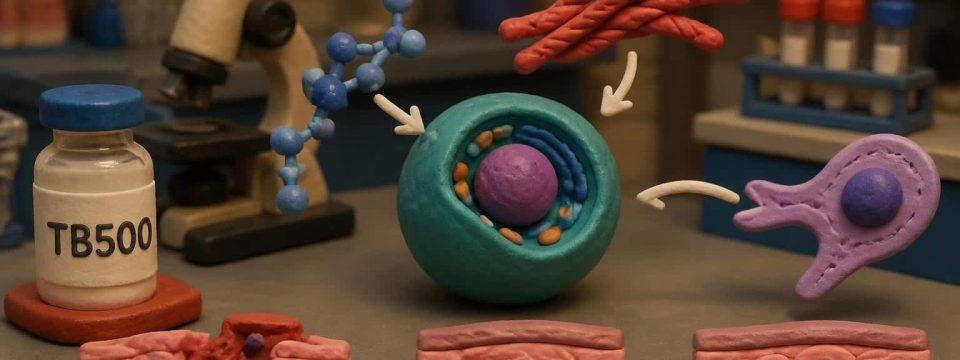
TB-500, a synthetic derivative of Thymosin Beta-4, has emerged as one of the most extensively studied peptides in regenerative research. Laboratories worldwide continue to investigate its unique mechanisms related to tissue repair, cellular migration, and inflammation modulation. When researchers decide to buy TB500 for their studies, understanding its biological properties, proper handling protocols, and sourcing considerations becomes essential for maintaining research integrity and achieving reproducible results.
Understanding TB-500's Biological Framework
TB-500 represents a strategically designed fragment of Thymosin Beta-4, a naturally occurring peptide found in virtually all human cells except red blood cells. The synthetic version contains 43 amino acids and shares the critical active region responsible for the parent compound's biological activities.
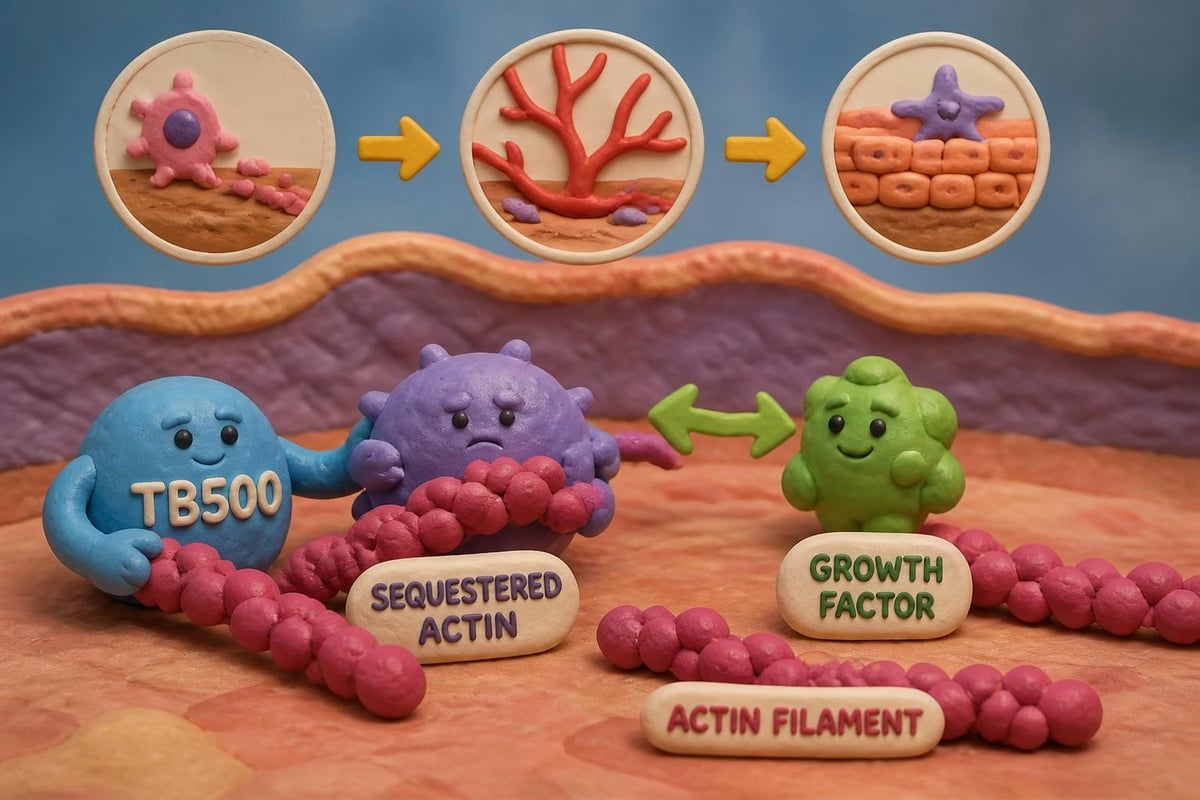
The peptide's primary mechanism centers on its interaction with actin, a protein fundamental to cellular structure and movement. By binding to actin monomers, TB-500 prevents them from polymerizing into filaments, thereby maintaining a pool of free actin available for cellular processes. This interaction directly influences cell migration, proliferation, and differentiation.
Key Mechanisms of Action
Research has identified several pathways through which TB-500 exerts its effects:
- Actin sequestration that promotes cellular motility and migration
- Upregulation of growth factors including vascular endothelial growth factor (VEGF)
- Modulation of inflammatory cytokines to balance immune responses
- Enhancement of endothelial cell differentiation supporting angiogenesis
- Reduction of myofibroblast formation to minimize excessive scar tissue
These mechanisms make TB-500 particularly relevant for studies focused on wound healing, tissue regeneration, and recovery processes. The peptide’s mechanisms of action have been documented across multiple research models, demonstrating consistent effects on tissue repair pathways.
Research Applications and Study Parameters
Laboratories investigating TB-500 typically focus on several core research areas. Regenerative studies examine how the peptide influences tissue repair in various contexts, from musculoskeletal injuries to organ damage. Cardiovascular research explores its potential effects on heart tissue following ischemic events, while dermatological studies assess wound closure and scar formation.
When researchers buy TB500 for experimental protocols, dosing parameters become a critical consideration. Research literature typically reports doses ranging from 2mg to 10mg administered subcutaneously, with frequencies varying from daily to twice weekly depending on study objectives.
Common Dosing Protocols in Research
| Protocol Type | Typical Dose | Frequency | Duration |
|---|---|---|---|
| Loading Phase | 5-10mg | 2-3x weekly | 4-6 weeks |
| Maintenance Phase | 2-5mg | 1x weekly | Variable |
| Acute Injury Model | 5-10mg | Daily | 1-2 weeks |
| Chronic Condition Model | 2-5mg | 2x weekly | 8-12 weeks |
These protocols represent common frameworks found in research documentation, though specific parameters should always align with individual study designs and regulatory requirements. The clinical evidence and research compiled across multiple studies provides valuable context for protocol development.
Quality Considerations for Research Peptides
The integrity of any research project depends fundamentally on the quality of materials used. When laboratories buy TB500, several quality markers distinguish research-grade peptides from inferior alternatives.
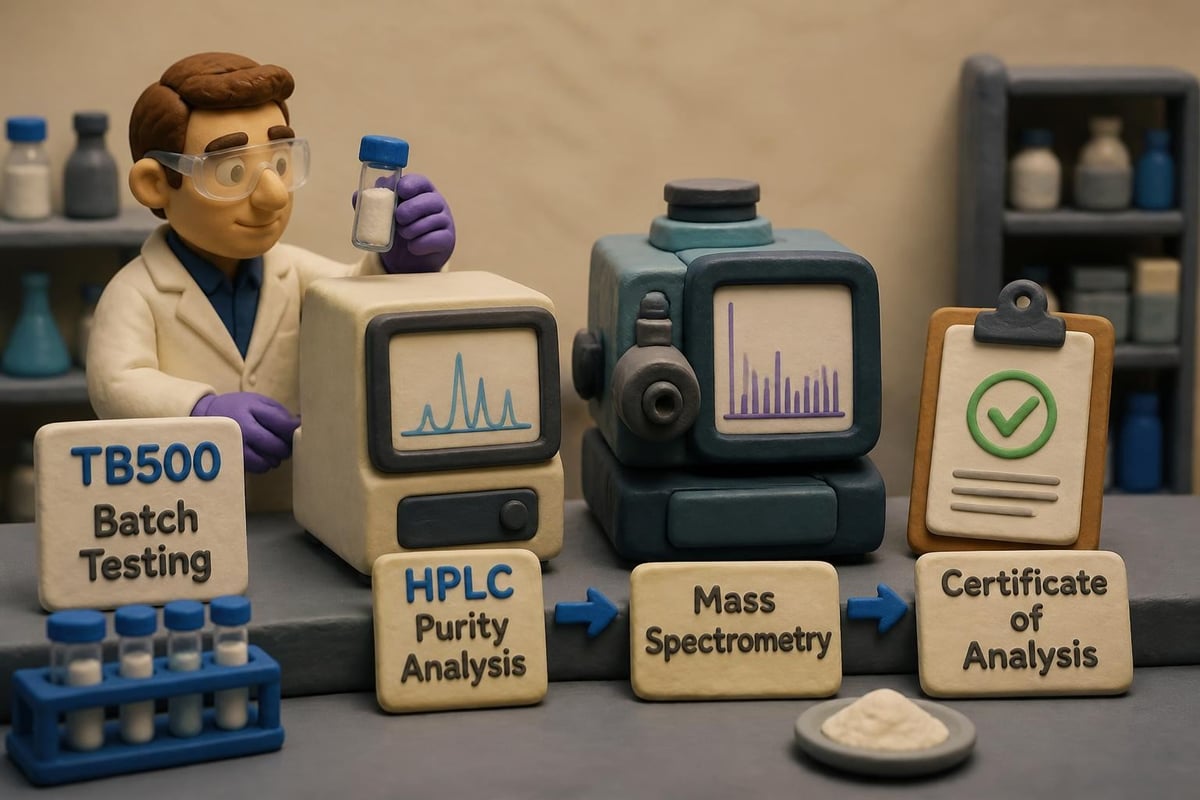
Purity levels represent the most critical specification. Research-grade peptides should demonstrate purity exceeding 98% as verified by high-performance liquid chromatography (HPLC). This analytical method separates compounds based on their chemical properties, providing precise purity measurements.
Essential Quality Markers
Third-party testing provides independent verification of peptide specifications. Reputable suppliers provide batch-specific certificates of analysis (COA) that document:
- HPLC purity analysis with chromatogram
- Mass spectrometry confirmation of molecular weight
- Endotoxin testing results
- Sterility verification for injectable preparations
- Heavy metal screening
Manufacturing location also impacts quality assurance. US-manufactured peptides operate under stricter regulatory oversight compared to international sources, providing additional confidence in production standards and contamination controls.
Proper storage and handling protocols preserve peptide integrity throughout the research timeline. Lyophilized (freeze-dried) TB-500 remains stable when stored at -20°C or below, protected from light and moisture. Once reconstituted with bacteriostatic water, the peptide solution requires refrigeration at 2-8°C and typically maintains stability for 2-4 weeks.
Regulatory Landscape and Compliance
Understanding the regulatory framework surrounding TB-500 is essential before researchers buy TB500 for laboratory use. The peptide's legal status varies significantly across jurisdictions and application contexts.
In the United States, TB-500 is not FDA-approved for human therapeutic use. The FDA has issued warning letters to companies marketing TB-500 for human consumption, clarifying that such activities violate federal regulations. The peptide remains classified as an investigational compound, permissible exclusively for laboratory research purposes.
The FDA status and regulatory context clarifies that TB-500 cannot be legally prescribed, compounded for patient use, or marketed as a dietary supplement. These restrictions apply specifically to human consumption, while legitimate research applications remain protected under scientific inquiry frameworks.
International Legal Status
The regulatory landscape extends beyond US borders, with global legal status varying across 158 countries. Many jurisdictions maintain similar restrictions, classifying TB-500 as a research chemical rather than an approved therapeutic agent.
Sports organizations have implemented particularly stringent restrictions. The World Anti-Doping Agency (WADA) explicitly prohibits TB-500, classifying it under Section S0 (Non-Approved Substances). Athletes testing positive face significant sanctions, and this prohibition extends to both competitive and training periods.
Research institutions must maintain rigorous documentation demonstrating legitimate scientific purposes when they buy TB500. Institutional Review Boards (IRBs) and Animal Care and Use Committees (IACUC) provide oversight ensuring research protocols meet ethical standards and regulatory requirements.
Sourcing Strategies for Research Laboratories
Identifying reliable suppliers represents a critical step in maintaining research quality and compliance. The peptide market includes both reputable manufacturers committed to research integrity and questionable vendors prioritizing profit over quality.
Legitimate research peptide suppliers clearly state that their products are intended solely for laboratory research applications. This distinction separates scientific suppliers from those marketing peptides for human consumption, a practice that violates federal regulations and raises serious quality concerns.
Supplier Evaluation Criteria
When evaluating where to buy TB500, researchers should assess multiple factors:
Transparency in testing: Suppliers should readily provide batch-specific COAs without requiring special requests. These documents should include comprehensive analytical data, not just verbal claims about purity.
Manufacturing standards: Look for peptides synthesized in facilities following Good Manufacturing Practices (GMP). While GMP certification isn't required for research chemicals, it indicates higher production standards and quality controls.
Customer support expertise: Knowledgeable technical support teams can address questions about handling, storage, and reconstitution protocols. This expertise suggests a supplier genuinely serving the research community rather than simply moving product.
Clear compliance messaging: Ethical suppliers explicitly state their products are not for human or animal consumption, demonstrating awareness of and adherence to regulatory frameworks.
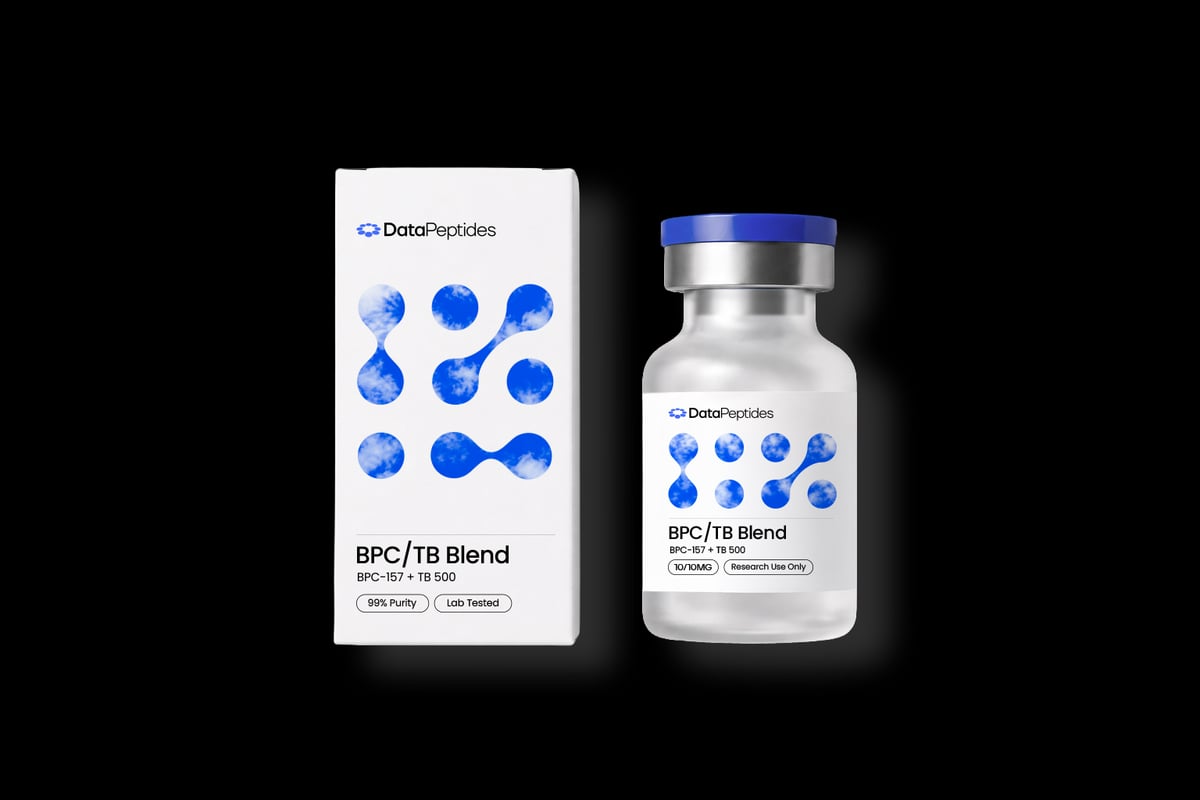
For laboratories focused on tissue repair and regenerative research, the BPC-157 / TB-500 blend offers a synergistic combination designed to comprehensively support healing mechanisms through complementary pathways.
Research Considerations and Study Design
Designing effective research protocols with TB-500 requires attention to multiple variables that influence outcomes and reproducibility. The peptide's hydroscopic nature demands careful reconstitution procedures, while its biological activity necessitates precise administration timing.
Reconstitution Best Practices
Proper reconstitution preserves peptide integrity and ensures accurate dosing:
- Allow lyophilized peptide to reach room temperature before opening the vial to prevent condensation
- Use bacteriostatic water as the reconstitution solvent for solutions intended for multiple uses
- Add solvent slowly along the vial wall rather than directly onto the peptide cake
- Avoid vigorous shaking that can denature the peptide; gentle swirling is sufficient
- Verify complete dissolution before transferring to storage or use
The reconstituted solution's concentration depends on the total peptide mass and solvent volume used. For a 5mg vial reconstituted with 2mL bacteriostatic water, the resulting concentration would be 2.5mg/mL, facilitating precise volume-based dosing.
Administration Variables
Research protocols must account for administration route, injection site, and timing relative to injury or intervention. Subcutaneous administration represents the most common route in published research, with injection sites rotated to minimize local irritation.
| Variable | Considerations | Research Notes |
|---|---|---|
| Injection Site | Abdomen, thigh, or shoulder area | Rotation prevents tissue irritation |
| Injection Depth | Subcutaneous (into fatty tissue) | Shallow angle, 6-8mm needle typical |
| Administration Timing | Pre-injury, post-injury, or chronic | Varies by research question |
| Dose Frequency | Daily to weekly | Depends on study phase and objectives |
Understanding potential risks and considerations helps researchers anticipate variables that might influence study outcomes and design appropriate controls.
Storage and Shelf Life Management
Maintaining peptide stability throughout the research timeline requires systematic storage protocols. When laboratories buy TB500, proper inventory management prevents degradation and ensures consistent results across study phases.
Lyophilized storage remains the most stable form. Unopened vials stored at -20°C typically maintain full potency for 12-24 months when protected from temperature fluctuations, light exposure, and moisture. Freezer storage should use ultra-low temperature units rather than standard refrigerator freezers to minimize degradation.
Avoid repeated freeze-thaw cycles that progressively damage peptide structure. Once removed from frozen storage, vials should either be reconstituted immediately or allowed to return to storage temperature within 30 minutes.
Reconstituted Solution Stability
Once reconstituted, TB-500 requires refrigerated storage at 2-8°C. Bacteriostatic water extends solution stability compared to sterile water, with properly stored solutions maintaining activity for 2-4 weeks. Some research protocols opt for single-use vials reconstituted immediately before administration to eliminate stability concerns entirely.
Light-resistant vials or aluminum foil wrapping protects photosensitive peptides from degradation. While TB-500 shows moderate light stability, protective measures remain prudent for maintaining optimal quality throughout extended studies.
Documentation of storage conditions, reconstitution dates, and usage logs supports research reproducibility and quality assurance. These records prove particularly valuable if unexpected results prompt investigation into material integrity.
Comparative Analysis with Related Peptides
TB-500 exists within a broader landscape of regenerative peptides, each offering distinct mechanisms and research applications. Understanding these relationships helps researchers select appropriate compounds for specific study objectives.
BPC-157, a gastric pentadecapeptide, shares some regenerative properties with TB-500 but operates through different pathways. While TB-500 primarily acts through actin regulation, BPC-157 influences growth factor expression, angiogenesis, and nitric oxide pathways. Some research protocols combine both peptides, investigating potential synergistic effects on tissue repair.
GHK-Cu, a copper-binding tripeptide, focuses heavily on collagen synthesis and remodeling processes. Its mechanisms complement TB-500's effects on cell migration and inflammation, making combination studies relevant for comprehensive tissue regeneration research.
Mechanism Comparison Table
| Peptide | Primary Mechanism | Key Applications | Typical Research Dose |
|---|---|---|---|
| TB-500 | Actin regulation, cell migration | Tissue repair, angiogenesis | 2-10mg weekly |
| BPC-157 | Growth factor modulation | GI tract, tendon repair | 250-500mcg daily |
| GHK-Cu | Collagen synthesis | Skin, wound healing | 1-3mg weekly |
| KPV | Anti-inflammatory | Inflammation studies | 500-1000mcg daily |
These peptides represent distinct tools for probing regenerative mechanisms, with selection depending on specific research questions and tissue targets.
Documentation and Record-Keeping
Rigorous documentation supports research integrity and reproducibility when working with TB-500. Comprehensive records should track material sourcing, storage conditions, preparation protocols, and administration details.
Material documentation includes supplier information, batch numbers, receipt dates, and associated certificates of analysis. This information enables traceability if questions arise about material quality or consistency across experimental phases.
Preparation logs record reconstitution dates, solvent types and volumes, calculated concentrations, and storage locations. These details prove essential for troubleshooting unexpected results or replicating successful protocols.
Administration Records
Detailed administration logs capture dose volumes, injection sites, timing relative to interventions, and any observed immediate responses. This granular documentation supports data analysis and helps identify patterns that might not be apparent from outcome measures alone.
When multiple researchers participate in studies, standardized documentation templates ensure consistency across team members. Digital lab notebooks provide additional benefits including automatic timestamping, backup redundancy, and simplified sharing with collaborators.
The comprehensive information available through specialized peptide resources can supplement internal documentation, providing context for protocol development and result interpretation.
Quality Assurance in Research Settings
Beyond initial sourcing considerations, ongoing quality assurance protocols maintain research integrity throughout peptide use. Regular verification steps catch potential issues before they compromise study outcomes.
Visual inspection of lyophilized peptides should confirm a uniform white to off-white powder without discoloration, clumping, or unusual odors. Reconstituted solutions should appear clear and colorless; cloudiness or precipitation suggests degradation or contamination.
Concentration verification through analytical testing provides confidence in dosing accuracy. While not practical for every vial, periodic HPLC analysis of reconstituted solutions verifies that handling and storage procedures maintain peptide integrity.
Contamination Prevention
Aseptic technique prevents bacterial contamination that could compromise research subjects or confound study results. Standard protocols include:
- Working in cleaned, disinfected areas
- Using sterile reconstitution supplies
- Employing proper injection techniques
- Storing reconstituted solutions appropriately
- Disposing of used materials safely
Research facilities should maintain standard operating procedures (SOPs) for peptide handling, ensuring all personnel follow consistent protocols regardless of individual experience levels.
Emerging Research Directions
Current research continues expanding understanding of TB-500's mechanisms and potential applications. Recent studies investigate the peptide's effects on neural tissue, exploring whether its regenerative properties extend to nervous system injuries. Early findings suggest possible benefits in peripheral nerve damage models, though comprehensive characterization remains ongoing.
Cardiac research represents another active area, with studies examining TB-500's effects on heart tissue following ischemic events. The peptide's ability to promote angiogenesis and reduce inflammation makes it relevant for investigating myocardial repair mechanisms.
Combination therapy research explores how TB-500 interacts with other regenerative compounds, growth factors, or therapeutic modalities. These studies aim to identify synergistic effects that might enhance tissue repair beyond what individual interventions achieve.
Understanding the evidence and safety profile accumulated through existing research informs protocol design for these emerging directions, building on established foundations while exploring new applications.
Practical Implementation for Research Teams
Successfully integrating TB-500 into research protocols requires coordination across multiple aspects of laboratory operations. Team training ensures all personnel understand handling requirements, administration techniques, and documentation expectations.
Protocol development should specify every parameter: sourcing requirements, storage conditions, reconstitution procedures, dosing schedules, and outcome measures. Detailed protocols enable consistent execution across study phases and facilitate protocol sharing with collaborators or reviewers.
Budget planning accounts for peptide costs, associated supplies (syringes, alcohol swabs, sharps containers), and analytical testing expenses. When researchers buy TB500, purchasing in appropriate quantities balances inventory management with cost efficiency while avoiding excessive stockpiling that risks degradation.
Safety Considerations for Research Personnel
While TB-500 is intended for research applications only, laboratory safety protocols protect personnel from accidental exposure. Standard precautions include:
- Wearing appropriate personal protective equipment (gloves, lab coats)
- Following sharps safety protocols to prevent needlestick injuries
- Maintaining proper ventilation in preparation areas
- Establishing clear procedures for spill management
- Documenting any accidental exposures per institutional requirements
These safety measures protect research teams while maintaining the integrity of laboratory environments.
Cost-Benefit Analysis for Research Budgets
Research budgets must balance peptide quality against financial constraints. When laboratories buy TB500, cost per milligram varies significantly based on purity levels, manufacturing standards, and supplier reputation.
Premium research-grade peptides command higher prices but deliver greater reliability and reproducibility. Lower-cost alternatives may seem attractive but often involve compromises in purity, testing verification, or customer support that ultimately undermine research value.
| Consideration | Budget Option | Premium Option | Impact on Research |
|---|---|---|---|
| Price per mg | $15-25 | $35-50 | Direct cost difference |
| Purity Level | 95-97% | 98-99%+ | Result reliability |
| Testing Documentation | Limited | Comprehensive | Quality confidence |
| Technical Support | Minimal | Extensive | Protocol assistance |
| Batch Consistency | Variable | Highly consistent | Reproducibility |
Calculating true research costs requires accounting for time invested in troubleshooting quality issues, repeated experiments due to inconsistent materials, and potential publication delays from unreliable results. These hidden costs often exceed any savings from budget-tier peptides.
The detailed overview and safety profile available through authoritative resources helps researchers make informed decisions about quality requirements for their specific applications.
TB-500 represents a valuable tool for laboratories investigating tissue repair, regenerative mechanisms, and cellular migration processes. When researchers buy TB500 from reputable suppliers that prioritize quality, transparency, and compliance, they establish a foundation for meaningful scientific inquiry and reproducible results. Data Peptides supplies laboratory-grade, US-manufactured research peptides with third-party batch testing for purity, supporting rigorous research protocols across regenerative science applications.