
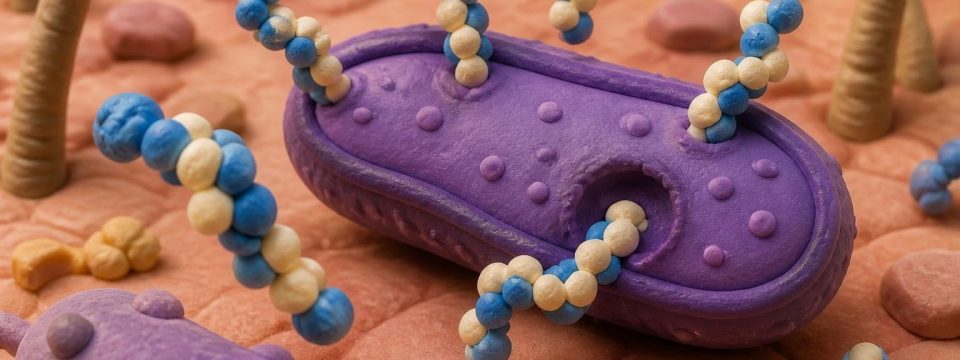
The scientific investigation of antimicrobial peptides has revealed numerous compounds with potential applications in research settings. Oligopeptide-10 stands out as a decapeptide-a chain of ten amino acids-that has demonstrated selective antimicrobial activity against specific bacterial strains. This synthetic peptide has become a subject of interest in laboratory settings for its targeted action against Gram-positive bacteria, particularly Cutibacterium acnes, the microorganism commonly associated with acne pathogenesis. For researchers and institutions engaged in peptide studies, understanding the biochemical properties and mechanisms of oligopeptide-10 provides valuable insights into antimicrobial peptide function and potential research directions.
Chemical Structure and Classification
Oligopeptide-10 belongs to the broader category of antimicrobial peptides (AMPs), which are naturally occurring or synthetic molecules that play roles in innate immunity across various organisms. The "oligo" prefix indicates its relatively short chain length, comprising exactly ten amino acid residues in a specific sequence.
Peptide Architecture
The molecular structure of oligopeptide-10 features a carefully arranged sequence of amino acids that determines its biological activity and specificity. Each amino acid contributes unique chemical properties-hydrophobic, hydrophilic, charged, or neutral-that collectively influence the peptide's three-dimensional conformation and functional characteristics.
Key structural features include:
- Defined amino acid sequence: The precise order of ten amino acids determines antimicrobial specificity
- Molecular weight: Approximately 1,000-1,500 Daltons, typical for decapeptides
- Stability profile: Demonstrates resistance to certain enzymatic degradation pathways
- Solubility characteristics: Generally water-soluble, facilitating laboratory formulation
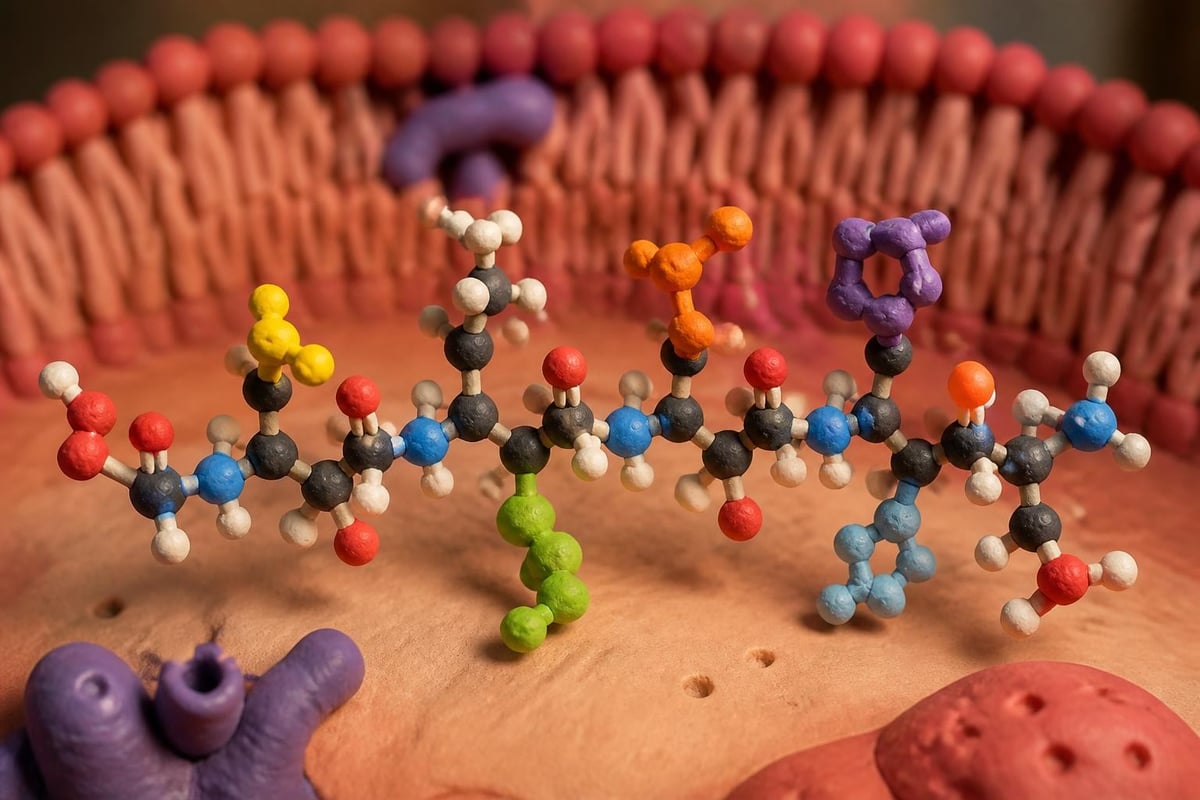
The chemical synthesis of oligopeptide-10 follows standard solid-phase peptide synthesis (SPPS) methodologies, allowing for high-purity production suitable for research applications. This synthetic approach ensures batch-to-batch consistency and enables precise quality control measures.
Mechanism of Antimicrobial Action
Understanding how oligopeptide-10 exerts its antimicrobial effects requires examination of peptide-bacterial membrane interactions and subsequent cellular consequences. The comprehensive mechanisms of Oligopeptide-10 involve multiple steps that ultimately compromise bacterial viability.
Bacterial Membrane Interaction
The primary mechanism involves electrostatic attraction between the positively charged regions of oligopeptide-10 and negatively charged components of bacterial cell membranes. Gram-positive bacteria, including Cutibacterium acnes, possess cell walls rich in teichoic acids and other anionic polymers that facilitate this initial binding step.
Once attached to the bacterial surface, oligopeptide-10 can integrate into the lipid bilayer of the cytoplasmic membrane. This integration disrupts membrane integrity through several potential pathways:
- Pore formation: Peptide molecules aggregate to create transmembrane channels
- Membrane thinning: Insertion alters lipid packing and reduces membrane thickness
- Lipid domain disruption: Interference with organized lipid microdomains
- Depolarization: Loss of membrane potential necessary for cellular functions
| Mechanism | Effect on Bacteria | Timeframe |
|---|---|---|
| Initial binding | Electrostatic attachment to cell surface | Minutes |
| Membrane insertion | Disruption of lipid bilayer organization | Minutes to hours |
| Pore formation | Increased permeability and ion leakage | Hours |
| Cell death | Complete loss of membrane integrity | Hours |
Selectivity for Gram-Positive Bacteria
The selective activity of oligopeptide-10 against Gram-positive bacteria over Gram-negative strains relates to structural differences in bacterial cell envelopes. Gram-positive organisms have a thick peptidoglycan layer but lack the outer membrane characteristic of Gram-negative bacteria.
Research indicates that oligopeptide-10 demonstrates particularly strong activity against Cutibacterium acnes (formerly Propionibacterium acnes), making it relevant for studies involving this bacterium. The peptide's specificity profile has been documented in laboratory studies examining its antimicrobial properties and effectiveness across various bacterial strains.
Research Applications and Study Protocols
In laboratory settings, oligopeptide-10 serves multiple research purposes, from basic antimicrobial peptide studies to investigations of bacterial resistance mechanisms. Researchers utilize this peptide to explore fundamental questions about peptide-membrane interactions and antimicrobial efficacy.
In Vitro Antimicrobial Assays
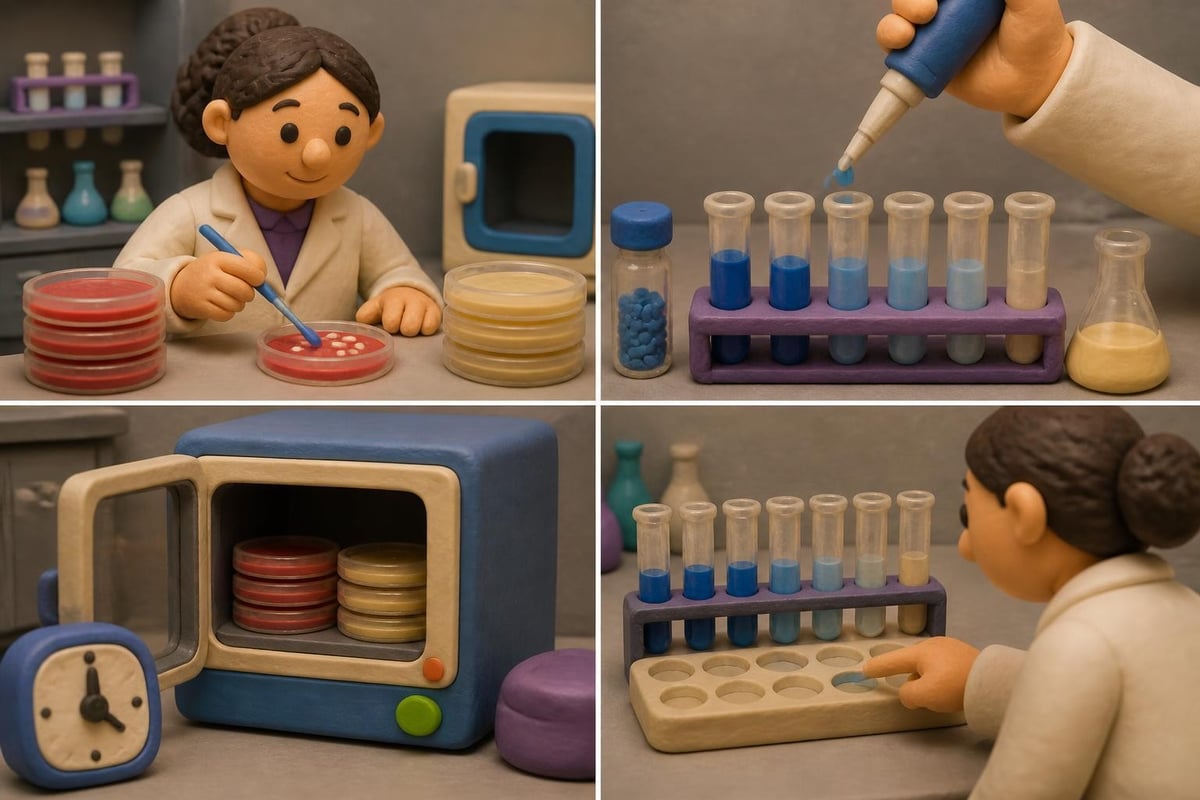
Standard research protocols for evaluating oligopeptide-10 include minimum inhibitory concentration (MIC) determinations, time-kill studies, and bacterial growth curve analyses. These assays provide quantitative data on antimicrobial potency and kinetics.
Common research methodologies:
- Broth microdilution assays for MIC determination
- Agar diffusion studies for zone of inhibition measurements
- Flow cytometry for membrane integrity assessment
- Scanning electron microscopy for morphological changes
- Fluorescence-based viability assays
Researchers must maintain strict protocols regarding peptide storage, reconstitution, and handling to ensure data reproducibility. Like all research peptides available through suppliers such as Data Peptides, oligopeptide-10 requires proper laboratory conditions and is intended exclusively for research use, not for human or animal consumption.
Combination Studies
An important area of investigation involves examining oligopeptide-10 in combination with other antimicrobial agents or peptides. These studies help elucidate synergistic effects, additive interactions, or potential antagonism when multiple compounds are present.
Research on oligopeptide associations with infectious disease applications has expanded through computational modeling approaches that predict peptide-pathogen interactions. These predictive frameworks complement traditional wet-laboratory methods and accelerate hypothesis generation.
Formulation Considerations for Research
Proper formulation of oligopeptide-10 for laboratory experiments requires attention to several physicochemical factors that influence stability and activity. Understanding these variables ensures reliable experimental outcomes and accurate data interpretation.
Solubility and Reconstitution
Oligopeptide-10 typically arrives in lyophilized (freeze-dried) form, requiring reconstitution before use. The choice of solvent depends on the specific experimental design and downstream applications.
Reconstitution guidelines:
- Use sterile water or appropriate buffer solutions
- Gentle mixing rather than vigorous vortexing prevents peptide aggregation
- Allow adequate time for complete dissolution
- Verify pH of final solution for optimal stability
- Consider concentration-dependent solubility limits
The formulation compatibility of Oligopeptide-10 with other research compounds should be evaluated before creating complex experimental solutions. Some buffers, salts, or organic solvents may affect peptide stability or antimicrobial activity.
Storage and Stability
Maintaining peptide integrity throughout the research timeline requires proper storage protocols. Lyophilized oligopeptide-10 generally exhibits excellent stability when stored correctly, but reconstituted solutions have more limited shelf life.
| Storage Condition | Form | Recommended Duration | Temperature |
|---|---|---|---|
| Long-term storage | Lyophilized powder | 12-24 months | -20°C or below |
| Working solution | Reconstituted in water | 1-2 weeks | 2-8°C |
| Working solution | Reconstituted in buffer | 3-7 days | 2-8°C |
| Avoid | Any form | N/A | Freeze-thaw cycles |
For laboratories conducting extended research protocols, preparing aliquots of reconstituted peptide and storing them at -80°C can minimize degradation while maintaining convenient access to working solutions.
Safety Profile and Laboratory Handling
Laboratory personnel working with oligopeptide-10 should follow standard peptide handling procedures and institutional safety protocols. While this compound has been studied for various applications, its use must remain confined to controlled research environments.
Handling Precautions
Research-grade peptides require careful handling to protect both the researcher and the integrity of the compound. Standard laboratory safety practices apply, with additional considerations specific to peptide research.
Laboratory best practices include:
- Wearing appropriate personal protective equipment (PPE)
- Working in properly ventilated areas or biosafety cabinets when appropriate
- Avoiding aerosol generation during reconstitution
- Properly disposing of peptide-containing solutions according to institutional protocols
- Maintaining detailed records of peptide usage and storage
The safety profile of oligopeptide-10 has been evaluated in various research contexts, indicating low irritation and sensitization potential in controlled studies. However, these findings pertain to specific experimental conditions and do not apply to unrestricted use outside laboratory settings.
Regulatory Compliance
Institutions conducting research with oligopeptide-10 must ensure compliance with relevant regulatory frameworks governing peptide research. This includes proper documentation, institutional review board oversight where applicable, and adherence to biosafety guidelines.
Research peptides from reputable suppliers undergo rigorous quality control measures, including purity verification through high-performance liquid chromatography (HPLC) and mass spectrometry. Third-party batch testing provides additional assurance of product quality and consistency.
Comparative Analysis with Other Antimicrobial Peptides
Oligopeptide-10 occupies a specific niche within the broader landscape of antimicrobial peptides used in research. Comparing its properties with other AMPs helps researchers select appropriate compounds for specific experimental objectives.
Structure-Activity Relationships
The ten-amino-acid length of oligopeptide-10 represents a middle ground between very short peptides (3-5 residues) and longer antimicrobial sequences (20-50 residues). This intermediate size offers advantages in terms of synthesis cost, stability, and membrane-penetrating capability.
Comparison with peptide classes:
- Shorter peptides (3-7 amino acids): Often less specific, broader spectrum, higher concentrations needed
- Oligopeptide-10 (10 amino acids): Balanced specificity, manageable synthesis, targeted activity
- Longer AMPs (15-50 amino acids): Enhanced specificity, complex structures, higher production costs
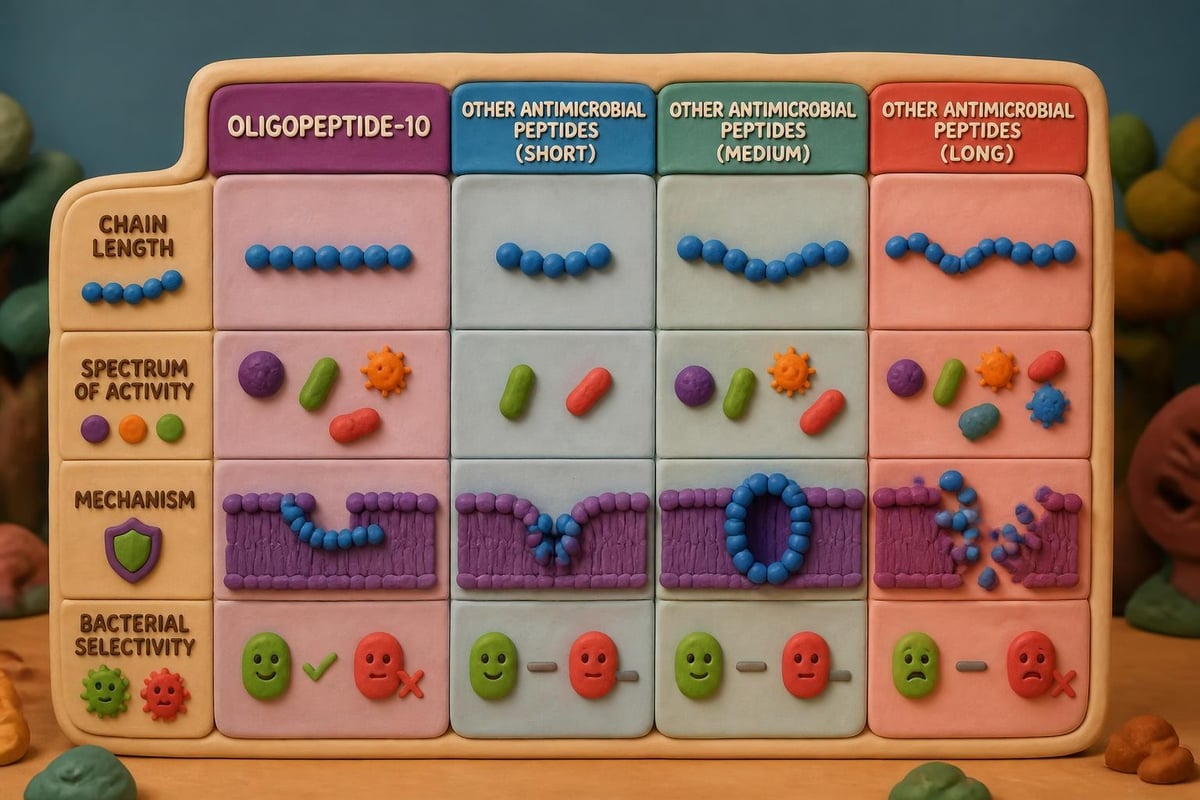
The anti-acne research applications of Oligopeptide-10 distinguish it from broader-spectrum antimicrobial peptides that lack specificity for Cutibacterium acnes. This selectivity makes it particularly valuable for targeted bacterial studies.
Efficacy Concentrations
Research has established that oligopeptide-10 demonstrates antimicrobial activity at relatively low concentrations compared to some other peptides. The recommended usage levels in research applications typically range from 0.01% to 0.1% in experimental formulations, though optimal concentrations vary based on specific research objectives.
| Peptide Type | Typical Active Range | Primary Targets | Mechanism |
|---|---|---|---|
| Oligopeptide-10 | 0.01-0.1% | C. acnes, select Gram-positive | Membrane disruption |
| Defensins | 0.05-0.5% | Broad spectrum | Pore formation |
| Cathelicidins | 0.1-1.0% | Broad spectrum | Multiple mechanisms |
| Short AMPs | 0.5-2.0% | Variable | Variable |
Quality Control and Analytical Methods
Ensuring the purity and identity of oligopeptide-10 in research settings requires robust analytical methodologies. Researchers should verify peptide quality before initiating experimental protocols and periodically throughout extended studies.
Purity Assessment
High-performance liquid chromatography (HPLC) serves as the primary method for assessing oligopeptide-10 purity. This technique separates the target peptide from potential impurities, truncated sequences, or synthesis byproducts.
Key analytical parameters:
- HPLC purity: Should exceed 95% for most research applications
- Mass spectrometry confirmation: Verifies correct molecular weight
- Amino acid analysis: Confirms sequence composition
- Moisture content: Affects accurate mass calculations
- Bacterial endotoxin testing: Ensures absence of contaminating pyrogens
Reputable peptide suppliers provide certificates of analysis (COA) documenting these quality metrics. Researchers can access certificates of analysis to verify batch-specific purity data and ensure compliance with research standards.
Identity Verification
Beyond purity, confirming the correct identity of oligopeptide-10 prevents experimental errors arising from mislabeled or substituted compounds. Mass spectrometry provides definitive identification by measuring the exact molecular weight and can reveal sequence variations.
For laboratories conducting large-scale or long-term studies with oligopeptide-10, periodic reanalysis of stored peptide stocks helps detect potential degradation or contamination that might compromise experimental validity.
Experimental Design Considerations
Designing rigorous experiments with oligopeptide-10 requires careful planning to account for variables that influence antimicrobial activity and data interpretation. Researchers should consider multiple factors when developing protocols.
Concentration-Response Studies
Establishing dose-response relationships provides fundamental data about oligopeptide-10's antimicrobial potency. These studies typically employ serial dilutions across multiple log concentrations to determine MIC values and characterize concentration-dependent effects.
Protocol elements for concentration studies:
- Start concentration at least 10-fold above expected MIC
- Use log-scale dilution series (e.g., 2-fold or 10-fold steps)
- Include positive and negative controls
- Replicate across multiple independent experiments
- Account for bacterial inoculum density effects
The choice of bacterial growth medium can significantly influence observed antimicrobial activity. Rich media may contain components that bind peptides or interfere with membrane interactions, while minimal media may enhance peptide efficacy.
Time-Course Experiments
Understanding the kinetics of oligopeptide-10's antimicrobial action requires time-resolved measurements of bacterial viability. These experiments reveal whether the peptide acts bacteriostatically (inhibiting growth) or bactericidally (killing bacteria).
Time-kill curves track bacterial colony-forming units (CFU) over hours or days following peptide exposure. Rapid reduction in CFU indicates bactericidal activity, while growth inhibition without cell death suggests bacteriostatic effects.
Integration with Other Research Compounds
Many research laboratories explore oligopeptide-10 alongside other peptides or compounds to understand synergistic interactions or comparative efficacy. While oligopeptide-10 has specific antimicrobial properties, researchers often investigate complementary peptides with different mechanisms.
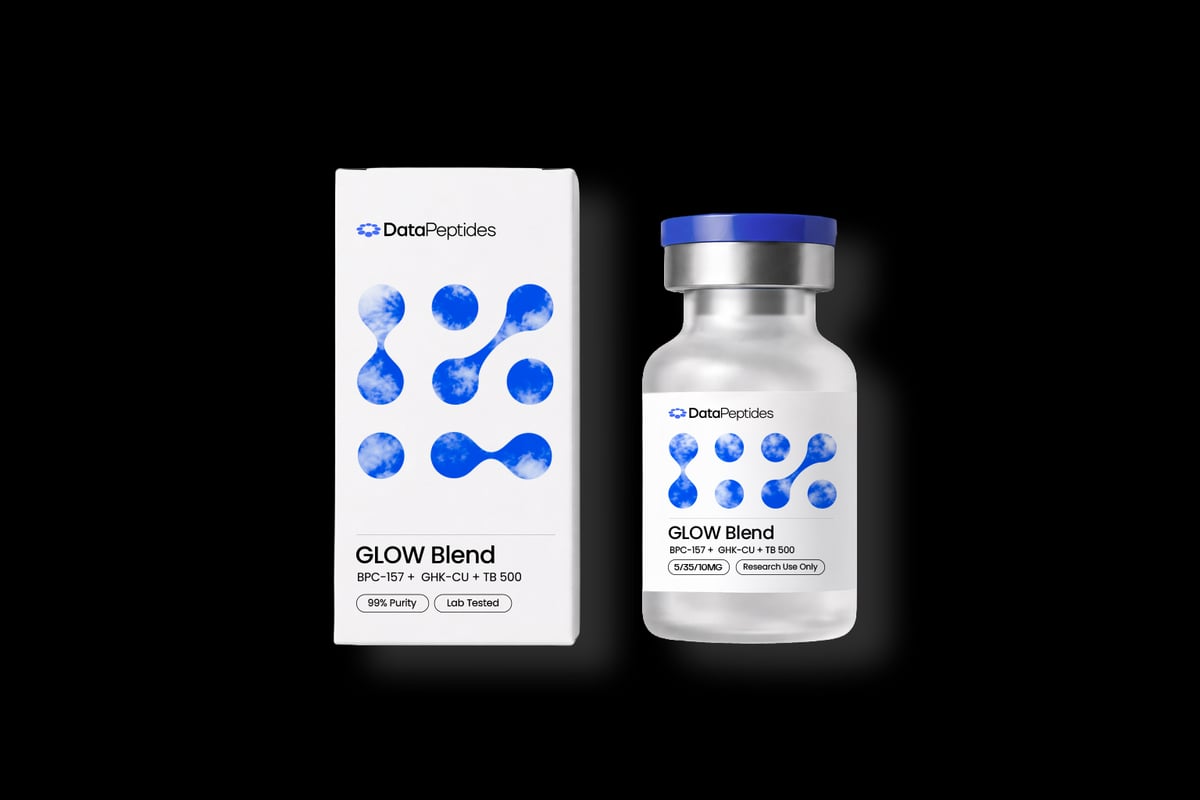
For instance, laboratories studying tissue repair and antimicrobial defense might examine oligopeptide-10's bacterial inhibition properties in conjunction with regenerative peptides. The GLOW Blend combines peptides like GHK-Cu, TB-500, and BPC-157 to support tissue regeneration and recovery processes. While oligopeptide-10 focuses on antimicrobial activity, understanding how antimicrobial and regenerative peptides function in complex biological systems represents an important research frontier.
Complementary Research Approaches
Integrating oligopeptide-10 studies with broader peptide research programs enables comprehensive investigation of biological processes. Researchers might examine bacterial susceptibility to oligopeptide-10 before and after tissue injury, during inflammation, or in the presence of other biological modifiers.
This systems-level approach provides richer data about how antimicrobial peptides function within complex biological contexts rather than isolated bacterial cultures. Such research contributes to understanding innate immunity, host-pathogen interactions, and potential therapeutic development pathways.
Advanced Research Directions
Current research trajectories with oligopeptide-10 extend beyond basic antimicrobial characterization into more sophisticated areas of peptide science. These advanced applications leverage modern analytical techniques and computational approaches.
Resistance Development Studies
An important research question involves whether bacterial populations develop resistance to oligopeptide-10 following repeated or prolonged exposure. Serial passage experiments, where bacteria are repeatedly cultured in sub-lethal peptide concentrations, can reveal resistance evolution dynamics.
Resistance study protocols:
- Culture bacteria in sub-MIC oligopeptide-10 concentrations
- Passage cultures daily for weeks or months
- Periodically assess MIC changes
- Characterize resistant isolates through genomic sequencing
- Determine if resistance is stable or reversible
Understanding resistance mechanisms helps researchers design better experimental controls and contributes to broader knowledge about antimicrobial peptide resistance patterns.
Computational Modeling
Molecular dynamics simulations and computational chemistry approaches enable researchers to model oligopeptide-10's interactions with bacterial membranes at atomic resolution. These in silico methods complement wet-laboratory experiments and can predict structural modifications that might enhance activity.
Advanced computational frameworks can also predict interactions between oligopeptide-10 and various bacterial targets, helping prioritize experimental testing and accelerate research timelines.
Interdisciplinary Applications
Oligopeptide-10 research intersects multiple scientific disciplines, from microbiology and biochemistry to computational biology and materials science. This interdisciplinary nature creates opportunities for innovative research approaches.
Biofilm Research
Bacterial biofilms-structured communities of microorganisms encased in extracellular matrix-present significant challenges for antimicrobial compounds. Research examining oligopeptide-10's ability to penetrate biofilms or prevent biofilm formation contributes to understanding these complex bacterial systems.
Biofilm studies require specialized protocols that differ from planktonic bacterial assays, including longer incubation periods, biofilm quantification methods, and consideration of matrix-peptide interactions.
Delivery System Development
Researchers exploring peptide delivery mechanisms may investigate oligopeptide-10 as a model compound for developing novel formulation strategies. Encapsulation in nanoparticles, incorporation into hydrogels, or conjugation to targeting molecules represent potential research directions.
These studies advance both fundamental understanding of peptide delivery and practical knowledge applicable to other research peptides in laboratory settings.
Oligopeptide-10 represents a valuable research tool for investigating antimicrobial peptide mechanisms, bacterial susceptibility patterns, and peptide-membrane interactions in controlled laboratory environments. Its selective activity against Gram-positive bacteria, particularly Cutibacterium acnes, makes it particularly relevant for targeted antimicrobial studies. For researchers seeking laboratory-grade peptides manufactured to rigorous quality standards, Data Peptides supplies third-party tested research compounds intended exclusively for scientific investigation. Every batch undergoes comprehensive purity verification to ensure reliable, reproducible experimental outcomes for advancing peptide research.