
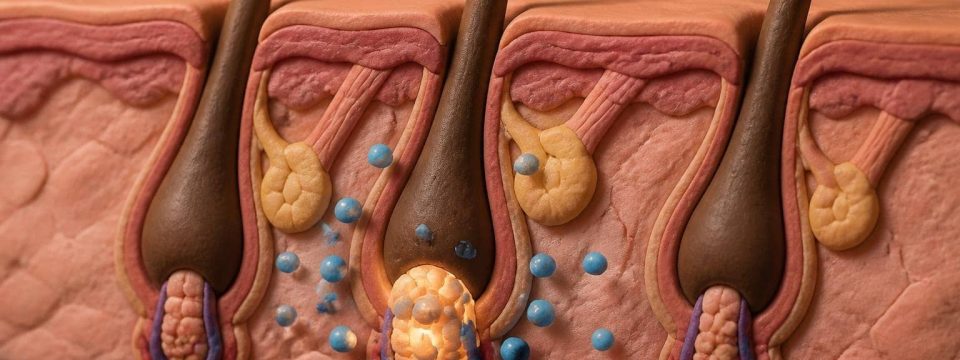
The peptide research landscape continues to expand with novel compounds that demonstrate unique biological mechanisms. Among these emerging molecules, ahk cu has captured significant attention within the scientific community for its role in hair follicle biology and dermal tissue regeneration. This tripeptide copper complex represents a focused approach to understanding cellular proliferation, collagen synthesis, and the molecular pathways that govern hair growth cycles. As laboratories worldwide investigate therapeutic targets for alopecia and tissue repair, ahk cu provides researchers with a valuable tool for examining copper-dependent biological processes at the cellular level.
Understanding the Molecular Structure of AHK-Cu
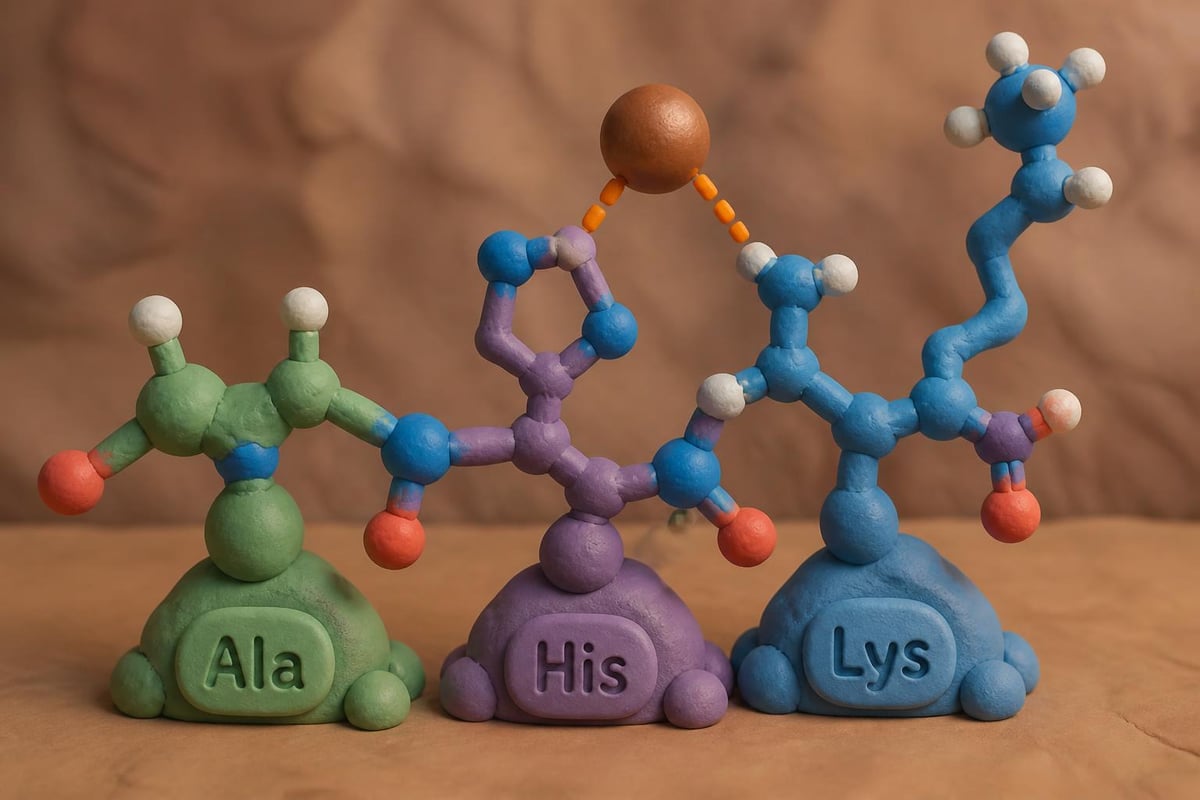
AHK-Cu consists of three amino acids-alanine, histidine, and lysine-complexed with a copper ion. This specific sequence and metal coordination create a molecule with distinct biochemical properties. Research on AHK-Cu’s molecular structure reveals how the copper binding enhances the peptide's stability and biological activity compared to uncomplexed amino acid sequences.
The copper component plays a critical role in the peptide's mechanism of action. Copper ions participate in numerous enzymatic reactions throughout the body, particularly those involving collagen formation and cellular proliferation. When bound to the AHK sequence, the copper becomes more bioavailable to target tissues, allowing for more efficient cellular uptake and utilization.
Structural Characteristics and Stability
The tripeptide structure of ahk cu offers several advantages for laboratory research. Its relatively small size facilitates cellular penetration, while the copper chelation provides protective effects against rapid degradation. These characteristics make it particularly suitable for in vitro studies examining cellular responses to copper-peptide complexes.
Key structural features include:
- Tripeptide composition with specific amino acid sequence
- Copper ion chelation through histidine coordination
- Enhanced stability compared to free copper ions
- Improved bioavailability for cellular studies
- Molecular weight conducive to membrane transport
Mechanisms of Action in Hair Follicle Biology
The primary research interest in ahk cu centers on its effects within hair follicle structures, particularly the dermal papilla cells that regulate the hair growth cycle. Laboratory studies have demonstrated that this copper peptide influences multiple cellular pathways simultaneously, creating a cascade of biological responses that extend the anagen (growth) phase of hair follicles.
According to detailed dosing guidelines and research protocols, ahk cu appears to modulate gene expression in dermal papilla cells, upregulating factors associated with cell proliferation and downregulating those linked to apoptosis. This shift in cellular programming may explain the observed extension of the growth phase in experimental models.
Cellular Proliferation Pathways
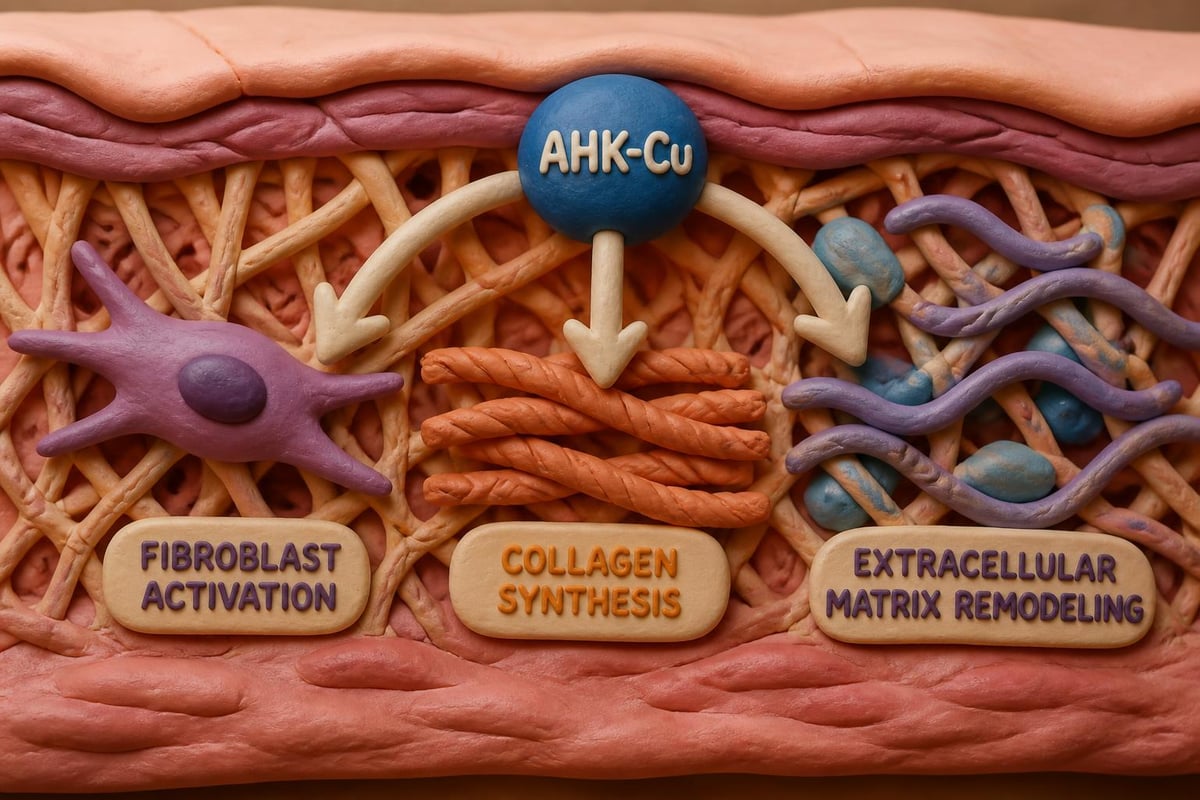
One fundamental mechanism involves the activation of fibroblast growth factors. When dermal papilla cells are exposed to ahk cu in controlled settings, researchers observe increased expression of FGF-7 and other growth factors critical for keratinocyte proliferation. These keratinocytes form the structural components of the hair shaft, and their enhanced proliferation directly correlates with hair growth parameters in research models.
The copper component specifically activates lysyl oxidase, an enzyme essential for collagen and elastin cross-linking. This enzymatic activity strengthens the extracellular matrix surrounding hair follicles, providing structural support that may influence follicle anchoring and hair shaft integrity.
| Pathway | Effect | Research Application |
|---|---|---|
| FGF-7 Expression | Increased keratinocyte proliferation | Hair growth cycle studies |
| Lysyl Oxidase Activity | Enhanced collagen cross-linking | Dermal matrix research |
| Anagen Extension | Prolonged growth phase | Alopecia modeling |
| Apoptosis Modulation | Reduced programmed cell death | Follicle preservation studies |
Research Applications in Dermal Regeneration
Beyond hair follicle biology, ahk cu has emerged as a valuable research tool for investigating broader dermal regeneration processes. The peptide's influence on collagen synthesis makes it relevant for studies examining wound healing, skin aging, and tissue remodeling. Laboratories conducting mechanistic studies on AHK-Cu’s regenerative properties have identified multiple points of intervention within dermal fibroblast function.
Collagen production represents a cornerstone of dermal integrity. As skin ages or sustains damage, collagen synthesis decreases while degradation accelerates. Research models using ahk cu demonstrate restoration of this balance, with treated fibroblasts showing increased production of both type I and type III collagen. These findings contribute to understanding how copper-peptide complexes might influence age-related changes in dermal architecture.
Extracellular Matrix Remodeling
The extracellular matrix provides structural scaffolding for all dermal cells and directly influences cellular behavior through mechanical and biochemical signaling. Studies examining ahk cu's effects on matrix metalloproteinases (MMPs) reveal a regulatory influence on these collagen-degrading enzymes.
Specifically, research indicates that ahk cu may help balance MMP activity, preventing excessive collagen breakdown while still allowing necessary tissue remodeling. This balanced approach differs from complete MMP inhibition, which can paradoxically impair healing by preventing the clearance of damaged matrix components.
- Enhanced collagen I and III synthesis in fibroblast cultures
- Balanced MMP-1 and MMP-2 expression for controlled remodeling
- Increased glycosaminoglycan production for hydration support
- Improved elastin fiber organization in dermal equivalents
- Accelerated re-epithelialization in wound healing models
Comparative Analysis with Other Copper Peptides
The peptide research field includes several copper-containing sequences, each with distinct properties and research applications. While GHK-Cu remains the most extensively studied copper peptide, ahk cu offers unique characteristics that make it particularly valuable for specific research questions. Understanding these differences helps laboratories select appropriate compounds for their experimental designs.
GHK-Cu peptide formulations contain a different amino acid sequence (glycine-histidine-lysine) and demonstrate broader regenerative effects across multiple tissue types. In contrast, ahk cu appears more specialized for hair follicle research, with concentrated effects on dermal papilla cell function.
Specificity and Tissue Targeting
Research comparing ahk cu and GHK-Cu reveals important distinctions in their biological activities. While both peptides deliver copper ions and stimulate collagen production, their amino acid sequences create different binding affinities and cellular uptake patterns. Studies using various copper peptide formulations demonstrate that ahk cu shows preferential activity in hair follicle structures, making it an optimal choice for alopecia research models.
The alanine residue at the N-terminus of ahk cu may contribute to its specific activity profile. This small, nonpolar amino acid influences the peptide's overall hydrophobicity and membrane interactions, potentially affecting its distribution within dermal tissues.
| Peptide | Sequence | Primary Research Focus | Tissue Specificity |
|---|---|---|---|
| AHK-Cu | Ala-His-Lys-Cu | Hair follicle biology | Dermal papilla cells |
| GHK-Cu | Gly-His-Lys-Cu | Broad regeneration | Multiple tissue types |
| Copper Ions (Free) | Cu²⁺ | Basic copper biology | Non-specific |
Experimental Protocols and Research Methodologies
Laboratories investigating ahk cu employ various experimental designs depending on their research objectives. In vitro studies using cultured dermal papilla cells or keratinocytes provide controlled environments for examining direct cellular responses. These systems allow researchers to isolate specific variables and measure precise molecular outcomes.
Comprehensive research applications for AHK-Cu include dose-response studies, time-course analyses, and combination experiments with other growth factors or signaling molecules. Concentration ranges typically span from nanomolar to micromolar levels, with optimal effects often observed in the low micromolar range.
In Vitro Study Designs
Cell culture models represent the foundation of ahk cu research. Dermal papilla cells isolated from hair follicles provide direct insight into the peptide's effects on the cells that regulate hair growth. Researchers measure proliferation rates using MTT assays or cell counting, gene expression changes through RT-PCR or RNA sequencing, and protein production via Western blotting or ELISA.
Three-dimensional culture systems add complexity and physiological relevance to ahk cu studies. Organotypic hair follicle cultures maintain the structural organization of complete follicles, allowing researchers to observe effects on the entire follicular unit rather than isolated cell populations.
Common experimental parameters:
- Concentration range: 0.1 to 100 μM in most cellular studies
- Treatment duration: 24-72 hours for acute effects, 7-14 days for sustained responses
- Culture conditions: Standard tissue culture (37°C, 5% CO₂, appropriate media)
- Readout measures: Proliferation, gene expression, protein synthesis, morphological changes
- Control groups: Untreated cells, copper-only controls, vehicle controls
Safety Considerations and Research Guidelines
While ahk cu shows promising results in laboratory research, proper handling and experimental design remain critical for obtaining reliable, reproducible data. The peptide's copper content requires attention to storage conditions, as copper can catalyze oxidative reactions that degrade both the peptide and surrounding biomolecules.
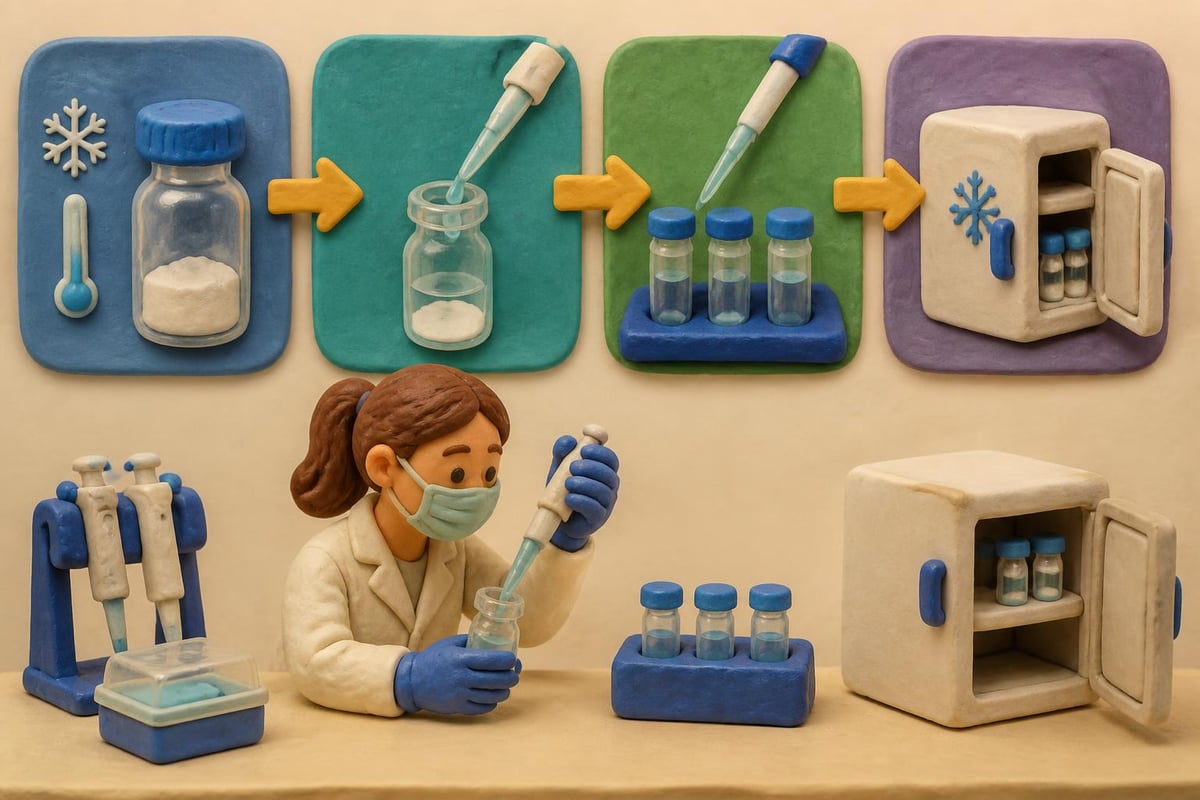
Safety and research guidelines for AHK-Cu emphasize the importance of proper reconstitution, storage at appropriate temperatures (typically -20°C or -80°C for long-term storage), and protection from light. These precautions preserve peptide integrity and ensure experimental consistency across multiple trials.
Storage and Handling Protocols
Lyophilized ahk cu demonstrates good stability when stored properly. However, once reconstituted in solution, the peptide becomes more susceptible to degradation. Researchers typically prepare working solutions fresh for each experiment or store reconstituted peptide in single-use aliquots to minimize freeze-thaw cycles.
The choice of reconstitution buffer influences peptide stability and biological activity. Sterile water or phosphate-buffered saline are common choices, though some protocols employ slightly acidic conditions to enhance copper chelation stability. Research-grade materials from established suppliers ensure consistency in experimental outcomes.
Integration with Broader Peptide Research
The study of ahk cu exists within the larger context of peptide science, where researchers investigate how short amino acid sequences influence biological processes. This copper peptide complements other regenerative peptides under investigation, including those focused on wound healing, tissue repair, and anti-aging mechanisms.
For example, laboratories studying comprehensive tissue repair often combine ahk cu with other research peptides that target different aspects of regeneration. BPC-157 peptide research focuses on gastrointestinal and musculoskeletal tissue repair through distinct mechanisms involving growth factor modulation and angiogenesis. When researchers design experiments examining multiple regenerative pathways simultaneously, combining ahk cu with complementary peptides like BPC-157 can reveal synergistic effects or pathway interactions.
Multi-Peptide Research Approaches
The complexity of biological systems often requires multi-targeted approaches to fully understand regenerative processes. Hair follicle health, for instance, depends not only on dermal papilla cell function but also on adequate blood supply, proper inflammatory regulation, and supportive extracellular matrix composition.
Research protocols incorporating ahk cu alongside peptides that address vascular support or inflammatory modulation provide more complete models of hair follicle biology. These combination studies help identify whether individual peptides work through independent mechanisms or share common pathways that might lead to redundant effects.
Current Research Directions and Future Applications
The scientific understanding of ahk cu continues to evolve as new research emerges from laboratories worldwide. Recent findings on AHK-Cu’s clinical applications suggest expanding research into optimization of delivery methods, combination protocols, and long-term effects in various experimental models.
Current research directions include investigating how ahk cu might be modified to enhance its activity or specificity. Amino acid substitutions, alternative copper chelation strategies, and conjugation with carrier molecules represent active areas of exploration. These modifications aim to improve cellular uptake, extend biological half-life, or target specific follicle regions more precisely.
Emerging Research Questions
Several fundamental questions remain about ahk cu's mechanisms and potential applications. Researchers are investigating whether the peptide's effects depend primarily on copper delivery or if the specific amino acid sequence provides additional signaling functions independent of the metal ion.
The temporal dynamics of ahk cu's effects also warrant further study. Understanding whether the peptide induces transient changes in gene expression or establishes sustained alterations in cellular programming will inform optimal experimental designs and treatment protocols.
- Dose-response optimization across different cell types and species
- Duration of biological effects after single versus repeated exposure
- Interaction with endogenous growth factors and signaling molecules
- Comparative efficacy across different hair follicle stages
- Potential applications beyond hair follicle research
Analytical Characterization and Quality Control
Rigorous analytical methods ensure that ahk cu used in research meets appropriate purity and composition standards. High-performance liquid chromatography (HPLC) provides separation and quantification of the peptide, while mass spectrometry confirms its molecular weight and structure. These techniques detect potential contaminants or degradation products that might confound experimental results.
Quality verification of AHK-Cu peptide powder includes assessment of copper content through inductively coupled plasma mass spectrometry (ICP-MS) or atomic absorption spectroscopy. The ratio of copper to peptide significantly impacts biological activity, making this measurement critical for experimental reproducibility.
Purity Standards and Testing
Research-grade peptides typically meet minimum purity thresholds of 95% or higher, with many suppliers providing products exceeding 98% purity. This high purity reduces variability introduced by contaminants and ensures that observed biological effects result from the peptide itself rather than impurities.
Third-party testing adds an additional layer of quality assurance. Independent laboratories verify supplier claims regarding purity, composition, and concentration, providing researchers with confidence in their experimental materials. Certificate of analysis (COA) documents accompanying each batch detail these testing results and allow laboratories to maintain proper documentation for their research records.
Experimental Variables and Result Interpretation
Successful ahk cu research requires careful attention to multiple experimental variables that can influence outcomes. Cell passage number, culture density, media composition, and environmental conditions all affect how cells respond to peptide treatment. Standardizing these variables across experiments improves reproducibility and allows meaningful comparisons between studies.
Research protocols and dosing information emphasize the importance of proper experimental controls. These include vehicle-only controls to account for any effects of the reconstitution buffer, copper-only controls to distinguish peptide-specific effects from simple copper delivery, and positive controls using established hair growth factors.
Statistical Considerations
Adequate sample sizes and appropriate statistical analyses ensure that observed effects represent genuine biological responses rather than random variation. Most cell culture studies employ at least triplicate wells or samples for each experimental condition, with experiments repeated multiple times to confirm consistency.
The magnitude of effect provides context for biological significance. While statistical significance indicates that an effect is unlikely due to chance, the practical importance depends on the size of the change. A 10% increase in cell proliferation may reach statistical significance but might not represent a biologically meaningful effect, whereas a 200% increase clearly indicates substantial biological activity.
Technical Challenges in AHK-Cu Research
Researchers working with ahk cu encounter several technical challenges that require methodological adaptations. The peptide's copper content can interfere with certain colorimetric assays commonly used in cell biology, necessitating alternative detection methods or careful optimization of existing protocols.
Copper itself exhibits biological activity, complicating the interpretation of results. Distinguishing between effects caused by the intact copper-peptide complex versus those resulting from dissociated copper ions requires carefully designed experiments with appropriate controls. Some researchers employ copper chelators in control conditions to confirm that observed effects require the specific ahk cu structure.
Methodological Adaptations
Standard cell viability assays may produce aberrant results in the presence of copper peptides. MTT assays, which rely on mitochondrial reduction of tetrazolium salts, can be influenced by copper's redox activity. Researchers often validate results using multiple complementary assays such as trypan blue exclusion, lactate dehydrogenase release, or fluorescent viability indicators.
Similarly, oxidative stress measurements require careful interpretation when copper-containing compounds are present. While copper can generate reactive oxygen species through Fenton chemistry, the complete ahk cu complex may actually reduce oxidative stress through alternative mechanisms. Multi-parameter assessment helps researchers develop complete understanding of the peptide's biological effects.
Research into ahk cu continues to expand our understanding of copper-peptide biology, hair follicle regulation, and dermal regeneration mechanisms. These findings contribute to the broader scientific knowledge base while opening new avenues for investigating cellular proliferation and tissue repair. For laboratories seeking high-quality, rigorously tested research peptides to support their scientific investigations, Data Peptides provides US-manufactured, third-party verified compounds suitable for laboratory research applications. Every batch undergoes comprehensive purity testing to ensure researchers receive consistent, reliable materials for their experimental work.