

Peptide research has expanded significantly in recent years, with particular attention to how these amino acid chains interact with female physiology in controlled laboratory environments. Understanding the best peptides for females requires examining their mechanisms of action, safety profiles in preclinical studies, and potential applications across tissue repair, metabolic function, and cellular regeneration. This comprehensive guide explores laboratory-grade peptides commonly studied for their effects in female-specific research models, providing researchers with detailed insights into molecular pathways, dosing considerations, and evidence-based applications.
Understanding Peptides in Female Research Models
Peptides represent short chains of amino acids that serve as signaling molecules within biological systems. In research focused on female physiology, these compounds offer unique advantages due to their specificity and targeted mechanisms of action.
Female research models present distinct considerations compared to male counterparts. Hormonal fluctuations, body composition differences, and variations in metabolic pathways all influence how peptides interact within these systems. Researchers studying the best peptides for females must account for estrogen receptor interactions, menstrual cycle variations in animal models, and sex-specific differences in tissue repair mechanisms.
Key Physiological Considerations
When evaluating peptides in female research contexts, several biological factors warrant attention:
- Hormonal environment: Estrogen and progesterone levels affect peptide receptor expression and signaling cascades
- Body composition: Higher essential fat percentages influence peptide distribution and pharmacokinetics
- Metabolic differences: Female models often demonstrate distinct glucose metabolism and insulin sensitivity patterns
- Tissue characteristics: Collagen structure and connective tissue composition vary between sexes
The peptides for women safety benefits guide provides extensive coverage of how women metabolize peptides differently than men due to hormonal cycles and body composition variations.

Tissue Repair and Regeneration Peptides
Among the best peptides for females studied in laboratory settings, those targeting tissue repair and regeneration demonstrate particularly compelling mechanisms. These compounds activate cellular pathways involved in healing, collagen synthesis, and structural protein formation.
BPC-157 for Comprehensive Tissue Support
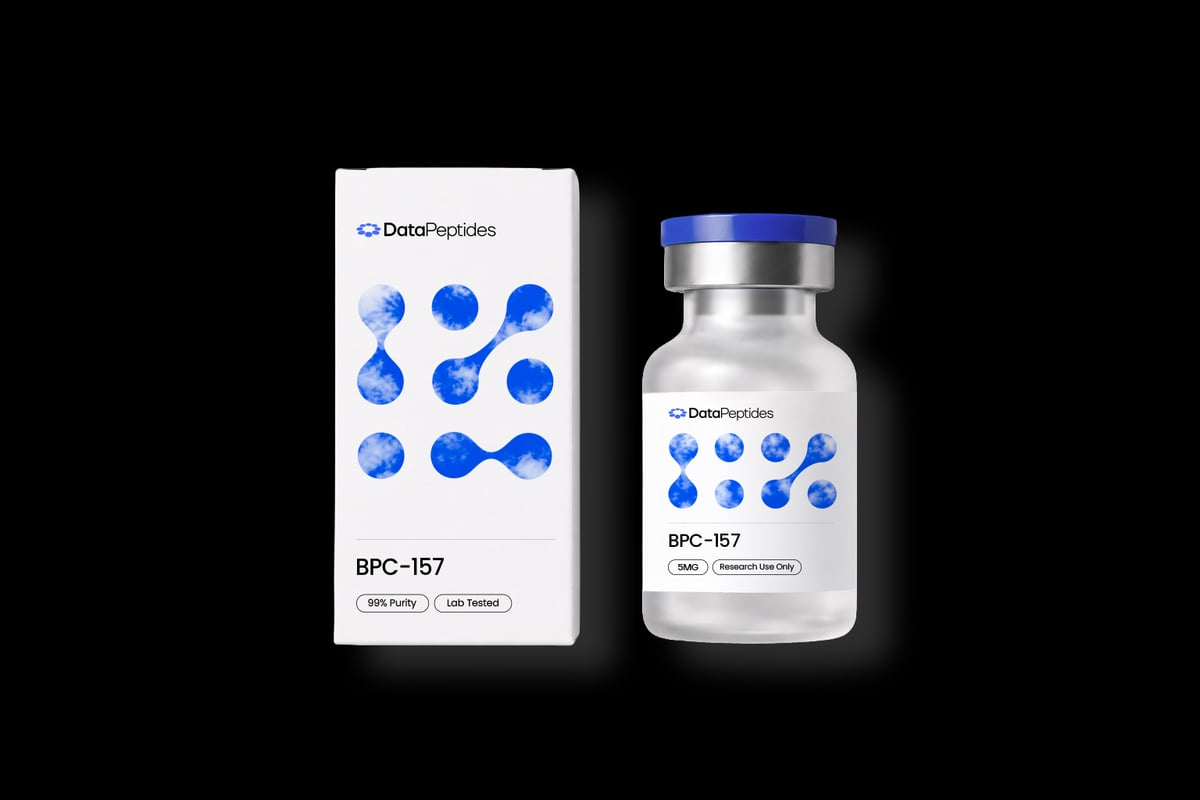
BPC-157, a synthetic pentadecapeptide, has emerged as one of the most extensively studied peptides for tissue repair research. This 15-amino acid sequence demonstrates activity across multiple tissue types, including muscle, tendon, ligament, and epithelial surfaces.
Research indicates BPC-157 works through several concurrent mechanisms. It activates growth factor pathways, particularly vascular endothelial growth factor (VEGF), which supports angiogenesis and blood vessel formation. The peptide also modulates inflammatory signaling, helping regulate the body's response to tissue damage without suppressing necessary immune function.
In female research models, BPC-157 shows promise for supporting recovery processes that align with female-specific health concerns. Studies on BPC-157 have examined its effects on gastrointestinal tissue, which may be relevant given that women experience higher rates of certain digestive conditions in clinical populations.
TB-500 and Thymosin Beta-4 Fragment Research
TB-500 represents a synthetic version of Thymosin Beta-4, a naturally occurring peptide involved in cellular migration and tissue remodeling. This compound upregulates actin, a protein essential for cell structure and movement, facilitating the migration of cells to injury sites.
Research examining TB-500 in tissue repair contexts has identified several key actions:
- Promotes endothelial cell differentiation for new blood vessel formation
- Reduces fibrosis and scar tissue accumulation
- Supports stem cell migration and differentiation
- Modulates inflammatory cytokine expression
When combined with BPC-157, TB-500 creates synergistic effects that researchers study for comprehensive tissue repair protocols. This combination addresses multiple phases of the healing cascade simultaneously.
Metabolic and Body Composition Research
The best peptides for females in metabolic research often target pathways involved in energy expenditure, fat oxidation, and glucose regulation. These compounds offer researchers tools to study metabolic processes specific to female physiology.
GLP-1 Receptor Agonists
Glucagon-like peptide-1 (GLP-1) receptor agonists represent a class of peptides that have gained significant research attention for metabolic applications. These compounds mimic the action of naturally occurring GLP-1, a hormone that regulates insulin secretion, gastric emptying, and appetite signaling.
Research in female models has revealed that peptides for women demonstrate unique considerations related to body composition and hormonal optimization, with GLP-1 agonists showing particular promise in laboratory studies.
| Peptide Class | Primary Mechanism | Key Research Applications |
|---|---|---|
| GLP-1 Agonists | Incretin receptor activation | Glucose regulation, appetite modulation, body composition |
| Growth Hormone Secretagogues | GHRH receptor stimulation | Lean mass maintenance, metabolic rate, recovery |
| Metabolic Modulators | Multi-receptor targeting | Energy expenditure, fat oxidation, insulin sensitivity |
Triple Agonist Research: Retatrutide
Retatrutide represents next-generation metabolic peptide research, functioning as a triple agonist that activates GLP-1, GIP (glucose-dependent insulinotropic polypeptide), and GCGR (glucagon receptor) pathways simultaneously. This broader receptor engagement has demonstrated greater efficacy in preclinical models compared to single or dual-agonist compounds.
In female research models, triple agonist peptides offer several theoretical advantages. The combination of receptor activities addresses multiple metabolic pathways concurrently, potentially providing more comprehensive effects on energy balance, substrate utilization, and body composition changes.

Skin Health and Collagen Synthesis Peptides
Female-focused research often examines peptides that support skin integrity, collagen production, and extracellular matrix remodeling. These applications align with the fact that women experience more pronounced collagen degradation changes during hormonal transitions.
GHK-Cu for Tissue Remodeling
Glycyl-L-histidyl-L-lysine copper (GHK-Cu) represents a copper-binding tripeptide naturally present in human plasma, saliva, and urine. This compound has been extensively studied for its role in wound healing, collagen synthesis, and tissue remodeling processes.
Research indicates GHK-Cu works through multiple mechanisms:
- Stimulates collagen and elastin production in dermal fibroblasts
- Activates matrix metalloproteinases involved in tissue remodeling
- Supports antioxidant enzyme production to protect against oxidative stress
- Promotes angiogenesis for improved nutrient delivery to tissues
The best peptides for women fat loss recovery skin and anti-aging benefits explores how specific research peptides serve as targeted tools across multiple physiological systems.
Combination Approaches: GLOW Blend
Advanced peptide research increasingly examines synergistic combinations that address multiple aspects of tissue health simultaneously. The GLOW Blend exemplifies this approach by combining GHK-Cu, TB-500, and BPC-157 to target regeneration and recovery through complementary mechanisms.
GHK-Cu in this formulation focuses on collagen synthesis and skin renewal pathways. TB-500 supports cellular movement and structural organization for efficient tissue repair. BPC-157 accelerates healing processes and enhances tissue regeneration while reducing inflammatory signaling.
This multi-peptide strategy allows researchers to study how concurrent activation of different pathways may produce enhanced outcomes compared to single-agent approaches.
Growth Hormone Pathway Modulation
Among the best peptides for females in endocrine research, growth hormone secretagogues offer controlled approaches to studying GH pathway activation without direct hormone administration.
Growth Hormone Releasing Peptides
Growth hormone releasing peptides (GHRPs) and growth hormone releasing hormone (GHRH) analogs work through distinct but complementary mechanisms. GHRPs like Ipamorelin act on ghrelin receptors to stimulate GH release from the pituitary, while GHRH analogs like CJC-1295 (without DAC) amplify the body's natural GH pulses.
Key advantages of GH secretagogue research:
- Preserves natural pulsatile release patterns
- Avoids negative feedback suppression associated with direct GH administration
- Allows dose-dependent control of GH elevation magnitude
- Maintains endogenous regulation mechanisms
CJC-1295 and Ipamorelin Combination Studies
The pairing of CJC-1295 (No DAC) with Ipamorelin represents one of the most studied combinations in GH secretagogue research. CJC-1295 extends the half-life of naturally occurring GHRH, creating sustained elevation of GH release capacity. Ipamorelin provides the release signal without significantly affecting cortisol or prolactin levels.
When used together, these peptides create synergistic effects that researchers study for applications in lean mass preservation, recovery optimization, and metabolic function. The best peptides research compiled by laboratories examines these combinations across various physiological contexts.
Mitochondrial and Cellular Energy Research
Cellular energy production and mitochondrial function represent critical areas of peptide research, particularly relevant to female health given sex-specific differences in metabolic efficiency and energy utilization.
NAD+ Precursors and Cellular Function
Nicotinamide adenine dinucleotide (NAD+) serves as an essential coenzyme in cellular energy production, DNA repair, and metabolic regulation. Research examining NAD+ supplementation in various models has identified age-related declines in tissue NAD+ levels, with potential implications for cellular function and resilience.
NAD+ influences multiple cellular processes:
- Energy metabolism: Required for ATP production through the electron transport chain
- DNA repair: Serves as substrate for PARP enzymes involved in genomic maintenance
- Sirtuins activation: Regulates metabolic pathways and cellular stress responses
- Mitochondrial function: Supports healthy mitochondrial dynamics and biogenesis
Female research models may show particular sensitivity to NAD+ status given the energy demands of reproductive physiology and hormonal regulation processes.
MOTS-c: Mitochondria-Derived Peptide Research
MOTS-c represents a mitochondria-derived peptide that has garnered research attention for its role in metabolic regulation and cellular stress adaptation. This 16-amino acid peptide is encoded in mitochondrial DNA and influences nuclear gene expression related to metabolism.
Studies examining MOTS-c have identified effects on glucose metabolism, insulin sensitivity, and exercise capacity in animal models. The peptide appears to activate AMPK (AMP-activated protein kinase) pathways, a key regulator of cellular energy status and metabolic adaptation.

Safety Considerations in Female Research Models
When evaluating the best peptides for females in laboratory settings, researchers must consider safety profiles, potential hormone interactions, and sex-specific response patterns documented in preclinical studies.
Hormonal Interaction Assessment
Peptides studied in female models require evaluation for potential interactions with endogenous hormonal systems. Some peptides may influence estrogen receptor signaling, progesterone sensitivity, or hypothalamic-pituitary-gonadal axis function.
| Safety Parameter | Research Consideration | Monitoring Approach |
|---|---|---|
| Hormone levels | Estrogen, progesterone, LH, FSH | Regular hormonal panel assessment |
| Metabolic markers | Glucose, insulin, lipid profiles | Baseline and interval testing |
| Tissue sensitivity | Receptor expression changes | Molecular analysis of target tissues |
| Inflammatory markers | Cytokine profiles, CRP | Systemic inflammation monitoring |
Dosing and Protocol Considerations
Research protocols examining peptides in female models often require different dosing strategies compared to male counterparts. Body composition differences, particularly fat distribution and lean mass ratios, influence peptide distribution volumes and pharmacokinetics.
The best peptides for women guide covers hormonal considerations, safety guidelines, and practical recommendations specific to female physiology in research contexts.
Research Applications by Physiological System
Understanding the best peptides for females requires organizing compounds by their primary research applications and target physiological systems.
Musculoskeletal System Research
Peptides studied for musculoskeletal applications in female models focus on connective tissue integrity, bone metabolism, and muscle protein synthesis. Women experience unique challenges related to collagen degradation during hormonal transitions, making this area particularly relevant.
Key research peptides for musculoskeletal studies:
- BPC-157 for tendon and ligament repair mechanisms
- TB-500 for muscle tissue regeneration and reduced fibrosis
- GHK-Cu for collagen synthesis and extracellular matrix remodeling
- Growth hormone secretagogues for bone density and muscle mass preservation
Gastrointestinal Health Research
Gastrointestinal peptide research holds particular relevance for female models given higher clinical prevalence of certain digestive conditions in women. BPC-157 has been extensively studied for its effects on gastric mucosa, intestinal barrier function, and inflammatory bowel models.
Research on peptides for gut health examines how these compounds support mucosal healing, regulate inflammatory responses, and maintain intestinal barrier integrity in various experimental models.
Cardiovascular and Metabolic Research
Cardiovascular health peptides studied in female models address unique risk factors and protective mechanisms influenced by hormonal status. Research examines how peptides may support endothelial function, lipid metabolism, and vascular health.
GLP-1 receptor agonists demonstrate cardiovascular effects beyond glucose regulation, including potential benefits for endothelial function and blood pressure regulation observed in preclinical studies. The peptides for women research provides insights into metabolic and cardiovascular applications organized by research goal.
Advanced Combination Strategies
Modern peptide research increasingly examines multi-compound protocols that address multiple physiological pathways simultaneously, potentially producing synergistic effects not achievable with single agents.
KLOW Blend: Comprehensive Recovery Research
The KLOW Blend represents an advanced formulation designed to study comprehensive tissue repair and recovery mechanisms. This combination includes BPC-157, TB-500, KPV (a tripeptide with anti-inflammatory properties), and GHK-Cu.
Each component targets distinct aspects of the healing cascade:
- BPC-157: Activates growth factor pathways and supports tissue regeneration
- TB-500: Promotes cellular migration and reduces excessive fibrosis
- KPV: Modulates inflammatory signaling through melanocortin receptor pathways
- GHK-Cu: Stimulates collagen production and tissue remodeling
This multi-targeted approach allows researchers to study how simultaneous activation of complementary pathways may enhance overall recovery outcomes in female research models.
Healing Blend Applications
The pairing of BPC-157 with TB-500 creates what researchers often refer to as a healing blend, combining regenerative and anti-fibrotic mechanisms. This combination has been studied across various injury models, examining effects on healing timelines, tissue quality, and functional recovery.
Research protocols examining this blend typically evaluate outcomes across multiple parameters, including histological tissue analysis, biomechanical strength testing, and inflammatory marker assessment.
Emerging Research Directions
The field of peptide research continues to evolve, with new compounds and applications regularly entering laboratory investigation. Several emerging areas show particular promise for female-specific research applications.
Melanocortin System Research
Melanocortin receptor peptides represent an expanding research area with applications spanning pigmentation, appetite regulation, and sexual function. Melanotan-2, an alpha-MSH analog, activates melanocortin receptors throughout the body, producing effects beyond its initial tanning application.
Research examining melanocortin peptides in female models has investigated effects on:
- Melanogenesis and UV protection mechanisms
- Central appetite regulation through MC4R activation
- Sexual arousal pathways and reproductive behavior in animal models
- Energy expenditure and metabolic rate modulation
Neuropeptide Research Applications
Neuropeptides represent signaling molecules that influence brain function, cognitive processes, and neurological health. Research in female models examines how these compounds may support cognitive function, mood regulation, and neuroprotection.
PT-141 (bremelanotide), a melanocortin receptor agonist, has been studied for its effects on sexual function through central nervous system pathways rather than vascular mechanisms. This represents a distinct approach compared to other compounds targeting female sexual health.
Quality and Purity Considerations for Research
When sourcing the best peptides for females for laboratory research, quality control and purity verification represent critical factors ensuring experimental validity and reproducibility.
Third-Party Testing Standards
Research-grade peptides require rigorous testing to verify identity, purity, and potency. Third-party batch testing provides independent verification that compounds meet specifications and contain no significant contaminants.
Essential quality control parameters:
- High-performance liquid chromatography (HPLC) for purity verification
- Mass spectrometry for molecular weight and identity confirmation
- Endotoxin testing to ensure absence of bacterial contamination
- Certificate of analysis (COA) documentation for each batch
US Manufacturing Standards
Peptides manufactured under US quality standards benefit from regulatory oversight and established good manufacturing practices. These standards help ensure consistency, purity, and proper documentation throughout the production process.
Researchers conducting peptide laboratory studies require reliable sourcing to maintain experimental integrity and ensure results reflect peptide activity rather than contaminant effects or degraded compounds.
Protocol Design for Female Research Models
Designing effective research protocols using the best peptides for females requires consideration of sex-specific variables, appropriate controls, and relevant outcome measures.
Timing and Cycle Considerations
Female research models present unique timing considerations related to hormonal cycles. Estrous cycle phase in animal models can influence peptide sensitivity, receptor expression, and physiological responses.
Researchers may choose to:
- Standardize peptide administration relative to cycle phase
- Measure outcomes across multiple cycle phases to assess consistency
- Control for cycle-related variability through study design or statistical approaches
- Examine whether peptide effects differ across hormonal states
Dose-Response Evaluation
Establishing appropriate dosing for peptides in female models requires systematic dose-response evaluation. Starting with lower doses and incrementally increasing allows researchers to identify minimum effective doses and potential threshold effects.
The complete guide to female-specific benefits examines peptide options across skin rejuvenation, hormonal balance, and wellness applications with attention to research-based dosing considerations.
Documentation and Research Ethics
Proper documentation practices and ethical considerations guide responsible peptide research in all contexts, including studies using female models.
Experimental Record Keeping
Comprehensive documentation ensures research reproducibility and allows for accurate interpretation of results. Records should include peptide source, batch numbers, reconstitution methods, storage conditions, and administration protocols.
Key documentation elements:
- Detailed protocol descriptions with timing and dosing specifications
- Baseline measurements and regular interval assessments
- Any observed effects or unexpected findings
- Environmental conditions and handling procedures
Ethical Research Practices
All peptide research must adhere to established ethical guidelines appropriate to the research context. This includes proper institutional oversight, adherence to safety protocols, and responsible interpretation and communication of findings.
Researchers should recognize that peptides intended for laboratory research are not approved for human consumption and should be handled, stored, and used exclusively within appropriate research parameters.
The landscape of peptide research continues to expand, offering researchers powerful tools to study tissue repair, metabolic function, and cellular processes specific to female physiology. From established compounds like BPC-157 and TB-500 to emerging multi-peptide formulations and mitochondrial regulators, these research tools provide unprecedented ability to examine biological mechanisms at the molecular level. For laboratories seeking reliable, pure research peptides backed by third-party testing and US manufacturing standards, Data Peptides supplies laboratory-grade compounds designed exclusively for scientific investigation, ensuring researchers have access to the quality materials necessary for valid, reproducible experimental work.