
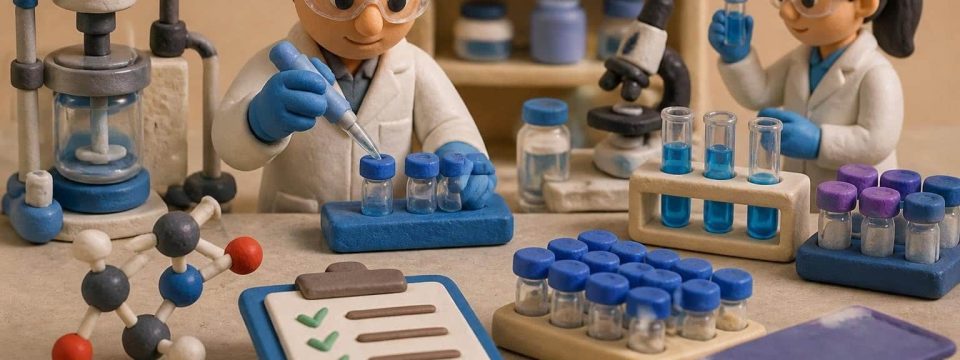
The modern peptide laboratory represents a sophisticated intersection of biochemistry, analytical chemistry, and quality assurance protocols. As peptide therapeutics and research applications expand across multiple scientific disciplines, maintaining rigorous laboratory standards has become essential for ensuring product integrity, reproducibility, and safety. Whether synthesizing novel compounds or validating existing peptide sequences, laboratory professionals must navigate complex regulatory frameworks, implement robust testing methodologies, and maintain meticulous documentation practices that support scientific advancement while protecting research outcomes.
Understanding Peptide Laboratory Operations
A peptide laboratory functions as a controlled environment where precise chemical synthesis, purification, and analysis occur under strictly regulated conditions. These facilities range from small-scale research operations to large commercial manufacturing sites, each maintaining specific protocols aligned with their intended use and regulatory requirements.
Core Infrastructure Requirements
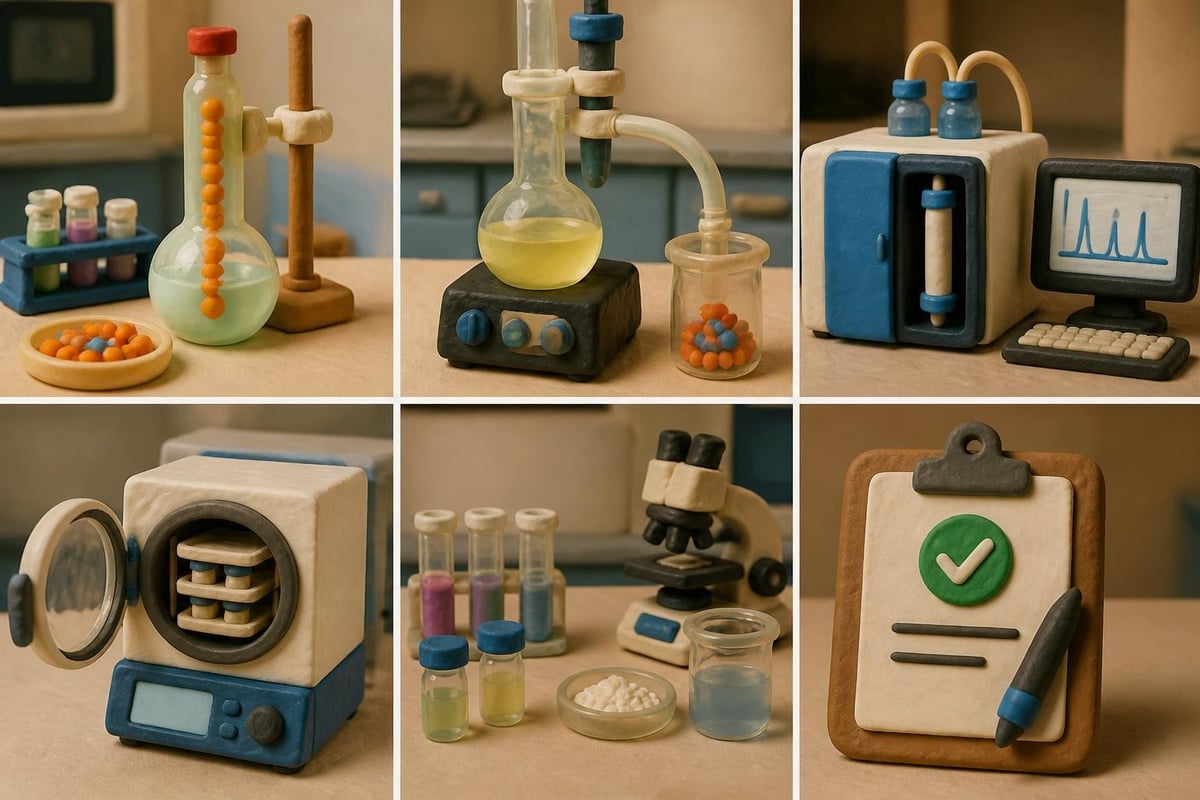
Modern peptide synthesis requires specialized equipment designed to handle the unique challenges of amino acid coupling reactions. Automated peptide synthesizers enable researchers to build peptide chains systematically, adding one amino acid residue at a time through solid-phase synthesis techniques. These instruments maintain precise temperature controls, reagent delivery systems, and wash cycles that directly impact final product quality.
Beyond synthesis equipment, a comprehensive peptide laboratory incorporates:
- High-performance liquid chromatography (HPLC) systems for purification and analytical testing
- Mass spectrometry instruments for molecular weight confirmation and sequence verification
- Lyophilization equipment for converting purified peptides into stable, dry powder form
- Cold storage facilities maintaining temperatures between -20°C and -80°C for long-term peptide preservation
- Climate-controlled workspaces preventing environmental factors from compromising synthesis reactions
The physical layout of a peptide laboratory must account for workflow efficiency while preventing cross-contamination between different peptide products. Dedicated synthesis areas, purification zones, and analytical spaces create logical separation that protects both personnel and research materials.
Quality Control and Testing Protocols
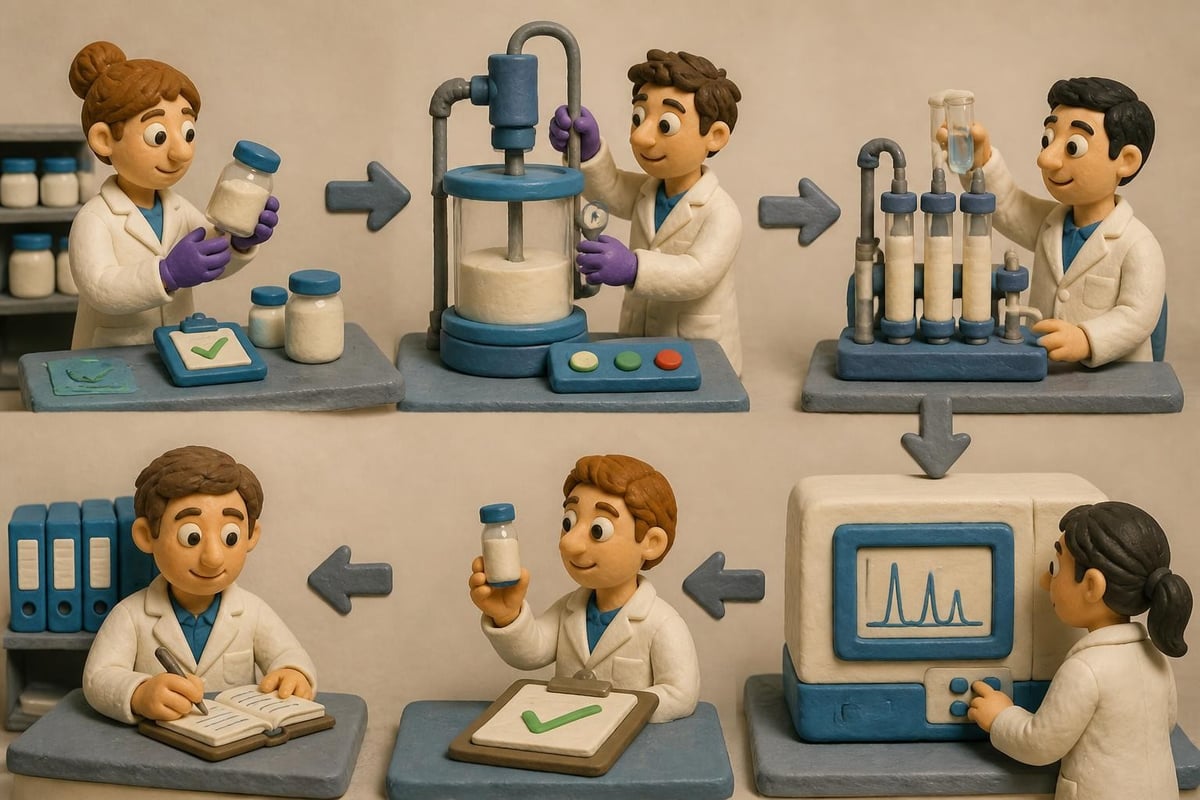
Quality assurance forms the foundation of reliable peptide laboratory operations. Each synthesized batch undergoes multiple analytical tests before release, establishing a comprehensive quality profile that confirms identity, purity, and stability characteristics.
Analytical Testing Methods
The primary analytical technique employed in peptide laboratories is reversed-phase HPLC, which separates peptide molecules based on their hydrophobic properties. This method reveals the purity percentage by quantifying the target peptide relative to synthesis-related impurities, truncated sequences, and deletion peptides. Reference standards play a critical role in ensuring accurate quality assessment throughout the peptide manufacturing process.
Mass spectrometry provides orthogonal confirmation of peptide identity by measuring the precise molecular weight of synthesized compounds. Electrospray ionization (ESI) and matrix-assisted laser desorption/ionization (MALDI) techniques offer complementary approaches for different peptide types and molecular weights.
| Test Method | Primary Purpose | Typical Specification |
|---|---|---|
| HPLC Purity | Quantify target peptide vs impurities | ≥95% for research grade |
| Mass Spectrometry | Confirm molecular weight and identity | Within ±1 Da of theoretical mass |
| Amino Acid Analysis | Verify sequence composition | ±10% of theoretical ratios |
| Water Content (Karl Fischer) | Assess residual moisture | ≤10% by weight |
| Bacterial Endotoxin | Detect pyrogenic contamination | ≤10 EU/mg for injectable research |
Additional characterization methods include amino acid analysis, which breaks down the peptide into constituent amino acids and confirms their ratios match the expected sequence. Peptide content determination establishes the actual peptide mass within a vial, accounting for counterions, residual salts, and water content that contribute to total weight but not active peptide mass.
Batch Documentation Practices
Every peptide batch synthesized in a professional laboratory receives comprehensive documentation that traces its production from raw materials through final testing. Certificate of Analysis (CoA) documents summarize all analytical test results, providing researchers with transparent quality data before they commit peptides to experimental protocols.
Third-party testing adds an independent verification layer that enhances credibility and reduces bias in quality reporting. External laboratories review peptide samples without knowledge of internal test results, comparing findings to establish consensus on purity and identity specifications. This practice has become increasingly important as peptide quality standards evolve to meet growing regulatory expectations.
Manufacturing Standards and GMP Compliance
Good Manufacturing Practice (GMP) regulations establish systematic quality controls throughout peptide production processes. While GMP compliance requirements vary based on intended use, many research peptide laboratories adopt GMP principles voluntarily to demonstrate commitment to quality excellence.
Critical Manufacturing Controls
Temperature monitoring systems track environmental conditions continuously throughout synthesis and storage areas. Any deviation from specified ranges triggers alerts that prompt immediate corrective action, preventing compromised batches from advancing through production workflows.
Raw material qualification ensures that incoming amino acids, coupling reagents, and solvents meet predetermined quality specifications before use in synthesis reactions. Each lot undergoes identity testing and purity verification, with results documented in material qualification records.
Personnel training programs maintain current knowledge of synthesis techniques, safety protocols, and quality procedures. Regular competency assessments verify that laboratory staff can execute critical tasks correctly and consistently, reducing human error as a source of product variability.
Advanced Peptide Laboratory Technologies
The integration of computational tools and automated systems has transformed modern peptide laboratory capabilities. Machine learning algorithms now assist researchers in predicting synthesis success rates, optimizing purification conditions, and identifying potent antimicrobial peptides through data-driven screening approaches.
Automation and High-Throughput Synthesis
Parallel peptide synthesizers enable simultaneous production of multiple peptide sequences, dramatically accelerating discovery research timelines. These platforms maintain independent reaction vessels for each peptide while coordinating reagent additions, wash cycles, and cleavage steps through centralized control systems.
High-throughput purification systems process multiple crude peptide samples sequentially, applying optimized gradient conditions based on predicted peptide hydrophobicity. Fraction collection automation captures purified peptide peaks precisely, minimizing manual intervention and improving batch-to-batch consistency.
Computational Design Integration
Peptipedia and similar comprehensive databases provide peptide laboratory researchers with access to vast collections of characterized sequences, biological activities, and structure-function relationships. These resources inform rational peptide design strategies that increase the probability of synthesizing compounds with desired properties.
Predictive models assess peptide stability, solubility, and aggregation propensity before committing resources to synthesis. Standardized benchmarks for peptide machine learning facilitate methodological comparisons and enable researchers to select the most appropriate computational tools for their specific applications.
Storage and Handling Best Practices
Proper peptide storage directly impacts long-term stability and experimental reproducibility. A well-managed peptide laboratory implements systematic storage protocols that protect valuable research materials from degradation pathways.
Temperature-Dependent Stability
Lyophilized peptides typically exhibit maximum stability when stored at -20°C or below, conditions that minimize hydrolysis, oxidation, and aggregation reactions. Desiccant packets within storage containers maintain low humidity environments that further protect peptides from moisture-induced degradation.
Reconstituted peptide solutions require more stringent storage considerations due to increased susceptibility to chemical and physical degradation. Sterile buffered solutions stored at 4°C generally remain stable for several weeks, while freezing aliquots at -80°C extends usability to several months for most peptide sequences.
Container Selection and Labeling
Amber glass vials protect light-sensitive peptides from photodegradation, while sterile polypropylene tubes offer suitable alternatives for routine storage applications. Container selection accounts for peptide hydrophobicity, with highly hydrophobic sequences requiring specialized low-binding surfaces that prevent adsorptive losses.
Comprehensive labeling systems identify each peptide sample with unique identifiers linking to batch records, synthesis dates, concentration information, and storage requirements. Barcode or RFID tracking enables automated inventory management that alerts researchers to approaching expiration dates and maintains usage histories.
Research Applications and Experimental Design
Peptide laboratories support diverse research objectives spanning basic biochemistry, pharmacology, materials science, and synthetic biology. Understanding how laboratory-grade peptides integrate into experimental workflows helps researchers design robust studies that generate reliable, reproducible data.
Concentration Verification and Working Solutions
Accurate peptide concentration determination forms the foundation of dose-response studies and mechanistic investigations. Researchers typically verify supplied concentrations through independent analytical methods before preparing working solutions for experimental use.
Serial dilution protocols minimize pipetting errors when preparing multiple concentration levels from concentrated stock solutions. Aliquoting single-use portions prevents repeated freeze-thaw cycles that accelerate peptide degradation and introduce variability into longitudinal studies.
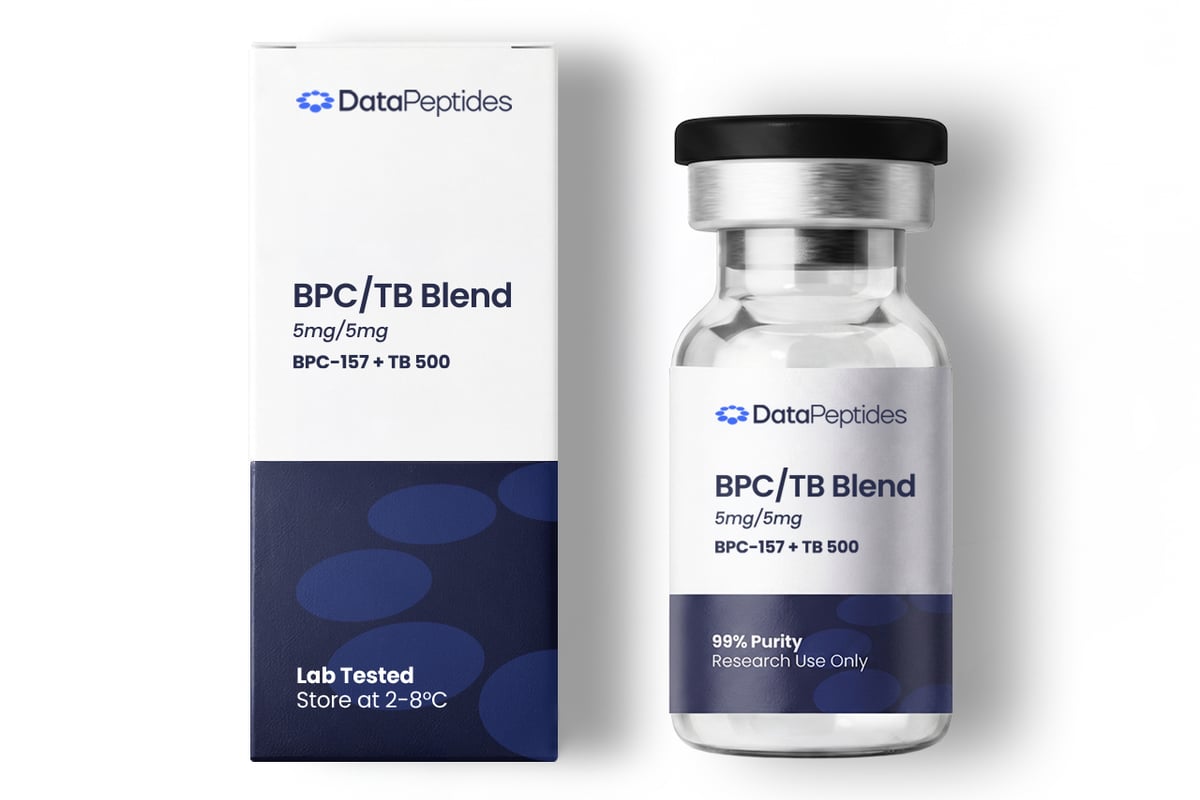
Many laboratories investigating metabolic peptides utilize compounds such as BPC-157 for tissue repair research, which requires careful attention to solution stability and storage conditions. Understanding the specific handling requirements for different peptide classes ensures experimental conditions accurately reflect intended research parameters.
Control Experiments and Validation Studies
Negative controls using vehicle solutions without peptide distinguish specific peptide effects from experimental artifacts introduced by delivery vehicles or handling procedures. Positive controls employing well-characterized reference compounds validate assay sensitivity and confirm experimental systems respond appropriately to known modulators.
Replicate experiments conducted across multiple batches verify that observed effects represent genuine biological phenomena rather than batch-specific anomalies. This approach becomes particularly important when active learning and meta-learning strategies guide iterative peptide optimization studies.
Supply Chain Considerations for Research Peptides
Selecting appropriate peptide suppliers significantly impacts research outcomes, data quality, and experimental reproducibility. Professional peptide laboratories distinguish themselves through transparent quality practices, reliable delivery timelines, and responsive technical support.
Evaluating Supplier Credentials
Third-party batch testing represents a critical differentiator among peptide suppliers. Independent verification confirms that each batch meets stated purity specifications before distribution to researchers, reducing the risk of experimental failures caused by substandard materials.
US-manufactured peptides offer advantages in supply chain transparency, regulatory oversight, and quality assurance practices. Domestic production facilities typically maintain stricter environmental controls and implement more comprehensive documentation systems compared to offshore manufacturing operations.
Certificate of Analysis review should precede peptide use in any research application. Researchers verify that analytical methods align with industry standards, specifications meet experimental requirements, and batch-to-batch consistency falls within acceptable ranges. Data Peptides maintains comprehensive testing protocols for all research-grade peptide products, ensuring consistent quality across production batches.
Emerging Trends in Peptide Laboratory Science
The peptide research landscape continues evolving rapidly as new synthesis methodologies, analytical techniques, and computational tools expand the boundaries of what researchers can achieve. Staying current with these developments helps laboratory professionals optimize their operations and maintain competitive advantages.
Novel Synthesis Approaches
Flow chemistry systems enable continuous peptide synthesis under precisely controlled reaction conditions, potentially improving product quality while reducing synthesis times. These platforms monitor reaction progress in real-time, adjusting parameters dynamically to maintain optimal coupling efficiency throughout chain assembly.
Green chemistry initiatives focus on reducing environmental impact through solvent minimization, reagent recycling, and waste stream reduction. Protein language models now facilitate generation of peptide analogs with improved properties while reducing the number of synthesis iterations required to achieve desired characteristics.
Advanced Characterization Methods
Cryo-electron microscopy provides unprecedented insights into peptide structure and aggregation behavior at near-atomic resolution. These techniques complement traditional analytical methods by revealing three-dimensional conformations that influence biological activity and formulation stability.
Hydrogen-deuterium exchange mass spectrometry maps peptide folding dynamics and solvent accessibility patterns, information that guides modifications to enhance stability or alter binding characteristics. Such advanced analytical approaches increasingly integrate into routine peptide laboratory workflows as instrumentation becomes more accessible.
Regulatory Landscape and Compliance Considerations
Understanding regulatory frameworks helps peptide laboratories maintain appropriate quality standards while avoiding potential compliance issues. Different jurisdictions impose varying requirements based on intended peptide applications and end-use scenarios.
Research Use Designations
Laboratory-grade research peptides carry explicit limitations on their permitted applications. These materials undergo synthesis and testing protocols appropriate for in vitro studies, cell culture experiments, and preclinical research investigations. Clear labeling identifies these products as unsuitable for human consumption, veterinary applications, or clinical use.
Documentation practices must clearly establish the research-only status of all peptide materials leaving laboratory facilities. Purchase agreements, shipping labels, and product literature reinforce intended use restrictions that protect both suppliers and researchers from inappropriate applications.
Quality System Frameworks
ISO 9001 certification demonstrates organizational commitment to quality management principles including customer focus, process approach, and continuous improvement. Peptide laboratories pursuing this certification implement systematic quality controls that enhance operational consistency and customer satisfaction.
Regular internal audits identify opportunities for process improvements, equipment upgrades, and training enhancements. These proactive reviews prevent quality issues before they impact product specifications or customer experiences, maintaining high standards across all laboratory operations.
Technical Support and Customer Service
Professional peptide laboratories extend their value beyond product delivery through comprehensive technical support programs. Expert assistance helps researchers troubleshoot experimental challenges, optimize protocols, and interpret analytical data effectively.
Pre-Purchase Consultation
Sequence review services evaluate proposed peptide structures for potential synthesis challenges, degradation liabilities, or purification difficulties. Early identification of problematic sequences enables modifications that improve success rates while managing customer expectations appropriately.
Custom modification guidance assists researchers in selecting appropriate conjugation strategies, protecting groups, or labeling approaches that achieve experimental objectives without compromising peptide integrity. This consultative approach builds partnerships rather than transactional relationships.
Post-Purchase Problem Resolution
Rapid response to quality concerns maintains researcher confidence and minimizes experimental downtime. Professional suppliers investigate reported issues thoroughly, conducting additional testing when necessary to identify root causes and implement corrective actions.
Reconstitution troubleshooting helps researchers overcome solubility challenges through buffer selection, pH adjustment, or co-solvent addition strategies. Weight loss peptides and other therapeutic research compounds often require specific dissolution protocols that technical support teams can recommend based on peptide characteristics.
Laboratory Safety and Hazard Management
Peptide laboratories implement comprehensive safety programs protecting personnel from chemical exposures, physical hazards, and biological risks. Systematic hazard assessments identify potential dangers before they cause injuries or environmental releases.
Chemical Safety Protocols
Proper ventilation systems remove solvent vapors and reagent fumes from work areas, maintaining air quality within permissible exposure limits. Fume hoods provide containment for operations involving volatile chemicals or potentially hazardous reaction conditions.
Personal protective equipment requirements account for specific hazards associated with different laboratory activities. Chemically resistant gloves, safety glasses, and laboratory coats form baseline protection levels, with respiratory protection added for operations generating aerosols or handling particularly toxic materials.
Waste Management Systems
Segregated waste streams separate organic solvents, aqueous solutions, and solid wastes for appropriate disposal through licensed contractors. Proper characterization ensures that waste handlers apply correct treatment methods while maintaining regulatory compliance.
Peptide-containing wastes generally do not pose environmental hazards due to their biodegradable nature, but accompanying solvents and reagents require careful management. Documentation systems track waste generation from source through final disposal, creating audit trails that demonstrate responsible environmental stewardship.
The modern peptide laboratory combines sophisticated instrumentation, rigorous quality controls, and expert technical knowledge to deliver research materials that advance scientific discovery. Success in this field requires continuous adaptation to emerging technologies, evolving regulatory standards, and expanding application areas. Whether you need laboratory-grade peptides for metabolic research, tissue repair studies, or novel therapeutic investigations, Data Peptides provides US-manufactured, third-party tested compounds backed by comprehensive analytical documentation and responsive technical support.