
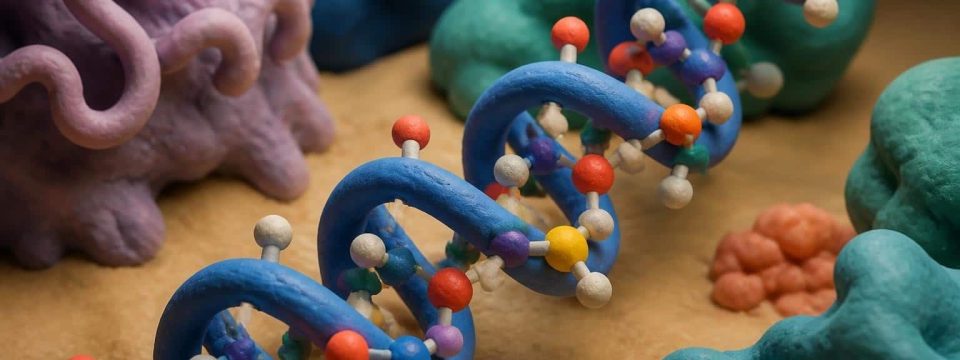
Alpha peptides represent a fundamental class of biomolecules characterized by their distinctive alpha-helical secondary structure, which plays a critical role in numerous biological processes and therapeutic applications. These peptides, defined by their specific backbone conformation stabilized by intramolecular hydrogen bonding, have become essential tools in laboratory research, offering unique properties that make them valuable for studying protein-protein interactions, cellular signaling pathways, and drug development. Understanding the structural features, biological functions, and research applications of alpha peptides provides researchers with powerful insights into molecular mechanisms and therapeutic possibilities.
Structural Characteristics of Alpha Peptides
The defining feature of alpha peptides lies in their helical backbone structure, where the polypeptide chain coils into a right-handed spiral stabilized by hydrogen bonds between carbonyl oxygen atoms and amide hydrogen atoms. This configuration creates a remarkably stable structure with 3.6 amino acid residues per turn and a pitch of approximately 5.4 angstroms.
Helical Stability and Formation
Several factors influence the formation and stability of alpha peptides in solution and within biological systems. Amino acid composition plays a crucial role, with certain residues like alanine, leucine, and glutamate strongly favoring helix formation, while proline and glycine typically disrupt helical structures due to their unique conformational constraints.
Environmental conditions significantly impact helical stability:
- pH levels affecting charged residue interactions
- Temperature variations influencing hydrogen bond strength
- Ionic strength modulating electrostatic interactions
- Solvent polarity affecting hydrophobic core stability
The amphipathic nature of many alpha peptides, where hydrophobic and hydrophilic residues segregate on opposite faces of the helix, enables these molecules to interact specifically with membrane surfaces and protein binding sites. This structural basis of alpha peptide interactions with target proteins has become increasingly relevant in modern drug design strategies.

Biological Functions and Mechanisms
Alpha peptides serve diverse biological functions across cellular systems, acting as signaling molecules, structural components, and regulatory factors. Their helical conformation allows for specific molecular recognition and binding to target proteins, making them essential mediators in complex biological pathways.
Cellular Signaling Pathways
Research has demonstrated that alpha peptides participate in numerous cellular signaling cascades, often functioning as ligands for membrane receptors or as intracellular signaling modulators. The role of alpha peptides in cellular signaling pathways extends across multiple biological systems, including growth factor signaling, hormone response pathways, and immune regulation.
These peptides can trigger downstream effects through several mechanisms:
- Receptor activation: Binding to cell surface receptors initiates signal transduction
- Protein-protein interactions: Interfering with or promoting complex formation
- Enzymatic modulation: Acting as substrates or inhibitors for specific enzymes
- Gene expression regulation: Influencing transcription factor activity
The specificity of alpha peptides for their targets stems from the precise spatial arrangement of amino acid side chains along the helical surface, creating unique recognition interfaces that enable selective binding even in complex cellular environments.
| Biological Function | Mechanism | Research Application |
|---|---|---|
| Signal transduction | Receptor binding | Pathway mapping |
| Protein stabilization | Structural support | Complex assembly |
| Membrane interaction | Lipid binding | Transport studies |
| Enzyme regulation | Allosteric modulation | Inhibitor screening |
Research Applications in Laboratory Settings
The unique properties of alpha peptides make them invaluable tools for laboratory research across multiple disciplines, from basic biological studies to therapeutic development programs. Researchers utilize these molecules to probe cellular mechanisms, develop novel treatments, and understand fundamental biochemical processes.
Drug Discovery and Development
Alpha peptides have emerged as promising scaffolds for therapeutic development due to their ability to mimic natural protein-protein interaction surfaces while maintaining improved pharmacological properties. Unlike larger proteins, these peptides offer advantages in synthesis, modification, and delivery, making them attractive candidates for laboratory investigation.
Researchers focus on several key areas when working with alpha peptides:
- Binding affinity optimization through rational design and screening
- Stability enhancement via chemical modifications and structural constraints
- Cell penetration using delivery technologies and sequence modifications
- Target specificity through comprehensive structure-activity relationship studies
The design and application of alpha peptide-based therapeutics has shown particular promise in addressing challenging therapeutic targets, especially in neurodegenerative diseases where traditional small molecules have proven insufficient. Advanced research peptides from suppliers like Data Peptides enable laboratories to pursue cutting-edge investigations into these therapeutic possibilities with reliable, batch-tested materials.
Structural Biology and Biophysics
Alpha peptides serve as excellent model systems for understanding fundamental principles of protein folding, stability, and function. Their relatively simple structure compared to full-length proteins allows researchers to conduct detailed biophysical characterization using techniques such as circular dichroism spectroscopy, nuclear magnetic resonance, and X-ray crystallography.
These studies have revealed critical insights into:
- Helix-coil transition thermodynamics
- Salt bridge contributions to stability
- Hydrophobic effect quantification
- Conformational equilibrium dynamics

Chemical Synthesis and Modification Strategies
Modern peptide synthesis technology enables precise production of alpha peptides with defined sequences and modifications, opening new possibilities for research applications. Solid-phase peptide synthesis remains the gold standard for producing these molecules in laboratory settings, offering high purity and sequence accuracy.
Synthesis Methodologies
The production of alpha peptides for research purposes requires careful attention to synthetic protocols and purification strategies. Fmoc-based solid-phase synthesis has become the predominant approach due to its mild deprotection conditions and compatibility with sensitive amino acids.
Key considerations in alpha peptide synthesis include:
- Coupling efficiency for difficult sequences
- Aggregation prevention during chain elongation
- Proper deprotection conditions for functional groups
- Post-synthetic modifications for enhanced properties
Researchers often incorporate non-natural amino acids or chemical modifications to enhance helical stability, improve cell permeability, or introduce novel functional groups for bioconjugation. These modifications expand the utility of alpha peptides beyond what natural sequences can achieve.
Quality Control and Characterization
Rigorous quality control measures are essential when working with alpha peptides in laboratory research. Analytical characterization ensures that synthesized peptides meet purity specifications and possess the expected structural properties necessary for reliable experimental results.
Analytical Techniques
Comprehensive overview of alpha peptides in biomedical research emphasizes the importance of proper characterization methods. Multiple analytical approaches provide complementary information about peptide identity, purity, and conformational properties.
| Technique | Information Provided | Typical Specification |
|---|---|---|
| HPLC | Purity assessment | >95% purity |
| Mass spectrometry | Molecular weight confirmation | ±0.5 Da accuracy |
| Amino acid analysis | Composition verification | ±10% of theoretical |
| Circular dichroism | Secondary structure | % helical content |
Laboratories conducting research with alpha peptides must establish robust protocols for sample handling, storage, and preparation to maintain peptide integrity throughout experimental procedures. Proper storage conditions typically include lyophilized powder at negative 20 degrees Celsius, with reconstitution in appropriate buffers immediately before use.
Third-party batch testing, such as that provided with laboratory-grade research peptides, ensures that each lot meets strict purity standards before reaching research laboratories, enabling scientists to focus on experimental design rather than quality concerns.
Experimental Design Considerations
Successful research with alpha peptides requires careful experimental planning that accounts for their unique chemical and biological properties. Researchers must consider factors such as solubility, stability under experimental conditions, and appropriate controls to generate meaningful data.
Solubility and Formulation
Alpha peptides exhibit varying solubility characteristics depending on their amino acid composition and sequence context. Hydrophobic residues can reduce water solubility, while charged residues typically enhance it, requiring researchers to optimize formulation conditions for each specific peptide.
Strategies for improving alpha peptide solubility include:
- Adding small amounts of organic co-solvents like DMSO or acetonitrile
- Adjusting pH to modulate charge states of ionizable residues
- Including mild detergents for amphipathic sequences
- Using appropriate buffer systems that maintain structural integrity
Understanding these formulation principles enables researchers to design experiments that maximize peptide activity while minimizing artifacts from precipitation or aggregation.

Applications in Specific Research Areas
Alpha peptides find applications across diverse research domains, each leveraging their unique structural and functional properties to address specific scientific questions. From mechanistic studies of biological processes to development of novel therapeutic strategies, these molecules continue to expand their impact.
Membrane Biophysics
Amphipathic alpha peptides serve as powerful tools for studying membrane structure and function. Their ability to insert into lipid bilayers or interact with membrane surfaces makes them valuable for investigating membrane protein folding, lipid-peptide interactions, and cellular transport mechanisms.
Researchers use these peptides to:
- Model transmembrane helix behavior
- Study membrane permeabilization mechanisms
- Investigate lipid domain formation
- Develop cell-penetrating delivery systems
The controlled helical structure provides a defined system for testing theories about membrane insertion energetics and orientation preferences, contributing to fundamental understanding of biological membrane organization.
Protein Engineering and Design
Alpha peptides represent tractable systems for testing computational protein design algorithms and exploring sequence-structure relationships. Their well-defined structure-function relationships enable systematic investigation of how amino acid substitutions affect stability, folding kinetics, and biological activity.
Recent advances in computational methods have enabled de novo design of alpha peptides with specified binding properties, opening new avenues for creating custom research tools and potential therapeutics. These designed peptides often outperform natural sequences in terms of stability, specificity, or other desirable properties.
Future Directions and Emerging Technologies
The field of alpha peptide research continues to evolve with advancing technologies and methodologies. Integration of computational approaches, high-throughput screening platforms, and novel chemical modifications promises to expand the utility and impact of these molecules in laboratory research.
Computational Design Advances
Machine learning algorithms and molecular dynamics simulations now enable prediction of alpha peptide structure and function with unprecedented accuracy. These computational tools accelerate the discovery process by allowing researchers to screen thousands of virtual sequences before committing resources to synthesis and experimental testing.
Emerging capabilities include:
- Predictive modeling of peptide-protein interactions
- Optimization algorithms for multi-parameter design goals
- Molecular dynamics simulations of conformational dynamics
- Free energy calculations for binding affinity estimation
Integration of these computational approaches with experimental validation creates a powerful cycle of design, synthesis, testing, and refinement that accelerates research progress.
Chemical Biology Tools
Novel chemical modifications and bioorthogonal chemistry approaches enable researchers to introduce new functionalities into alpha peptides without disrupting their structural properties. These tools facilitate studies of peptide localization, interaction dynamics, and mechanism of action in complex biological systems.
Advanced labeling strategies allow real-time tracking of alpha peptides in living cells, providing insights into cellular uptake, trafficking, and target engagement that were previously inaccessible. Fluorescent tags, biotin handles, and click chemistry-compatible groups expand the experimental toolkit available to peptide researchers.
Manufacturing and Supply Chain Considerations
Access to high-quality alpha peptides is essential for reproducible research outcomes. The manufacturing process, quality assurance protocols, and supply chain management all contribute to the reliability of research materials used in laboratory settings.
US Manufacturing Standards
Domestic manufacturing of research peptides offers several advantages for laboratory investigators, including consistent quality, reliable supply chains, and compliance with regulatory standards. US-based production facilities typically maintain rigorous quality control systems that ensure batch-to-batch consistency.
Key manufacturing considerations include:
- cGMP-compliant production facilities
- Validated analytical methods for quality control
- Comprehensive documentation and chain of custody
- Proper storage and shipping conditions
Researchers benefit from working with suppliers who maintain transparent quality processes and provide detailed certificates of analysis for each batch, enabling traceability and validation of experimental materials.
For those interested in exploring additional research applications, peptides for sleep research represent another growing area where peptide-based approaches are yielding valuable insights into biological regulation and therapeutic potential.
Alpha peptides continue to serve as essential tools in laboratory research, offering unique structural properties and biological activities that enable investigation of fundamental biochemical processes and therapeutic development. Their well-defined helical structure, specific binding capabilities, and accessibility through chemical synthesis make them invaluable for advancing scientific knowledge across multiple disciplines. When conducting research with these molecules, access to reliable, high-purity materials is paramount for generating reproducible results. Data Peptides provides laboratory-grade, US-manufactured research peptides with third-party batch testing, ensuring that researchers have access to the quality materials necessary for rigorous scientific investigation.