

The market for research peptides has expanded significantly in recent years, creating both opportunities and challenges for laboratories seeking reliable sources. Finding the best peptides online requires understanding manufacturing standards, third-party testing protocols, and regulatory compliance frameworks. This comprehensive guide examines the critical factors that distinguish laboratory-grade peptides from questionable alternatives, helping research professionals make informed sourcing decisions in an increasingly complex marketplace.
Understanding Quality Standards for Research Peptides
Laboratory-grade peptides must meet rigorous purity and consistency standards that separate professional suppliers from unverified sources. The best peptides online come with documented proof of manufacturing quality, batch-specific testing results, and clear adherence to regulatory guidelines.
Third-Party Testing Requirements
Independent verification represents the cornerstone of peptide quality assurance. Reputable suppliers provide Certificates of Analysis (COAs) for every batch, demonstrating their commitment to transparency and accountability.
Essential testing parameters include:
- High-performance liquid chromatography (HPLC) purity analysis
- Mass spectrometry molecular weight confirmation
- Endotoxin level verification
- Sterility testing for lyophilized products
- Heavy metal contamination screening
These analytical methods ensure that peptide sequences match specifications and contain minimal impurities. Laboratories should only consider suppliers who provide comprehensive COA documentation with every order, as this practice demonstrates manufacturing transparency and quality control.

Manufacturing Source and Facility Standards
The origin of peptide synthesis significantly impacts product quality and consistency. US-based manufacturing facilities typically operate under stricter quality control protocols compared to overseas alternatives, where oversight may vary considerably.
Manufacturing environment considerations include cleanroom classifications, Good Manufacturing Practice (GMP) compliance, and equipment calibration standards. These factors directly influence peptide purity, stability, and shelf life. Facilities that maintain pharmaceutical-grade production environments produce more reliable research materials than those operating in uncontrolled settings.
Evaluating Supplier Credibility and Transparency
The process of identifying the best peptides online extends beyond product specifications to encompass supplier reputation, business practices, and customer support infrastructure.
Documentation and Regulatory Compliance
Legitimate peptide suppliers maintain clear documentation regarding product use restrictions and regulatory status. Research peptides exist in a complex legal framework that requires careful navigation to ensure compliance with federal regulations.
Critical documentation elements:
- Clear statements that products are for research purposes only
- Explicit restrictions against human or animal consumption
- Proper labeling as "not for therapeutic use"
- Compliance with FDA regulations for research materials
- Transparent business registration and contact information
Suppliers who obscure this information or make therapeutic claims about their products demonstrate questionable business practices. The FDA’s classification framework establishes clear boundaries for peptide distribution, and reputable vendors operate within these guidelines.
Customer Support and Technical Expertise
Quality suppliers employ knowledgeable staff who understand peptide chemistry, storage requirements, and reconstitution protocols. This technical expertise separates professional operations from simple resellers who lack fundamental product knowledge.
| Evaluation Criteria | Professional Supplier | Questionable Source |
|---|---|---|
| Response Time | Within 24-48 hours | Delayed or absent |
| Technical Knowledge | Detailed, specific answers | Generic responses |
| Product Information | Comprehensive specifications | Vague descriptions |
| Testing Documentation | Batch-specific COAs | No testing or generic results |
| Regulatory Compliance | Clear research-only statements | Therapeutic claims |
Experienced suppliers provide guidance on storage conditions, reconstitution procedures, and stability considerations without making health claims or promoting non-research applications.
Product Range and Specialty Offerings
The best peptides online come from suppliers who maintain diverse inventories while ensuring consistent quality across their entire product catalog. Specialized formulations and peptide blends require additional expertise to manufacture correctly.
Single-Agent Peptides vs. Formulated Blends
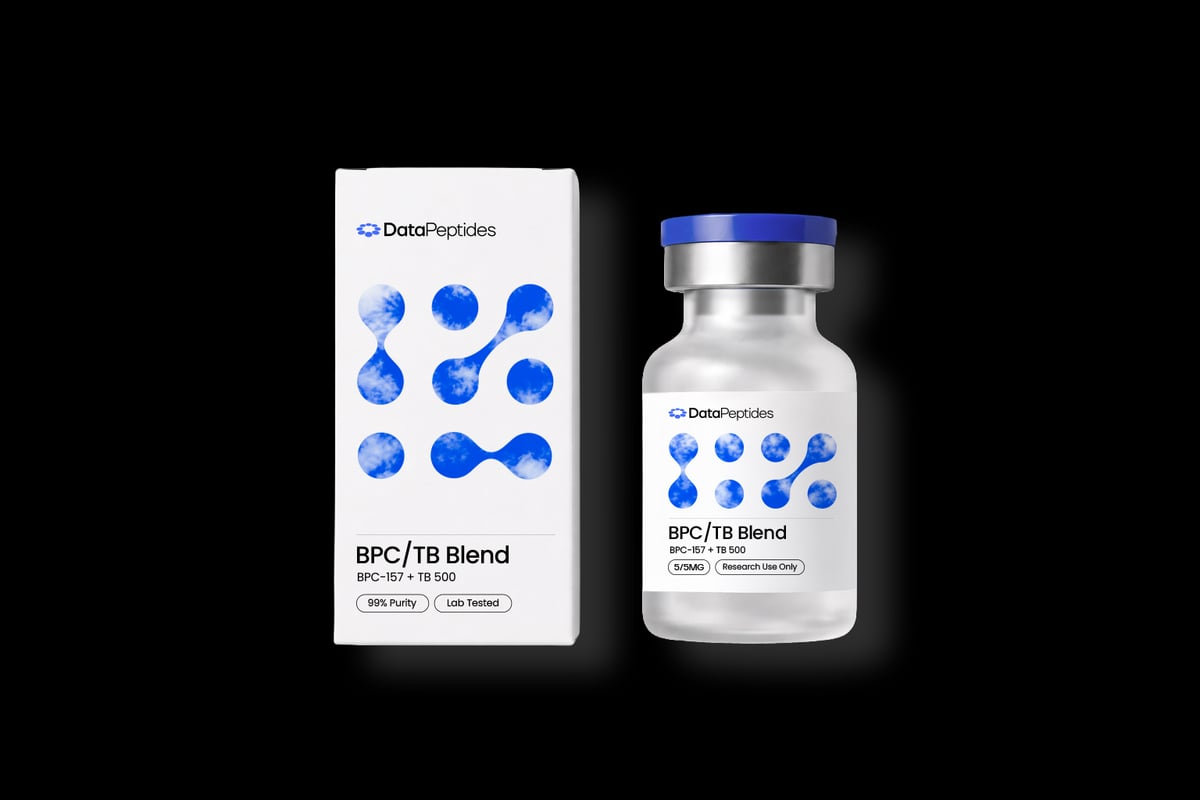
Individual peptides offer straightforward applications for specific research protocols, while blended formulations combine multiple compounds for synergistic investigation. For example, the BPC-157 / TB-500 combination pairs two well-researched peptides that have been studied for tissue repair mechanisms and regenerative pathways in laboratory settings.
Popular single-agent research peptides:
- BPC-157 for tissue repair pathway investigation
- TB-500 for cellular migration studies
- CJC-1295 for growth hormone release research
- Ipamorelin for ghrelin receptor analysis
- GHK-Cu for collagen synthesis studies
Blended formulations demand precise ratio calculations and compatibility testing to ensure stability. Suppliers offering these products should demonstrate advanced formulation capabilities and provide specific composition details.

Emerging Compounds and Research Trends
The peptide research landscape continuously evolves as new compounds undergo investigation. Suppliers who stay current with scientific developments typically invest more heavily in quality control and manufacturing capabilities.
Recent additions to research catalogs include metabolic peptides like MOTS-c and Retatrutide, which represent next-generation approaches to studying energy metabolism and hormone receptor interactions. The availability of these newer compounds indicates a supplier's commitment to maintaining a comprehensive research portfolio.
Storage, Handling, and Stability Considerations
Peptide integrity depends significantly on proper storage and handling protocols from manufacturing through end-use. The best peptides online arrive with clear stability data and storage recommendations.
Lyophilization and Reconstitution Protocols
Freeze-dried peptides offer superior stability compared to liquid formulations, extending shelf life when stored under appropriate conditions. Lyophilized products should arrive vacuum-sealed with minimal moisture content.
Proper storage conditions:
- Lyophilized peptides: Store at -20°C or colder
- Reconstituted solutions: Refrigerate at 2-8°C, use within specified timeframe
- Avoid repeated freeze-thaw cycles
- Protect from direct light exposure
- Use sterile bacteriostatic water for reconstitution
Quality suppliers provide detailed reconstitution instructions, including recommended diluent types, concentrations, and stability timeframes for prepared solutions. This information proves essential for maintaining peptide integrity throughout research applications.
Shipping and Packaging Standards
Peptide stability during transit requires specialized packaging with temperature control measures. Professional suppliers use insulated containers with gel packs or dry ice to maintain appropriate temperatures during shipping.
| Shipping Method | Temperature Control | Appropriate For |
|---|---|---|
| Standard Ground | None | Not recommended |
| Expedited Ground | Gel packs | Short-distance shipments |
| Overnight Priority | Ice packs/Dry ice | All peptide orders |
| International | Dry ice shipping | Global deliveries |
Suppliers offering only standard shipping without temperature control demonstrate inadequate understanding of peptide stability requirements. The additional cost of proper shipping represents a necessary investment in product integrity.
Price Considerations and Value Assessment
While cost naturally influences purchasing decisions, the cheapest option rarely represents the best value in peptide research. Understanding pricing structures helps laboratories allocate resources effectively while maintaining quality standards.
Cost vs. Quality Analysis
Exceptionally low prices often signal compromised manufacturing processes, inadequate testing, or misrepresented purity levels. The risks of purchasing peptides from unverified sources extend beyond wasted money to include experimental inconsistencies and potential contamination.
Legitimate manufacturing costs include raw materials sourcing, synthesis equipment operation, purification processes, analytical testing, and quality assurance protocols. Suppliers offering prices significantly below market averages likely cut corners in one or more of these critical areas.
Factors affecting peptide pricing:
- Sequence complexity and amino acid composition
- Purity level (95% vs. 98%+ pharmaceutical grade)
- Manufacturing batch size
- Testing thoroughness and documentation
- Packaging and shipping requirements
Laboratories should evaluate total value rather than unit price alone, considering testing documentation quality, product consistency, and supplier reliability.
Bulk Ordering and Research Continuity
Long-term research projects require consistent peptide sources to maintain experimental validity. Establishing relationships with reliable suppliers ensures batch-to-batch consistency and product availability.
Bulk purchasing can reduce per-unit costs while guaranteeing material availability for extended studies. However, laboratories must balance cost savings against storage capacity and peptide stability timelines. Even properly stored lyophilized peptides have finite shelf lives that may not justify excessive inventory accumulation.
Regulatory Landscape and Legal Compliance
Navigating the regulatory framework surrounding research peptides requires understanding both federal guidelines and enforcement priorities. The best peptides online come from suppliers who operate transparently within established legal parameters.
FDA Oversight and Research Use Classification
The FDA maintains specific regulatory positions regarding peptides, distinguishing between approved therapeutics and research compounds. Most peptides available through online suppliers fall outside FDA approval for human use, making clear research-only labeling essential.
Suppliers must avoid making therapeutic claims or marketing peptides for human consumption. These restrictions protect both vendors and purchasers from regulatory violations. Laboratories purchasing peptides bear responsibility for ensuring compliance with institutional review board protocols and federal research regulations.
State-Level Regulations and Shipping Restrictions
Beyond federal oversight, some states impose additional restrictions on peptide possession or distribution. Researchers should verify local regulations before ordering, particularly for compounds with higher regulatory scrutiny.
Understanding legal frameworks governing research peptide use helps laboratories maintain compliance while pursuing legitimate research objectives. Reputable suppliers stay informed about changing regulations and communicate restrictions to customers proactively.

Verification Methods and Red Flags
Identifying the best peptides online requires critical evaluation of supplier claims and marketing materials. Certain warning signs indicate potentially problematic sources that laboratories should avoid.
Common Warning Signs
Red flags indicating unreliable suppliers:
- Absence of third-party testing documentation
- Therapeutic claims or health benefit promises
- Extremely low prices compared to market averages
- Lack of transparent business information
- Poor customer reviews or complaints about product quality
- Unwillingness to provide batch-specific COAs
- Marketing toward consumer use rather than research applications
Suppliers making exaggerated purity claims without supporting documentation demonstrate questionable credibility. Legitimate testing results show slight batch-to-batch variations, while fabricated results often display suspiciously perfect consistency.
Independent Verification Resources
Researchers can access various resources for verifying peptide supplier credibility and product quality. Industry forums, peer recommendations, and published research citing specific suppliers provide valuable insights.
Third-party review platforms and Better Business Bureau ratings offer additional perspective on supplier reliability and customer service quality. However, researchers should recognize that some online reviews may be manipulated, making multiple verification sources essential.
Best Practices for First-Time Purchases
Laboratories new to peptide research should approach initial purchases systematically, establishing quality baselines before committing to larger orders or long-term supplier relationships.
Sample Order Strategy
Starting with smaller quantities allows quality assessment without significant financial commitment. This approach enables laboratories to verify product quality, evaluate supplier communication, and confirm proper documentation before scaling up orders.
Initial purchase checklist:
- Request current batch COA before ordering
- Verify proper packaging and temperature control upon arrival
- Document product appearance and reconstitution behavior
- Compare supplier-provided specifications with independent testing if available
- Assess supplier responsiveness to questions or concerns
- Evaluate overall transaction experience and documentation quality
Successful initial transactions establish confidence for ongoing research supply needs. Conversely, problems with first orders typically indicate systemic supplier issues rather than isolated incidents.
Building Long-Term Supplier Relationships
Consistent peptide sources contribute to experimental reproducibility and research reliability. Once laboratories identify suppliers meeting quality standards, maintaining these relationships streamlines procurement and ensures product consistency.
Professional suppliers value long-term research customers and often provide priority service, early access to new products, or volume-based pricing adjustments. These relationships prove particularly valuable when researching novel compounds or requiring customized formulations.
Quality Assurance Beyond Purchase
Receiving peptides represents just one step in maintaining research integrity. Laboratories must implement proper handling, storage, and usage protocols to preserve product quality throughout the research lifecycle.
Internal Documentation Systems
Comprehensive record-keeping tracks peptide batches from receipt through experimental use. Documentation should include supplier information, batch numbers, COA results, storage conditions, reconstitution dates, and experimental applications.
| Documentation Element | Purpose | Retention Period |
|---|---|---|
| Purchase orders | Financial and sourcing records | 7 years minimum |
| Batch COAs | Quality verification | Duration of use + 3 years |
| Storage logs | Temperature monitoring | Duration of storage + 1 year |
| Reconstitution records | Stability tracking | Duration of use |
| Usage logs | Experimental traceability | Per institutional requirements |
This systematic approach enables troubleshooting if experimental inconsistencies arise and supports audit requirements for funded research programs. Many institutions require detailed documentation of research materials as part of good laboratory practice protocols.
Stability Monitoring and Quality Control
Even properly stored peptides may degrade over time, potentially affecting experimental outcomes. Periodic quality checks help identify stability issues before they compromise research results.
Researchers should monitor reconstituted peptide solutions for clarity, color changes, or precipitation that might indicate degradation. When possible, retesting older batches through external laboratories provides objective stability assessment, particularly for long-term research programs.
Integration with Research Protocols
Selecting the best peptides online ultimately serves the goal of advancing scientific understanding through rigorous experimental design. Product quality directly impacts research validity and reproducibility.
Experimental Design Considerations
Peptide sourcing decisions should align with experimental objectives, statistical requirements, and publication standards. High-impact research typically demands the highest purity grades and most thorough documentation to withstand peer review scrutiny.
Studies investigating subtle biological effects require particularly stringent quality control, as even minor contaminants can confound results. Conversely, preliminary screening studies might accept slightly lower purity grades to reduce costs during exploratory phases.
Cross-Batch Consistency
Research spanning multiple batches must account for potential variations in peptide composition. While quality suppliers minimize batch-to-batch differences, no manufacturing process achieves perfect consistency.
Researchers should note batch numbers in experimental records and consider batch effects when analyzing data from long-term studies. Switching suppliers mid-study introduces additional variables that may complicate result interpretation, reinforcing the value of reliable supplier relationships.
Emerging Technologies and Future Trends
The peptide research field continues advancing rapidly, with new synthesis methods, analytical techniques, and compounds regularly emerging. Suppliers investing in technological capabilities position themselves as long-term research partners rather than simple product distributors.
Advanced Synthesis Methods
Novel synthesis approaches improve peptide purity, reduce production costs, and enable creation of previously difficult sequences. Suppliers adopting these technologies can offer enhanced product quality and expand their catalogs to include challenging compounds.
Solid-phase peptide synthesis remains the dominant production method, but continuous-flow synthesis and automated platforms increasingly supplement traditional approaches. These advancements particularly benefit laboratories requiring custom sequences or modified peptides for specialized research applications.
Quality Testing Innovations
Analytical chemistry advances enable more sensitive detection of impurities and more comprehensive peptide characterization. Suppliers incorporating cutting-edge testing methods provide researchers with greater confidence in product specifications and composition.
The best peptides online in 2026 come with multi-modal analysis combining traditional HPLC methods with advanced mass spectrometry, amino acid analysis, and peptide mapping. This comprehensive characterization exceeds basic purity testing, providing detailed molecular profiles that support precise research applications.
Understanding peptide safety and regulatory frameworks remains essential as the field evolves. Researchers must stay informed about regulatory changes, emerging safety data, and evolving best practices for peptide handling and use.
Social media has unfortunately become a vector for misinformation about peptide applications, particularly regarding non-approved therapeutic uses. Researchers should rely on peer-reviewed literature and established scientific resources rather than unverified online claims when designing experiments or evaluating peptide properties.
Professional organizations and research institutions increasingly provide guidance on appropriate peptide sourcing and use. These resources help laboratories navigate the expanding market while maintaining scientific and ethical standards.
Sourcing the best peptides online requires careful evaluation of supplier credentials, manufacturing standards, testing protocols, and regulatory compliance. Quality research demands reliable materials from transparent vendors who prioritize product integrity and scientific advancement. Data Peptides provides laboratory-grade, US-manufactured research peptides with third-party batch testing for purity, supporting rigorous scientific investigation with comprehensive documentation and quality assurance. Contact our technical team to discuss your research peptide requirements and access detailed product specifications for your next study.