

Research into peptide-based tissue repair has expanded significantly in recent years, with BPC-157 and TB-500 emerging as two of the most studied compounds in laboratory settings. These peptides operate through distinct biological mechanisms, yet researchers frequently investigate them in combination due to their complementary effects on cellular regeneration and inflammatory modulation. Understanding the individual properties and synergistic potential of bpc 157 and tb 500 provides valuable insights for scientists exploring tissue repair pathways, wound healing processes, and recovery mechanisms across multiple biological systems.
Mechanisms of Action: How Each Peptide Works
BPC-157, a synthetic pentadecapeptide derived from a protective gastric protein, consists of 15 amino acids arranged in a specific sequence. This peptide demonstrates remarkable stability across various pH levels and temperatures, making it particularly suitable for laboratory research applications. Research on BPC-157’s mechanism of action indicates multiple pathways through which it influences cellular function.
The compound primarily works by upregulating growth factor expression, including vascular endothelial growth factor (VEGF) and fibroblast growth factor (FGF). These growth factors play critical roles in angiogenesis, the formation of new blood vessels that supply nutrients and oxygen to healing tissues. BPC-157 also modulates nitric oxide pathways, which influence vascular function and inflammatory responses.

TB-500 and Thymosin Beta-4
TB-500 represents a synthetic version of Thymosin Beta-4 (TB4), a naturally occurring 43-amino acid peptide found throughout mammalian tissues. This compound binds to actin, a protein fundamental to cell structure and movement, thereby influencing cellular migration and tissue architecture during repair processes.
Unlike BPC-157, TB-500 primarily functions by:
- Promoting actin sequestration to facilitate cell mobility
- Enhancing cell migration toward injury sites
- Reducing inflammation through downregulation of pro-inflammatory cytokines
- Supporting extracellular matrix remodeling for structural tissue repair
- Decreasing myofibroblast activity to minimize excessive scar formation
The mechanism through which TB-500 operates makes it particularly relevant for research involving connective tissue injuries, where cellular migration and proper tissue architecture are essential for functional recovery.
Comparative Analysis: Tissue-Specific Applications
When examining bpc 157 and tb 500 side by side, their applications overlap in some areas while showing distinct advantages in others. Detailed comparisons of BPC-157 versus TB-500 highlight these differences across various tissue types.
| Tissue Type | BPC-157 Research Focus | TB-500 Research Focus |
|---|---|---|
| Muscle Tissue | Accelerated healing, reduced inflammation | Enhanced cell migration, structural repair |
| Tendons/Ligaments | Collagen synthesis, growth factor activation | Extracellular matrix remodeling, flexibility |
| Gastrointestinal | Mucosal protection, ulcer healing | Limited direct application |
| Cardiovascular | Angiogenesis, vascular repair | Cardiac cell migration, fibrosis reduction |
| Dermal/Wound | Blood vessel formation, wound closure | Keratinocyte migration, scar minimization |
Musculoskeletal Research Applications
Both peptides demonstrate significant potential in musculoskeletal tissue research. BPC-157 shows particular promise in studies involving tendon-to-bone healing, where its angiogenic properties support the formation of blood vessels critical for nutrient delivery. Laboratory models examining Achilles tendon injuries have shown that BPC-157 may accelerate the healing timeline through enhanced collagen organization.
TB-500 complements this by facilitating the migration of satellite cells, muscle stem cells that contribute to regeneration following injury. Research indicates that TB-500 may help maintain tissue elasticity and reduce excessive fibrosis, outcomes that distinguish it from compounds that promote healing but result in rigid scar tissue.
Dosing Parameters and Research Protocols
Laboratory research involving bpc 157 and tb 500 requires careful attention to dosing parameters, reconstitution procedures, and administration timing. These factors significantly influence experimental outcomes and data reproducibility.
BPC-157 Research Dosing
Common research protocols for BPC-157 typically employ doses ranging from 200 to 1000 micrograms per administration, with frequency varying based on study design. The peptide's stability allows for diverse administration methods in laboratory models, including subcutaneous, intraperitoneal, and oral routes.
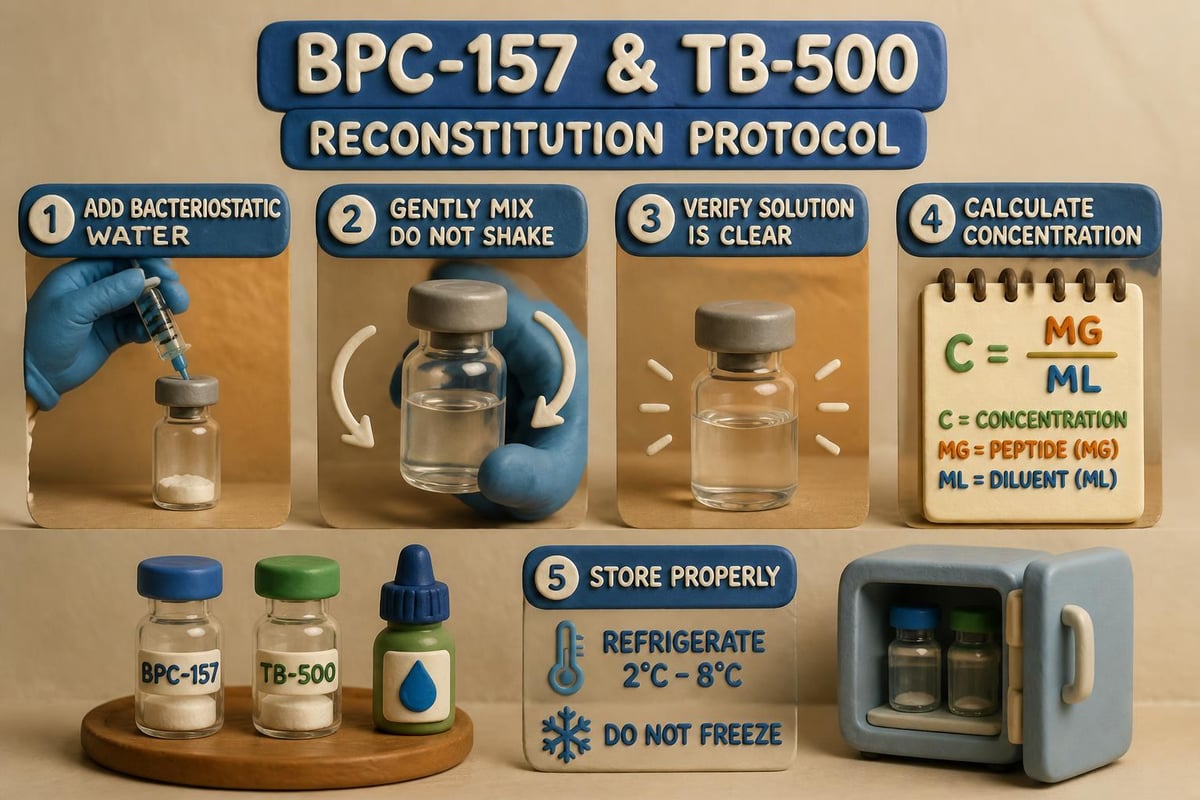
Standard reconstitution protocol:
- Begin with lyophilized peptide powder stored at appropriate temperatures
- Use bacteriostatic water as the reconstitution solution
- Calculate concentration based on total peptide mass and desired final volume
- Add solution slowly along vial wall to minimize degradation
- Gently swirl to dissolve without creating foam
- Store reconstituted solution at 2-8°C for optimal stability
TB-500 Research Parameters
TB-500 research typically involves higher doses compared to BPC-157, often ranging from 2 to 10 milligrams per administration. The compound's molecular weight and mechanism of action necessitate these elevated quantities to achieve measurable effects in tissue repair models.
| Parameter | BPC-157 | TB-500 |
|---|---|---|
| Typical Dose Range | 200-1000 mcg | 2-10 mg |
| Molecular Weight | ~1419 Da | ~4963 Da |
| Half-life | 4-6 hours (estimated) | Several days |
| Storage (lyophilized) | -20°C | -20°C |
| Storage (reconstituted) | 2-8°C, 30 days | 2-8°C, 14 days |
Synergistic Research: Combining Both Peptides
The question of whether to investigate bpc 157 and tb 500 independently or in combination represents an important consideration for research design. Studies comparing these peptides suggest that their distinct mechanisms may produce complementary effects when used together.
BPC-157's emphasis on growth factor activation and vascular development addresses the biological infrastructure needed for tissue repair. Simultaneously, TB-500's influence on cellular migration and structural remodeling supports the cellular processes that utilize this infrastructure. This complementary relationship has led many researchers to explore combination protocols.
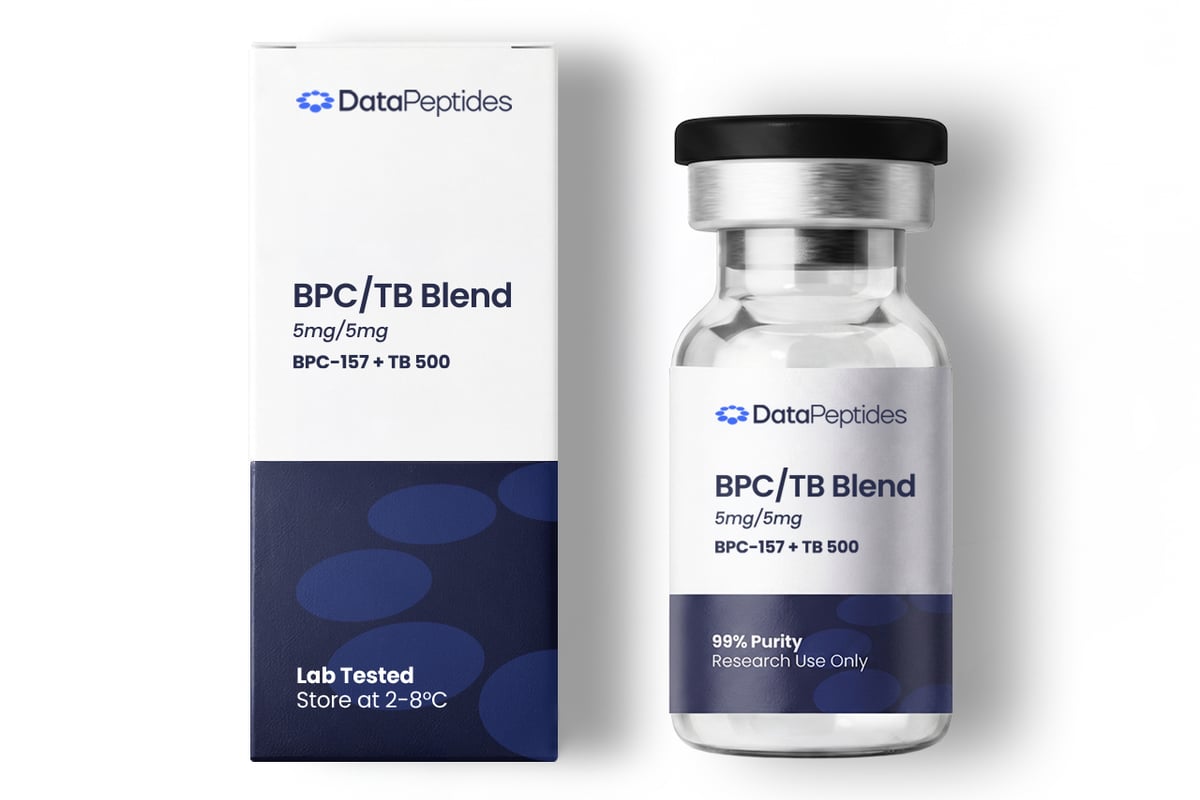
For laboratories interested in investigating both compounds together, researchers can access specifically formulated research materials. The BPC-157 / TB-500 blend offers a pre-measured combination designed for tissue repair research, providing consistent ratios for experimental protocols.
Potential Advantages of Combined Research
Research exploring combined peptide protocols may reveal several potential advantages:
- Broader mechanism coverage addressing both vascular and cellular repair pathways
- Potentially shortened research timelines through simultaneous pathway activation
- Enhanced angiogenesis combined with optimized cell migration for comprehensive tissue reconstruction
- Complementary inflammatory modulation through multiple signaling cascades
- Reduced experimental variability when investigating multi-faceted repair processes
However, combination research also introduces complexity in data interpretation, as isolating the contribution of each peptide becomes more challenging. Well-designed protocols should include control groups receiving individual peptides to establish baseline effects.
Safety Profiles and Research Considerations
Laboratory research requires thorough understanding of compound safety profiles, potential interactions, and handling procedures. Both BPC-157 and TB-500 demonstrate favorable safety characteristics in published research, though important distinctions exist.
BPC-157 research has documented minimal adverse effects across various administration routes and dosing protocols. The peptide's origin as a derivative of a naturally protective gastric protein contributes to its biocompatibility. Studies examining prolonged administration periods have not revealed significant toxicity concerns in laboratory models.
TB-500 similarly shows a robust safety profile, partly attributable to its relationship with naturally occurring Thymosin Beta-4. The endogenous presence of TB4 in mammalian tissues suggests evolutionary adaptation to this peptide structure. Research protocols using TB-500 have reported few adverse outcomes, even at elevated doses.
Important Research Considerations
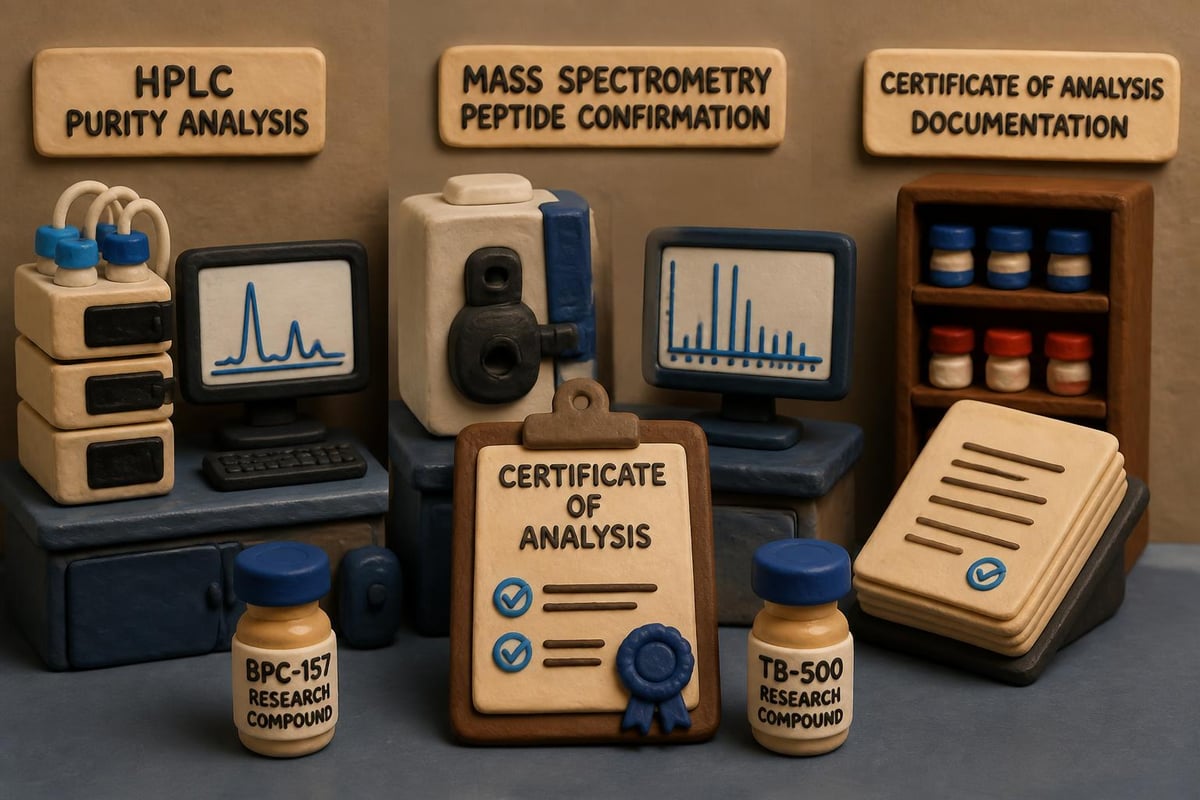
- Purity verification: Third-party testing ensures peptide quality and accurate experimental data
- Proper storage: Temperature control prevents degradation and maintains peptide integrity
- Sterile technique: Contamination prevention is essential for reliable research outcomes
- Documentation: Detailed record-keeping supports reproducibility and data interpretation
- Control groups: Appropriate comparisons strengthen experimental validity
Researchers should verify certificate of analysis documentation for batch-specific purity data before initiating research protocols.
Research Applications Beyond Musculoskeletal Systems
While much attention focuses on musculoskeletal applications, bpc 157 and tb 500 demonstrate research potential across diverse biological systems. Understanding these broader applications provides context for comprehensive tissue repair investigation.
Gastrointestinal Research
BPC-157 originates from gastric protective proteins, making it particularly relevant for gastrointestinal research. Laboratory studies have examined its effects on various forms of intestinal injury, including inflammatory models, ischemic damage, and mucosal disruption. The peptide's ability to promote epithelial cell migration and reduce inflammatory signaling makes it valuable for digestive system research.
Research applications include:
- Intestinal barrier function studies
- Inflammatory bowel disease models
- Gastric ulcer healing research
- Fistula repair investigations
- Post-surgical recovery models
Cardiovascular System Studies
Both peptides show promise in cardiovascular research, though through different mechanisms. Comparative analyses of tissue repair peptides highlight their distinct contributions to vascular health research.
BPC-157's angiogenic properties make it relevant for studies examining blood vessel formation, endothelial function, and vascular repair following ischemic injury. TB-500's influence on cardiac cell migration and its potential to reduce post-injury fibrosis position it as valuable for myocardial research applications.
Quality Standards for Research-Grade Peptides
The reliability of research outcomes depends fundamentally on peptide quality. Research-grade peptides must meet stringent purity standards, proper storage conditions, and accurate labeling to ensure experimental validity.
Critical quality factors:
- Purity levels: Research-grade peptides typically require ≥98% purity
- Peptide content: Accurate mass measurements ensure proper dosing calculations
- Manufacturing standards: US-based production facilities following GMP guidelines
- Third-party verification: Independent laboratory testing confirms specifications
- Proper packaging: Lyophilization and sealed vials protect against degradation
Laboratories exploring bpc 157 and tb 500 research should source materials from suppliers who provide comprehensive documentation and quality assurance. Data Peptides offers research-grade peptides manufactured in the United States with third-party batch testing for each product.
Emerging Research Directions and Future Applications
The research landscape surrounding these peptides continues evolving as new studies explore previously unexamined applications. Recent investigations have expanded into areas including neurological repair, dermatological applications, and systemic inflammation modulation.
Neurological Research Potential
Preliminary research suggests that BPC-157 may influence neurological repair pathways through its effects on growth factor expression and vascular development in neural tissues. Studies examining traumatic brain injury models have investigated whether the peptide's neuroprotective properties extend beyond its established tissue repair functions.
TB-500's role in cell migration raises questions about its potential in neural regeneration research, particularly regarding the migration of neural progenitor cells to injury sites. While this represents an emerging area requiring substantial additional investigation, it demonstrates the expanding scope of peptide research applications.
Dermatological and Wound Healing Studies
Both peptides feature prominently in dermatological research examining wound healing, burn recovery, and chronic wound management. The combination of BPC-157's angiogenic effects and TB-500's promotion of keratinocyte migration creates an interesting research framework for comprehensive skin repair studies.
Research protocols investigating wound closure rates, scar formation patterns, and tissue remodeling quality have incorporated these peptides individually and in combination to assess their potential contributions to optimal healing outcomes.
Practical Laboratory Considerations
Implementing research protocols involving bpc 157 and tb 500 requires attention to practical laboratory considerations that influence experimental success and data quality.
Storage and Handling Protocols
Proper storage maintains peptide integrity throughout research timelines. Lyophilized peptides should remain at -20°C or below, protected from light and moisture. Once reconstituted, peptides require refrigeration at 2-8°C, with usage timelines depending on the specific compound and storage solution employed.
Best practices for peptide handling:
- Minimize freeze-thaw cycles to prevent structural degradation
- Use calibrated micropipettes for accurate volume measurements
- Document reconstitution dates and calculate expiration timelines
- Store reconstituted peptides in aliquots to avoid repeated temperature fluctuations
- Maintain sterile technique throughout preparation and administration
Experimental Design Recommendations
Robust experimental design strengthens the validity of peptide research outcomes. Comprehensive peptide research guidelines emphasize the importance of appropriate controls, adequate sample sizes, and standardized measurement protocols.
Researchers should consider incorporating multiple measurement timepoints to capture the dynamic nature of tissue repair processes. Combining quantitative measurements (tensile strength, cross-sectional area) with qualitative assessments (histological examination, immunohistochemistry) provides comprehensive outcome data.
Integration with Other Research Modalities
Research involving bpc 157 and tb 500 often integrates with other therapeutic modalities to investigate potential synergies or interactions. Understanding how these peptides function alongside other interventions broadens their research applications.
Combination with Growth Factor Research
Studies examining the interaction between exogenous peptides and endogenous growth factors provide insights into regulatory mechanisms governing tissue repair. Research protocols may investigate whether BPC-157 and TB-500 enhance the effects of naturally occurring growth factors or whether they operate through independent pathways.
Physical Rehabilitation Models
Laboratory research incorporating mechanical loading, mobility protocols, or therapeutic modalities alongside peptide administration creates models more reflective of clinical rehabilitation approaches. These integrated studies examine whether peptides enhance tissue adaptations to mechanical stress or accelerate recovery timelines when combined with controlled activity.
Research into bpc 157 and tb 500 continues revealing the complex mechanisms through which these peptides influence tissue repair, cellular migration, and inflammatory modulation across diverse biological systems. Their distinct yet complementary properties make them valuable tools for laboratories investigating regenerative processes and healing optimization. For researchers seeking high-quality, third-party tested research peptides manufactured under stringent US standards, Data Peptides provides laboratory-grade compounds specifically formulated for scientific investigation, ensuring the reliability and reproducibility essential for advancing peptide research.