

Research laboratories investigating tissue repair and regenerative mechanisms have increasingly focused on peptide combinations that demonstrate complementary biological activities. Among the most studied pairings, bpc 157 peptide tb 500 has emerged as a particularly promising combination for examining cellular healing processes, vascular development, and structural tissue recovery. These two compounds operate through distinct yet synergistic mechanisms, making them valuable tools for understanding how the body responds to injury at the molecular level and how therapeutic interventions might be optimized.
Understanding BPC-157 and TB-500 as Individual Research Compounds
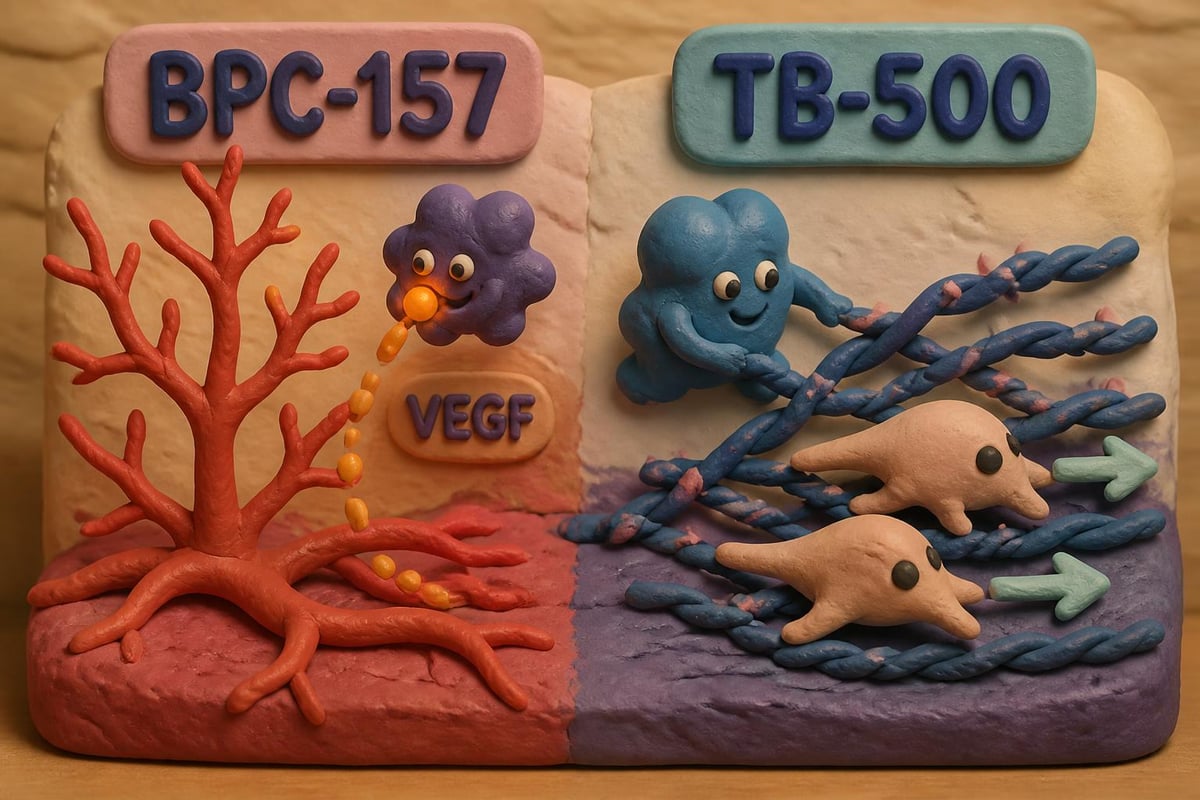
BPC-157, a synthetic pentadecapeptide derived from a protective protein found in gastric juice, consists of fifteen amino acids arranged in a specific sequence. This peptide has been extensively documented for its influence on angiogenic pathways, growth factor expression, and inflammatory modulation. Research laboratories utilize BPC-157 to investigate how localized healing responses are initiated and sustained across multiple tissue types.
TB-500, commonly identified as the synthetic version of Thymosin Beta-4, represents a naturally occurring peptide with 43 amino acids. This compound plays a fundamental role in cellular migration, differentiation, and structural protein organization. The primary mechanism involves actin upregulation, which facilitates cell movement and tissue remodeling during repair processes.
Distinct Molecular Mechanisms
The molecular pathways activated by each peptide provide researchers with different angles for examining tissue recovery. BPC-157 demonstrates notable effects on vascular endothelial growth factor (VEGF) expression, promoting new blood vessel formation essential for delivering nutrients and oxygen to damaged tissues. This angiogenic activity makes it particularly valuable for studying conditions where vascular insufficiency impairs healing.
TB-500 operates primarily through beta-actin regulation, influencing how cells reorganize their cytoskeleton for migration toward injury sites. This mechanism proves critical in understanding how tissues recruit repair cells and establish new structural frameworks. Additionally, TB-500 research indicates its involvement in reducing fibrosis and promoting flexible, functional tissue rather than rigid scar formation.
Why Researchers Combine BPC 157 Peptide TB 500
The rationale for pairing these compounds in laboratory protocols stems from their complementary action profiles. While BPC-157 excels at establishing vascular networks and modulating inflammation, TB-500 enhances cellular mobility and structural organization. This combination allows researchers to examine multi-faceted healing responses that more accurately reflect the body's natural repair complexity.
Key synergistic effects observed in combined protocols include:
- Enhanced vascular development alongside improved cellular recruitment
- Balanced inflammatory response with accelerated resolution phases
- Structural tissue integrity combined with functional flexibility
- Broader spectrum of tissue types responding to intervention
- Prolonged beneficial effects extending beyond initial treatment windows
Research Applications Across Tissue Types
Laboratory investigations using bpc 157 peptide tb 500 have explored applications across diverse biological systems. Musculoskeletal research represents a primary area of focus, with studies examining tendon, ligament, and muscle tissue responses. The combination proves particularly valuable for understanding chronic injury patterns where both vascular and cellular components require optimization.
Cardiovascular research utilizes these peptides to investigate endothelial function, vessel wall integrity, and cardiac tissue protection following ischemic events. The dual mechanism approach provides insights into how tissues might be preconditioned for stress resistance or how post-injury remodeling can be influenced.
Gastrointestinal studies leverage BPC-157's historical connection to gastric protection while incorporating TB-500's effects on mucosal barrier function and epithelial migration. This application area has produced compelling data regarding ulcer healing, inflammatory bowel conditions, and intestinal permeability.
| Tissue Type | BPC-157 Primary Effect | TB-500 Primary Effect | Combined Benefit |
|---|---|---|---|
| Muscle | Angiogenesis, inflammation reduction | Actin regulation, cell migration | Faster fiber repair with improved vascularization |
| Tendon/Ligament | Collagen synthesis, VEGF expression | Reduced fibrosis, cellular organization | Functional healing with maintained flexibility |
| Cardiovascular | Endothelial protection, vessel growth | Cardiomyocyte survival, tissue remodeling | Enhanced cardiac recovery post-injury |
| Gastrointestinal | Mucosal healing, barrier restoration | Epithelial migration, structural repair | Comprehensive gut lining regeneration |
Dosing Protocols and Administration Considerations in Research
Research protocols employing bpc 157 peptide tb 500 vary considerably based on study objectives, animal models, and tissue targets. Standardization remains challenging due to the diversity of research questions and methodological approaches across laboratories. However, certain patterns have emerged from published literature and ongoing investigations.
BPC-157 doses in animal studies typically range from 10 micrograms to several milligrams per kilogram of body weight, administered through various routes including intraperitoneal, intramuscular, oral, and topical applications. The peptide's demonstrated stability in gastric environments makes oral administration viable for certain research questions, though systemic delivery methods predominate in tissue repair studies.
TB-500 research protocols generally employ higher absolute doses, reflecting its larger molecular size and distribution characteristics. Common dosing ranges from 2 to 20 milligrams total dose in small animal models, with frequency varying from daily to twice-weekly administration depending on the acute or chronic nature of the condition being studied.
Combination Protocol Design
When designing protocols that combine both peptides, researchers must consider several variables:
- Timing synchronization: Whether to administer simultaneously or stagger doses based on mechanistic onset
- Dose ratio optimization: Balancing concentrations to avoid saturation of shared pathways
- Duration determination: Establishing appropriate treatment windows for different tissue types
- Route selection: Choosing systemic versus localized delivery based on target tissue accessibility
- Monitoring parameters: Identifying biomarkers that reflect both peptides' activities
Many research teams at Data Peptides source their laboratory-grade compounds with third-party batch testing to ensure consistency across experimental replicates. This quality control proves essential when comparing results across time or between different research groups.

Evidence Base and Current Research Status
The scientific literature surrounding bpc 157 peptide tb 500 has expanded substantially over the past decade, though the evidence base remains predominantly preclinical. Comprehensive research reviews indicate that BPC-157 has been investigated in over 100 animal studies examining diverse conditions from tendon injuries to inflammatory bowel disease. However, human clinical trials remain limited, creating a significant knowledge gap between laboratory findings and clinical applications.
TB-500 research follows a similar trajectory, with robust preclinical evidence but sparse human data. Studies examining TB-500’s mechanism have elucidated its role in wound healing, hair follicle development, and cardiac protection, yet translational research faces regulatory and methodological challenges.
Current research priorities include:
- Dose-response characterization across multiple tissue types
- Long-term safety profiling in animal models
- Mechanistic studies identifying specific receptor interactions
- Comparative effectiveness against established interventions
- Bioavailability and pharmacokinetic optimization
Critical Evaluation of Existing Evidence
Scientific rigor requires acknowledging limitations within the current evidence base. Most studies utilize acute injury models in rodents, which may not fully replicate chronic human conditions or interspecies physiological differences. Publication bias toward positive results likely influences the perceived efficacy of these peptides, while negative or null findings receive less attention.
Systematic reviews of BPC-157 research highlight methodological inconsistencies across studies, including varied dosing regimens, different injury induction methods, and inconsistent outcome measurement. These variations complicate meta-analysis and evidence synthesis, making definitive conclusions challenging.
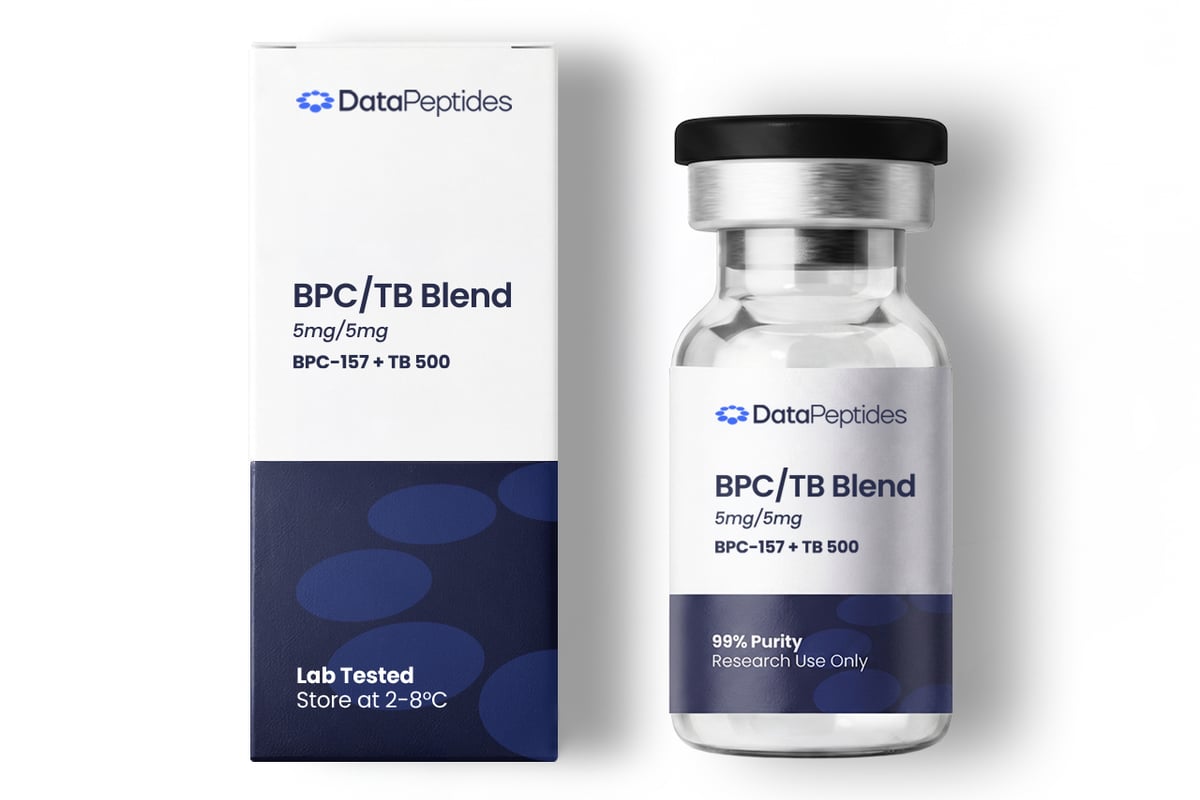
For researchers exploring combination formulations, the BPC-157 / TB-500 blend provides a standardized starting point for investigations requiring both compounds in a single preparation, simplifying protocol development and ensuring consistent ratios across experiments.
Safety Considerations and Regulatory Context
Laboratory research involving bpc 157 peptide tb 500 must operate within established safety frameworks and regulatory guidelines. While both peptides demonstrate favorable safety profiles in animal studies, with minimal adverse effects reported at therapeutic doses, extrapolation to human safety requires caution and additional investigation.
BPC-157's stability and low toxicity have been documented across multiple administration routes and dose ranges. However, long-term exposure data remains limited, particularly regarding potential effects on growth factor signaling cascades that might influence unintended cellular proliferation. Researchers must design protocols that include appropriate monitoring for unexpected biological responses.
TB-500 safety data similarly suggests good tolerability, though questions remain about optimal dosing thresholds and potential interactions with endogenous Thymosin Beta-4 regulation. The peptide's involvement in actin dynamics raises theoretical concerns about effects on cellular processes beyond intended targets, warranting comprehensive safety assessments in any research protocol.
Regulatory Status and Research Compliance
Both compounds exist in a complex regulatory environment. They are neither FDA-approved drugs for human use nor scheduled controlled substances, instead occupying the category of research chemicals intended exclusively for laboratory investigation. This classification imposes specific obligations on research facilities and individual investigators.
| Regulatory Aspect | BPC-157 | TB-500 | Combined Use |
|---|---|---|---|
| FDA approval status | Not approved | Not approved | Not applicable |
| WADA prohibited list | Yes (athletes) | Yes (athletes) | Yes |
| Research classification | Investigational peptide | Investigational peptide | Investigational combination |
| Laboratory use | Permitted with proper protocols | Permitted with proper protocols | Permitted with proper protocols |
Practical Implementation in Research Settings
Establishing protocols for bpc 157 peptide tb 500 research requires careful attention to compound handling, storage, reconstitution, and administration techniques. Both peptides arrive as lyophilized powders requiring reconstitution with bacteriostatic water or other appropriate solvents before use.
Storage conditions significantly impact peptide stability and experimental consistency. Lyophilized forms maintain stability at refrigerated temperatures (2-8°C) for extended periods, while reconstituted solutions require freezing for long-term storage or refrigeration for short-term use. Freeze-thaw cycles should be minimized to prevent peptide degradation.
Reconstitution Best Practices
- Calculate required concentrations based on experimental design and dose requirements
- Use appropriate bacteriostatic water to prevent microbial contamination during storage
- Add solvent slowly along vial walls to minimize agitation and foaming
- Allow gentle dissolution without vigorous shaking or vortexing
- Verify complete reconstitution before drawing doses for administration
Administration technique varies by route and research objective. Subcutaneous injection provides consistent systemic delivery with predictable absorption kinetics. Intramuscular administration offers localized tissue exposure with gradual systemic distribution. Intraperitoneal routes, common in rodent research, enable rapid distribution but may complicate pharmacokinetic interpretation.
Comparative Analysis with Other Research Peptides
Understanding bpc 157 peptide tb 500 within the broader context of regenerative research peptides helps clarify their unique positioning and potential advantages. Several other compounds target similar biological processes through different mechanisms, offering researchers alternative or complementary tools for investigation.
Growth hormone-releasing peptides such as those found in CJC-1295 formulations influence tissue repair through systemic growth hormone elevation rather than direct local effects. This represents a fundamentally different approach that may complement but not replicate the targeted actions of BPC-157 and TB-500.
Copper peptides like GHK-Cu, featured in specialized blends for regeneration research, operate through metal ion chelation and signaling pathway modulation. These mechanisms intersect with BPC-157 and TB-500 effects at certain points but diverge significantly in primary action pathways.
Comparing these compounds reveals that bpc 157 peptide tb 500 combinations offer particular advantages when research objectives focus on vascular development, cellular migration, and inflammatory modulation simultaneously. Alternative peptides may prove superior for questions centered on systemic growth factor modulation or specific extracellular matrix components.
Emerging Research Directions and Future Investigations
The scientific community continues expanding investigation into bpc 157 peptide tb 500 applications, with several promising research directions gaining momentum. Multi-organ systemic effects represent one frontier, examining how these peptides influence distant tissues beyond primary injury sites and whether centralized signaling mechanisms coordinate widespread healing responses.
Combination studies pairing these peptides with established pharmaceutical interventions or physical therapy modalities offer insights into integrative healing approaches. Understanding how peptide-mediated cellular changes interact with mechanical loading, anti-inflammatory medications, or growth factor supplementation could reveal optimization strategies for complex recovery scenarios.
Promising investigation areas include:
- Neurological applications examining nerve regeneration and neuroprotection
- Bone healing research investigating fracture repair and osteointegration
- Skin regeneration studies exploring wound closure and scar quality
- Performance recovery research in athletic training contexts
- Age-related degeneration examining whether peptides influence sarcopenia or vascular aging
Methodological advances in imaging techniques, biomarker analysis, and genetic profiling enable more sophisticated investigation of peptide mechanisms. Researchers can now track cellular responses in real-time, identify specific gene expression changes, and correlate molecular alterations with functional outcomes more precisely than earlier studies allowed.
Procurement and Quality Considerations for Research
Obtaining high-quality, consistent peptide compounds represents a critical success factor in any research protocol utilizing bpc 157 peptide tb 500. Variability in purity, concentration, or contamination can introduce confounding variables that compromise experimental validity and reproducibility. Third-party testing provides essential verification that compounds meet specifications and contain appropriate peptide sequences without significant impurities.
Certificate of analysis (COA) documentation should accompany each batch, detailing purity percentages determined through high-performance liquid chromatography (HPLC), mass spectrometry confirmation of molecular weight, and absence of bacterial endotoxins or heavy metal contamination. Researchers should verify these documents and maintain them as part of experimental records.
US-manufactured peptides offer advantages in quality control consistency, regulatory oversight, and supply chain transparency. Domestic production facilities typically operate under stricter manufacturing standards and quality assurance protocols compared to international sources, reducing risks associated with counterfeit or mislabeled compounds.
| Quality Factor | Why It Matters | Verification Method |
|---|---|---|
| Purity percentage | Affects dose accuracy and biological response | HPLC analysis on COA |
| Molecular weight | Confirms correct peptide sequence | Mass spectrometry data |
| Sterility | Prevents experimental contamination | Endotoxin testing results |
| Storage conditions | Maintains peptide stability | Temperature logging documentation |
Laboratory investigations combining BPC-157 and TB-500 continue revealing important insights into tissue repair mechanisms, cellular migration patterns, and vascular development processes that inform our understanding of regenerative biology. For research teams requiring laboratory-grade, third-party tested compounds manufactured in the United States, Data Peptides provides reliable access to these investigational peptides with comprehensive quality documentation, ensuring experimental consistency and regulatory compliance for serious scientific inquiry.