

The decision to buy research peptides online requires careful consideration of multiple factors that directly impact the quality, purity, and reliability of these specialized compounds. As peptide research continues to expand across metabolic, regenerative, and cellular biology applications, researchers need dependable sources that prioritize manufacturing standards, transparency, and rigorous testing protocols. The online marketplace offers convenience and accessibility, but it also presents challenges in distinguishing legitimate suppliers from vendors who compromise on quality or make unverified claims about their products.
Understanding the Research Peptide Market
Research peptides have become essential tools in laboratory settings for investigating cellular mechanisms, metabolic pathways, and potential therapeutic applications. The ability to buy research peptides online has democratized access for academic institutions, biotechnology firms, and independent research facilities, but this accessibility comes with responsibility.
The peptide supply industry operates within a complex regulatory framework. According to recent investigations into unproven peptides, many compounds are promoted without FDA approval for human consumption, making it critical to source products explicitly labeled and manufactured for research purposes only. This distinction protects both suppliers and researchers from legal complications while ensuring ethical practices.
Key Considerations Before Purchase
When evaluating where to buy research peptides online, researchers should establish clear criteria:
- Manufacturing origin and facility standards
- Third-party batch testing verification
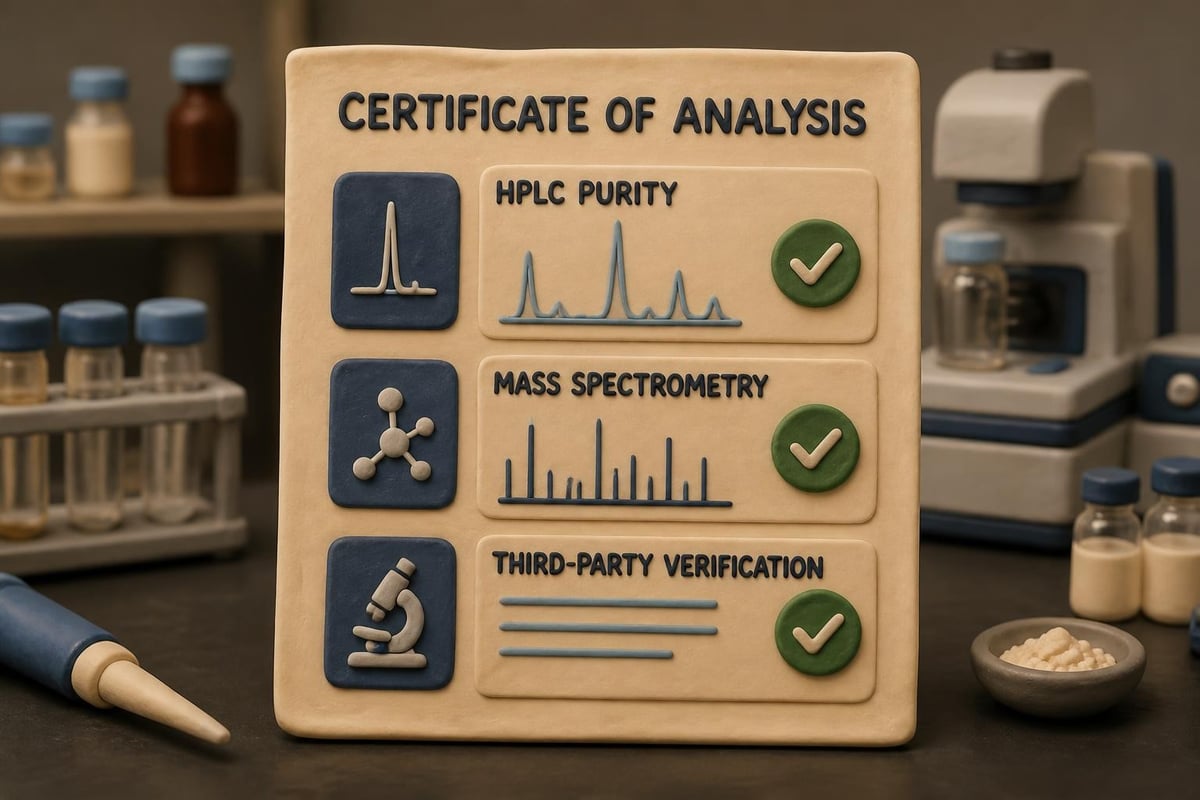
- Certificate of Analysis (COA) availability
- Clear research-only labeling and disclaimers
- Transparent communication channels
- Secure payment and shipping protocols
The peptide synthesis process involves precise amino acid sequencing, purification methods, and quality control checkpoints. Vendors who maintain transparency about these processes demonstrate commitment to scientific integrity.
Quality Indicators and Testing Standards
Distinguishing between high-quality and substandard peptides requires understanding analytical testing methods. When you buy research peptides online, the supplier should provide comprehensive documentation for each batch.
Essential Quality Metrics
| Testing Method | Purpose | Acceptable Standard |
|---|---|---|
| HPLC (High-Performance Liquid Chromatography) | Purity verification | ≥98% purity |
| Mass Spectrometry | Molecular weight confirmation | Matches theoretical mass ±0.01% |
| Amino Acid Analysis | Sequence verification | Correct composition ratio |
| Bacterial Endotoxin Testing | Contamination screening | <10 EU/mg |
High-performance liquid chromatography remains the gold standard for peptide purity assessment. This analytical technique separates compound components and quantifies the target peptide against impurities, degradation products, and synthesis byproducts.
Third-party testing adds an additional layer of credibility. Independent laboratories without financial ties to manufacturers provide unbiased analysis, which builds confidence in product specifications.
Certificate of Analysis Requirements
A legitimate COA should include:
- Batch number and manufacturing date
- Testing laboratory name and contact information
- Complete analytical results with methodology descriptions
- Expiration or recommended use date
- Storage condition specifications
- Molecular formula and weight
Understanding how to safely source peptides requires scrutinizing these documents carefully. Researchers should verify that COA batch numbers match product labels and that testing dates are recent enough to reflect current inventory.
Identifying Red Flags and Risks
The ease of creating online storefronts has led to an influx of questionable vendors in the peptide market. Researchers must recognize warning signs that indicate potential quality or legal issues.
Common Warning Signals
Pricing anomalies often indicate compromised quality. While competitive pricing is normal, significantly below-market rates suggest shortcuts in manufacturing, testing, or handling. Premium research compounds require sophisticated synthesis equipment, purification systems, and quality control infrastructure that cannot be sustainably maintained at rock-bottom prices.
Marketing claims that suggest human consumption, therapeutic benefits, or medical applications violate regulatory guidelines. Legitimate suppliers consistently emphasize research-only applications and include clear disclaimers about non-human use.
Lack of testing documentation represents a critical red flag. Vendors who cannot or will not provide batch-specific COAs likely do not conduct proper quality verification.
The legal risks associated with online peptide sales extend to both suppliers and purchasers who misrepresent or misuse these compounds. Researchers should ensure their intended applications align with legal frameworks and institutional review board requirements.
Verification Steps
- Request COA before purchase and verify laboratory credentials
- Cross-reference supplier information with business registries
- Check for consistent contact information across platforms
- Review customer feedback focusing on product quality, not marketing
- Confirm secure payment processing and data protection measures
- Verify shipping compliance with temperature and handling requirements

US Manufacturing and Supply Chain Integrity
Geographic manufacturing location significantly impacts product consistency and oversight. When researchers buy research peptides online from US-based manufacturers, they benefit from stricter quality control environments and more accessible recourse mechanisms.
Domestic Manufacturing Advantages
American peptide synthesis facilities operate under stringent occupational safety standards and environmental regulations that influence manufacturing protocols. These requirements create baseline quality expectations that may not exist in less regulated jurisdictions.
Supply chain transparency becomes more achievable with domestic production. Researchers can more easily verify:
- Raw material sourcing and purity
- Manufacturing facility inspection records
- Compliance with Good Manufacturing Practice (GMP) guidelines
- Batch traceability from synthesis through distribution
- Storage and handling conditions throughout the supply chain
For specialized compounds like those available through Data Peptides, US manufacturing ensures consistent production standards and reliable availability.
Temperature Control and Stability
Peptides are delicate molecules susceptible to degradation from heat, light, and moisture exposure. Professional suppliers implement cold chain logistics to preserve molecular integrity from production through delivery.
| Storage Phase | Temperature Requirement | Duration |
|---|---|---|
| Post-synthesis | -20°C to -80°C | Long-term |
| Quality testing | 2°C to 8°C | Short-term |
| Shipping | 2°C to 8°C with coolant | 24-72 hours |
| Laboratory storage | -20°C (lyophilized) | Until reconstitution |
Reconstituted peptides have significantly shorter stability windows, typically requiring use within 30 days even under refrigeration. Understanding these limitations helps researchers plan experimental timelines and minimize waste.
Selecting Research Peptides for Specific Applications
Different research objectives require different peptide compounds, each with unique characteristics and handling requirements. The decision to buy research peptides online should align with experimental design and institutional protocols.
Metabolic Research Applications
Peptides that modulate metabolic pathways have become central to obesity, diabetes, and energy regulation research. Compounds acting on glucagon-like peptide-1 (GLP-1) and related receptors provide insights into glucose homeostasis and satiety signaling.
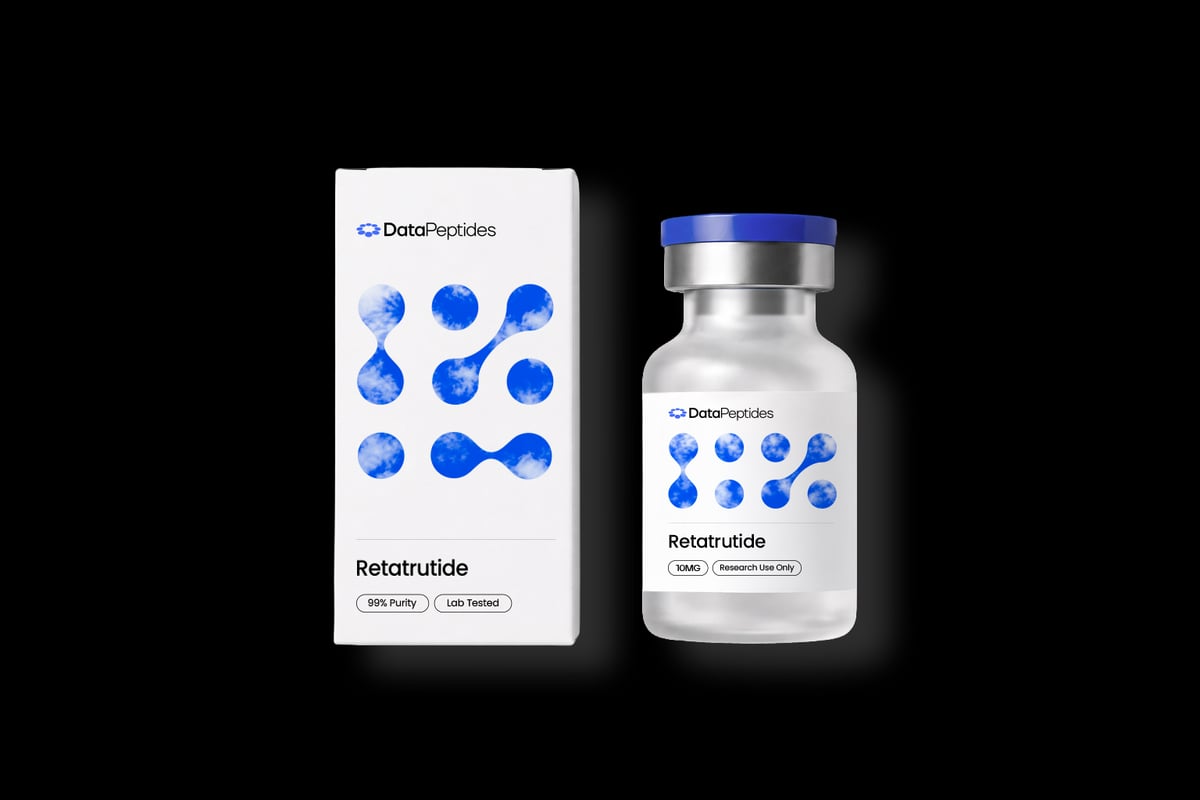
Retatrutide represents an advanced example in this category, functioning as a triple agonist for GLP-1, GIP, and glucagon receptors. This multi-target approach offers researchers the opportunity to investigate more comprehensive metabolic interventions compared to single-pathway compounds. Studies exploring synergistic receptor activation require access to high-purity research-grade peptides to ensure experimental validity.
Regenerative and Tissue Repair Studies
Peptides supporting cellular repair mechanisms attract significant research interest across sports medicine, wound healing, and aging studies. Compounds like BPC-157 and TB-500 appear frequently in protocols examining tissue regeneration, inflammation modulation, and recovery acceleration.
The combination of BPC-157 with TB-500 offers researchers the ability to investigate complementary mechanisms. BPC-157's influence on growth factor production and inflammatory pathways pairs with TB-500's effects on cell migration and angiogenesis, creating comprehensive models for regenerative research.
Cellular Aging and Mitochondrial Function
Research into cellular senescence, energy metabolism, and longevity increasingly incorporates peptides that support mitochondrial function and DNA repair. These applications require exceptionally pure compounds since contaminants can confound results in sensitive cellular assays.
Researchers studying these pathways should prioritize suppliers who can demonstrate consistent purity across batches and provide detailed impurity profiles in their analytical documentation.
Documentation and Compliance Requirements
Professional research environments require meticulous record-keeping for peptide procurement and use. When you buy research peptides online, maintaining proper documentation serves multiple purposes.
Institutional Review Requirements
- Purchase order records with supplier information
- COA filing for each batch received
- Storage condition logs and temperature monitoring
- Chain of custody documentation for controlled access
- Waste disposal records following hazardous material protocols
- Experimental use logs correlating batches to specific studies
Many institutions require pre-approval before purchasing research chemicals, including peptides. Researchers should consult with procurement departments, institutional review boards, and environmental health and safety offices to ensure compliance with organizational policies.
Legal and Ethical Considerations
The regulatory landscape surrounding peptides remains complex and evolving. Understanding the risks of buying peptides online helps researchers navigate potential complications related to compound classification, import restrictions, and use limitations.
Research-only designations protect both suppliers and purchasers from regulatory scrutiny associated with unapproved drugs or supplements. Vendors who clearly state that products are "not for human or animal consumption" maintain compliance with FDA guidance while supporting legitimate scientific inquiry.
International shipments introduce additional complexity with customs declarations, import permits, and varying national regulations. Domestic suppliers eliminate many of these complications for US-based researchers.
Storage and Handling Best Practices
Proper peptide management extends product viability and ensures experimental consistency. Even high-quality compounds degrade when exposed to inappropriate conditions.
Pre-Reconstitution Storage
Lyophilized (freeze-dried) peptides demonstrate remarkable stability when stored correctly:
- Store at -20°C or colder in original sealed vials
- Protect from light using amber vials or aluminum foil wrapping
- Minimize freeze-thaw cycles by aliquoting if needed
- Allow vials to reach room temperature before opening to prevent condensation
- Use desiccants in storage containers to control humidity
Post-Reconstitution Handling
Once reconstituted with bacteriostatic water or appropriate diluent, peptides become much more fragile:
- Reconstitute only the amount needed for immediate experimental use
- Store reconstituted solutions at 2°C to 8°C
- Use within manufacturer-specified timeframes (typically 7-30 days)
- Never freeze reconstituted peptides unless specifically instructed
- Swirl gently rather than shaking to mix solutions
- Use sterile technique throughout preparation and handling
Understanding proper bacteriostatic water selection for reconstitution preserves peptide integrity while preventing bacterial growth in multi-use vials.
Evaluating Supplier Customer Service
Technical support and responsive communication distinguish professional peptide suppliers from transactional retailers. When you buy research peptides online, ongoing support capabilities should factor into vendor selection.
Support Service Indicators
Technical expertise allows suppliers to answer questions about reconstitution protocols, storage recommendations, and application-specific considerations. Representatives with scientific backgrounds can provide more valuable guidance than those reading from scripts.
Response timeliness matters when experiments depend on timely compound availability or troubleshooting storage concerns. Suppliers offering multiple contact methods (phone, email, chat) demonstrate commitment to accessibility.
Order accuracy and fulfillment speed directly impact research timelines. Reliable vendors maintain adequate inventory, process orders promptly, and provide tracking information for shipments requiring temperature control.
Problem Resolution
How suppliers handle quality concerns or shipping issues reveals their long-term reliability:
- Clear return and replacement policies
- Willingness to investigate batch discrepancies
- Transparent communication about supply disruptions
- Proactive notification of formulation or testing changes
- Commitment to continuous improvement based on feedback
Building relationships with reputable peptide suppliers creates partnerships that support ongoing research needs rather than one-time transactions.
Emerging Trends in Peptide Research
The peptide research landscape continues evolving with new compounds, applications, and synthesis technologies. Staying informed about these developments helps researchers make strategic decisions about which peptides to investigate.
Novel Peptide Development
Advances in computational biology and artificial intelligence have accelerated peptide discovery and optimization. Database resources for peptide research now incorporate predictive models that identify promising candidates for specific mechanisms of action.
This expansion creates opportunities for pioneering research while increasing the importance of working with suppliers who can source or synthesize specialized compounds beyond standard catalogs.
Combination Therapies
Researchers increasingly explore synergistic effects between multiple peptides or peptides combined with other modulators. These complex protocols demand precise dosing and pure compounds to isolate variable effects.
Blended formulations require particular attention to stability profiles, as different peptides may have conflicting optimal storage conditions or incompatible reconstitution requirements.
Precision Medicine Applications
Personalized treatment approaches drive interest in peptides that can be tailored to individual genetic profiles or disease presentations. While still primarily research-focused in 2026, these applications foreshadow more sophisticated peptide therapeutics requiring exceptional manufacturing precision.
Pricing Structures and Value Assessment
Cost represents a significant factor when researchers buy research peptides online, but lowest price rarely correlates with best value. Understanding pricing components helps evaluate whether rates reflect quality or corner-cutting.
Price Components
| Cost Factor | Impact on Final Price | Quality Correlation |
|---|---|---|
| Raw material purity | 15-25% | High |
| Synthesis complexity | 20-35% | Medium |
| Testing and analysis | 10-20% | Very High |
| Regulatory compliance | 5-15% | High |
| Storage and handling | 5-10% | Medium |
| Profit margin | 15-25% | Variable |
Suppliers offering dramatically lower prices typically reduce costs through less rigorous testing, cheaper raw materials, or compromised storage conditions. These savings create false economy when experiments fail due to degraded or contaminated peptides.
Bulk Purchasing Considerations
Volume discounts can provide legitimate savings for established research programs with consistent peptide needs. However, researchers should consider:
- Stability timeframes versus usage rates
- Storage capacity for multiple vials
- Risk of entire batch being compromised
- Opportunity costs if research direction changes
Smaller, more frequent orders often better serve exploratory research or applications requiring the freshest possible compounds.
Navigating the complex landscape of research peptides requires diligent evaluation of quality standards, supplier credentials, and proper handling protocols. By prioritizing third-party testing, US manufacturing, transparent documentation, and responsive customer support, researchers can confidently source compounds that support rigorous scientific investigation. When you're ready to buy research peptides online from a supplier committed to laboratory-grade quality and comprehensive batch testing, Data Peptides offers the transparency and reliability your research demands.