

Growth hormone-releasing hormone peptides represent a foundational area of endocrine research, with applications spanning metabolic studies, tissue regeneration investigations, and age-related decline models. The ghrh peptide functions as a critical regulator within the hypothalamic-pituitary axis, controlling the release of growth hormone through highly specific receptor interactions. For researchers working with peptide-based protocols, understanding the mechanisms, structural variations, and experimental applications of these compounds is essential for designing rigorous studies and interpreting results accurately.
Understanding GHRH Peptide Structure and Function
The ghrh peptide consists of a 44-amino acid sequence in its native form, though active research has identified shorter analogs that retain biological activity while offering improved stability. This peptide originates from the hypothalamus, where specialized neurons synthesize and release it in pulsatile patterns. The molecule binds to specific receptors on somatotroph cells within the anterior pituitary gland, triggering a cascade of intracellular events that ultimately result in growth hormone secretion into circulation.
Receptor Binding Mechanisms
GHRH peptides exert their effects through the GHRH receptor, a member of the G-protein-coupled receptor superfamily. When the peptide binds to this receptor, it activates adenylyl cyclase, increasing cyclic AMP levels within the cell. This second messenger system activates protein kinase A, which phosphorylates various target proteins involved in growth hormone synthesis and release.
The specificity of this interaction makes ghrh peptide particularly valuable for research protocols aimed at understanding growth hormone dynamics. Researchers can manipulate timing, dosage, and formulation to observe how these variables affect hormone output patterns.

Structural Modifications and Analogs
Natural GHRH peptide has a relatively short half-life in biological systems due to enzymatic degradation by dipeptidyl peptidase-IV and other proteases. Research has led to the development of modified analogs with enhanced stability profiles. These modifications typically involve amino acid substitutions at specific positions along the peptide chain.
One well-studied example is Tesamorelin, a synthetic analog containing 44 amino acids with a trans-3-hexenoic acid group attached to the N-terminus. This modification increases resistance to enzymatic breakdown while preserving receptor binding affinity. According to research published on synthetic GHRH analogs, this compound has demonstrated consistent activity in clinical studies focused on lipodystrophy.
GHRH Peptide Versus Growth Hormone-Releasing Peptides
A common area of confusion in peptide research involves distinguishing between GHRH peptides and growth hormone-releasing peptides (GHRPs). While both categories stimulate growth hormone release, they operate through distinct mechanisms and receptor systems.
Mechanism Distinctions
GHRH peptides work exclusively through the GHRH receptor pathway, producing a physiological pattern of growth hormone release that mimics natural secretion. In contrast, GHRPs such as GHRP-6 activate the ghrelin receptor (also called the growth hormone secretagogue receptor), which operates independently of the GHRH pathway.
Research demonstrates that combining these two approaches can produce synergistic effects on growth hormone release, as the pathways converge on somatotroph cells but through different signaling mechanisms. This finding has important implications for experimental design in studies examining maximal growth hormone output.
| Feature | GHRH Peptide | GHRP |
|---|---|---|
| Primary Receptor | GHRH receptor | Ghrelin receptor (GHS-R) |
| Natural Origin | Hypothalamus | Synthetic mimetic |
| Action Pattern | Sustained release | Pulsatile release |
| Somatostatin Sensitivity | High | Moderate |
| Combination Potential | Synergistic with GHRP | Synergistic with GHRH |
Research Applications and Study Models
The ghrh peptide serves multiple purposes in laboratory research, from basic endocrinology studies to complex metabolic investigations. Researchers utilize these compounds to examine growth hormone dynamics, test therapeutic hypotheses, and model physiological processes under controlled conditions.
Metabolic Research Protocols
Growth hormone influences numerous metabolic pathways, including lipolysis, protein synthesis, and glucose regulation. GHRH peptide administration allows researchers to elevate growth hormone levels predictably, creating experimental conditions for studying these downstream effects. Studies examining body composition changes, energy expenditure patterns, and substrate utilization frequently incorporate GHRH peptides as research tools.
For laboratories investigating metabolic aging, ghrh peptide offers a method to restore age-related declines in growth hormone secretion within experimental models. This application provides insights into whether reduced growth hormone contributes to metabolic changes or merely correlates with aging processes.
Tissue Regeneration Studies
Growth hormone promotes protein synthesis and cellular proliferation across various tissue types. Research protocols examining wound healing, muscle regeneration, or bone remodeling often utilize GHRH peptides to create elevated growth hormone environments. These studies help elucidate the specific mechanisms through which growth hormone influences tissue repair processes.
The controlled nature of peptide administration allows researchers to maintain consistent hormone levels throughout experimental periods, reducing variability that might arise from spontaneous secretion patterns. This consistency improves data quality and strengthens statistical analyses.

Modified GHRH Analogs in Contemporary Research
Several modified versions of the natural ghrh peptide have emerged as valuable research tools, each offering distinct pharmacokinetic profiles and stability characteristics. Understanding these variations helps researchers select appropriate compounds for specific experimental objectives.
CJC-1295 and Drug Affinity Complex Technology
CJC-1295 represents a significant advancement in GHRH analog development. This modified peptide incorporates Drug Affinity Complex (DAC) technology, which allows it to bind reversibly to albumin in circulation. This binding dramatically extends the compound's half-life, potentially maintaining elevated growth hormone levels for several days following a single administration.
The non-DAC version of CJC-1295 provides researchers with an option for shorter-duration studies while retaining the stability benefits of amino acid substitutions. This flexibility allows experimental designs ranging from acute response studies to chronic exposure protocols.
For research examining pulsatile versus sustained growth hormone patterns, comparing these variants provides valuable insights into how secretion dynamics affect downstream outcomes. Many research facilities maintain both versions in their inventory to accommodate diverse study requirements.
Tesamorelin in Lipodystrophy Research
Tesamorelin has received particular attention in research focused on visceral adipose tissue accumulation. This ghrh peptide analog demonstrates selective effects on abdominal fat depots, making it valuable for studies examining regional body composition changes. The compound's FDA approval for specific clinical applications has generated substantial research data that informs broader experimental uses.
Studies utilizing tesamorelin often incorporate imaging technologies such as DEXA scans or MRI to quantify body composition changes with precision. This combination of peptide intervention and advanced measurement techniques produces high-quality data on growth hormone's metabolic effects.
Experimental Considerations and Protocol Design
Successful research with ghrh peptide requires careful attention to numerous experimental variables. Protocol design decisions significantly impact data quality and reproducibility across studies.
Dosing Strategies and Timing
GHRH peptide dosing varies considerably based on research objectives, model systems, and desired growth hormone profiles. Acute studies examining immediate hormone responses typically utilize single bolus administrations, while chronic investigations employ repeated dosing schedules over extended periods.
- Pulse Dosing: Mimics natural secretion patterns with intermittent administration
- Continuous Infusion: Maintains steady-state hormone levels for metabolic studies
- Loading Protocols: Initial higher doses followed by maintenance regimens
- Circadian Timing: Administration synchronized with natural hormone peaks
The timing of ghrh peptide administration relative to feeding, exercise, or other interventions can substantially affect outcomes. Growth hormone release exhibits strong circadian rhythmicity, with natural peaks occurring during early sleep phases. Researchers must account for these patterns when designing experimental schedules.
Sample Collection and Analysis
Measuring growth hormone responses to ghrh peptide administration requires strategic sample collection. Growth hormone has a pulsatile secretion pattern and relatively short half-life (approximately 20 minutes), necessitating frequent sampling to capture peak responses accurately.
Most protocols collect baseline samples before peptide administration, followed by serial samples at defined intervals. The specific timing depends on the peptide variant being studied-natural GHRH requires samples within the first 30-60 minutes, while extended-release analogs may show peak responses several hours post-administration.
Researchers often measure both growth hormone and insulin-like growth factor-1 (IGF-1) to capture immediate and sustained effects. IGF-1 serves as a biomarker for integrated growth hormone exposure over longer periods, providing complementary information to acute hormone measurements.
Safety Considerations in Laboratory Settings
Working with ghrh peptide in research environments requires adherence to proper handling procedures and safety protocols. While these compounds are intended solely for laboratory research applications, maintaining appropriate safety standards protects personnel and ensures data integrity.
Storage and Stability
Proper storage conditions preserve peptide integrity throughout research studies. Most GHRH peptides require refrigerated storage at 2-8°C for short-term use, with freezer storage at -20°C or below for long-term preservation. Reconstituted peptides typically maintain stability for limited periods, requiring researchers to prepare fresh solutions according to study timelines.
Freeze-thaw cycles degrade peptide structure, so aliquoting concentrated stocks into single-use portions prevents repeated temperature fluctuations. Documentation of storage conditions and reconstitution dates ensures that researchers can track potential stability issues if unexpected results emerge.
Handling Protocols
Laboratory personnel working with GHRH peptides should follow standard peptide handling procedures, including appropriate personal protective equipment, designated work areas, and proper waste disposal protocols. These practices prevent contamination and maintain research integrity.
Accurate weighing and reconstitution procedures are critical for achieving target concentrations. High-precision balances and calibrated micropipettes ensure dosing accuracy, while proper mixing techniques prevent peptide degradation during solution preparation.
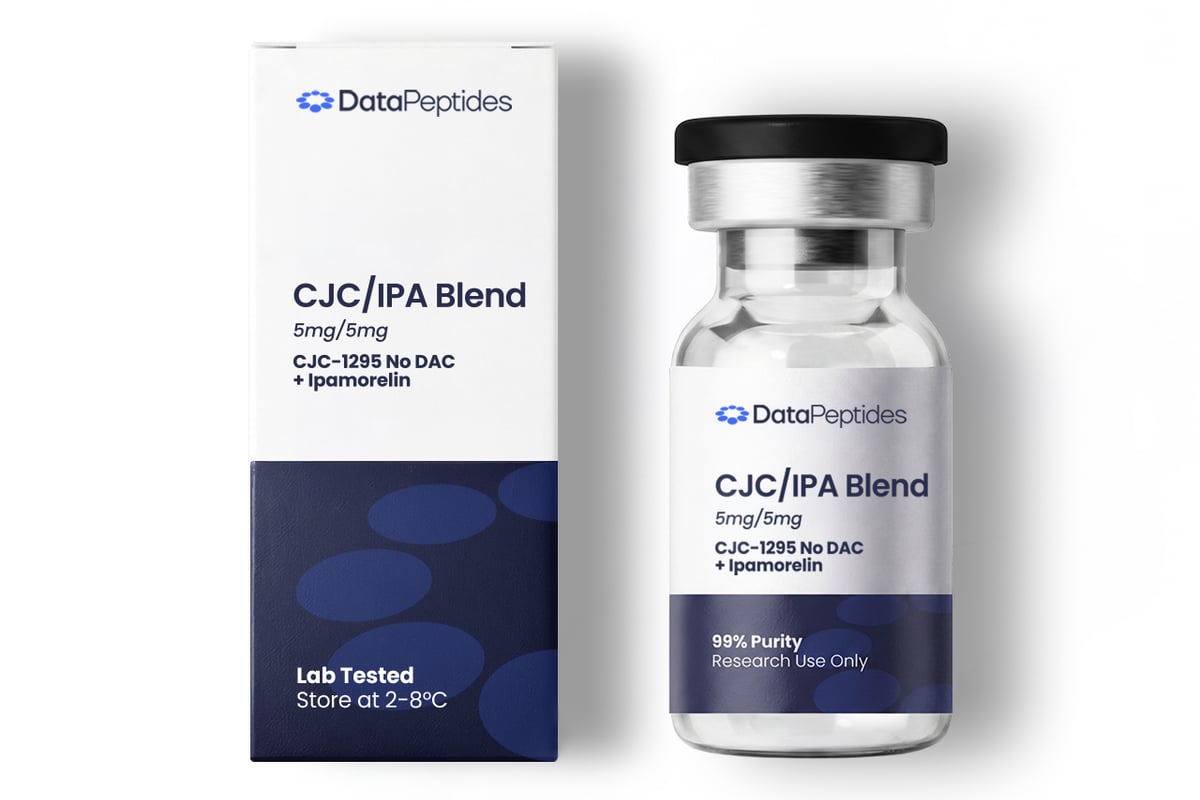
For researchers seeking verified products with comprehensive documentation, third-party testing provides essential quality assurance. Data Peptides supplies laboratory-grade compounds with batch-specific certificates of analysis, supporting reproducible research outcomes.
Comparative Analysis: GHRH Peptide Versus Direct Growth Hormone Administration
An important research question involves comparing ghrh peptide effects to direct growth hormone administration. While both approaches elevate circulating growth hormone levels, they differ in physiological mechanisms and downstream consequences.
Pituitary Reserve Testing
GHRH peptide administration serves as a diagnostic tool for assessing pituitary function in research models. The magnitude of growth hormone response to GHRH stimulation indicates somatotroph cell capacity and responsiveness. This application helps researchers distinguish between hypothalamic and pituitary dysfunction in models of growth hormone deficiency.
Direct growth hormone administration bypasses the pituitary entirely, providing information about peripheral hormone effects without revealing information about endogenous secretory capacity. This distinction makes GHRH peptides particularly valuable for studies examining the hypothalamic-pituitary axis itself.
Feedback Regulation Differences
When researchers administer ghrh peptide, they trigger natural growth hormone release that remains subject to normal feedback mechanisms. Somatostatin can still inhibit hormone secretion, and IGF-1 feedback continues to modulate the system. This preservation of regulatory pathways may produce more physiological response patterns compared to direct hormone administration.
Direct growth hormone injections override these feedback systems, potentially producing supraphysiological concentrations that suppress endogenous production. For studies examining normal physiology or subtle metabolic effects, GHRH peptides may offer advantages in maintaining regulatory balance.

Integration with Other Research Compounds
Many experimental protocols combine ghrh peptide with other research compounds to examine interactive effects or target multiple physiological pathways simultaneously. Understanding these combinations helps researchers design sophisticated studies addressing complex questions.
Growth Hormone-Releasing Peptide Combinations
As previously mentioned, combining GHRH peptides with GHRPs produces synergistic growth hormone release that exceeds the additive effects of either compound alone. This interaction occurs because the two peptide classes activate different receptors that converge on somatotroph cells, amplifying intracellular signaling cascades.
Research protocols utilizing this combination can achieve maximal growth hormone stimulation, providing insights into ceiling effects and dose-response relationships. These studies inform understanding of how much growth hormone elevation is achievable through secretagogue approaches versus direct hormone administration.
Metabolic Modulators
Researchers often combine ghrh peptide with compounds affecting related metabolic pathways. For example, studies examining body composition might pair GHRH analogs with substances influencing appetite, energy expenditure, or nutrient partitioning. These multifaceted approaches provide comprehensive data on metabolic regulation.
When designing combination protocols, researchers must account for potential interactions, overlapping mechanisms, and timing considerations. Careful control groups and statistical analyses help isolate individual compound effects from synergistic or antagonistic interactions.
Recent Developments and Emerging Research Directions
The field of GHRH peptide research continues to evolve, with recent studies revealing new mechanisms, applications, and therapeutic possibilities. Staying current with these developments helps researchers design relevant studies and interpret findings within broader scientific contexts.
Transcriptome Analysis and Genetic Associations
Recent genome-wide association studies have identified genetic variants associated with ghrelin and growth hormone regulation, providing insights into individual variability in GHRH peptide responses. These findings suggest that genetic background may influence experimental outcomes, particularly in heterogeneous animal populations or cell lines.
Transcriptome analyses reveal that GHRH peptides affect expression of numerous genes beyond those directly involved in growth hormone synthesis. These pleiotropic effects include metabolic genes, cell cycle regulators, and signaling pathway components. Understanding this broader impact helps researchers appreciate the full scope of GHRH effects in experimental systems.
Novel Delivery Systems
Research into alternative delivery methods for ghrh peptide aims to improve stability, bioavailability, and duration of action. Investigations include nanoparticle encapsulation, sustained-release formulations, and modified administration routes. These technological advances may expand experimental possibilities and improve consistency across studies.
For researchers interested in exploring the latest developments in peptide research tools, reviewing current evidence on peptide mechanisms provides valuable context for experimental design decisions.
Quality Standards and Research Integrity
The reliability of GHRH peptide research depends fundamentally on compound purity and consistency. Variability in peptide quality can introduce confounding factors that obscure true experimental effects and reduce reproducibility across laboratories.
Purity Verification Methods
High-performance liquid chromatography (HPLC) represents the gold standard for verifying ghrh peptide purity. This analytical technique separates peptide components based on chemical properties, allowing quantification of the target peptide relative to impurities or degradation products. Research-grade peptides should demonstrate purity levels exceeding 98% for most applications.
Mass spectrometry provides complementary verification by confirming molecular weight and identifying potential modifications or contaminants. Combining these analytical methods offers comprehensive quality assessment that supports reliable research outcomes.
Batch Testing and Documentation
Consistent research results require consistent starting materials. Batch-to-batch variability in peptide preparations can introduce uncontrolled variables that affect experimental outcomes. Third-party testing by independent laboratories provides objective verification of each production batch's specifications.
Documentation accompanying research peptides should include certificates of analysis detailing purity, concentration, storage requirements, and reconstitution recommendations. This information allows researchers to standardize protocols and troubleshoot unexpected results. Facilities like Data Peptides provide comprehensive testing documentation to support rigorous research standards.
Experimental Variables Affecting GHRH Peptide Responses
Numerous factors influence how biological systems respond to ghrh peptide administration. Recognizing these variables helps researchers control for confounding influences and interpret results accurately.
Age-Related Factors
Growth hormone responsiveness to GHRH stimulation declines with age in most species studied. This reduction reflects changes in pituitary somatotroph cell function, altered receptor expression, and increased somatostatin tone. Research examining age-related physiology must account for these baseline differences when comparing responses across age groups.
Studies focused on age-related decline often utilize GHRH peptides to distinguish between hypothalamic and pituitary contributions to reduced growth hormone output. If GHRH administration restores youthful hormone levels, hypothalamic dysfunction likely predominates; if responses remain blunted, pituitary changes may be primary.
Nutritional Status and Body Composition
Metabolic state substantially affects GHRH peptide responses. Fasting typically enhances growth hormone release in response to secretagogues, while feeding suppresses it. Obesity often blunts GHRH responsiveness, an effect attributed to increased somatostatin tone and altered feedback regulation.
Researchers must carefully control nutritional variables in GHRH studies or incorporate them as experimental factors. Standardized feeding schedules, defined fasting periods, and controlled diet composition reduce variability and improve data quality.
Sex Differences
Significant sex differences characterize growth hormone secretion patterns and GHRH peptide responses. Female subjects typically exhibit higher baseline growth hormone levels with less pronounced pulsatility compared to males. Estrogen influences growth hormone dynamics through multiple mechanisms, including direct pituitary effects and modulation of hypothalamic regulation.
Studies examining both sexes should analyze data separately to identify sex-specific effects. Mixed-sex analyses may obscure important differences or lead to incorrect conclusions about GHRH peptide effects.
Future Directions in GHRH Peptide Research
The expanding understanding of growth hormone regulation and GHRH mechanisms continues to open new research avenues. Several emerging areas show particular promise for advancing scientific knowledge and practical applications.
Tissue-Specific Growth Hormone Actions
Recent research reveals that growth hormone effects vary considerably across tissue types, with some actions mediated directly by hormone binding and others requiring IGF-1 production. GHRH peptide studies increasingly incorporate tissue-specific analyses to map these differential effects.
Understanding which outcomes result from circulating growth hormone versus local IGF-1 production has important implications for interpreting GHRH peptide effects. Future studies may combine GHRH administration with tissue-specific growth hormone receptor knockout models to dissect these mechanisms.
Chronobiology and Circadian Optimization
Growing recognition of circadian influences on peptide hormone systems suggests that timing GHRH peptide administration to specific circadian phases might optimize outcomes. Research exploring chronobiological optimization could identify ideal administration windows for various research objectives.
Studies might compare identical GHRH protocols administered at different circadian times, measuring not only growth hormone responses but also downstream metabolic effects. This approach could reveal whether timing influences outcome magnitude or duration.
GHRH peptides represent powerful research tools for investigating growth hormone dynamics, metabolic regulation, and endocrine physiology. The diversity of available analogs, combined with sophisticated analytical techniques and controlled experimental designs, enables researchers to address complex questions about hormonal regulation and physiological function. For laboratories requiring reliable, verified research compounds, Data Peptides supplies laboratory-grade, US-manufactured peptides with third-party batch testing, supporting reproducible research outcomes in accordance with the highest scientific standards.