

Hexapeptide 11 represents a significant advancement in peptide research, particularly in the study of cellular aging mechanisms and protein homeostasis. This six-amino-acid sequence has attracted considerable attention from researchers investigating how peptides influence fundamental cellular processes, including collagen synthesis, proteostasis network regulation, and age-related cellular changes. As laboratories explore novel approaches to understanding tissue regeneration and cellular maintenance, hexapeptide 11 has emerged as a valuable research compound with applications spanning dermatological investigation, cellular biology, and regenerative medicine studies. Understanding its mechanisms and potential applications provides researchers with critical insights into peptide-based cellular modulation.
Molecular Structure and Classification
Hexapeptide 11 belongs to a class of short-chain peptides designed to interact with specific cellular pathways involved in protein production and cellular maintenance. The hexapeptide designation indicates its composition of six amino acids linked through peptide bonds, creating a structure small enough to potentially interact with cellular receptors while maintaining sufficient complexity to trigger specific biological responses.
Chemical Properties and Stability
The molecular stability of hexapeptide 11 under various laboratory conditions makes it suitable for controlled research applications. Its relatively small size compared to longer peptide chains contributes to its solubility characteristics and potential for cellular uptake in experimental models. Researchers studying this compound typically work with lyophilized powder forms that require reconstitution in appropriate solvents for experimental protocols.
Laboratory-grade peptides require precise handling protocols to maintain structural integrity. Factors affecting peptide stability include:
- Storage temperature and humidity control
- Reconstitution solvent selection and pH
- Freeze-thaw cycle limitations
- Light exposure and oxidation prevention
- Contamination control measures
The benefits and applications of hexapeptide-11 in skincare research have been documented in scientific literature, though these investigations focus on understanding fundamental cellular mechanisms rather than therapeutic outcomes.

Mechanism of Action in Cellular Systems
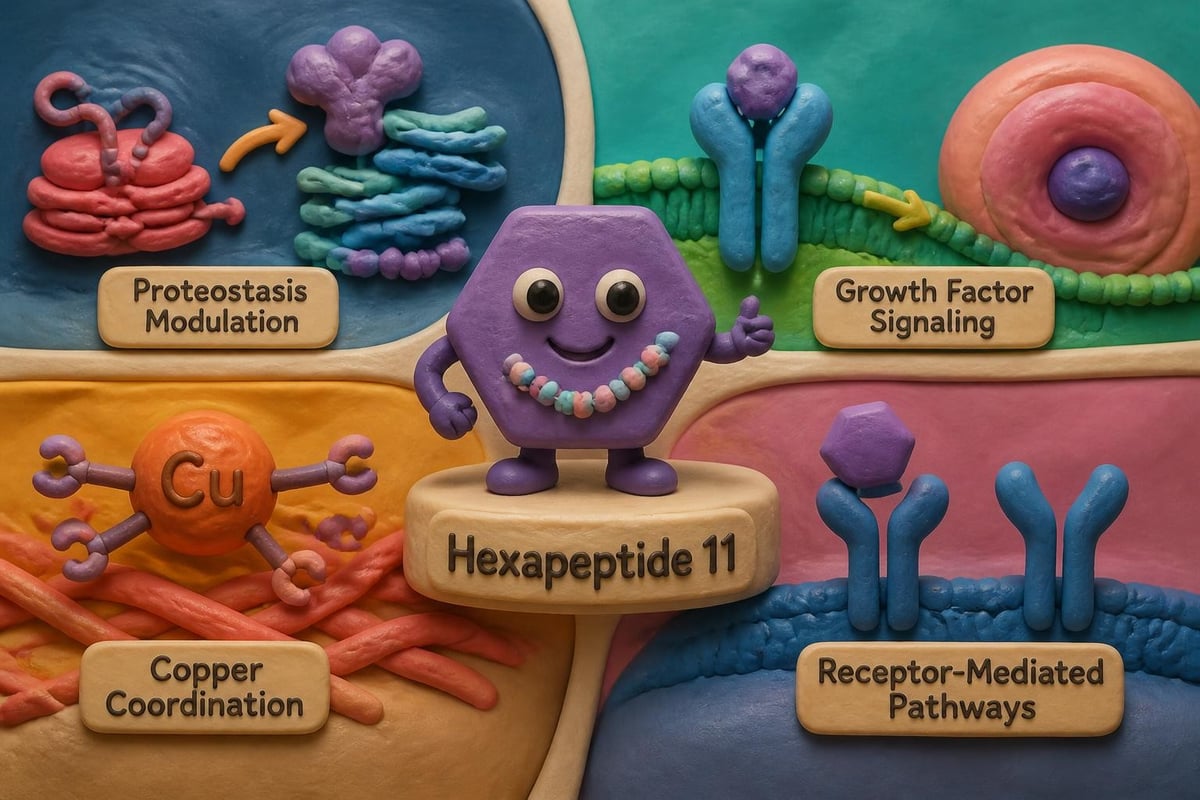
Hexapeptide 11's primary research interest centers on its apparent ability to modulate the proteostasis network in human diploid fibroblasts. Proteostasis refers to the cellular mechanisms that maintain protein homeostasis, including protein synthesis, folding, trafficking, and degradation. As cells age, proteostatic capacity typically declines, leading to accumulation of misfolded proteins and reduced cellular function.
Proteostasis Network Modulation
Research indicates that hexapeptide 11 may influence several components of the proteostasis network. This includes potential effects on molecular chaperones, proteasomal degradation pathways, and autophagy mechanisms. By studying how this hexapeptide interacts with these systems, researchers gain insights into potential strategies for maintaining cellular protein quality control.
The conformational behavior of peptide structures provides foundational understanding for how short-chain peptides like hexapeptide 11 interact with cellular environments. Conformational flexibility allows peptides to adapt to binding sites and trigger downstream signaling cascades.
| Cellular System | Potential Research Target | Measurement Approach |
|---|---|---|
| Proteostasis | Protein folding efficiency | Western blot, mass spectrometry |
| Collagen synthesis | Procollagen production | ELISA, gene expression |
| Cellular senescence | Senescence marker expression | Flow cytometry, immunofluorescence |
| Autophagy | LC3-II/LC3-I ratio | Western blot, fluorescence microscopy |
Collagen Production Pathways
One of the most extensively studied aspects of hexapeptide 11 involves its potential influence on collagen synthesis pathways. Collagen, particularly type I and type III, represents the most abundant structural protein in mammalian systems. Understanding how peptides might influence collagen gene expression and protein production offers valuable insights into tissue maintenance and regeneration processes.
Research protocols examining collagen modulation typically measure:
- Gene expression levels through RT-PCR for COL1A1 and COL3A1
- Procollagen peptide levels using enzyme-linked immunosorbent assays
- Mature collagen deposition through histological staining techniques
- Collagen cross-linking via biochemical analysis of hydroxylysine residues
The effects of hexapeptide-11 on skin cellular structures have been investigated in various experimental models, providing data on how this peptide sequence influences fibroblast behavior and extracellular matrix production.
Research Applications and Experimental Models
Laboratories investigating hexapeptide 11 employ various experimental models to understand its cellular effects. These research applications span multiple disciplines within peptide science and cellular biology.
Dermatological Research Models
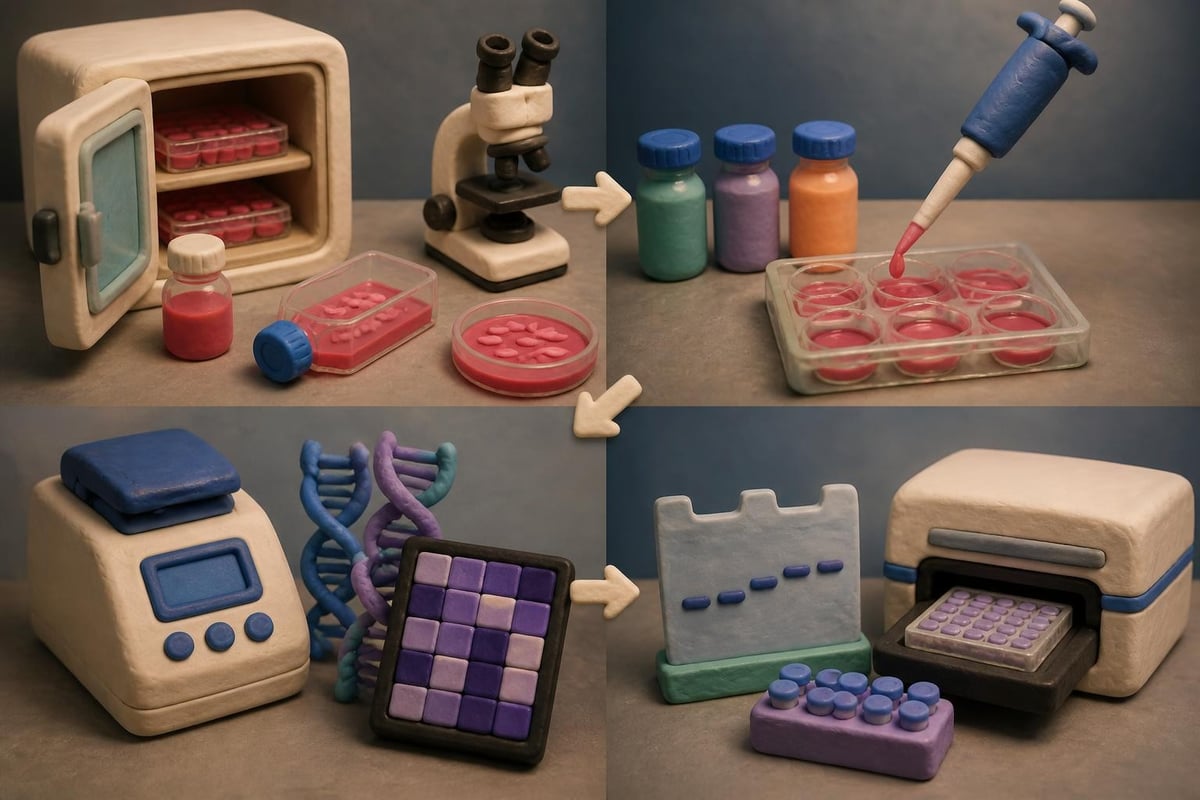
Human dermal fibroblast cultures represent the primary model system for hexapeptide 11 research. These cells produce substantial amounts of collagen and other extracellular matrix components, making them ideal for studying peptide effects on structural protein synthesis. Researchers typically use passage-controlled fibroblasts to ensure consistent cellular behavior across experiments.
Three-dimensional skin equivalent models provide more complex systems for studying peptide interactions. These models incorporate multiple cell types and structural layers, offering insights into how hexapeptide 11 might influence tissue-level processes beyond isolated cellular effects.
Cellular Aging Studies
The relationship between hexapeptide 11 and cellular aging processes has garnered significant research interest. Studies examining this connection typically focus on:
- Replicative senescence in cultured fibroblasts
- Senescence-associated secretory phenotype markers
- Telomere length maintenance in long-term cultures
- DNA damage response pathway activation
- Mitochondrial function and oxidative stress markers
Researchers at Data Peptides understand the importance of consistent, high-purity compounds for aging-related research, as even minor contamination can skew results in sensitive cellular assays measuring age-related parameters.
Clinical Investigation and Safety Profiles
While hexapeptide 11 remains primarily a research compound, several clinical investigations have examined formulations containing this peptide alongside other active ingredients. A 2022 clinical study on tripeptide/hexapeptide formulations evaluated topical applications for acne scar treatment, providing safety and tolerability data for hexapeptide-containing preparations.
Multi-Component Formulation Research
Many investigations of hexapeptide 11 occur within the context of multi-peptide formulations. A 2019 clinical trial examining anti-aging peptide regimens included hexapeptide 11 as part of a comprehensive treatment protocol. These studies provide valuable data on how hexapeptide 11 performs in combination with other bioactive compounds, though isolating specific effects of individual components presents methodological challenges.
Research protocols examining peptide combinations typically include:
- Individual peptide baseline measurements
- Synergistic effect assessments
- Dose-response relationship establishment
- Temporal effect mapping over treatment duration
- Safety parameter monitoring throughout study periods
Safety and Tolerability Data
Current research indicates that hexapeptide 11 demonstrates favorable safety profiles in experimental settings. Cytotoxicity assays using various cell lines typically show minimal adverse effects at concentrations used for research purposes. However, comprehensive long-term safety data remains limited, as with many research peptides.
| Safety Parameter | Assessment Method | Typical Findings |
|---|---|---|
| Cell viability | MTT assay, LDH release | Minimal cytotoxicity at research concentrations |
| Genotoxicity | Comet assay, micronucleus test | No significant DNA damage observed |
| Inflammatory response | Cytokine profiling | Low inflammatory marker induction |
| Oxidative stress | ROS measurement | Neutral or protective effects noted |
Comparative Analysis with Related Peptides
Understanding hexapeptide 11 within the broader context of peptide research requires comparison with structurally or functionally related compounds. This comparative framework helps researchers identify unique properties and potential synergistic applications.
Structural Comparison with Other Hexapeptides
Different hexapeptide sequences demonstrate varying biological activities despite similar lengths. Hexapeptide 11's specific amino acid sequence determines its binding affinity, cellular uptake, and downstream effects. Researchers comparing multiple hexapeptides typically evaluate:
- Receptor binding specificities and affinities
- Cellular penetration capabilities
- Metabolic stability and half-life characteristics
- Target pathway selectivity profiles
Functional Comparison with Collagen-Supporting Peptides
Several research peptides target collagen synthesis pathways through different mechanisms. While hexapeptide 11 appears to work through proteostasis network modulation, other compounds like GHK-Cu (copper peptide) operate through distinct mechanisms involving metal ion coordination and growth factor signaling.
The GLOW Blend combines multiple peptides known for their roles in tissue regeneration and collagen support, including GHK-Cu alongside BPC-157 and TB-500. This formulation demonstrates how researchers can combine peptides with complementary mechanisms to achieve comprehensive effects on tissue maintenance and repair processes in laboratory models.
Laboratory Protocols and Best Practices
Researchers working with hexapeptide 11 must adhere to rigorous protocols to ensure reproducible results and maintain compound integrity. Proper handling procedures directly impact experimental outcomes and data quality.
Reconstitution and Storage Guidelines
Lyophilized hexapeptide 11 requires careful reconstitution to maintain biological activity. Standard protocols include:
Reconstitution procedure:
- Allow peptide vial to reach room temperature before opening
- Select appropriate solvent based on experimental requirements (typically sterile water or bacteriostatic water)
- Add solvent slowly along vial wall to minimize foaming
- Gentle swirling motion until complete dissolution (avoid vigorous shaking)
- Visual inspection for clarity and absence of particulates
Storage recommendations:
- Unreconstituted peptide: -20°C to -80°C in desiccated conditions
- Reconstituted solutions: 2°C to 8°C for short-term use
- Aliquoting to avoid multiple freeze-thaw cycles
- Protection from direct light exposure
- Proper labeling with reconstitution date and concentration
Experimental Design Considerations
Robust experimental design maximizes data quality when investigating hexapeptide 11 effects. Researchers should consider:
- Concentration ranges: Establishing dose-response curves requires testing multiple concentrations, typically spanning at least one order of magnitude
- Treatment duration: Time-course experiments reveal both acute and sustained effects
- Control groups: Appropriate vehicle controls and positive controls validate experimental systems
- Replication: Biological and technical replicates ensure statistical power
- Cell passage limits: Consistent use of early-passage cells maintains experimental consistency
Analytical Methods for Research Assessment
Quantifying hexapeptide 11 effects requires sophisticated analytical techniques. Modern laboratories employ multiple complementary methods to comprehensively assess peptide influences on cellular systems.
Gene Expression Analysis
Real-time quantitative PCR (RT-qPCR) provides sensitive measurement of changes in gene expression following hexapeptide 11 treatment. Key target genes for collagen research include COL1A1, COL3A1, MMP1 (matrix metalloproteinase 1), and TIMP1 (tissue inhibitor of metalloproteinase 1). Proper normalization using multiple reference genes ensures accurate quantification.
RNA sequencing offers unbiased transcriptome-wide analysis, revealing unexpected pathway modulations beyond predetermined target genes. This approach has identified novel targets and mechanisms for various research peptides.
Protein Quantification Techniques
Western blotting remains the gold standard for detecting specific protein changes. For hexapeptide 11 research, common targets include:
- Type I and III collagen (though full-length collagen presents technical challenges)
- Procollagen C-peptide (secreted during collagen processing)
- Heat shock proteins (indicators of proteostatic stress)
- Autophagy markers (LC3, p62/SQSTM1)
- Senescence markers (p16, p21, SA-β-galactosidase)
Enzyme-linked immunosorbent assays (ELISA) provide quantitative data on secreted proteins in culture supernatants. Procollagen peptide ELISAs offer particularly useful readouts for collagen synthesis rates.
Quality Control in Peptide Research
The integrity of research peptides fundamentally impacts experimental outcomes. Third-party testing and quality verification protocols ensure researchers work with compounds meeting specified purity standards.
Purity Verification Methods
High-performance liquid chromatography (HPLC) represents the primary method for assessing peptide purity. This technique separates peptide from potential contaminants including:
- Truncated sequences from incomplete synthesis
- Deletion sequences missing specific amino acids
- Substitution products with incorrect amino acids
- Residual synthesis reagents and protecting groups
- Degradation products from improper storage
Mass spectrometry confirmation verifies the correct molecular weight and identifies any synthesis errors or modifications. The detailed overview of hexapeptide-11 specifications provides researchers with reference standards for quality assessment.
Batch Testing Protocols
Reputable suppliers implement comprehensive batch testing to ensure consistency across production lots. Each batch typically undergoes:
| Test Parameter | Method | Acceptance Criteria |
|---|---|---|
| Identity | Mass spectrometry | Molecular weight ±1 Da |
| Purity | HPLC | ≥95% for research grade |
| Peptide content | Quantitative amino acid analysis | ±10% of stated concentration |
| Water content | Karl Fischer titration | Documented for reconstitution calculations |
| Bacterial endotoxins | LAL assay | <50 EU/mg for cell culture |
Emerging Research Directions
The research landscape surrounding hexapeptide 11 continues evolving as new technologies and understanding emerge. Several promising directions may expand future applications and mechanistic knowledge.
Advanced Delivery System Development
Researchers increasingly investigate novel delivery methods to enhance peptide stability and cellular uptake. Nanoparticle encapsulation, cell-penetrating peptide conjugation, and lipid-based carriers represent active areas of investigation. These technologies may improve experimental consistency and expand the types of research models accessible for hexapeptide 11 investigation.
Combination Therapy Research
The structure and research surrounding hexapeptide-11 provides context for understanding how it might complement other research compounds. Investigating synergistic effects with growth factors, other peptides, or small molecule modulators could reveal enhanced or novel biological activities.
Proteostasis Network Mapping
Advanced proteomics approaches enable comprehensive mapping of how hexapeptide 11 influences the entire proteostasis network. These studies examine:
- Changes in chaperone protein expression and activity
- Proteasomal subunit composition and degradation capacity
- Autophagy flux and lysosomal function
- Unfolded protein response pathway activation
- Protein aggregate formation and clearance
The dataset on hexapeptide-11’s proteostasis modulation provides valuable reference information for researchers designing similar investigations.
Regulatory Considerations for Research Use
Researchers must understand the regulatory framework governing peptide research. Hexapeptide 11, like all research peptides, is intended exclusively for laboratory investigation and not for human consumption or therapeutic use.
Laboratory Compliance Requirements
Institutions conducting peptide research typically must comply with:
- Institutional review board (IRB) oversight for any human-derived materials
- Institutional biosafety committee (IBC) approval for cell culture work
- Chemical hygiene and safety protocols specific to peptide handling
- Waste disposal procedures for biological and chemical materials
- Documentation and record-keeping requirements for research compounds
Proper Labeling and Documentation
Research-grade peptides require clear labeling indicating their status as laboratory research materials. Documentation should include:
- Compound name and CAS number (when available)
- Batch number and manufacturing date
- Purity specifications and testing results
- Storage conditions and expiration dating
- Explicit statement of research-only use
- Safety data sheet (SDS) information
Researchers should maintain detailed records of peptide use, including lot numbers, dates of reconstitution, storage conditions, and experimental applications. This documentation supports reproducibility and regulatory compliance.
Experimental Controls and Validation
Rigorous control strategies ensure that observed effects genuinely result from hexapeptide 11 treatment rather than experimental artifacts or confounding variables.
Appropriate Control Selection
Comprehensive experiments include multiple control types:
- Untreated controls: Cells receiving no treatment establish baseline parameters
- Vehicle controls: Cells treated with solvent alone control for potential solvent effects
- Positive controls: Known active compounds verify system responsiveness
- Scrambled peptide controls: Peptides with identical amino acid composition but different sequences control for non-specific peptide effects
- Heat-inactivated peptide controls: Denatured peptide controls for structural specificity
Statistical Validation Approaches
Proper statistical analysis validates the significance of observed effects. Researchers should:
- Determine appropriate sample sizes through power analysis
- Verify data distribution and select suitable statistical tests
- Account for multiple comparisons when testing multiple endpoints
- Report effect sizes alongside p-values
- Include confidence intervals for key measurements
Reproducibility across independent experiments strengthens confidence in findings. Publication of both positive and negative results contributes to the collective understanding of hexapeptide 11's properties and limitations.
Hexapeptide 11 continues to provide researchers with valuable insights into cellular aging mechanisms, proteostasis regulation, and collagen synthesis pathways. As understanding of this hexapeptide expands through rigorous investigation, laboratories require access to high-quality, consistently manufactured research compounds to ensure reproducible results. Data Peptides supplies laboratory-grade, US-manufactured research peptides with third-party batch testing for purity, supporting researchers who demand reliable compounds for their investigations into peptide mechanisms and cellular biology.