
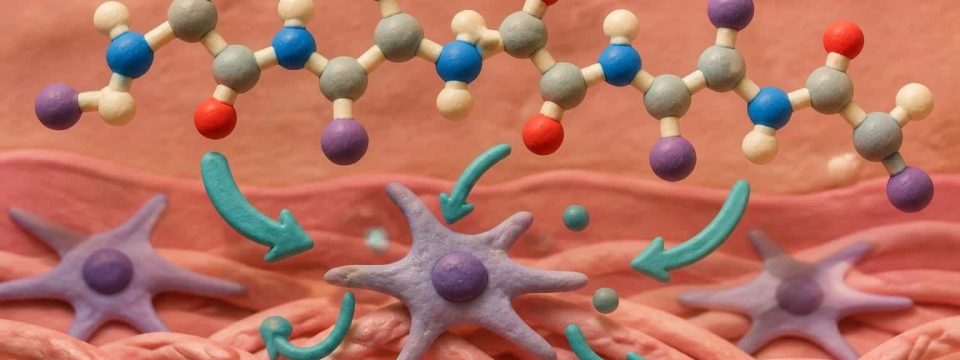
Hexapeptide-9 has emerged as a significant subject of investigation within peptide research, particularly for its potential effects on extracellular matrix proteins and tissue regeneration. This six-amino acid sequence has garnered attention from researchers exploring dermal recovery mechanisms, collagen synthesis pathways, and wound healing processes. As laboratory investigations continue to expand our understanding of bioactive peptides, hexapeptide-9 represents a compelling model for studying how short-chain peptides can influence cellular behavior and tissue remodeling. Research facilities examining skin biology, tissue repair, and cosmetic science applications have increasingly incorporated this peptide into their experimental protocols.
Molecular Structure and Biochemical Properties
Hexapeptide-9 consists of a specific six-amino acid sequence designed to interact with cellular receptors and signaling pathways involved in collagen production. The peptide's relatively small molecular weight allows it to demonstrate favorable characteristics in laboratory settings, making it accessible for various research applications.
The biochemical properties of this peptide enable it to participate in multiple cellular processes. Researchers have identified its potential to stimulate fibroblast activity, which plays a crucial role in producing extracellular matrix components. The peptide's structure allows it to bind with specific cellular receptors, initiating cascades that may influence protein synthesis and cellular proliferation.
Stability and Handling Considerations
Laboratory studies examining peptide stability have shown that hexapeptide-9 maintains structural integrity under controlled conditions. Proper storage protocols typically involve:
- Refrigeration at 2-8°C for short-term storage
- Freezing at -20°C for extended preservation
- Protection from direct light exposure
- Minimization of freeze-thaw cycles
- Documentation of reconstitution dates and conditions
Researchers must maintain strict handling protocols to ensure experimental consistency and data reliability. Third-party testing provides verification of purity levels, which is essential for reproducible results in controlled laboratory environments.

Mechanisms of Action in Tissue Research
The mechanisms through which hexapeptide-9 exerts its effects have been subjects of extensive laboratory investigation. Research suggests that this peptide operates through multiple pathways that converge on extracellular matrix synthesis and remodeling.
Collagen Synthesis Pathways
Studies examining hexapeptide-9 formulations have demonstrated its potential role in stimulating collagen production within dermal fibroblasts. The peptide appears to upregulate genes associated with Type I and Type III collagen synthesis, both of which are fundamental structural proteins in connective tissue.
Fibroblasts exposed to hexapeptide-9 in controlled laboratory conditions show increased metabolic activity related to procollagen formation. This process involves:
- Receptor binding on the fibroblast cell surface
- Signal transduction through intracellular pathways
- Gene expression changes in collagen-coding sequences
- Protein synthesis of procollagen molecules
- Secretion and assembly into the extracellular matrix
The peptide's influence on these pathways makes it valuable for researchers studying tissue engineering, wound healing models, and dermal regeneration processes.
Growth Factor Interactions
Hexapeptide-9 research has revealed potential interactions with growth factor signaling networks. Laboratory observations suggest the peptide may modulate the activity or expression of transforming growth factor-beta (TGF-β) and other cytokines involved in tissue repair.
| Growth Factor | Potential Interaction | Research Application |
|---|---|---|
| TGF-β | Enhanced signaling activity | Fibrosis and wound healing studies |
| PDGF | Increased receptor sensitivity | Cell proliferation research |
| VEGF | Indirect angiogenic support | Vascular tissue models |
| IGF-1 | Synergistic protein synthesis | Muscle and connective tissue studies |
These interactions position hexapeptide-9 as a useful tool for researchers investigating complex cellular communication systems and tissue regeneration mechanisms.
Applications in Dermatological Research
The dermatological research community has shown particular interest in hexapeptide-9 due to its documented effects on skin tissue in laboratory models. Clinical trials evaluating hexapeptide formulations have provided data on various skin-related parameters.
Researchers examining post-procedure recovery models have incorporated this peptide into experimental protocols. A randomized trial published in the Journal of Cosmetic Dermatology explored healing effects following laser treatments, demonstrating measurable improvements in tissue recovery markers.
Extracellular Matrix Remodeling
The extracellular matrix (ECM) represents a complex network of proteins and polysaccharides that provides structural support to tissues. Hexapeptide-9 investigations have focused on how this peptide influences ECM composition and organization.
Research protocols examining ECM remodeling typically measure:
- Collagen density through histological analysis
- Elastin fiber organization using specialized staining techniques
- Glycosaminoglycan content via biochemical assays
- Matrix metalloproteinase activity to assess degradation rates
- Fibroblast migration patterns in three-dimensional culture systems
These measurements provide comprehensive data on how hexapeptide-9 affects tissue architecture in controlled experimental conditions.

Delivery Systems and Bioavailability Studies
One significant challenge in peptide research involves optimizing delivery methods to ensure adequate bioavailability. Research exploring ionic liquids for enhanced transdermal delivery has demonstrated improved skin penetration for hexapeptide-9, opening new avenues for investigation.
Penetration Enhancement Strategies
Laboratory studies have evaluated various approaches to improve peptide delivery across biological barriers:
- Chemical penetration enhancers that temporarily disrupt lipid organization
- Nanoparticle encapsulation systems for targeted delivery
- Iontophoresis techniques using electrical gradients
- Microneedling protocols to create temporary microchannels
- Liposomal formulations that fuse with cellular membranes
Each delivery method presents distinct advantages and limitations that researchers must consider when designing experimental protocols. Data from penetration studies inform optimal formulation strategies for specific research objectives.
Stability in Formulated Systems
When hexapeptide-9 is incorporated into complex formulations, interactions with other ingredients can affect stability and activity. Research laboratories conducting formulation studies typically assess:
| Parameter | Testing Method | Acceptance Criteria |
|---|---|---|
| Peptide concentration | HPLC analysis | ±5% of initial value |
| pH stability range | pH meter monitoring | 5.0-7.0 optimal range |
| Oxidative degradation | Mass spectrometry | <10% degradation products |
| Microbial contamination | USP sterility testing | No growth detected |
These quality control measures ensure experimental consistency across research studies and facilitate comparison of results between different laboratories.
Comparative Peptide Research
Understanding hexapeptide-9's properties becomes more meaningful when compared with other peptides used in tissue research. While distinct from longer-chain regenerative peptides, hexapeptide-9 offers unique characteristics that complement broader peptide research programs.
Researchers often compare synthetic peptides with varying chain lengths and sequences to understand structure-activity relationships. Some facilities investigating comprehensive tissue repair mechanisms incorporate multiple peptide classes into their research protocols. For instance, peptide blends combining different mechanisms enable researchers to study synergistic effects on tissue regeneration, though hexapeptide-9 operates through distinct pathways focused primarily on collagen synthesis rather than broader healing cascades.
Synergistic Research Protocols
Laboratory investigations examining peptide combinations have revealed potential synergistic effects when hexapeptide-9 is studied alongside other bioactive compounds:
- Vitamin C derivatives that support collagen hydroxylation
- Retinoid compounds that modulate cellular differentiation
- Antioxidant peptides that protect against oxidative stress
- Growth factor analogs that enhance proliferation signals
- Matrix-modulating enzymes that influence ECM turnover
These combination studies provide valuable insights into complex biological systems and help researchers understand how multiple signaling pathways integrate to produce tissue-level effects.
Analytical Methods and Quality Verification
Rigorous analytical methods are essential for hexapeptide-9 research to ensure data reliability and reproducibility. Modern peptide research facilities employ multiple techniques to characterize and verify peptide identity and purity.
Characterization Techniques
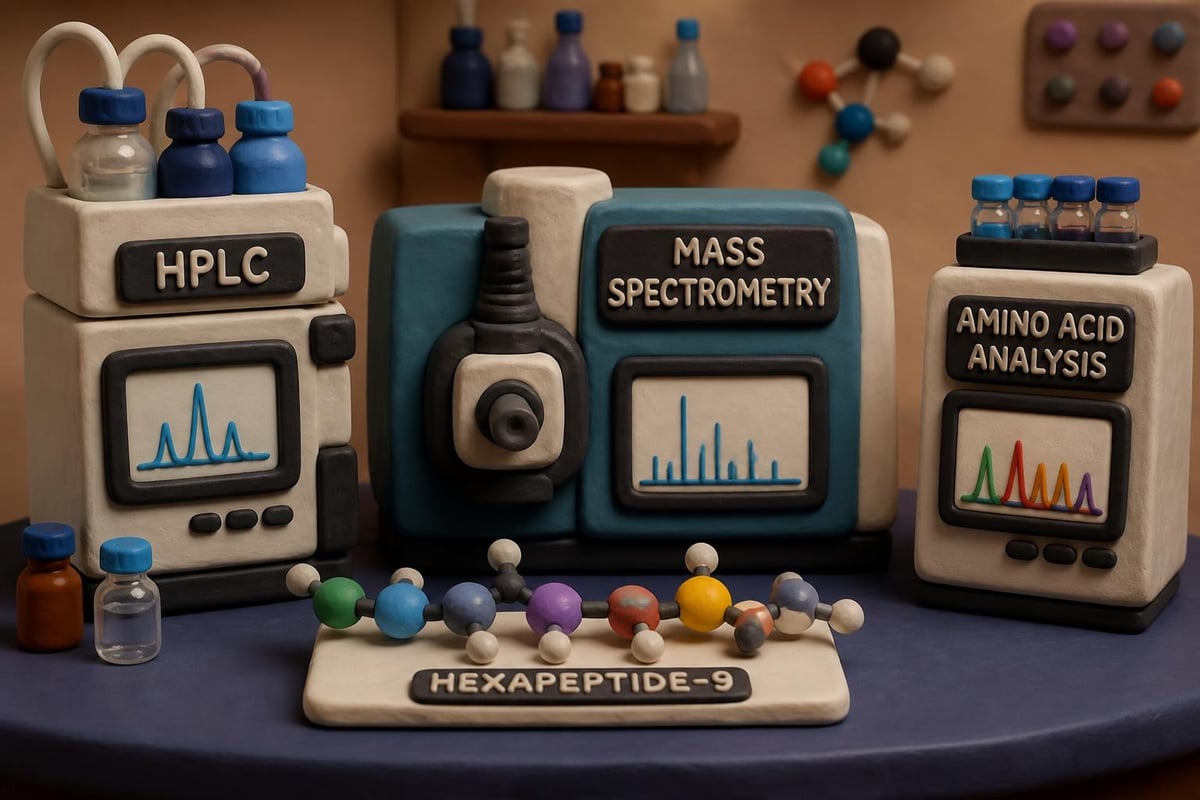
High-performance liquid chromatography (HPLC) serves as the gold standard for peptide purity analysis, separating components based on their chemical properties and providing quantitative purity data. Mass spectrometry confirms molecular weight and identifies any degradation products or impurities.
Additional characterization methods include:
- Amino acid analysis to verify sequence composition
- Nuclear magnetic resonance (NMR) spectroscopy for structural confirmation
- Circular dichroism to assess secondary structure
- Peptide mapping through enzymatic digestion
- Capillary electrophoresis for charge-based separation
Researchers can access certificate of analysis documentation to verify third-party testing results, ensuring that experimental materials meet stringent quality standards.
Current Research Directions and Emerging Applications
The peptide research field continues to evolve, with hexapeptide-9 featuring in increasingly sophisticated experimental designs. A systematic review and meta-analysis from 2026 assessed the effectiveness of various peptides in skin aging research, providing comprehensive context for understanding hexapeptide-9's position within the broader peptide landscape.
Three-Dimensional Culture Systems
Advanced laboratory models now incorporate three-dimensional (3D) culture systems that more accurately replicate in vivo tissue architecture. Researchers studying hexapeptide-9 in 3D environments can observe:
- Cellular organization patterns in collagen matrices
- Depth-dependent gene expression changes
- Intercellular communication networks in complex tissue constructs
- Mechanical properties of peptide-treated tissue equivalents
- Long-term stability of structural improvements
These sophisticated models provide richer data than traditional two-dimensional cultures, advancing our understanding of how hexapeptide-9 influences tissue behavior under more physiologically relevant conditions.
Biomarker Development
Research laboratories are identifying specific biomarkers that respond to hexapeptide-9 treatment, enabling more precise measurement of peptide effects:
| Biomarker Category | Specific Markers | Measurement Method |
|---|---|---|
| Collagen synthesis | Procollagen type I C-peptide | ELISA quantification |
| Matrix remodeling | MMP-1, MMP-3, TIMP-1 | Zymography and immunoassay |
| Cellular proliferation | Ki-67, PCNA | Immunohistochemistry |
| Oxidative stress | 8-OHdG, MDA levels | Spectrophotometric assays |
| Gene expression | COL1A1, COL3A1, FGF-2 | Real-time PCR |
Standardized biomarker panels facilitate comparison across different studies and help establish dose-response relationships in controlled experiments.
Experimental Protocol Considerations
Researchers designing hexapeptide-9 studies must carefully consider multiple variables to ensure robust experimental design. Protocol optimization requires attention to concentration ranges, exposure duration, cellular models, and measurement endpoints.
Concentration and Dosing Parameters
Laboratory investigations typically explore concentration ranges from nanomolar to micromolar levels, with optimal concentrations varying based on specific experimental objectives and cellular systems. Dose-response studies help establish:
- Minimum effective concentrations for measurable effects
- Maximum concentrations before cytotoxic effects emerge
- Optimal dosing schedules for sustained cellular responses
- Cumulative effects of repeated exposures
- Concentration-dependent gene expression patterns
Researchers should establish concentration ranges through preliminary experiments before conducting full-scale studies, ensuring that observed effects fall within physiologically relevant parameters.
Control Groups and Statistical Considerations
Rigorous experimental design requires appropriate control groups to isolate hexapeptide-9 effects from confounding variables. Standard protocols include:
- Untreated control groups receiving only vehicle solutions
- Positive controls using established compounds with known effects
- Time-matched controls accounting for temporal changes
- Solvent controls verifying that carrier solutions don't influence results
- Dose-response controls spanning multiple concentration levels
Statistical power analysis helps determine appropriate sample sizes for detecting meaningful differences, typically requiring 3-6 biological replicates per condition for most cell culture experiments.
Research Applications Beyond Dermatology
While dermatological research represents a major focus area for hexapeptide-9, its properties outlined in peptide databases suggest broader applications in tissue engineering and regenerative medicine research.
Connective Tissue Research
Laboratory studies examining connective tissue disorders have investigated how hexapeptide-9 influences fibroblast behavior in various tissue types. Research applications include:
- Tendon and ligament repair models
- Cartilage regeneration studies
- Wound healing in different tissue environments
- Scar tissue formation and remodeling
- Age-related connective tissue changes
These diverse applications demonstrate the peptide's versatility as a research tool for investigating fundamental processes in tissue biology.
Cellular Senescence Studies
Recent research directions have explored hexapeptide-9's potential effects on cellular senescence markers. Laboratories investigating aging-related cellular changes examine:
- Senescence-associated beta-galactosidase activity
- p16 and p21 cell cycle inhibitor expression
- Telomere length maintenance
- Mitochondrial function parameters
- Inflammatory cytokine secretion profiles
Understanding how peptides influence cellular aging processes provides insights into tissue maintenance mechanisms and potential interventions for age-related tissue degradation.
Quality Standards and Research Compliance
Research-grade hexapeptide-9 must meet stringent quality standards to ensure experimental validity. Facilities conducting peptide research should source materials from suppliers that implement comprehensive quality control measures and maintain full documentation of manufacturing processes.
Purity Specifications
Laboratory-grade peptides typically require purity levels exceeding 95% for most research applications, with some specialized studies demanding even higher purity thresholds. Impurities can include:
- Deletion sequences missing one or more amino acids
- Truncated peptides with incomplete sequences
- Oxidized or modified amino acid residues
- Salts and buffer components from synthesis
- Residual protecting groups from incomplete deprotection
Third-party batch testing provides independent verification of purity specifications, offering researchers confidence in their experimental materials. Laboratories can review detailed product information to understand quality standards and available documentation.
Storage and Handling Protocols
Proper storage protocols maximize hexapeptide-9 stability and maintain experimental consistency. Research facilities should implement standard operating procedures covering:
- Temperature monitoring systems for storage units
- Humidity control in storage environments
- Light protection using amber vials or foil wrapping
- Inventory management to minimize storage duration
- Reconstitution protocols using appropriate solvents
- Aliquoting strategies to avoid repeated freeze-thaw cycles
Documentation of storage conditions and material handling provides essential metadata for experimental records and supports reproducibility efforts.
Integration with Broader Research Programs
Hexapeptide-9 research often integrates with larger investigational programs examining tissue regeneration, aging biology, and therapeutic development. Research institutions may incorporate this peptide into multi-faceted studies exploring:
- Comparative peptide efficacy across different sequences
- Structure-activity relationships in short-chain peptides
- Formulation optimization for improved delivery
- Combination therapies with synergistic mechanisms
- Translational pathways from basic research to applications
Cross-disciplinary collaboration enhances research outcomes by bringing together expertise in peptide chemistry, cell biology, analytical chemistry, and computational modeling. These collaborative approaches accelerate scientific progress and deepen understanding of complex biological systems.
Computational Modeling and Prediction
Advanced research programs increasingly incorporate computational methods to predict hexapeptide-9 behavior and optimize experimental designs. Modeling approaches include:
| Computational Method | Application | Output |
|---|---|---|
| Molecular dynamics | Peptide-receptor interactions | Binding affinity predictions |
| Docking simulations | Target identification | Potential binding sites |
| QSAR modeling | Structure-activity relationships | Activity predictions |
| Pharmacokinetic modeling | Absorption and distribution | Bioavailability estimates |
| Systems biology | Pathway analysis | Network effects |
These computational tools complement laboratory experiments by generating hypotheses, prioritizing experimental conditions, and interpreting complex datasets.
Hexapeptide-9 represents a valuable research tool for laboratories investigating collagen synthesis, extracellular matrix remodeling, and tissue regeneration mechanisms. Its well-characterized properties and growing body of scientific literature make it an essential component of modern peptide research programs. Whether you're establishing new research protocols or expanding existing investigational frameworks, Data Peptides provides laboratory-grade, US-manufactured research peptides with third-party batch testing for purity, supporting rigorous scientific inquiry across diverse experimental applications.