

The ocean covers more than 70% of Earth's surface and harbors an extraordinary diversity of organisms that have evolved unique biochemical adaptations over millions of years. Among the most promising compounds extracted from marine sources are bioactive peptides, short chains of amino acids derived from fish, shellfish, algae, and other aquatic organisms. Marine peptides have gained significant attention in research settings for their potential applications in metabolic health, tissue repair, cosmetic science, and cellular function studies. Unlike their terrestrial counterparts, these ocean-derived compounds often exhibit distinctive structural features and bioactivities shaped by extreme environmental pressures, temperature variations, and salinity levels. Researchers investigating marine peptides continue to uncover novel mechanisms of action that distinguish them from conventional synthetic or land-based peptides.
Understanding Marine Peptide Sources and Extraction
Marine peptides originate from a diverse array of aquatic organisms, each offering unique amino acid sequences and biological properties. Fish processing byproducts, including skin, scales, bones, and viscera, represent the most abundant commercial sources of these compounds. Collagen-rich tissues from species such as cod, salmon, tilapia, and tuna yield peptides with distinctive hydroxyproline and hydroxylysine content that differentiates them from mammalian collagen sources.
Shellfish and crustaceans provide another category of marine peptides, particularly from chitin-containing exoskeletons and muscle tissues. Shrimp, crab, and lobster processing waste has become valuable feedstock for extracting bioactive peptide sequences. Marine algae, both macroalgae (seaweeds) and microalgae (phytoplankton), produce peptides through photosynthetic processes that incorporate minerals and trace elements abundant in seawater.

Extraction and Purification Methods
The isolation of marine peptides requires specialized techniques that preserve bioactivity while achieving research-grade purity. Enzymatic hydrolysis stands as the predominant method, employing proteolytic enzymes such as alcalase, pepsin, trypsin, or flavourzyme to cleave larger proteins into smaller peptide fragments. This process occurs under controlled pH, temperature, and time parameters to generate peptides with specific molecular weight distributions.
Following hydrolysis, researchers employ several purification strategies:
- Ultrafiltration through membranes with defined molecular weight cutoffs to separate peptides by size
- Ion exchange chromatography to isolate peptides based on charge characteristics
- Reverse-phase high-performance liquid chromatography (RP-HPLC) for high-resolution separation
- Gel filtration chromatography to remove salts and achieve final purification
- Lyophilization to stabilize purified peptides in powder form for storage and handling
The choice of extraction method significantly influences the final peptide profile. Enzymatic conditions determine which peptide bonds are cleaved, affecting the amino acid sequence, chain length, and resulting bioactivity of isolated marine peptides.
Bioactive Properties and Research Applications
Marine peptides demonstrate a range of bioactive properties that make them valuable tools for laboratory research. Their structural diversity, influenced by the unique amino acid compositions found in marine organisms, contributes to mechanisms of action not always observed in terrestrial peptides.
Metabolic and Cellular Function Studies
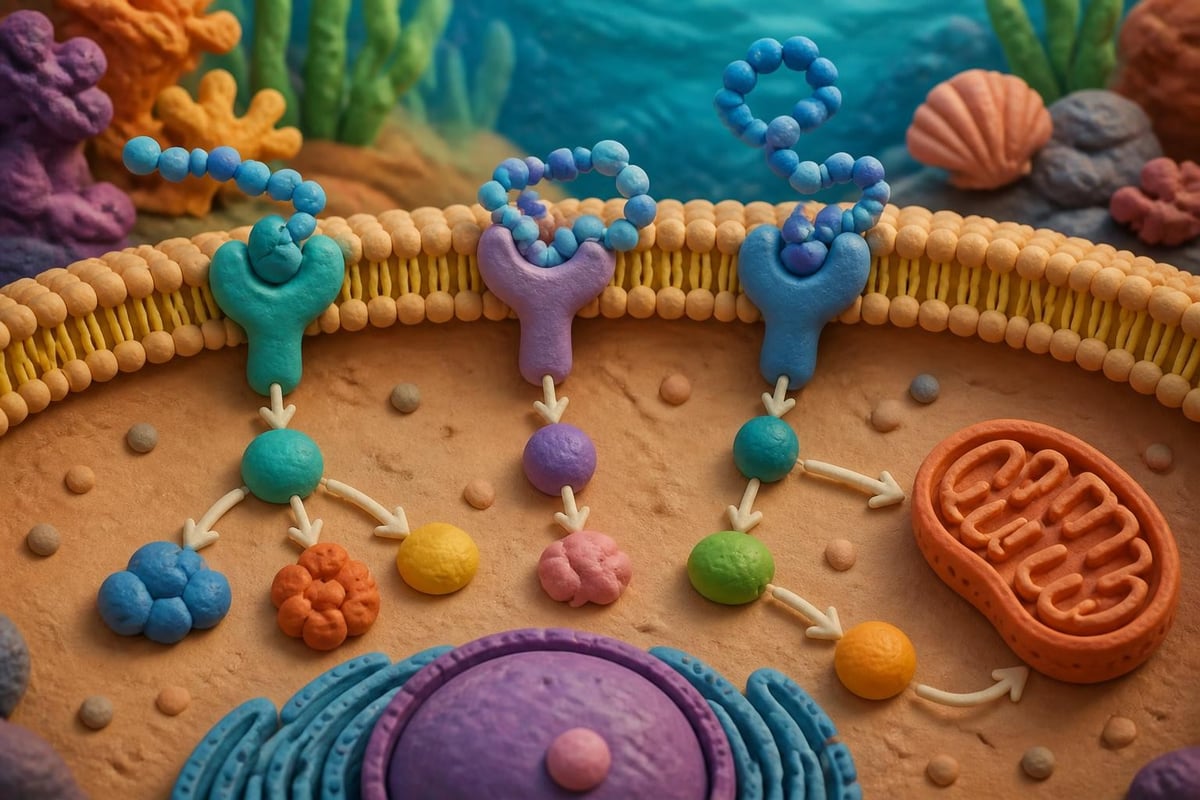
Research into marine peptides has revealed potential influences on metabolic pathways and cellular energy production. Peptides derived from fish muscle proteins have been investigated for their ability to modulate glucose metabolism, insulin sensitivity, and lipid processing. Some marine-derived sequences appear to interact with cellular receptors involved in energy homeostasis and mitochondrial function.
The mineral-rich environment of ocean organisms means marine peptides often contain unique post-translational modifications or incorporate trace elements during biosynthesis. These characteristics enable researchers to study novel mechanisms of cellular signaling and metabolic regulation that differ from conventional research peptides.
| Marine Source | Primary Peptide Type | Key Research Applications |
|---|---|---|
| Fish Collagen | Gelatin-derived peptides | Tissue structure, skin research |
| Fish Muscle | Myofibrillar peptides | Metabolic function, cellular energy |
| Shellfish | Chitin-derived peptides | Immune modulation, antimicrobial studies |
| Marine Algae | Photosynthetic peptides | Antioxidant research, neuroprotection |
| Sea Cucumber | Glycoprotein peptides | Wound healing, tissue regeneration |
Antioxidant and Cellular Protection Research
Many marine peptides exhibit antioxidant properties attributable to specific amino acid sequences containing histidine, tyrosine, methionine, or cysteine residues. These peptides can donate electrons to neutralize free radicals, chelate pro-oxidant metal ions, or upregulate endogenous antioxidant enzyme systems. Researchers utilize marine peptides to investigate oxidative stress pathways, cellular protection mechanisms, and the relationship between reactive oxygen species and aging processes.
The unique environmental stressors faced by marine organisms, including UV radiation penetration through water, high oxygen concentrations, and pressure fluctuations, have driven the evolution of robust antioxidant peptide systems. These adaptations make marine peptides particularly interesting subjects for research into cellular resilience and stress response pathways.
Structural Characteristics That Distinguish Marine Peptides
The amino acid composition of marine peptides frequently differs from mammalian or plant-derived peptides due to the evolutionary pressures and biochemical requirements of aquatic life. Fish collagen, for example, contains higher concentrations of imino acids (proline and hydroxyproline) compared to bovine or porcine collagen, affecting thermal stability and structural properties.
Size and Sequence Considerations
Marine peptides used in research typically range from dipeptides (two amino acids) to oligopeptides containing up to 20 amino acid residues. Smaller peptides generally demonstrate better bioavailability and cellular uptake in experimental systems, while larger peptides may exhibit more specific receptor binding or enzymatic activity.
The specific amino acid sequence determines biological activity. Research has identified numerous bioactive sequences from marine sources with distinct functions:
- Angiotensin-converting enzyme (ACE) inhibitory peptides for cardiovascular research
- Dipeptidyl peptidase-IV (DPP-IV) inhibitory sequences for metabolic studies
- Antimicrobial peptides with potential applications in pathogen research
- Immunomodulatory sequences for investigating immune system regulation
Researchers can now predict potential bioactivity based on amino acid sequences using computational tools and databases that correlate structure with function. This approach accelerates the identification of promising marine peptide candidates for specific research applications.
Marine Peptides in Tissue and Skin Research
Collagen-derived marine peptides have become essential tools for investigating tissue structure, wound healing, and skin biology. The triple-helix structure of marine collagen, stabilized by glycine residues at every third position, breaks down during extraction to yield peptides that retain sequences critical for cellular recognition and signaling.
Fish skin and scale collagen peptides have been extensively studied for their effects on fibroblast proliferation, collagen synthesis, and extracellular matrix remodeling. These peptides provide researchers with models to understand tissue regeneration processes and the molecular mechanisms underlying connective tissue formation. Marine collagen peptides typically exhibit lower antigenicity than mammalian sources, making them useful in studies where immunological responses need to be minimized.
Hydroxyproline Content and Biological Significance
A distinguishing feature of marine collagen peptides is their hydroxyproline content, which plays a crucial role in collagen stability and biological activity. Hydroxyproline-containing peptides serve as markers for collagen metabolism and can stimulate specific cellular responses through receptor-mediated pathways. Research indicates that dipeptides and tripeptides containing hydroxyproline may influence cellular signaling differently than their non-hydroxylated counterparts, providing unique tools for studying post-translational modification effects.
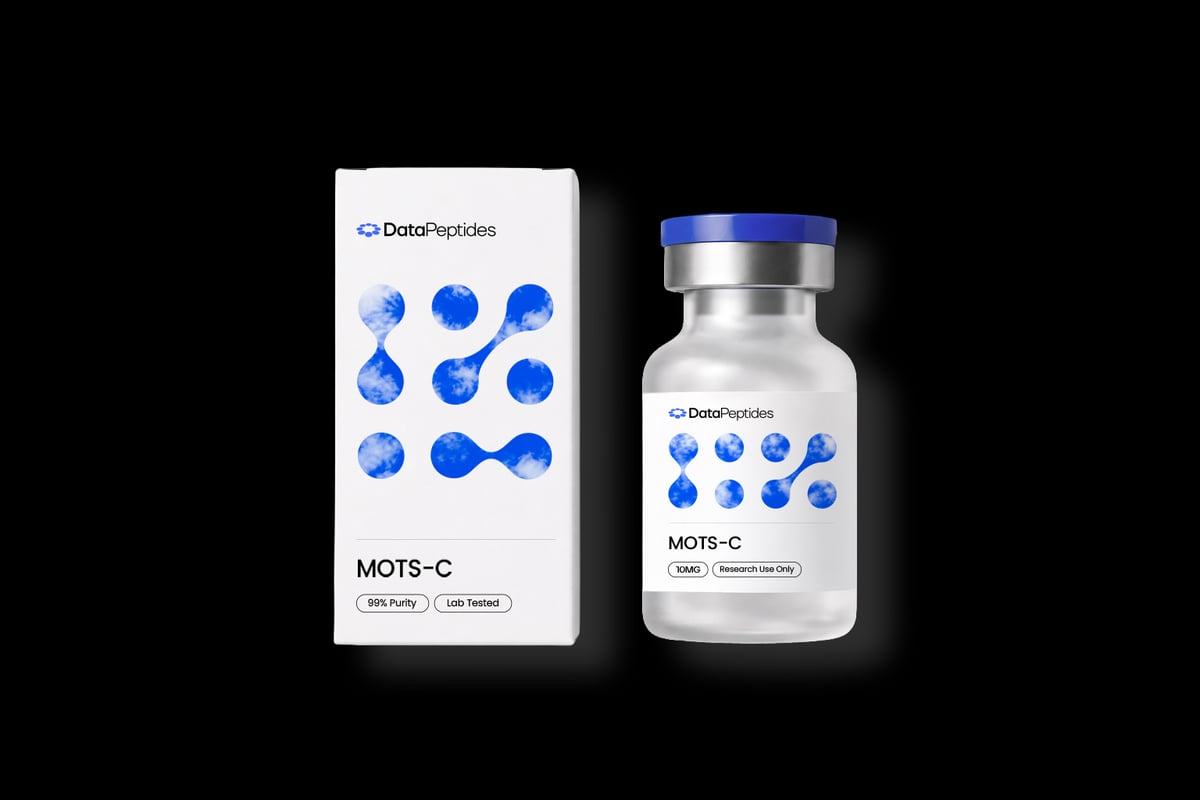
The lower body temperature of fish compared to mammals results in collagen with different thermal properties. This characteristic affects how marine peptides behave in various experimental conditions and offers researchers alternatives to mammalian-derived peptides for temperature-sensitive studies. Understanding these metabolic pathways can complement research involving specialized peptides. For instance, MOTS-c, a mitochondria-derived peptide, influences similar energy utilization and metabolic balance pathways that researchers explore when investigating marine peptide effects on cellular metabolism.
Quality Considerations for Research-Grade Marine Peptides
The purity and characterization of marine peptides directly impacts research reproducibility and data integrity. Laboratory-grade marine peptides require rigorous quality control measures to ensure consistency across experimental batches and eliminate contaminants that could confound results.
Authentication and Purity Testing
Third-party batch testing has become the standard for verifying marine peptide identity, purity, and composition. Analytical techniques employed include:
- High-performance liquid chromatography (HPLC) to confirm peptide purity and detect impurities
- Mass spectrometry (MS) for molecular weight verification and sequence confirmation
- Amino acid analysis to determine compositional accuracy
- Endotoxin testing to ensure absence of bacterial contamination
- Heavy metal screening particularly important for marine-sourced materials
Marine peptides face unique quality challenges due to their oceanic origins. Bioaccumulation of heavy metals such as mercury, lead, or cadmium in fish tissues can transfer to extracted peptides if proper purification protocols aren't followed. Responsible suppliers implement source selection criteria and purification steps specifically designed to eliminate these concerns.
Storage and Stability Requirements
Proper handling and storage of marine peptides ensures their bioactivity remains intact throughout research protocols. Most purified marine peptides should be stored at -20°C or below in lyophilized powder form, protected from moisture and light. Reconstitution protocols vary depending on peptide composition, with some requiring specific pH buffers or solvent systems to maintain solubility and prevent aggregation.
Researchers should verify certificate of analysis documentation for each batch, confirming that purity meets research specifications. For precise experimental design, tools such as a peptide calculator can help determine accurate reconstitution volumes and concentrations based on molecular weight and desired experimental parameters.
Emerging Research Directions and Future Applications
The field of marine peptide research continues to expand as new species are explored and analytical techniques advance. Deep-sea organisms, which experience extreme pressure and temperature conditions, represent a largely untapped source of novel peptide sequences with potential unique bioactivities. These extremophile-derived peptides may offer insights into cellular adaptation mechanisms and stress resistance pathways.
Sustainable Sourcing and Bioprocessing
Growing awareness of ocean sustainability has driven research into marine peptide production from aquaculture byproducts and waste streams. Fish processing operations discard approximately 50-70% of raw material as waste, representing a significant opportunity for marine peptide extraction. Converting this waste into research-grade peptides addresses both environmental concerns and resource efficiency.
Fermentation-based production of marine-derived peptide sequences represents another emerging approach. By identifying genes encoding bioactive peptides from marine organisms and expressing them in microbial systems, researchers can produce specific sequences without harvesting ocean resources. This biotechnology approach also enables modification and optimization of peptide sequences for enhanced bioactivity or stability.
| Research Area | Marine Peptide Application | Current Status |
|---|---|---|
| Metabolic Research | Glucose regulation, insulin sensitivity | Active investigation |
| Neuroprotection | Oxidative stress, cellular signaling | Preclinical studies |
| Tissue Engineering | Scaffold materials, cell culture | Applied research |
| Antimicrobial Research | Novel antibiotic alternatives | Discovery phase |
| Cosmetic Science | Skin barrier function, hydration | Commercial development |
Regulatory and Safety Considerations
Marine peptides intended for research purposes must meet specific regulatory standards depending on their application and jurisdiction. In the United States, research peptides fall under different regulatory frameworks than compounds intended for human consumption or therapeutic use. Laboratory-grade marine peptides are designated strictly for in vitro research, cell culture applications, and experimental protocols.
Proper labeling of marine peptides should clearly indicate their research-only status and include appropriate safety data sheets detailing handling precautions. While marine peptides generally exhibit low toxicity profiles in laboratory settings, researchers must follow institutional biosafety protocols and handle all research compounds with appropriate personal protective equipment.
Documentation tracing marine peptide sources from ocean harvest through purification to final product ensures research integrity and supports reproducibility. Transparent supply chains allow researchers to assess potential variables that might affect experimental outcomes, such as seasonal variations in source organisms or geographical differences in amino acid composition.
Batch-to-Batch Consistency
For longitudinal research studies or multi-center collaborations, batch-to-batch consistency of marine peptides becomes critical. Suppliers employing standardized extraction protocols, defined enzyme systems, and consistent purification methods help minimize variability. Researchers should maintain detailed records of batch numbers and corresponding certificates of analysis to correlate with experimental data.
When selecting marine peptide suppliers, researchers should evaluate manufacturing practices, quality control measures, and documentation standards. Facilities producing research-grade peptides typically operate under Good Manufacturing Practices (GMP) or similar quality frameworks that ensure product consistency and traceability. Additional resources about peptide research and applications can be found through specialized research peptide suppliers that maintain educational content for the scientific community.
Comparative Analysis: Marine vs. Synthetic Peptides
Understanding how marine peptides compare to synthetic alternatives helps researchers select appropriate tools for specific experimental designs. Marine peptides offer naturally occurring sequences that have evolved biological functions, while synthetic peptides provide precise control over sequence, modifications, and purity.
Advantages of Marine Peptides:
- Complex mixtures with potential synergistic effects
- Novel sequences not found in terrestrial organisms
- Natural post-translational modifications
- Mineral incorporation from marine environments
- Lower immunogenicity in some applications
Advantages of Synthetic Peptides:
- Precisely defined sequence and composition
- Consistent batch-to-batch replication
- Ability to incorporate non-natural amino acids
- Targeted design for specific receptors or pathways
- Easier regulatory characterization
Many research applications benefit from combining both approaches. Marine peptides can serve as discovery tools to identify bioactive sequences, which are then synthesized with modifications to enhance specific properties. This hybrid strategy leverages the evolutionary diversity of marine sources while applying the precision of synthetic chemistry.
Analytical Methods for Marine Peptide Research
Characterizing marine peptides requires sophisticated analytical techniques that can resolve complex mixtures and identify specific sequences. Modern proteomics approaches have revolutionized the field, enabling researchers to identify thousands of peptide sequences from single marine organism extracts.
Liquid chromatography coupled with tandem mass spectrometry (LC-MS/MS) stands as the gold standard for marine peptide identification and sequencing. This technique separates peptides by hydrophobicity, then fragments them in a controlled manner to generate sequence information. Database searching against known marine protein sequences helps identify peptides and predict their potential bioactivities.
Nuclear magnetic resonance (NMR) spectroscopy provides detailed structural information about marine peptides, including three-dimensional conformation and dynamic properties. This technique proves particularly valuable for understanding how peptide structure relates to biological activity and receptor binding.
Circular dichroism spectroscopy reveals secondary structure elements in marine peptides, distinguishing alpha-helices, beta-sheets, and random coil regions. This information helps researchers understand stability, conformational changes, and structure-activity relationships.
For researchers seeking detailed information about specific peptide products and their applications, comprehensive FAQs can provide valuable guidance on selection, handling, and experimental considerations.
Global Research Trends and Geographic Variations
Marine peptide research shows distinct geographic patterns influenced by local marine biodiversity and research priorities. Asian countries, particularly China, Japan, and South Korea, lead in publications related to marine collagen peptides and their applications in food science and cosmetics research. These nations have well-established aquaculture industries that generate abundant byproduct streams for peptide extraction.
European research emphasizes marine peptides from North Atlantic species, including cod, haddock, and herring. Sustainability-focused initiatives in Norway, Iceland, and the European Union promote valorization of fishing industry waste through bioactive peptide extraction. These efforts align with circular economy principles and marine resource conservation.
North American research institutions investigate marine peptides from diverse sources, including Pacific salmon, Gulf of Mexico species, and Great Lakes fish. Research priorities often focus on understanding fundamental mechanisms of action and developing novel applications in metabolic research and cellular biology.
The diversity of marine ecosystems worldwide ensures that marine peptide research continues to yield new discoveries. Each geographic region offers unique species with distinct biochemical adaptations, expanding the library of available sequences for research applications. Researchers can explore verified supplier reviews to identify reliable sources for marine and other research peptides.
Marine peptides represent a valuable class of research tools derived from the ocean's vast biochemical diversity. Their unique amino acid compositions, structural features, and bioactive properties distinguish them from terrestrial peptides and provide researchers with novel approaches for investigating metabolic function, cellular signaling, tissue biology, and stress response pathways. As analytical techniques advance and sustainable sourcing practices improve, the potential applications for these ocean-derived compounds continue to expand. Data Peptides provides laboratory-grade, US-manufactured research peptides with third-party batch testing for purity, supporting researchers who demand consistent, well-characterized compounds for their experimental protocols.