

The peptide research industry has evolved dramatically over the past decade, with peptide companies now serving an expanding market of laboratories, academic institutions, and scientific research facilities. As the demand for high-quality research peptides continues to grow in 2026, understanding what distinguishes reputable suppliers from mediocre ones has become essential for researchers seeking reliable materials for their investigations. The landscape includes manufacturers with varying levels of expertise, quality control standards, and commitment to purity verification.
Understanding the Peptide Manufacturing Landscape
Peptide companies operate within a specialized sector that requires significant technical expertise and infrastructure. Manufacturing research-grade peptides involves complex chemical processes that demand precision at every step.
Most peptide companies utilize one of two primary synthesis methods. Solid-phase peptide synthesis (SPPS) remains the industry standard for producing short to medium-length peptides, while recombinant DNA technology serves larger, more complex sequences. Each approach offers distinct advantages depending on the target peptide's characteristics and intended research application.
Quality Standards That Define Industry Leaders
The distinction between professional peptide companies and inferior suppliers becomes evident when examining quality control protocols. Leading manufacturers implement Good Manufacturing Practice (GMP) standards throughout their production facilities, ensuring consistent environmental controls, process validation, and documentation procedures.
Third-party verification represents a critical differentiator among peptide companies. Rather than relying solely on internal testing, reputable suppliers submit each batch to independent laboratories for verification of purity, composition, and identity. This external validation provides researchers with confidence in their materials and protects the integrity of their investigations.

Testing methodologies employed by quality-focused peptide companies typically include:
- High-performance liquid chromatography (HPLC) for purity assessment
- Mass spectrometry for molecular weight confirmation
- Amino acid analysis for sequence verification
- Endotoxin testing for biological safety
- Sterility testing when applicable
Manufacturing Location and Supply Chain Considerations
Geographic origin significantly impacts the reliability and consistency of peptide companies. US-based manufacturers operate under stricter regulatory oversight and quality expectations compared to many international alternatives. Domestic production also eliminates many supply chain vulnerabilities that can compromise product stability during extended international shipping.
Companies manufacturing peptides within the United States benefit from established infrastructure, trained personnel, and proximity to research institutions. This geographical advantage enables faster turnaround times, better customer support, and more transparent communication regarding peptide manufacturing processes.
The Importance of Specialized Focus
Not all peptide companies maintain the same level of specialization. Some suppliers operate as general chemical distributors who source peptides from various manufacturers, while others focus exclusively on peptide production and research support. Specialized peptide companies typically demonstrate deeper technical knowledge, more rigorous quality protocols, and better understanding of researcher needs.
Evaluating Peptide Companies for Research Applications
Researchers selecting among peptide companies should consider multiple factors beyond pricing. The following comparison illustrates key evaluation criteria:
| Evaluation Factor | High-Quality Indicators | Warning Signs |
|---|---|---|
| Testing Documentation | Third-party COA with batch numbers | Internal testing only or vague claims |
| Manufacturing Location | US-based with disclosed facilities | Undisclosed or frequent changes |
| Product Information | Detailed specifications, storage guidelines | Minimal technical data |
| Customer Support | Knowledgeable technical staff | Generic responses, slow communication |
| Regulatory Compliance | Clear research-only positioning | Ambiguous marketing or health claims |
The reputation of peptide companies within the research community often reflects their long-term consistency. Established suppliers with years of verified track records provide greater assurance than newer entities lacking demonstrated reliability.
Transparency serves as another crucial indicator. Reputable peptide companies openly share information about their synthesis methods, testing protocols, and manufacturing standards. They provide detailed certificates of analysis, maintain consistent product availability, and clearly communicate any quality issues or batch variations.
Product Range and Research Applications
Different peptide companies specialize in various product categories based on their manufacturing capabilities and target markets. Some focus on specific therapeutic areas, while others maintain broader catalogs covering diverse research applications.
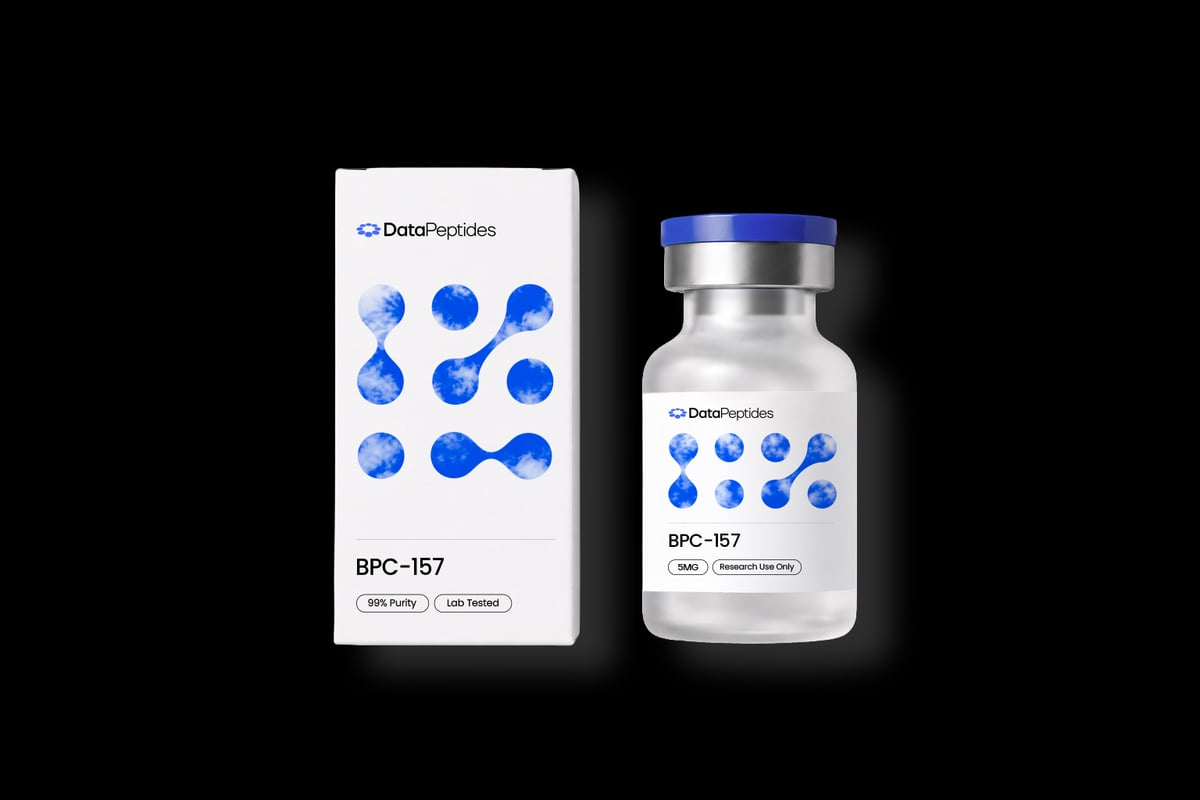
Research institutions investigating tissue repair mechanisms often require access to peptides like BPC-157, which has been extensively studied for its potential role in healing processes. Quality peptide companies ensure these materials meet stringent purity standards necessary for reproducible research outcomes. The peptide's stability, proper storage conditions, and accurate reconstitution protocols all depend on the supplier's manufacturing and handling expertise.
Specialized Formulations and Blends
Advanced peptide companies have begun offering pre-formulated blends designed for specific research protocols. These combinations eliminate the need for researchers to source and mix multiple compounds, reducing preparation time and potential contamination risks. However, quality verification becomes even more critical with blended products, as each component requires individual testing and validation.

Storage, Handling, and Stability Factors
Peptide companies bear responsibility for maintaining product integrity from synthesis through delivery. Proper storage protocols during manufacturing, warehousing, and shipping directly impact peptide stability and research reliability.
Professional suppliers implement controlled temperature storage, use appropriate packaging materials, and provide detailed reconstitution instructions. They understand that peptides degrade under specific conditions and take proactive measures to prevent exposure to heat, light, and moisture throughout the distribution chain.
Documentation and Traceability
Leading peptide companies maintain comprehensive documentation systems that enable complete product traceability. Each batch receives unique identification numbers linking it to specific synthesis runs, testing results, and distribution records. This traceability proves essential when researchers need to verify materials used in published studies or investigate unexpected experimental results.
The documentation provided by quality peptide companies typically includes:
- Certificate of Analysis with third-party verification
- Synthesis date and method description
- Storage recommendations and expiration guidelines
- Reconstitution protocols and stability data
- Safety data sheets and handling precautions
Regulatory Positioning and Legal Compliance
Peptide companies operate within a complex regulatory environment that varies by jurisdiction and intended product use. Reputable suppliers clearly position their products as research materials intended solely for laboratory investigations, not for human consumption or veterinary applications.
This positioning protects both the supplier and research institutions from regulatory complications. Professional peptide companies avoid making therapeutic claims, refrain from marketing to consumers, and implement appropriate safeguards to ensure their products reach legitimate research facilities. Companies exploring medical peptides for research purposes benefit from suppliers who understand these regulatory boundaries.
Ethical Considerations in Peptide Distribution
Responsible peptide companies recognize their role in supporting legitimate scientific research while preventing misuse. They implement verification procedures to confirm customer credentials, maintain appropriate sales restrictions, and refuse transactions that raise ethical concerns. This conscientious approach separates professional research suppliers from entities prioritizing profit over scientific integrity.
Pricing Structures and Value Considerations
Cost comparison among peptide companies reveals significant variation, but the lowest price rarely indicates the best value for research applications. Manufacturing quality peptides requires expensive equipment, skilled personnel, rigorous testing protocols, and quality raw materials-all factors reflected in legitimate pricing.
| Price Point | Typical Characteristics | Research Suitability |
|---|---|---|
| Budget Tier | Minimal testing, unclear sourcing, inconsistent purity | High risk for research integrity |
| Mid-Range | Basic quality controls, some documentation, variable consistency | Acceptable for preliminary studies |
| Premium Tier | Comprehensive testing, full traceability, consistent high purity | Optimal for publishable research |
Researchers should calculate total value rather than focusing exclusively on per-milligram costs. Peptide companies offering lower prices but inconsistent quality ultimately waste research time and resources when experiments yield unreliable results requiring repetition.
Customer Service and Technical Support

The level of support provided by peptide companies significantly impacts research efficiency. Knowledgeable technical staff can assist researchers with peptide selection, reconstitution protocols, storage optimization, and troubleshooting unexpected results. This expertise proves particularly valuable for institutions new to peptide research or investigating novel applications.
Superior customer service includes:
- Responsive communication through multiple channels
- Technical consultation from experienced staff
- Detailed product information and protocols
- Transparent order tracking and delivery updates
- Prompt resolution of quality concerns or issues
Companies treating customer relationships as partnerships rather than transactions demonstrate greater commitment to research success. They proactively communicate about product changes, offer guidance on experimental design, and stand behind their products when legitimate quality concerns arise.
Supply Chain Reliability and Availability
Consistent product availability distinguishes established peptide companies from unreliable suppliers. Research timelines depend on predictable access to materials, making supply chain stability a critical selection factor. Professional suppliers maintain adequate inventory, communicate clearly about lead times, and proactively notify customers of potential delays or discontinuations.
International supply chain disruptions have highlighted the advantages of working with domestic peptide companies. US-based manufacturers experienced fewer interruptions during recent global challenges, enabling research continuity for their customers. Geographic proximity also facilitates faster shipping, reduced customs complications, and easier communication during urgent situations.
Innovation and Industry Advancement
Forward-thinking peptide companies invest in research and development to improve synthesis methods, enhance purity levels, and expand available product ranges. They monitor emerging research trends, anticipate future demand, and develop new offerings aligned with evolving scientific needs. Those exploring best peptides for bodybuilding research or other specialized applications benefit from suppliers who actively track industry developments.
Peptide synthesis and quality manufacturing continues advancing as technology improves and understanding deepens. Leading companies adopt these innovations, implementing more efficient production methods and more sensitive testing technologies as they become available.
Staying Current With Research Trends
Peptide companies serving the research community must maintain awareness of emerging scientific interests. In 2026, metabolic research, longevity investigations, and tissue regeneration studies represent particularly active areas. Suppliers who understand these trends can better anticipate researcher needs and maintain appropriate inventory levels.
Building Long-Term Research Partnerships
The relationship between researchers and peptide companies ideally extends beyond transactional interactions. Establishing partnerships with reliable suppliers creates mutual benefits-researchers gain consistent access to quality materials while companies develop deeper understanding of scientific needs and applications.
Long-term partnerships enable peptide companies to:
- Customize products for specific research protocols
- Provide preferential pricing for ongoing projects
- Offer early access to new peptide offerings
- Support grant applications with technical documentation
- Collaborate on publications requiring detailed materials description
Researchers benefit from the institutional knowledge these relationships create, reducing time spent on vendor evaluation and enabling focus on scientific investigation rather than procurement logistics. For laboratories conducting extensive work with peptide products, these established relationships prove particularly valuable.
Future Outlook for Peptide Companies
The peptide research industry continues expanding as scientific understanding of these molecules deepens. Peptide companies positioned for future success demonstrate commitment to quality, transparency, and researcher support. They invest in infrastructure improvements, adopt advancing technologies, and maintain focus on serving legitimate research applications.
Emerging areas likely to drive growth include personalized medicine research, novel therapeutic mechanism investigations, and biomaterial development. Peptide companies that anticipate these trends while maintaining rigorous quality standards will best serve the evolving needs of the research community. Those interested in specialized areas like alpha peptides research will benefit from suppliers who stay current with scientific developments.
Technological advances in peptide synthesis methods and manufacturing processes continue improving efficiency and expanding possibilities. Companies adopting these innovations while maintaining quality standards will offer researchers access to increasingly sophisticated materials for their investigations.
Selecting among peptide companies requires careful evaluation of manufacturing standards, quality verification, and commitment to research support. The distinctions between suppliers significantly impact research outcomes, making informed vendor selection essential for scientific success. For researchers seeking laboratory-grade materials backed by rigorous third-party testing and US-based manufacturing, Data Peptides provides the quality assurance and technical support necessary for reliable investigations. Every product undergoes comprehensive verification to ensure your research builds on the most dependable foundation possible.