

The research peptide industry has experienced remarkable growth over the past decade, with laboratories and research institutions increasingly relying on specialized suppliers to source high-purity compounds for scientific investigation. Choosing the right peptide shop requires careful evaluation of manufacturing standards, testing protocols, regulatory compliance, and product integrity. As the market continues to expand in 2026, understanding what distinguishes reputable suppliers from substandard vendors has become essential for researchers committed to producing reliable, reproducible results. This comprehensive guide examines the critical factors that define quality peptide sourcing and provides actionable insights for selecting a trusted research partner.
Understanding the Research Peptide Market
The landscape of peptide suppliers has transformed significantly since the early 2020s. What was once a relatively obscure niche has evolved into a sophisticated industry serving thousands of research facilities, academic institutions, and private laboratories worldwide. The 2026 state of the research peptide industry reveals both opportunities and challenges as regulatory frameworks continue to develop.
Market Structure and Supplier Categories
Today's peptide shop options fall into several distinct categories, each with different capabilities and quality standards:
- Domestic manufacturers producing compounds entirely within the United States
- International suppliers importing finished peptides from overseas facilities
- Contract manufacturers working with third-party production facilities
- Hybrid operations combining domestic synthesis with imported raw materials
The distinction between these categories matters considerably for research applications. Domestic production typically provides greater transparency, stricter quality control, and more consistent batch-to-batch reliability. International suppliers may offer lower prices but frequently present challenges in verification, consistency, and regulatory compliance.

Key Industry Trends Shaping 2026
Several significant developments are reshaping how researchers approach peptide sourcing this year. Regulatory scrutiny has intensified following concerns about product purity and misleading marketing claims in certain market segments. This increased oversight has created a clear divide between legitimate research suppliers and vendors making unsubstantiated claims.
Quality expectations have also risen substantially. Laboratories now routinely demand comprehensive documentation including certificates of analysis, batch testing results, and full chain-of-custody records. The peptide shop that cannot provide this documentation faces increasing skepticism from serious research organizations.
Essential Quality Indicators for Peptide Suppliers
When evaluating potential suppliers, specific quality markers separate professional-grade operations from questionable vendors. These indicators provide objective criteria for comparing options and making informed sourcing decisions.
Manufacturing Standards and Facilities
Good Manufacturing Practices (GMP) compliance represents the foundation of quality peptide production. While not all research peptide suppliers operate under full pharmaceutical-grade GMP, reputable vendors implement GMP principles adapted for research applications. This includes environmental controls, contamination prevention protocols, and rigorous documentation systems.
US-based manufacturing offers distinct advantages for research applications. Domestic facilities operate under stricter oversight, maintain more transparent supply chains, and provide easier verification of production processes. When selecting a peptide shop, confirming the physical location of synthesis activities provides important context for quality expectations.
| Quality Factor | Premium Supplier | Substandard Supplier |
|---|---|---|
| Manufacturing Location | Documented US facility | Undisclosed or overseas |
| Batch Testing | Third-party verification | Self-tested or untested |
| COA Availability | Every batch documented | Generic or unavailable |
| Purity Standards | ≥98% verified | Unverified claims |
| Customer Support | Responsive technical team | Limited communication |
Third-Party Testing and Verification
Independent verification stands as perhaps the most critical quality indicator. A legitimate peptide shop invests in third-party analytical testing for every production batch, typically using high-performance liquid chromatography (HPLC) and mass spectrometry (MS) methods to confirm identity and purity.
What to look for in testing documentation:
- Independent laboratory certification (not in-house testing)
- Batch-specific results (not generic product testing)
- Complete analytical data including purity percentage
- Testing date corresponding to production batch
- Clear identification of testing facility
Researchers should view certificates of analysis as non-negotiable requirements. Any supplier unwilling to provide batch-specific COAs for review raises immediate concerns about product integrity and quality control processes.
Product Range and Specialization
The breadth and depth of a peptide shop's catalog reveals important information about their expertise and operational capabilities. While extensive product offerings can indicate established infrastructure, focused specialization often correlates with deeper knowledge and better quality control.
Common Research Peptide Categories
Research facilities typically require peptides across several functional categories. Understanding these groupings helps identify suppliers with relevant expertise for specific research protocols.
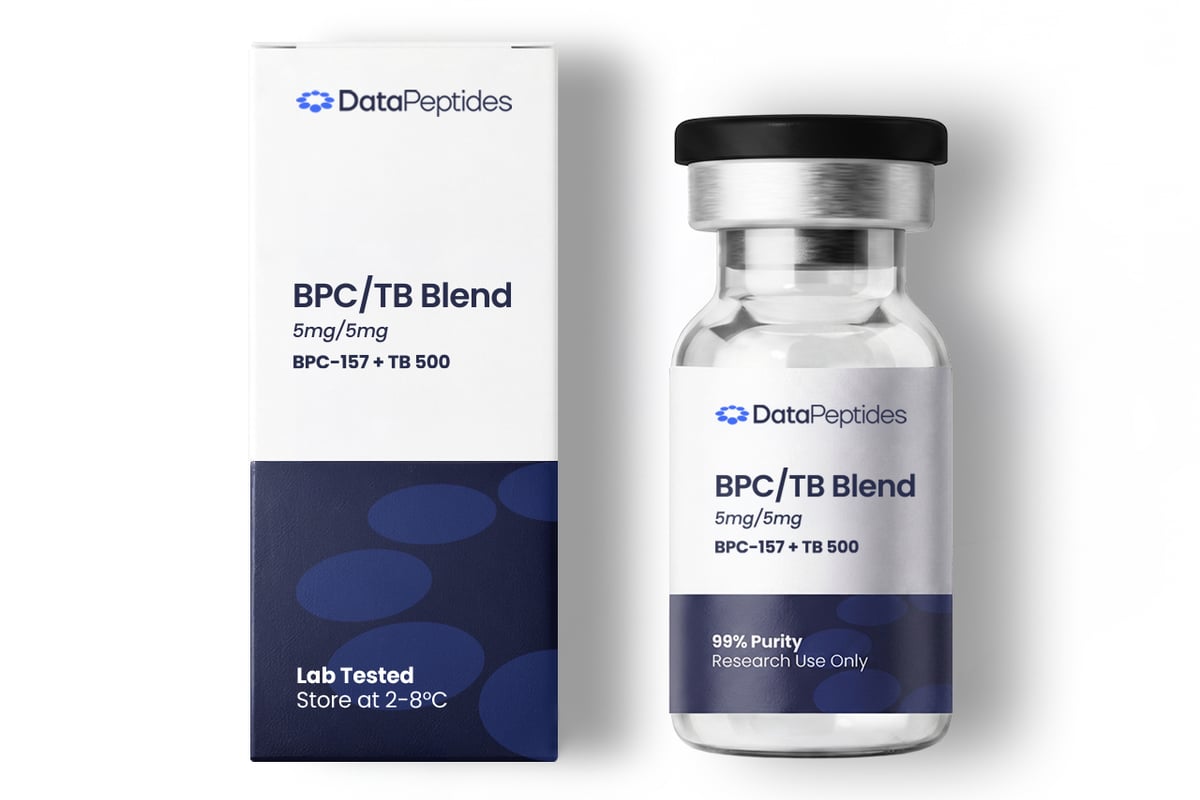
Tissue repair and regeneration peptides remain among the most frequently researched compounds. BPC-157, a stable gastric peptide derivative, exemplifies this category with applications in studies examining tissue healing mechanisms, inflammatory response modulation, and cellular repair pathways. Many researchers combine this compound with complementary peptides like TB-500 in blended formulations to investigate synergistic effects on tissue regeneration across multiple cellular systems.
Metabolic and body composition peptides represent another major research focus, particularly compounds interacting with growth hormone pathways, appetite regulation systems, and energy metabolism. These peptides enable investigations into cellular energy utilization, metabolic adaptation, and physiological response to various stressors.
Evaluating Product Quality Indicators
Beyond categorical organization, several product-level factors indicate supplier quality and attention to detail:
- Specification sheets providing detailed compound information
- Reconstitution guidance with proper storage instructions
- Molecular weight confirmation matching established references
- Appearance descriptions for quality verification upon receipt
- Proper labeling clearly marking "For Research Purposes Only"
The most reputable suppliers maintain detailed product pages with comprehensive technical information, proper disclaimers, and transparent communication about intended use restrictions.
Regulatory Compliance and Legal Considerations
Operating within proper legal and regulatory boundaries distinguishes professional research suppliers from problematic vendors. The peptide shop you select should demonstrate clear understanding of and adherence to applicable regulations governing research peptide distribution.
Current Regulatory Framework
As of 2026, research peptides exist within a complex regulatory environment. These compounds are not approved for human consumption, therapeutic use, or dietary supplementation. Legitimate suppliers clearly communicate these restrictions and implement safeguards preventing misuse.
Critical compliance elements include:
- Explicit "research use only" labeling on all products
- Clear disclaimers prohibiting human or animal consumption
- Verification processes screening for inappropriate use
- Refusal to provide dosing advice for personal use
- Educational content focused on research applications
The evolving regulatory landscape requires suppliers to stay current with changing requirements while maintaining transparent communication about compliance standards. Vendors making therapeutic claims, promoting personal use, or marketing peptides as supplements operate outside legal boundaries and should be avoided.

Red Flags Indicating Non-Compliance
Certain marketing practices and operational characteristics signal potential regulatory problems:
- Health claims or therapeutic benefit promises
- Dosing protocols for human administration
- Marketing targeting non-research consumers
- Absence of "research only" disclaimers
- Promotion through fitness or wellness channels
Research institutions and legitimate laboratories cannot source from vendors engaging in these practices without risking their own compliance status and research integrity.
Practical Evaluation Process for Peptide Suppliers
Selecting a peptide shop requires systematic evaluation rather than impulse decisions based solely on pricing or product availability. Following a structured assessment process helps identify suppliers meeting rigorous quality and compliance standards.
Initial Screening Criteria
Begin your evaluation by establishing minimum acceptable standards that eliminate unsuitable vendors. This preliminary screening saves time and focuses attention on genuinely viable options.
| Screening Criterion | Minimum Requirement | Evaluation Method |
|---|---|---|
| Manufacturing Origin | Documented US production | Request facility information |
| Testing Protocol | Third-party batch verification | Review sample COAs |
| Website Professionalism | Clear technical information | Assess content quality |
| Regulatory Compliance | Proper disclaimers present | Review all product pages |
| Customer Support | Technical team accessible | Test response time |
| Transparency | Company information available | Verify business details |
Deep Dive Assessment
Once you've identified candidates meeting baseline requirements, conduct more thorough evaluation examining operational details and quality systems.
Request specific documentation:
- Recent COAs from multiple batches
- Manufacturing facility certifications
- Testing laboratory accreditations
- Storage and handling protocols
- Shipping and stability data
Legitimate suppliers welcome these inquiries and readily provide documentation demonstrating their quality systems. Hesitation, evasiveness, or inability to produce requested information indicates potential quality or transparency issues.
Community Research and Reputation
The research community provides valuable insights through shared experiences and peer recommendations. Investigate supplier reputation through multiple channels:
- Academic and research community forums
- Published research citing specific suppliers
- Institutional procurement departments
- Professional network referrals
- Independent review platforms
Data Peptides maintains verified customer reviews providing transparent feedback from research customers about product quality, shipping reliability, and customer service experiences. This peer input offers practical context beyond marketing claims.
Price Considerations and Value Assessment
While cost factors into every purchasing decision, price alone provides insufficient basis for selecting a peptide shop. The lowest-priced option frequently correlates with compromised quality, questionable sourcing, or inadequate testing protocols.
Understanding Price Structures
Research peptide pricing reflects multiple underlying factors that explain significant variation across suppliers. Understanding these elements helps interpret price differences and identify reasonable value propositions.
Cost drivers in peptide production include:
- Raw material quality and sourcing
- Synthesis methodology and efficiency
- Testing and quality control expenses
- Facility overhead and compliance costs
- Inventory management and storage
- Shipping and handling infrastructure
Premium suppliers invest substantially in quality systems, testing protocols, and compliance infrastructure. These investments necessarily impact pricing but deliver corresponding value through reliability, consistency, and documented purity.
Calculating True Research Value
The effective cost per experiment or research protocol provides more meaningful comparison than simple price-per-milligram calculations. Consider factors beyond initial purchase price:
- Reliability: Failed experiments due to impure or degraded peptides waste time and resources
- Consistency: Batch-to-batch variation complicates result interpretation and reproducibility
- Documentation: Comprehensive COAs support research validation and publication
- Support: Technical assistance saves troubleshooting time and prevents costly errors
- Replacement costs: Unreliable suppliers may require reordering and experiment repetition
The peptide shop offering moderately higher prices with superior quality control often delivers better overall value than budget options requiring quality compromises.
Storage, Handling, and Longevity Factors
Product quality extends beyond manufacturing to encompass proper storage, handling, and stability throughout the product lifecycle. Reputable suppliers provide comprehensive guidance supporting peptide integrity from production through research application.
Supplier Storage Protocols
Before peptides reach your facility, proper storage at the supplier level preserves compound stability. Professional operations maintain climate-controlled environments with:
- Temperature monitoring and documentation
- Humidity control systems
- Light protection for photosensitive compounds
- Contamination prevention protocols
- Inventory rotation ensuring fresh stock
When evaluating a peptide shop, inquire about storage facilities and environmental controls. Suppliers unable to provide detailed storage information may lack proper infrastructure for maintaining peptide stability.
Shipping and Packaging Standards
Transit represents a vulnerable period when improper handling can compromise peptide integrity. Quality-focused suppliers implement protective measures including:
- Insulated packaging protecting against temperature extremes
- Ice packs or cold shipping for temperature-sensitive compounds
- Discrete packaging protecting research materials
- Tracking systems ensuring timely delivery
- Replacement policies for shipping failures
Technical Support and Educational Resources
Beyond product supply, the value a peptide shop provides includes educational content, technical support, and tools facilitating effective research application.
Customer Service Quality
Responsive, knowledgeable customer support distinguishes professional suppliers from transactional vendors. Evaluate support quality through several dimensions:
- Response time to inquiries and technical questions
- Knowledge depth of support staff
- Willingness to provide detailed product information
- Problem resolution capabilities
- Communication clarity and professionalism
Testing support quality before committing to significant orders provides valuable insight into ongoing relationship quality. The Data Peptides blog offers extensive educational resources addressing common research questions and peptide application topics.
Research Tools and Calculators
Practical tools supporting research applications add substantial value beyond product catalog offerings. Look for suppliers providing resources like:
- Peptide reconstitution calculators for accurate solution preparation
- Dosing calculation tools for research protocols
- Storage recommendation guides
- Stability data and expiration information
- Handling best practices documentation
These resources reflect supplier investment in customer success rather than simple transactional relationships.
Building Long-Term Supplier Relationships
Establishing productive, ongoing relationships with trusted peptide suppliers delivers benefits extending well beyond individual purchases. Consistent sourcing from verified suppliers supports research reproducibility and streamlines procurement processes.
Advantages of Supplier Consistency
Maintaining relationships with proven vendors provides multiple operational and scientific benefits:
Research continuity: Using consistent peptide sources across study phases reduces variables and supports result validity. Switching suppliers mid-research introduces potential confounders affecting interpretation.
Procurement efficiency: Established relationships simplify reordering, reduce evaluation overhead, and often provide preferential pricing or priority fulfillment for repeat customers.
Quality predictability: Familiarity with specific supplier quality standards, batch consistency, and product characteristics enables more confident research planning and resource allocation.
Evaluating Supplier Stability
The peptide shop you select should demonstrate business stability suggesting ongoing availability for future research needs. Consider indicators like:
- Years in operation and business history
- Consistent product availability
- Regular inventory updates
- Investment in infrastructure improvements
- Responsive adaptation to regulatory changes
Suppliers demonstrating stability and growth trajectory provide more reliable long-term research partnerships than operations with uncertain futures or questionable business practices.
Selecting a quality peptide shop requires systematic evaluation of manufacturing standards, testing protocols, regulatory compliance, and operational transparency. By prioritizing third-party verification, domestic production, comprehensive documentation, and proper research-only positioning, laboratories can establish reliable sourcing relationships supporting reproducible scientific investigation. Data Peptides provides laboratory-grade, US-manufactured research peptides with complete third-party batch testing documentation, enabling researchers to source compounds meeting rigorous purity standards for advancing scientific discovery.