

The combination of tb 500 bpc 157 has emerged as one of the most studied peptide pairings in regenerative research. These two synthetic compounds operate through distinct yet complementary mechanisms that have attracted significant attention from researchers investigating tissue repair, cellular migration, and inflammatory modulation. While both peptides share overlapping applications in preclinical models, understanding their individual characteristics and combined effects requires careful examination of the available scientific literature and regulatory landscape.
Understanding the Individual Components
BPC-157 Structural Profile
BPC-157, or Body Protection Compound-157, is a pentadecapeptide consisting of fifteen amino acids. This synthetic sequence derives from a protective protein found in gastric juice, though the research compound itself does not occur naturally in this isolated form. The peptide demonstrates stability in gastric acid, a characteristic that distinguishes it from many other peptide sequences that degrade rapidly in acidic environments.
Research models have examined BPC-157 across multiple tissue types, including musculoskeletal structures, gastrointestinal epithelium, and vascular networks. The peptide appears to influence angiogenic factors, cellular proliferation markers, and inflammatory mediators through pathways that remain under investigation.
Key structural characteristics include:
- Molecular weight of approximately 1,419 Da
- Sequence stability across pH ranges
- Synthetic production for research applications
- Water-soluble formulation properties
TB-500 Molecular Framework
TB-500 represents a synthetic fraction of Thymosin Beta-4, a naturally occurring peptide containing 43 amino acids. The TB-500 sequence typically refers to a specific bioactive region that researchers have isolated for study. This fragment plays roles in cellular architecture through its interaction with actin, a fundamental protein involved in cell structure and movement.
The peptide's influence on cell migration has made it a subject of interest in wound healing models, where cellular movement and tissue reorganization represent critical phases of repair. TB-500 has been examined for its effects on endothelial cell migration, blood vessel formation, and extracellular matrix remodeling.
Mechanisms of Action in Research Models
BPC-157 Pathway Interactions
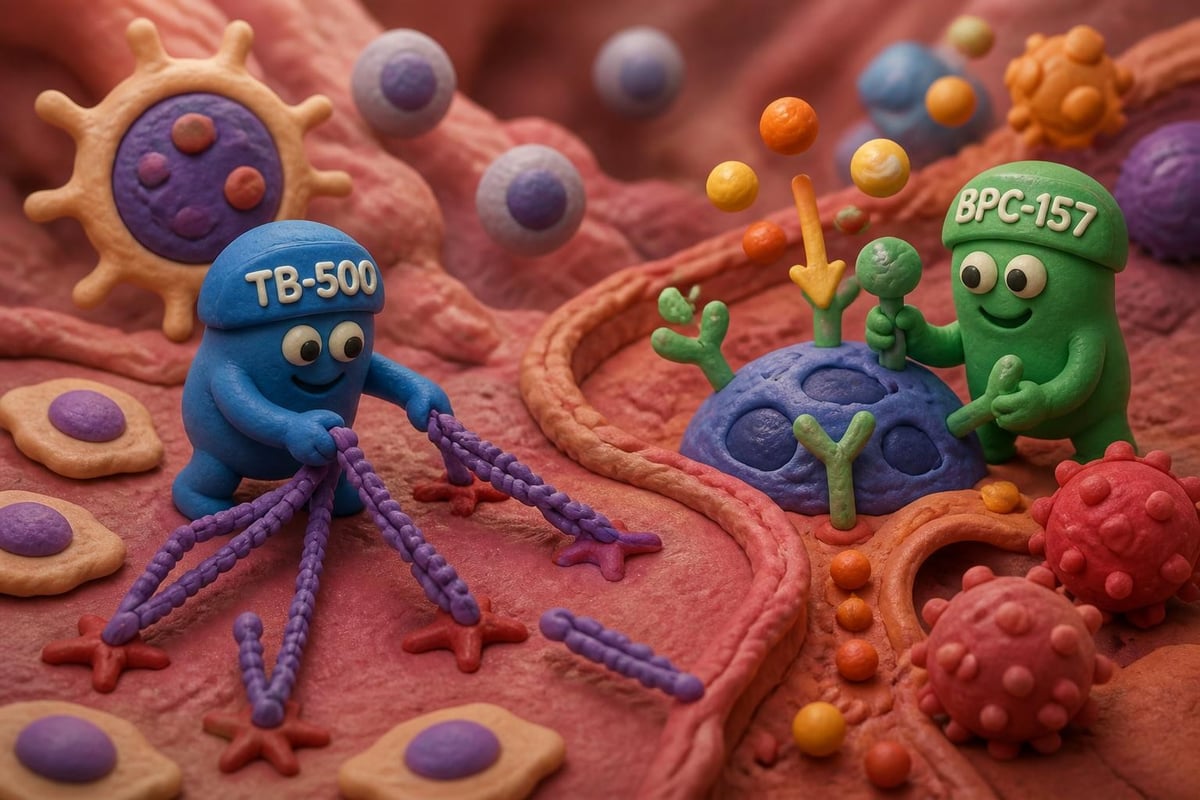
Laboratory studies on BPC-157 have identified several potential mechanisms through which the peptide may exert effects. These include modulation of growth factor expression, particularly vascular endothelial growth factor (VEGF) and fibroblast growth factor (FGF), which play essential roles in blood vessel development and tissue regeneration.
The peptide has demonstrated influence on nitric oxide pathways in preclinical models, potentially affecting blood flow and inflammatory signaling. Additional research has examined its interaction with the FAK-paxillin pathway, which governs cellular adhesion and migration processes critical to wound closure.
| Mechanism | Research Focus | Tissue Types Studied |
|---|---|---|
| Growth factor modulation | VEGF, FGF expression | Muscle, tendon, ligament |
| Nitric oxide pathway | Vascular function | Endothelial tissue |
| FAK-paxillin signaling | Cell migration | Connective tissue |
| Inflammatory mediators | Cytokine regulation | GI tract, systemic |
TB-500 Cellular Dynamics
The primary mechanism attributed to TB-500 involves its binding to G-actin, preventing polymerization and allowing for cytoskeletal reorganization. This process facilitates cell migration, particularly important in wound healing where cells must move to injury sites. Research models have shown that TB-500 may promote the differentiation of endothelial progenitor cells and support new blood vessel formation.
Studies have also examined TB-500's potential anti-inflammatory properties through regulation of inflammatory cell infiltration and cytokine production. The peptide's influence on matrix metalloproteinases (MMPs) has been investigated in contexts of tissue remodeling and extracellular matrix turnover.
Synergistic Effects in Combined Protocols
Complementary Pathway Activation
When researchers examine tb 500 bpc 157 together, the focus shifts to understanding how their distinct mechanisms might complement each other. BPC-157's influence on growth factor expression and vascular development could theoretically work alongside TB-500's effects on cellular migration and structural reorganization, creating a more comprehensive approach to tissue repair in experimental models.
Preclinical studies have suggested that combining these peptides may address different phases of the healing cascade. While BPC-157 may influence early inflammatory responses and angiogenesis, TB-500 could support later stages involving cell migration and matrix remodeling. However, it's essential to note that controlled clinical trials examining this combination remain absent from the published literature.
Theoretical advantages of combined protocols:
- Broader coverage of repair mechanisms
- Addressing multiple healing phases
- Complementary cellular targets
- Enhanced experimental model outcomes
Research Protocol Considerations
Laboratories investigating tb 500 bpc 157 combinations must carefully design protocols that account for dosing ratios, administration timing, and duration of study periods. Preclinical models have employed various ratios, though standardization across studies remains limited. Some research has examined 1:1 ratios, while other investigations have explored different proportions based on specific experimental objectives.
The route of administration represents another critical variable, with subcutaneous, intraperitoneal, and localized injection routes appearing in different studies. Each method may influence bioavailability, tissue distribution, and ultimate effects observed in experimental models.

Regulatory Status and Research Compliance
FDA Classification and Advisory Actions
Neither BPC-157 nor TB-500 has received FDA approval for human use, and both remain classified as investigational compounds. Recent regulatory developments have brought attention to these peptides, with FDA advisory panels examining compounding pharmacy production of such substances. The narrow recommendation to ease certain restrictions highlights ongoing debates about balancing research access with safety considerations.
Researchers must operate within strict guidelines when working with these compounds, ensuring that all applications remain within laboratory settings and comply with institutional review board requirements where applicable. The designation of these peptides for research use only underscores the preliminary nature of available evidence.
Legal Considerations for Research Institutions
Laboratory facilities working with tb 500 bpc 157 must maintain documentation demonstrating research intent and compliance with applicable regulations. This includes proper labeling indicating "not for human consumption," appropriate storage conditions, and record-keeping that tracks compound use and experimental outcomes.
The World Anti-Doping Agency (WADA) prohibits both TB-500 and BPC-157 in competitive sports, a classification that reinforces their status as performance-modifying substances requiring careful oversight. Research institutions must ensure that any studies involving these peptides adhere to ethical guidelines and regulatory frameworks governing experimental compounds.
Applications Across Research Disciplines
Musculoskeletal Tissue Studies
A substantial portion of tb 500 bpc 157 research has focused on musculoskeletal applications, examining effects on muscle tears, tendon injuries, and ligament damage in animal models. Studies have investigated healing timeframes, tissue strength metrics, and histological markers of regeneration following controlled injuries.
BPC-157 research has examined tendon-to-bone healing, a particularly challenging clinical scenario where the transition between tissue types complicates repair. Animal models have demonstrated accelerated healing parameters in some studies, though translation to human outcomes remains uncertain given the absence of clinical trials.
TB-500 investigations have similarly explored tendon repair, with particular interest in the peptide's ability to reduce scar tissue formation and maintain tissue elasticity. Combined protocols have been examined for their potential to address both early inflammatory phases and later remodeling stages of musculoskeletal healing.
Gastrointestinal Research Models
BPC-157's gastric origin has driven substantial research interest in gastrointestinal applications. Laboratory studies have examined the peptide's effects on ulcer healing, inflammatory bowel models, and intestinal anastomosis integrity. The stable gastric peptide nature of BPC-157 has made it a logical candidate for investigating digestive tract repair mechanisms.
Research has explored BPC-157's potential protective effects against various forms of gastrointestinal damage, including NSAID-induced ulceration, alcohol-related injury, and inflammatory colitis models. The peptide's influence on mucosal healing factors and epithelial cell proliferation represents key areas of investigation.
While TB-500 has received less focus in gastrointestinal research compared to BPC-157, some studies have examined its potential effects on intestinal barrier function and inflammatory regulation in gut injury models.
Current Research Evidence Base
Preclinical Study Outcomes
The existing evidence for tb 500 bpc 157 derives primarily from in vitro and animal model research. Rodent studies predominate in the literature, with some investigations employing larger animal models to examine tissue repair in anatomically relevant contexts. These studies have reported various positive outcomes, including accelerated wound closure, improved tissue strength measurements, and favorable histological markers.
However, significant limitations characterize the current evidence base, including small sample sizes, heterogeneous protocols, and absence of standardized outcome measures across studies. Publication bias may favor positive results, potentially skewing the apparent efficacy of these compounds.
Evidence limitations include:
- Lack of human clinical trials
- Variability in animal models used
- Inconsistent dosing protocols
- Limited long-term safety data
- Absence of head-to-head comparisons
Translation Challenges
The gap between preclinical findings and clinical applications represents a substantial challenge for tb 500 bpc 157 research. Animal models, while valuable for mechanistic insights, do not perfectly replicate human physiology, tissue architecture, or healing responses. Factors such as metabolic rate, immune system differences, and tissue composition vary significantly across species.
Pharmacokinetic data in humans remains sparse, limiting understanding of absorption, distribution, metabolism, and excretion profiles. Without this foundational information, extrapolating appropriate dosing from animal studies becomes highly speculative.

Laboratory Sourcing and Quality Considerations
Purity Standards and Testing Protocols
Research facilities require high-purity peptides to ensure experimental reproducibility and minimize confounding variables from contaminants. Third-party testing through high-performance liquid chromatography (HLPC) and mass spectrometry provides verification of peptide identity, purity percentage, and absence of significant impurities.
Certificates of analysis (COAs) should accompany research-grade peptides, documenting batch-specific test results. These documents provide essential quality assurance, confirming that the compound matches expected specifications for molecular weight, sequence accuracy, and purity thresholds typically exceeding 98%.
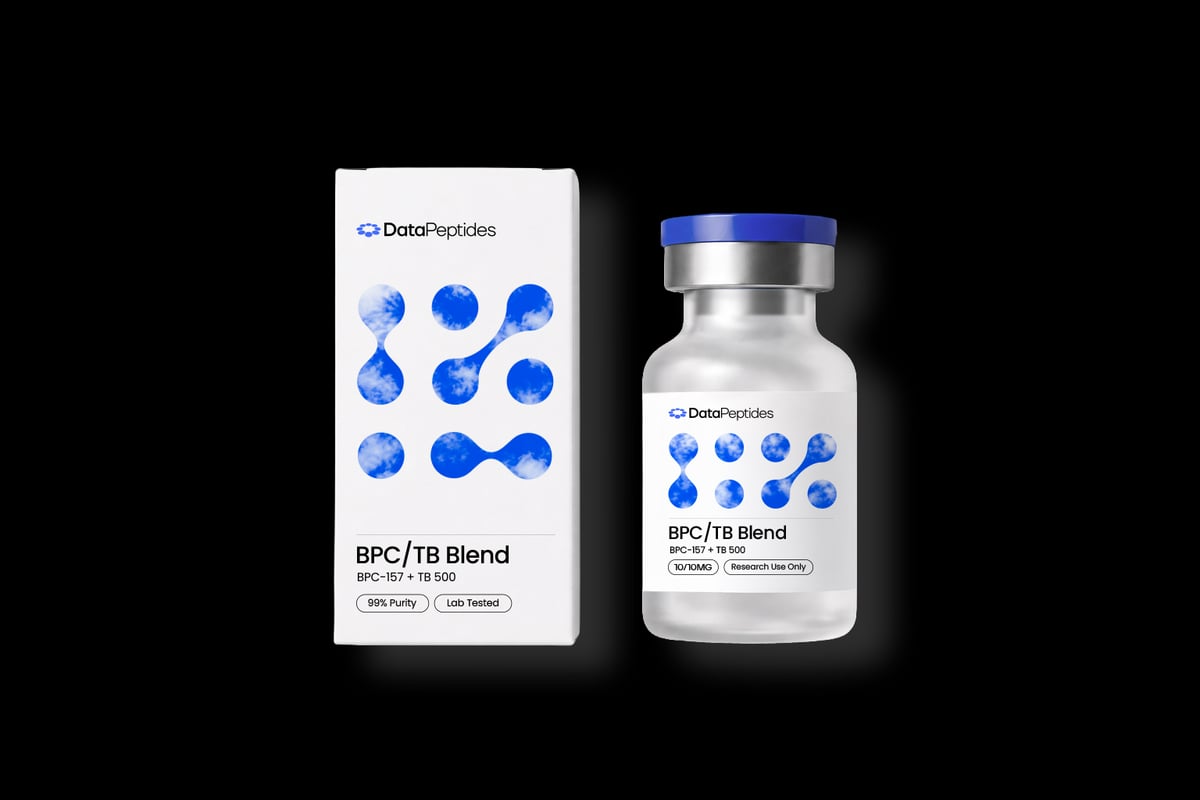
For laboratories investigating the combined effects of tb 500 bpc 157, sourcing from manufacturers who provide comprehensive testing documentation ensures that observed outcomes reflect the peptides themselves rather than contamination or degradation products. Research institutions pursuing comprehensive recovery studies may benefit from formulations specifically designed to combine these peptides at optimal ratios. The BPC-157 / TB-500 blend provides laboratory-grade compounds at precisely measured concentrations, enabling more standardized experimental protocols.
Storage and Handling Requirements
| Parameter | Recommendation | Rationale |
|---|---|---|
| Temperature | -20°C to -80°C (long-term) | Prevents degradation |
| Reconstitution | Bacteriostatic water | Maintains stability |
| Light exposure | Protected from direct light | Reduces photodegradation |
| Freeze-thaw cycles | Minimize or avoid | Preserves peptide integrity |
Proper storage extends peptide viability and ensures consistent results across experimental timepoints. Lyophilized peptides generally demonstrate greater stability than reconstituted solutions, making it advisable to prepare only the quantity needed for immediate experimental use.
Experimental Design Considerations
Dosing Variables in Research Models
Determining appropriate dosing for tb 500 bpc 157 studies requires consideration of multiple factors, including animal model size, injury severity, administration route, and experimental objectives. Published studies have employed wide dosing ranges, with BPC-157 typically administered at microgram to milligram doses per kilogram of body weight, while TB-500 doses often range from hundreds of micrograms to several milligrams per kilogram.
Frequency of administration represents another critical variable, with protocols ranging from daily injections to less frequent dosing schedules. Some research suggests that consistent daily administration may be necessary to maintain therapeutic levels, while other studies have explored intermittent dosing to reduce injection burden and potential adverse effects.
Control Groups and Outcome Measures
Rigorous experimental design for tb 500 bpc 157 research necessitates appropriate control groups, including saline-treated controls, individual peptide groups, and combination treatment groups. This structure allows researchers to distinguish synergistic effects from additive effects and identify which outcomes specifically require both compounds.
Outcome measures should encompass multiple dimensions of healing and regeneration:
- Histological analysis: Tissue architecture, cellular infiltration, collagen organization
- Biomechanical testing: Tensile strength, elasticity, failure load
- Molecular markers: Growth factor expression, inflammatory cytokines, structural proteins
- Functional assessments: Range of motion, weight-bearing capacity, behavioral indicators
Standardizing these measures across studies would enhance comparability and meta-analytic potential, advancing the field's understanding of these peptides' effects.
Safety Profile in Research Models
Observed Adverse Events in Preclinical Studies
The safety profile of tb 500 bpc 157 in animal models generally appears favorable across published studies, with most research reporting minimal adverse effects at tested doses. However, the absence of systematic toxicology studies and long-term safety investigations represents a significant knowledge gap.
Some animal studies have examined potential effects on organ function, blood chemistry, and behavioral parameters, typically finding no significant alterations within the study timeframes. Concerns about safety and efficacy remain prominent among regulatory scientists, particularly given the limited data on extended use or higher doses.
Unknown Long-Term Effects
The potential for long-term or cumulative effects from tb 500 bpc 157 administration remains largely unexplored. Questions about effects on cancer cell behavior, given the peptides' influence on cell proliferation and angiogenesis, require systematic investigation. While short-term animal studies have not revealed oncogenic effects, longer observation periods and more sensitive detection methods would strengthen safety assessments.
Reproductive and developmental toxicity studies remain sparse, leaving uncertainties about potential effects on fertility, embryonic development, and transgenerational impacts. These gaps underscore the importance of maintaining these compounds within controlled research environments.
Future Research Directions
Mechanistic Studies Needed
Advancing understanding of tb 500 bpc 157 requires deeper mechanistic investigation. Identifying specific receptors, signaling cascades, and molecular targets would provide clearer rationale for clinical development. Proteomic and genomic analyses could reveal broader effects on cellular pathways beyond currently recognized mechanisms.
Comparative studies examining these peptides against established therapeutic agents would contextualize their potential advantages or limitations. Direct comparisons with growth factors, anti-inflammatory compounds, and other regenerative interventions would help position these peptides within the broader landscape of healing and recovery research.
Clinical Translation Pathways
For tb 500 bpc 157 to progress toward human applications, systematic phase I safety trials would represent essential first steps. These studies would establish safety profiles, pharmacokinetic parameters, and initial dose-finding data in human subjects. Subsequent phase II trials could examine efficacy signals in specific conditions, while phase III trials would provide definitive evidence of therapeutic benefit.
The regulatory pathway for these peptides faces challenges given their current unapproved status and production by compounding facilities. Pharmaceutical development by established companies with resources for comprehensive clinical trials may be necessary to generate the robust evidence base required for regulatory approval.
Research Community Perspectives
Academic and Industry Interest
The research community has shown sustained interest in tb 500 bpc 157, evidenced by ongoing publications and conference presentations. However, perspectives vary regarding the strength of current evidence and the appropriate next steps for investigation. Some researchers advocate for cautious optimism based on promising preclinical results, while others emphasize the substantial gap between animal data and proven human benefit.
Industry involvement has increased, with several companies developing research-grade formulations and supporting investigational studies. This commercial interest reflects market demand from research institutions but also raises questions about potential conflicts of interest in study design and outcome reporting.
Critical Analysis and Skepticism
Skeptical perspectives highlight several concerns about tb 500 bpc 157 research, including potential publication bias, inadequate study design in some investigations, and premature enthusiasm given the evidence limitations. The absence of negative trial publications raises questions about whether unsuccessful studies remain unreported.
Critical reviews have noted inconsistencies in reported mechanisms, with some proposed pathways lacking robust experimental validation. The complexity of tissue repair processes makes it challenging to attribute specific outcomes to particular peptide actions, necessitating more sophisticated experimental approaches to establish causality.
The research surrounding tb 500 bpc 157 demonstrates intriguing preclinical findings while highlighting substantial gaps requiring systematic investigation before clinical translation becomes appropriate. These peptides continue to attract research interest across multiple disciplines, from musculoskeletal healing to gastrointestinal protection. For research institutions seeking laboratory-grade peptides with verified purity and comprehensive documentation, Data Peptides provides US-manufactured compounds with third-party batch testing specifically intended for controlled laboratory investigations that advance scientific understanding of these compounds' mechanisms and potential applications.