

The landscape of peptide research has evolved dramatically over the past decade, with laboratory investigators demanding higher purity standards, transparent manufacturing processes, and reliable sourcing. As research applications become more sophisticated, the choice between domestic and international peptide suppliers has become a critical decision for laboratories across the United States. Understanding the advantages of us made peptides helps research teams make informed purchasing decisions that directly impact experimental validity and regulatory compliance.
Manufacturing Standards for Research Peptides
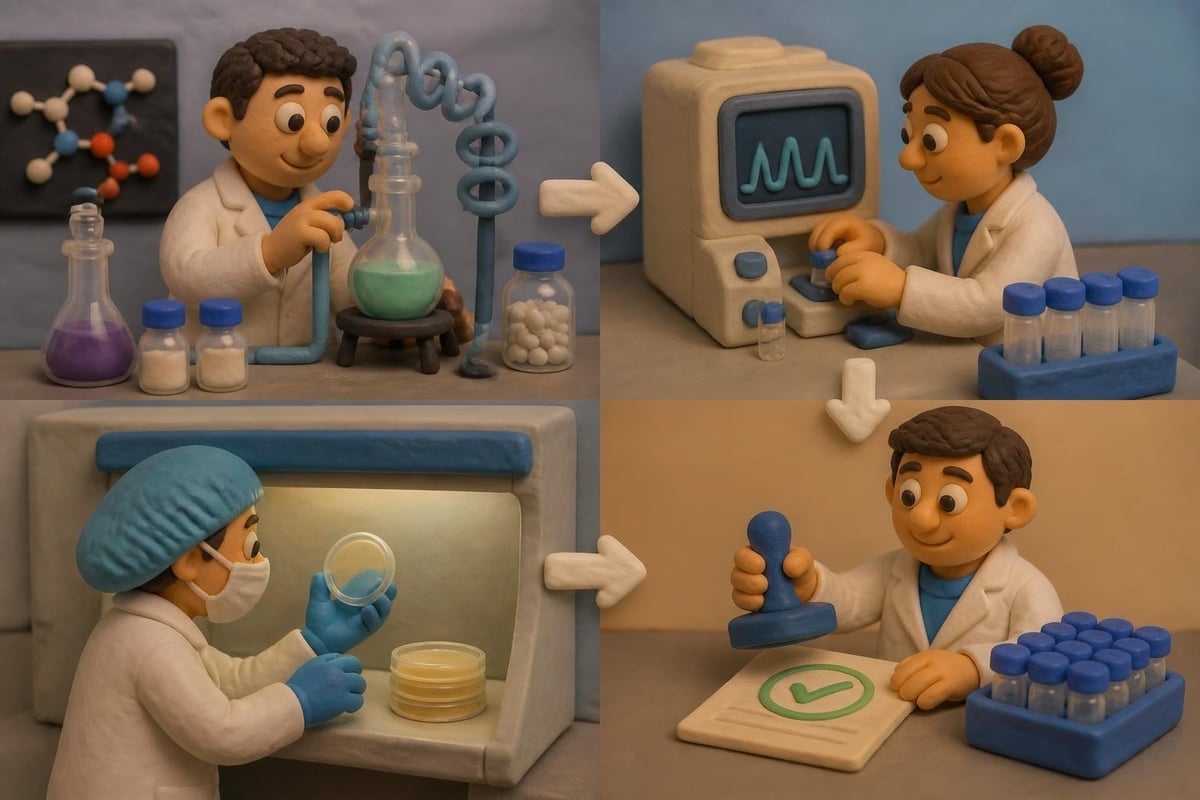
The production of research-grade peptides requires precision at every stage, from initial synthesis to final packaging. US made peptides benefit from stringent manufacturing protocols that align with current Good Manufacturing Practices (cGMP) and other federal regulatory frameworks. These standards ensure consistency across batches, minimize contamination risks, and provide comprehensive documentation trails.
Domestic manufacturers typically employ solid-phase peptide synthesis (SPPS) or liquid-phase methods, depending on the target molecule's complexity and length. Each approach requires specialized equipment, controlled environments, and trained personnel who understand the chemical intricacies of peptide bond formation.
Quality Control Measures
Manufacturing facilities producing us made peptides implement multiple quality checkpoints throughout the production cycle:
- Raw material verification before synthesis begins
- In-process testing during synthesis stages
- Final product analysis using HPLC and mass spectrometry
- Sterility testing for peptides intended for sterile applications
- Endotoxin screening to detect bacterial contamination
- Stability studies under controlled conditions
Third-party laboratories frequently conduct independent verification of these results, providing an additional layer of quality assurance. This dual-testing approach distinguishes premium suppliers from those offering minimal documentation.
Regulatory Compliance and Documentation
Research institutions, biotechnology companies, and academic laboratories face increasing scrutiny regarding the materials they use in studies. US made peptides come with comprehensive documentation that satisfies institutional review boards, grant agencies, and regulatory bodies. This paperwork includes certificates of analysis (CoAs), Material Safety Data Sheets (MSDS), and manufacturing batch records.
The Federal Food, Drug, and Cosmetic Act establishes baseline requirements for substances used in research, even when not intended for therapeutic applications. Domestic manufacturers operate under FDA oversight, subjecting their facilities to periodic inspections and compliance reviews. This peer-reviewed article discusses the synthesis and applications of peptides in medical research, emphasizing advancements in U.S. laboratories.
| Compliance Aspect | US Made Peptides | International Sources |
|---|---|---|
| FDA Oversight | Direct regulation | Limited to imports |
| Documentation | Comprehensive CoAs | Variable quality |
| Traceability | Full batch records | Often incomplete |
| Testing Standards | cGMP aligned | Varies by country |
| Response Time | Immediate support | Time zone delays |
Institutional Requirements
Universities and research hospitals increasingly mandate domestic sourcing for certain materials to simplify compliance reporting. Grant-funded projects, particularly those supported by federal agencies, may specify American-made components as a condition of funding. The NSF grant award details funded projects focused on developing novel peptide-based therapeutics, showcasing U.S. research initiatives.
Research coordinators appreciate the simplified procurement process when working with us made peptides, as domestic vendors understand institutional purchasing requirements and can navigate complex approval workflows efficiently.
Supply Chain Reliability and Lead Times
The global pandemic of 2020-2021 exposed vulnerabilities in international supply chains, prompting many research institutions to reevaluate their sourcing strategies. US made peptides offer distinct advantages in terms of availability, shipping speed, and supply chain transparency.
Domestic production eliminates customs delays, reduces shipping damage risks, and provides consistent delivery schedules. Laboratories can maintain leaner inventories when they know replenishment orders will arrive within days rather than weeks.
Geographic Advantages
Manufacturing within the United States creates practical benefits that extend beyond simple logistics:
- Same time zone communication for technical support
- Faster resolution of quality concerns or reorders
- Reduced temperature excursions during shorter transit
- Simplified import documentation and customs procedures
- Lower environmental impact from shorter transportation distances
Temperature-sensitive peptides particularly benefit from domestic sourcing, as the reduced transit time minimizes exposure to damaging conditions. Even with insulated packaging and cold packs, extended international shipping creates additional stress on delicate molecules.
Cost Considerations and Value Analysis
Initial pricing comparisons might suggest international peptide sources offer savings, but comprehensive cost analysis reveals a more nuanced picture. US made peptides often deliver superior total value when laboratories account for all relevant factors beyond the per-milligram purchase price.
Hidden costs associated with international sourcing include customs fees, extended shipping charges, inventory holding costs due to longer lead times, and potential losses from quality issues discovered after lengthy delivery periods. Domestic suppliers eliminate many of these variables.

Return on Investment Factors
Research budgets benefit from several aspects of domestic peptide sourcing:
- Reduced failed experiments due to higher purity standards
- Less wasted time troubleshooting contamination issues
- Lower inventory costs enabled by faster replenishment
- Minimal customs delays that can halt research timelines
- Better technical support for optimizing experimental protocols
Laboratories conducting time-sensitive studies particularly value the reliability of us made peptides, as delays in material delivery can jeopardize grant milestones, publication schedules, and competitive advantages in rapidly evolving research fields.
Technical Support and Scientific Collaboration
Domestic peptide manufacturers typically provide superior technical assistance compared to international vendors operating across significant time zone differences. Research teams working with us made peptides gain access to knowledgeable support staff who can discuss synthesis challenges, storage recommendations, and protocol optimization strategies.
This collaborative relationship extends beyond basic customer service. Many U.S. manufacturers employ PhD-level scientists who understand the research applications driving peptide demand and can offer meaningful insights into experimental design.
Custom Synthesis Capabilities
When standard catalog offerings don't meet specific research needs, domestic manufacturers can quickly develop custom synthesis projects. The proximity facilitates communication during development, allows for mid-project adjustments, and enables researchers to visit production facilities when necessary.
Working with us made peptides for custom projects provides intellectual property protections under U.S. law, giving research institutions confidence their proprietary sequences remain secure. Recent advances in AI-driven discovery of antimicrobial peptides emphasize innovative approaches in peptide research that benefit from close manufacturer collaboration.
Purity Standards and Analytical Methods
Peptide purity directly impacts experimental reproducibility and data interpretation. US made peptides undergo rigorous analytical characterization using multiple complementary techniques that provide comprehensive quality information.
High-performance liquid chromatography (HPLC) remains the gold standard for assessing peptide purity, separating the target molecule from synthesis byproducts, truncated sequences, and related impurities. Mass spectrometry confirms molecular weight and identifies specific contaminants. Together, these methods provide confidence in product quality.
| Analytical Method | Information Provided | Typical Standard |
|---|---|---|
| HPLC | Overall purity percentage | ≥95% for research grade |
| Mass Spectrometry | Molecular weight confirmation | Within 0.1% of theoretical |
| Amino Acid Analysis | Sequence verification | Matches target sequence |
| Endotoxin Testing | Bacterial contamination | <1 EU/mg |
| Sterility Testing | Microbial growth | No growth detected |
Batch-to-Batch Consistency
Research reproducibility requires consistent starting materials across experiments conducted months or years apart. Domestic manufacturers maintain detailed synthesis protocols and quality specifications that ensure each new batch of us made peptides meets identical standards.
This consistency proves particularly valuable in long-term studies, multi-institutional collaborations, and research programs seeking regulatory approval for eventual therapeutic applications. Variability in peptide quality introduces unwanted experimental variables that complicate data interpretation.
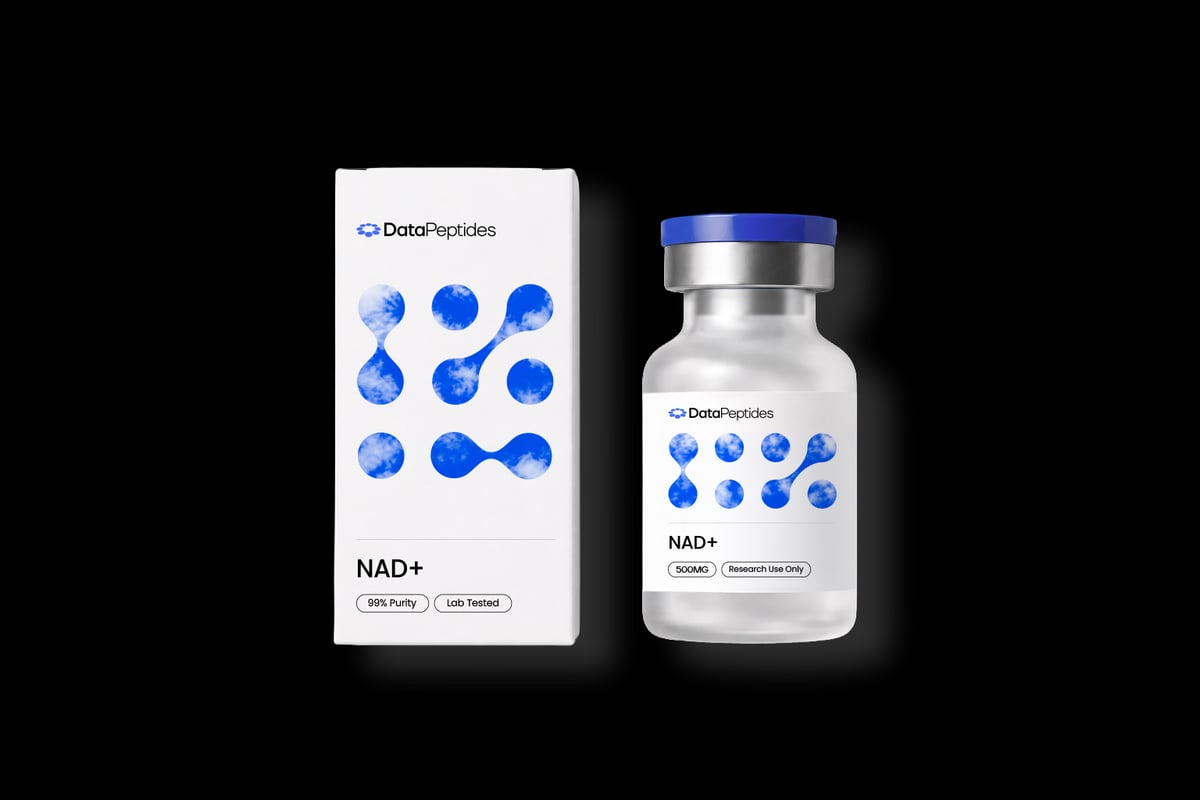
When laboratories need highly specialized peptides for metabolic research, suppliers offering compounds like NAD+ demonstrate the breadth of available research materials. This essential coenzyme supports studies involving cellular energy production, mitochondrial function, and aging pathways through laboratory investigation.
Storage and Handling Recommendations
Proper storage significantly extends peptide shelf life and maintains molecular integrity. US made peptides typically arrive with detailed handling instructions specific to each compound's chemical properties and stability characteristics.
Most lyophilized research peptides require storage at -20°C or -80°C in sealed containers protected from moisture. Once reconstituted in appropriate buffers, working solutions generally maintain stability for shorter periods and may require refrigeration or immediate use.
Stability Considerations
Several factors influence peptide stability during storage:
- Temperature fluctuations cause repeated freeze-thaw damage
- Moisture exposure promotes hydrolysis and degradation
- Light sensitivity affects certain amino acid residues
- pH levels in reconstitution buffers alter stability
- Oxidation impacts methionine and cysteine residues
Domestic suppliers can provide guidance based on stability testing conducted under various conditions, helping researchers optimize their storage protocols. This technical support proves invaluable for laboratories new to peptide-based research.
Applications Across Research Disciplines
The versatility of peptides makes them valuable tools across numerous scientific fields. US made peptides support investigations in cell biology, neuroscience, immunology, metabolic research, and drug discovery. Each discipline demands specific quality attributes and documentation standards.
Cell signaling studies rely on highly pure peptides to avoid confounding effects from contaminants. Structural biology applications require precise sequences for crystallization experiments. Research on PepLand, a pre-trained model for peptide representation, contributes to understanding peptide structures in computational studies.
Emerging Research Areas
Several cutting-edge research domains have created new demand for specialized peptides:
- Antimicrobial peptide development addressing antibiotic resistance
- Metabolic pathway modulation for studying energy regulation
- Neuropeptide signaling in behavioral and cognitive research
- Immune checkpoint proteins in oncology investigations
- Wound healing factors for regenerative medicine studies
These applications require peptides meeting stringent purity specifications, with comprehensive analytical documentation supporting publication and regulatory submissions. Domestic manufacturing ensures researchers receive materials suitable for these demanding applications.
Intellectual Property and Confidentiality
Research institutions developing novel therapeutic peptides or proprietary sequences need assurance their intellectual property remains protected. Working with us made peptides from domestic manufacturers provides legal protections under U.S. intellectual property law and simplified confidentiality agreements.
Custom synthesis projects often involve sharing sequence information, synthesis methods, and application details that represent significant competitive advantages. Domestic manufacturers operate under familiar legal frameworks that research institutions trust, whereas international vendors may fall under different jurisdictional rules.
Collaborative Development
Many breakthrough discoveries emerge from close collaboration between research teams and peptide manufacturers. Domestic proximity facilitates these partnerships, enabling regular communication, facility visits, and iterative development cycles. The evolutionary transition from prebiotic amino acids to early peptides provides insights into peptide origins that inform modern synthesis approaches.
When academic laboratories partner with manufacturers of us made peptides, they often negotiate first-right-of-refusal agreements, licensing opportunities, or royalty structures that benefit both parties as research progresses toward commercialization.
Environmental and Ethical Considerations
Sustainability has become an important factor in procurement decisions for research institutions committed to reducing environmental impact. US made peptides often carry smaller carbon footprints compared to international alternatives due to reduced shipping distances and domestic regulatory requirements governing chemical waste disposal.
Domestic manufacturers typically implement waste reduction programs, solvent recycling systems, and energy-efficient production methods that align with institutional sustainability goals. These environmental considerations increasingly influence purchasing decisions, particularly at universities with formal sustainability commitments.
Ethical Sourcing Standards
U.S. labor laws, workplace safety regulations, and environmental protections provide ethical assurances that may be absent or uncertain with international suppliers. Research institutions increasingly value transparent supply chains where they can verify working conditions, environmental practices, and business ethics.
This transparency extends to the sourcing of raw materials, reagents, and starting compounds used in peptide synthesis. Domestic manufacturers can provide detailed information about their supply chains, satisfying institutional requirements for ethical procurement.
Future Trends in Peptide Manufacturing
The peptide research market continues evolving, with several trends shaping the future of us made peptides. Automation in synthesis, artificial intelligence in sequence design, and advances in purification technology promise to improve quality while reducing costs.
AI platforms for designing taste peptides highlight innovative approaches that will influence future manufacturing capabilities. These technological advances benefit domestic manufacturers who invest in research and development, maintaining competitive advantages in quality and capability.
Manufacturing Innovation
Continuous flow synthesis represents one emerging technology that could transform peptide production. This approach offers advantages over traditional batch synthesis, including improved consistency, reduced waste, and faster production times. U.S. manufacturers are early adopters of such innovations, maintaining technological leadership.
Green chemistry principles increasingly influence synthesis protocols, with manufacturers developing methods that minimize hazardous reagents, reduce solvent consumption, and improve atom economy. These advances benefit both the environment and product quality, as cleaner synthesis typically yields purer products.
Researchers exploring comprehensive peptide offerings can review available compounds through Data Peptides’ product catalog, which demonstrates the breadth of research materials from domestic sources.
Selecting a Peptide Supplier
Choosing between domestic and international peptide sources requires careful evaluation of multiple factors beyond simple price comparisons. US made peptides offer compelling advantages in quality, reliability, and support that justify premium pricing for many research applications.
Key selection criteria include:
- Third-party testing verification of purity claims
- Manufacturing transparency regarding facilities and processes
- Technical support availability and expertise
- Lead time consistency for repeat orders
- Documentation quality meeting institutional standards
- Custom synthesis capabilities for specialized needs
Research teams should request sample certificates of analysis, speak with technical support staff, and evaluate the supplier's understanding of their specific application requirements. The best partnerships emerge when suppliers demonstrate genuine interest in research success rather than simply processing orders.
Selecting high-quality research peptides requires careful consideration of manufacturing standards, regulatory compliance, and supply chain reliability. By choosing laboratory-grade materials from verified domestic sources, researchers ensure their experiments proceed with minimal delays and maximum confidence in material purity. Data Peptides supplies third-party tested, US-manufactured research peptides designed specifically for laboratory investigations, providing the quality documentation and technical support that advanced research demands.