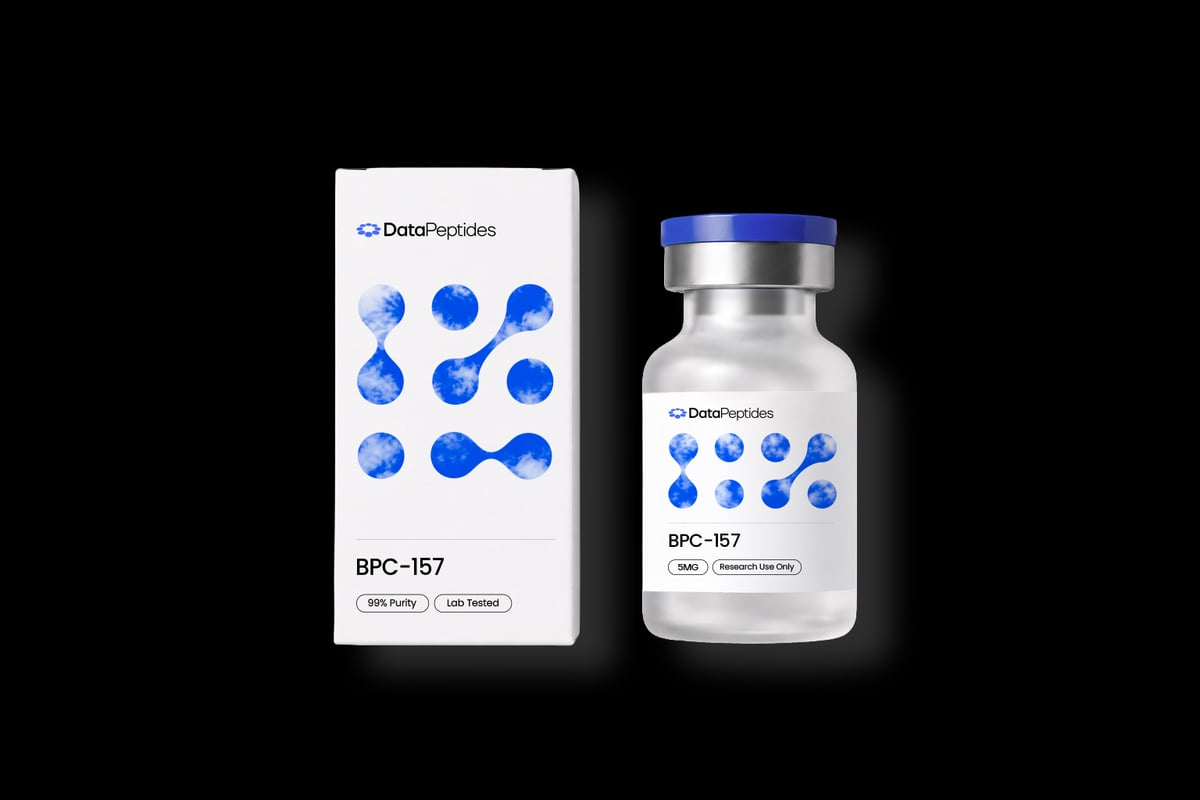
The research peptide industry in the United States has experienced significant evolution over recent years, establishing itself as a center for quality manufacturing and rigorous testing protocols. As researchers and institutions seek reliable sources for laboratory-grade compounds, understanding the landscape of usa peptides becomes essential for making informed procurement decisions. The domestic peptide market now operates under increasingly stringent regulatory frameworks while maintaining commitments to purity, transparency, and scientific integrity that distinguish American manufacturers from international alternatives.
The Current State of USA Peptides Manufacturing
Domestic peptide production has grown substantially as research institutions prioritize supply chain reliability and quality assurance. US-based synthesis facilities now offer researchers distinct advantages over international suppliers, including faster shipping times, transparent testing practices, and adherence to American regulatory standards.
Manufacturing capabilities within the United States encompass both solid-phase peptide synthesis and liquid-phase methods, allowing for production of compounds ranging from simple dipeptides to complex multi-chain structures. Facilities operating on American soil typically maintain ISO certifications and implement good manufacturing practices that exceed minimum industry requirements.
Quality Control in Domestic Production
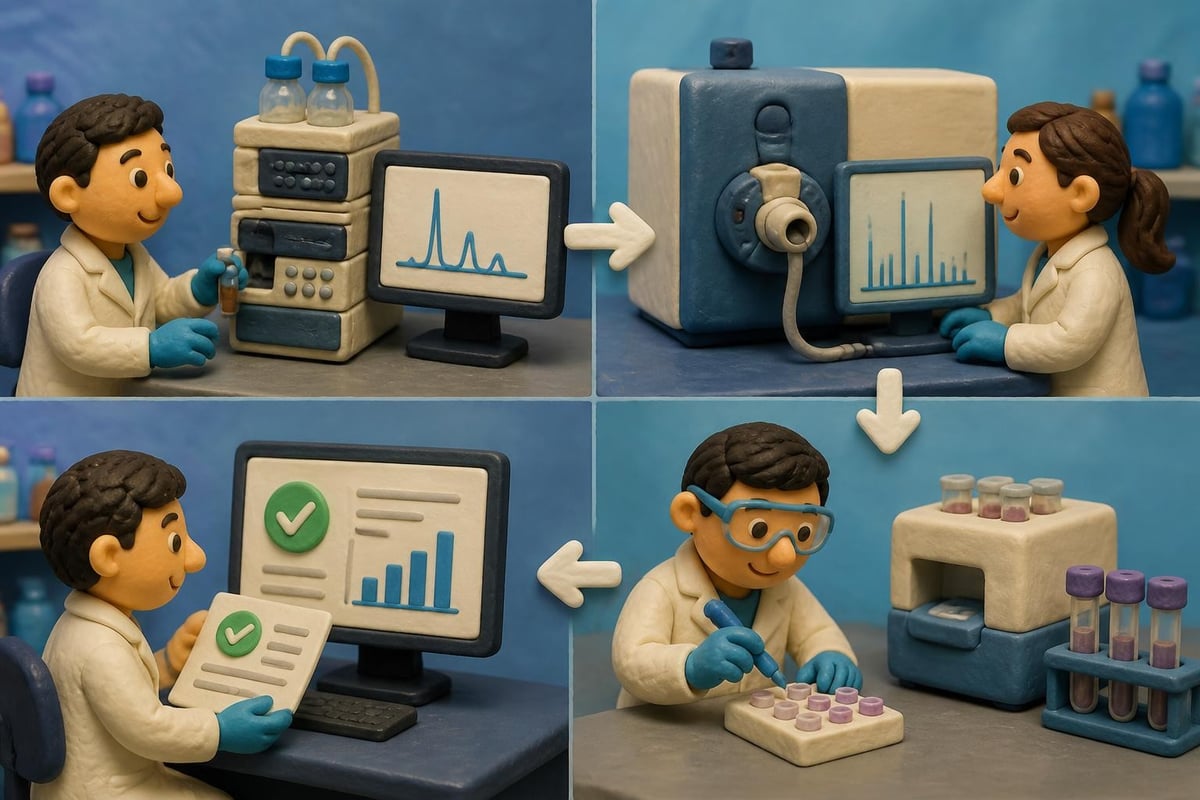
The hallmark of usa peptides manufactured domestically lies in comprehensive quality control measures. Third-party testing through accredited laboratories has become standard practice, with batches undergoing multiple analytical procedures:
- High-performance liquid chromatography (HPLC) for purity verification
- Mass spectrometry for molecular weight confirmation
- Endotoxin testing to ensure bacterial contamination absence
- Heavy metal analysis for contaminant screening
- Sterility testing for select formulations
These multi-layered testing protocols provide researchers with confidence in compound identity and purity. Research Vials exemplifies this commitment through US-managed synthesis paired with accredited laboratory testing, establishing a benchmark for domestic peptide quality.
| Testing Method | Purpose | Typical Threshold |
|---|---|---|
| HPLC | Purity quantification | ≥98% |
| Mass Spectrometry | Molecular weight verification | ±0.5 Da |
| LAL Endotoxin | Bacterial contamination | <10 EU/mg |
| ICP-MS | Heavy metal detection | <10 ppm |
Regulatory Framework for Research Peptides
Understanding the legal landscape surrounding usa peptides requires navigating a complex regulatory environment managed primarily by the Food and Drug Administration. Research peptides occupy a distinct category separate from pharmaceutical drugs, dietary supplements, and cosmetic ingredients.
The FDA maintains clear distinctions between compounds approved for human use and those designated exclusively for laboratory research. This regulatory boundary shapes how manufacturers can market, label, and distribute peptide products throughout the United States.
Research Use Only Designation
Products labeled as "research use only" (RUO) must adhere to specific requirements that prevent misleading marketing and protect public health. Legitimate RUO suppliers clearly state that their products are not intended for human or animal consumption, a critical distinction that separates research-grade compounds from pharmaceutical preparations.
According to guidance available through Peptidepedia, there are two legitimate pathways for obtaining peptides in the United States: through RUO companies for laboratory research or via licensed telehealth providers with valid prescriptions for approved therapeutic applications.
State-level regulations add another layer of complexity. A comprehensive state-by-state analysis reveals variation in how different jurisdictions approach peptide regulation, compounding pharmacy oversight, and enforcement priorities as of 2026.
Manufacturing Standards and Certifications
The credibility of usa peptides hinges on manufacturing facilities maintaining rigorous standards and certifications. Domestic producers increasingly invest in infrastructure that meets or exceeds international quality benchmarks.
ISO 9001 certification demonstrates commitment to quality management systems, ensuring consistent processes from raw material procurement through final product delivery. Many facilities also pursue ISO/IEC 17025 accreditation for their testing laboratories, validating technical competence in analytical procedures.
Transparency in Sourcing and Production
Leading manufacturers in the usa peptides space have embraced transparency as a competitive differentiator. This includes:
- Publishing batch-specific certificates of analysis
- Disclosing synthesis methods and purification techniques
- Providing access to third-party testing results
- Documenting chain of custody from production to delivery
- Maintaining detailed batch records for traceability
Researchers can verify these claims by reviewing documentation provided with each order. Certificates should include testing laboratory information, specific analytical results, batch numbers, and production dates.

Applications Driving USA Peptides Demand
The research applications for peptides span multiple scientific disciplines, creating diverse demand across academic institutions, biotechnology companies, and research hospitals. Understanding these applications provides context for why quality and purity matter significantly.
Tissue Repair and Regeneration Research
One area of intense investigation involves peptides that may influence tissue repair mechanisms. For example, BPC-157 has gained attention in laboratory settings for its potential role in supporting natural healing responses through tissue repair pathways, inflammatory modulation, and recovery processes across various tissue types. Such compounds represent the type of specialized research materials that require consistent purity for reproducible experimental results.
Beyond individual compounds, researchers often investigate peptide combinations to understand synergistic mechanisms. Blended formulations allow scientists to study how multiple signaling pathways interact within controlled laboratory environments.
Metabolic and Cellular Function Studies
Mitochondrial peptides represent another active research frontier, with compounds being studied for their roles in:
- Energy metabolism regulation
- Cellular stress response pathways
- Age-related mitochondrial decline
- Metabolic efficiency optimization
- Glucose and lipid metabolism
These investigations require usa peptides of exceptional purity, as even minor contaminants can confound results when studying subtle cellular processes.
Comparison: Domestic vs. International Peptide Sources
Researchers face decisions about sourcing peptides domestically versus internationally. Each option presents distinct advantages and considerations that impact experimental outcomes and laboratory operations.
| Factor | USA Peptides | International Sources |
|---|---|---|
| Shipping Time | 2-5 business days | 2-4 weeks typical |
| Regulatory Oversight | FDA framework | Varies by country |
| Testing Transparency | High (third-party) | Variable |
| Chain of Custody | Well-documented | Often opaque |
| Customer Support | Same time zone | Time zone challenges |
| Price Point | Moderate to premium | Often lower |
Domestic suppliers provide researchers with advantages beyond simple convenience. Same-country sourcing reduces supply chain complexity, minimizes customs delays, and ensures products remain within established regulatory frameworks throughout the distribution process.
The ExaminePeptides database offers comprehensive research summaries covering over 117 compounds, helping researchers understand safety signals, mechanisms, and legal status regardless of geographic sourcing decisions.
Selecting a USA Peptides Supplier
Choosing the right supplier requires evaluation across multiple dimensions. Not all companies marketing usa peptides maintain equivalent standards, making due diligence essential before establishing a supplier relationship.
Critical Evaluation Criteria
When assessing potential suppliers, researchers should examine:
- Manufacturing location: Verify that synthesis actually occurs in the United States rather than simply being distributed from a US address
- Testing protocols: Confirm third-party testing through accredited laboratories rather than in-house analysis alone
- Documentation quality: Review sample certificates of analysis for completeness and specificity
- Regulatory compliance: Ensure proper labeling, disclaimers, and adherence to RUO requirements
- Scientific support: Assess whether the company provides knowledgeable customer service and technical resources
Independent reference platforms like MD PEP provide neutral information on peptide sourcing, legality, and pathways to licensed care, helping researchers navigate supplier selection with evidence-based guidance.

Red Flags in Peptide Marketing
The growing popularity of peptides has attracted operators making questionable claims. Recent reporting by AP News highlighted concerns about unapproved peptides being marketed for anti-aging and muscle-building, often through channels that bypass regulatory oversight.
Researchers should avoid suppliers that:
- Make therapeutic or health claims about RUO products
- Market peptides for human consumption without prescription requirements
- Lack transparent testing documentation
- Cannot verify domestic manufacturing claims
- Provide certificates that appear generic or template-based
Storage and Handling Best Practices
Once usa peptides arrive in the laboratory, proper storage and handling become critical for maintaining compound integrity. Peptides are susceptible to degradation through various pathways including oxidation, hydrolysis, and aggregation.
Lyophilized (freeze-dried) peptides generally exhibit superior stability compared to liquid formulations. Most should be stored at -20°C or colder in sealed containers with desiccant to prevent moisture exposure.
Reconstitution Guidelines
When preparing peptides for use, researchers should follow specific protocols:
- Use appropriate solvents as specified by the supplier (typically bacteriostatic water, sterile water, or specific buffer solutions)
- Allow refrigerated peptides to reach room temperature before reconstitution to prevent condensation
- Add solvent slowly along the vial wall rather than directly onto the peptide powder
- Gently swirl rather than vigorously shaking to promote dissolution
- Filter through 0.22 μm filters if sterility is required for cellular work
Reconstituted solutions typically require refrigeration and should be used within timeframes specified by stability data, often 30 days for most compounds when properly stored.
The Role of Education in Peptide Research
As the field expands, educational resources have become essential for researchers entering peptide science. Comprehensive databases now compile mechanism information, dosage protocols, and clinical data to support informed experimental design.
Platforms like PeptideKnow maintain independent reference databases covering over 114 research peptides, providing consolidated information on mechanisms, protocols, and regulatory updates. Similarly, PepCodex offers over 2,600 cited sources across 102 peptide dossiers, facilitating evidence-based research planning.
Building Research Literacy
Effective peptide research requires understanding that extends beyond basic chemical properties. Researchers benefit from familiarity with:
- Receptor binding mechanisms and downstream signaling cascades
- Pharmacokinetic properties including half-life and bioavailability
- Potential interactions with other compounds or biological systems
- Appropriate positive and negative controls for experimental designs
- Statistical power requirements for detecting meaningful effects
Resources like Peptide World provide plain-language guides with graded claims, helping researchers build this foundational knowledge through evidence-based education.
Quality Assurance Beyond Initial Testing
Leading usa peptides suppliers implement quality assurance programs that extend beyond batch release testing. Continuous improvement systems identify opportunities to enhance purity, reduce variability, and strengthen analytical capabilities.
Stability testing programs track how peptides perform under various storage conditions over extended periods. This data informs expiration dating and storage recommendations, ensuring researchers receive accurate guidance for maintaining compound integrity.
Some manufacturers conduct periodic retesting of archived samples, verifying that initial test results remain accurate and that storage conditions preserve peptide quality throughout claimed shelf life periods.
Customer Feedback Integration
Progressive suppliers systematically collect and analyze customer feedback regarding product performance, shipping conditions, and documentation quality. This information flows back into manufacturing and quality control processes, creating continuous improvement cycles.
The PeptideSciences101 platform exemplifies evidence-based approaches to peptide information, offering profiles that prioritize primary sources and regulatory information, supporting researchers in making informed decisions about product selection and experimental design.
Future Directions for USA Peptides Industry
The domestic peptide manufacturing sector continues evolving in response to regulatory developments, technological advances, and growing research demand. Several trends are shaping the industry's trajectory as it moves through 2026 and beyond.
Automation and scalability are increasing as manufacturers invest in peptide synthesis equipment that reduces manual intervention while improving reproducibility. These systems enable consistent production across batches and facilitate scaling from research quantities to larger production volumes.
Analytical capabilities are also advancing, with next-generation mass spectrometry and chromatography systems providing even greater resolution for detecting impurities and confirming peptide identity. These technological improvements translate to higher confidence in product quality for end users.
Regulatory Evolution
The regulatory landscape surrounding usa peptides remains dynamic. The FDA continues refining its approach to peptide regulation, particularly regarding the boundary between research compounds and therapeutic products.
Recent enforcement actions and policy statements indicate heightened attention to proper labeling, marketing claims, and distribution practices. Suppliers maintaining strict RUO protocols and clear boundaries around intended use position themselves favorably as regulatory scrutiny intensifies.
Industry observers expect continued evolution in compounding pharmacy oversight, particularly as it relates to peptide formulations. Researchers should stay informed about these changes through authoritative sources that track regulatory developments.
Collaborative Research and Data Sharing
The peptide research community increasingly recognizes value in collaborative approaches and open data sharing. Multi-institutional studies provide statistical power and experimental diversity that single-laboratory investigations cannot achieve.
Standardization initiatives aim to harmonize testing protocols, reporting standards, and nomenclature across research groups. When researchers use peptides from consistent sources and apply uniform analytical methods, cross-study comparisons become more meaningful.
Some institutions have established peptide biorepositories that maintain well-characterized reference materials. These repositories support reproducibility by providing access to identical compounds across multiple research groups, reducing variability introduced by sourcing from different suppliers.
Data sharing platforms allow researchers to contribute experimental results to collective knowledge bases. When properly structured with appropriate metadata, these resources accelerate discovery by revealing patterns across diverse experimental contexts.
Economic Considerations in Peptide Research
Budget constraints represent practical realities for most research programs. Understanding the economics of usa peptides helps researchers maximize scientific value within financial limitations.
Price-per-milligram calculations provide one comparison metric, but total cost of ownership extends beyond initial purchase price. Factors affecting true research costs include:
- Purity levels and the need for additional purification steps
- Shipping reliability and the cost of replacing compromised shipments
- Technical support quality and the time saved troubleshooting issues
- Documentation completeness and regulatory compliance costs
- Testing verification requirements and associated analytical expenses
Higher-quality peptides from reputable usa peptides suppliers often prove more economical over project lifecycles despite premium pricing, as they reduce experimental failures, minimize troubleshooting time, and produce more reliable data requiring fewer confirmatory experiments.
Grant Funding and Compliance
Research funding agencies increasingly scrutinize procurement practices and quality control measures. Grant applications benefit from demonstrating rigorous supplier selection processes and quality assurance protocols.
Maintaining detailed records of peptide sourcing, testing results, and batch-specific documentation supports compliance with funding agency requirements and facilitates audits. The Data Peptides approach of providing third-party batch testing and comprehensive documentation aligns with these accountability standards.
The landscape of usa peptides in 2026 reflects a maturing industry characterized by rigorous quality standards, transparent testing practices, and commitment to regulatory compliance. Researchers benefit from understanding manufacturing processes, evaluation criteria, and best practices that maximize experimental reliability while maintaining appropriate boundaries between research compounds and therapeutic applications. For laboratory-grade peptides manufactured domestically with comprehensive third-party testing, Data Peptides provides research-focused solutions designed exclusively for laboratory applications, supporting scientific inquiry with consistent quality and transparent documentation.