

The landscape of usa research peptides has evolved significantly in recent years, driven by increasing demand from academic institutions, pharmaceutical companies, and independent research facilities. As the scientific community continues to explore peptide applications across diverse fields, from metabolic research to tissue regeneration studies, the importance of reliable, high-quality research compounds has never been more critical. Understanding the manufacturing standards, quality control protocols, and regulatory framework surrounding domestic peptide production enables researchers to make informed decisions that directly impact experimental outcomes and data integrity.
Manufacturing Standards for USA Research Peptides
Domestic peptide manufacturing operates under a framework of quality expectations that distinguish usa research peptides from internationally sourced alternatives. US-based facilities typically adhere to Good Manufacturing Practice (GMP) guidelines, even when producing compounds intended exclusively for laboratory research rather than therapeutic applications.
Synthesis Methods and Quality Control
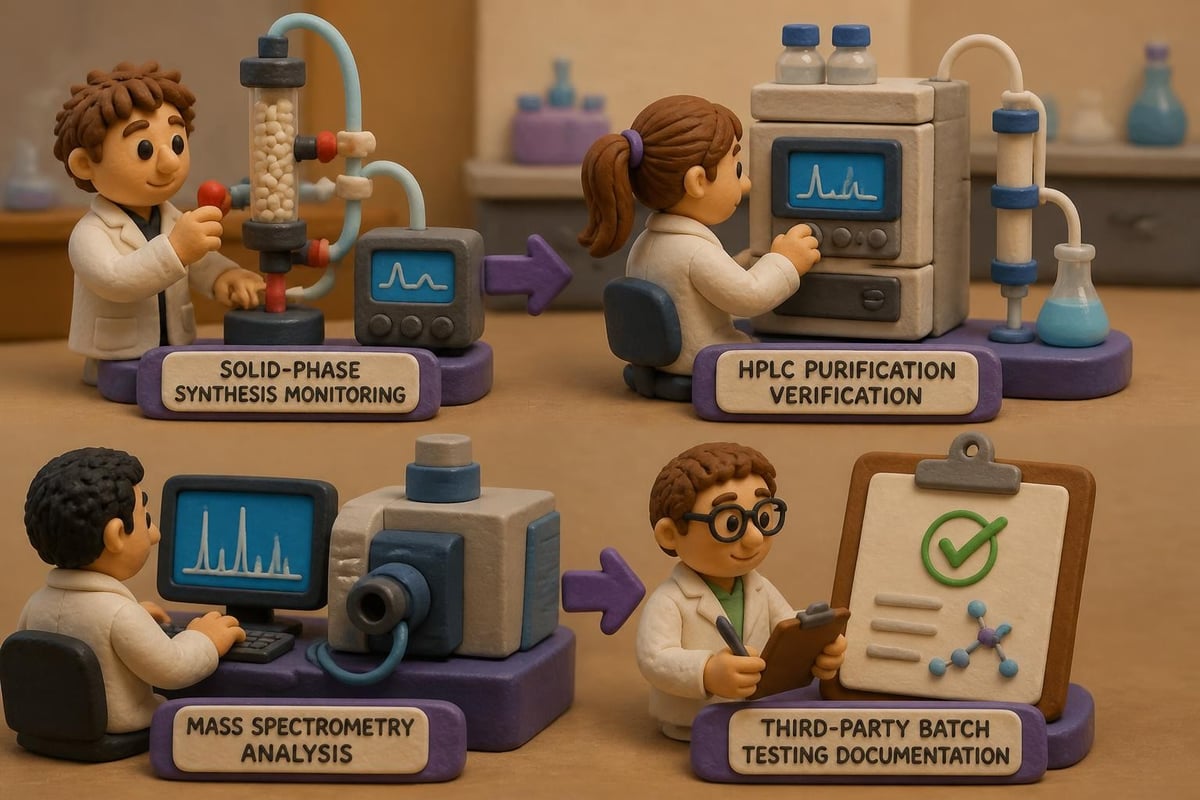
Modern peptide synthesis in domestic facilities employs two primary methodologies: solid-phase peptide synthesis (SPPS) and liquid-phase peptide synthesis (LPPS). SPPS has become the predominant approach for research-grade peptides due to its efficiency, scalability, and ability to produce highly pure compounds.
The synthesis process involves several critical stages:
- Sequential addition of protected amino acids to a growing peptide chain
- Deprotection steps to remove temporary protective groups
- Cleavage from the solid support resin
- Purification using high-performance liquid chromatography (HPLC)
- Lyophilization to create stable powder formulations
Quality control measures begin during synthesis and continue through final product release. Each batch undergoes rigorous testing to verify molecular weight, sequence accuracy, and overall purity. Third-party verification provides an additional layer of validation, ensuring that usa research peptides meet specified standards before reaching research laboratories.
Third-Party Testing and Verification Protocols
Independent laboratory testing has become a hallmark of reputable usa research peptides suppliers. This verification process serves multiple purposes: it confirms manufacturer claims, provides researchers with documented purity data, and establishes accountability throughout the supply chain.
Analytical Methods for Peptide Characterization
Third-party laboratories employ sophisticated analytical techniques to characterize research peptides comprehensively. Mass spectrometry (MS) determines molecular weight with exceptional precision, confirming that synthesized peptides match theoretical values. High-performance liquid chromatography (HPLC) quantifies purity by separating the target peptide from impurities, synthesis byproducts, and degradation products.
| Testing Method | Purpose | Information Provided |
|---|---|---|
| HPLC | Purity assessment | Percentage of target peptide, impurity profile |
| Mass Spectrometry | Molecular weight verification | Exact mass, sequence confirmation |
| Amino Acid Analysis | Composition verification | Amino acid ratios, sequence validation |
| Peptide Content | Quantification | Net peptide content per vial |
Researchers should review certificates of analysis (CoA) for each batch to verify quality metrics. According to comprehensive peptide research databases, understanding analytical data interpretation enables better experimental design and result reproducibility.
Interpreting Certificates of Analysis
A properly documented CoA for usa research peptides should include batch number, manufacturing date, analytical method descriptions, and numerical results for each test performed. Purity percentages typically range from 95% to 99% for high-quality research compounds, though acceptable thresholds may vary depending on research applications.
Net peptide content represents another critical metric. Because lyophilized peptides contain residual salts, solvents, and water, the actual peptide content by weight may differ from gross weight. Understanding this distinction ensures accurate dosage calculations for research protocols.
Regulatory Considerations and Compliance
The regulatory landscape governing usa research peptides differs fundamentally from that of pharmaceutical products. Research peptides exist in a distinct category, neither approved for human use nor subject to the same oversight as therapeutic compounds.
FDA Oversight and Research Compound Classification
The Food and Drug Administration (FDA) does not regulate research peptides in the same manner as drugs intended for human consumption. However, domestic manufacturers must still operate within established legal frameworks. Research peptides cannot be marketed for human use, labeled with therapeutic claims, or distributed as dietary supplements.
Recent regulatory developments have affected peptide availability. As noted in reporting on regulatory concerns, increased scrutiny of peptide marketing practices has led to clearer distinctions between legitimate research compounds and products inappropriately promoted for consumer use.
Legitimate suppliers of usa research peptides maintain strict labeling practices:
- Clear statements indicating research-only use
- Explicit warnings against human or animal consumption
- Documentation establishing purchaser credentials and research intent
- Compliance with state and federal regulations governing chemical distribution
State-Level Regulations and Variations
While federal guidelines provide overarching structure, individual states may impose additional requirements on peptide research and distribution. Some jurisdictions require specific licenses for handling research chemicals, mandate detailed record-keeping, or restrict certain compound types.

Selection Criteria for Research Peptides
Choosing appropriate usa research peptides requires evaluation across multiple dimensions beyond basic purity metrics. Researchers must consider storage stability, reconstitution protocols, compatibility with experimental designs, and supplier reliability.
Evaluating Supplier Credibility
The proliferation of peptide suppliers has created challenges in distinguishing reputable sources from questionable vendors. Several indicators help researchers identify trustworthy providers of usa research peptides:
Transparency in testing: Reputable suppliers provide batch-specific testing documentation rather than generic certificates. Each vial should correlate to specific analytical results.
Manufacturing disclosure: Legitimate vendors clearly indicate whether peptides are domestically manufactured or imported, providing facility information when appropriate.
Technical support: Quality suppliers employ knowledgeable staff capable of discussing synthesis methods, storage recommendations, and handling protocols.
Consistent availability: Reliable sources maintain inventory consistency while acknowledging natural variations in batch production timelines.
Resources like independent peptide research encyclopedias and evidence-based peptide guides offer valuable context for evaluating compound selection, though they typically focus on peptide properties rather than supplier assessment.
Storage and Stability Considerations
Proper storage significantly impacts research peptide integrity and experimental reproducibility. Most lyophilized usa research peptides remain stable at minus 20 degrees Celsius for extended periods, often twelve to twenty-four months when unopened.
Once reconstituted, stability decreases substantially. Factors affecting reconstituted peptide stability include:
- pH of reconstitution solution
- Temperature during storage
- Exposure to light
- Freeze-thaw cycles
- Container material and sterility
Following manufacturer storage recommendations and using peptides within suggested timeframes minimizes degradation and preserves experimental consistency. The peptide calculator tool can assist researchers in determining appropriate reconstitution volumes and concentrations for specific experimental needs.
Common Applications in Research Settings
USA research peptides serve diverse scientific investigations spanning multiple disciplines. Understanding typical application categories helps researchers contextualize their work within broader scientific frameworks.
Metabolic and Cellular Research
Peptides affecting metabolic pathways represent a significant research focus. Compounds influencing glucose metabolism, lipid processing, and energy homeostasis provide tools for investigating metabolic disorders, cellular energy production, and nutrient sensing mechanisms.
Studies examining cellular signaling cascades frequently employ peptides that modulate specific receptor pathways. Computational tools for peptide property prediction have accelerated identification of compounds with desired characteristics, enabling more targeted experimental designs.
Tissue Repair and Regeneration Studies
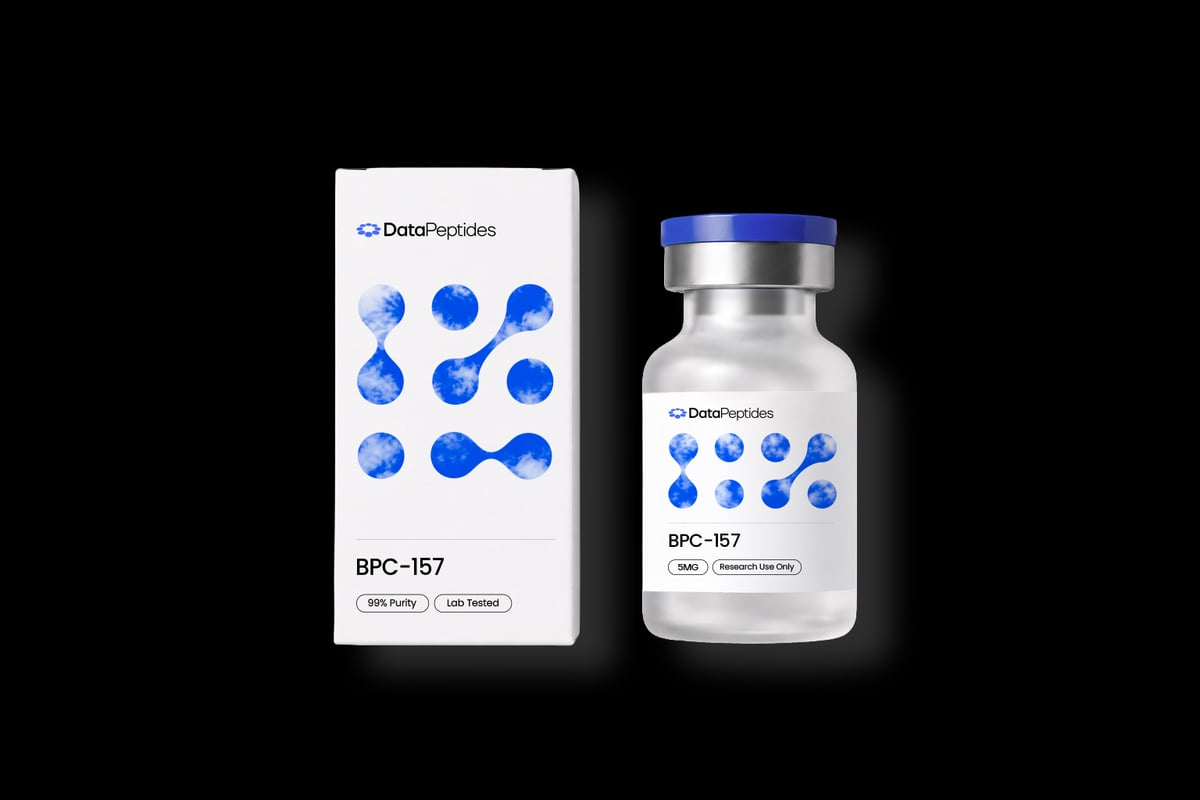
Research into wound healing, tissue regeneration, and inflammation modulation relies heavily on specific peptide compounds. For instance, BPC-157 has attracted considerable research interest for its potential role in supporting natural healing responses through tissue repair pathways and inflammatory regulation. Investigators studying these mechanisms often design protocols examining peptide effects on fibroblast activity, collagen synthesis, and vascular formation.
Neuropeptide Research
Peptides functioning within the central and peripheral nervous systems provide valuable tools for neuroscience research. Studies examining cognitive function, mood regulation, neuroprotection, and neural plasticity frequently incorporate peptide compounds that interact with specific neural pathways.
| Research Category | Common Focus Areas | Typical Peptide Classes |
|---|---|---|
| Metabolic | Glucose regulation, lipid metabolism, energy homeostasis | GLP-1 analogs, GCGR modulators, metabolic peptides |
| Tissue Repair | Wound healing, inflammation, angiogenesis | Growth factor mimetics, tissue-protective compounds |
| Neurological | Cognition, neuroprotection, mood | Neuropeptides, receptor-selective compounds |
| Cellular Signaling | Receptor activation, cascade modulation | Receptor agonists/antagonists, signaling modulators |

Quality Assurance Beyond Testing
While third-party testing provides essential verification, comprehensive quality assurance for usa research peptides extends into operational practices, documentation systems, and ongoing monitoring protocols.
Batch-to-Batch Consistency
Consistent manufacturing processes produce peptides with predictable characteristics across multiple production runs. Researchers conducting longitudinal studies or multi-phase investigations benefit significantly from suppliers maintaining tight specifications between batches.
Variability in peptide purity, net content, or physical characteristics can introduce confounding variables into experimental designs. Monitoring CoA data across multiple purchases helps researchers identify any concerning trends in product consistency.
Contamination Prevention
Peptide contamination can occur at multiple points: during synthesis, purification, lyophilization, or packaging. Common contaminants include residual solvents, synthesis reagents, bacterial endotoxins, and cross-contamination from other peptides manufactured in shared facilities.
US-based manufacturers typically implement contamination control measures:
- Dedicated synthesis equipment for specific peptide sequences
- Clean room environments for filling and packaging operations
- Sterile filtration prior to lyophilization
- Endotoxin testing for peptides used in cell culture applications
- Validated cleaning procedures between production runs
Researchers working with cell-based assays should specifically verify endotoxin levels, as even trace contamination can significantly affect cellular responses and experimental outcomes.
Documentation and Traceability
Professional research practices demand comprehensive documentation for all experimental materials. USA research peptides should arrive with documentation enabling complete traceability from synthesis through delivery.
Essential Documentation Components
Complete peptide documentation includes manufacturer identification, synthesis date, batch number, expiration date, storage conditions, and handling precautions. Testing documentation should specify analytical methods employed, acceptance criteria, and actual results for each quality parameter.
Maintaining organized records of peptide purchases, storage locations, reconstitution dates, and usage logs supports research reproducibility and regulatory compliance. Many research institutions require detailed chemical inventories documenting acquisition, storage, usage, and disposal of all research compounds.
According to structured peptide research summaries, proper documentation practices extend beyond regulatory compliance, directly supporting experimental reproducibility and data interpretation.
Chain of Custody Considerations
Understanding peptide handling from manufacture through laboratory use helps researchers assess potential quality impacts. Temperature excursions during shipping, extended transit times, or improper storage at intermediate facilities can compromise peptide integrity before compounds reach end users.
Reputable suppliers of usa research peptides employ climate-controlled shipping methods, particularly during extreme weather periods. Packaging should include temperature indicators or data loggers when appropriate, providing evidence of proper handling throughout transit.
Emerging Trends in Peptide Research
The peptide research landscape continues evolving with technological advances, new synthesis methods, and expanding application areas. Staying informed about these developments helps researchers leverage cutting-edge tools and methodologies.
Computational Peptide Design
Machine learning and artificial intelligence applications have transformed peptide discovery and optimization. Advanced prediction models for functional peptides enable researchers to identify promising compounds with desired properties before synthesis, reducing experimental timelines and resource requirements.
These computational approaches complement traditional empirical research, allowing investigators to explore larger chemical spaces and identify peptides with specific binding affinities, stability profiles, or functional characteristics.
Modified Peptides and Novel Structures
Beyond natural amino acid sequences, research increasingly incorporates modified peptides featuring non-standard amino acids, cyclization, PEGylation, or other structural modifications. These alterations can enhance stability, improve membrane permeability, or modulate receptor selectivity.
USA research peptides suppliers are expanding catalogs to include these specialized compounds, though availability and pricing may differ from standard linear peptides. Researchers should verify that suppliers possess appropriate synthesis capabilities and quality control procedures for modified structures.
Peptide Blends and Combination Research
Investigating synergistic effects between multiple peptides represents a growing research area. Combination approaches may reveal interactions, potentiation effects, or complementary mechanisms not apparent when studying individual compounds.
Designing combination studies requires careful consideration of concentration ratios, interaction potential, and analytical methods capable of tracking multiple compounds simultaneously. Researchers should consult resources like comprehensive peptide databases when planning multi-compound investigations to understand individual properties and potential interactions.
Cost Considerations and Value Assessment
Research budgets demand careful resource allocation. While price remains a consideration when sourcing usa research peptides, lowest cost rarely equates to best value for scientific investigations.
True Cost of Research Peptides
Direct peptide cost represents only one component of total experimental expense. Failed experiments due to degraded or impure compounds waste reagents, consumables, labor, and time. Quality peptides supporting reproducible results ultimately provide better value than inexpensive compounds yielding questionable data.
Researchers should consider:
- Cost per experiment rather than cost per vial
- Reliability and consistency reducing experimental failures
- Technical support availability troubleshooting protocol issues
- Shipping speed and reliability minimizing project delays
- Documentation quality supporting publication and regulatory requirements
Bulk Purchasing and Long-Term Planning
Laboratories conducting ongoing research with specific peptides may benefit from bulk purchasing arrangements. Larger orders often qualify for volume discounts while ensuring batch consistency across multiple experiments.
However, bulk purchasing requires careful consideration of storage capacity, peptide stability over extended periods, and research timeline certainty. Lyophilized peptides typically maintain stability for extended periods under proper storage conditions, making bulk purchases more feasible than for compounds with shorter shelf lives.
Practical Handling and Reconstitution
Even highest-quality usa research peptides require proper handling to maintain integrity through reconstitution and experimental use. Understanding best practices minimizes degradation and preserves compound activity.
Reconstitution Best Practices
Most research peptides arrive as lyophilized powders requiring reconstitution before use. Solvent selection significantly impacts peptide stability and solubility. Bacteriostatic water, sterile water, or buffered solutions represent common choices, with optimal selection depending on specific peptide properties and intended applications.
General reconstitution guidelines include:
- Allow vials to reach room temperature before opening to prevent condensation
- Add solvent slowly along vial walls rather than directly onto peptide powder
- Swirl gently to dissolve; avoid vigorous shaking that may denature peptides
- Allow adequate time for complete dissolution before use
- Store reconstituted peptides according to manufacturer recommendations
Aliquoting and Storage Strategies
Dividing reconstituted peptides into single-use aliquots prevents repeated freeze-thaw cycles that accelerate degradation. Small volume aliquots in sterile tubes can be frozen at minus 20 or minus 80 degrees Celsius, with individual aliquots thawed only when needed.
Clear labeling of aliquots with peptide identity, concentration, reconstitution date, and storage conditions prevents confusion and supports accurate experimental documentation. Maintaining detailed logs of peptide preparation, storage locations, and usage supports reproducibility and regulatory compliance.
Supplier Relationship and Communication
Establishing productive relationships with usa research peptides suppliers extends beyond transactional purchasing. Quality vendors provide technical resources, handling guidance, and responsive customer support that contribute to research success.
Technical Support and Resources
Knowledgeable technical support helps researchers optimize protocols, troubleshoot unexpected results, and select appropriate compounds for specific applications. Quality suppliers maintain staff with peptide chemistry expertise capable of addressing synthesis questions, storage recommendations, and handling protocols.
Educational resources, including storage guidelines, reconstitution protocols, and application notes, demonstrate supplier commitment to research success beyond simple product sales. Review sections such as frequently asked questions to assess the depth of information providers offer their research customers.
Communication and Transparency
Responsive communication distinguishes professional suppliers from volume-focused vendors. Quality providers promptly address inquiries, provide detailed information about products and testing, and maintain transparent policies regarding shipping, returns, and problem resolution.
Researchers should evaluate:
- Response time to technical and sales inquiries
- Willingness to provide additional documentation or testing data
- Clarity in policies regarding storage, shipping, and returns
- Proactive communication about inventory changes or delays
- Commitment to addressing quality concerns or product issues
Safety and Handling Protocols
Despite being intended exclusively for laboratory research, usa research peptides require appropriate safety measures protecting researchers and maintaining laboratory safety standards.
Laboratory Safety Considerations
Research peptides should be handled using standard laboratory safety practices appropriate for fine chemical powders. Personal protective equipment including gloves, laboratory coats, and eye protection prevents direct contact and potential sensitization.
Dedicated workspace areas for peptide handling, preparation, and storage minimize cross-contamination risks. Proper ventilation during reconstitution and handling prevents inhalation exposure to powder particles.
Disposal Procedures
Proper disposal of unused peptides, contaminated materials, and expired compounds follows institutional chemical waste protocols. Research peptides typically classify as chemical waste requiring disposal through established laboratory waste streams rather than standard trash or drain disposal.
Documentation of peptide disposal supports inventory accuracy and regulatory compliance. Maintaining records of quantities acquired, used, and disposed ensures complete accounting of all research compounds.
Understanding the quality standards, regulatory framework, and selection criteria for usa research peptides enables researchers to make informed decisions supporting rigorous scientific investigation. From manufacturing processes and third-party testing to proper handling and storage, each element contributes to experimental success and data reliability. When your research demands laboratory-grade compounds backed by comprehensive testing and documentation, Data Peptides provides US-manufactured research peptides with third-party batch verification, ensuring the quality and consistency your investigations require.