

The search for effective weight management solutions has led researchers to investigate peptide-based compounds that influence metabolic pathways, appetite regulation, and fat metabolism. Understanding the best peptides for weight loss requires examining their mechanisms of action, clinical evidence, and research applications. This comprehensive guide evaluates the leading peptides currently under investigation for their potential to influence body composition and metabolic health, providing essential information for laboratory researchers working with these compounds.
Understanding Peptides and Metabolic Regulation
Peptides are short chains of amino acids that serve as signaling molecules within the body, influencing everything from hormone production to cellular metabolism. When examining the best peptides for weight loss, researchers focus on compounds that interact with specific receptors involved in appetite control, energy expenditure, and nutrient metabolism.
Mechanisms of Action
Different classes of peptides influence weight management through distinct pathways:
- GLP-1 receptor agonists enhance insulin secretion, slow gastric emptying, and reduce appetite through central nervous system pathways
- Dual and triple agonists activate multiple metabolic receptors simultaneously for broader metabolic effects
- Growth hormone secretagogues stimulate natural GH release, potentially influencing fat metabolism and lean mass preservation
- Mitochondrial peptides optimize cellular energy production and metabolic efficiency
The most extensively researched compounds typically demonstrate measurable effects on body composition, with clinical trials providing quantifiable data on fat mass reduction and metabolic improvements.

GLP-1 Receptor Agonists: First-Generation Metabolic Peptides
Glucagon-like peptide-1 (GLP-1) receptor agonists represent the most clinically validated category among peptides studied for weight management. These compounds mimic the action of naturally occurring GLP-1, an incretin hormone released by the intestine in response to food intake.
Semaglutide
Semaglutide has demonstrated significant effects in clinical trials, with participants experiencing substantial reductions in body weight. The peptide's extended half-life allows for once-weekly administration in clinical settings, making it particularly convenient for research protocols.
Key research findings include:
- Average weight reduction of 15-17% in clinical trials lasting 68 weeks
- Dose-dependent effects on appetite and caloric intake
- Improvements in glycemic control and cardiovascular risk markers
- FDA approval for chronic weight management at specific dosing
According to comprehensive peptide rankings, semaglutide consistently ranks among the top-performing compounds based on clinical evidence and regulatory status.
Liraglutide
Liraglutide, an earlier GLP-1 agonist with a shorter half-life, requires daily administration. Research protocols typically involve gradual dose escalation to minimize gastrointestinal side effects commonly observed with GLP-1 receptor activation.
| Characteristic | Semaglutide | Liraglutide |
|---|---|---|
| Half-life | ~7 days | ~13 hours |
| Dosing frequency | Weekly | Daily |
| Average weight loss | 15-17% | 8-10% |
| FDA approval | Yes | Yes |
Both compounds work through similar mechanisms but differ in pharmacokinetics and clinical outcomes, making them valuable for comparative research studies.
Dual and Triple Agonist Peptides
The evolution of metabolic peptide research has led to the development of multi-receptor agonists that simultaneously activate several pathways involved in glucose and lipid metabolism. These compounds represent the next generation in the search for the best peptides for weight loss.
Tirzepatide: Dual GIP/GLP-1 Agonist
Tirzepatide activates both glucose-dependent insulinotropic polypeptide (GIP) and GLP-1 receptors, providing complementary metabolic effects. Clinical trials have shown superior results compared to single-agonist peptides, with some participants achieving weight reductions exceeding 20%.
Research highlights include:
- Enhanced insulin sensitivity through dual receptor activation
- Greater reduction in hepatic fat content compared to GLP-1 agonists alone
- Dose-dependent effects ranging from 15-22.5% average weight loss
- FDA approval for both diabetes management and chronic weight management
The compound's dual mechanism provides researchers with insights into how coordinated receptor activation influences metabolic outcomes. Detailed clinical comparisons demonstrate tirzepatide's enhanced efficacy profile relative to earlier compounds.
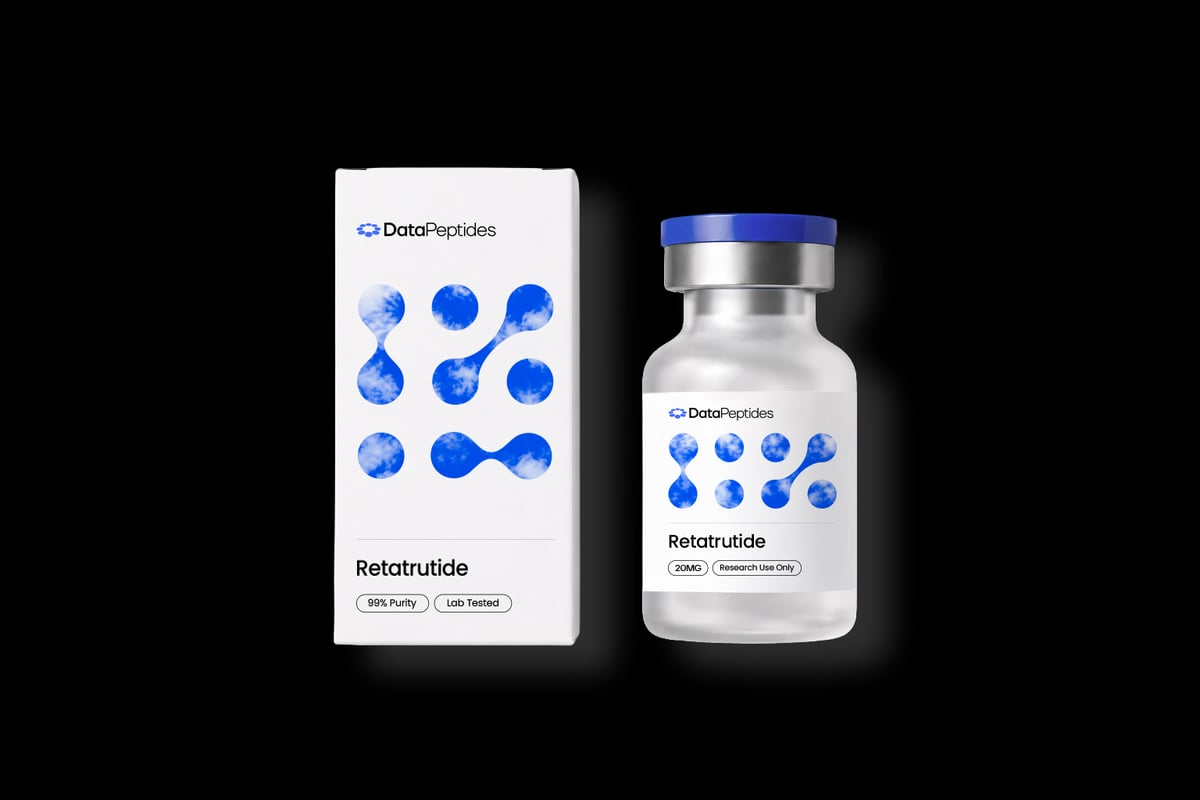
Retatrutide: Triple Agonist Technology
Retatrutide represents the cutting edge of multi-agonist peptide research, activating GLP-1, GIP, and glucagon receptors simultaneously. This triple mechanism addresses multiple aspects of energy balance and metabolic regulation.
Early-phase clinical trials have produced remarkable results, with some participants experiencing weight reductions approaching 25% of initial body weight. The addition of glucagon receptor activation appears to enhance energy expenditure and fat oxidation beyond what dual agonists achieve.
By engaging this broader range of receptors, research with retatrutide has demonstrated greater potential for reducing body fat mass compared to earlier single or dual-agonist therapies, making it particularly valuable for laboratory investigations into advanced metabolic interventions.

Growth Hormone Secretagogues and Body Composition
Growth hormone-releasing peptides represent a distinct category when evaluating the best peptides for weight loss. Rather than directly suppressing appetite, these compounds stimulate the body's natural production of growth hormone, which influences body composition through effects on lipolysis and protein synthesis.
CJC-1295 and Ipamorelin
These peptides work synergistically to promote physiological growth hormone release. CJC-1295 (without DAC) acts as a growth hormone-releasing hormone (GHRH) analog, while ipamorelin functions as a selective ghrelin receptor agonist.
Research applications focus on:
- Preserving lean muscle mass during caloric restriction
- Enhancing fat oxidation while maintaining metabolic rate
- Supporting recovery processes that may be compromised during weight loss
- Investigating age-related changes in body composition
The CJC/IPA blend available for research purposes allows investigators to examine the combined effects of these complementary mechanisms. Unlike direct metabolic peptides, growth hormone secretagogues may offer body composition benefits without directly reducing food intake.
Comparative Efficacy
When compared to GLP-1 agonists, growth hormone secretagogues typically produce more modest changes in total body weight but may favorably influence the ratio of fat mass to lean mass. This makes them particularly relevant for research into body recomposition rather than total weight reduction.
| Peptide Class | Primary Mechanism | Weight Loss Magnitude | Lean Mass Effect |
|---|---|---|---|
| GLP-1 agonists | Appetite suppression | High (15-20%) | Neutral to negative |
| Dual/triple agonists | Multi-receptor activation | Very high (20-25%) | Neutral |
| GH secretagogues | Growth hormone stimulation | Moderate (5-8%) | Positive |
Understanding these differences helps researchers select appropriate compounds based on specific investigation goals and desired metabolic outcomes.
Emerging Research Peptides
Beyond the well-established categories, several experimental peptides show promise in laboratory settings for influencing metabolic parameters and body composition. These compounds typically lack extensive clinical trial data but demonstrate interesting mechanisms worthy of investigation.
MOTS-c: Mitochondrial-Derived Peptide
MOTS-c is encoded within mitochondrial DNA and influences metabolic homeostasis through effects on cellular energy production. Research suggests this peptide may enhance glucose metabolism and improve insulin sensitivity at the cellular level.
Laboratory studies have demonstrated:
- Improved glucose uptake in skeletal muscle cells
- Enhanced mitochondrial function and biogenesis
- Potential protection against metabolic stress
- Effects on exercise capacity and metabolic flexibility
While not a primary weight loss peptide in the traditional sense, MOTS-c offers researchers a tool for investigating how mitochondrial function influences metabolic health and energy balance.
AOD-9604
This modified fragment of human growth hormone was specifically designed to retain the fat-reducing effects of GH while eliminating effects on insulin sensitivity and cell proliferation. Research has focused on its potential to stimulate lipolysis without broader growth-promoting effects.
Early investigations showed promising effects on fat metabolism in animal models, though human clinical trials have produced mixed results. The compound remains of interest for researchers studying targeted approaches to adipose tissue reduction.
Factors Influencing Peptide Selection for Research
Choosing among the best peptides for weight loss for laboratory research requires consideration of multiple factors beyond simple efficacy rankings. Researchers must evaluate compounds based on study design, measurement endpoints, and practical considerations.
Research Protocol Considerations
Different peptides suit different experimental designs:
- Duration of study: Long-acting compounds like semaglutide suit extended protocols, while shorter-acting peptides allow for rapid washout periods
- Measurement endpoints: GLP-1 agonists provide clear weight change data, while GH secretagogues require body composition analysis
- Combination protocols: Some peptides can be studied in combination, while others require isolated investigation
- Dosing frequency: Daily versus weekly administration affects protocol complexity and compliance monitoring
Purity and Quality Standards
For meaningful research outcomes, peptide quality is paramount. Laboratory-grade research peptides should meet rigorous standards:
- Third-party batch testing for purity verification
- Certificate of analysis (CoA) documentation
- Proper storage and handling guidelines
- US-manufactured compounds with documented chain of custody
Research conducted with poorly characterized or contaminated peptides may produce unreliable or irreproducible results, undermining scientific validity.

Clinical Evidence and Research Outcomes
The designation of "best" peptides relies heavily on the strength and quality of clinical evidence supporting their use. Comprehensive analyses of peptide efficacy consistently rank compounds based on randomized controlled trial data, regulatory approval status, and reproducibility of results.
Evidence Hierarchy
Tier 1: FDA-Approved Compounds
- Semaglutide
- Liraglutide
- Tirzepatide
These peptides have undergone extensive Phase III clinical trials with thousands of participants, demonstrating both efficacy and acceptable safety profiles. Their regulatory approval provides researchers with the most robust datasets for comparison.
Tier 2: Advanced Clinical Development
- Retatrutide (Phase II/III)
- Other dual and triple agonists in development
These compounds have completed early and mid-stage trials with promising results but await full regulatory approval. They represent the leading edge of metabolic peptide research.
Tier 3: Experimental Compounds
- Growth hormone secretagogues
- Mitochondrial peptides
- Novel mechanisms with limited human data
These peptides offer interesting mechanisms but require additional research to establish efficacy profiles comparable to established compounds.
Outcome Measures in Research
When evaluating the best peptides for weight loss, researchers typically examine multiple endpoints:
| Outcome Measure | Clinical Significance | Measurement Method |
|---|---|---|
| Total body weight change | Primary efficacy endpoint | Standard scale, percentage change |
| Fat mass reduction | Body composition effect | DEXA scan, bioimpedance |
| Lean mass preservation | Metabolic health indicator | DEXA scan, MRI |
| Waist circumference | Visceral fat proxy | Tape measurement |
| Metabolic parameters | Systemic health effects | Blood glucose, lipid panels, HbA1c |
Comprehensive research protocols incorporate multiple measures to fully characterize peptide effects beyond simple weight change.
Safety Considerations in Peptide Research
All research involving bioactive compounds requires careful attention to safety parameters and potential adverse effects. The best peptides for weight loss are those that demonstrate favorable benefit-risk profiles in clinical investigations.
Common Adverse Effects by Class
GLP-1 and Multi-Agonists:
- Gastrointestinal symptoms (nausea, vomiting, diarrhea)
- Dose-dependent incidence, typically decreasing over time
- Rare cases of pancreatitis in clinical trials
- Gallbladder-related events with extended use
Growth Hormone Secretagogues:
- Transient increases in cortisol and prolactin
- Water retention in some subjects
- Potential effects on glucose regulation
- Joint discomfort with higher doses
Comparative safety profiles demonstrate that approved peptides have undergone rigorous evaluation, with well-documented adverse event profiles that inform research protocols.
Contraindications and Precautions
Research protocols must account for conditions that may preclude peptide use or require enhanced monitoring. These include personal or family history of medullary thyroid carcinoma for GLP-1 agonists, active gallbladder disease, severe gastrointestinal disorders, and certain endocrine conditions.
Proper research design incorporates appropriate exclusion criteria and monitoring parameters based on known safety considerations for each peptide class.
Practical Applications in Research Settings
Laboratory researchers working with metabolic peptides require practical knowledge about reconstitution, storage, and handling to ensure compound stability and experimental reproducibility.
Reconstitution and Storage
Most research peptides arrive in lyophilized (freeze-dried) form, requiring reconstitution with bacteriostatic water or other appropriate solvents before use. Proper technique includes:
- Using appropriate reconstitution volume based on desired concentration
- Gentle mixing to avoid protein denaturation
- Proper sterile technique to prevent contamination
- Refrigerated storage of reconstituted solutions
- Documentation of reconstitution dates and concentrations
Researchers can find detailed protocols and quality research supplies specifically designed for peptide research applications.
Dosing Protocols in Research Models
Published research protocols provide guidance on dosing strategies for various peptides. GLP-1 agonists typically involve dose escalation to minimize adverse effects, while growth hormone secretagogues may use pulsatile administration to mimic physiological patterns.
Understanding pharmacokinetic parameters helps researchers design appropriate dosing schedules:
- Half-life determines dosing frequency
- Peak concentration time influences measurement timing
- Steady-state duration affects study timeline
- Clearance mechanisms inform washout periods
Integration with Lifestyle Interventions
Research investigating metabolic peptides often examines their effects in combination with dietary modifications and exercise interventions. Understanding these interactions provides valuable insights into practical applications and synergistic effects.
Dietary Protocols
Studies combining peptides with structured nutrition plans typically show enhanced results compared to either intervention alone. The appetite-suppressing effects of GLP-1 agonists may facilitate adherence to caloric restriction, while growth hormone secretagogues might help preserve lean mass during dietary interventions.
Research designs commonly incorporate:
- Controlled caloric deficits (typically 500-750 kcal/day)
- Macronutrient distribution targets
- Meal timing protocols
- Protein intake optimization for lean mass preservation
Just as researchers carefully select peptides for metabolic studies, those investigating broader wellness approaches might explore sustainable lifestyle interventions that complement metabolic research in holistic health frameworks.
Exercise Interventions
The combination of metabolic peptides with structured exercise programs presents interesting research questions about body composition optimization. Some investigations suggest that growth hormone secretagogues may enhance exercise-induced adaptations, while GLP-1 agonists appear neutral regarding exercise capacity.
Recovery interventions also play a role in comprehensive metabolic research. Contrast therapy approaches, combining heat stress and cold exposure, are being investigated for their potential metabolic effects and may complement peptide research in broader wellness studies.
Comparative Analysis: Choosing the Right Peptide
With numerous options available, researchers must carefully evaluate which peptides best serve their specific investigation goals. Detailed comparative rankings provide evidence-based guidance for selection.
Decision Matrix for Research Selection
Primary Goal: Maximum Fat Mass Reduction
- First choice: Retatrutide or tirzepatide
- Alternative: Semaglutide
- Consideration: Dual/triple agonists show superior total weight and fat mass reduction
Primary Goal: Body Composition Optimization
- First choice: Growth hormone secretagogues
- Alternative: Combination protocols
- Consideration: Focus on fat-to-lean ratio rather than total weight
Primary Goal: Metabolic Health Markers
- First choice: GLP-1 or dual agonists
- Alternative: MOTS-c for mitochondrial function
- Consideration: Broader metabolic improvements beyond weight
Primary Goal: Mechanistic Understanding
- First choice: Single-mechanism peptides
- Alternative: Comparative studies
- Consideration: Isolated pathways provide clearer mechanistic insights
Cost-Benefit Analysis in Research
Research budgets must account for peptide costs, which vary significantly based on synthesis complexity, regulatory status, and market availability. Tier 1 approved compounds may be more expensive but offer more robust reference data, while experimental peptides may be more affordable but require additional validation work.
Beyond direct peptide costs, researchers should budget for:
- Reconstitution supplies and storage solutions
- Analytical testing for concentration verification
- Outcome measurement tools (DEXA scans, laboratory testing)
- Extended protocol durations for long-acting compounds
Future Directions in Metabolic Peptide Research
The field of weight management peptides continues to evolve rapidly, with several promising developments on the horizon that may reshape our understanding of the best peptides for weight loss.
Next-Generation Compounds
Pharmaceutical development pipelines include:
- Oral formulations of peptides traditionally requiring injection
- Extended-release technologies for less frequent dosing
- Tissue-selective compounds targeting specific adipose depots
- Combination molecules incorporating multiple active peptides
These innovations aim to enhance efficacy, improve convenience, and reduce adverse effects compared to current compounds.
Personalized Approaches
Emerging research explores genetic and metabolic biomarkers that might predict individual responses to different peptides. This precision medicine approach could eventually allow researchers to match specific compounds to subjects most likely to respond favorably.
Investigations into pharmacogenomics, baseline metabolic profiles, and microbiome composition may reveal why some individuals respond dramatically to certain peptides while others show minimal effects.
Combination Therapies
While single-peptide studies provide clean mechanistic data, real-world applications increasingly explore combination approaches. Research protocols investigating synergies between peptides with complementary mechanisms may identify optimal combinations for specific metabolic outcomes.
For researchers working with musculoskeletal and recovery protocols, understanding peptide combinations extends beyond metabolic applications. Multidisciplinary treatment approaches in clinical settings increasingly incorporate various therapeutic modalities, a principle that translates to comprehensive research designs combining multiple peptides or interventions.
Regulatory and Ethical Considerations
Research involving metabolic peptides must navigate complex regulatory frameworks and ethical considerations, particularly given the distinction between approved therapeutic use and laboratory investigation.
Research-Grade Versus Clinical-Grade Compounds
It is essential to understand that peptides intended for laboratory research differ from pharmaceutical-grade medications approved for human use. Research peptides serve to advance scientific understanding through controlled investigations, not for human consumption or therapeutic application outside approved clinical trials.
Reputable suppliers clearly designate their products as research-grade materials intended solely for laboratory use, with appropriate documentation regarding purity, handling, and intended applications.
Compliance Requirements
Research institutions typically require:
- Institutional review board (IRB) approval for any human subject research
- Institutional animal care and use committee (IACUC) approval for animal studies
- Proper documentation of compound sourcing and chain of custody
- Adherence to good laboratory practices (GLP) standards
- Appropriate disposal protocols for biohazardous materials
These requirements ensure scientific rigor and ethical conduct throughout the research process.
Measurement and Documentation Best Practices
Rigorous research requires standardized measurement protocols and comprehensive documentation to ensure reproducibility and scientific validity.
Body Composition Assessment Methods
Different measurement techniques offer varying levels of precision and practicality:
DEXA (Dual-Energy X-ray Absorptiometry)
- Gold standard for research applications
- Differentiates fat mass, lean mass, and bone density
- High precision with low measurement error
- Higher cost and equipment requirements
Bioelectrical Impedance Analysis (BIA)
- More accessible and lower cost
- Acceptable for tracking changes over time
- More variable results depending on hydration status
- Requires standardized measurement conditions
Skinfold Calipers
- Lowest cost option
- Requires trained technicians for reliability
- Site-specific measurements
- Higher inter-rater variability
Data Collection and Analysis
Comprehensive research protocols document:
- Baseline measurements across all relevant parameters
- Scheduled assessment timepoints throughout the protocol
- Adverse events or unexpected findings
- Protocol deviations or modifications
- Final outcomes with appropriate statistical analysis
Proper documentation enables meaningful interpretation of results and comparison with published literature, contributing to the broader scientific understanding of these compounds.
The landscape of metabolic peptides continues to evolve, with compelling evidence supporting several compounds as effective tools for investigating weight management mechanisms. From well-established GLP-1 agonists to cutting-edge triple agonists and specialized metabolic modulators, researchers now have access to diverse compounds with distinct mechanisms and applications. For investigators seeking laboratory-grade research peptides manufactured to rigorous quality standards, Data Peptides provides US-manufactured, third-party tested compounds specifically designed for laboratory research applications.