
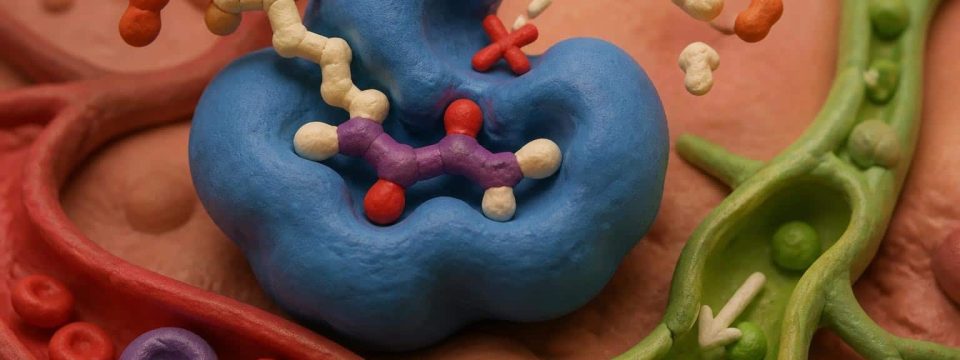
Dipeptide 2 represents a fascinating area of peptide research, combining specific amino acid sequences to create compounds with unique biological properties. This two-amino-acid chain has garnered significant attention within laboratory research settings due to its interactions with enzymatic pathways and cellular processes. Understanding the molecular characteristics, mechanisms of action, and potential research applications of dipeptide 2 provides valuable insights for scientists exploring peptide-based interventions and their effects on various biological systems.
Molecular Structure and Composition
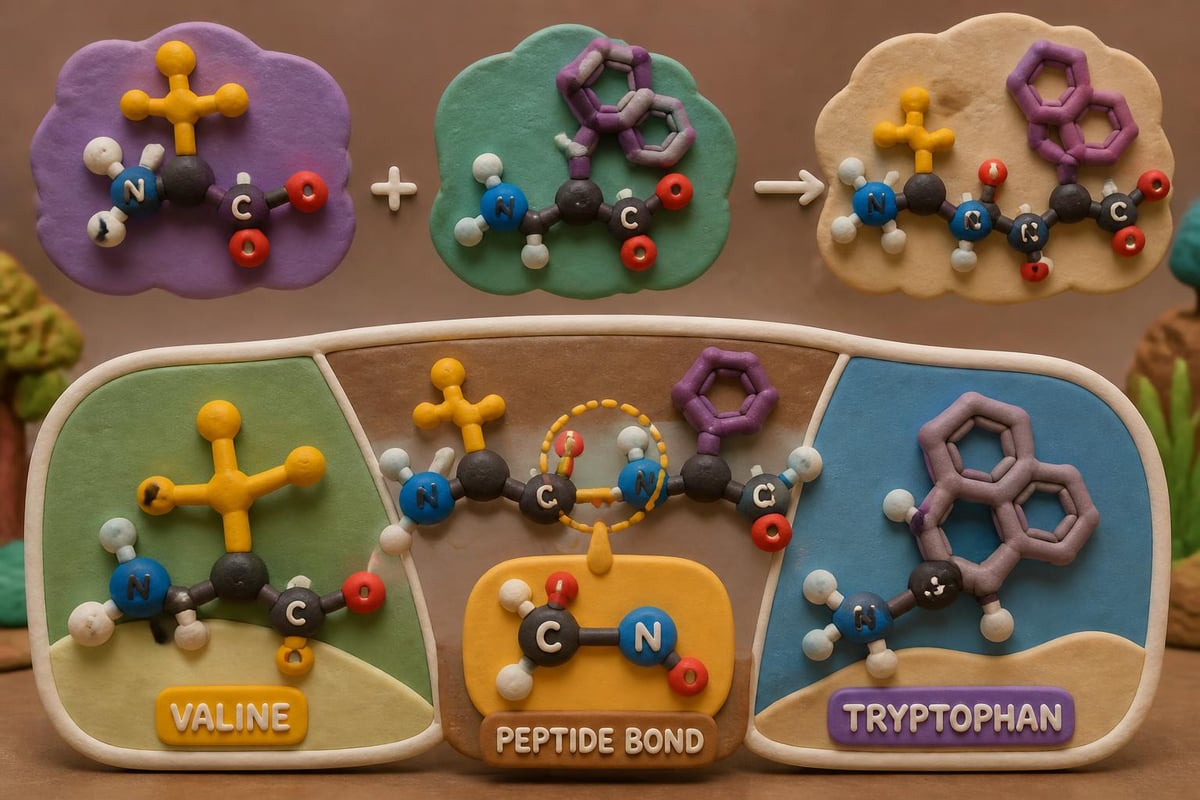
Dipeptide 2 consists of two amino acids linked through a peptide bond, creating a simple yet functionally significant molecular structure. The specific sequence typically involves valine and tryptophan (Val-Trp), though variations may exist depending on synthesis methods and research objectives. This particular combination creates a compound with a molecular weight of approximately 303 daltons, making it relatively small and potentially bioavailable in experimental settings.
The peptide bond connecting these amino acids forms through a dehydration reaction, where the carboxyl group of one amino acid combines with the amino group of another. This fundamental chemistry underlies all peptide structures, yet the specific properties of dipeptide 2 emerge from the unique characteristics of its constituent amino acids. Valine contributes hydrophobic properties, while tryptophan adds aromatic characteristics and potential for various molecular interactions.
Chemical Properties and Stability
Research into dipeptide 2 has revealed several important chemical properties that influence its behavior in laboratory settings:
- Solubility profiles that vary based on pH and solvent composition
- Stability characteristics under different temperature and storage conditions
- Molecular interactions with enzymatic systems and receptor sites
- Half-life considerations in various experimental media
Understanding these properties enables researchers to design appropriate protocols for handling, storage, and application of dipeptide 2 in experimental contexts. The compound's stability profile suggests it maintains structural integrity under controlled laboratory conditions, though specific parameters may vary.
Mechanisms of Action
The primary mechanism through which dipeptide 2 operates involves its interaction with angiotensin-converting enzyme (ACE). According to research on dipeptide 2’s enzymatic interactions, this compound demonstrates inhibitory effects on ACE activity, which plays a crucial role in regulating fluid balance and vascular function. By modulating this enzymatic pathway, dipeptide 2 influences downstream processes related to fluid retention and cellular edema.
ACE converts angiotensin I to angiotensin II, a potent vasoconstrictor that affects blood pressure and fluid retention. When dipeptide 2 inhibits this conversion, it may reduce the production of angiotensin II, potentially leading to decreased fluid accumulation in tissues. This mechanism has particular relevance for research focused on edema, lymphatic drainage, and microcirculation.
Secondary Pathway Interactions
Beyond ACE inhibition, dipeptide 2 appears to interact with additional biological pathways:
- Bradykinin regulation – Influencing this peptide hormone's degradation and activity
- Lymphatic function – Affecting fluid movement through lymphatic vessels
- Vascular permeability – Modulating capillary wall properties
- Inflammatory mediators – Interacting with compounds involved in inflammatory responses
These multiple mechanisms suggest dipeptide 2 operates through complex pathways rather than a single point of action. Research examining these interactions provides insights into how small peptides can influence larger physiological systems through targeted molecular engagement.
Research Applications in Dermatological Studies
Dipeptide 2 has become a subject of interest in dermatological research, particularly in studies examining periorbital edema and fluid accumulation around the eyes. The skin conditioning properties of dipeptide 2 have been investigated in various laboratory settings, with researchers exploring how this compound affects tissue fluid dynamics and cellular function in skin models.
In experimental dermatology, dipeptide 2 is often studied as part of peptide complexes designed to address specific tissue concerns. Its ability to influence microcirculation and lymphatic drainage makes it relevant for research into conditions characterized by fluid accumulation and impaired drainage mechanisms.
| Research Application | Primary Mechanism | Target System |
|---|---|---|
| Periorbital studies | ACE inhibition | Lymphatic drainage |
| Vascular permeability | Bradykinin modulation | Capillary walls |
| Tissue fluid dynamics | Edema reduction | Interstitial space |
| Microcirculation | Vessel function | Capillary networks |
Experimental Models and Protocols
Laboratory research involving dipeptide 2 typically employs various experimental models to assess its effects on cellular and tissue-level processes. These models range from in vitro cell culture systems to more complex tissue constructs that mimic physiological conditions. Researchers must carefully control variables including concentration, exposure duration, and environmental conditions to obtain reliable data.
When designing experiments with dipeptide 2, scientists consider factors such as optimal dosing ranges, appropriate control groups, and measurement techniques that accurately capture the compound's effects. The peptide's interactions with enzymatic systems require precise analytical methods to quantify changes in target enzymes and downstream signaling molecules.
Comparative Analysis with Related Peptides
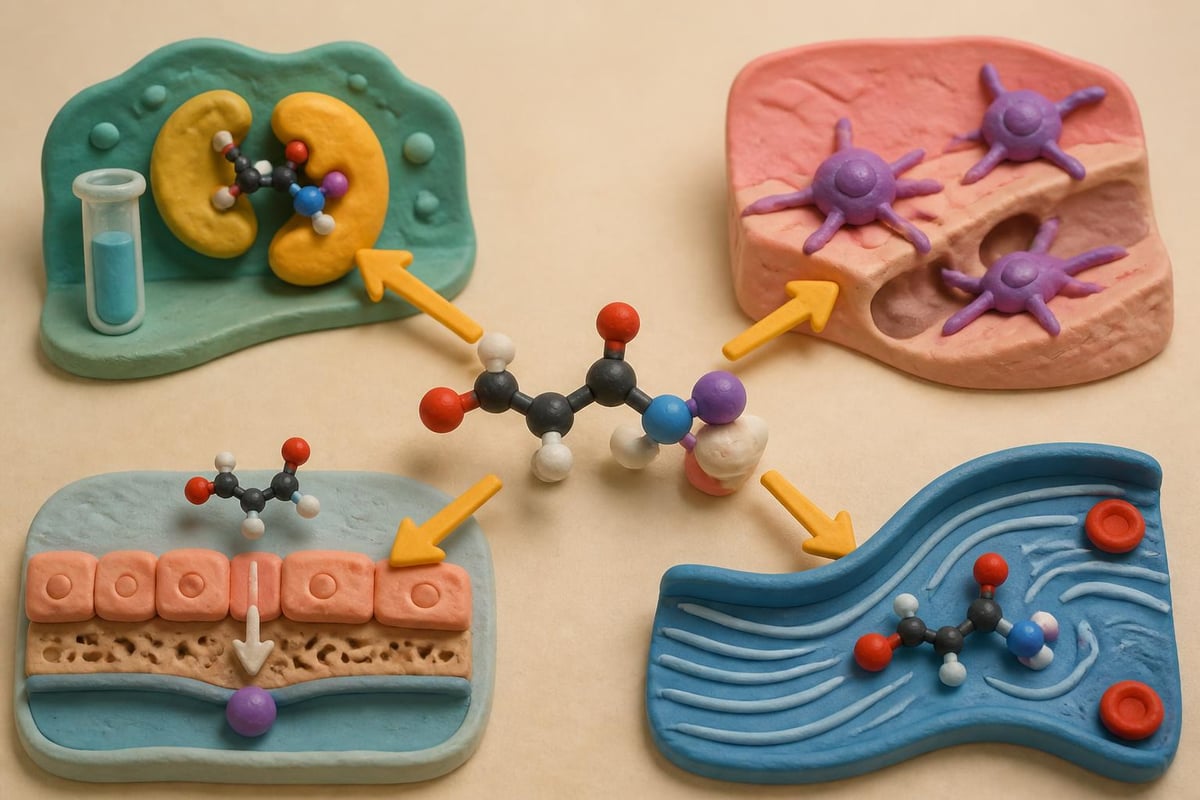
Understanding dipeptide 2's position within the broader landscape of research peptides provides context for its unique properties and applications. While dipeptide 2 focuses on specific enzymatic interactions, other peptides target different mechanisms and pathways. For example, compounds like BPC-157 and TB-500 work through distinct mechanisms involving growth factor stimulation and cellular migration, offering different research opportunities.
The specificity of dipeptide 2's ACE inhibition distinguishes it from longer peptide chains that may interact with multiple receptor systems simultaneously. This focused mechanism allows researchers to isolate specific pathway effects and understand discrete biological processes without the confounding variables that might accompany more complex peptide structures.
Structural Comparisons and Functional Differences
Dipeptide 2's two-amino-acid structure represents the simplest form of peptide beyond individual amino acids. This minimal structure contrasts sharply with larger peptides containing five, fifteen, or more amino acids. The relationship between peptide length and functional complexity becomes apparent when comparing dipeptide 2 to more elaborate compounds.
Shorter peptides like dipeptide 2 offer several advantages in research settings:
- Easier synthesis with fewer steps and lower costs
- Simpler characterization using standard analytical techniques
- More predictable stability with fewer potential degradation sites
- Clearer structure-function relationships due to limited complexity
However, this simplicity also means dipeptide 2 has a more focused range of biological activities compared to larger peptides that may interact with multiple targets simultaneously.
Synthesis and Manufacturing Considerations
The production of research-grade dipeptide 2 requires careful attention to synthesis protocols and quality control measures. Peptide synthesis typically follows either solid-phase or liquid-phase methodologies, each with distinct advantages for different peptide lengths and sequences. For a dipeptide like dipeptide 2, solid-phase peptide synthesis (SPPS) represents an efficient approach that enables precise control over amino acid addition and coupling reactions.
Quality assurance in peptide manufacturing involves multiple analytical techniques to verify structure, purity, and consistency. High-performance liquid chromatography (HPLC) provides detailed information about peptide purity and the presence of any synthesis byproducts or contaminants. Mass spectrometry confirms the molecular weight and structure, ensuring the final product matches the intended sequence.
Purity Standards and Testing Protocols
For laboratory research applications, peptide purity significantly impacts experimental outcomes and data reliability. Research-grade dipeptide 2 should meet stringent purity standards, typically exceeding 95% or higher depending on the specific application. Third-party testing provides independent verification of these quality metrics, ensuring researchers receive compounds that meet specified standards.
Testing protocols for dipeptide 2 include:
- HPLC analysis to determine purity percentage and identify impurities
- Mass spectrometry to confirm molecular weight and structural integrity
- Amino acid analysis to verify sequence composition
- Endotoxin testing to ensure absence of bacterial contaminants
- Sterility assessment when appropriate for experimental protocols
These rigorous testing procedures ensure that researchers work with well-characterized compounds that produce reliable and reproducible results. Laboratories conducting peptide research benefit from sourcing materials from suppliers who maintain comprehensive quality control systems and provide detailed certificates of analysis for each batch.
Experimental Design and Protocol Development
Designing effective research protocols involving dipeptide 2 requires careful consideration of multiple variables that influence experimental outcomes. Concentration ranges represent a critical parameter, as peptide effects often demonstrate dose-dependent relationships. Preliminary range-finding experiments help establish optimal concentrations that produce measurable effects without overwhelming cellular systems or causing non-specific responses.
The mechanism of action of dipeptide 2 involving ACE inhibition suggests researchers should incorporate appropriate controls and measurement endpoints that capture enzymatic activity changes. This might include direct ACE activity assays, measurement of downstream products like angiotensin II, or assessment of physiological parameters affected by the renin-angiotensin system.
Timeline and Duration Considerations
Experimental timelines for dipeptide 2 research vary based on the biological processes under investigation. Acute effects on enzymatic activity may manifest within minutes to hours, while tissue-level changes related to fluid dynamics might require days to weeks of sustained exposure. Researchers must align their observation periods with expected biological timelines to capture relevant effects.
| Experimental Parameter | Acute Studies (Hours) | Short-term Studies (Days) | Extended Studies (Weeks) |
|---|---|---|---|
| Enzyme activity | Primary endpoint | Sustained effects | Adaptive responses |
| Cellular function | Initial responses | Metabolic changes | Phenotype shifts |
| Tissue organization | Minimal changes | Structural modifications | Remodeling |
| Fluid dynamics | Immediate effects | Accumulation patterns | Long-term balance |
Understanding these temporal dynamics helps researchers design protocols that capture both immediate biochemical effects and longer-term physiological adaptations to dipeptide 2 exposure.

Analytical Methods and Measurement Techniques
Accurately measuring dipeptide 2's effects requires appropriate analytical methods tailored to specific research questions. Enzymatic assays measuring ACE activity provide direct insight into the compound's primary mechanism of action. These assays typically employ fluorogenic or chromogenic substrates that produce measurable signals when cleaved by ACE, allowing researchers to quantify inhibition in the presence of dipeptide 2.
Beyond enzymatic measurements, researchers investigating dipeptide 2's effects on cellular and tissue systems employ various complementary techniques. Cell culture models enable assessment of cellular responses including viability, proliferation, and functional changes. Permeability assays using transwell systems can evaluate dipeptide 2's effects on vascular or epithelial barrier function, relevant to its proposed mechanisms involving fluid dynamics.
Quantification and Data Analysis
Modern analytical approaches for peptide research generate complex datasets requiring sophisticated statistical analysis. Researchers working with dipeptide 2 must establish appropriate sample sizes, replication strategies, and statistical tests to ensure their findings meet scientific rigor standards. The development of peptide research methodologies continues to evolve, incorporating new technologies and analytical frameworks.
Key analytical considerations include:
- Detection sensitivity ensuring measurement systems can capture relevant changes
- Specificity confirming measurements reflect dipeptide 2 effects rather than non-specific responses
- Reproducibility establishing protocols that yield consistent results across experiments
- Dynamic range selecting methods that accommodate expected effect magnitudes
These analytical principles apply whether researchers are measuring enzymatic activity, cellular responses, or tissue-level changes in experimental models.
Storage and Handling Best Practices
Proper storage and handling of dipeptide 2 significantly impacts its stability and experimental performance. Peptides generally require careful attention to temperature, humidity, and exposure to light and oxygen, all of which can influence structural integrity over time. For dipeptide 2 specifically, storage as a lyophilized powder at -20°C or below represents standard practice that maintains stability for extended periods.
When preparing dipeptide 2 solutions for experimental use, researchers should consider factors including solvent selection, pH optimization, and concentration ranges. Sterile water or buffered solutions often serve as appropriate solvents, though specific applications may require alternative media. Once reconstituted, peptide solutions typically have limited stability and should be used within timeframes established through stability testing.
Reconstitution Protocols
Reconstituting lyophilized dipeptide 2 requires attention to detail to ensure complete dissolution and maintain peptide integrity:
- Allow the peptide vial to reach room temperature before opening
- Add solvent slowly along the vial wall rather than directly onto the peptide
- Gently swirl or rotate to dissolve without creating excessive foam
- Avoid vigorous vortexing which may damage peptide structure
- Verify complete dissolution before use in experiments
Following these procedures helps maintain dipeptide 2 quality and ensures experimental results reflect the compound's true biological properties rather than artifacts from degradation or improper handling.
Integration with Other Research Compounds
Dipeptide 2's specific mechanism of action makes it potentially interesting for combination studies with other research peptides and compounds. Researchers exploring complex biological systems often employ multiple agents targeting different pathways to understand system-level responses and potential synergistic effects. When designing such studies, careful attention to individual compound concentrations, timing of administration, and measurement of both independent and interactive effects becomes essential.
The focused ACE inhibition mechanism of dipeptide 2 complements research compounds operating through different pathways. For example, peptides targeting growth factor signaling or cellular migration mechanisms might interact with dipeptide 2's effects on fluid dynamics and vascular function in ways that reveal new insights about tissue regulation and homeostasis. Laboratories equipped to handle multiple research peptides can design sophisticated experimental systems exploring these interactions.
Future Directions in Dipeptide Research
The field of dipeptide research continues to evolve as new analytical techniques and experimental models become available. Advanced computational methods examining peptide behavior at the molecular level provide unprecedented insights into structure-function relationships and mechanisms of action. These approaches complement traditional biochemical and cellular studies, creating a more comprehensive understanding of how simple peptides like dipeptide 2 interact with biological systems.
Emerging research directions include investigation of dipeptide 2's effects in three-dimensional tissue models, exploration of its interactions with extracellular matrix components, and detailed mechanistic studies examining its binding to ACE and related enzymes. As research methodologies advance, our understanding of dipeptide 2's full range of biological activities and potential research applications will continue to expand.
Technological Advances Enabling New Discoveries
Modern peptide research benefits from technological innovations that enable more precise measurements and deeper mechanistic insights. High-resolution imaging techniques allow visualization of peptide distribution and effects in cellular and tissue contexts. Advanced mass spectrometry methods can identify post-translational modifications and degradation products. These tools collectively enhance researchers' ability to characterize dipeptide 2's behavior in complex biological environments.
The integration of computational modeling with experimental data creates opportunities to predict dipeptide 2's behavior under various conditions and design more efficient research protocols. Machine learning approaches may identify patterns in experimental data that suggest new research directions or applications not immediately apparent through traditional analysis methods.
Regulatory and Safety Considerations
Research involving dipeptide 2 must adhere to appropriate safety protocols and regulatory guidelines governing laboratory research compounds. While dipeptide 2 is intended exclusively for laboratory research and not for human or animal consumption, proper safety measures protect research personnel and ensure experimental integrity. This includes appropriate personal protective equipment, containment procedures, and waste disposal methods specific to peptide research.
Documentation requirements for peptide research include maintaining detailed records of compound sources, batch numbers, purity specifications, and experimental protocols. These records enable reproducibility, support quality assurance processes, and ensure compliance with institutional and regulatory standards governing research activities. According to industry resources on dipeptide 2, proper documentation and handling procedures are essential components of responsible research practice.
Dipeptide 2 represents a valuable research tool for investigating enzymatic pathways, fluid dynamics, and cellular processes in controlled laboratory settings. Its well-characterized mechanism involving ACE inhibition provides researchers with a focused compound for exploring specific biological questions. When sourcing research peptides, working with suppliers who maintain rigorous quality standards ensures experimental reliability and data integrity. Data Peptides supplies laboratory-grade, US-manufactured research peptides with third-party batch testing for purity, supporting scientists conducting peptide research with compounds meeting stringent quality specifications for laboratory applications.