

Peptide therapy represents a rapidly expanding field of biomedical research that explores the use of specific amino acid sequences to modulate biological pathways and cellular functions. These short chains of amino acids, ranging from two to approximately 50 units in length, serve as signaling molecules that can interact with cellular receptors to influence everything from tissue repair and metabolic regulation to immune response and neurological function. As research institutions and laboratories continue to investigate the therapeutic potential of these compounds, understanding the fundamental mechanisms, current evidence base, and proper research protocols becomes increasingly important for advancing scientific knowledge in this domain.
Understanding Peptide Structure and Function
Peptides occupy a unique position in the biological hierarchy, sitting between individual amino acids and full proteins. Their relatively small size allows them to be synthesized with high precision while maintaining sufficient complexity to engage specific cellular receptors and pathways.
The fundamental building blocks of peptides are the twenty standard amino acids found in nature. When these amino acids form bonds through peptide linkages, they create chains with distinct three-dimensional structures determined by the sequence and chemical properties of their constituent parts.
Classification Systems in Research
Researchers categorize peptides through several classification systems:
- Length-based classification: Dipeptides (2 amino acids), tripeptides (3), oligopeptides (2-20), and polypeptides (20-50)
- Origin-based classification: Natural, synthetic, or semi-synthetic compounds
- Function-based classification: Signaling peptides, antimicrobial peptides, hormonal peptides, or structural peptides
- Receptor interaction: Agonists, antagonists, or modulators of specific receptor systems
Each classification system provides researchers with different frameworks for understanding how specific peptides might interact with biological systems. Natural peptides are those found in living organisms, while synthetic versions are created in laboratory settings to match or modify these naturally occurring sequences.

Mechanisms of Action in Biological Systems
Understanding how peptides exert their effects requires examining their interaction with cellular machinery at multiple levels. These compounds typically function by binding to specific receptors on cell surfaces or, in some cases, entering cells to interact with intracellular targets.
Receptor-Mediated Signaling
Most peptides studied in research settings operate through receptor-mediated mechanisms. When a peptide binds to its target receptor, it triggers a cascade of intracellular events that can alter gene expression, protein synthesis, or metabolic activity.
The specificity of peptide-receptor interactions depends on the three-dimensional shape of both molecules. Even minor modifications to a peptide's amino acid sequence can dramatically alter its binding affinity and subsequent biological effects.
| Receptor Type | Signal Pathway | Primary Effects | Research Applications |
|---|---|---|---|
| G-Protein Coupled | cAMP/PKA, IP3/DAG | Metabolic regulation, hormone response | Growth factors, metabolic compounds |
| Tyrosine Kinase | MAPK/ERK, PI3K/AKT | Cell growth, differentiation | Tissue repair, regeneration |
| Cytokine | JAK/STAT | Immune modulation, inflammation | Immunological research |
| Nuclear | Gene transcription | Long-term cellular changes | Developmental studies |
Different peptides demonstrate varying degrees of selectivity for their target receptors. Some interact with only one receptor subtype, while others may activate multiple related receptors, creating broader systemic effects.
Research Applications Across Physiological Systems
The diversity of peptide structures translates into an equally diverse range of research applications. Laboratories investigate these compounds across virtually every physiological system, from cardiovascular and metabolic to neurological and immunological domains.
Tissue Repair and Regeneration Studies
One of the most extensively studied areas involves peptides that influence tissue healing and regeneration. Research in this domain examines how specific sequences can modulate cellular migration, proliferation, and differentiation during the repair process.
Laboratory studies have demonstrated that certain peptides can accelerate the healing timeline in experimental models by influencing growth factor production, angiogenesis, and extracellular matrix remodeling. These effects have been documented across multiple tissue types, including musculoskeletal, epithelial, and neural tissues.
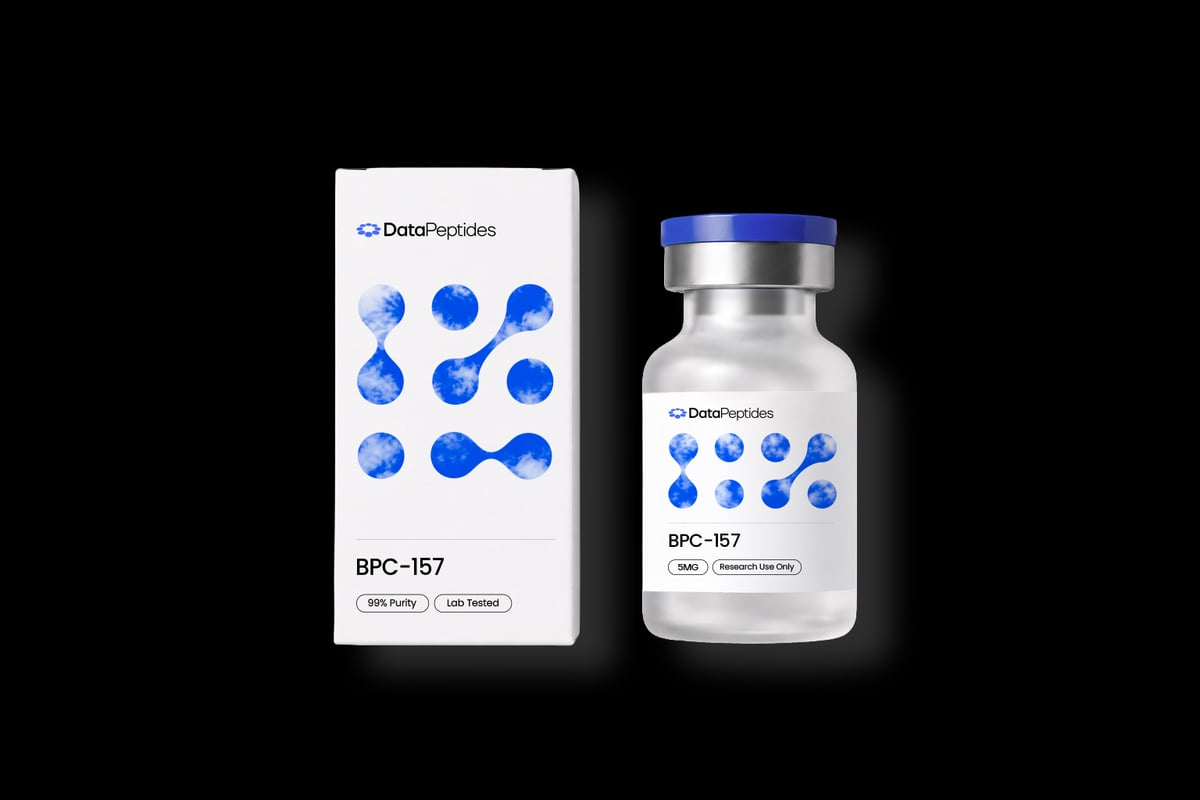
For researchers investigating tissue repair mechanisms, compounds like BPC-157 have become valuable tools for understanding how peptide signaling influences the body's natural healing response and cellular regeneration pathways.
Metabolic and Hormonal Research
Peptide hormones play crucial regulatory roles in metabolism, and synthetic analogs provide powerful research tools for understanding these systems. Laboratories study peptides that interact with growth hormone pathways, insulin signaling, and metabolic regulation.
Research in this area examines:
- How peptides influence growth hormone release patterns
- The role of specific sequences in regulating glucose metabolism
- Peptide effects on lipid oxidation and energy expenditure
- Interactions between peptide signaling and mitochondrial function
- The impact of peptide therapies on body composition in experimental models
According to comprehensive research databases like ExaminePeptides, metabolic peptides represent one of the fastest-growing areas of investigation, with dozens of compounds under active study for their effects on energy balance and cellular metabolism.

Evidence Standards and Research Quality
The quality of peptide research varies considerably across published literature. Researchers must critically evaluate evidence using established hierarchies that prioritize well-controlled studies over preliminary or observational data.
Hierarchy of Evidence in Peptide Research
The scientific community generally recognizes the following evidence hierarchy:
- Systematic reviews and meta-analyses: Highest level, synthesizing multiple controlled studies
- Randomized controlled trials: Gold standard for establishing causation
- Cohort studies: Observational data tracking outcomes over time
- Case-control studies: Retrospective comparisons between groups
- Case reports and series: Individual or small group observations
- In vitro studies: Cellular and molecular investigations
- Animal models: Pre-clinical research in living systems
Most currently available peptide research exists in the lower tiers of this hierarchy, with extensive in vitro and animal model data but limited human clinical trials. Resources like the Peptide Science Institute work to index peer-reviewed evidence and assign appropriate evidence levels to various compounds.
Regulatory Landscape and Approval Status
The regulatory status of peptides varies significantly based on their intended use and available evidence. The FDA has approved several peptide medications for specific medical conditions, while many other compounds remain classified as research chemicals without human use authorization.
| Approval Category | Examples | Regulatory Status | Appropriate Use |
|---|---|---|---|
| FDA-Approved Drugs | Insulin, Oxytocin, GLP-1 agonists | Prescription medications | Clinical treatment only |
| Investigational New Drugs | Various compounds in trials | Clinical research under IND | Approved studies only |
| Research Chemicals | Most synthetic peptides | Not approved for human use | Laboratory research exclusively |
Understanding this regulatory framework is essential for researchers. As detailed by independent references like MD PEP, the vast majority of peptides available through research suppliers are intended solely for laboratory investigation, not human consumption.
Laboratory Protocols and Research Standards
Conducting rigorous peptide research requires adherence to established laboratory protocols that ensure data quality and reproducibility. These standards govern everything from compound storage and handling to experimental design and documentation.
Storage and Handling Requirements
Proper peptide storage is critical for maintaining compound integrity throughout research studies. Most peptides require specific conditions to prevent degradation:
Lyophilized (powder) form:
- Store at -20°C to -80°C depending on compound
- Protect from moisture and light exposure
- Minimize freeze-thaw cycles
- Use desiccants to control humidity
Reconstituted solutions:
- Refrigerate at 2-8°C for short-term use
- Freeze at -20°C for longer storage
- Aliquot into single-use portions to avoid repeated thawing
- Use appropriate bacteriostatic solutions when indicated
Reconstitution and Preparation Methods
Researchers must follow precise protocols when preparing peptide solutions for experimental use. The choice of reconstitution solution depends on the specific peptide's chemical properties and the experimental requirements.
Common reconstitution solutions include sterile water, bacteriostatic water, acetic acid solutions, or specialized buffers. Each peptide may have optimal pH ranges and solvent requirements that maximize stability and prevent aggregation.
For researchers needing assistance with proper dosing calculations, tools like the peptide calculator can help ensure accurate preparation of research solutions.
Quality Control and Purity Verification
The quality of peptides used in research directly impacts the validity and reproducibility of experimental results. Researchers should prioritize suppliers that provide comprehensive quality documentation and independent verification.
Third-Party Testing Standards
Reputable research peptide suppliers implement multiple quality control measures:
- High-Performance Liquid Chromatography (HPLC): Determines purity percentage by separating and quantifying peptide content versus impurities
- Mass Spectrometry (MS): Confirms molecular weight and peptide identity
- Amino Acid Analysis: Verifies sequence composition
- Endotoxin Testing: Ensures absence of bacterial contaminants
- Certificate of Analysis (COA): Documents batch-specific testing results
Researchers can typically access certificates of analysis that detail the specific purity and composition of each batch, allowing for proper documentation in research records and publications.
Interpreting Purity Specifications
Peptide purity is typically expressed as a percentage, with research-grade compounds generally falling between 95-99% purity. Understanding what these numbers represent helps researchers make informed decisions about which materials to use.
The remaining percentage consists of:
- Related sequence variants (deletion or truncation sequences)
- Residual solvents from synthesis
- Counter-ions (acetate, trifluoroacetate)
- Water content
Higher purity compounds cost more to produce but may be necessary for certain experimental applications where impurities could confound results.
Experimental Design Considerations
Designing robust peptide research studies requires careful attention to multiple experimental variables that can influence outcomes and interpretation.
Dose-Response Relationships
One fundamental principle in peptide research involves establishing dose-response relationships. Most biological effects follow patterns where increasing peptide concentration produces corresponding changes in measured outcomes up to a saturation point.
Researchers typically investigate multiple dose levels to:
- Determine the minimum effective concentration
- Identify the optimal dose for maximum effect
- Establish whether higher doses produce toxicity or diminishing returns
- Understand the therapeutic window between efficacy and adverse effects
Timing and Administration Protocols
The temporal aspects of peptide administration significantly impact experimental outcomes. Researchers must consider:
Frequency of administration:
- Single-dose acute studies
- Multiple-dose chronic protocols
- Continuous infusion models
- Pulsatile delivery patterns
Timing relative to circadian rhythms:
- Morning versus evening administration
- Fasting versus fed states
- Relationship to sleep-wake cycles
Duration of treatment:
- Short-term acute effects (hours to days)
- Medium-term adaptations (weeks)
- Long-term chronic exposure (months)

Monitoring and Measurement Techniques
Assessing peptide effects in research settings requires appropriate measurement techniques matched to the specific outcomes under investigation. The sophistication and accuracy of these measurements directly impact the quality of generated data.
Biochemical and Molecular Markers
Many peptide studies rely on quantifying changes in specific biochemical markers or molecular pathways:
- Protein expression: Western blotting, immunohistochemistry
- Gene transcription: RT-PCR, RNA sequencing
- Enzyme activity: Spectrophotometric or fluorometric assays
- Hormone levels: ELISA, radioimmunoassay
- Cellular proliferation: MTT assays, cell counting
Physiological and Functional Assessments
Beyond molecular measurements, researchers often assess functional outcomes that reflect integrated physiological responses:
| Assessment Category | Measurement Methods | Application Areas |
|---|---|---|
| Tissue Integrity | Histology, imaging, biomechanical testing | Repair and regeneration studies |
| Metabolic Function | Glucose tolerance tests, indirect calorimetry | Metabolic research |
| Physical Performance | Exercise capacity, grip strength, endurance | Athletic performance studies |
| Cognitive Function | Behavioral testing, learning assessments | Neurological research |
Safety Monitoring in Research Settings
While peptide research does not involve human consumption when conducted properly, laboratory safety protocols remain essential for protecting research personnel and ensuring valid experimental conditions.
Laboratory Safety Protocols
Research facilities working with peptides should implement comprehensive safety measures:
- Proper personal protective equipment (PPE) for handling compounds
- Designated areas for peptide preparation and storage
- Spill response procedures and decontamination protocols
- Waste disposal systems compliant with institutional guidelines
- Training programs for all personnel handling research materials
Documentation and Record-Keeping
Rigorous documentation serves multiple purposes in peptide research, from ensuring reproducibility to meeting regulatory requirements for institutional review.
Essential documentation includes:
- Detailed experimental protocols with specific peptide concentrations and schedules
- Batch numbers and purity data for all peptides used
- Storage conditions and stability monitoring
- Complete measurement data with timestamps
- Any deviations from planned protocols
Independent resources like ProPeptideGuide emphasize the importance of maintaining detailed records that allow other researchers to replicate methodologies and verify findings.
Current Research Trends and Future Directions
The field of peptide research continues to evolve rapidly, with several emerging trends shaping the future direction of investigation.
Novel Peptide Modifications
Researchers are increasingly exploring modified peptides designed to overcome limitations of natural sequences:
- Cyclization: Creating circular peptides with enhanced stability
- PEGylation: Attaching polyethylene glycol groups to extend half-life
- D-amino acid substitution: Using non-natural amino acids to resist degradation
- Stapled peptides: Introducing chemical cross-links to stabilize structure
- Fluorinated peptides: Incorporating fluorine atoms to alter pharmacokinetics
Combination Approaches
Many research programs now investigate peptide combinations that may produce synergistic effects through complementary mechanisms. For example, blends that combine tissue repair peptides with compounds affecting different aspects of the healing cascade may demonstrate enhanced efficacy compared to single agents.
Research exploring these combination approaches examines:
- Optimal ratios of different peptides
- Timing of sequential versus simultaneous administration
- Potential interactions between compounds
- Whether combined effects exceed individual contributions
Information about peptide combinations continues to emerge as researchers investigate these multi-compound protocols.
Challenges and Limitations in Peptide Research
Despite significant advances, peptide research faces several ongoing challenges that researchers must acknowledge and address.
Translational Barriers
One of the most significant challenges involves translating promising preclinical findings into validated clinical applications. Many peptides that demonstrate impressive effects in cellular or animal models fail to produce comparable results in human trials due to:
- Species-specific differences in receptor expression and signaling
- Bioavailability challenges in human physiology
- Scaling issues from research doses to clinically appropriate levels
- Individual variability in response to peptide treatments
Stability and Delivery Challenges
Peptides face inherent stability challenges that complicate both research and potential therapeutic applications:
Enzymatic degradation:
- Peptidases in blood and tissues rapidly break down many peptides
- Gastrointestinal enzymes prevent oral administration of most peptides
- Degradation products may have different or opposing effects
Physical instability:
- Aggregation and precipitation in solution
- Sensitivity to temperature fluctuations
- Adsorption to container surfaces
- Photo-degradation from light exposure
Researchers must account for these limitations when designing experiments and interpreting results. Resources like PeptideKnow provide detailed information on stability profiles and recommended handling procedures for specific compounds.
Evidence-Based Resources for Researchers
Accessing high-quality, evidence-based information is essential for researchers working in peptide science. Several independent platforms have emerged to provide comprehensive, source-verified information.
Primary Literature and Databases
Peer-reviewed publications remain the gold standard for scientific evidence. Researchers should prioritize:
- Original research articles in reputable journals
- Systematic reviews and meta-analyses
- Clinical trial registries (ClinicalTrials.gov)
- Regulatory agency databases (FDA, EMA)
Independent Educational Platforms
Several independent resources compile and grade peptide research evidence:
Peptides Know How publishes evidence-based monographs reviewed by board-certified physicians and pharmacologists, providing accessible summaries of complex research.
Medriva offers clinical records on peptides graded by evidence strength, explaining science, safety, and regulatory status with fully traced sources.
Peptides Dossier routes every claim back to primary sources and grades protocols for evidence strength, helping researchers distinguish between well-supported and speculative applications.
These platforms serve researchers by consolidating scattered information and providing context for interpreting individual studies within the broader evidence base.
Institutional and Regulatory Compliance
Research institutions conducting peptide studies must navigate complex regulatory frameworks that govern the use of these compounds in laboratory settings.
Institutional Review Requirements
Most research institutions require approval from oversight committees before beginning peptide studies:
- Institutional Review Boards (IRBs): Required when any human subjects are involved
- Institutional Animal Care and Use Committees (IACUCs): Oversee animal research protocols
- Institutional Biosafety Committees (IBCs): Review biological and chemical safety aspects
- Radiation Safety Committees: Required when radiolabeled peptides are used
Import and Procurement Regulations
Researchers must ensure compliance with regulations governing the import, storage, and use of research peptides. Requirements vary by jurisdiction but typically include:
- Proper licensing for handling research chemicals
- Import permits for international shipments
- Storage facility specifications
- Chain-of-custody documentation
- Disposal protocols for unused materials
Understanding these requirements prevents legal complications and ensures research proceeds within appropriate regulatory frameworks, as outlined by resources like Haute Living, which distinguishes between FDA-approved peptide drugs and unregulated research chemicals.
Building a Research Program in Peptide Science
Establishing a successful peptide research program requires strategic planning, appropriate resources, and collaboration with qualified suppliers and partners.
Essential Laboratory Infrastructure
Key infrastructure elements include:
Equipment requirements:
- Ultra-low temperature freezers (-80°C) for long-term storage
- Analytical balances with microgram precision
- pH meters and calibration standards
- Centrifuges for sample preparation
- Spectrophotometers or plate readers for assays
Consumables and supplies:
- Sterile reconstitution solutions
- Appropriate vials and storage containers
- Pipettes and tips with verification
- Sterile filters for solution preparation
Supplier Selection Criteria
Choosing reliable peptide suppliers significantly impacts research quality. Researchers should evaluate potential suppliers based on:
- Manufacturing standards and facility certifications
- Third-party testing and COA availability
- Batch-to-batch consistency records
- Technical support and documentation
- Compliance with legal requirements for research-only sales
Reputable suppliers clearly state that their products are intended exclusively for laboratory research and not for human or animal consumption, ensuring alignment with regulatory requirements.
Peptide therapy research continues to expand our understanding of cellular signaling, tissue repair, metabolic regulation, and numerous other physiological processes. The compounds under investigation offer valuable tools for exploring biological mechanisms and developing potential therapeutic approaches across multiple domains. For researchers and institutions seeking laboratory-grade research peptides, Data Peptides provides US-manufactured compounds with third-party batch testing for purity verification. Every product is intended solely for laboratory research applications, supporting the advancement of peptide science through reliable, documented materials.