
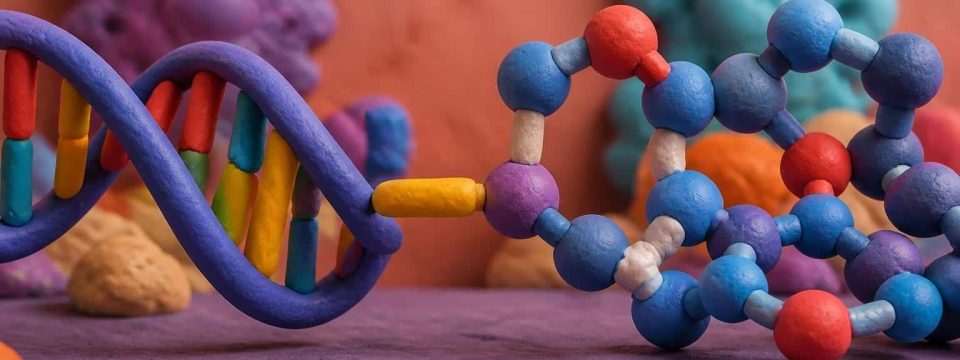
The intersection of DNA and peptide chemistry represents one of the most innovative frontiers in molecular biology and pharmaceutical research. A dna peptide conjugate combines the structural precision of nucleic acids with the functional diversity of amino acid chains, creating hybrid molecules with unique properties. These engineered biomolecules have opened new pathways in nanotechnology, diagnostics, and therapeutic development, offering researchers powerful tools for investigating cellular mechanisms and designing targeted interventions. Understanding how these conjugates function and their potential applications is essential for laboratories advancing proteomics, bioengineering, and molecular medicine.
Understanding DNA Peptide Structure and Chemistry
The fundamental architecture of a dna peptide involves covalent linkage between oligonucleotide sequences and peptide chains. This conjugation creates molecules that leverage both the programmable base-pairing of DNA and the diverse chemical functionalities of amino acids. Researchers can control the orientation, spacing, and composition of these hybrid structures with remarkable precision.
Chemical Bonding Mechanisms
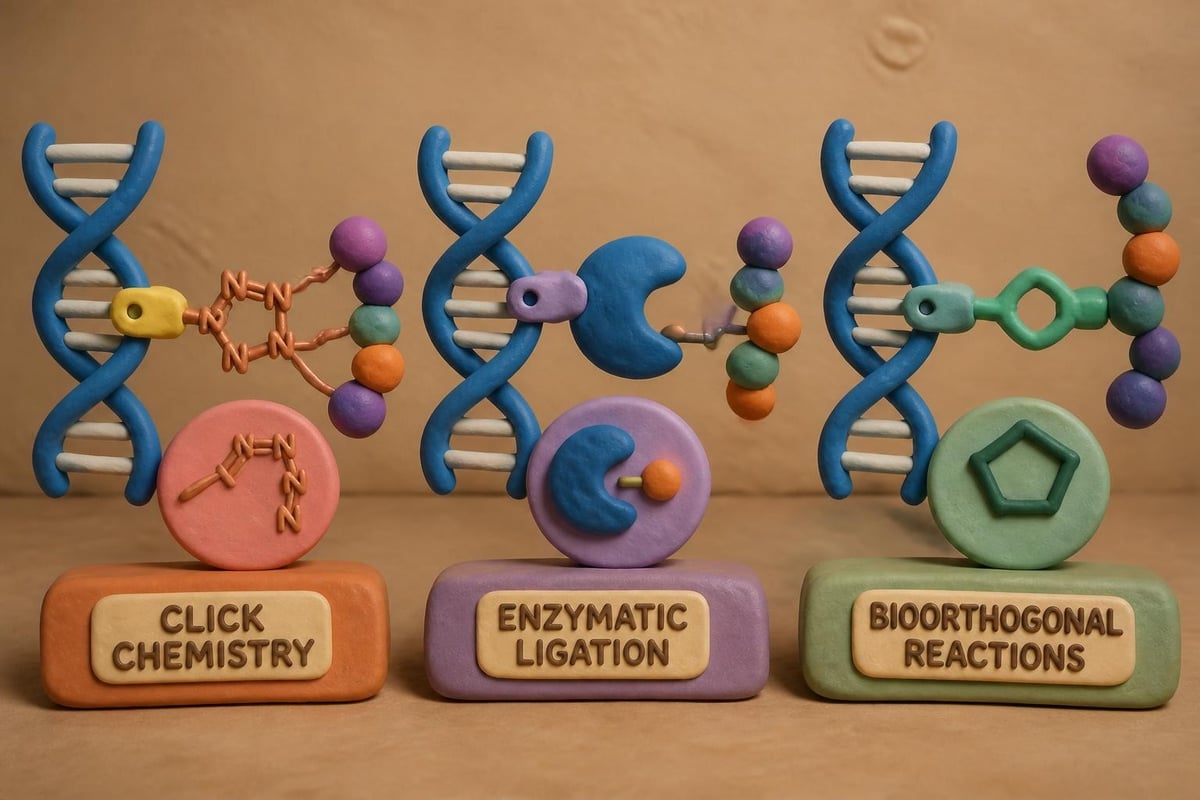
Several approaches facilitate the creation of these molecular hybrids:
- Direct conjugation through bioorthogonal chemistry
- Click chemistry reactions for site-specific attachment
- Enzymatic ligation using modified nucleotides
- Solid-phase synthesis combining peptide and DNA assembly
The novel method for single-molecule peptide sequencing demonstrates how reverse translation of peptides into DNA enables sophisticated analytical capabilities. This technique represents a significant advancement in proteomics, allowing researchers to identify and quantify peptides at unprecedented sensitivity levels.
Structural Characteristics
The physical properties of dna peptide conjugates differ substantially from either component alone. DNA segments provide structural rigidity and recognition capabilities through Watson-Crick base pairing, while peptide regions contribute flexibility, enzymatic activity, or receptor-binding functions. The balance between these characteristics determines the molecule's behavior in research applications.
| Property | DNA Component | Peptide Component | Conjugate Behavior |
|---|---|---|---|
| Stability | High chemical resistance | Variable, sequence-dependent | Enhanced overall stability |
| Recognition | Base-pairing specificity | Receptor/protein binding | Dual-mode targeting |
| Functionality | Information storage | Catalytic/binding activity | Programmable function |
| Assembly | Predictable hybridization | Folding-dependent | Controlled nanostructures |
Applications in Nanotechnology and Materials Science
Dna peptide constructs have revolutionized nanoscale engineering by enabling precise control over molecular assembly. The programmability of DNA sequences combined with peptide functionality creates scaffolds for designing novel materials and nanodevices.
Research on dynamic self-assembly of DNA–peptide conjugates reveals how these molecules can form responsive structures that change conformation based on environmental triggers. This adaptability makes them valuable for developing smart materials and controlled-release systems.
Nanostructure Formation
The ability to design specific three-dimensional architectures represents a major advantage:
- DNA origami templates decorated with functional peptides
- Peptide nanotubes stabilized by DNA crosslinking
- Hybrid hydrogels with programmable mechanical properties
- Hierarchical assemblies spanning multiple length scales
A particularly compelling example involves DNA scaffolds supporting stable peptide nanopores, which demonstrates how nucleic acid frameworks can organize peptide components into uniform structures with defined dimensions. These nanopores show promise for biosensing, sequencing, and membrane protein studies.
Biomimetic Systems
Researchers leverage dna peptide technology to create systems that mimic biological processes. These constructs can replicate enzyme cascades, signal transduction pathways, or membrane interactions within controlled experimental contexts. The precision afforded by DNA templating ensures reproducibility while peptide regions provide authentic biochemical activity.
Peptide Nucleic Acids and Structural Analogs
While dna peptide conjugates join two distinct molecules, peptide nucleic acids (PNAs) represent a distinct class where the sugar-phosphate backbone of DNA is replaced with a pseudo-peptide structure. Understanding this relationship illuminates the broader landscape of nucleic acid-peptide hybrids.
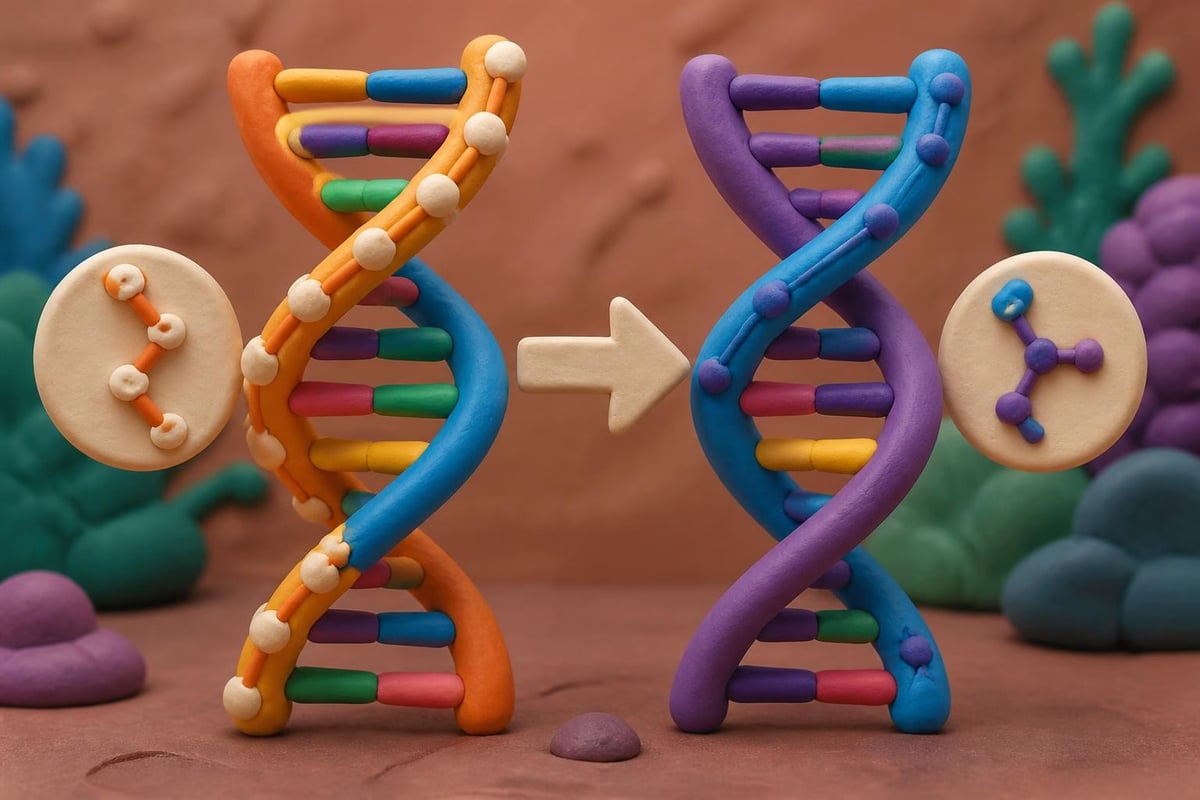
PNAs demonstrate remarkable binding affinity to complementary DNA and RNA sequences, exhibiting resistance to enzymatic degradation. The formation of DNA-like double helices by peptide nucleic acids revealed structural properties that have made PNAs valuable tools for antisense applications and gene regulation studies.
Research Applications of Hybrid Systems
Both dna peptide conjugates and PNAs serve complementary roles in laboratory investigations:
- Gene expression modulation through sequence-specific binding
- Chromosome targeting in cytogenetic studies
- Diagnostic probe development with enhanced stability
- Therapeutic candidate screening for genetic disorders
The neutrality of the PNA backbone eliminates electrostatic repulsion, enabling tighter binding than natural DNA-DNA interactions. This property makes them particularly useful for applications requiring strong, specific recognition of nucleic acid targets.
Proteomics and Analytical Methods
The integration of DNA barcoding with peptide analysis has transformed high-throughput proteomics. Dna peptide technology enables simultaneous identification and quantification of multiple peptides within complex biological samples, dramatically accelerating research workflows.
Tools like PepSIRF for analyzing data from DNA-barcoded peptide assays facilitate processing of massive datasets generated from multiplexed experiments. These computational frameworks handle the complexity inherent in correlating DNA barcode sequences with peptide identities and abundances.
Multiplexed Detection Platforms
Modern proteomic platforms employ DNA tags to track peptides through complex workflows:
- Barcode assignment to individual peptide species
- Amplification of DNA tags for signal enhancement
- Sequencing-based readout for simultaneous detection
- Computational deconvolution of multiplexed data
This approach offers substantial advantages over traditional mass spectrometry for certain applications, particularly when sample quantity is limited or when tracking peptides through multiple experimental conditions.
| Method | Throughput | Sensitivity | Quantitative Range | Sample Requirements |
|---|---|---|---|---|
| Traditional MS | Moderate | High | 3-4 orders | Milligrams |
| DNA-barcoded | Very high | Very high | 5-6 orders | Nanograms |
| Antibody arrays | High | Moderate | 2-3 orders | Micrograms |
Kinase Activity and Signal Transduction
Specialized dna peptide substrates enable precise measurement of enzyme activities. The DNA-dependent protein kinase peptide substrate exemplifies how these tools support investigations of DNA repair mechanisms and cellular stress responses. Such substrates provide highly specific readouts for kinase activity, supporting drug discovery efforts and basic research into signal transduction pathways.
Researchers studying cellular energy pathways and mitochondrial function increasingly recognize the importance of understanding how different molecular signals converge. Supporting optimal cellular performance through comprehensive metabolic research requires examining multiple pathways simultaneously, highlighting the value of multiplexed analytical approaches.

Therapeutic Development and Drug Delivery
Dna peptide constructs offer unique advantages for therapeutic applications, combining the targeting capabilities of nucleic acids with the bioactive properties of peptides. These hybrid molecules can address limitations inherent in either component alone, such as poor cellular uptake of naked DNA or rapid degradation of peptides in biological environments.
Targeted Delivery Systems
The specificity of DNA hybridization enables precise targeting:
- Cell-type selective delivery using aptamer-peptide conjugates
- Triggered release mechanisms responsive to cellular conditions
- Enhanced cellular uptake through peptide-mediated transport
- Controlled biodistribution via programmable assembly
Understanding intrinsic sequence patterns of intra-protein binding peptide fragments contributes to rational design of these therapeutic conjugates. Knowledge of how peptide sequences influence protein interactions informs the selection of functional domains for conjugation projects.
Stability and Pharmacokinetics
One persistent challenge in peptide therapeutics involves rapid degradation by proteases. Conjugation to DNA can provide protective effects while simultaneously improving pharmacokinetic properties. The nucleic acid component may shield peptide regions from enzymatic attack, extending circulation time and enhancing bioavailability.
Conversely, DNA segments face vulnerability to nucleases in biological fluids. Researchers address this through chemical modifications such as phosphorothioate linkages or incorporation of modified nucleotides. These strategies create dna peptide conjugates with balanced stability profiles suitable for in vivo applications.
Synthesis and Manufacturing Considerations
Producing dna peptide conjugates at research scale requires specialized techniques that differ from conventional peptide or oligonucleotide synthesis. The dual nature of these molecules demands careful attention to reaction conditions, purification methods, and quality control measures.
Production Methods
Several synthetic approaches have gained prominence:
- Convergent synthesis preparing DNA and peptide separately before conjugation
- Sequential synthesis building one component onto the other
- Enzymatic methods using ligases or transferases
- Hybrid solid-phase approaches combining automated synthesis platforms
Each method presents distinct advantages depending on the target molecule's complexity, desired yield, and purity requirements. Convergent strategies often provide better overall yields for complex structures, while sequential methods may offer superior efficiency for shorter conjugates.
Quality Assurance
Characterizing dna peptide products requires multiple analytical techniques:
| Analysis Type | Information Provided | Typical Method |
|---|---|---|
| Mass verification | Molecular weight confirmation | MALDI-TOF or ESI-MS |
| Purity assessment | Component separation | HPLC with UV/fluorescence |
| Sequence confirmation | DNA and peptide identity | Sequencing/MS-MS |
| Functional testing | Binding/activity verification | Bioassays |
Third-party verification of purity and identity ensures that research findings based on these molecules are reproducible and reliable. Rigorous analytical testing protocols help identify potential synthesis artifacts or degradation products that could compromise experimental outcomes.
Future Directions in DNA Peptide Research
The field continues evolving rapidly as new applications emerge and synthesis techniques improve. Several areas show particular promise for advancing both fundamental science and practical applications.
Advances in computational design enable prediction of dna peptide behavior before synthesis, reducing time and cost associated with empirical optimization. Machine learning algorithms trained on existing datasets can suggest promising sequences and conjugation strategies for specific research objectives.
Emerging Applications
Researchers are exploring novel uses across multiple domains:
- Artificial enzyme systems combining catalytic peptides with DNA scaffolds
- Information storage encoding data in hybrid molecular formats
- Synthetic biology circuits with programmable logic functions
- Bioelectronics interfaces bridging biological and electronic systems
The convergence of biotechnology with materials science creates opportunities for dna peptide structures in applications previously considered beyond reach. As synthesis becomes more routine and cost-effective, these molecules will likely transition from specialized research tools to standard laboratory reagents.
Technical Challenges
Despite substantial progress, several obstacles remain:
- Scalability of production for commercial applications
- In vivo stability balancing protection with functionality
- Cellular delivery achieving efficient uptake without toxicity
- Cost reduction making technology accessible to more laboratories
Addressing these challenges will require continued innovation in chemistry, engineering, and biological understanding. Collaborative efforts bringing together expertise from multiple disciplines will accelerate progress toward practical solutions.
Laboratory Applications and Research Design
For research teams incorporating dna peptide technology into their workflows, several practical considerations influence experimental success. Understanding the capabilities and limitations of these tools helps optimize study design and interpret results appropriately.
Experimental Design Principles
Effective use requires attention to:
- Control experiments accounting for both DNA and peptide components separately
- Dose-response relationships that may differ from either component alone
- Temporal considerations recognizing differential stability of each region
- Environmental sensitivity to pH, ionic strength, and temperature
Researchers at Data Peptides and similar organizations understand the importance of purity and consistency in research-grade materials. When working with complex molecular systems like dna peptide conjugates, the quality of starting materials directly impacts experimental reproducibility.
Storage and handling protocols must account for the dual nature of these molecules. DNA components may require protection from nucleases and UV light, while peptide regions need consideration for oxidation, aggregation, or proteolytic degradation. Developing appropriate storage conditions ensures materials retain activity throughout extended research projects.
Data Interpretation
Results obtained using dna peptide systems may require specialized interpretation frameworks. The multifunctional nature of these molecules means observed effects could result from DNA interactions, peptide activity, or synergistic combination. Careful experimental design with appropriate controls helps deconvolve these contributions.
Statistical analysis should account for the potential complexity of mechanisms involved. Traditional dose-response models may not fully capture behavior when multiple binding sites or cooperative effects are present. Collaborating with biostatisticians familiar with complex molecular systems can strengthen data analysis and interpretation.
The rapidly advancing field of dna peptide research continues to reveal new possibilities for molecular engineering, therapeutic development, and analytical chemistry. These hybrid structures bridge nucleic acid and protein chemistry, enabling applications that leverage the best properties of both molecular classes. Whether you're investigating novel nanostructures, developing multiplexed assays, or exploring therapeutic candidates, access to high-purity, well-characterized materials is essential for generating reliable, reproducible data. Data Peptides provides laboratory-grade research peptides manufactured in the United States with third-party batch testing to support your research objectives.