

The term "extreme peptides" has emerged in research circles to describe peptide compounds characterized by high potency, unusual structural modifications, or administration protocols that push the boundaries of conventional peptide research. These compounds often feature enhanced bioavailability, extended half-lives, or multi-targeted receptor activation that sets them apart from standard peptide sequences. For researchers working with extreme peptides, understanding proper handling protocols, purity requirements, and safety considerations becomes paramount. The landscape of peptide research continues to evolve rapidly, with new compounds entering laboratory environments that demand rigorous testing standards and comprehensive documentation.
Understanding What Makes Peptides "Extreme"
Extreme peptides differ from conventional peptide sequences in several fundamental ways that impact research protocols and experimental design. These distinctions often relate to potency levels, structural complexity, or novel mechanisms of action that require specialized handling procedures.
Structural Modifications and Enhanced Potency
Many extreme peptides incorporate structural modifications that significantly amplify their biological activity compared to naturally occurring sequences. These modifications may include:
- D-amino acid substitutions that resist enzymatic degradation
- Cyclization techniques that enhance receptor binding affinity
- Acetylation or methylation that improves membrane permeability
- PEGylation strategies that extend circulation time
- Multi-peptide constructs that engage multiple receptor pathways simultaneously
The potency levels achieved through these modifications can exceed natural peptides by several orders of magnitude. Research protocols must account for these enhanced effects when designing dosing schedules and experimental parameters.

Multi-Receptor Agonists and Complex Mechanisms
A growing category of extreme peptides functions through multi-receptor activation, engaging two or more distinct biological pathways simultaneously. Triple agonists, for example, may activate GLP-1, GIP, and GCGR receptors concurrently, producing synergistic effects that single-target peptides cannot replicate.
This complexity introduces new variables into research design. Laboratories must establish comprehensive monitoring protocols that track multiple biological markers across different systems. The interconnected nature of these pathways means that extreme peptides can produce cascading effects that extend beyond primary research targets.
| Peptide Category | Primary Characteristics | Research Considerations |
|---|---|---|
| Single-Target | Activates one receptor pathway | Straightforward monitoring protocols |
| Dual-Agonist | Engages two receptor systems | Requires tracking multiple markers |
| Triple-Agonist | Activates three distinct pathways | Complex monitoring and extended observation |
| Blend Formulations | Combines multiple peptides | Synergistic effects demand comprehensive analysis |
Safety Protocols for High-Potency Research Compounds
Working with extreme peptides necessitates enhanced safety measures that go beyond standard laboratory practices. The increased potency and complex mechanisms require researchers to implement rigorous protocols at every stage of handling and administration.
Reconstitution and Storage Requirements
Extreme peptides often demonstrate heightened sensitivity to environmental conditions. Proper reconstitution requires meticulous attention to solvent selection, pH levels, and mixing techniques. Bacteriostatic water remains the standard for most peptide research, but some compounds demand specific buffer solutions to maintain stability.
Storage protocols become increasingly critical with high-potency compounds:
- Temperature control must remain consistent, typically between 2-8°C for reconstituted solutions
- Light exposure should be minimized using amber vials or light-blocking containers
- Contamination prevention requires aseptic technique and sterile handling equipment
- Documentation systems must track reconstitution dates, storage conditions, and usage timelines
- Disposal procedures need to follow institutional guidelines for biohazardous materials
Research facilities should maintain detailed logs documenting every interaction with extreme peptides. This comprehensive approach to peptide sourcing and handling ensures reproducibility across experimental trials.
Dosing Precision and Administration Monitoring
The enhanced potency of extreme peptides demands exceptional precision in dosing calculations. Measurement errors that might be negligible with conventional compounds can produce significant variations in research outcomes when working with high-potency peptides.
Advanced research facilities employ calibrated microbalances capable of measuring micrograms with precision. Volumetric administration requires insulin syringes or precision pipettes that deliver consistent, measurable quantities. Many laboratories implement double-verification systems where two researchers independently confirm dosing calculations before administration.
Sourcing Standards and Quality Verification
The extreme peptide market has expanded significantly in 2026, creating both opportunities and challenges for research institutions. Establishing rigorous sourcing standards protects research integrity and ensures reproducible results.
Purity Testing and Analytical Certificates
Third-party verification has become the gold standard for extreme peptides. Reputable suppliers provide analytical certificates documenting purity levels typically exceeding 98% through high-performance liquid chromatography (HPLC) analysis. Mass spectrometry confirms molecular weight and structural integrity.
Research-grade extreme peptides should include:
- Complete amino acid sequence verification
- Endotoxin level documentation (typically <1.0 EU/mg)
- Sterility testing results
- pH range specifications
- Solubility characteristics
- Recommended storage conditions
Laboratories conducting cutting-edge research cannot compromise on quality standards. The safety considerations for peptide therapy underscore the importance of verified purity in research settings.

Manufacturing Origin and Regulatory Compliance
US-manufactured peptides offer distinct advantages in terms of quality control and regulatory oversight. Domestic production facilities operate under stringent guidelines that ensure consistent manufacturing processes and contamination prevention.
When evaluating suppliers of extreme peptides, research institutions should verify:
- Manufacturing facility location and accreditation status
- Batch-to-batch consistency records
- Quality control procedures and testing frequency
- Chain of custody documentation
- Regulatory compliance history
The peptide research community continues to emphasize that sourcing practices directly impact research outcomes and experimental validity.
Advanced Research Applications
Extreme peptides have opened new frontiers in laboratory research, particularly in areas involving complex biological systems and multi-pathway interactions. Their unique characteristics enable investigations that were previously impractical with conventional compounds.
Regenerative Research and Tissue Repair
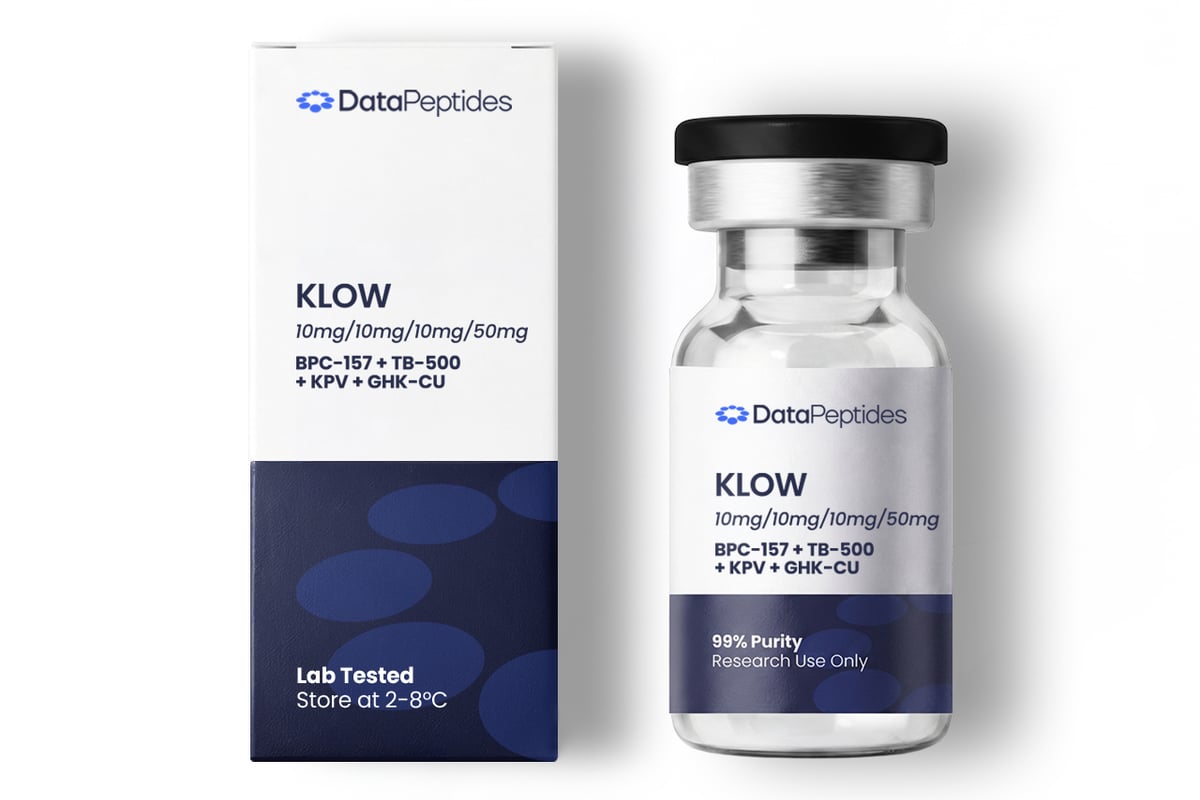
Several extreme peptides demonstrate remarkable potential in regenerative research applications. Multi-peptide blends that combine complementary mechanisms create synergistic effects that amplify individual compound benefits.
Research protocols examining tissue repair mechanisms frequently incorporate peptides with distinct but complementary functions. For laboratories investigating comprehensive regenerative pathways, formulations that combine tissue repair promotion, inflammation modulation, and cellular migration support provide valuable experimental models. These integrated approaches to healing and recovery enable researchers to examine how multiple biological pathways interact during regenerative processes.
| Research Application | Peptide Mechanisms | Primary Outcomes Measured |
|---|---|---|
| Tissue Regeneration | Growth factor stimulation, cellular migration | Healing rate, tissue quality |
| Inflammation Response | Immune modulation, cytokine regulation | Inflammatory markers, recovery time |
| Vascular Development | Angiogenesis promotion, endothelial function | Blood vessel formation, perfusion |
| Connective Tissue | Collagen synthesis, matrix remodeling | Structural integrity, tensile strength |
Metabolic Pathway Research
Extreme peptides targeting metabolic pathways represent a particularly dynamic area of investigation in 2026. Triple-agonist compounds engage multiple hormone receptors simultaneously, creating research opportunities to study interconnected metabolic processes.
These advanced compounds allow researchers to examine:
- Glucose metabolism regulation across multiple pathways
- Fat oxidation and energy utilization mechanisms
- Mitochondrial function and cellular respiration
- Hormonal signaling cascade interactions
- Appetite regulation and nutrient sensing
The complexity inherent in metabolic research with extreme peptides requires sophisticated experimental designs. Researchers must establish comprehensive monitoring protocols that track multiple biomarkers across extended observation periods. Understanding peptide applications in metabolic research provides context for designing rigorous experimental frameworks.
Experimental Design Considerations
Working with extreme peptides introduces unique variables that demand careful attention during experimental planning. The enhanced potency and complex mechanisms require researchers to adapt traditional methodologies to account for amplified effects and multi-system interactions.
Control Group Establishment
Proper control groups become increasingly critical when researching extreme peptides. The enhanced potency means that even minor variations in administration timing, environmental conditions, or baseline characteristics can produce measurable outcome differences.
Effective experimental designs typically incorporate:
- Negative controls receiving vehicle solution only
- Positive controls using established reference compounds
- Dose-response groups spanning multiple concentration levels
- Time-course analyses tracking effects across extended periods
- Washout phases assessing persistence of observed effects
Research institutions should establish standardized protocols for extreme peptide studies that ensure consistency across different investigators and experimental trials. These standardization efforts improve reproducibility and facilitate meaningful comparisons between studies.
Documentation and Data Management
The complexity of extreme peptide research generates substantial data requiring systematic organization and analysis. Comprehensive documentation should capture every aspect of experimental protocols, from initial compound reconstitution through final data analysis.
Modern research facilities employ electronic laboratory notebooks and database systems that:
- Track compound batch numbers and reconstitution dates
- Record precise dosing calculations and administration times
- Document environmental conditions during experiments
- Log observed effects and measurement data points
- Link analytical certificates to specific experimental trials
- Archive protocols for reproducibility verification
This systematic approach enables researchers to identify subtle patterns that might otherwise escape notice. When working with compounds characterized by extreme potency or complex mechanisms, detailed records become invaluable for troubleshooting unexpected results or refining experimental parameters.
Regulatory Landscape and Compliance
The regulatory environment surrounding extreme peptides continues to evolve as new compounds enter research settings and regulatory bodies update guidance documents. Research institutions must maintain awareness of current compliance requirements to ensure their investigations proceed within established frameworks.
Research-Only Designation
Clear designation of extreme peptides for laboratory research purposes only remains fundamental to regulatory compliance. These compounds are intended solely for controlled research environments and should never be diverted to human or animal consumption.
Research facilities must implement robust inventory controls that:
- Restrict access to authorized personnel only
- Maintain detailed usage logs for all compounds
- Require approval protocols for new research initiatives
- Establish disposal procedures for expired or contaminated materials
- Document compliance with institutional review board requirements
The regulatory considerations for peptide research emphasize the importance of maintaining clear boundaries between laboratory investigation and clinical application.
Institutional Oversight Requirements
Most research institutions require comprehensive oversight for extreme peptide research. Institutional review boards evaluate proposed research protocols to ensure they meet safety standards, scientific rigor criteria, and ethical guidelines.
Researchers working with extreme peptides should prepare detailed protocol submissions that address:
- Scientific rationale and research objectives
- Compound selection justification
- Safety protocols and risk mitigation strategies
- Data collection and analysis methodologies
- Expected outcomes and significance
- Personnel training and qualifications
This oversight process protects both researchers and institutions while promoting high-quality scientific investigation. Understanding what healthcare professionals emphasize about peptide safety can inform development of comprehensive research protocols.
Emerging Trends in Extreme Peptide Research
The field of extreme peptide research continues to advance rapidly, with new compounds and applications emerging throughout 2026. Several trends are shaping how laboratories approach these powerful research tools.
Blend Formulations and Synergistic Effects
Multi-component formulations represent a growing segment of extreme peptide research. These blends combine peptides with complementary mechanisms to create synergistic effects that exceed the sum of individual compounds.
Research advantages of blend formulations include:
- Ability to target multiple pathways simultaneously
- Reduced individual compound dosing through synergy
- More comprehensive biological responses
- Enhanced research models for complex conditions
- Simplified administration protocols
Laboratories investigating these blends must establish monitoring systems capable of tracking multiple biological markers concurrently. The complexity demands sophisticated analytical capabilities and comprehensive experimental designs.

Precision Dosing Technologies
Advances in precision administration systems have improved the accuracy and reproducibility of extreme peptide research. Microfluidic devices, automated dispensing systems, and programmable pumps enable researchers to achieve unprecedented dosing precision.
These technologies particularly benefit extreme peptide research where small variations in dosing can produce measurable outcome differences. Automated systems also reduce human error and improve consistency across experimental trials.
| Technology Category | Primary Application | Research Benefits |
|---|---|---|
| Microfluidic Devices | Ultra-precise volumetric delivery | Eliminates measurement variability |
| Programmable Pumps | Controlled-release administration | Mimics physiological patterns |
| Automated Dispensers | High-throughput screening | Increases experimental efficiency |
| Digital Monitoring | Real-time tracking systems | Enables immediate protocol adjustments |
Best Practices for Laboratory Teams
Successful extreme peptide research requires coordinated efforts across laboratory teams. Establishing clear protocols and communication systems ensures consistent, reproducible results.
Training and Competency Verification
Comprehensive training programs should precede any work with extreme peptides. All personnel handling these compounds must demonstrate competency in reconstitution techniques, aseptic handling, precise measurement, and safety protocols.
Effective training programs include:
- Theoretical instruction covering peptide biochemistry and mechanisms
- Hands-on practice with standard peptides before advancing to extreme variants
- Competency assessments requiring demonstrated proficiency
- Regular refresher training on updated protocols
- Documentation of training completion and competency verification
Research institutions should maintain training records as part of their quality management systems. This documentation demonstrates institutional commitment to research quality and safety standards.
Collaborative Protocol Development
Team-based protocol development leverages diverse expertise to create robust experimental designs. When multiple researchers contribute to protocol development, the resulting procedures typically account for more variables and potential challenges.
Collaborative approaches should incorporate input from:
- Principal investigators providing scientific direction
- Laboratory managers offering practical implementation insights
- Safety officers identifying potential hazards
- Data analysts suggesting optimal collection methodologies
- Regulatory compliance specialists ensuring adherence to requirements
This comprehensive approach produces protocols that balance scientific rigor with practical feasibility. The evidence-based approach to peptide safety demonstrates the value of systematic protocol development.
Advanced Storage and Stability Considerations
Extreme peptides often demonstrate unique stability profiles that demand specialized storage approaches. Understanding these characteristics enables researchers to maintain compound integrity throughout experimental timelines.
Lyophilized vs. Reconstituted Storage
Lyophilized peptides generally demonstrate superior long-term stability compared to reconstituted solutions. Most extreme peptides arrive in lyophilized form and should remain frozen at -20°C or colder until needed for research.
Once reconstituted, stability timelines vary significantly based on:
- Specific peptide structure and modifications
- Solvent composition and pH
- Storage temperature and light exposure
- Container material and seal integrity
- Frequency of access and potential contamination
Research facilities should establish stability testing protocols for each extreme peptide in their inventory. These assessments determine optimal storage conditions and maximum usable timeframes for reconstituted solutions.
Freeze-Thaw Cycle Management
Repeated freeze-thaw cycles can compromise peptide integrity, particularly with extreme variants featuring complex structural modifications. Best practices include:
- Aliquoting reconstituted solutions into single-use portions
- Maintaining frozen backup stocks of lyophilized material
- Implementing first-in-first-out inventory rotation
- Recording all temperature excursions in compound logs
- Conducting periodic purity verification for long-term stocks
These practices minimize degradation risks and ensure that research compounds maintain their specified characteristics throughout experimental timelines.
Quality Control and Verification Protocols
Ongoing quality verification ensures that extreme peptides maintain their specified characteristics throughout their use lifecycle. Research institutions should implement regular testing protocols that confirm compound integrity.
In-House Testing Capabilities
While third-party analytical certificates provide essential verification at purchase, in-house testing capabilities enable ongoing quality monitoring. Facilities conducting extensive extreme peptide research may benefit from establishing basic analytical capabilities.
Practical in-house testing options include:
- pH monitoring of reconstituted solutions
- Visual inspection for precipitation or discoloration
- Sterility testing for long-term stocks
- Concentration verification through UV spectroscopy
- Periodic submission to external laboratories for HPLC confirmation
These verification steps provide additional confidence in research compound quality and help identify potential degradation before it impacts experimental results. For comprehensive research programs, exploring available research peptides from verified suppliers establishes a foundation of quality.
Extreme peptides represent powerful tools for advancing laboratory research across multiple disciplines, from regenerative studies to metabolic pathway investigation. Success in this demanding field requires meticulous attention to sourcing standards, rigorous safety protocols, and comprehensive experimental design. Research institutions must prioritize purity verification, proper handling procedures, and detailed documentation to ensure reproducible, meaningful results. Data Peptides provides laboratory-grade, US-manufactured research peptides with third-party batch testing for purity, supporting research teams who demand uncompromising quality standards for their most challenging investigations.