

Growth hormone-releasing peptides represent a significant area of peptide research, with ghrp 2 standing out as one of the most studied compounds in this category. This synthetic hexapeptide has attracted considerable attention from researchers investigating growth hormone secretion pathways and metabolic regulation. As a potent growth hormone secretagogue, ghrp 2 offers unique characteristics that distinguish it from other peptides in its class, making it a valuable tool for laboratory investigations into endocrine function and cellular signaling mechanisms.
Understanding GHRP-2 Structure and Classification
GHRP-2 belongs to the growth hormone-releasing peptide family, specifically designed to stimulate the release of growth hormone through distinct receptor-mediated pathways. The compound consists of six amino acids arranged in a specific sequence that enables it to bind effectively to ghrelin receptors, also known as growth hormone secretagogue receptors.
Molecular Characteristics
The hexapeptide structure of ghrp 2 provides several advantages for laboratory research. Its relatively small molecular weight allows for efficient synthesis and purification, while its stability profile makes it suitable for various experimental protocols. Research profiles compiled from peer-reviewed studies indicate that this peptide demonstrates consistent binding affinity across different experimental conditions.
Key molecular features include:
- Synthetic hexapeptide composition
- High receptor binding specificity
- Stable structure under standard laboratory conditions
- Predictable pharmacokinetic properties
Mechanism of Action and Receptor Interactions
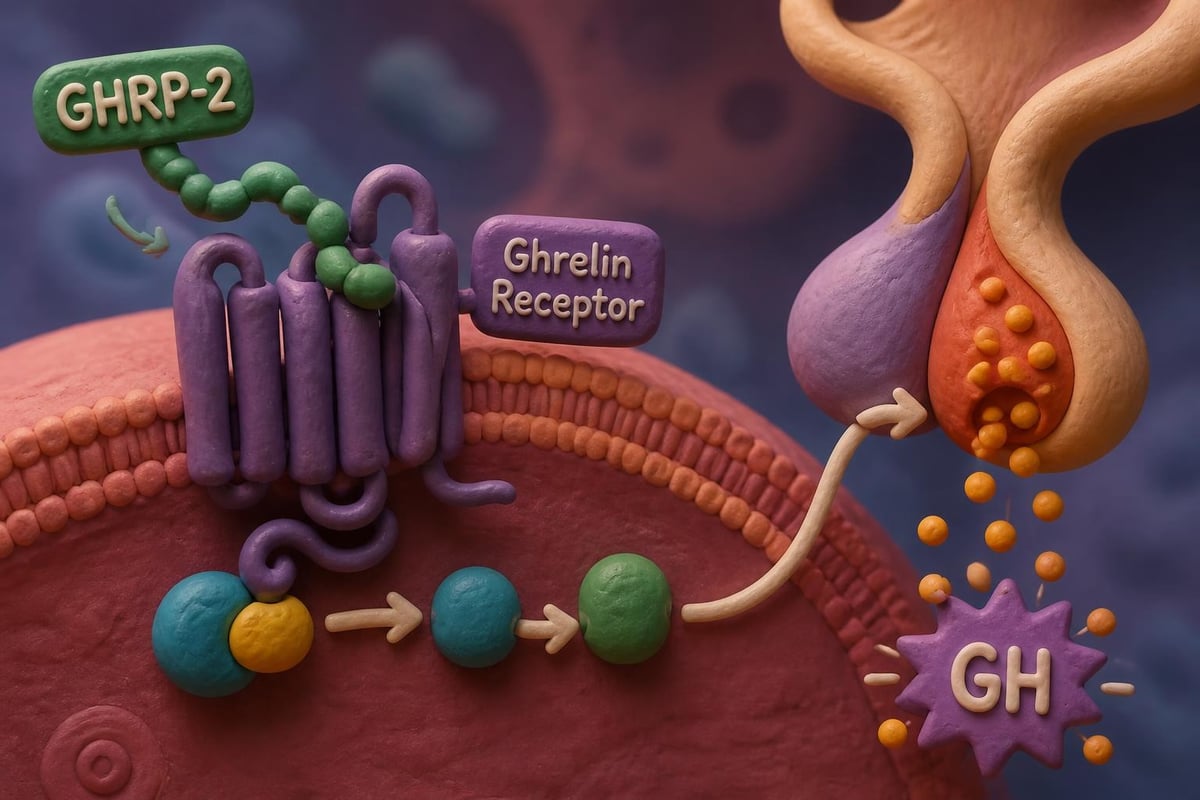
The primary mechanism through which ghrp 2 operates involves binding to ghrelin receptors located on somatotroph cells within the pituitary gland. This interaction initiates a cascade of intracellular signaling events that ultimately result in growth hormone secretion. Unlike growth hormone-releasing hormone (GHRH), which acts through different pathways, ghrp 2 provides researchers with an alternative approach to studying growth hormone regulation.
Receptor Binding Dynamics
When ghrp 2 binds to the growth hormone secretagogue receptor type 1a (GHS-R1a), it triggers a conformational change in the receptor structure. This activation leads to the stimulation of phospholipase C and subsequent increases in intracellular calcium concentrations. The elevated calcium levels then promote the fusion of growth hormone-containing vesicles with the cell membrane, facilitating hormone release into circulation.
| Receptor Property | GHRP-2 Characteristics |
|---|---|
| Binding Affinity | High (nanomolar range) |
| Receptor Type | GHS-R1a (Ghrelin receptor) |
| Signaling Pathway | Gq protein-coupled |
| Calcium Mobilization | Significant increase |
| Desensitization Rate | Moderate |
Research protocols often compare ghrp 2 with other secretagogues to understand differential effects on hormone release patterns. Studies examining its potency relative to GHRP-6 have revealed important distinctions in both efficacy and side effect profiles that inform experimental design decisions.
Laboratory Research Applications
Researchers utilize ghrp 2 across multiple investigative frameworks, from basic endocrine physiology to more complex metabolic studies. The peptide serves as a valuable tool for examining growth hormone pulsatility, receptor function, and downstream signaling cascades.
Endocrine Research Protocols
In endocrine research settings, ghrp 2 enables investigators to study growth hormone release mechanisms independently of natural physiological stimuli. This controlled approach allows for precise measurements of dose-response relationships and temporal dynamics of hormone secretion. Researchers can manipulate dosing variables to observe how different concentrations affect peak hormone levels and duration of effect.
Common research applications include:
- Growth hormone secretion pattern analysis
- Receptor desensitization studies
- Synergistic effects with GHRH analogs
- Age-related changes in secretagogue responsiveness
- Comparison studies with other growth hormone-releasing peptides
Metabolic Investigation Frameworks
Beyond direct endocrine effects, ghrp 2 research extends into metabolic regulation studies. The peptide's influence on growth hormone levels provides a model for investigating how this hormone affects various metabolic parameters, including lipid metabolism, glucose regulation, and protein synthesis pathways.
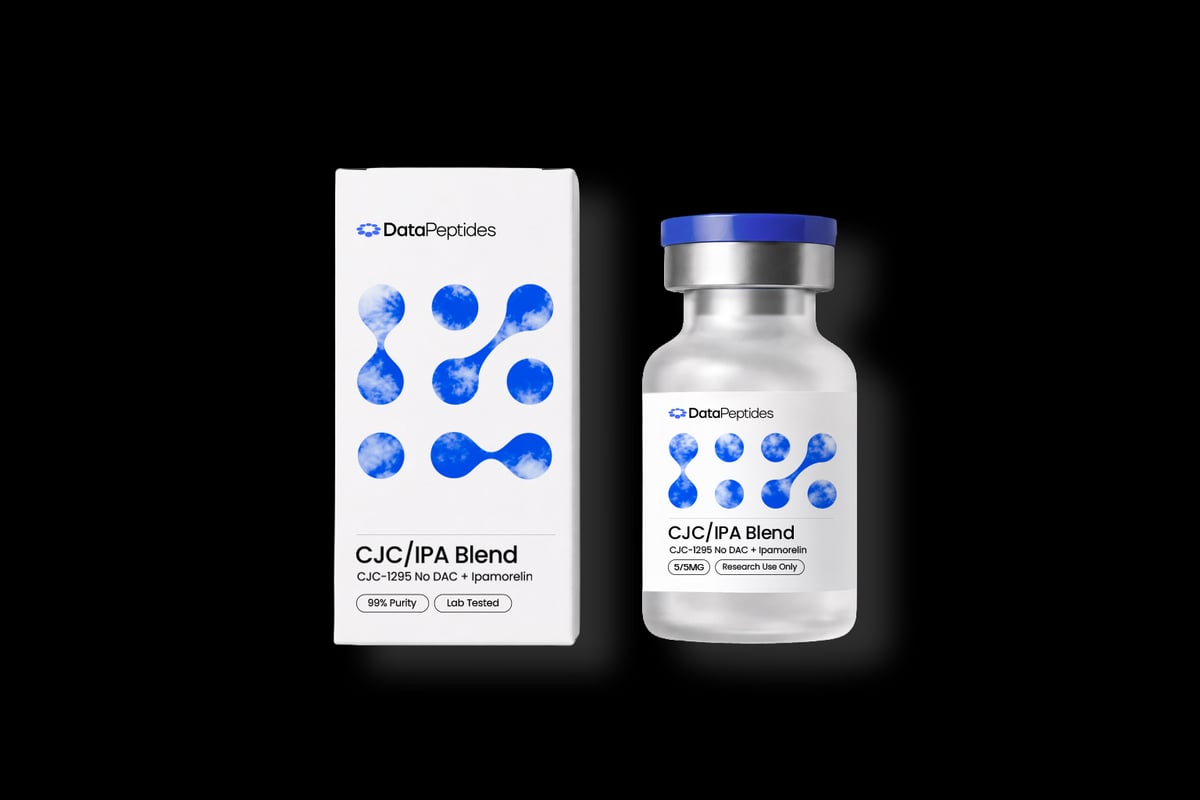
For researchers working with peptide combinations, understanding how ghrp 2 interacts with other compounds becomes essential. Data Peptides offers formulations that support comprehensive research protocols, with CJC / IPA Blend providing researchers with synergistic growth hormone secretagogue combinations that can be compared against single-peptide protocols.
Dosing Protocols and Experimental Design
Establishing appropriate dosing parameters represents a critical component of any ghrp 2 research protocol. Dosing protocols documented in clinical references typically range from 100 to 300 micrograms per administration in research settings, though specific doses vary based on research objectives and model systems.
Dose-Response Considerations
The relationship between ghrp 2 dose and growth hormone response follows a generally predictable pattern, though with important nuances. Lower doses may produce submaximal responses, while doses exceeding certain thresholds may not proportionally increase hormone secretion due to receptor saturation effects.
| Dose Range (mcg) | Typical Response | Research Applications |
|---|---|---|
| 50-100 | Moderate GH release | Baseline sensitivity studies |
| 100-200 | Robust GH response | Standard protocols |
| 200-300 | Maximal response | Ceiling effect determination |
| >300 | Plateau with increased duration | Receptor saturation studies |
Timing considerations also play an important role in experimental design. Administration frequency affects receptor sensitivity, and researchers must account for potential desensitization with repeated dosing. Many protocols incorporate intervals of 3-4 hours between administrations to maintain receptor responsiveness.

Comparative Analysis with Other Growth Hormone Secretagogues
Understanding how ghrp 2 compares to other compounds in its class helps researchers select the most appropriate tool for specific investigations. GHRP-6, GHRP-1, ipamorelin, and hexarelin each possess distinct characteristics that may make them more or less suitable for particular research questions.
GHRP-2 Versus GHRP-6
While both peptides share structural similarities, ghrp 2 demonstrates less pronounced effects on appetite stimulation compared to GHRP-6. This distinction makes ghrp 2 preferable for studies where appetite-related confounding variables need to be minimized. Comparative analyses suggest that ghrp 2 produces slightly higher peak growth hormone levels with reduced ghrelin-mediated hunger signals.
Selectivity and Specificity Profiles
The selectivity of ghrp 2 for growth hormone secretagogue receptors versus other related receptors influences its utility in targeted research applications. Unlike some analogs that may exhibit broader receptor interactions, ghrp 2 maintains relatively specific binding to GHS-R1a, reducing potential off-target effects in experimental systems.
Comparative characteristics:
- Higher potency than GHRP-1
- Lower appetite stimulation than GHRP-6
- More predictable response curve than hexarelin
- Less receptor-selective than ipamorelin
- Moderate duration of action
Safety Considerations in Laboratory Settings
When working with ghrp 2 in research environments, proper handling protocols and safety measures ensure both personnel protection and experimental integrity. As with all research peptides, ghrp 2 is intended exclusively for laboratory use and should never be used for human or animal consumption outside approved research contexts.
Handling and Storage Requirements
Proper storage maintains ghrp 2 stability and ensures consistent experimental results. Lyophilized peptide should be stored at temperatures between -20°C and -80°C, protected from light and moisture. Once reconstituted, solutions typically maintain stability for several weeks when refrigerated at 2-8°C, though specific stability data should be verified for each batch.
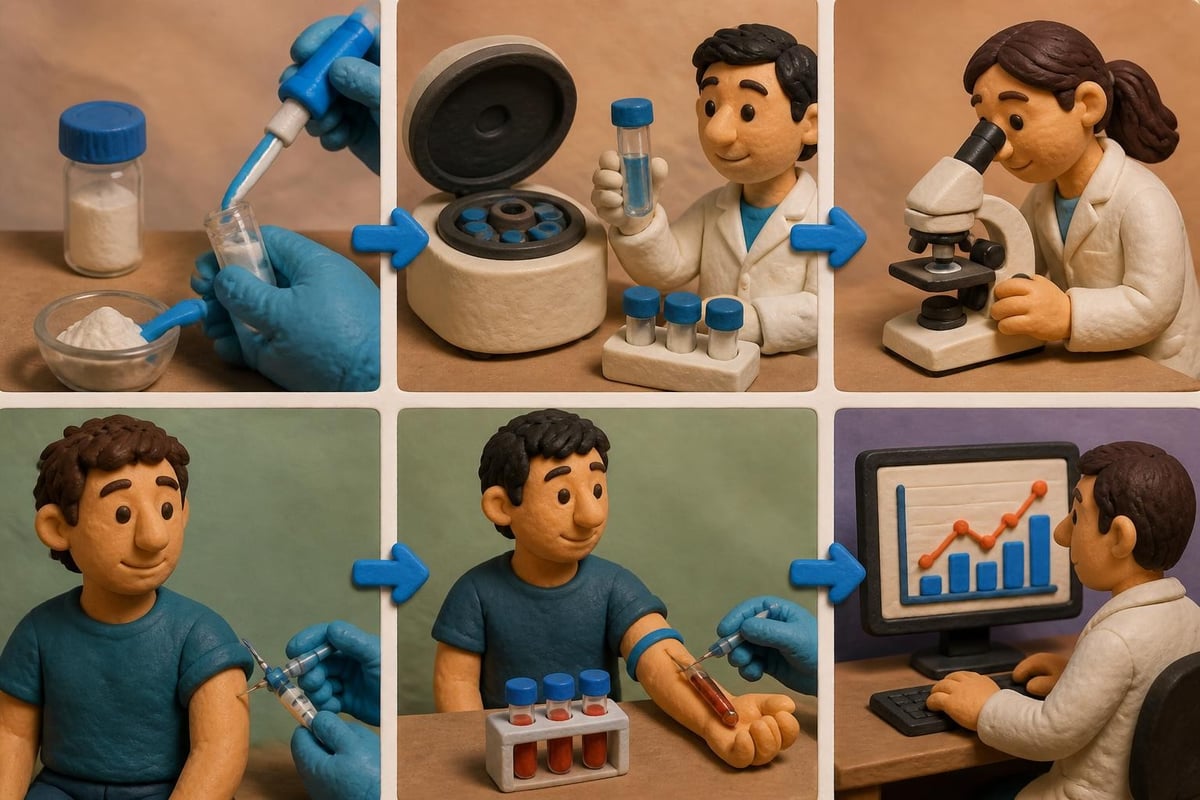
Research facilities must implement appropriate documentation systems to track peptide inventory, reconstitution dates, and usage patterns. This record-keeping supports reproducibility and helps identify any storage-related degradation issues that might affect experimental outcomes.
Analytical Considerations and Quality Verification
The reliability of ghrp 2 research depends heavily on peptide purity and authenticity. Evidence-based assessments of peptide quality emphasize the importance of third-party verification through analytical methods such as high-performance liquid chromatography (HPLC) and mass spectrometry.
Purity Standards and Testing
Research-grade ghrp 2 should meet minimum purity thresholds, typically ≥98% by HPLC analysis. Impurities or degradation products can significantly affect experimental outcomes by altering receptor binding characteristics or introducing confounding biological activities. Certificates of analysis (COAs) provide essential documentation of peptide quality and should accompany each batch.
Critical quality parameters include:
- Purity percentage (HPLC verification)
- Molecular weight confirmation (mass spectrometry)
- Amino acid sequence verification
- Endotoxin levels (for cell culture applications)
- Sterility testing (where applicable)
Researchers should obtain peptides from suppliers who implement rigorous quality control measures and provide comprehensive analytical documentation. For those seeking laboratory-grade research peptides, selecting suppliers with transparent testing protocols ensures experimental validity.
Research Documentation and Reproducibility
Effective documentation of ghrp 2 research protocols supports reproducibility and facilitates comparison across studies. Detailed records should include specific information about peptide source, batch numbers, storage conditions, reconstitution methods, and administration parameters.
Protocol Standardization Elements
Standardized protocols help minimize variability between experiments and across different research facilities. When publishing or sharing research findings, comprehensive methodological descriptions enable other investigators to replicate conditions and verify results.
Key documentation components include:
| Protocol Element | Required Details |
|---|---|
| Peptide Source | Manufacturer, batch number, purity |
| Storage | Temperature, duration, container type |
| Reconstitution | Solvent type, concentration, technique |
| Administration | Route, timing, dose, frequency |
| Measurements | Sampling times, assay methods, controls |
Safety and dosing context information guides researchers in developing appropriate experimental frameworks that balance scientific objectives with methodological rigor.
Regulatory and Compliance Frameworks
Research involving ghrp 2 must comply with applicable regulations governing peptide use in laboratory settings. In the United States, research peptides fall under various regulatory frameworks depending on the specific application and institutional setting.
Institutional Guidelines
Most research institutions require peptide protocols to undergo review by appropriate committees, particularly when involving animal models. Investigators must demonstrate that their experimental designs adhere to ethical standards and scientific best practices. Documentation of peptide sourcing, handling procedures, and disposal methods typically forms part of these compliance requirements.
Legal status and regulatory considerations vary by jurisdiction and application, making it essential for researchers to verify current regulations applicable to their specific circumstances.
Advanced Research Applications
Beyond fundamental endocrine studies, ghrp 2 research extends into more specialized investigative areas. These advanced applications leverage the peptide's unique characteristics to explore complex physiological questions.
Combination Research Protocols
Researchers frequently combine ghrp 2 with other peptides or compounds to investigate synergistic effects or compare mechanistic pathways. Combining ghrp 2 with GHRH analogs, for instance, can produce supra-additive growth hormone responses through complementary receptor pathways. These combination studies provide insights into how different signaling mechanisms interact and influence overall hormonal output.
Studies examining tissue-specific effects have revealed that growth hormone released in response to ghrp 2 administration may produce different downstream effects compared to endogenous secretion patterns. This distinction opens research avenues into pulsatile versus continuous hormone exposure and their differential impacts on target tissues.
Metabolic Marker Investigations
The metabolic consequences of growth hormone secretion stimulated by ghrp 2 represent another active research area. Investigators examine how acute or chronic peptide administration affects markers such as insulin-like growth factor-1 (IGF-1), glucose tolerance, lipid profiles, and body composition parameters. Understanding these relationships helps clarify growth hormone's role in metabolic regulation.
Technical Considerations for Optimal Results
Achieving consistent, high-quality results with ghrp 2 research requires attention to numerous technical details. From reconstitution techniques to administration methods, each procedural element can influence experimental outcomes.
Reconstitution Best Practices
Proper reconstitution preserves peptide integrity and ensures accurate dosing. Bacteriostatic water or sterile saline serves as the typical reconstitution vehicle, with the choice depending on storage duration and experimental requirements. Gentle mixing techniques prevent peptide degradation, as vigorous shaking can damage the delicate molecular structure.
Reconstitution guidelines:
- Use appropriate sterile diluent
- Calculate concentration carefully
- Mix gently by swirling, not shaking
- Allow complete dissolution before use
- Verify clarity of final solution
- Document reconstitution date and concentration
Researchers can access resources such as the peptide calculator to ensure accurate concentration calculations for their specific experimental needs.
Emerging Research Directions
The field of ghrp 2 research continues to evolve, with investigators exploring novel applications and refining understanding of existing mechanisms. Comprehensive overviews of current research trends highlight several promising directions for future investigation.
Receptor Subtype Investigations
Recent research has revealed potential complexity in growth hormone secretagogue receptor subtypes and splice variants. Understanding how ghrp 2 interacts with different receptor isoforms may explain variability in responses observed across different tissue types or experimental models. This line of investigation could lead to more refined research applications targeting specific receptor populations.
Temporal Pattern Analysis
Advanced analytical approaches now enable researchers to examine fine temporal details of growth hormone release patterns following ghrp 2 administration. High-frequency sampling protocols reveal pulsatile characteristics that may have important biological implications. These detailed kinetic studies contribute to understanding how secretion patterns influence downstream physiological effects.
Practical Implementation Strategies
Successfully incorporating ghrp 2 into research protocols requires careful planning and systematic implementation. Researchers should consider multiple factors when designing experiments involving this peptide.
Experimental Design Framework
A well-structured experimental design accounts for variables that might influence results, including subject characteristics, timing of administration relative to other factors, environmental conditions, and measurement methodologies. Control groups and appropriate statistical power calculations ensure that findings reach meaningful conclusions.
Pilot studies help optimize protocols before committing to larger experiments. Small-scale preliminary work identifies potential issues with dosing, timing, or measurement approaches, allowing refinement before full implementation. This iterative approach improves overall research efficiency and data quality.
For researchers requiring additional guidance on experimental design or peptide selection, Data Peptides support resources provide valuable information on research applications and technical considerations.
Integration with Broader Research Programs
GHRP-2 research rarely exists in isolation but typically forms part of larger investigative programs examining endocrine function, metabolic regulation, or therapeutic development. Understanding how ghrp 2 studies fit within broader research contexts helps maximize their scientific value.
Cross-Disciplinary Applications
The versatility of ghrp 2 as a research tool enables its use across multiple scientific disciplines. Endocrinologists, metabolic researchers, physiologists, and pharmaceutical scientists all employ this peptide in their investigations, each bringing unique perspectives and methodological approaches. This cross-disciplinary interest has generated a rich body of literature from diverse angles, enhancing overall understanding of growth hormone regulation and function.
Collaborative research approaches that combine expertise from different fields often yield particularly insightful findings. For instance, combining molecular biology techniques with physiological measurements provides both mechanistic and functional perspectives on ghrp 2 effects.
GHRP-2 represents a valuable tool for researchers investigating growth hormone regulation, receptor signaling, and metabolic pathways. Its well-characterized mechanism of action, predictable dose-response relationships, and extensive research history make it suitable for diverse laboratory applications. For investigators seeking high-quality, third-party tested research peptides to support their scientific work, Data Peptides provides US-manufactured, laboratory-grade compounds with comprehensive analytical documentation to ensure experimental validity and reproducibility.