

Growth hormone optimization has become a focal point in biomedical research, particularly through the study of peptides that stimulate the body's natural production mechanisms. HGH peptide therapy represents an alternative approach to direct hormone administration, utilizing specific amino acid sequences to trigger endogenous growth hormone release. These research compounds interact with the hypothalamic-pituitary axis through distinct receptor pathways, offering researchers a window into the complex regulation of human growth hormone. Understanding the mechanisms, applications, and current scientific evidence surrounding these peptides is essential for laboratories conducting metabolic, regenerative, and aging-related studies.
Understanding Growth Hormone Secretagogues
Growth hormone secretagogues (GHS) are compounds that stimulate the release of growth hormone from the pituitary gland without directly introducing exogenous hormone into the system. Unlike synthetic human growth hormone (HGH), which bypasses natural regulatory mechanisms, secretagogues work within the body's existing feedback loops to promote pulsatile GH release.
The Distinction Between Direct HGH and Peptide Approaches
Direct HGH administration involves injecting recombinant human growth hormone, which immediately raises circulating GH levels. This method bypasses the natural regulatory system and can suppress endogenous production through negative feedback inhibition. In contrast, hgh peptide therapy utilizes compounds that signal the pituitary to increase its own hormone production, maintaining the physiological patterns of GH secretion.
Key differences include:
- Regulatory preservation: Peptides maintain natural feedback mechanisms
- Pulsatile release: GH is secreted in waves rather than constant elevation
- Endogenous production: The body's own hormone synthesis remains active
- Receptor specificity: Different peptides target distinct pathways
Research published in studies on growth hormone-releasing peptides demonstrates how these compounds elicit GH responses in controlled laboratory settings, providing valuable data on dosing patterns and response kinetics.
Primary Categories of HGH Peptides
The landscape of growth hormone-related peptides encompasses several distinct chemical families, each with unique mechanisms and receptor targets.
GHRH Analogs and Their Mechanisms
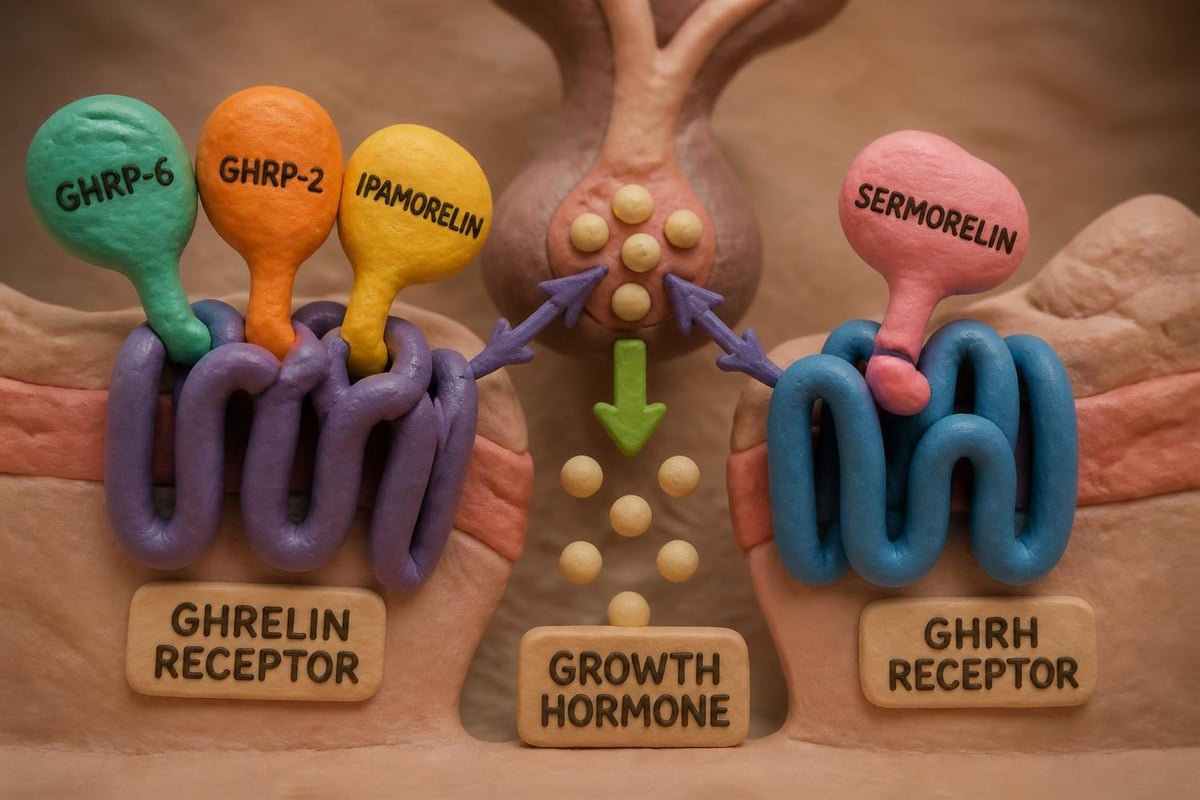
Growth hormone-releasing hormone (GHRH) analogs represent the first major category. Sermorelin, the most studied compound in this class, consists of the first 29 amino acids of naturally occurring GHRH. This peptide binds to GHRH receptors on somatotroph cells in the anterior pituitary, triggering a cascade of intracellular signaling that results in GH synthesis and release.
CJC-1295 represents a modified GHRH analog with extended half-life characteristics. The original formulation included Drug Affinity Complex (DAC), which binds to serum albumin and prolongs the compound's activity. A modified version without DAC (CJC-1295 No DAC) offers shorter duration effects more suitable for pulsatile dosing protocols. The Peptide Association’s guide on sermorelin provides comprehensive information on dosing protocols and safety considerations for GHRH-based compounds.
| GHRH Analog | Structure | Half-Life | Primary Mechanism |
|---|---|---|---|
| Sermorelin | 29 amino acids | 8-12 minutes | Direct GHRH receptor activation |
| CJC-1295 (with DAC) | Modified GHRH + DAC | 6-8 days | Extended GHRH receptor stimulation |
| CJC-1295 (No DAC) | Modified GHRH | 30 minutes | Pulsatile GHRH receptor activation |
GHRP Family and Ghrelin Mimetics
Growth hormone-releasing peptides (GHRPs) constitute the second major category, functioning through a different receptor system than GHRH analogs. These compounds bind to the ghrelin receptor (growth hormone secretagogue receptor 1a, or GHS-R1a), located both in the pituitary and hypothalamus.
Common GHRP compounds include:
- GHRP-6: First-generation secretagogue with strong GH release but significant appetite stimulation
- GHRP-2: Improved potency with reduced hunger effects compared to GHRP-6
- Hexarelin: Highly potent but associated with desensitization concerns in extended protocols
- Ipamorelin: Selective GH release without elevating cortisol or prolactin
The selectivity profile of ipamorelin makes it particularly valuable in research settings where confounding hormonal changes would complicate experimental interpretation. When combined with GHRH analogs like CJC-1295, researchers can stimulate GH release through complementary pathways for amplified responses.
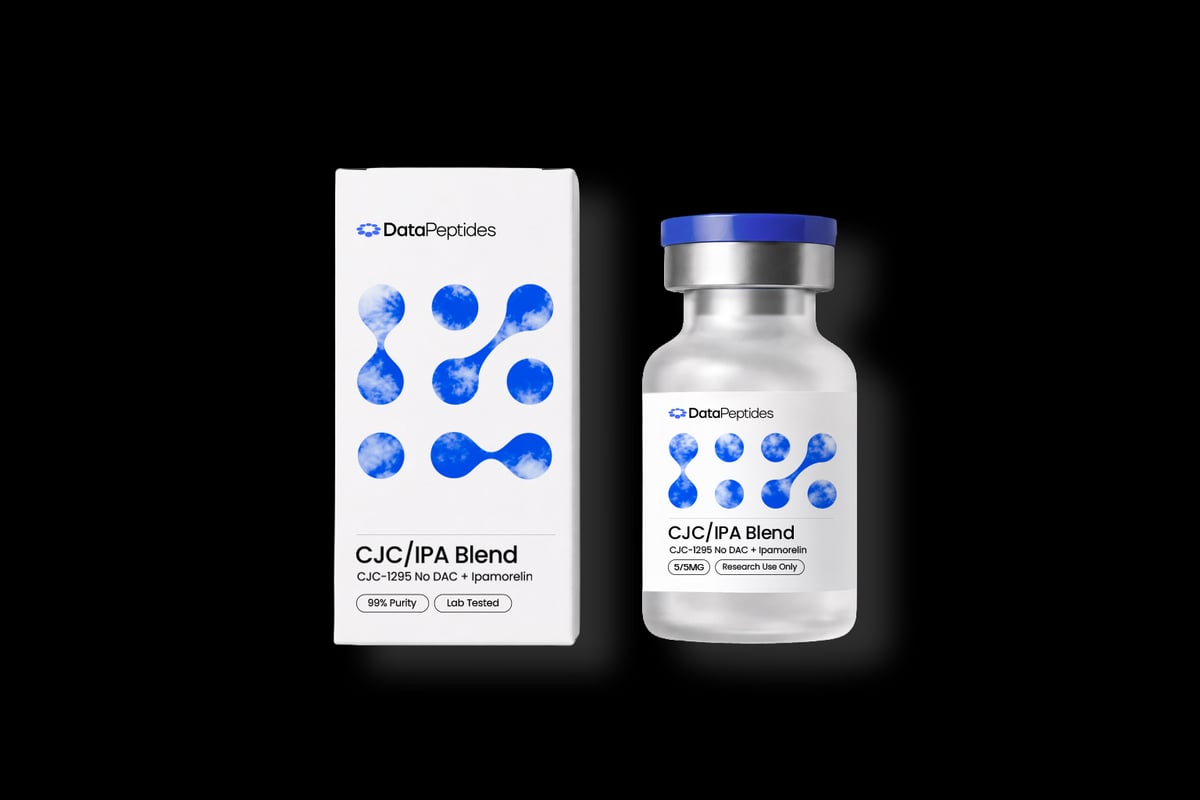
For laboratories investigating synergistic peptide combinations, the CJC / IPA Blend offers a pre-formulated ratio designed to maximize growth hormone secretion through dual-pathway activation.
Mechanisms of Action in Laboratory Models
Understanding how hgh peptide therapy compounds function at the cellular and molecular level provides essential context for experimental design and interpretation.
Receptor Binding and Signal Transduction
When GHRH or its analogs bind to GHRH receptors on pituitary somatotrophs, they activate G-protein coupled receptors (GPCRs) that stimulate adenylyl cyclase. This enzyme converts ATP to cyclic AMP (cAMP), a second messenger that activates protein kinase A (PKA). PKA then phosphorylates transcription factors that promote growth hormone gene expression and trigger the release of stored GH from secretory granules.
GHRPs operate through a parallel but distinct pathway. Binding to the ghrelin receptor activates a different subset of G-proteins, leading to increased intracellular calcium mobilization and activation of protein kinase C (PKC). This dual-pathway approach explains why combining GHRH analogs with GHRPs produces synergistic rather than merely additive effects.
Pulsatile Versus Sustained Release Patterns
Natural GH secretion follows a pulsatile pattern with distinct peaks occurring primarily during deep sleep. This rhythmic release is crucial for optimal receptor sensitivity and downstream effects. Laboratory studies examining hgh peptide therapy demonstrate that maintaining pulsatile patterns prevents receptor downregulation that can occur with continuous hormone exposure.
The timing and frequency of peptide administration in research protocols significantly impacts observed outcomes:
- Single daily dosing: Typically administered before sleep to align with natural GH peaks
- Multiple daily doses: Two to three administrations to create additional pulses
- Cycling protocols: Periods of administration followed by rest intervals to maintain sensitivity
Recent evidence on peptide HGH compiled through 2026 demonstrates the importance of protocol design in achieving consistent experimental results.

Research Applications and Study Models
The application of hgh peptide therapy in laboratory research spans multiple domains, from basic endocrinology to translational aging studies.
Metabolic Research Frameworks
Growth hormone plays a central role in metabolic regulation, influencing glucose metabolism, lipolysis, protein synthesis, and mineral homeostasis. Researchers utilize GH-stimulating peptides to investigate:
- Substrate utilization: How GH elevation affects the balance between carbohydrate and fat oxidation
- Insulin sensitivity: The complex relationship between GH and insulin signaling pathways
- Body composition: Changes in lean mass versus adipose tissue distribution
- Energy expenditure: Thermogenic effects and resting metabolic rate modulation
Laboratory models examining these parameters typically employ controlled nutritional protocols alongside peptide administration to isolate specific metabolic effects. The safety and efficacy profile of growth hormone secretagogues has been extensively characterized in research settings, providing guidance for appropriate dosing ranges and monitoring parameters.
Regenerative and Recovery Studies
Growth hormone's anabolic effects extend to tissue repair and regeneration, making GH-stimulating peptides relevant for studies investigating wound healing, muscle recovery, and connective tissue adaptation. Research protocols often combine these compounds with other peptides known for tissue-specific effects.
| Research Focus | Primary Outcomes | Common Biomarkers |
|---|---|---|
| Muscle protein synthesis | Nitrogen retention, lean mass accretion | IGF-1, IGFBP-3, muscle biopsy analysis |
| Bone density | Mineral deposition, remodeling markers | Osteocalcin, CTX, DEXA measurements |
| Tendon/ligament healing | Collagen synthesis, tensile strength | Procollagen peptides, MRI analysis |
| Skin structure | Elasticity, thickness, hydration | Dermal collagen density, transepidermal water loss |
The indirect effects of GH through IGF-1 (insulin-like growth factor-1) production in the liver represent a critical component of these regenerative processes. Most tissue-level effects attributed to growth hormone are actually mediated through IGF-1 binding to its cognate receptors in target tissues.
Safety Considerations and Contraindications in Research
Responsible laboratory research with hgh peptide therapy requires careful attention to safety parameters and potential contraindications that would exclude certain experimental models.
Monitoring Parameters
Comprehensive research protocols include regular assessment of multiple biomarkers to track both desired effects and potential adverse changes:
- Hormonal panel: GH, IGF-1, IGFBP-3, thyroid function, cortisol
- Metabolic markers: Fasting glucose, insulin, HbA1c, lipid panel
- Hematological values: Complete blood count, inflammatory markers
- Organ function: Liver enzymes, kidney function tests
Elevated IGF-1 levels represent the primary indicator of effective GH stimulation, but researchers must interpret values in context of age-specific reference ranges and individual baseline measurements.
Experimental Exclusions
Certain conditions would typically exclude subjects from studies involving growth hormone elevation:
- Active malignancy or cancer history: GH and IGF-1 may stimulate proliferation
- Uncontrolled diabetes: Potential for glucose dysregulation
- Severe cardiovascular disease: Fluid retention and metabolic effects
- Intracranial lesions or pressure: Risk of space-occupying effects
Understanding these contraindications helps researchers design appropriate inclusion criteria and interpret results within proper safety boundaries.
Regulatory Status and Research Applications
The regulatory landscape surrounding hgh peptide therapy compounds varies significantly based on jurisdiction and intended use. In the United States, these peptides fall under complex regulatory frameworks that distinguish between approved medications, research chemicals, and controlled substances.
Current Classification Framework
As of 2026, most GH secretagogues exist in a regulatory gray area. Sermorelin previously held FDA approval for specific indications but was discontinued by its manufacturer. Other compounds like ipamorelin, CJC-1295, and various GHRPs have never received FDA approval for human therapeutic use.
Regulatory categories relevant to peptide research:
- FDA-approved medications: Limited to specific formulations and indications
- Investigational compounds: Require IND applications for clinical research
- Research chemicals: Sold exclusively for laboratory use, not for human consumption
- Compounded preparations: Subject to state pharmacy board regulations
The evolving definition of HGH peptides reflects this complex regulatory environment, where terminology varies based on legal context versus scientific classification.
Data Peptides supplies laboratory-grade, US-manufactured research peptides that fall squarely within the research chemical category. All compounds are third-party batch tested for purity and intended solely for in vitro studies and laboratory research applications, not for human or animal consumption.
Academic and Clinical Research Protocols
Institutions conducting formal research with these compounds must navigate Institutional Review Board (IRB) approval processes, informed consent procedures, and strict documentation requirements. Laboratory research not involving human subjects follows different pathways but still requires appropriate safety protocols and quality control measures.
The distinction between research-grade peptides and pharmaceutical-grade preparations centers on manufacturing standards, purity specifications, testing protocols, and quality documentation. Research applications demand high purity (typically >98%) and accurate characterization but follow different regulatory pathways than clinical-grade materials.
Dosing Strategies in Experimental Protocols
Effective research design with hgh peptide therapy requires understanding optimal dosing ranges, timing considerations, and combination strategies.
Single Compound Protocols
When studying individual peptides, researchers typically follow established dosing frameworks derived from preliminary pharmacokinetic and pharmacodynamic studies:
| Peptide | Typical Research Dose | Frequency | Optimal Timing |
|---|---|---|---|
| Sermorelin | 200-500 mcg | Once daily | Before sleep |
| CJC-1295 (No DAC) | 100-200 mcg | 1-3 times daily | Before meals or sleep |
| Ipamorelin | 200-300 mcg | 2-3 times daily | Morning, post-workout, sleep |
| GHRP-2 | 100-200 mcg | 2-3 times daily | Before meals |
| GHRP-6 | 100-200 mcg | 2-3 times daily | Before meals |
These ranges provide starting points for experimental design, with specific protocols adjusted based on research objectives, subject characteristics, and measured outcomes. The relatively short half-lives of most peptides necessitate frequent dosing to maintain elevated GH levels throughout experimental periods.
Combination Approaches
Synergistic protocols combining GHRH analogs with GHRPs have become standard in many research settings due to their amplified effects on GH release. A typical combination might pair:
- CJC-1295 (No DAC) + Ipamorelin: Complementary receptor activation for enhanced pulsatile release
- Sermorelin + GHRP-2: Traditional combination with well-documented response profiles
- Modified GHRH + Hexarelin: Potent stimulation for acute response studies
The synergy arises from simultaneous activation of distinct receptor pathways, with GHRH analogs directly stimulating somatotrophs while GHRPs both stimulate GH release and suppress somatostatin (the hormone that inhibits GH secretion).
Researchers exploring multi-peptide protocols may also incorporate compounds targeting different physiological systems. For instance, comprehensive resources on laboratory research peptides include blends designed for synergistic tissue repair mechanisms alongside metabolic support.
Measurement and Assessment Protocols
Quantifying the effects of hgh peptide therapy in research settings requires sophisticated measurement techniques and appropriate biomarkers.
Direct Growth Hormone Measurement
Measuring GH levels directly presents significant challenges due to the hormone's pulsatile secretion pattern. A single blood draw may capture a peak, trough, or intermediate value, making interpretation difficult. Research protocols employ several strategies to address this variability:
- Serial sampling: Multiple measurements over 24 hours to capture secretion patterns
- Stimulation testing: Baseline measurement followed by peptide administration and timed post-dose samples
- Integrated concentrations: Mathematical modeling of multiple time points to estimate total GH exposure
- Nocturnal sampling: Focused measurement during peak physiological release periods
The short half-life of GH in circulation (approximately 20 minutes) means levels can change dramatically within an hour, requiring precise timing of sample collection relative to peptide administration.
IGF-1 as a Surrogate Marker
Due to the challenges of direct GH measurement, many research protocols rely on IGF-1 levels as a more stable indicator of overall GH activity. IGF-1 has a half-life of approximately 12-15 hours and remains relatively stable throughout the day, making single measurements more representative of chronic GH status.
Advantages of IGF-1 measurement:
- Stable circulating levels allow single-sample assessment
- Strong correlation with integrated GH exposure over time
- Standardized assays with established reference ranges
- Direct reflection of GH's primary anabolic mediator
Limitations to consider:
- Influenced by nutritional status, liver function, and age
- May not capture acute GH fluctuations
- Can be suppressed by caloric restriction independent of GH levels
Comprehensive research protocols often measure both GH (through serial sampling) and IGF-1 (single or periodic measurements) to fully characterize the hormonal response to peptide interventions.
Comparing Peptide Therapy to Alternative Approaches
Understanding hgh peptide therapy requires context within the broader landscape of growth hormone modulation strategies.
Peptides Versus Direct HGH Administration
The most direct comparison involves peptide secretagogues versus recombinant human growth hormone. While both elevate circulating GH and IGF-1, they differ substantially in mechanism, regulation, and practical considerations:
Peptide secretagogue advantages:
- Maintain natural pulsatile secretion patterns
- Preserve endogenous hormone production capacity
- Lower risk of receptor desensitization
- Generally more favorable regulatory status in research contexts
Direct HGH advantages:
- Precise dosing control and predictable pharmacokinetics
- Effective even in subjects with impaired pituitary function
- Extensive clinical data and established safety profiles
- No reliance on remaining GH-producing capacity
Research by experts in HGH therapy protocols highlights how therapeutic decision-making balances these factors based on individual circumstances and specific objectives.
Natural Enhancement Strategies
Laboratory research also examines non-pharmaceutical approaches to optimizing endogenous GH secretion:
- Sleep optimization: Deep sleep represents the primary physiological trigger for GH release
- Exercise protocols: High-intensity interval training and resistance exercise stimulate acute GH peaks
- Nutritional timing: Fasting and low-carbohydrate states promote GH elevation
- Amino acid supplementation: Specific amino acids like arginine and ornithine may support GH release
These natural approaches provide valuable experimental controls and help researchers understand the full context of GH regulation. Combining lifestyle optimization with hgh peptide therapy often produces results superior to either intervention alone.
Future Directions and Emerging Research
The field of growth hormone research continues to evolve, with new compounds, delivery methods, and applications emerging regularly.
Novel Peptide Development
Ongoing peptide chemistry research focuses on developing compounds with improved properties:
- Enhanced selectivity: Targeting GH release while minimizing effects on cortisol, prolactin, and appetite
- Optimized pharmacokinetics: Balancing half-life for convenient dosing with natural pulsatility
- Oral bioavailability: Developing peptide modifications or delivery systems that survive digestive processes
- Tissue-specific targeting: Compounds that preferentially activate GH pathways in specific organs
Current research-grade peptides represent decades of development, but significant room for improvement remains in optimizing both efficacy and practical application characteristics.
Integration with Other Therapeutic Modalities
Contemporary research increasingly examines how hgh peptide therapy compounds interact with other interventions:
- Metabolic peptides: Combining GH secretagogues with compounds targeting insulin sensitivity or mitochondrial function
- Regenerative peptides: Pairing GH stimulation with tissue-specific healing factors for synergistic repair
- Anti-aging protocols: Multi-faceted approaches addressing cellular senescence, oxidative stress, and hormonal optimization
- Performance enhancement studies: Understanding how GH elevation affects adaptation to training stimuli
The detailed molecular data on HGH and related compounds provides researchers with the information needed to design sophisticated multi-intervention protocols.
Quality and Purity Considerations
The integrity of research findings depends fundamentally on the quality of peptide compounds used in experimental protocols.
Manufacturing Standards
Laboratory-grade peptides should meet stringent purity specifications to ensure experimental validity:
- Synthesis method: Solid-phase peptide synthesis (SPPS) remains the gold standard for research peptides
- Purification: High-performance liquid chromatography (HPLC) to remove synthesis byproducts and impurities
- Lyophilization: Proper freeze-drying processes to ensure stability and accurate reconstitution
- Storage conditions: Appropriate temperature control throughout the supply chain
Third-party testing represents the verification step that distinguishes research-grade materials from compounds of uncertain quality. Certificate of Analysis (COA) documents should accompany each batch, detailing purity percentage, peptide content, and contaminant screening results.
Reconstitution and Storage Protocols
Even high-purity peptides require proper handling to maintain integrity throughout experimental timelines:
Reconstitution best practices:
- Use bacteriostatic water or sterile saline as specified for each compound
- Add diluent slowly along vial wall to minimize foam formation
- Swirl gently rather than shaking to mix thoroughly
- Allow solution to reach room temperature before use
Storage recommendations:
- Lyophilized powder: -20°C freezer for long-term storage
- Reconstituted solution: 2-8°C refrigerator, use within 30 days
- Avoid repeated freeze-thaw cycles that degrade peptide structure
- Protect from light exposure that may affect some compounds
Attention to these technical details ensures that observed experimental results reflect true biological effects rather than artifacts of degraded or contaminated peptides.
HGH peptide therapy represents a sophisticated approach to studying growth hormone physiology through compounds that stimulate endogenous secretion rather than direct hormone replacement. The distinct mechanisms of GHRH analogs and GHRPs, their synergistic potential when combined, and their applications across metabolic, regenerative, and aging research continue to generate valuable scientific insights. For laboratories conducting rigorous studies in this domain, working with a supplier committed to quality and transparency is essential. Data Peptides provides US-manufactured, third-party tested research peptides designed exclusively for laboratory applications, ensuring researchers have access to the high-purity compounds necessary for reliable, reproducible experimental outcomes.