

Peptide bioregulators represent a specialized class of short-chain amino acid sequences that have attracted substantial interest in the scientific community for their tissue-specific regulatory properties. Unlike conventional peptides that primarily act as signaling molecules or structural components, bioregulators are characterized by their unique ability to interact with cellular DNA and influence gene expression patterns within specific organ systems. This emerging field of peptide research encompasses compounds that have been studied for their potential to modulate cellular function, support tissue homeostasis, and influence age-related changes at the molecular level.
Understanding Peptide Bioregulators and Their Mechanisms
Peptide bioregulators typically consist of 2-4 amino acids, making them among the shortest biologically active peptide sequences studied in laboratory settings. Their compact structure allows them to penetrate cell membranes more readily than larger peptide chains and interact with specific regions of DNA within the cell nucleus.
The foundational research into these compounds largely stems from work conducted by Russian scientists, particularly Vladimir Khavinson and his colleagues, who began investigating these molecules in the 1970s. Their research framework proposed that bioregulators work through tissue-specific signaling mechanisms, meaning that each bioregulator peptide exhibits preferential activity within particular organ systems or tissue types.
Molecular Interaction Pathways
The proposed mechanism of action for peptide bioregulators centers on their ability to bind to specific DNA sequences and modulate transcription processes. When a bioregulator enters a cell, it travels to the nucleus where it can interact with chromatin structures, potentially influencing which genes are activated or suppressed.
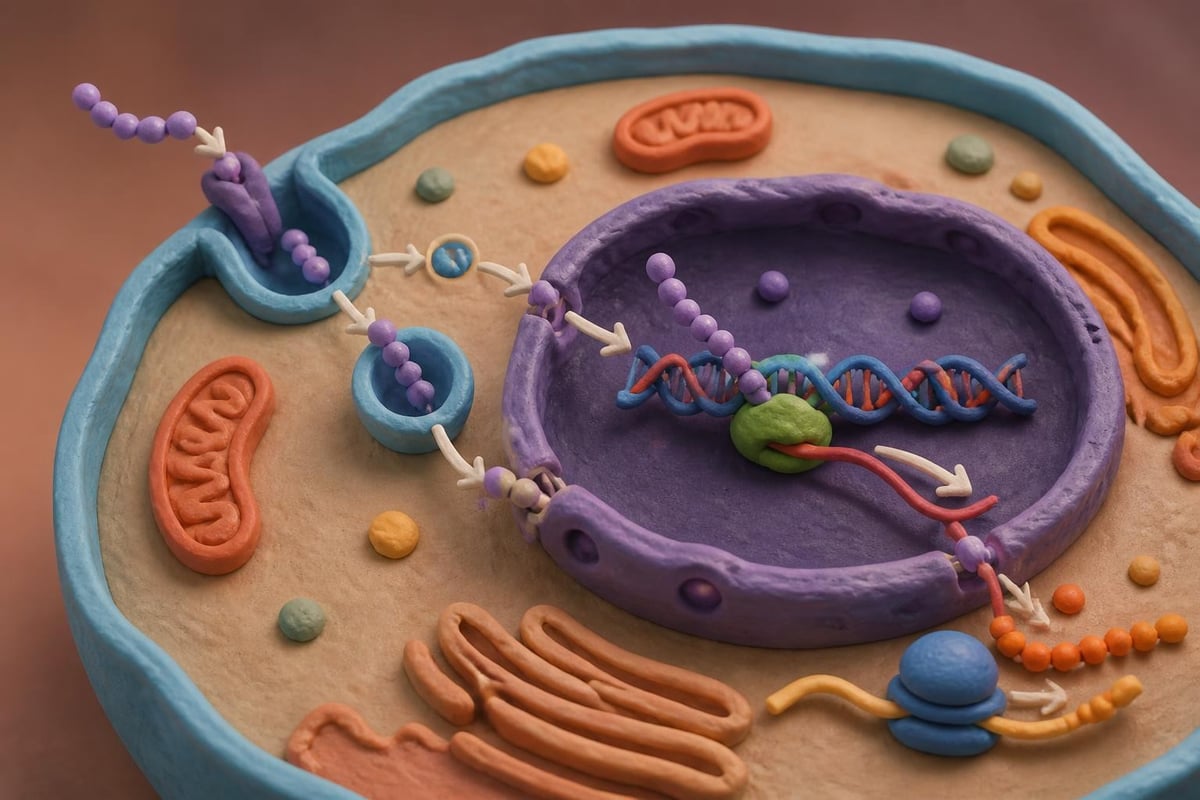
Key characteristics of bioregulator mechanisms include:
- Nuclear penetration through specific transport pathways
- DNA-binding affinity for particular nucleotide sequences
- Modulation of transcription factor activity
- Tissue-selective expression patterns
- Influence on protein synthesis rates
Research suggests that these compounds may function as epigenetic modulators, affecting not the DNA sequence itself but rather how genes are expressed. This distinction is crucial for understanding their potential applications in laboratory research focused on cellular aging, tissue repair, and organ-specific function.
Classification and Tissue Specificity
One of the defining features of peptide bioregulators is their remarkable tissue specificity. Research has identified bioregulators with preferential activity in various organ systems, creating a classification system based on target tissues.
| Tissue Target | Example Bioregulators | Primary Research Focus |
|---|---|---|
| Thymus | Vilon, Vladonix | Immune function, T-cell regulation |
| Pineal Gland | Epitalon | Circadian rhythms, telomerase activity |
| Liver | Livagen | Hepatic function, metabolic processes |
| Vascular | Vesugen | Endothelial health, vessel integrity |
| Cartilage | Sigumir | Connective tissue, joint function |
| Brain | Cortexin | Neural protection, cognitive processes |
This tissue-specific approach represents a significant departure from broader systemic interventions. The nomenclature and classification of bio-regulators has evolved to reflect both their structural characteristics and their functional targets within biological systems.
Organ-Targeted Research Applications
Laboratory investigations into peptide bioregulators have explored their potential applications across multiple physiological systems. Each bioregulator class exhibits distinct molecular signatures that may influence cellular behavior in tissue-specific ways.
For researchers studying cardiovascular systems, vascular bioregulators have been examined for their potential effects on endothelial cell function and arterial health. Neural bioregulators have attracted attention in neuroscience research for their possible influence on neuronal survival and synaptic plasticity. The liver bioregulator Livagen has been extensively documented in academic literature for its hepatocyte-specific activities.
Research History and Development
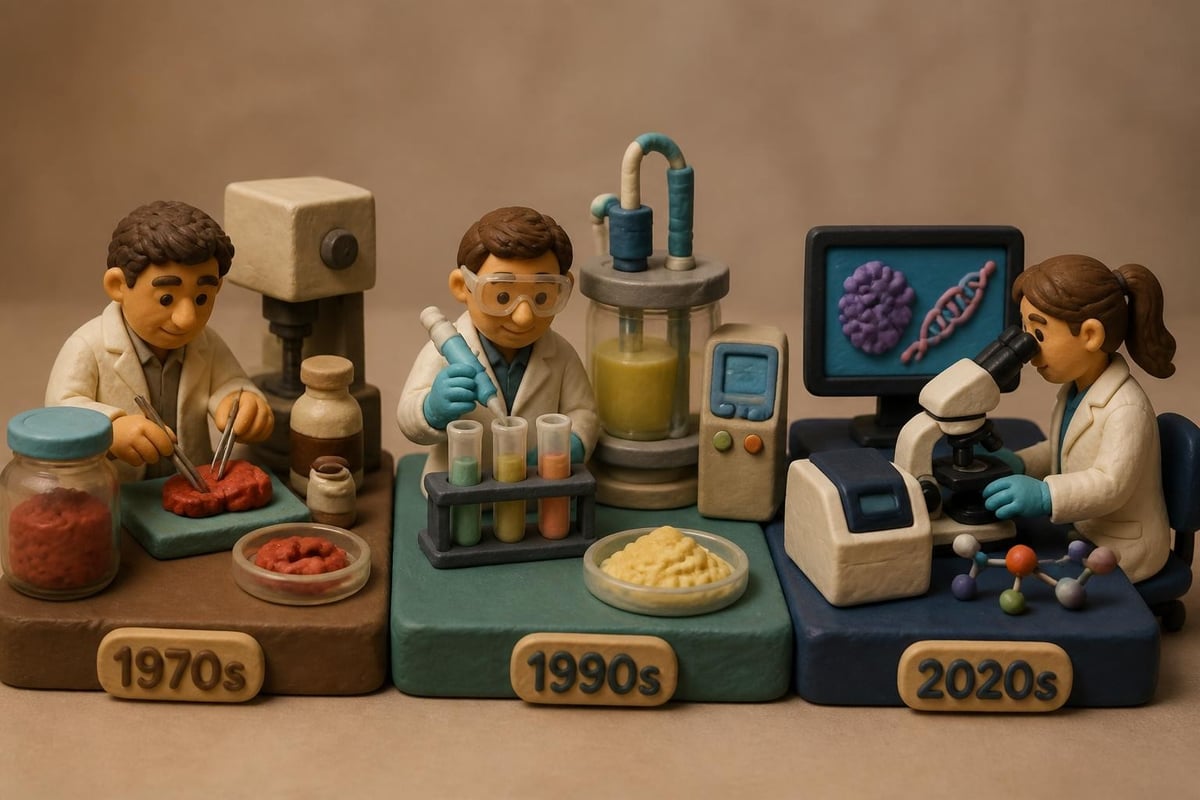
The development of peptide bioregulators as a distinct research category emerged from Soviet-era gerontology studies. Beginning in the 1970s, researchers sought to identify tissue-specific factors that could influence cellular aging processes and organ function.
The initial research methodology involved extracting peptide fractions from various animal organs and identifying the shortest active sequences capable of producing tissue-specific effects. This extraction-based approach eventually transitioned to synthetic production methods, allowing for more precise control over peptide sequence and purity.
Evolution of Research Methodologies
Early bioregulator research relied heavily on animal models and observational studies. As analytical techniques advanced, researchers gained the ability to investigate these compounds at increasingly granular molecular levels.
Modern research approaches utilize:
- Advanced spectroscopy to confirm peptide structure and purity
- Gene expression profiling to map transcriptional changes
- Cellular assays to measure functional outcomes
- Computational modeling to predict binding interactions
- Proteomics to identify downstream protein changes
The critical examination of Khavinson peptides reveals both the promising aspects of this research and the methodological limitations that researchers continue to address. While early studies suggested significant biological effects, the scientific community has called for more rigorous, large-scale investigations to validate these findings.
Molecular Structure and Synthesis
The structural simplicity of peptide bioregulators belies their complex biological properties. Most bioregulators consist of di-, tri-, or tetrapeptides, containing between two and four amino acids in specific sequences.
Synthetic Production Advantages
Modern bioregulator synthesis employs solid-phase peptide synthesis (SPPS) techniques, which offer several advantages over historical extraction methods:
- Sequence precision: Exact amino acid ordering without contamination
- Scalability: Consistent production across batches
- Purity control: Elimination of non-target biological material
- Quality assurance: Third-party verification of molecular structure
- Research standardization: Reproducible experimental conditions
For researchers requiring laboratory-grade materials, the KLOW Blend exemplifies how multiple peptide compounds can be formulated to support comprehensive tissue research applications, combining tissue regeneration peptides with anti-inflammatory and collagen-supporting sequences.
Current Research Landscape
The contemporary scientific investigation of peptide bioregulators spans multiple disciplines, from molecular biology to gerontology. Research institutions worldwide have begun examining these compounds through modern analytical frameworks that weren't available during the initial Soviet-era studies.
Active research domains include:
- Telomerase activity modulation in cellular aging models
- Gene expression mapping in tissue-specific contexts
- Protein synthesis regulation in various cell types
- Circadian rhythm influence in pineal function studies
- Immune system modulation in thymic cell cultures
The scientific foundation and regulatory framework surrounding bioregulators continues to evolve as researchers work to establish standardized protocols and validation criteria for these compounds.
Computational Approaches
Recent advances in computational peptide research have enabled new analytical perspectives on bioregulators. Machine learning models can now predict peptide properties, binding affinities, and potential biological activities based on amino acid sequence alone.
Peptide databases and predictive models have expanded the toolkit available to researchers investigating bioregulator mechanisms. These computational resources allow scientists to screen potential peptide sequences, predict interaction sites, and design experiments with greater precision than previously possible.
Laboratory Research Applications
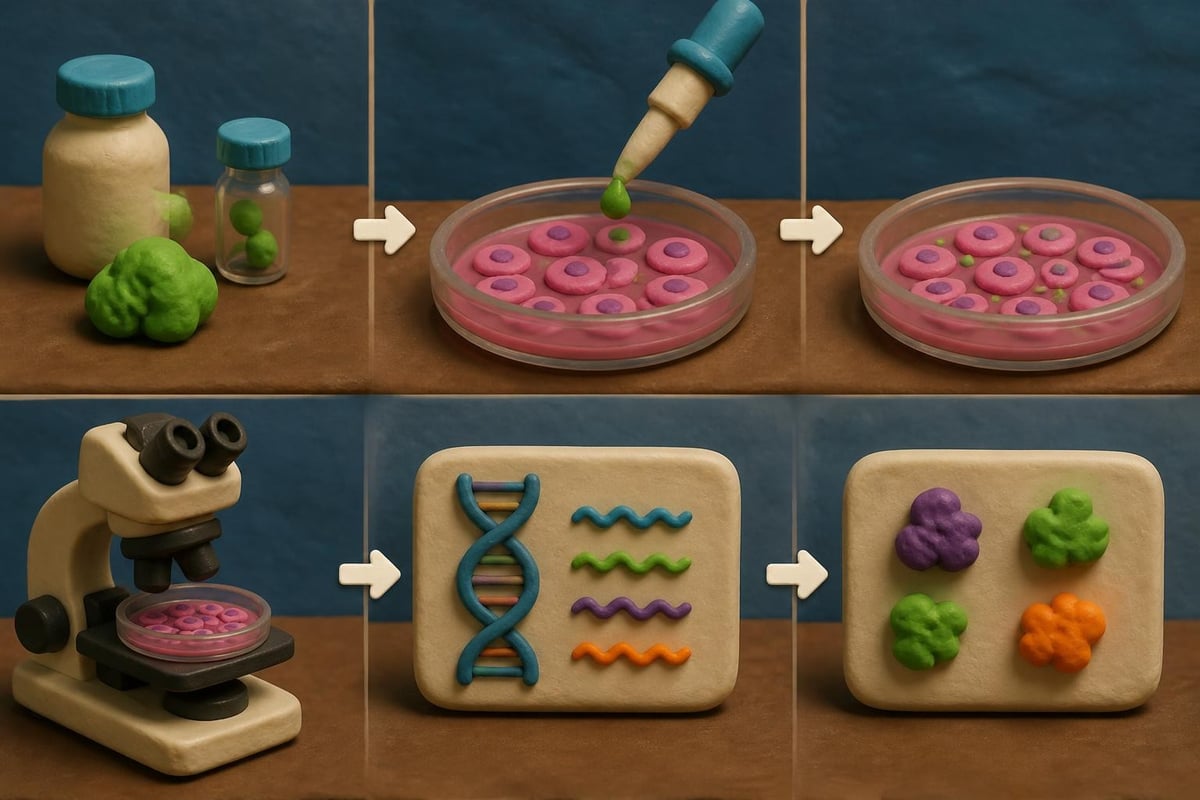
In controlled laboratory settings, peptide bioregulators serve as tools for investigating fundamental questions about cellular regulation, tissue differentiation, and gene expression control. Researchers utilize these compounds to probe the mechanisms by which short peptide sequences can influence complex biological processes.
Experimental Design Considerations
When incorporating bioregulators into research protocols, investigators must account for several critical factors:
| Factor | Consideration | Research Implication |
|---|---|---|
| Concentration | Dose-response relationships | Identifying optimal working ranges |
| Duration | Short-term vs. sustained exposure | Temporal dynamics of effects |
| Cell Type | Tissue-specific vs. universal responses | Target selectivity validation |
| Purity | Contaminant interference | Result reliability and reproducibility |
| Storage | Stability and degradation | Maintaining compound integrity |
The tissue-specific nature of bioregulators makes them particularly valuable for researchers studying organ-level processes in cellular models. Unlike broad-spectrum interventions, bioregulators offer the potential to investigate targeted regulatory pathways without widespread systemic effects.
Bioregulators in Aging Research
A significant portion of peptide bioregulator research has focused on their potential relationship to cellular aging processes. The hypothesis underlying this research suggests that age-related changes in gene expression might be modulated by tissue-specific peptide signals.
Epitalon, perhaps the most studied bioregulator, has been investigated for its potential effects on telomerase activity in various cell types. Telomerase, an enzyme responsible for maintaining telomere length, plays a critical role in cellular replication capacity and senescence.
Cellular Senescence Models
Laboratory investigations using senescence models have explored whether bioregulators can influence the molecular markers of cellular aging:
- Changes in senescence-associated beta-galactosidase expression
- Alterations in p16 and p21 cell cycle regulator levels
- Modifications to inflammatory cytokine production profiles
- Shifts in mitochondrial function and oxidative stress markers
- Variations in DNA damage response activation
While these investigations have produced intriguing preliminary data, the scientific examination and skepticism surrounding bioregulator aging research underscores the need for rigorous, peer-reviewed validation studies that meet contemporary research standards.
Quality Considerations for Research
The integrity of bioregulator research depends fundamentally on the quality and purity of the peptide compounds being investigated. Contaminated or improperly synthesized peptides can produce misleading results and compromise experimental validity.
Third-Party Verification Standards
High-quality research-grade bioregulators should undergo comprehensive analytical testing to confirm their molecular identity and purity. Standard verification methods include:
- Mass spectrometry to confirm molecular weight and sequence
- High-performance liquid chromatography to assess purity percentage
- Nuclear magnetic resonance to verify structural characteristics
- Amino acid analysis to confirm composition
- Endotoxin testing to ensure biological safety
Researchers working with tissue repair and regeneration models often combine bioregulators with other peptide sequences like BPC-157 and TB-500 to investigate synergistic effects on cellular recovery processes. These combination studies require exceptional quality control to isolate the effects of individual components.
Gene Expression and Transcriptional Research
One of the most fascinating aspects of peptide bioregulators is their proposed ability to influence gene expression patterns without permanently altering DNA sequences. This epigenetic modulation represents a reversible form of genetic regulation that could have significant implications for understanding cellular differentiation and tissue maintenance.
Research techniques for studying bioregulator gene effects include:
- RNA sequencing to map transcriptional changes across the entire genome
- Quantitative PCR to measure specific gene expression levels
- Chromatin immunoprecipitation to identify DNA-binding sites
- Western blotting to confirm protein-level changes
- Reporter assays to track promoter activity
Modern molecular biology tools have enabled researchers to move beyond observational studies and begin mapping the specific genetic pathways that bioregulators may influence. This mechanistic understanding is essential for translating preliminary findings into validated scientific knowledge.
Comparative Analysis with Other Peptide Classes
Peptide bioregulators occupy a distinct niche within the broader landscape of peptide research. Unlike growth factors, hormones, or signaling peptides, bioregulators are defined primarily by their proposed nuclear activity and tissue-specific gene modulation.
| Peptide Class | Primary Mechanism | Typical Length | Target Location |
|---|---|---|---|
| Bioregulators | Gene expression modulation | 2-4 amino acids | Cell nucleus |
| Growth Factors | Receptor activation | 50-200 amino acids | Cell membrane |
| Hormones | Systemic signaling | Variable | Multiple tissues |
| Antimicrobial Peptides | Membrane disruption | 12-50 amino acids | Bacterial cells |
This comparison highlights why bioregulators require distinct research approaches and analytical frameworks. Their small size and nuclear targeting mechanism differentiate them from the more commonly studied peptide categories that dominate current peptide research applications.
Future Research Directions
The field of peptide bioregulator research stands at a critical juncture between initial discovery and rigorous validation. Several key research directions will likely shape the future understanding of these compounds.
Advanced genomic and proteomic technologies offer unprecedented opportunities to map the complete molecular cascades triggered by bioregulator exposure. Multi-omics approaches that combine transcriptomics, proteomics, and metabolomics can provide comprehensive pictures of cellular responses to these peptides.
Emerging Analytical Technologies
Next-generation research tools particularly relevant to bioregulator investigation include:
- Single-cell RNA sequencing to detect heterogeneous responses
- CRISPR-based gene editing to validate target interactions
- Super-resolution microscopy to visualize intracellular localization
- Synthetic biology approaches to engineer bioregulator variants
- Artificial intelligence for predicting optimal peptide sequences
The development of computational tools for peptide research enables scientists to design and screen bioregulator candidates more efficiently than traditional empirical methods. These machine learning approaches can identify promising sequences for laboratory validation.
Regulatory and Safety Considerations
As with all research peptides, bioregulators require careful handling and proper categorization. In the United States, peptides intended for laboratory research must be clearly distinguished from compounds designed for human consumption.
Research institutions and private laboratories must maintain strict protocols for peptide storage, handling, and disposal. Documentation of chain of custody and batch tracking ensures experimental reproducibility and research integrity.
Laboratory Safety Protocols
Researchers working with bioregulators should implement comprehensive safety measures:
- Proper personal protective equipment during handling
- Dedicated storage at appropriate temperatures
- Clear labeling indicating research-only status
- Standard operating procedures for reconstitution
- Waste disposal following institutional guidelines
Organizations supplying research peptides must maintain rigorous quality assurance programs that include batch testing, certificate of analysis documentation, and compliance with Good Manufacturing Practices appropriate for laboratory-grade materials.
Integration with Broader Peptide Science
Peptide bioregulators represent one component of a rapidly expanding field of peptide-based research. Understanding their relationship to other peptide categories helps contextualize their unique properties and potential applications.
The intersection of bioregulator research with regenerative medicine, aging biology, and molecular genetics creates opportunities for multidisciplinary investigations. Researchers combining bioregulators with established peptides used in tissue repair and recovery studies can explore potential synergistic mechanisms at the cellular level.
Contemporary peptide science increasingly relies on sophisticated computational prediction models that can analyze peptide-like bond structures and predict biological activities. These tools accelerate the discovery process and help researchers prioritize the most promising compounds for detailed investigation.
Peptide bioregulators continue to intrigue researchers with their tissue-specific properties and proposed gene-modulating mechanisms, though rigorous validation studies remain essential to fully understanding their biological activities. For scientists conducting laboratory investigations in this field, access to high-quality, thoroughly tested research peptides is fundamental to generating reliable, reproducible data. Data Peptides provides US-manufactured, laboratory-grade research peptides with comprehensive third-party batch testing, ensuring that your experiments are built on the foundation of quality materials designed specifically for scientific research applications.