
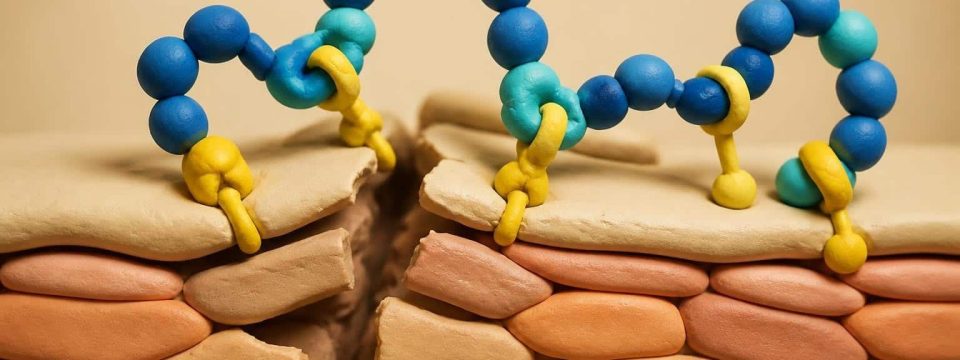
The cosmetic and dermatological research landscape continues to evolve with innovative biomimetic peptides designed to address specific protein degradation challenges. Among these specialized compounds, sh oligopeptide 78 stands out as a synthetic keratin-mimicking peptide engineered to interact with damaged protein structures at the molecular level. This laboratory-synthesized compound represents a targeted approach to studying protein repair mechanisms, particularly in contexts where keratin integrity has been compromised through chemical, thermal, or mechanical processes.
Understanding the Molecular Structure of SH Oligopeptide 78
SH oligopeptide 78 is classified as a sulfhydryl-stabilized peptide sequence that mimics Type II keratin found naturally in human epidermal and appendage tissues. The "SH" designation refers to the thiol groups (sulfhydryl groups) that characterize this peptide's chemical structure, enabling it to form disulfide bonds with compatible protein substrates.
This synthetic peptide is typically produced through bacterial fermentation processes, where genetically modified microorganisms express the specific amino acid sequence. The resulting compound maintains a controlled molecular weight and defined sequence length, making it suitable for reproducible research applications. The synthetic production method ensures consistency across batches, a critical factor for laboratories conducting comparative studies or long-term investigations.
Amino Acid Sequence Characteristics
The peptide chain of sh oligopeptide 78 contains strategic cysteine residues that provide reactive sulfhydryl groups. These functional groups enable the peptide to:
- Form covalent disulfide bridges with damaged keratin chains
- Stabilize protein structures through cross-linking mechanisms
- Resist degradation under mild oxidative conditions
- Maintain activity across physiological pH ranges
The molecular design prioritizes affinity for keratin substrates while minimizing non-specific binding to other proteins. This selectivity makes sh oligopeptide 78 particularly valuable for targeted research applications where precision matters.
Mechanism of Action in Protein Repair Research
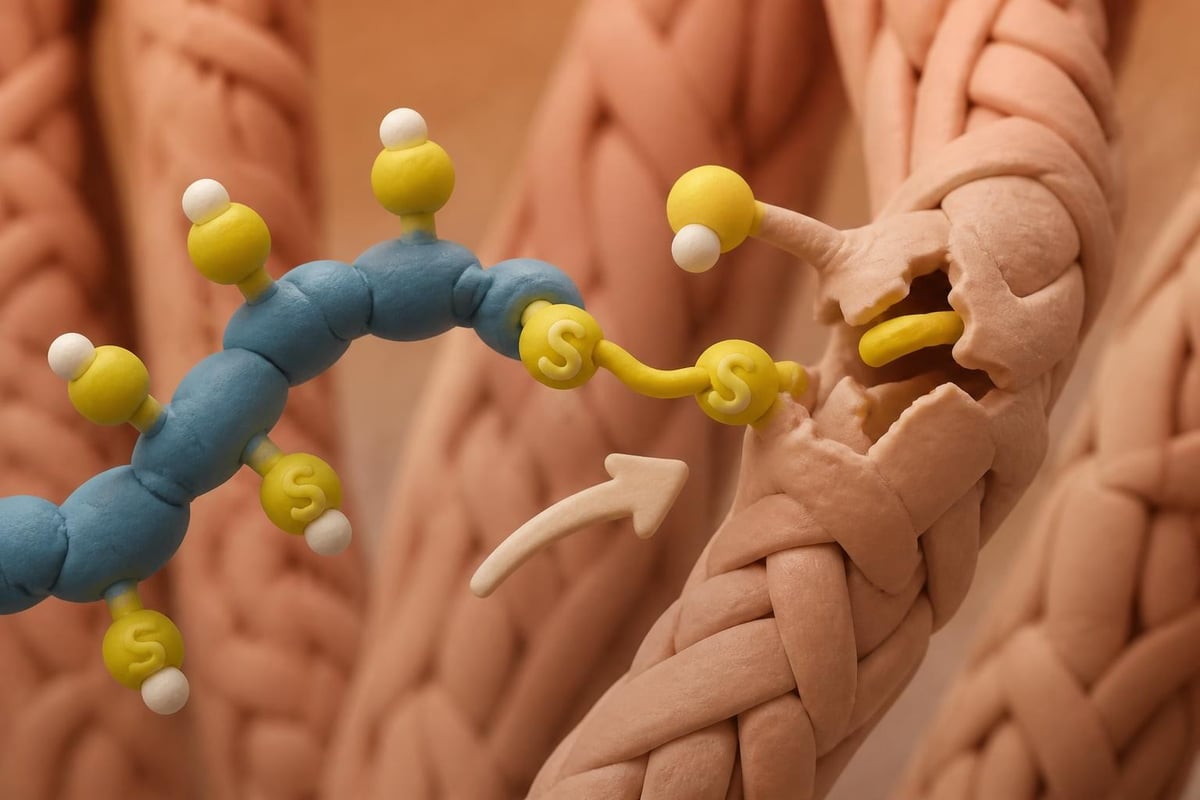
The primary mechanism through which sh oligopeptide 78 operates involves recognition and binding to disrupted keratin structures. When keratin proteins undergo damage-whether from oxidative stress, mechanical disruption, or chemical exposure-the organized disulfide bond network breaks down, creating reactive sites with free sulfhydryl groups.
SH oligopeptide 78 exhibits preferential affinity for these damaged regions. The peptide's own sulfhydryl groups form new disulfide bridges with the exposed cysteine residues in compromised keratin chains. This cross-linking action effectively reconnects separated protein segments, potentially restoring some structural integrity to the damaged protein matrix.
Binding Kinetics and Selectivity
Research applications often investigate the binding efficiency of sh oligopeptide 78 under varying conditions. Key parameters include:
| Parameter | Research Consideration |
|---|---|
| pH Sensitivity | Optimal binding typically occurs at pH 5.5-7.0 |
| Temperature Stability | Maintains activity between 4°C and 37°C |
| Concentration Dependence | Dose-response relationships vary by substrate |
| Time to Maximum Binding | Generally reaches equilibrium within 30-60 minutes |
The peptide demonstrates selectivity for damaged keratin over intact protein structures, which researchers attribute to the greater accessibility of reactive sites in compromised proteins. This targeting characteristic makes sh oligopeptide 78 particularly interesting for studies examining protein repair mechanisms.
Applications in Dermatological Research
While sh oligopeptide 78 has gained attention primarily in cosmetic formulation research, its applications extend into broader dermatological and protein chemistry investigations. Researchers utilize this peptide to explore questions about protein degradation, repair processes, and the effectiveness of biomimetic interventions.
Hair Protein Structure Studies
A significant portion of research involving sh oligopeptide 78 focuses on hair keratin. Hair fibers contain approximately 95% keratin proteins organized in a specific cortex-cuticle architecture. Chemical treatments, thermal styling, and environmental exposure disrupt this organization, providing an accessible model system for studying protein damage and repair.
Researchers employ sh oligopeptide 78 to investigate:
- The extent of disulfide bond reformation after chemical processing
- Penetration depth into damaged fiber structures
- Changes in mechanical properties following treatment
- Long-term stability of reconstituted protein networks
These studies provide insights not only into hair-specific applications but also into general principles of protein repair that may have broader biological relevance.
Skin Barrier Function Research
The epidermis contains keratinocytes that produce keratin proteins essential for barrier function. Research into keratin integrity becomes particularly relevant when investigating conditions that compromise skin barrier properties.
SH oligopeptide 78 serves as a tool for examining whether external application of keratin-mimicking peptides can influence epidermal protein organization. Studies might assess changes in transepidermal water loss, barrier recovery rates, or protein expression patterns following controlled barrier disruption.

Formulation Considerations for Laboratory Research
When incorporating sh oligopeptide 78 into experimental protocols, researchers must account for several formulation variables that influence peptide stability, delivery, and activity. The compound's sulfhydryl groups, while central to its mechanism, also introduce stability challenges that require careful handling.
Stability and Storage Parameters
SH oligopeptide 78 requires specific storage conditions to maintain activity:
- Temperature: Most stable when stored at -20°C to -80°C in lyophilized form
- pH: Solutions should be buffered to pH 5.5-7.0 to prevent hydrolysis
- Antioxidants: May require reducing agents like dithiothreitol (DTT) to prevent premature oxidation
- Light exposure: Should be protected from UV radiation which can degrade peptide bonds
Reconstituted solutions typically demonstrate reduced shelf life compared to lyophilized powder. Researchers often prepare fresh working solutions immediately before use to ensure consistent peptide activity across experimental replicates.
Delivery System Design
The molecular weight and hydrophilic nature of sh oligopeptide 78 create penetration challenges when topical application is part of the research design. Various delivery enhancement strategies have been explored:
- Carrier systems: Liposomes, niosomes, or polymeric nanoparticles that encapsulate the peptide
- Penetration enhancers: Chemical agents that temporarily disrupt barrier structures
- Physical methods: Iontophoresis, sonophoresis, or microneedling in appropriate models
- Co-formulation: Combining with complementary ingredients that support peptide stability
Each approach presents distinct advantages and limitations that researchers must weigh based on their specific experimental objectives and model systems.
Comparative Analysis with Related Peptides
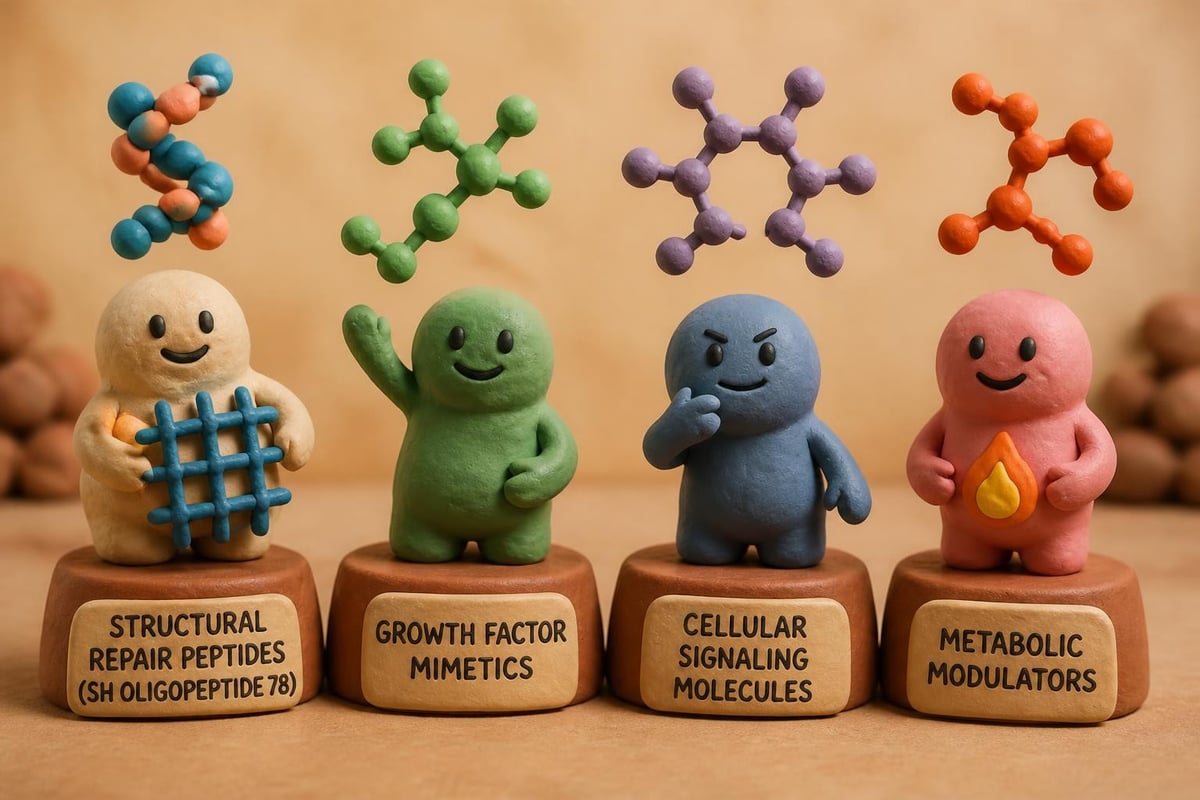
The broader peptide research landscape includes numerous compounds designed to address protein repair, cellular signaling, and tissue regeneration. Understanding how sh oligopeptide 78 relates to these other peptides helps contextualize its specific research niche.
Keratin-Related Peptides
| Peptide Type | Primary Mechanism | Key Distinction |
|---|---|---|
| SH Oligopeptide 78 | Disulfide bond formation with damaged keratin | Sulfhydryl-mediated cross-linking |
| Palmitoyl Oligopeptide-78 | Keratin production stimulation | Signaling rather than direct binding |
| Hydrolyzed Keratin | Moisture retention and surface conditioning | Smaller fragments, no cross-linking |
While sh oligopeptide 78 focuses on reconnecting existing damaged proteins through covalent bonds, other keratin-related peptides work through different mechanisms such as stimulating new protein synthesis or providing amino acid building blocks.
Regenerative Research Peptides
Researchers interested in tissue repair and regeneration often work with peptides that influence cellular behavior rather than directly modifying structural proteins. Compounds like BPC-157 and TB-500 operate through cellular signaling pathways to promote tissue healing, representing a fundamentally different approach compared to the direct protein-binding mechanism of sh oligopeptide 78.
The choice between structural peptides like sh oligopeptide 78 and signaling peptides depends on the research question. Structural peptides address immediate protein integrity issues, while signaling peptides influence longer-term cellular responses and new tissue formation.
Analytical Methods for SH Oligopeptide 78 Research
Rigorous research requires appropriate analytical techniques to characterize sh oligopeptide 78 behavior, measure binding efficiency, and assess downstream effects on protein structure. Multiple complementary methods provide comprehensive insights into peptide performance.
Biochemical Characterization Techniques
Researchers employ various analytical approaches to study sh oligopeptide 78:
- Ellman's Assay: Quantifies free sulfhydryl groups to measure disulfide bond formation
- Mass Spectrometry: Confirms peptide identity, purity, and monitors chemical modifications
- Circular Dichroism: Assesses secondary structure and conformational changes
- Surface Plasmon Resonance: Measures binding kinetics to keratin substrates in real-time
- Fluorescence Labeling: Tracks peptide distribution and penetration in tissue models
Each technique provides distinct information that contributes to a comprehensive understanding of peptide behavior under experimental conditions.
Structural Assessment of Treated Substrates
Beyond analyzing the peptide itself, researchers must evaluate changes in the target substrate following sh oligopeptide 78 treatment. Common approaches include:
- Scanning Electron Microscopy: Visualizes surface morphology changes in fiber structures
- Differential Scanning Calorimetry: Measures thermal stability improvements
- Tensile Testing: Quantifies mechanical property restoration
- FTIR Spectroscopy: Detects changes in protein secondary structure
- X-ray Diffraction: Assesses crystallinity changes in keratin organization
These methods generate quantitative data that enable researchers to objectively assess the extent of protein structure modification achieved through peptide treatment.
Research Design Considerations and Controls
Designing rigorous experiments with sh oligopeptide 78 requires careful attention to controls, variables, and potential confounding factors. The peptide's mechanism and characteristics introduce specific considerations that researchers must address.
Experimental Variables to Control
| Variable | Considerations |
|---|---|
| Substrate condition | Standardize damage level (chemical, thermal, or mechanical) |
| Peptide concentration | Establish dose-response relationships across relevant range |
| Application time | Determine kinetics of binding and equilibrium achievement |
| Environmental conditions | Control temperature, humidity, pH throughout treatment |
| Competing substances | Account for other ingredients that might affect binding |
Proper control groups are essential for interpreting results. Experiments typically include untreated damaged substrates, vehicle-only controls, and potentially positive controls using established protein treatments.
Repeatability and Batch Variation
Given that sh oligopeptide 78 is synthetically produced, batch-to-batch consistency becomes a critical factor in research reproducibility. Researchers working with laboratory-grade peptides should verify peptide purity and identity for each new batch through appropriate analytical methods such as HPLC and mass spectrometry.
Documentation of peptide source, lot number, storage conditions, and reconstitution procedures enables other researchers to replicate experimental conditions and validate findings across different laboratories.
Safety and Handling Protocols for Laboratory Use
While sh oligopeptide 78 is generally considered to have low toxicity, proper laboratory safety protocols remain essential. Researchers must follow standard peptide handling procedures to prevent contamination, ensure personal safety, and maintain experimental integrity.
Standard Laboratory Precautions
Appropriate handling of sh oligopeptide 78 includes:
- Wearing appropriate personal protective equipment (gloves, lab coat, safety glasses)
- Working in properly ventilated areas when preparing solutions
- Preventing cross-contamination through dedicated equipment and clean technique
- Proper disposal of peptide-containing waste according to institutional guidelines
- Maintaining detailed records of peptide use and storage
These practices protect both the researcher and the experimental materials, ensuring reliable and reproducible results.
Regulatory Considerations for Research Applications
SH oligopeptide 78, like all research peptides, is intended solely for laboratory investigation and not for human or animal consumption outside approved research protocols. Researchers must ensure compliance with institutional review board requirements when planning studies involving biological samples or models.
Understanding the regulatory framework surrounding peptide research helps laboratories maintain compliance while advancing scientific knowledge through properly designed and executed investigations.
Current Research Directions and Future Investigations
The application of sh oligopeptide 78 in research continues to evolve as investigators identify new questions about protein repair mechanisms and potential therapeutic approaches. Several promising research directions are currently being explored.
Mechanistic Studies
Detailed investigations into the molecular-level interactions between sh oligopeptide 78 and damaged keratin substrates remain an active area of research. Questions being addressed include:
- What specific amino acid sequences in damaged keratin show highest affinity for the peptide?
- How does the local chemical environment influence disulfide bond formation kinetics?
- What structural changes occur in the peptide itself upon binding to substrate proteins?
- Are there synergistic effects when sh oligopeptide 78 is combined with other protein-modifying compounds?
These fundamental questions help establish the theoretical framework for understanding how biomimetic peptides interact with damaged biological structures.
Formulation Optimization Research
Researchers continue investigating optimal delivery systems that enhance sh oligopeptide 78 effectiveness while maintaining stability. Novel approaches being explored include:
- Smart delivery vehicles: pH-responsive or enzyme-triggered release systems
- Hybrid formulations: Combining multiple peptides with complementary mechanisms
- Protective modifications: Chemical modifications that enhance stability without compromising activity
- Targeted delivery: Systems that direct peptides specifically to damaged regions
These innovations aim to maximize the practical utility of sh oligopeptide 78 in various research applications while addressing its inherent stability and penetration challenges.
Quality Assurance in Peptide Research
The reliability of research findings depends fundamentally on the quality and purity of materials used in experiments. For sh oligopeptide 78 studies, implementing robust quality assurance measures ensures that observed effects can be confidently attributed to the peptide rather than contaminants or degradation products.
Purity Verification Methods
Researchers should verify several quality parameters for sh oligopeptide 78:
- Peptide content: Actual peptide concentration compared to labeled amount
- Purity: Percentage of target peptide versus related impurities or by-products
- Identity confirmation: Mass spectrometry verification of correct molecular weight
- Residual solvents: Levels of organic solvents from synthesis or purification
- Microbial contamination: Absence of bacterial or fungal growth in stored materials
Third-party batch testing provides independent verification of these parameters, adding credibility to research findings and enabling better comparison across studies conducted in different laboratories.
Documentation Best Practices
Comprehensive documentation supports research reproducibility and enables troubleshooting when unexpected results occur. Essential records include:
- Certificate of analysis for each peptide batch
- Storage conditions and duration before use
- Reconstitution protocols and solution preparation dates
- Observed changes in physical appearance or behavior over time
- Any deviations from standard handling procedures
This documentation becomes particularly valuable when publishing research findings or transferring protocols between research groups.
Interpreting Research Outcomes with SH Oligopeptide 78
Analyzing and interpreting results from sh oligopeptide 78 experiments requires understanding both the peptide's capabilities and its limitations. Researchers must distinguish between statistically significant changes and practically meaningful effects.
Quantitative Metrics for Efficacy Assessment
Different research applications employ specific metrics to evaluate sh oligopeptide 78 performance:
| Application Area | Primary Metrics | Secondary Indicators |
|---|---|---|
| Hair fiber repair | Tensile strength, elasticity | Surface smoothness, moisture retention |
| Protein cross-linking | Disulfide bond density | Thermal stability, resistance to denaturing agents |
| Barrier function | Transepidermal water loss | Protein expression patterns, lipid organization |
Researchers should employ multiple complementary measures rather than relying on single endpoints, as this provides a more comprehensive picture of peptide effects.
Correlation Versus Causation
When observing positive outcomes following sh oligopeptide 78 treatment, careful experimental design helps establish causal relationships rather than mere correlations. Key considerations include:
- Using appropriate control groups that account for time-dependent changes
- Demonstrating dose-dependent responses that support specific peptide activity
- Blocking or competing studies that show reduced effects when binding is prevented
- Mechanism-based predictions that align with observed outcomes
These approaches strengthen the evidentiary basis for conclusions about sh oligopeptide 78's specific effects in experimental systems.
SH oligopeptide 78 represents a specialized research tool for investigating protein repair mechanisms through sulfhydryl-mediated cross-linking, with particular relevance to keratin structures. The peptide's unique mechanism, combined with advances in analytical methods and formulation science, continues to open new research directions in protein chemistry and dermatological science. When you need laboratory-grade research peptides manufactured to exacting standards with third-party purity verification for your investigations, Data Peptides provides the quality and consistency that rigorous research demands.