

Peptide treatments have emerged as a focal point in biomedical research, offering scientists new pathways to understand cellular mechanisms, tissue regeneration, and metabolic regulation. These short chains of amino acids function as biological messengers, interacting with specific cellular receptors to trigger targeted physiological responses. As research institutions and laboratories continue to investigate therapeutic peptides, the demand for high-purity, properly characterized research materials has never been greater. Understanding the fundamental principles behind peptide treatments, their mechanisms of action, and quality control requirements is essential for researchers conducting rigorous scientific investigations in this rapidly evolving field.
Understanding Peptide Structure and Function
Peptides are composed of amino acid chains linked by peptide bonds, typically ranging from two to fifty amino acids in length. This molecular structure distinguishes them from larger proteins while maintaining significant biological activity. The specific sequence of amino acids determines each peptide's three-dimensional shape, binding affinity, and ultimate function within biological systems.
Mechanisms of Cellular Interaction
Research peptides exert their effects through several distinct mechanisms that scientists continue to investigate:
- Receptor Binding: Many peptides bind to specific cell surface receptors, triggering intracellular signaling cascades
- Gene Expression Modulation: Certain peptides influence transcription factors that regulate gene activation or suppression
- Direct Enzymatic Activity: Some peptides demonstrate catalytic properties that affect biochemical reactions
- Membrane Permeability: Specific sequences can cross cellular membranes, allowing intracellular targeting
The mechanisms underlying peptide therapy have been extensively documented in clinical literature, providing researchers with foundational knowledge for experimental design.

Classification Systems
Researchers categorize peptides based on multiple parameters including origin, structure, and function. Natural peptides occur endogenously in biological systems, while synthetic analogs are designed to enhance stability, bioavailability, or receptor specificity. Modified peptides may incorporate non-standard amino acids or chemical modifications to resist enzymatic degradation.
Research Applications Across Scientific Disciplines
The versatility of peptide treatments makes them valuable tools across numerous research domains. Scientists utilize these compounds to investigate fundamental biological processes, disease mechanisms, and potential therapeutic interventions.
Tissue Regeneration Studies
One of the most extensively studied applications involves tissue repair and regeneration research. Laboratory investigations have explored how specific peptide sequences influence cellular migration, proliferation, and differentiation during healing processes. Researchers examine these compounds' effects on various tissue types:
| Tissue Type | Research Focus | Key Mechanisms |
|---|---|---|
| Musculoskeletal | Tendon and ligament repair | Collagen synthesis, fibroblast activation |
| Gastrointestinal | Mucosal healing | Epithelial cell migration, barrier function |
| Dermal | Wound closure and scarring | Angiogenesis, extracellular matrix remodeling |
| Cardiovascular | Post-injury recovery | Endothelial function, inflammation modulation |
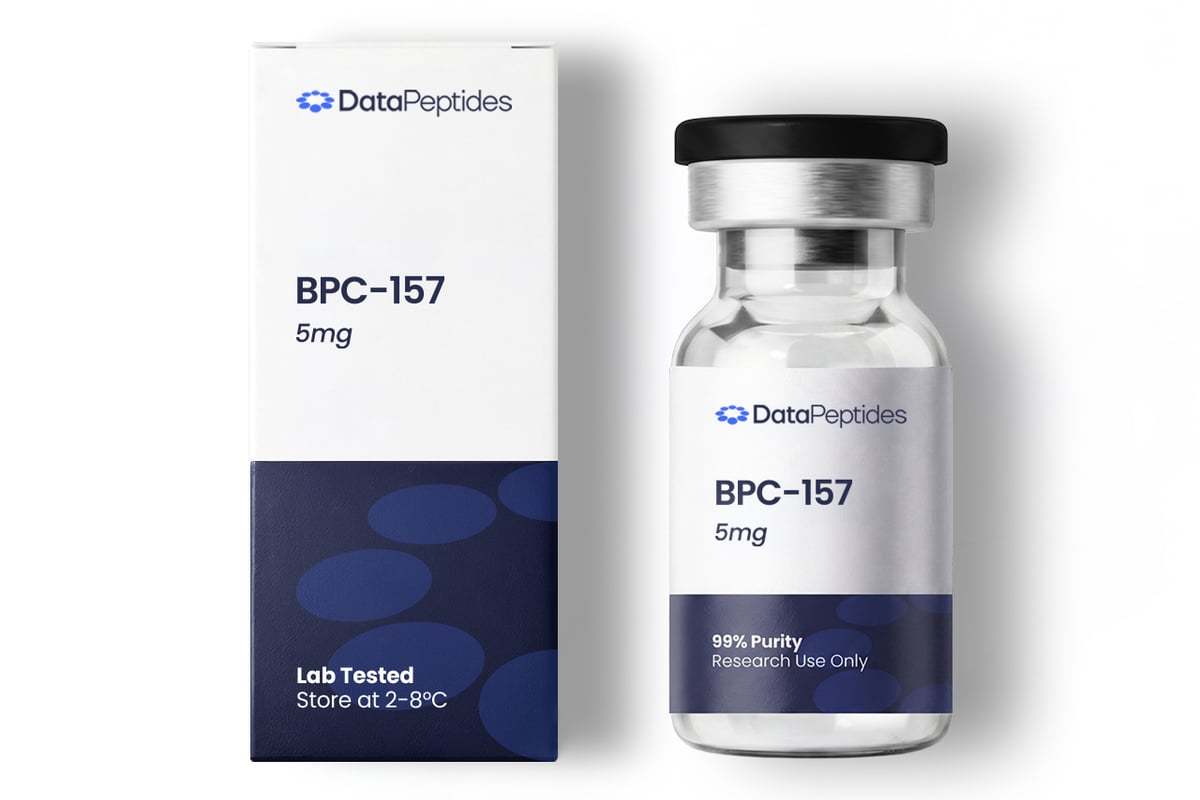
Research into compounds like BPC-157 has demonstrated how pentadecapeptides may influence multiple pathways simultaneously. This peptide, derived from a protective gastric compound, has been investigated for its effects on growth factor expression, angiogenesis promotion, and inflammatory response modulation. For researchers studying comprehensive tissue repair mechanisms, BPC-157 offers a well-characterized research tool with documented stability profiles and established experimental protocols.
Metabolic Research Applications
Peptide treatments have opened new avenues for understanding metabolic regulation, cellular energy production, and nutrient utilization. Scientists investigate how peptide agonists interact with hormone receptors to influence glucose metabolism, lipid oxidation, and mitochondrial function.
Recent research has focused on triple agonist peptides that simultaneously activate GLP-1, GIP, and glucagon receptors. These compounds provide researchers with tools to study the integrated effects of multiple metabolic pathways working in concert. The prevalence of peptide therapeutic products continues to expand as researchers identify new receptor targets and signaling mechanisms.
Quality Control Standards for Research Peptides
Laboratory research demands materials that meet rigorous purity and characterization standards. The reliability of experimental results depends directly on the quality of research compounds used in investigations.
Analytical Testing Requirements
Comprehensive quality control involves multiple analytical techniques:
- High-Performance Liquid Chromatography (HPLC): Quantifies purity levels and identifies impurities or degradation products
- Mass Spectrometry: Confirms molecular weight and verifies correct amino acid sequence
- Nuclear Magnetic Resonance (NMR): Provides structural confirmation and identifies contaminants
- Amino Acid Analysis: Validates composition and sequence accuracy
- Sterility Testing: Ensures absence of microbial contamination for appropriate applications
Third-party batch testing provides independent verification of manufacturer claims. This additional layer of quality assurance helps researchers maintain confidence in their experimental materials and supports reproducibility across different laboratories.
Storage and Handling Protocols
Proper peptide storage is critical for maintaining compound integrity throughout research projects. Most research peptides require storage at controlled temperatures, typically between -20°C and -80°C, depending on specific stability profiles. Lyophilized peptides generally demonstrate greater stability than reconstituted solutions.
Reconstitution procedures must use appropriate solvents based on peptide solubility characteristics. Sterile water, bacteriostatic water, or buffered solutions may be specified depending on the compound's chemical properties. Researchers should always consult technical documentation for specific handling requirements.

Emerging Research Directions
The field of peptide treatments continues to evolve as researchers discover new applications and refine existing methodologies. Current investigations span multiple disciplines, from neuroscience to immunology.
Skin Biology and Dermatological Research
Peptides for skin research have gained significant attention from scientists studying aging, wound healing, and barrier function. Copper-binding peptides, signal peptides, and carrier peptides each offer distinct experimental advantages for investigating dermatological processes.
The copper-binding tripeptide GHK-Cu has been extensively studied for its effects on collagen synthesis, metalloproteinase regulation, and antioxidant enzyme activity. Research protocols frequently combine multiple peptides to investigate synergistic effects on tissue remodeling and regeneration.
Mitochondrial Function and Cellular Energy
Mitochondria-derived peptides represent a relatively new research frontier. These short peptides, encoded within mitochondrial DNA, influence energy metabolism, oxidative stress responses, and cellular aging processes. Scientists investigating metabolic flexibility and cellular resilience frequently incorporate these compounds into experimental designs.
Growth Hormone Research Pathways
Understanding growth hormone regulation requires investigation of the complex interplay between multiple signaling molecules. Researchers utilize growth hormone secretagogues to study pulsatile hormone release, receptor activation patterns, and downstream metabolic effects.
Key Research Areas Include:
- Receptor specificity and binding kinetics
- Synergistic effects of combined secretagogues
- Circadian rhythm influences on hormone pulsatility
- Age-related changes in growth hormone responsiveness
The comprehensive review of therapeutic peptides published in Signal Transduction and Targeted Therapy provides researchers with detailed analysis of current applications and future directions in peptide science.
Regulatory Considerations for Research Materials
Researchers must understand the regulatory framework governing peptide use in laboratory settings. In the United States, research peptides fall under specific regulatory categories that distinguish them from pharmaceutical products intended for human or veterinary use.
Research-Grade vs. Clinical-Grade Compounds
Critical distinctions exist between materials manufactured for laboratory research and those produced for clinical applications:
| Category | Manufacturing Standards | Testing Requirements | Intended Use |
|---|---|---|---|
| Research-Grade | Laboratory synthesis protocols | Purity and identity verification | In vitro studies, animal research |
| Clinical-Grade | cGMP facilities | FDA-compliant testing protocols | Human clinical trials |
| Pharmaceutical | Full FDA compliance | Extensive safety and efficacy data | Approved medical treatments |
Research institutions must maintain clear documentation distinguishing research materials from clinical or pharmaceutical products. For researchers seeking comprehensive information about available research compounds, Data Peptides provides detailed product specifications and technical documentation.
Institutional Review and Ethics
Scientific research involving peptides must comply with institutional biosafety committees, animal care protocols when applicable, and appropriate oversight mechanisms. Researchers should maintain detailed records of compound sourcing, handling procedures, and experimental applications.
Experimental Design Considerations
Successful peptide research requires careful attention to experimental parameters that influence results and reproducibility.
Dosing and Concentration Variables
Determining appropriate concentrations for in vitro or in vivo studies involves multiple considerations. Researchers must account for:
- Receptor affinity and saturation kinetics
- Tissue distribution and clearance rates
- Potential off-target effects at high concentrations
- Species-specific response variations
- Time-course dynamics and peak effect windows
Pilot studies establishing dose-response curves provide essential data for optimizing experimental protocols. The scientific evidence supporting peptide applications continues to accumulate as researchers refine methodologies and standardize experimental approaches.
Control Groups and Baseline Measurements
Rigorous experimental design requires appropriate controls to isolate peptide-specific effects from other variables. Vehicle controls using identical solvents without active compound help distinguish treatment effects from preparation-related changes. Time-matched controls account for circadian variations and temporal effects independent of treatment.
Combination Approaches in Research
Many contemporary research protocols investigate peptide combinations rather than single compounds. This approach allows scientists to study synergistic mechanisms and multifactorial biological processes.
Rationale for Multi-Peptide Research
Combining peptides with complementary mechanisms provides several experimental advantages:
- Pathway Convergence: Different peptides affecting the same biological outcome through distinct mechanisms
- Temporal Optimization: Compounds with varying onset and duration characteristics
- Receptor Diversity: Simultaneous activation of multiple receptor systems
- Compensatory Mechanism Study: Understanding how biological systems respond to multi-targeted interventions
Researchers investigating tissue repair often combine peptides affecting different aspects of the healing cascade. For instance, studies may pair peptides influencing cellular migration with those modulating inflammatory responses or stimulating collagen production.

Data Analysis and Interpretation
Multi-peptide research generates complex datasets requiring sophisticated analytical approaches. Researchers must design statistical analyses that account for interaction effects, not just individual compound contributions. Factorial experimental designs help isolate specific interactions between peptide components.
Manufacturing and Synthesis Methods
Understanding peptide production methods helps researchers evaluate compound quality and select appropriate materials for specific applications. Two primary synthesis approaches dominate research peptide manufacturing.
Solid-Phase Peptide Synthesis
This method builds peptide chains sequentially on a solid support resin. Amino acids add one at a time in a controlled sequence, with chemical protecting groups preventing unwanted reactions. After chain completion, the peptide cleaves from the resin and undergoes purification to remove synthesis byproducts.
Advantages of solid-phase synthesis:
- Automated production for increased consistency
- Scalable from small research quantities to larger batches
- High sequence accuracy for complex peptides
- Efficient purification of final products
Solution-Phase Synthesis
Alternative methodologies involve peptide assembly in solution rather than on solid supports. While less common for research peptides, solution-phase approaches may offer advantages for specific peptide structures or modifications.
Analytical Characterization Beyond Basic Testing
Advanced characterization techniques provide researchers with deeper understanding of peptide properties and behavior in experimental systems.
Structural Analysis
Circular dichroism spectroscopy reveals secondary structure elements, helping researchers understand conformational changes under different conditions. X-ray crystallography provides atomic-level structural details for peptides that can be crystallized. These techniques complement mass spectrometry and HPLC for comprehensive compound characterization.
Stability Studies
Researchers conducting long-term experiments require stability data under relevant storage and experimental conditions. Accelerated stability testing at elevated temperatures predicts shelf life and identifies optimal storage conditions. Freeze-thaw stability studies determine whether reconstituted peptides tolerate repeated temperature cycling.
For scientists interested in exploring various research applications, resources like those available for TB peptide research provide detailed information about specific compounds and their experimental uses.
Safety Protocols in Peptide Research
Laboratory safety remains paramount when handling research peptides. While these compounds are intended solely for research purposes, proper safety protocols protect researchers and maintain experimental integrity.
Personal Protective Equipment
Standard laboratory PPE including gloves, safety glasses, and lab coats should be worn when handling peptides. Some compounds may require additional precautions based on specific chemical properties or experimental procedures. Researchers should consult safety data sheets for compound-specific guidance.
Waste Disposal Procedures
Proper disposal of peptide-containing materials follows institutional chemical waste protocols. Unused reconstituted peptides, empty vials, and contaminated materials require appropriate segregation and disposal through approved channels. Documentation of waste disposal supports regulatory compliance and laboratory safety standards.
Future Directions in Peptide Research
The peptide research landscape continues expanding as new technologies enable discovery of novel compounds and applications. Several emerging areas show particular promise for advancing scientific understanding.
Computational Design Approaches
Machine learning algorithms and molecular modeling software increasingly contribute to peptide discovery and optimization. These computational tools predict peptide structures, binding affinities, and stability profiles, reducing the experimental screening required for identifying promising research candidates.
Modified Peptide Structures
Chemical modifications extending beyond natural amino acids offer researchers tools with enhanced properties. D-amino acids, peptide cyclization, and chemical stapling techniques improve stability and resistance to enzymatic degradation. These modifications allow longer experimental observation windows and more physiologically relevant models.
The systematic review of peptides in treating skin aging demonstrates how evidence-based analysis guides research priorities and identifies gaps in current scientific understanding.
Delivery System Innovation
Researchers investigate novel delivery mechanisms improving peptide bioavailability and targeting specificity. Nanoparticle encapsulation, cell-penetrating peptide conjugation, and targeted delivery vehicles expand experimental possibilities for in vivo research models.
Reproducibility and Standardization Efforts
Scientific reproducibility depends on standardized methodologies and transparent reporting of experimental conditions. The peptide research community increasingly emphasizes these principles.
Reporting Standards
Comprehensive experimental descriptions should include peptide source and batch information, reconstitution procedures, storage conditions, concentration verification methods, and timing of administration relative to other experimental variables. These details enable other researchers to replicate experimental conditions accurately.
Inter-Laboratory Validation
Collaborative studies across multiple research institutions help validate findings and identify protocol-dependent variables. Multi-site studies strengthen confidence in research conclusions and accelerate translation of laboratory findings to broader applications.
Researchers should remain aware of regulatory concerns regarding peptide promotion and maintain clear distinctions between research applications and unapproved therapeutic claims.
Sourcing Considerations for Research Institutions
Selecting peptide suppliers requires evaluation of multiple factors beyond price considerations. Research quality depends on material consistency, purity, and reliable supply chains.
Supplier Evaluation Criteria
Research institutions should assess potential suppliers based on manufacturing capabilities, quality control procedures, batch-to-batch consistency documentation, technical support availability, and regulatory compliance documentation. Third-party testing verification provides additional assurance of product quality.
Documentation and Traceability
Complete product documentation supports research integrity and regulatory compliance. Certificates of analysis, synthesis reports, and stability data should accompany research peptides. Lot-specific documentation enables researchers to trace materials used in specific experiments.
Peptide treatments represent powerful research tools for investigating cellular mechanisms, tissue regeneration, and metabolic regulation across multiple scientific disciplines. The continued advancement of peptide research depends on access to high-quality, properly characterized materials that meet rigorous laboratory standards. Data Peptides supplies laboratory-grade, US-manufactured research peptides with third-party batch testing verification, supporting researchers conducting cutting-edge investigations. All products are intended solely for laboratory research purposes, providing scientists with reliable materials for advancing peptide science.