

The peptide research landscape has expanded dramatically, with laboratories now accessing a diverse array of compounds for investigating cellular mechanisms, tissue regeneration, metabolic pathways, and aging processes. Identifying the best peptides for specific research applications requires understanding their molecular mechanisms, purity standards, and documented effects in controlled studies. As research continues to evolve in 2026, certain peptides have emerged as particularly valuable for laboratory investigation across multiple domains of cellular biology and physiological function.
Understanding Peptide Classification and Research Applications
Peptides represent short chains of amino acids that serve as signaling molecules within biological systems. Unlike proteins, which contain hundreds or thousands of amino acids, peptides typically consist of 2 to 50 amino acid residues linked by peptide bonds. This molecular structure allows peptides to interact with specific cellular receptors, triggering cascades of biological responses that researchers study to understand fundamental physiological processes.
The best peptides for research purposes fall into several distinct categories based on their primary mechanisms of action:
- Growth hormone secretagogues that stimulate endogenous hormone production
- Tissue repair modulators that influence healing and regeneration pathways
- Metabolic regulators that affect energy utilization and substrate metabolism
- Mitochondrial peptides that support cellular energy production
- Melanocortin receptor agonists that influence pigmentation and other pathways
- Anti-aging compounds that target senescence and cellular repair mechanisms

Evaluating Quality Standards for Research Peptides
Laboratory research demands the highest purity standards to ensure reproducible results and accurate data interpretation. The best peptides for research applications undergo rigorous third-party testing to verify peptide content, identify potential contaminants, and confirm molecular identity. Certificates of analysis (COA) provide essential documentation of purity levels, typically ranging from 98% to 99.5% for premium research-grade compounds.
Manufacturing location significantly impacts quality control processes. US-manufactured peptides benefit from stringent regulatory oversight and established quality management systems. Third-party batch testing adds an additional verification layer, ensuring that each production run meets specified purity thresholds before distribution to research facilities.
Growth Hormone Modulating Peptides
Growth hormone (GH) secretagogues represent some of the most extensively studied peptides in research settings. These compounds stimulate the pituitary gland to release endogenous growth hormone through various receptor pathways, offering researchers tools to investigate GH-mediated effects on tissue growth, metabolism, and cellular function.
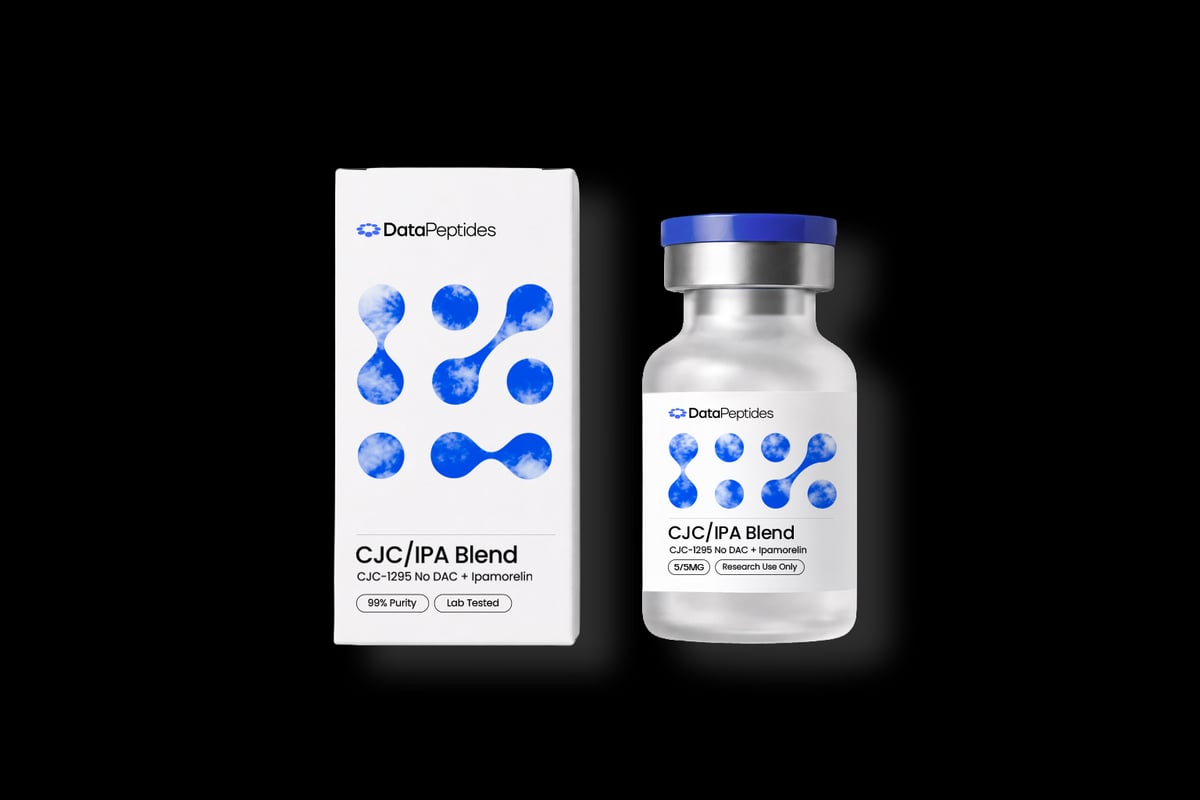
CJC-1295 and Ipamorelin
CJC-1295 (modified growth hormone-releasing hormone) and Ipamorelin (growth hormone-releasing peptide) work through complementary mechanisms. CJC-1295 amplifies natural GH pulses by binding to GHRH receptors, while Ipamorelin activates ghrelin receptors to trigger GH release. Research protocols often combine these peptides to study their synergistic effects on hormone dynamics.
The CJC / IPA Blend demonstrates how complementary peptides can work together through distinct pathways. When combined in research applications, these compounds create a controlled environment for studying natural GH elevation patterns and their downstream effects on cellular processes.
| Peptide | Mechanism | Half-Life | Primary Research Focus |
|---|---|---|---|
| CJC-1295 (No DAC) | GHRH receptor agonist | ~30 minutes | GH pulse amplification |
| Ipamorelin | Ghrelin receptor agonist | ~2 hours | Selective GH release |
| Combined Protocol | Dual pathway activation | Synergistic | Enhanced GH dynamics |
Hexarelin and MK-677
Hexarelin functions as a potent ghrelin mimetic, while MK-677 (Ibutamoren) serves as an orally active growth hormone secretagogue. Research applications examine their effects on appetite regulation, body composition changes, and growth hormone axis function. These compounds offer distinct advantages for studies requiring sustained GH elevation or investigating ghrelin pathway mechanisms.
Tissue Repair and Regeneration Peptides
Among the best peptides for studying healing mechanisms, tissue repair compounds have gained significant attention for their potential effects on various biological systems. These peptides interact with cellular repair pathways, offering researchers opportunities to investigate regeneration processes across multiple tissue types.
BPC-157 Research Applications
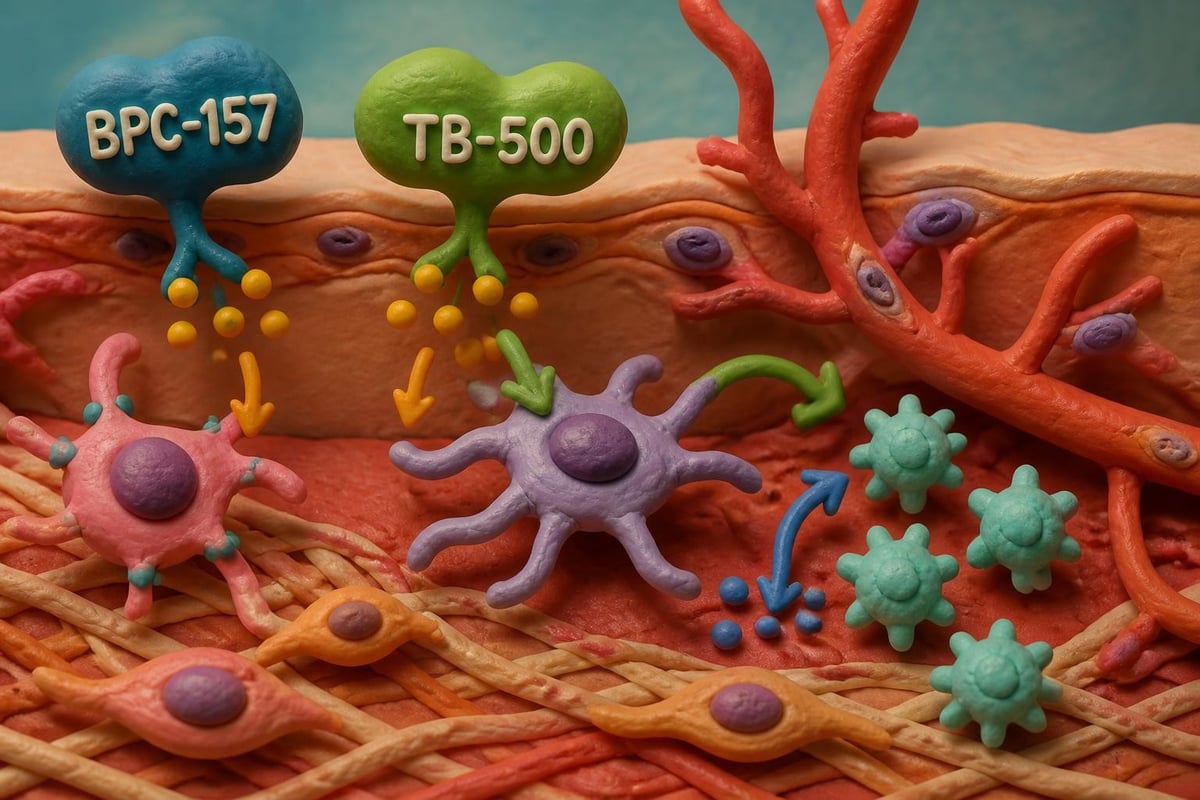
Body Protection Compound 157 consists of a 15-amino acid sequence derived from a protective gastric protein. Research protocols utilize BPC-157 to investigate tissue healing mechanisms in musculoskeletal systems, gastrointestinal tissues, and vascular structures. The peptide appears to influence growth factor expression, angiogenesis pathways, and inflammatory modulation.
Laboratory studies examine BPC-157's effects on:
- Tendon and ligament healing rates
- Muscle tissue recovery following injury
- Gastrointestinal barrier function
- Vascular endothelial repair mechanisms
- Inflammatory cytokine expression profiles
TB-500 and Thymosin Beta-4
TB-500 represents a synthetic fraction of Thymosin Beta-4, a naturally occurring protein present in most mammalian cells. Research applications focus on its role in cellular migration, actin regulation, and new blood vessel formation. The peptide's ability to promote cell movement makes it particularly valuable for studying wound healing dynamics and tissue remodeling processes.
Metabolic and Mitochondrial Peptides
The emergence of metabolic peptides in skincare and research reflects growing scientific interest in compounds that influence cellular energy production and substrate utilization. These peptides offer research tools for investigating metabolic flexibility, mitochondrial function, and energy homeostasis.
NAD+ and Cellular Energy Research
Nicotinamide adenine dinucleotide (NAD+) serves as an essential coenzyme in cellular energy production and metabolic reactions. Research applications examine NAD+ supplementation effects on mitochondrial function, DNA repair mechanisms, and cellular aging pathways. The compound's role in sirtuins activation makes it particularly relevant for longevity research protocols.
MOTS-c Mitochondrial Function
MOTS-c represents a mitochondria-derived peptide that researchers study for its effects on metabolic regulation and cellular stress responses. Laboratory protocols investigate how this peptide influences glucose metabolism, fatty acid oxidation, and cellular adaptation to metabolic challenges. The compound's unique origin from mitochondrial DNA adds complexity to research examining cellular communication pathways.
| Metabolic Peptide | Origin | Primary Research Area | Key Mechanisms |
|---|---|---|---|
| NAD+ | Coenzyme | Energy production, aging | Sirtuins activation, DNA repair |
| MOTS-c | Mitochondrial-derived | Metabolic function | AMPK pathway, insulin sensitivity |
| Retatrutide | Synthetic triple agonist | Body composition, metabolism | GLP-1, GIP, GCGR activation |
Anti-Aging and Regenerative Peptides
Research into cellular aging and regeneration has identified several peptides as particularly valuable for investigating senescence, cellular repair, and longevity mechanisms. These compounds offer researchers tools to study the complex biological processes underlying aging and tissue maintenance.
GHK-Cu Copper Peptide Research
GHK-Cu (Glycyl-L-Histidyl-L-Lysine-Copper) represents a naturally occurring copper-binding tripeptide found in human plasma. Research protocols examine its effects on collagen synthesis, skin remodeling, and wound healing processes. The copper component facilitates enzymatic reactions involved in tissue repair and extracellular matrix production.
Recent analysis of peptide trends demonstrates increasing research interest in copper peptides for their documented effects on cellular regeneration. Laboratory studies investigate GHK-Cu's ability to modulate gene expression patterns, particularly genes involved in tissue repair and inflammatory responses.
Epitalon and Cellular Aging
Epitalon (Epithalon) consists of four amino acids that research suggests may influence telomerase activity and cellular aging processes. Laboratory applications focus on its potential effects on circadian rhythm regulation, melatonin production, and cellular lifespan. The peptide's proposed mechanism involves telomere length maintenance, making it relevant for aging research protocols.
Research facilities exploring anti-aging mechanisms can access detailed information through Data Peptides’ research catalog, which provides comprehensive specifications for laboratory-grade compounds.
Specialized Research Peptides
Beyond the major categories, several specialized peptides offer unique research applications for investigating specific physiological pathways and receptor systems. These compounds enable targeted studies of niche biological mechanisms.
Melanocortin Receptor Research
Melanotan-2 serves as a synthetic analog of alpha-melanocyte-stimulating hormone (α-MSH), activating melanocortin receptors throughout the body. Research applications examine its effects on melanin production, appetite regulation through MC4R activation, and neural pathway modulation. The compound's ability to influence multiple receptor subtypes makes it valuable for studying melanocortin system complexity.
Kisspeptin and Reproductive Research
Kisspeptin peptides play crucial roles in reproductive hormone regulation by stimulating gonadotropin-releasing hormone (GnRH) secretion. Laboratory studies investigate kisspeptin's effects on puberty onset, fertility mechanisms, and hypothalamic-pituitary-gonadal axis function. Research protocols utilize various kisspeptin isoforms to study receptor binding dynamics and hormonal responses.
Quality Verification and Testing Protocols
Selecting the best peptides requires rigorous attention to quality verification methods and analytical testing protocols. Research-grade peptides undergo multiple analytical procedures to confirm identity, purity, and consistency across production batches.
Analytical Methods for Peptide Verification
- High-Performance Liquid Chromatography (HPLC) measures peptide purity and identifies potential impurities
- Mass Spectrometry (MS) confirms molecular weight and structural identity
- Amino Acid Analysis verifies sequence composition and peptide content
- Bacterial Endotoxin Testing ensures safety for research applications
- Appearance and Solubility Tests confirm physical characteristics
Third-party testing provides independent verification of manufacturer claims. Reputable suppliers provide detailed certificates of analysis documenting test results for each batch. These COAs should include specific purity percentages, testing methodologies employed, and dates of analysis.
Storage and Handling Considerations
Research peptides maintain stability under specific storage conditions. Lyophilized (freeze-dried) peptides typically require storage at -20°C or below to preserve molecular integrity over extended periods. Once reconstituted with bacteriostatic water or other appropriate solvents, peptide solutions generally require refrigeration at 2-8°C and should be used within specified timeframes to maintain potency.
Proper handling protocols minimize degradation risks:
- Avoid repeated freeze-thaw cycles of reconstituted peptides
- Protect solutions from direct light exposure
- Use sterile techniques during reconstitution
- Store away from temperature fluctuations
- Document storage conditions and expiration dates
Emerging Research Directions
The peptide research field continues evolving with new compounds and applications emerging regularly. Recent discussions about peptide safety and regulation highlight the importance of maintaining rigorous research standards as interest in peptide science grows.
AI-Driven Peptide Discovery
Advances in computational peptide design and analysis enable researchers to predict peptide properties, optimize sequences, and identify novel compounds with specific biological activities. Machine learning algorithms analyze vast datasets of peptide structures and functions, accelerating discovery timelines and improving research efficiency.
Combination Peptide Protocols
Research increasingly examines synergistic effects when multiple peptides target complementary pathways. Blend formulations combine peptides with related mechanisms to study enhanced effects and pathway interactions. These combination protocols offer insights into complex biological systems where multiple signaling pathways converge.
Regulatory Compliance and Research Ethics
Laboratory research with peptides requires adherence to institutional guidelines, ethical standards, and regulatory requirements. Research-grade peptides carry specific restrictions and intended use parameters that researchers must respect.
Research-Only Designation
The best peptides for laboratory applications carry explicit designations as research chemicals not intended for human or animal consumption. This classification reflects regulatory status and emphasizes the compounds' purpose for controlled scientific investigation rather than therapeutic applications.
Research facilities should maintain proper documentation including:
- Material Safety Data Sheets (MSDS) for all peptides
- Storage and handling protocols
- Institutional review board approvals where applicable
- Proper waste disposal procedures
- Chain of custody documentation
Quality Source Selection
Identifying reputable peptide suppliers involves evaluating manufacturing practices, testing protocols, and transparency standards. Key indicators of quality suppliers include US-based manufacturing facilities, comprehensive third-party testing, detailed product documentation, and responsive technical support for research questions.
Researchers should verify that suppliers provide batch-specific certificates of analysis, maintain consistent quality standards across production runs, and demonstrate commitment to purity verification. Access to comprehensive research resources supports informed decision-making when selecting peptide sources for laboratory applications.
Practical Research Considerations
Implementing peptide research protocols requires attention to dosing calculations, reconstitution procedures, and experimental design considerations. Understanding concentration units, molecular weights, and solution preparation ensures accurate research applications.
Dosing and Concentration Calculations
Research protocols specify peptide amounts in milligrams or micrograms, often requiring conversion to molar concentrations for precise experimental control. Molecular weight information enables researchers to calculate exact molar amounts and prepare solutions with desired concentrations for specific applications.
Standard calculation formula:
Concentration (mg/mL) = Total peptide mass (mg) / Reconstitution volume (mL)
Experimental Design Best Practices
Robust peptide research follows established experimental design principles to generate reliable, reproducible data. Control groups, appropriate sample sizes, and standardized protocols minimize variability and strengthen research conclusions.
Consider these design elements:
- Establish baseline measurements before peptide administration
- Include vehicle-only control groups for comparison
- Document all experimental conditions and environmental factors
- Use randomization to reduce bias in treatment allocation
- Replicate experiments to confirm reproducibility
- Monitor for unexpected effects or outcomes

Selecting the best peptides for laboratory research depends on specific study objectives, quality verification standards, and proper handling protocols. Understanding peptide mechanisms, regulatory requirements, and analytical testing methods enables researchers to design robust experiments that contribute meaningful data to scientific knowledge. Data Peptides provides US-manufactured, third-party tested research peptides for laboratory applications, supporting rigorous scientific investigation with transparent quality documentation and consistent purity standards across all product batches.