

Research into brain peptides has expanded significantly over the past two decades, revealing complex molecular mechanisms that influence cognition, neuroprotection, and neurological health. These short chains of amino acids serve as signaling molecules within the central nervous system, regulating everything from memory formation to neural repair processes. Understanding the fundamental properties and applications of these compounds provides valuable insight for researchers investigating novel therapeutic approaches to cognitive enhancement and neurological support.
Understanding Brain Peptide Structure and Function
A brain peptide consists of a specific sequence of amino acids designed to interact with neuronal receptors and influence various biochemical pathways. Unlike larger proteins, peptides typically contain between 2 and 50 amino acids, allowing them to cross biological barriers more efficiently and bind to targeted receptor sites with high specificity.
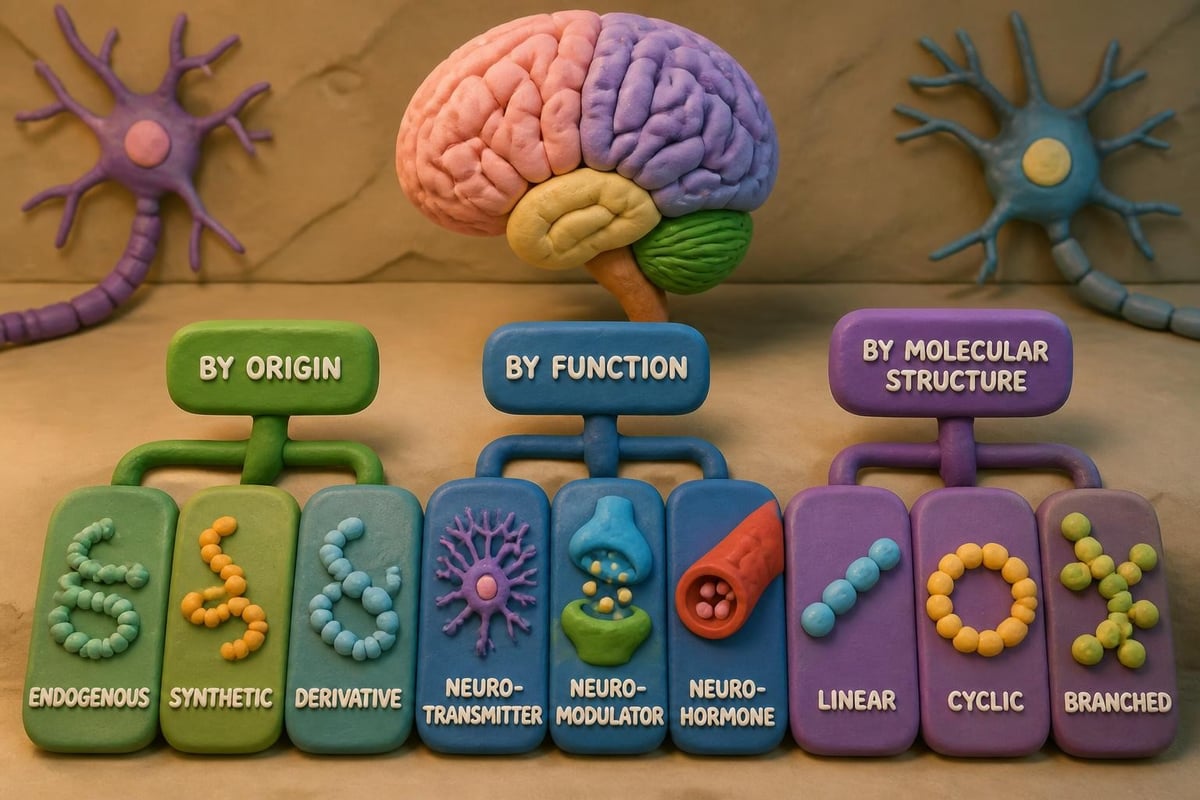
These molecules function through multiple mechanisms within the central nervous system. They can act as neurotransmitters, neuromodulators, or neurohormones, depending on their structure and the receptors they engage. The specificity of each brain peptide determines its particular effects on cognitive function, synaptic plasticity, and cellular protection.
Classification of Neuropeptides
Researchers categorize brain peptides based on their origin, function, and molecular structure. Some are synthesized naturally within the body, while others are created synthetically for research purposes.
- Endogenous neuropeptides: Produced naturally by the body, including substance P, neuropeptide Y, and brain-derived neurotrophic factor (BDNF)
- Synthetic analogs: Laboratory-created versions designed to mimic or enhance natural peptide functions
- Derivative compounds: Modified versions of natural peptides with improved stability or bioavailability
- Peptide mixtures: Combinations of multiple peptide sequences targeting complementary pathways
The classification system helps researchers identify which compounds might be most relevant for specific applications. Various peptides known for cognitive enhancement have been studied extensively to understand their distinct mechanisms and potential benefits.
Mechanisms of Action in the Central Nervous System
Brain peptide compounds interact with the nervous system through several well-documented pathways. Understanding these mechanisms is essential for researchers designing studies or exploring new applications for neuroprotective compounds.
Receptor Binding and Signal Transduction
When a brain peptide reaches its target tissue, it binds to specific membrane receptors on neurons or glial cells. This binding initiates a cascade of intracellular signals that can modify gene expression, alter ion channel activity, or trigger the release of secondary messengers.
The selectivity of peptide-receptor interactions ensures that each compound produces precise effects. G-protein coupled receptors (GPCRs) represent the most common target for neuropeptides, though some interact with tyrosine kinase receptors or ion channels directly.
| Receptor Type | Primary Function | Example Peptides |
|---|---|---|
| GPCR | Signal transduction, neurotransmitter modulation | Substance P, Neuropeptide Y |
| Tyrosine Kinase | Growth factor signaling, cell survival | BDNF, NGF |
| Ion Channel | Membrane potential regulation | Certain opioid peptides |
Neurotrophic and Neuroprotective Properties
Many brain peptide compounds demonstrate neurotrophic effects, meaning they support the growth, survival, and differentiation of neurons. These properties make them particularly interesting for research into neurological conditions characterized by neuronal loss or dysfunction.
Research on neuroprotective peptides has identified several mechanisms through which these compounds may support neuronal health:
- Upregulation of neurotrophic factors: Stimulating production of endogenous growth factors like BDNF and nerve growth factor (NGF)
- Reduction of oxidative stress: Decreasing free radical damage through antioxidant pathway activation
- Modulation of inflammatory responses: Regulating microglial activation and cytokine production
- Enhancement of mitochondrial function: Supporting cellular energy production and reducing apoptotic signaling
- Promotion of synaptic plasticity: Facilitating dendritic spine formation and strengthening neural connections
These mechanisms often work synergistically, providing multi-faceted protection against various forms of neurological stress.
Notable Brain Peptide Compounds in Research
Several specific brain peptide compounds have garnered significant attention in research settings due to their documented effects on cognitive function and neural health.
Cerebrolysin and Neurotrophic Activity
Cerebrolysin represents one of the most extensively studied neurotrophic peptide mixtures derived from porcine brain tissue. This compound contains a standardized blend of low-molecular-weight neuropeptides and amino acids that mimic the actions of endogenous neurotrophic factors.
Research has explored its potential applications in various neurological contexts, with studies examining effects on:
- Neuroplasticity and synaptic remodeling
- Neurotransmitter system modulation
- Cellular energy metabolism in neurons
- Protection against excitotoxicity and oxidative damage
The mixture's composition includes multiple bioactive peptides that work through complementary pathways, potentially providing broader effects than single-compound approaches.
Semax and Cognitive Enhancement
Semax, a synthetic seven-amino-acid peptide, was developed as a brain peptide specifically designed to cross the blood-brain barrier efficiently. Its structure is based on a fragment of adrenocorticotropic hormone (ACTH) but has been modified to enhance stability and neurological activity.
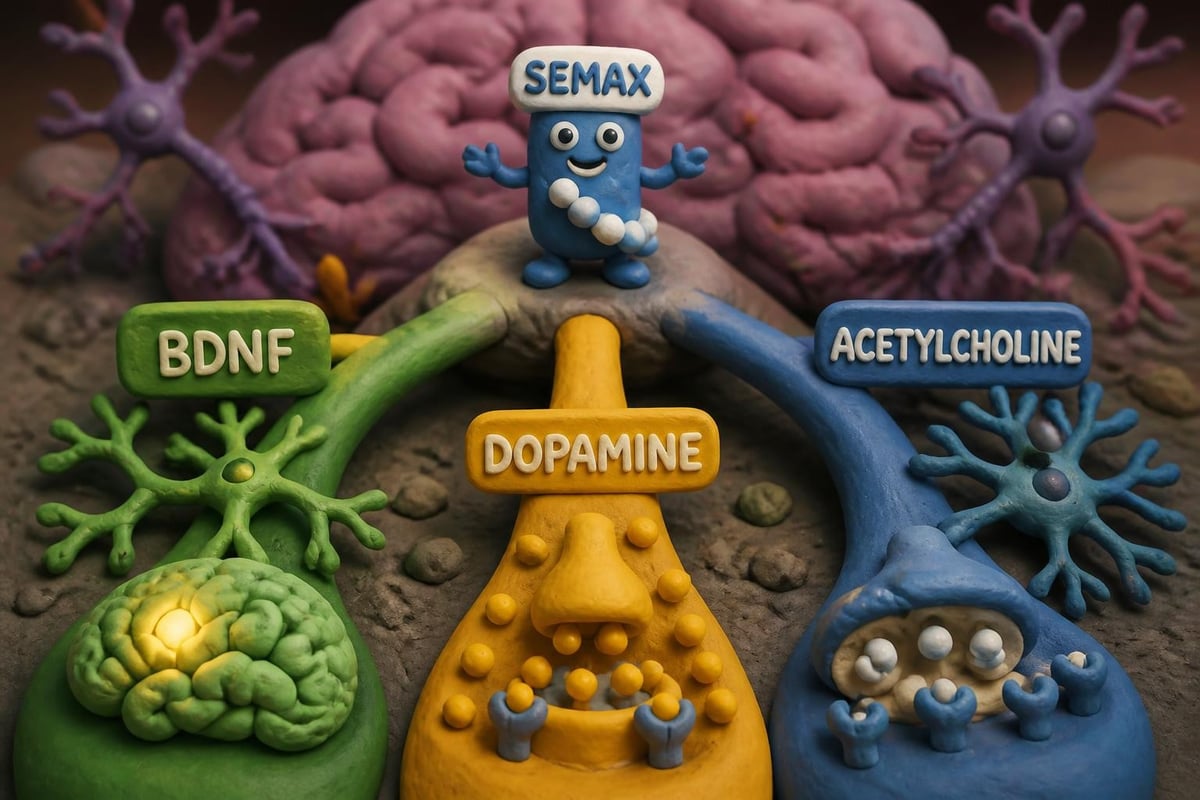
Research into Semax has documented several interesting properties:
- Increased expression of brain-derived neurotrophic factor (BDNF)
- Enhanced dopamine and serotonin metabolism
- Improved attention and memory consolidation in animal models
- Potential anxiolytic effects through GABAergic modulation
Selank and Anxiolytic Properties
Selank shares structural similarities with Semax but includes additional amino acids that confer distinct pharmacological properties. This brain peptide has been investigated primarily for its effects on anxiety-related behaviors and stress responses.
The compound appears to influence several neurotransmitter systems simultaneously, including GABA, serotonin, and dopamine pathways. This multi-target activity may explain its broad effects on mood regulation and cognitive performance under stressful conditions.
Research Applications and Study Design Considerations
When incorporating brain peptide compounds into research protocols, several methodological factors require careful consideration to ensure reliable and reproducible results.
Dosing and Administration Variables
Determining appropriate dosing parameters represents a critical aspect of any peptide research protocol. Variables to consider include:
Concentration: The molarity or mass-per-volume concentration must be precisely calculated based on the specific peptide's molecular weight and desired experimental effects.
Administration route: Different routes (subcutaneous, intravenous, intranasal, or direct CNS administration in animal models) significantly affect bioavailability and kinetics.
Frequency: Some brain peptide compounds require daily administration, while others may have longer-lasting effects that allow for less frequent dosing.
Duration: Acute versus chronic administration can produce substantially different outcomes, particularly for compounds that influence gene expression or structural plasticity.
Researchers often utilize tools like a peptide calculator to ensure accurate reconstitution and dosing throughout experimental protocols.
Purity and Quality Control
The reliability of research outcomes depends heavily on the purity and consistency of peptide samples. Third-party batch testing provides verification of:
- Peptide content and concentration
- Presence of contaminants or degradation products
- Proper lyophilization and storage stability
- Endotoxin levels for in vivo applications
| Quality Parameter | Acceptable Range | Testing Method |
|---|---|---|
| Purity | ≥95% | HPLC, Mass Spectrometry |
| Peptide Content | 90-110% of stated value | Quantitative analysis |
| Endotoxin Level | <1.0 EU/mg | LAL test |
| Water Content | <5% | Karl Fischer titration |
High-quality suppliers provide certificates of analysis documenting these parameters for each batch, enabling researchers to verify compound integrity before use.

Cognitive Enhancement Research
Investigation into brain peptide effects on cognitive performance represents a rapidly growing field, with researchers examining both immediate and long-term impacts on various aspects of mental function.
Memory and Learning
Several brain peptide compounds have demonstrated effects on memory formation and consolidation in preclinical models. These effects likely result from multiple mechanisms working in concert.
Enhanced synaptic plasticity plays a central role, with certain peptides promoting long-term potentiation (LTP) in hippocampal neurons. This process is fundamental to the encoding of new memories and the strengthening of existing neural pathways.
Top peptides for brain function have been ranked based on their documented effects in research settings, with evaluations considering both the strength of evidence and the breadth of cognitive domains affected.
Attention and Focus
Attention represents another cognitive domain where brain peptide research has shown promising results. Some compounds appear to modulate dopaminergic and noradrenergic transmission in prefrontal cortical regions, areas critical for sustained attention and executive function.
The enhancement of cholinergic signaling also contributes to improved focus and information processing. Acetylcholine plays essential roles in selective attention, working memory, and the filtering of relevant from irrelevant stimuli.
Neuroprotective Research Applications
Beyond cognitive enhancement, brain peptide research extensively explores neuroprotective applications, examining how these compounds might support neuronal survival and function under various stress conditions.
Oxidative Stress and Mitochondrial Support
Oxidative damage represents a common pathway in numerous neurological conditions. Research has identified several brain peptide compounds that appear to reduce oxidative stress through multiple mechanisms:
- Activation of endogenous antioxidant systems (superoxide dismutase, catalase, glutathione peroxidase)
- Stabilization of mitochondrial membranes
- Enhancement of cellular energy production
- Reduction of reactive oxygen species (ROS) generation
These effects may prove particularly relevant in research models of aging, metabolic dysfunction, or acute neurological injury.
Inflammatory Modulation
Neuroinflammation contributes to the pathophysiology of various neurological conditions. Certain brain peptide compounds have demonstrated the ability to modulate inflammatory responses in the central nervous system.
Rather than simply suppressing all immune activity, many peptides appear to promote a more balanced inflammatory state. They may reduce pro-inflammatory cytokine production while maintaining or enhancing anti-inflammatory signaling pathways.
Structural Repair and Recovery Research
Some brain peptide compounds show particular promise in research examining tissue repair and recovery processes within the nervous system. While these peptides may not be classified exclusively as brain peptides, their applications in neural tissue make them relevant to this discussion.
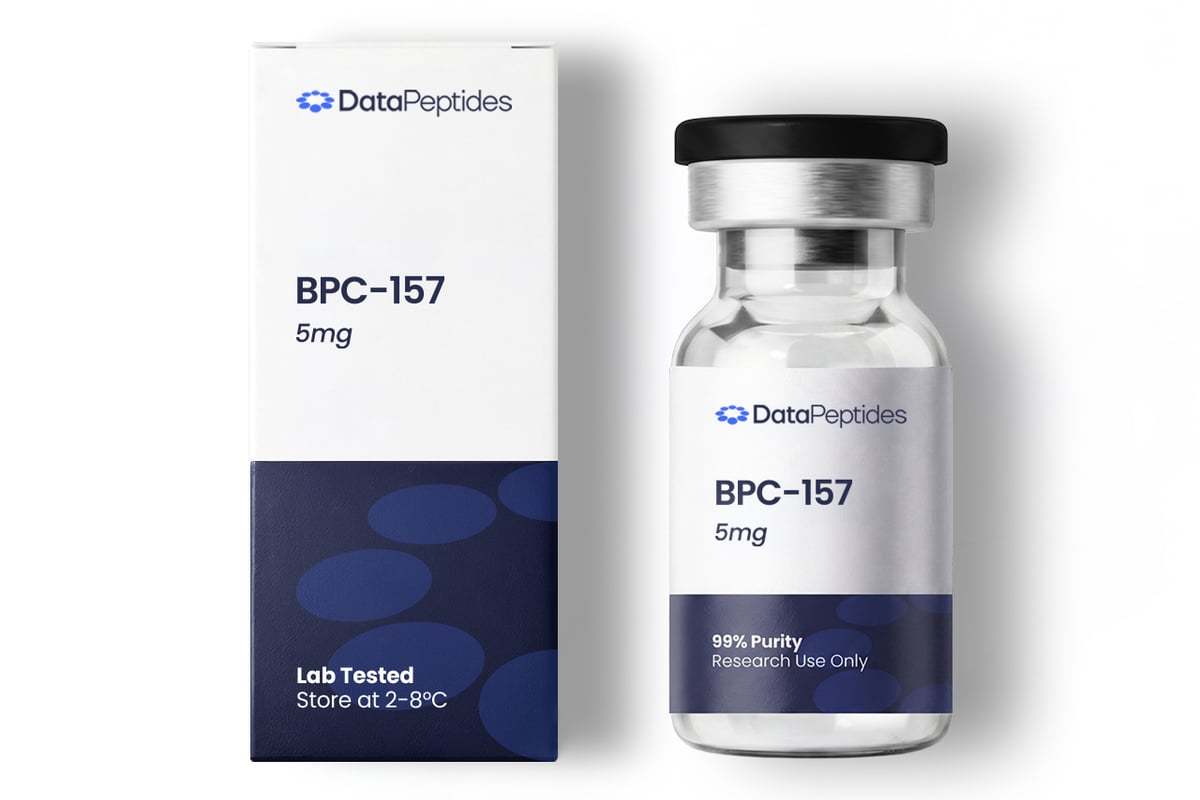
Research has explored peptides like BPC-157, which has demonstrated tissue repair properties across multiple systems, including potential effects on neural tissue recovery. Studies have examined its influence on growth factor production, angiogenesis, and cellular migration processes that may support recovery from various forms of neural injury.
Growth Factor Modulation
Many neuroprotective brain peptide compounds influence the production or activity of endogenous growth factors. Brain-derived neurotrophic factor (BDNF) represents the most extensively studied neurotrophin in this context.
BDNF supports neuronal survival, promotes dendritic growth, and enhances synaptic plasticity. Compounds that upregulate BDNF expression or enhance its signaling may provide indirect neuroprotective benefits that extend beyond the peptide's direct receptor interactions.
Research Safety and Ethical Considerations
Conducting research with brain peptide compounds requires adherence to established safety protocols and ethical guidelines. These considerations protect both research personnel and ensure the integrity of experimental outcomes.
Laboratory Safety Protocols
When working with peptide compounds in research settings, proper handling procedures minimize risks:
- Use appropriate personal protective equipment (PPE) including gloves and lab coats
- Work in properly ventilated areas or under fume hoods when handling lyophilized powders
- Follow proper reconstitution procedures using sterile bacteriostatic water
- Store compounds at appropriate temperatures (typically -20°C for long-term storage)
- Maintain detailed records of all handling and administration procedures
Regulatory Compliance
All research involving brain peptide compounds must comply with relevant regulations governing laboratory research. This includes:
- Proper institutional review and approval for research protocols
- Adherence to guidelines for animal research when applicable (IACUC protocols)
- Accurate record-keeping and documentation of all experimental procedures
- Clear labeling of all compounds indicating research-only status
- Proper disposal of used materials according to institutional guidelines
Research-grade peptides from suppliers like Data Peptides are manufactured specifically for laboratory applications and are not intended for human or animal consumption outside of approved research contexts.
Future Directions in Brain Peptide Research
The field of brain peptide research continues to evolve, with several emerging areas showing particular promise for advancing our understanding of cognitive function and neurological health.
Combination Approaches
Rather than examining single compounds in isolation, researchers increasingly investigate synergistic combinations of multiple brain peptide compounds. These approaches may more closely mimic the complex interplay of signaling molecules that occur naturally in the nervous system.
Combination strategies might target complementary pathways, such as pairing a compound with neurotrophic effects with one that primarily modulates neurotransmitter systems. The goal is to achieve more comprehensive effects than either compound could produce alone.
Novel Delivery Methods
Improving bioavailability and target specificity represents an ongoing challenge in brain peptide research. Innovative delivery approaches under investigation include:
- Nanoparticle encapsulation for enhanced blood-brain barrier penetration
- Intranasal administration for direct nose-to-brain transport
- Modified peptide structures with improved stability and half-life
- Targeted delivery systems that release compounds in response to specific physiological conditions
Personalized Research Models
As understanding of individual variation in peptide response grows, research models are becoming increasingly sophisticated in accounting for genetic, epigenetic, and environmental factors that influence outcomes.
This personalization extends to considering factors such as age, sex, metabolic status, and baseline neurological function when designing experiments and interpreting results. Such approaches may help identify which brain peptide compounds are most appropriate for specific research questions or model systems.
Quality Assurance in Peptide Research
Maintaining rigorous quality standards throughout the research process ensures reliable, reproducible results. This begins with sourcing high-quality compounds and extends through every phase of experimental design and execution.
Supplier Selection Criteria
Choosing a reputable peptide supplier represents one of the most important decisions in research planning. Key criteria include:
Manufacturing standards: US-based manufacturing facilities following current good manufacturing practices (cGMP) provide additional quality assurance.
Testing protocols: Third-party batch testing for purity, concentration, and contaminants ensures compound integrity.
Documentation: Comprehensive certificates of analysis and detailed product specifications enable proper experimental planning.
Consistency: Batch-to-batch consistency ensures that results remain comparable across extended research timelines.
Researchers can explore available options through suppliers' product catalogs to identify compounds that match their specific research requirements.
Storage and Handling Best Practices
Proper storage and handling preserve peptide integrity throughout the research period:
- Store lyophilized peptides at -20°C in a freezer dedicated to reagent storage
- Minimize freeze-thaw cycles by aliquoting reconstituted solutions
- Use sterile technique when reconstituting and handling solutions
- Track storage duration and dispose of aged samples according to stability data
- Protect sensitive peptides from light exposure using amber vials or foil wrapping
Emerging Applications and Research Frontiers
New applications for brain peptide research continue to emerge as our understanding of nervous system function deepens and analytical techniques become more sophisticated.
Neurodegenerative Disease Models
Research increasingly examines whether brain peptide compounds might offer protective effects in models of neurodegenerative conditions. These studies explore mechanisms such as:
- Reduction of protein aggregation (amyloid-beta, tau, alpha-synuclein)
- Enhancement of cellular clearance mechanisms (autophagy, proteasomal degradation)
- Support for synaptic maintenance and function
- Modulation of neuroinflammatory processes
While much of this research remains in early stages, the multi-targeted nature of many brain peptide compounds makes them interesting candidates for these complex conditions.
Metabolic-Cognitive Interactions
Growing evidence suggests strong bidirectional relationships between metabolic health and cognitive function. Some research explores whether brain peptide compounds might influence both domains simultaneously.
Studies examine connections between insulin signaling in the brain, glucose metabolism, and cognitive performance. Other work investigates how peptides that support mitochondrial function might benefit both cellular energy production and neural health.
Circadian Rhythm and Sleep Research
Certain brain peptide compounds interact with systems that regulate sleep-wake cycles and circadian rhythms. Research in this area explores:
- Effects on melatonin production and receptor sensitivity
- Modulation of orexin/hypocretin signaling
- Influence on sleep architecture and sleep quality
- Potential effects on circadian gene expression
Understanding these interactions may open new avenues for investigating the relationships between sleep, cognitive performance, and neurological health.
Brain peptide research represents a dynamic field with expanding applications across cognitive enhancement, neuroprotection, and neurological recovery. From understanding basic mechanisms of receptor binding and signal transduction to exploring complex combinations and novel delivery methods, researchers continue to uncover new insights into how these compounds influence nervous system function. For laboratories seeking high-quality, US-manufactured research peptides with verified purity and consistent batch-to-batch performance, Data Peptides provides laboratory-grade compounds designed specifically for research applications, supported by third-party testing and comprehensive documentation.