
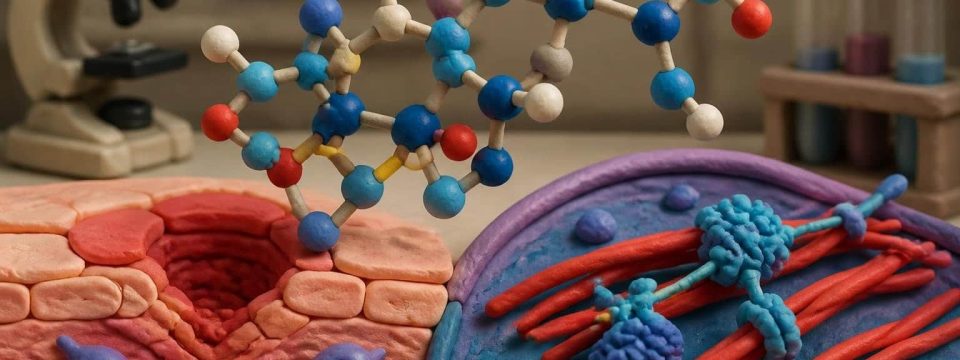
The tb4 peptide, scientifically known as Thymosin Beta-4, represents one of the most extensively studied naturally occurring peptides in mammalian biology. This 43-amino acid sequence plays a fundamental role in cellular processes ranging from actin regulation to tissue repair mechanisms. Research laboratories worldwide continue to investigate its multifaceted biological functions, particularly in wound healing, angiogenesis, and inflammation modulation. Understanding the complexity of this peptide requires examining its molecular structure, biological mechanisms, and research applications across diverse experimental contexts.
Molecular Structure and Biological Origins
TB4 peptide exists as a small, highly conserved protein found in virtually all mammalian cells except red blood cells. The sequence contains 43 amino acids with a molecular weight of approximately 4.9 kilodaltons, making it one of the most abundant low-molecular-weight proteins in most tissues.
The peptide's primary biological function centers on sequestering G-actin, the monomeric form of actin that assembles into filaments for cellular structure and movement. Each tb4 peptide molecule can bind one actin monomer, effectively regulating the pool of available actin for polymerization. This seemingly simple function has profound implications for cellular processes including:
- Cell migration and motility
- Cytoskeletal organization and remodeling
- Wound contraction mechanisms
- Tissue repair coordination
- Vascular formation and maintenance
Distribution and Expression Patterns
Research has identified particularly high concentrations of tb4 peptide in blood platelets, wound fluids, and various regenerative tissues. Expression levels increase dramatically in response to tissue injury, suggesting an active role in the body's natural repair mechanisms.
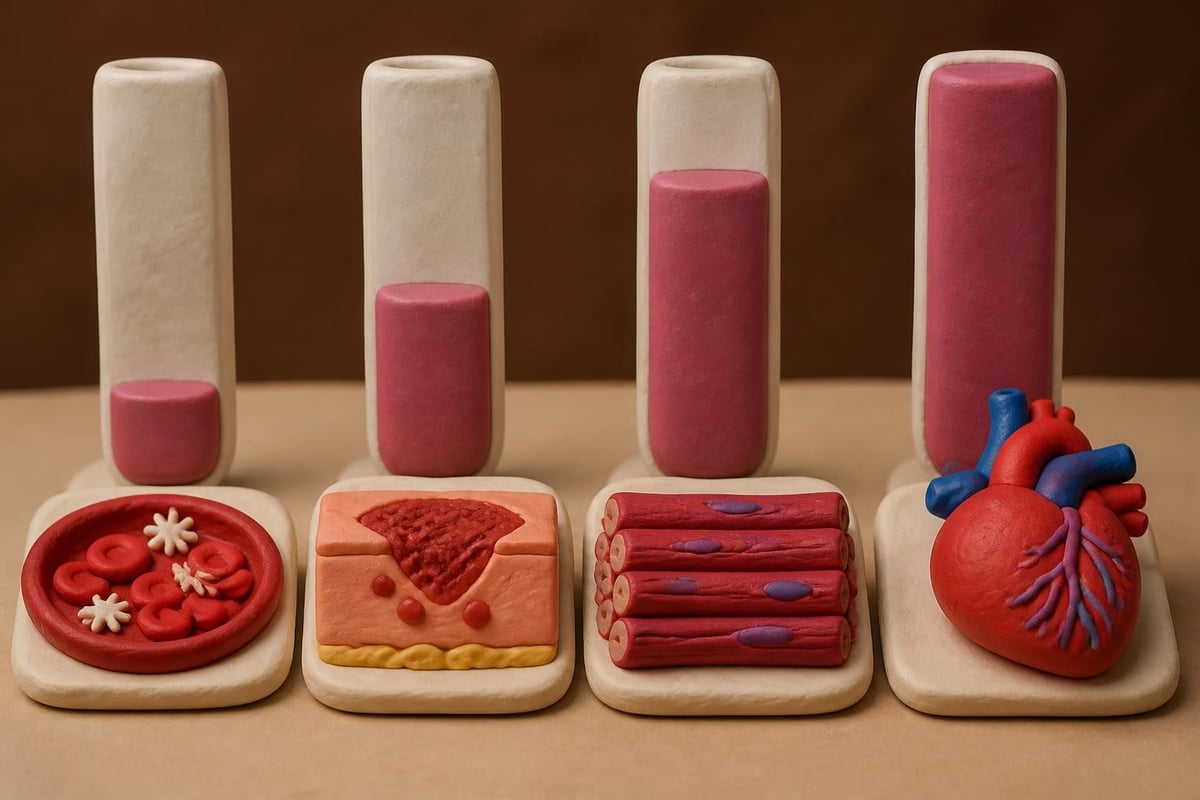
Studies examining Thymosin Beta-4’s biological functions demonstrate that expression patterns vary significantly depending on developmental stage, tissue type, and physiological conditions. Embryonic tissues show markedly higher concentrations compared to mature tissues, indicating developmental significance beyond simple structural maintenance.
| Tissue Type | Relative TB4 Concentration | Primary Function |
|---|---|---|
| Blood Platelets | Very High | Wound response initiation |
| Wound Fluid | High | Active repair coordination |
| Cardiac Tissue | Moderate | Structural maintenance |
| Skeletal Muscle | Moderate | Regeneration support |
| Neural Tissue | Low-Moderate | Development and plasticity |
Mechanisms of Action in Tissue Repair
The tb4 peptide operates through multiple independent yet complementary pathways that collectively support tissue regeneration and healing. Unlike growth factors that require receptor binding, TB4's mechanisms involve both intracellular and extracellular actions.
Actin Sequestration and Cellular Migration
At the molecular level, the peptide's actin-binding function directly influences cell migration capacity. By maintaining a ready pool of unpolymerized actin, tb4 peptide enables rapid cytoskeletal reorganization necessary for cell movement toward injury sites. This process proves particularly critical for:
- Fibroblast migration to wound sites for collagen deposition
- Endothelial cell movement during angiogenesis
- Keratinocyte migration for epithelial wound closure
- Immune cell trafficking to areas requiring inflammatory response
The regulation of actin by Thymosin Beta-4 represents a fundamental cellular process that affects nearly every aspect of tissue repair and regeneration.
Angiogenic Properties
Beyond actin regulation, tb4 peptide demonstrates significant pro-angiogenic activity. Research indicates the peptide promotes new blood vessel formation through multiple mechanisms including endothelial cell differentiation, tubule formation, and vascular maturation processes.
The angiogenic pathway involves upregulation of vascular endothelial growth factor (VEGF) and other pro-angiogenic factors. This creates a cascading effect where tb4 peptide not only directly supports vessel formation but also stimulates production of complementary growth factors that amplify the angiogenic response.
New vasculature provides essential oxygen and nutrient delivery to healing tissues while simultaneously removing metabolic waste products. Without adequate vascularization, tissue repair remains incomplete and prone to complications.
Anti-Inflammatory and Protective Effects
The tb4 peptide exhibits notable anti-inflammatory properties that complement its regenerative functions. Unlike immunosuppressive agents that broadly dampen immune response, TB4 appears to modulate inflammation toward resolution and tissue repair.
Inflammatory Mediator Regulation
Research demonstrates that tb4 peptide can reduce production of pro-inflammatory cytokines including TNF-alpha, IL-1β, and IL-6 while maintaining or enhancing anti-inflammatory signaling pathways. This balanced approach to inflammation management supports:
- Reduced excessive tissue damage from inflammatory processes
- Maintained immune surveillance and pathogen clearance
- Accelerated transition from inflammatory to proliferative healing phases
- Decreased fibrosis and scar formation in healed tissues
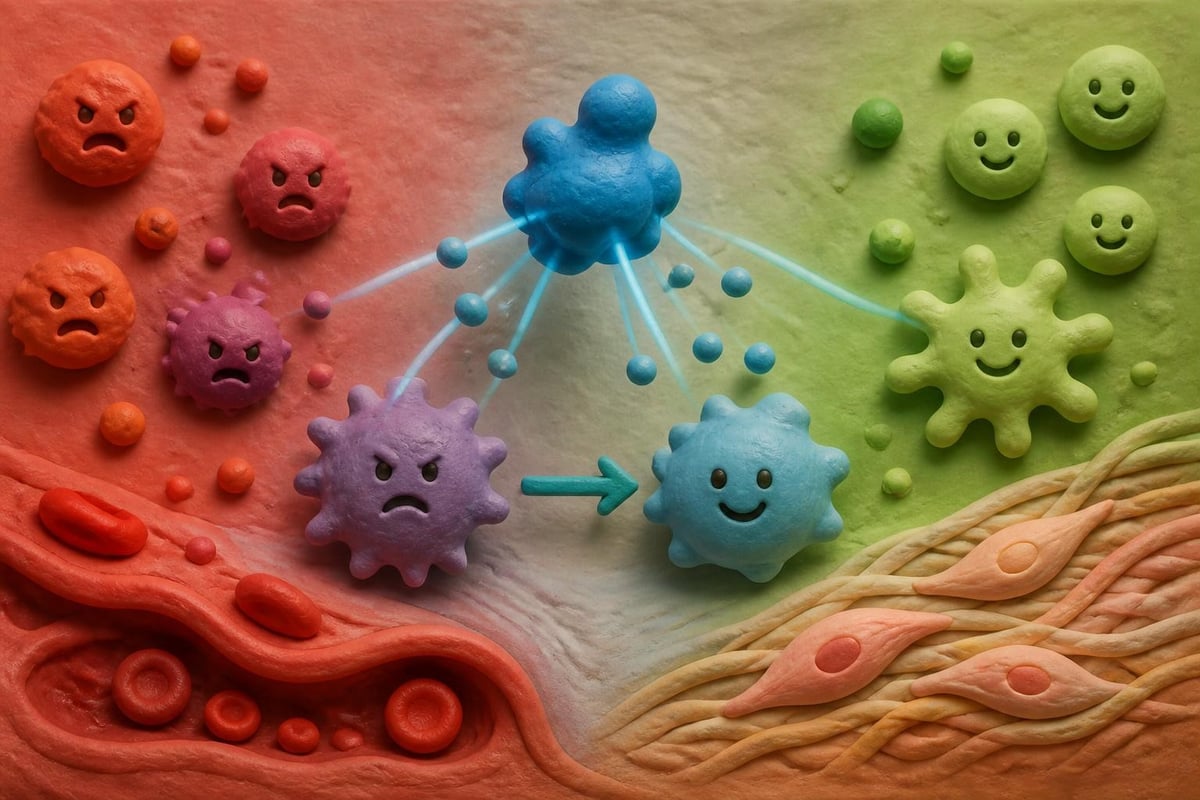
The peptide's interaction with inflammatory cells, particularly macrophages and neutrophils, appears to shift these cells toward pro-resolution phenotypes that actively support healing rather than prolonging inflammatory responses.
Cytoprotective Mechanisms
Studies investigating Thymosin Beta-4 pharmacology reveal multiple cytoprotective effects including reduced apoptosis in stressed cells, enhanced cellular survival under oxidative stress, and improved mitochondrial function during metabolic challenges.
These protective effects extend across various cell types and stress conditions, suggesting tb4 peptide acts as a generalized cellular protective factor rather than targeting specific pathways exclusively.
Research Applications and Experimental Models
Laboratory investigations of tb4 peptide span numerous experimental models and research contexts. Understanding appropriate application methods, dosing considerations, and assessment protocols remains essential for valid scientific inquiry.
Reconstitution and Handling Protocols
For researchers working with lyophilized tb4 peptide, proper reconstitution proves critical for maintaining peptide stability and biological activity. Standard protocols recommend:
- Using bacteriostatic water or sterile saline as reconstitution solution
- Gentle mixing without vigorous shaking to prevent peptide degradation
- Storage at appropriate temperatures (typically 2-8°C for short-term, -20°C for extended storage)
- Avoiding repeated freeze-thaw cycles that can compromise peptide integrity
- Protecting solutions from direct light exposure
Detailed research protocols for Thymosin Beta-4 provide comprehensive guidance on handling procedures that maintain peptide quality throughout experimental procedures.
Dosing Considerations in Research Models
Experimental dosing of tb4 peptide varies significantly based on model system, research objectives, and administration routes. Common approaches include:
| Administration Route | Typical Research Dose Range | Primary Applications |
|---|---|---|
| Subcutaneous | 2-10 mg/kg | Systemic tissue repair studies |
| Intraperitoneal | 5-20 mg/kg | Whole-organism response assessment |
| Topical/Local | Variable concentration | Wound healing localized studies |
| In Vitro | 1-100 μg/mL | Cell culture mechanistic studies |
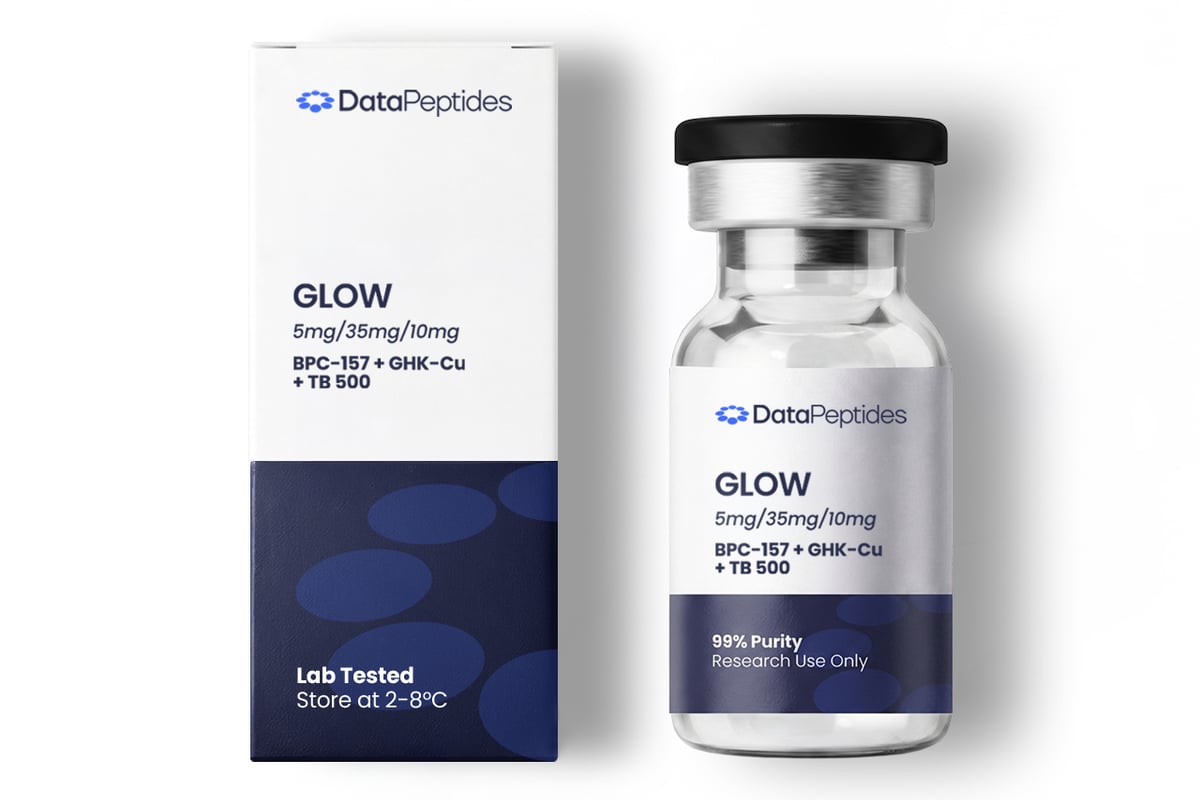
Many research programs exploring comprehensive tissue repair utilize combination approaches. The GLOW Blend combines TB-500 (a TB4 fragment) with GHK-Cu and BPC-157 to support regeneration and recovery through complementary mechanisms, making it a valuable research tool for laboratories investigating multi-pathway healing processes.
TB-500: The Synthetic Fragment
While tb4 peptide refers to the full 43-amino acid sequence, researchers frequently work with TB-500, a synthetic fragment designed to capture the peptide's key biological activities. This fragment typically consists of amino acids 1-41 or specific active regions that retain functional capacity.
TB-500 offers several practical advantages for research applications:
- Improved stability compared to full-length TB4 in solution
- Reduced production costs enabling larger-scale studies
- Maintained biological activity across core functional domains
- Enhanced bioavailability in certain experimental models
The TB4-FRAG synthetic fragment represents efforts to optimize peptide function while improving practical research considerations. Studies comparing full-length tb4 peptide with various fragments help identify the minimum sequence requirements for specific biological activities.
Comparative Efficacy Studies
Research directly comparing TB-500 fragments with full-length tb4 peptide shows generally similar effects across many endpoints, though subtle differences emerge in specific contexts. Some investigators report enhanced potency with certain fragment formulations, while others note equivalent or slightly reduced activity.
These variations likely reflect differences in:
- Specific assay conditions and model systems
- Fragment sequences and lengths used
- Administration routes and pharmacokinetic profiles
- Outcome measures and assessment timepoints
- Peptide purity and formulation factors
Wound Healing Research Applications
Investigations of tb4 peptide in wound healing models represent one of the most robust areas of research. Studies span acute traumatic injuries, surgical wounds, chronic non-healing wounds, and specialized tissue repair scenarios.
Acute Wound Models
Experimental acute wound models demonstrate that tb4 peptide application accelerates healing through multiple measurable parameters including:
- Reduced time to complete epithelialization by 20-40% in various models
- Enhanced granulation tissue formation with improved vascular density
- Increased collagen deposition and more organized extracellular matrix
- Decreased inflammatory infiltration while maintaining appropriate immune response
- Improved tensile strength of healed tissue in biomechanical testing
Studies examining these effects utilize standardized wound models including excisional wounds, incisional wounds, and burn injuries across various species and anatomical locations.
The comprehensive evaluation of Thymosin Beta-4 across multiple wound types provides evidence for broad applicability in diverse injury contexts.
Chronic Wound Considerations
Chronic wound research presents unique challenges given the complex pathophysiology involving sustained inflammation, impaired angiogenesis, and disrupted cellular function. TB4 peptide investigations in diabetic wound models, pressure ulcer models, and ischemic tissue damage show potential benefits including:
- Restoration of impaired angiogenic responses
- Reduction of excessive inflammatory mediators
- Enhancement of fibroblast and keratinocyte function in hostile microenvironments
- Improved extracellular matrix remodeling in stalled healing processes
These effects suggest tb4 peptide might address multiple underlying defects that perpetuate chronic wound states rather than simply accelerating normal healing processes.
Cardiovascular Research Applications
Beyond wound healing, tb4 peptide research extends significantly into cardiovascular applications. The heart naturally expresses moderate levels of the peptide, with marked upregulation following myocardial injury.
Cardiac Repair Mechanisms
Experimental models of myocardial infarction demonstrate several protective and reparative effects of tb4 peptide including:
- Reduced infarct size when administered peri-infarction
- Enhanced angiogenesis in peri-infarct border zones
- Improved cardiac function measures (ejection fraction, contractility)
- Reduced adverse remodeling and fibrosis
- Potential promotion of cardiac progenitor cell activation
The cellular mechanisms underlying these cardiac effects appear to involve both direct cardiomyocyte protection and enhanced supportive cell functions including endothelial cells, fibroblasts, and resident cardiac stem/progenitor populations.
Vascular Remodeling Studies
Research examining tb4 peptide effects on vascular tissue demonstrates enhanced endothelial function, improved vascular smooth muscle cell responses, and beneficial remodeling in various vascular injury models. These findings have implications for understanding vascular adaptation, repair following injury, and maintenance of vascular health.
Musculoskeletal Research Context
The tb4 peptide's role in musculoskeletal tissue repair has garnered substantial research attention given the high prevalence of muscle, tendon, and ligament injuries in both athletic and general populations.
Skeletal Muscle Regeneration
Studies in muscle injury models show that tb4 peptide enhances satellite cell activation and migration, improves muscle fiber regeneration, reduces fibrosis following severe injury, and accelerates functional recovery.
The peptide's influence on myogenic differentiation and fusion processes appears to optimize the balance between rapid repair and quality of regenerated tissue. Research from Data Peptides provides laboratory-grade materials enabling rigorous investigation of these regenerative processes in controlled research settings.
Tendon and Ligament Research
Tendon healing research with tb4 peptide demonstrates enhanced tenocyte proliferation and collagen production, improved biomechanical properties of healed tendons, reduced adhesion formation, and enhanced vascularization during healing phases.
These effects prove particularly relevant for injuries to tissues with naturally limited healing capacity due to poor vascularization and slow cellular turnover rates.
Neurological Research Applications
Emerging research explores tb4 peptide's potential roles in nervous system development, injury response, and neurodegenerative processes. The peptide is expressed in neural tissues and appears to support several neurologically relevant functions.
Neuroprotection Studies
Experimental models of stroke, traumatic brain injury, and spinal cord injury show potential neuroprotective effects including:
- Reduced neuronal apoptosis in injured regions
- Enhanced neurogenesis and neural progenitor cell function
- Improved angiogenesis supporting neural tissue recovery
- Modulated neuroinflammation with reduced secondary damage
- Enhanced functional recovery in behavioral assessments
The mechanisms underlying these neuroprotective effects likely involve both direct neuronal protection and supportive effects on glial cells, vascular elements, and inflammatory responses within neural tissue.
Quality Considerations for Research
The reliability of tb4 peptide research depends fundamentally on peptide quality, purity, and proper characterization. Researchers must consider several quality factors when selecting peptide sources.
Purity and Analytical Testing
High-quality research-grade tb4 peptide should include:
- HPLC analysis demonstrating >95% purity when possible
- Mass spectrometry confirmation of correct molecular weight
- Amino acid analysis verifying sequence accuracy
- Endotoxin testing ensuring freedom from bacterial contamination
- Certificate of Analysis providing batch-specific quality data
Third-party testing provides independent verification of manufacturer claims and helps ensure research reproducibility across laboratories and studies.
Storage and Stability Factors
Proper storage significantly impacts tb4 peptide stability and biological activity. Key considerations include:
| Storage Condition | Stability Duration | Recommendations |
|---|---|---|
| Lyophilized, -20°C | 2+ years | Original sealed vial |
| Lyophilized, 4°C | 6-12 months | Protect from moisture |
| Reconstituted, 4°C | 7-14 days | Minimize freeze-thaw |
| Reconstituted, -20°C | 1-3 months | Single-use aliquots preferred |
Following manufacturer guidelines and maintaining consistent storage protocols helps ensure experimental reproducibility and valid research outcomes.
Safety Profile and Research Considerations
Understanding the tb4 peptide safety profile proves essential for designing appropriate research protocols and interpreting study results. Extensive animal research provides substantial data on toxicity thresholds and adverse effect profiles.
Toxicology Studies
Preclinical toxicology assessments of tb4 peptide generally demonstrate favorable safety profiles with wide therapeutic windows in animal models. Acute toxicity studies show no significant adverse effects at doses many times higher than those producing biological effects.
Chronic administration studies similarly demonstrate good tolerance with minimal toxicity signals. However, researchers should note that:
- Individual experimental models may show varying sensitivity
- Combination with other agents requires separate safety assessment
- Route of administration influences safety considerations
- Long-term effects require extended observation periods
Experimental Monitoring Parameters
Comprehensive research protocols incorporating tb4 peptide should include appropriate monitoring of relevant safety and efficacy parameters specific to the experimental model and research objectives.
Future Research Directions
The breadth of tb4 peptide research continues expanding as investigators identify new applications and refine understanding of existing mechanisms. Several promising research directions warrant attention.
Combination Therapy Research
Studies increasingly explore tb4 peptide in combination with complementary agents. Research examining peptide combinations helps identify synergistic effects and optimal therapeutic strategies. Understanding how different peptides interact at cellular and molecular levels may reveal novel approaches to complex healing challenges.
Targeted Delivery Systems
Advanced delivery technologies including nanoparticle formulations, hydrogel matrices, and controlled-release systems offer opportunities to optimize tb4 peptide delivery to specific tissues. These approaches may enhance local tissue concentrations while minimizing systemic exposure.
Mechanism Elucidation Studies
Despite extensive research, complete understanding of all tb4 peptide mechanisms remains elusive. Ongoing investigations using advanced molecular biology techniques, proteomics, and systems biology approaches continue revealing new aspects of peptide function and regulation.
The detailed TB4-FRAG information resource provides comprehensive molecular data supporting mechanistic research efforts.
The tb4 peptide continues to demonstrate remarkable versatility across diverse research applications from wound healing to cardiovascular protection to neurological support. Understanding its multifaceted mechanisms, proper handling protocols, and quality requirements enables rigorous scientific investigation of this naturally occurring regenerative peptide. For researchers seeking laboratory-grade, US-manufactured research peptides with third-party batch testing for purity, Data Peptides provides materials specifically intended for laboratory research applications, supporting advancement in peptide science and regenerative medicine studies.