
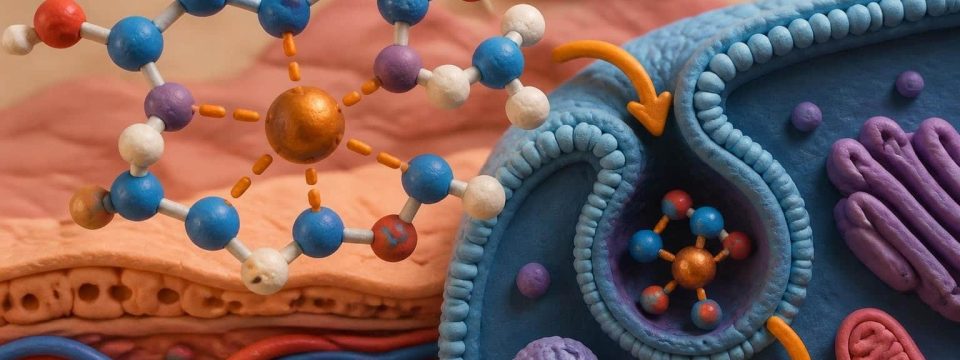
Copper tripeptide, scientifically known as GHK-Cu (Glycyl-L-Histidyl-L-Lysine-Copper), represents a significant area of peptide research due to its multifaceted biological activities and potential applications across various scientific disciplines. This naturally occurring compound consists of three amino acids bound to a copper ion, creating a complex that has demonstrated remarkable properties in laboratory settings. Since its initial discovery in human plasma in the 1970s, researchers have dedicated substantial effort to understanding how this peptide interacts with cellular systems, influences gene expression, and participates in tissue repair mechanisms. The molecular structure and binding characteristics of copper tripeptide make it particularly interesting for studies examining wound healing, collagen synthesis, and cellular regeneration processes.
Molecular Structure and Binding Characteristics
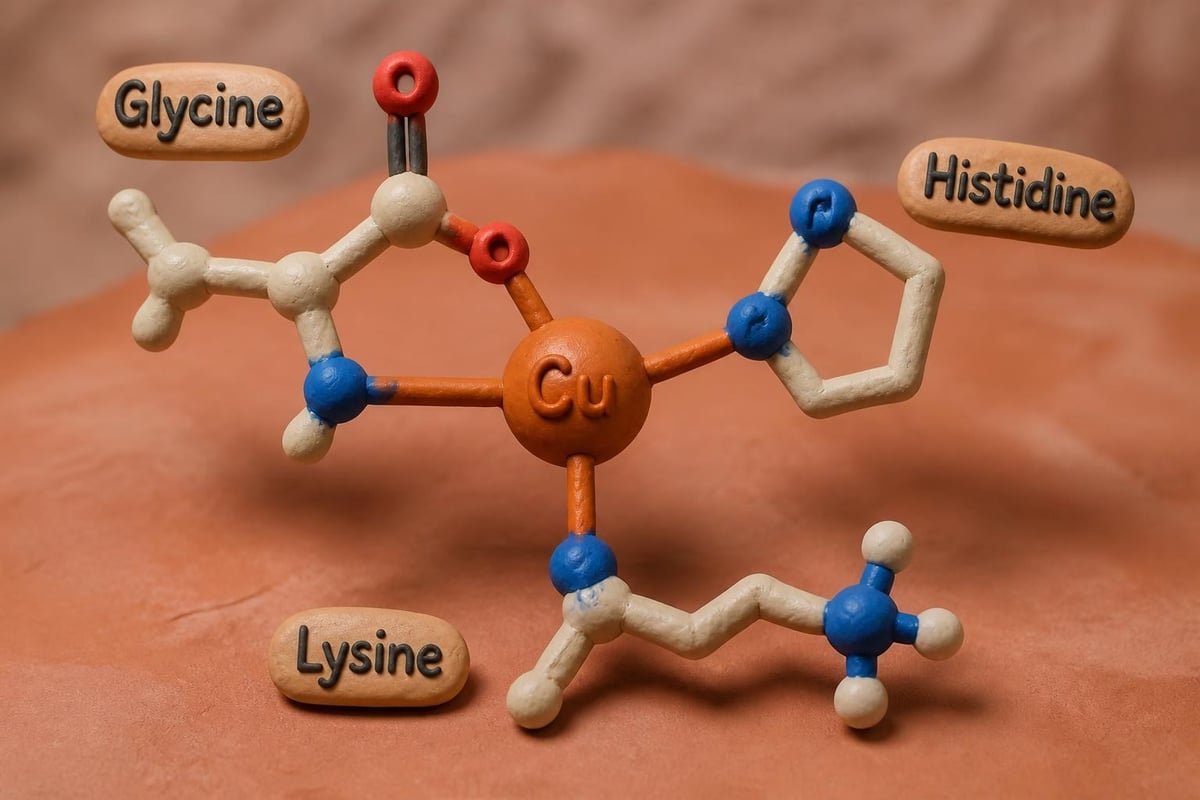
The copper tripeptide consists of glycine, histidine, and lysine residues arranged in a specific sequence that enables tight binding to copper(II) ions. This tripeptide-metal complex exhibits a square planar coordination geometry, where the copper ion coordinates with the nitrogen atoms of the peptide backbone and side chains.
The binding affinity between GHK and copper is exceptionally strong, with dissociation constants in the picomolar range. This high affinity ensures that the peptide effectively chelates copper ions in biological environments, potentially influencing copper distribution and availability within cellular systems.
Stability and Formulation Considerations
Research-grade copper tripeptide requires careful handling to maintain stability and activity. Several factors influence the peptide's longevity in laboratory conditions:
- pH sensitivity: Optimal stability occurs between pH 5.5 and 7.5
- Temperature: Storage at -20°C to -80°C preserves long-term integrity
- Light exposure: Minimal light exposure prevents oxidative degradation
- Oxidation susceptibility: Copper coordination can facilitate oxidative reactions
Recent synthesis studies have explored various formulation strategies to enhance stability, including acetate salt formations and lyophilized preparations that improve shelf life and reconstitution properties.
Mechanisms of Cellular Action
Copper tripeptide interacts with cells through multiple pathways, making it a subject of extensive investigation in regenerative biology research. The peptide's ability to influence cellular behavior stems from both its copper-delivery function and its inherent signaling properties.
Receptor Interactions and Cellular Uptake
The mechanism by which copper tripeptide enters cells has been studied extensively. Early research suggested that GHK may function by facilitating copper uptake into cells, though subsequent studies have revealed more complex interactions. The peptide appears to interact with specific cell surface receptors and transport proteins, enabling both the intact complex and released copper ions to influence intracellular processes.
Studies examining skin penetration characteristics have demonstrated that copper tripeptide can traverse biological membranes, with different distribution patterns across tissue layers. This penetration capability makes it valuable for research applications where transdermal or topical delivery systems are investigated.
Gene Expression Modulation
One of the most remarkable aspects of copper tripeptide research involves its effects on gene expression. Comprehensive analyses have identified thousands of genes potentially influenced by GHK-Cu exposure in various cell types. Medical literature compilations document how the peptide modulates genes involved in:
- Collagen production and extracellular matrix remodeling
- Inflammatory response regulation
- Antioxidant enzyme expression
- Growth factor synthesis and receptor sensitivity
- Apoptotic and cell survival pathways
| Gene Category | Effect Direction | Research Application |
|---|---|---|
| Collagen I/III | Upregulation | Tissue repair models |
| Matrix metalloproteinases | Balanced modulation | Remodeling studies |
| TGF-β pathway | Enhancement | Fibrosis research |
| Inflammatory cytokines | Downregulation | Anti-inflammatory studies |
Research Applications in Tissue Repair
Laboratory investigations into copper tripeptide have focused heavily on tissue repair mechanisms. The peptide's influence on wound healing processes occurs through multiple coordinated effects on different cell types and molecular pathways.
Collagen Synthesis and Matrix Remodeling
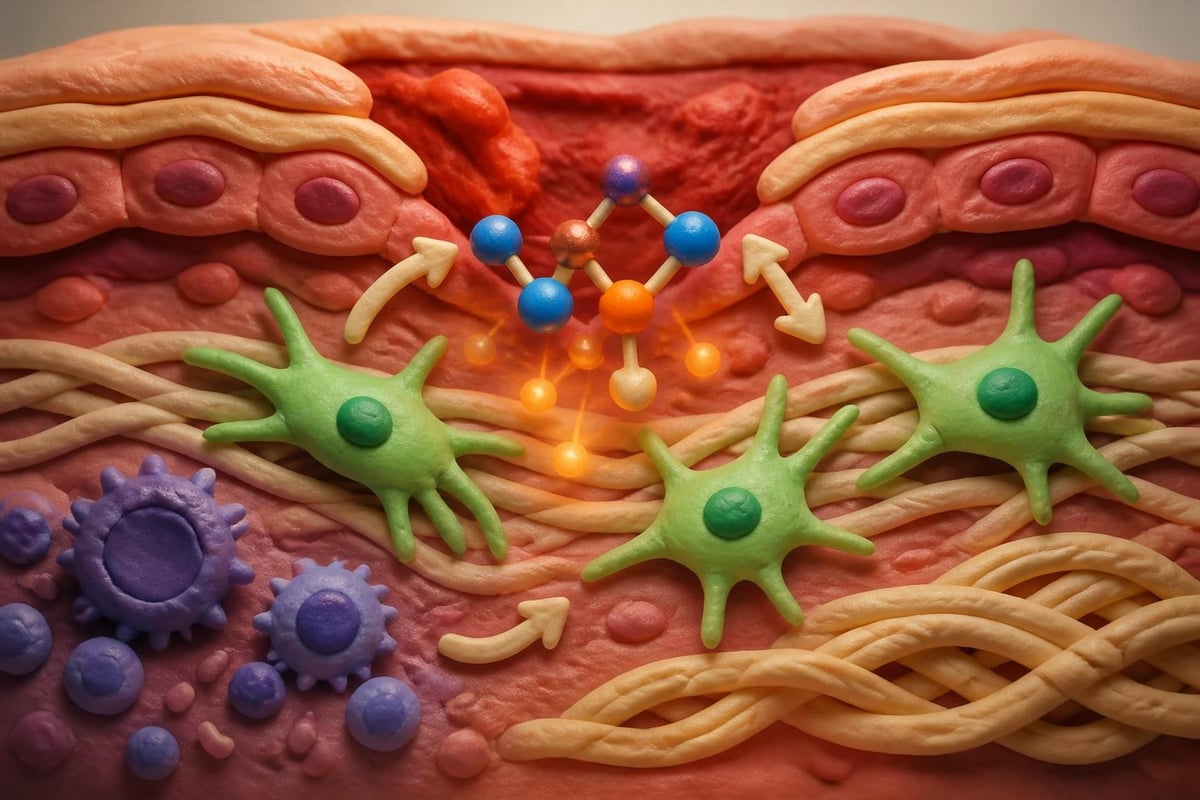
Copper tripeptide demonstrates significant effects on fibroblast activity in vitro. Research models show enhanced collagen synthesis, improved organization of collagen fibers, and balanced production of matrix metalloproteinases that regulate extracellular matrix turnover. These properties make it valuable for studies examining dermal regeneration and connective tissue repair.
The peptide appears to promote type I and type III collagen production while simultaneously regulating enzymes that degrade excessive or damaged matrix components. This dual action supports the formation of properly organized tissue architecture rather than disordered scar formation.
Angiogenesis and Vascular Support
Research into copper tripeptide's effects on blood vessel formation has revealed promoting effects on endothelial cell migration and tube formation in laboratory models. These angiogenic properties contribute to improved nutrient and oxygen delivery in tissue repair scenarios, making it relevant for studies examining vascularization in healing processes.
Anti-Inflammatory and Antioxidant Properties
The copper tripeptide exhibits notable anti-inflammatory characteristics in research settings, influencing both acute and chronic inflammatory responses. Studies on skin retention have evaluated its potential as an anti-inflammatory agent, examining how the peptide modulates inflammatory signaling cascades.
Inflammatory Mediator Regulation
Laboratory models demonstrate that copper tripeptide can reduce production of pro-inflammatory cytokines including TNF-α, IL-1β, and IL-6. This occurs through multiple mechanisms:
- Inhibition of NF-κB signaling pathway activation
- Modulation of MAPK cascades involved in inflammatory responses
- Enhancement of anti-inflammatory mediator production
- Reduction of oxidative stress through antioxidant enzyme upregulation
The antioxidant properties stem partly from copper's role in superoxide dismutase activity and from the peptide's ability to scavenge free radicals directly. Research examining oxidative stress models has shown protective effects against reactive oxygen species damage.
Dermatological Research Applications
Copper tripeptide has become a significant focus in dermatological research, with studies examining its effects on skin aging, photoprotection, and barrier function. The peptide's multifunctional properties address several aspects of skin biology simultaneously.
Skin Aging Models
In vitro studies using aged fibroblast cultures and photoaged skin models have demonstrated that copper tripeptide can partially reverse markers of cellular senescence. Recent skincare research has explored these anti-aging properties, though laboratory-grade applications remain distinct from consumer formulations.
Research parameters examined include:
- Elastin fiber density and organization
- Hyaluronic acid synthesis and retention
- Epidermal thickness and keratinocyte proliferation
- Dermal-epidermal junction integrity
- Photoprotective enzyme expression
Barrier Function Studies
The peptide influences multiple components of skin barrier function in research models. Studies have examined effects on ceramide synthesis, tight junction protein expression, and antimicrobial peptide production. These findings support research into barrier repair mechanisms and protective strategies against environmental stressors.
For researchers exploring complementary peptide combinations, formulations like the GLOW Blend incorporate copper tripeptide alongside other regenerative peptides to examine synergistic effects on tissue repair and recovery processes. These blended approaches allow investigation of how different peptide mechanisms might interact to enhance overall regenerative responses.
Comparative Analysis with Other Regenerative Peptides
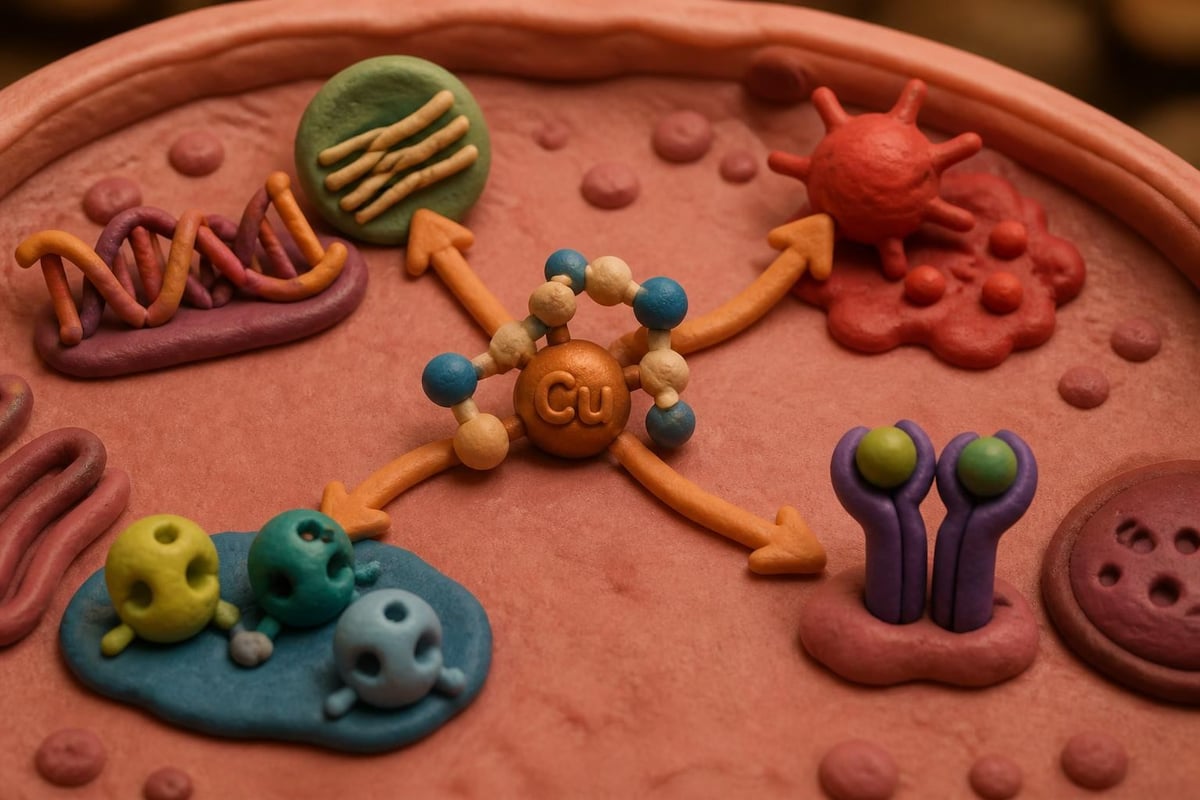
Understanding copper tripeptide's position within the broader peptide research landscape requires comparison with other compounds studied for tissue repair and regeneration. Each peptide class offers distinct mechanisms and research applications.
| Peptide Type | Primary Mechanism | Tissue Specificity | Research Focus |
|---|---|---|---|
| Copper Tripeptide | Gene modulation, copper delivery | Broad tissue types | Matrix remodeling, inflammation |
| BPC-157 | Growth factor stimulation | GI tract, tendons | Angiogenesis, healing acceleration |
| TB-500 | Actin regulation | Muscle, connective tissue | Cell migration, vessel formation |
| Growth hormone secretagogues | Hormone pathway activation | Systemic | Metabolic effects, tissue maintenance |
This comparative framework helps researchers select appropriate compounds for specific experimental designs. Copper tripeptide's unique gene-modulating properties make it particularly valuable when investigating transcriptional changes during repair processes.
Experimental Design Considerations
Designing rigorous experiments with copper tripeptide requires attention to multiple variables that can influence outcomes and reproducibility. Protocol optimization ensures reliable data generation across different laboratory settings.
Concentration and Dosing Parameters
Research protocols typically employ copper tripeptide concentrations ranging from nanomolar to micromolar levels, depending on the experimental model and endpoints measured. In vitro cell culture studies often use 0.1-10 μM concentrations, while tissue culture models may require different ranges.
Factors influencing optimal dosing include:
- Cell type and density
- Culture medium composition and serum content
- Treatment duration and frequency
- Endpoint sensitivity and detection methods
Detailed research compilations provide concentration references across various study types, though each laboratory should establish optimal parameters for their specific systems.
Control and Standardization Requirements
Proper experimental controls ensure that observed effects specifically result from copper tripeptide activity rather than confounding variables. Essential controls include:
- Vehicle controls: Matching buffer or solvent without peptide
- Copper-only controls: Equivalent copper concentrations without peptide
- Peptide-only controls: GHK without copper coordination
- Positive controls: Known active compounds for comparison
Standardization extends to peptide source and quality verification. Third-party testing confirms purity, proper copper coordination, and absence of contaminants that could influence experimental results.
Analytical Methods and Quality Verification
Characterizing copper tripeptide preparations ensures experimental validity and reproducibility. Multiple analytical techniques verify identity, purity, and copper content.
Spectroscopic and Chromatographic Analysis
High-performance liquid chromatography (HPLC) serves as the primary purity assessment method, with UV detection at 214-220 nm revealing peptide peaks and potential impurities. Mass spectrometry confirms molecular weight and copper coordination status.
Additional characterization methods include:
- UV-Vis spectroscopy: Copper coordination creates characteristic absorbance around 520-540 nm
- Circular dichroism: Secondary structure analysis in solution
- Atomic absorption: Direct copper quantification
- NMR spectroscopy: Detailed structural confirmation
Stability Testing Protocols
Research-grade peptides require stability verification under storage and experimental conditions. Accelerated stability studies examine degradation patterns over time at various temperatures and pH levels. These data inform appropriate storage recommendations and reconstitution protocols.
Stability indicators monitored include:
- Peak purity by HPLC
- Copper dissociation and oxidation
- Aggregation or precipitation
- Biological activity retention in functional assays
Applications in Neurobiology Research
Beyond tissue repair applications, copper tripeptide has attracted attention in neurobiology research due to its neuroprotective properties and effects on nervous system cells. The peptide's ability to modulate oxidative stress and inflammatory responses makes it relevant for neurological research models.
Neuroprotection Models
Studies using neuronal cell cultures exposed to oxidative stress or excitotoxic conditions have demonstrated protective effects of copper tripeptide. The peptide appears to enhance neuronal survival through multiple mechanisms:
- Reduction of reactive oxygen species accumulation
- Mitigation of mitochondrial dysfunction
- Modulation of inflammatory microglial activation
- Support of neurotrophic factor expression
These properties support research into neurodegenerative conditions and brain injury models, though applications remain at the fundamental research stage.
Blood-Brain Barrier Considerations
The ability of copper tripeptide to cross the blood-brain barrier influences its potential for central nervous system research. Studies examining penetration across biological barriers provide insights into transport mechanisms, though brain-specific delivery remains an area requiring further investigation.
Safety Profiles in Laboratory Settings
Understanding the safety characteristics of copper tripeptide ensures appropriate handling protocols and risk assessment in research environments. While intended solely for laboratory use, comprehensive safety data informs proper experimental design and handling procedures.
Handling and Disposal Protocols
Laboratory-grade copper tripeptide requires standard peptide handling precautions:
- Personal protective equipment including gloves and eye protection
- Avoid aerosol generation during weighing and reconstitution
- Work in appropriate ventilation or containment
- Follow institutional guidelines for peptide waste disposal
- Maintain material safety data sheets and inventory records
Toxicity Considerations in Research Models
In vitro cytotoxicity assessments across various cell types generally show low toxicity at physiologically relevant concentrations. However, excessive copper concentrations can induce oxidative stress and cellular damage. Researchers must establish appropriate dose ranges that avoid non-specific toxicity while achieving desired experimental effects.
Long-term exposure studies in cell culture models help identify any cumulative effects or adaptive responses that might influence experimental interpretation.
Formulation Strategies for Different Applications
Optimizing copper tripeptide formulations for specific research applications enhances stability, delivery efficiency, and experimental outcomes. Different research models may benefit from tailored preparation approaches.
Solution-Phase Preparations
Standard aqueous formulations in buffered solutions provide simplicity and direct dosing control. Typical preparation involves:
- Reconstitute lyophilized peptide in sterile water or appropriate buffer
- Adjust pH to 6.0-7.0 for optimal stability
- Filter sterilize using 0.22 μm filters if required
- Aliquot and store at -20°C or -80°C
- Avoid repeated freeze-thaw cycles
Advanced Delivery Systems
Research into enhanced delivery methods explores various strategies to improve peptide stability and cellular uptake:
| Delivery System | Advantages | Research Applications |
|---|---|---|
| Liposomal encapsulation | Enhanced penetration, sustained release | Skin models, barrier studies |
| Nanoparticle carriers | Targeted delivery, protection from degradation | Specific tissue targeting |
| Hydrogel incorporation | Controlled release, tissue scaffolding | Wound healing models |
| Microneedle arrays | Enhanced transdermal delivery | Skin penetration studies |
Emerging Research Directions
Current research trajectories continue expanding understanding of copper tripeptide mechanisms and potential applications. Several areas represent particularly active investigation focuses.
Epigenetic Modifications
Recent studies have begun examining whether copper tripeptide influences epigenetic markers such as DNA methylation and histone modifications. Research overviews discuss how these epigenetic effects might contribute to long-term cellular changes observed in tissue repair models.
Understanding epigenetic mechanisms could reveal how brief peptide exposures produce sustained alterations in cellular phenotypes and tissue function.
Combination Therapy Research
Investigating copper tripeptide in combination with other bioactive compounds represents a growing research area. Synergistic effects with other peptides, growth factors, or small molecules might enhance tissue repair outcomes beyond what single agents achieve.
For laboratories interested in exploring peptide research, Data Peptides provides comprehensive resources and high-quality compounds for various experimental needs.
Personalized Medicine Applications
Preliminary research examining individual variability in copper tripeptide responses suggests that genetic factors, age, and baseline copper status might influence outcomes. This variability opens questions about personalized approaches in future therapeutic development.
Manufacturing and Quality Standards
Production of research-grade copper tripeptide follows rigorous protocols to ensure consistency, purity, and proper characterization. Understanding manufacturing considerations helps researchers select appropriate suppliers and verify product quality.
Synthesis Methodologies
Solid-phase peptide synthesis represents the standard production method, offering high purity and precise sequence control. The process involves:
- Sequential amino acid coupling on solid resin support
- Protection and deprotection of reactive groups
- Cleavage from resin and purification by preparative HPLC
- Copper coordination in controlled conditions
- Final purification and lyophilization
Quality synthesis requires expertise in peptide chemistry and appropriate equipment for each production step.
Batch Testing Requirements
Third-party verification provides independent confirmation of product specifications. Critical testing parameters include:
- Identity confirmation by mass spectrometry
- Purity assessment by analytical HPLC (typically ≥98%)
- Copper content quantification
- Endotoxin testing for cell culture applications
- Certificate of analysis documentation
These quality measures ensure that researchers work with well-characterized materials suitable for generating reliable, reproducible data.
Documentation and Regulatory Considerations
Maintaining comprehensive documentation supports research integrity and regulatory compliance. Proper records facilitate publication, replication studies, and institutional oversight.
Laboratory Records Management
Essential documentation elements include:
- Peptide source and lot numbers
- Storage conditions and stability data
- Preparation protocols and concentration calculations
- Experimental conditions and observations
- Quality control results and certificates of analysis
Digital record systems with appropriate backup procedures protect against data loss and support long-term study continuity.
Compliance with Research Guidelines
Institutional biosafety committees and research oversight bodies may require specific protocols for peptide research. Researchers should verify that their experimental plans align with institutional requirements and maintain appropriate approvals for their studies.
Remember that copper tripeptide from research suppliers is intended solely for laboratory investigation, not for human or animal consumption. Clear labeling and restricted access ensure appropriate use within research contexts.
Copper tripeptide continues to reveal diverse mechanisms and applications across tissue repair, dermatological, and neurobiological research domains. Its unique combination of gene-modulating properties, copper-delivery functions, and multi-pathway effects make it valuable for investigating complex biological processes. For researchers seeking laboratory-grade peptides manufactured to rigorous quality standards, Data Peptides supplies third-party tested compounds specifically designed for research applications, supporting scientific investigations with reliable, well-characterized materials.